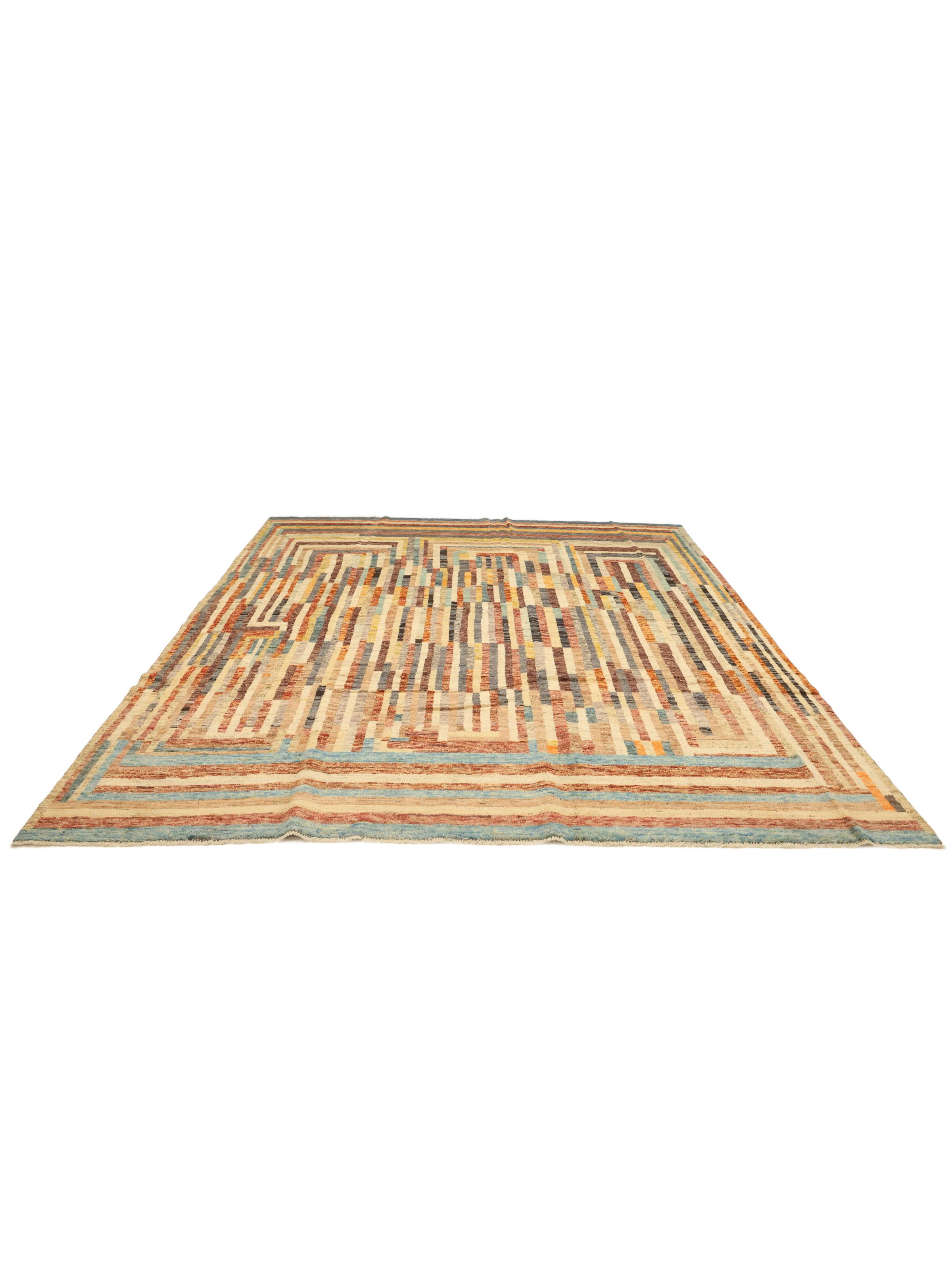
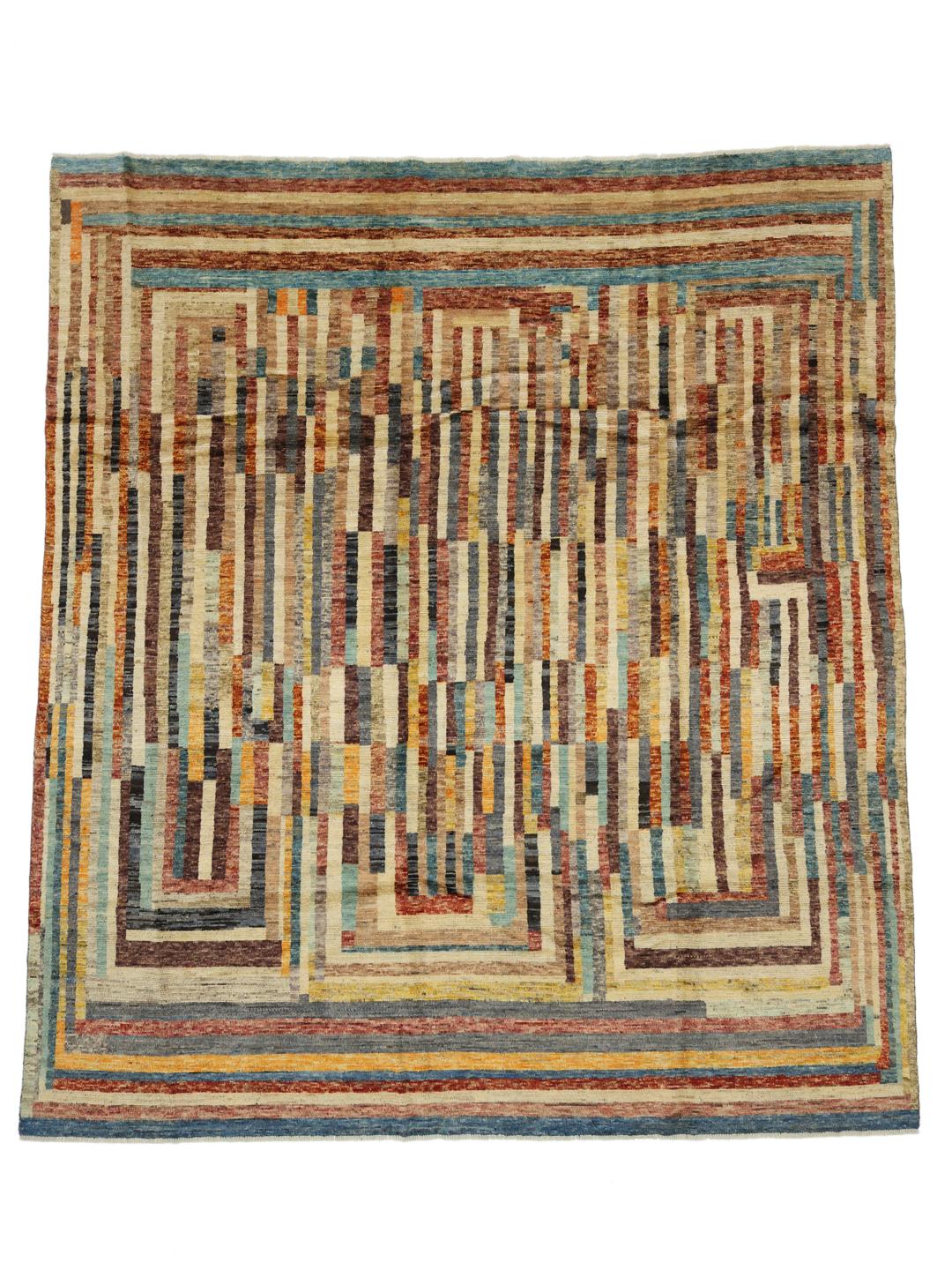
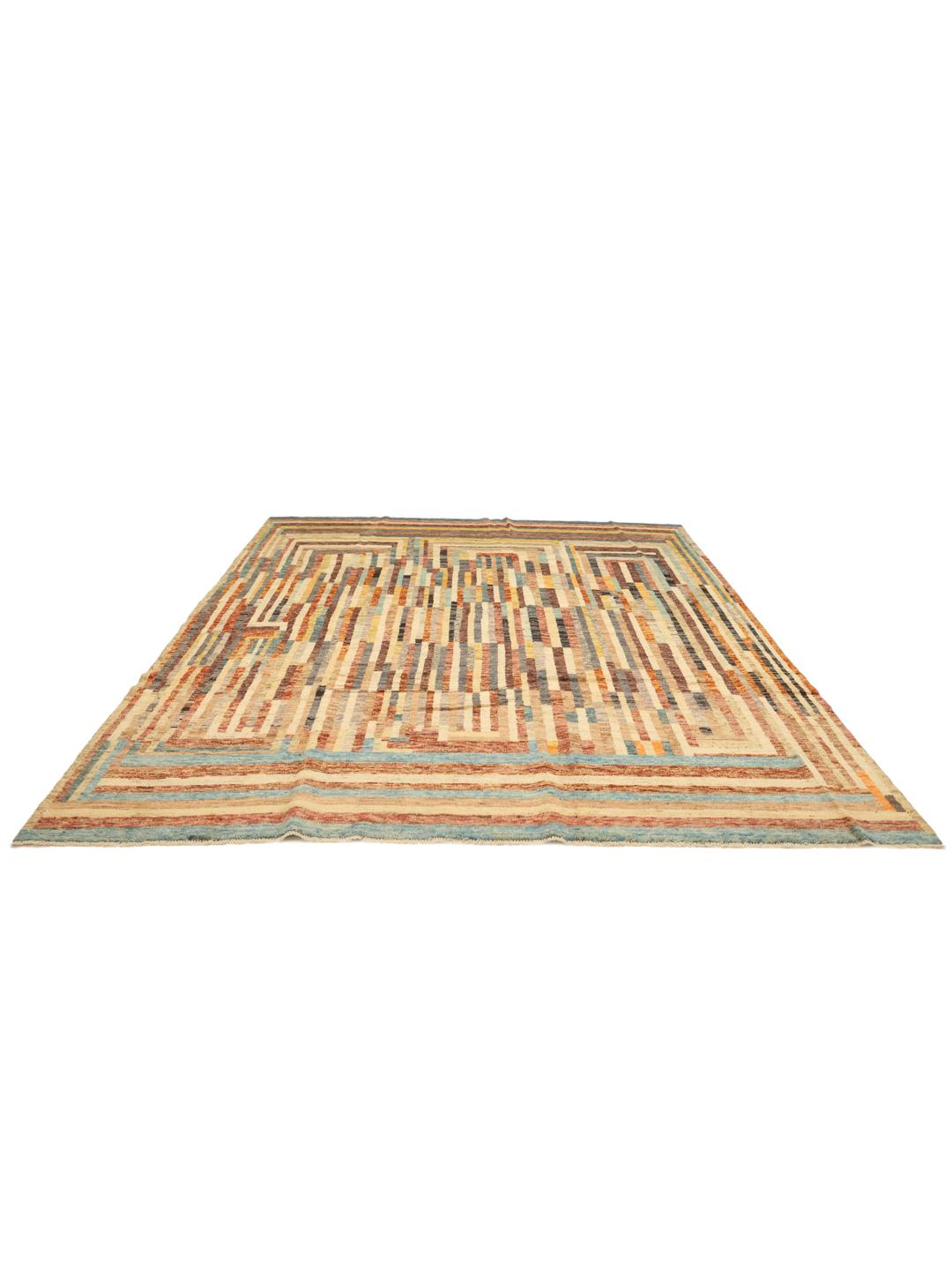
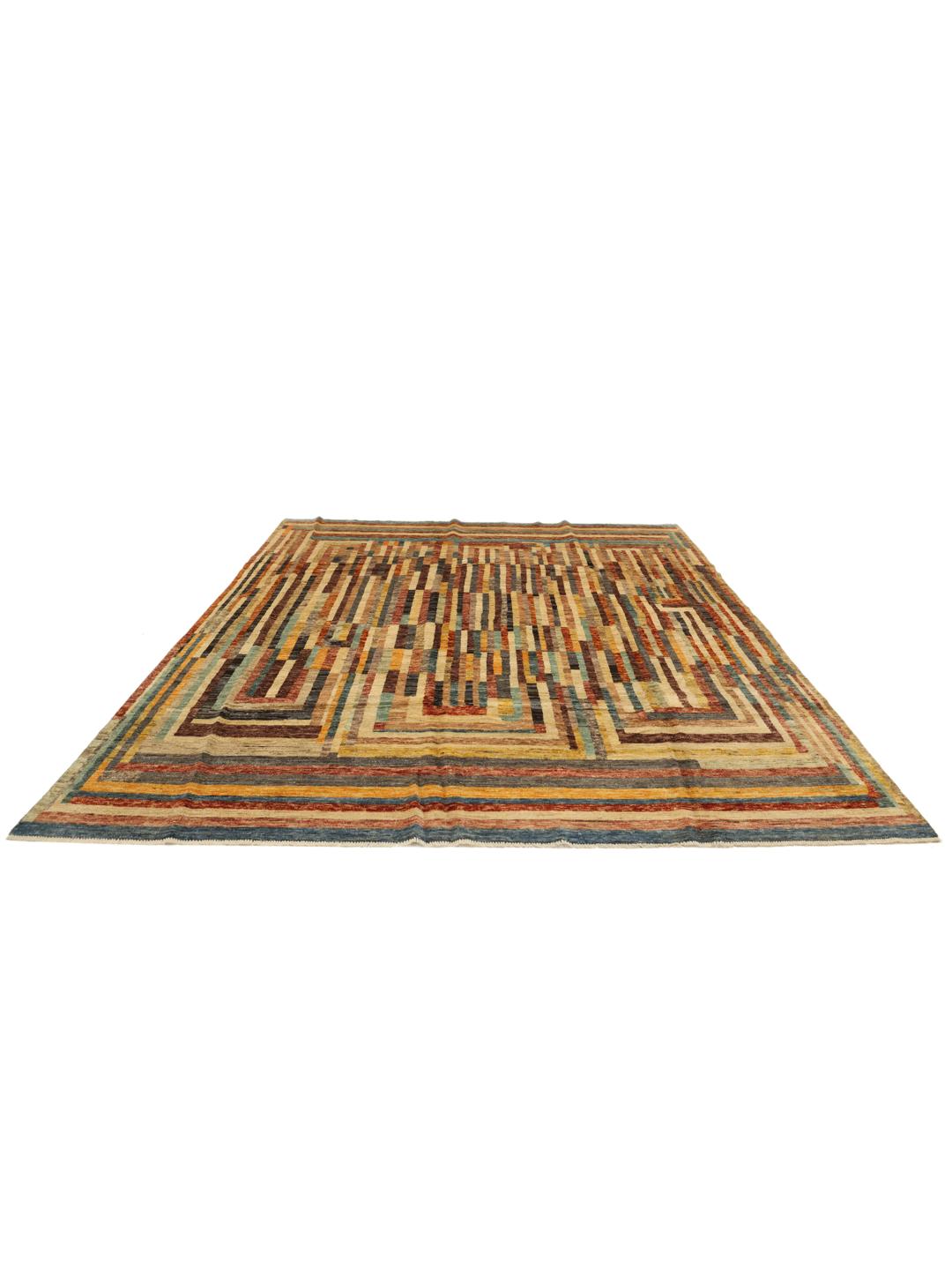
Berber-style rugs from Afghanistan represent a fascinating evolution in rug-making, merging ancient weaving techniques with a modern, artistic sensibility. While the term Berber is traditionally associated with the indigenous peoples of North Africa, its influence has travelled across cultures, inspiring weavers in Afghanistan to adopt and adapt these iconic, shaggy, and often geometric styles into their own regional repertoire.
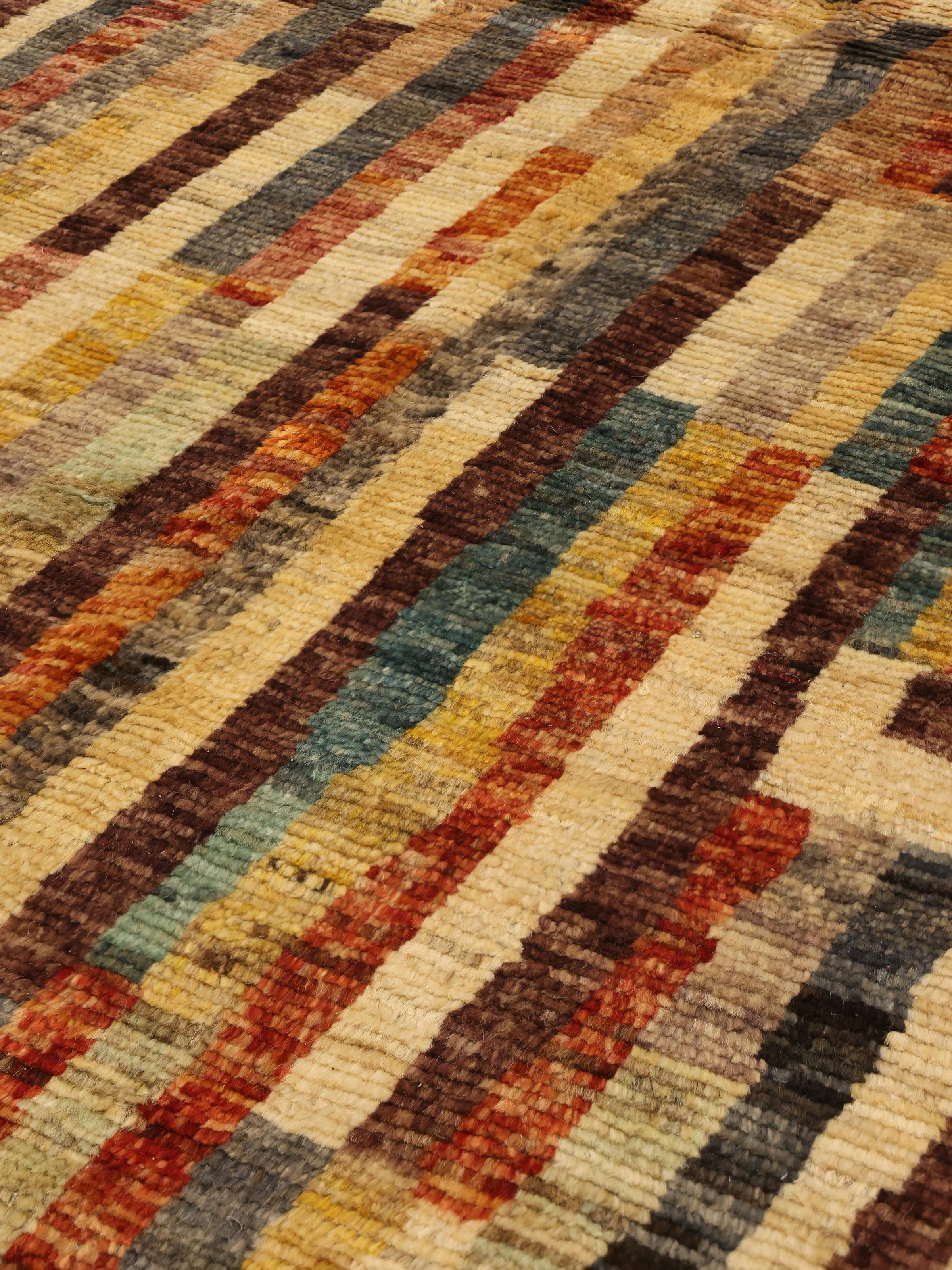
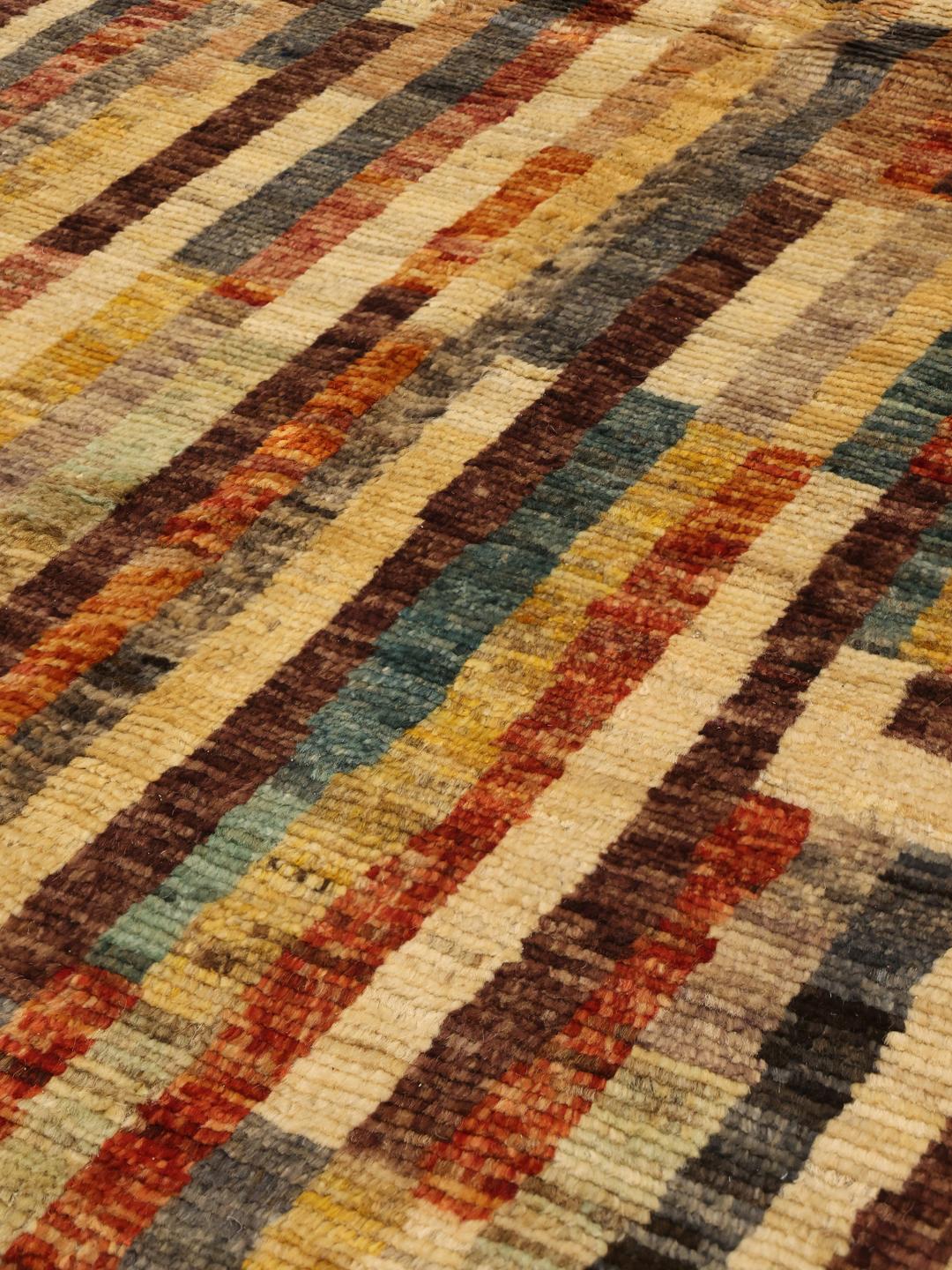
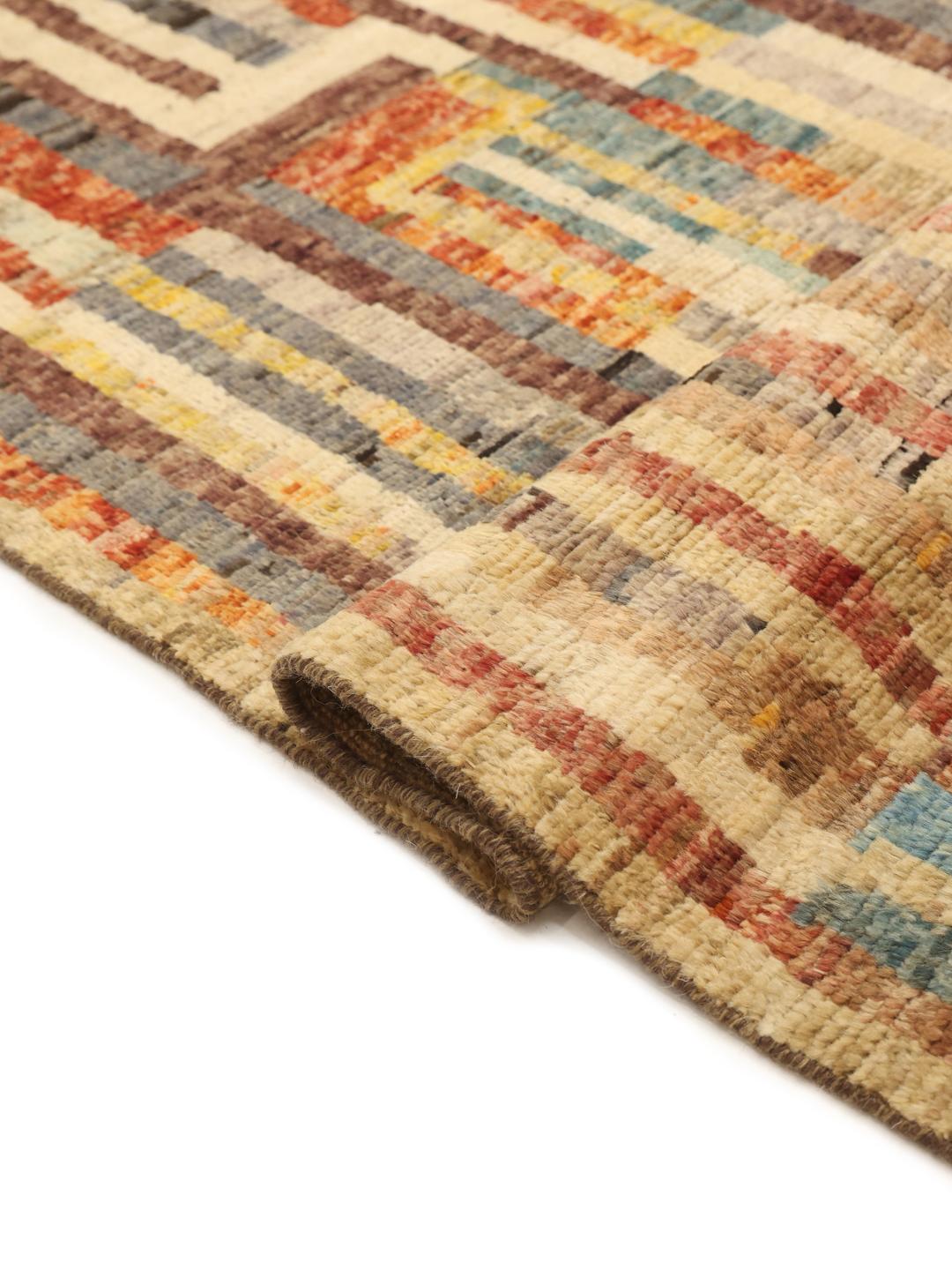
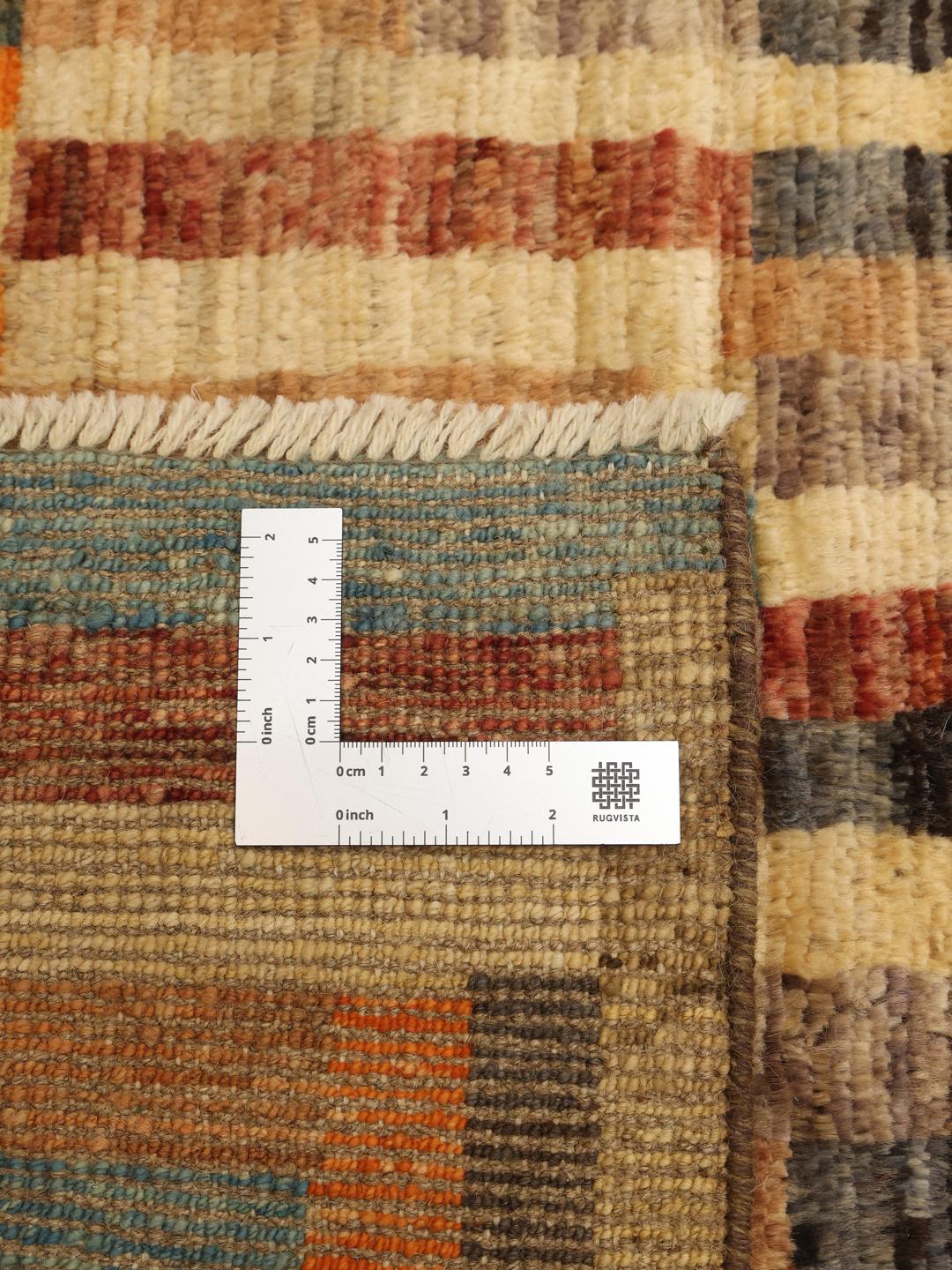
The production of these rugs relies on the skill of the weaver to manipulate the tension and density of the wool. By utilising a hand-knotted foundation, the makers ensure a level of quality that is distinct from simpler woven versions. This technique allows for a more complex and durable pile, which is essential for maintaining the rug's structural integrity over time.
Visually, these rugs are defined by their bold use of colour and abstract geometric arrangements. Unlike more formal, medallion-heavy traditions, this style embraces a more spontaneous and expressive design language. The use of vibrant, contrasting hues against a varied background is a hallmark of this tradition, allowing each rug to serve as a focal point in a contemporary interior.
Collecting a rug from this tradition is an act of appreciation for the enduring nature of hand-crafted goods. It represents a bridge between historical weaving methods and modern design needs, offering collectors and homeowners alike a piece that carries both cultural weight and visual excitement. Owning such a rug is a commitment to preserving the art of the loom.