Berber rugs originate from the nomadic traditions of the Middle East and North Africa, where they were traditionally crafted for their utility and warmth. Over generations, these rugs have evolved from functional floor coverings into celebrated artistic expressions, often incorporating symbols and colours that reflect the weaver's personal history and environment.
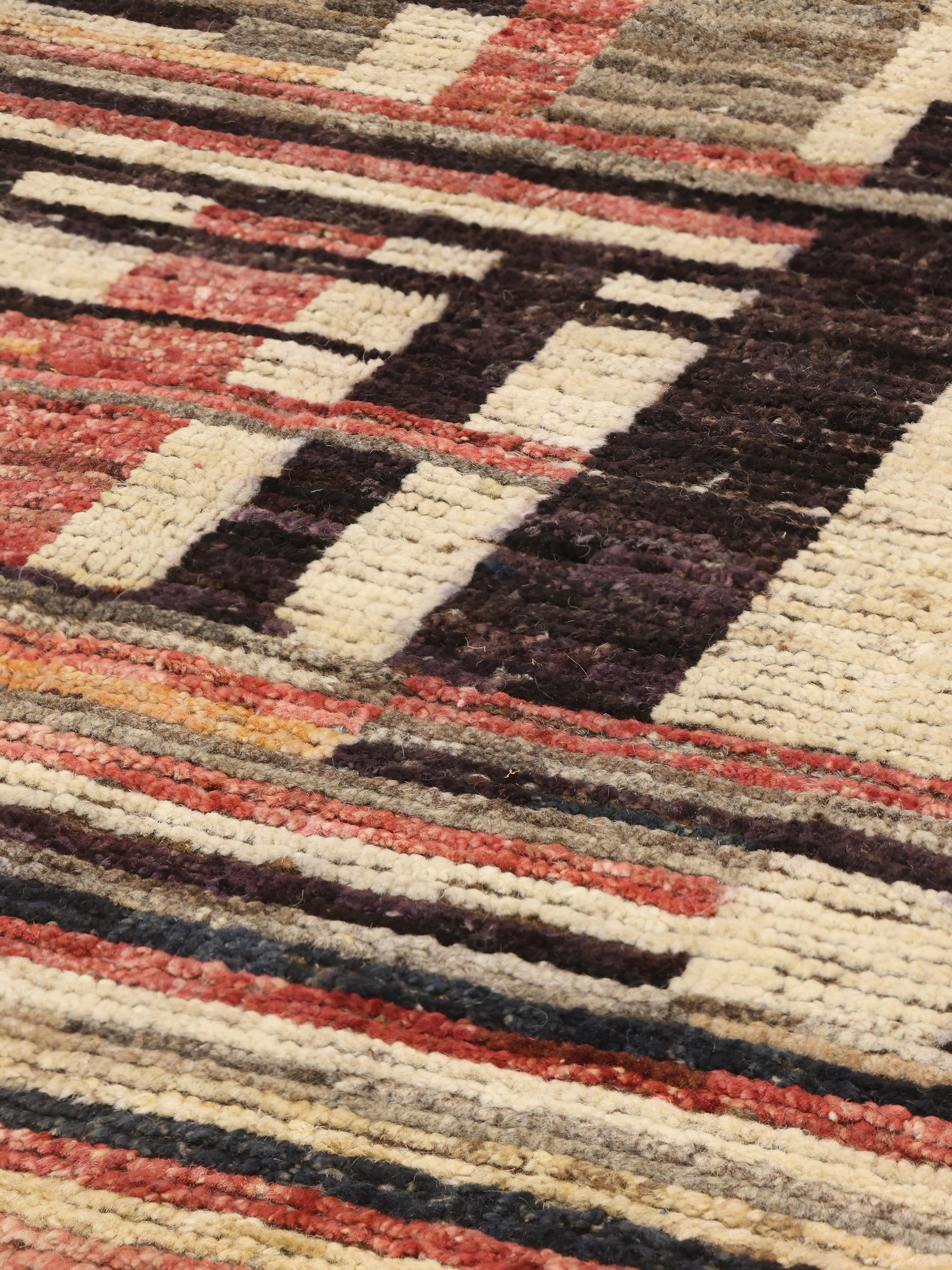
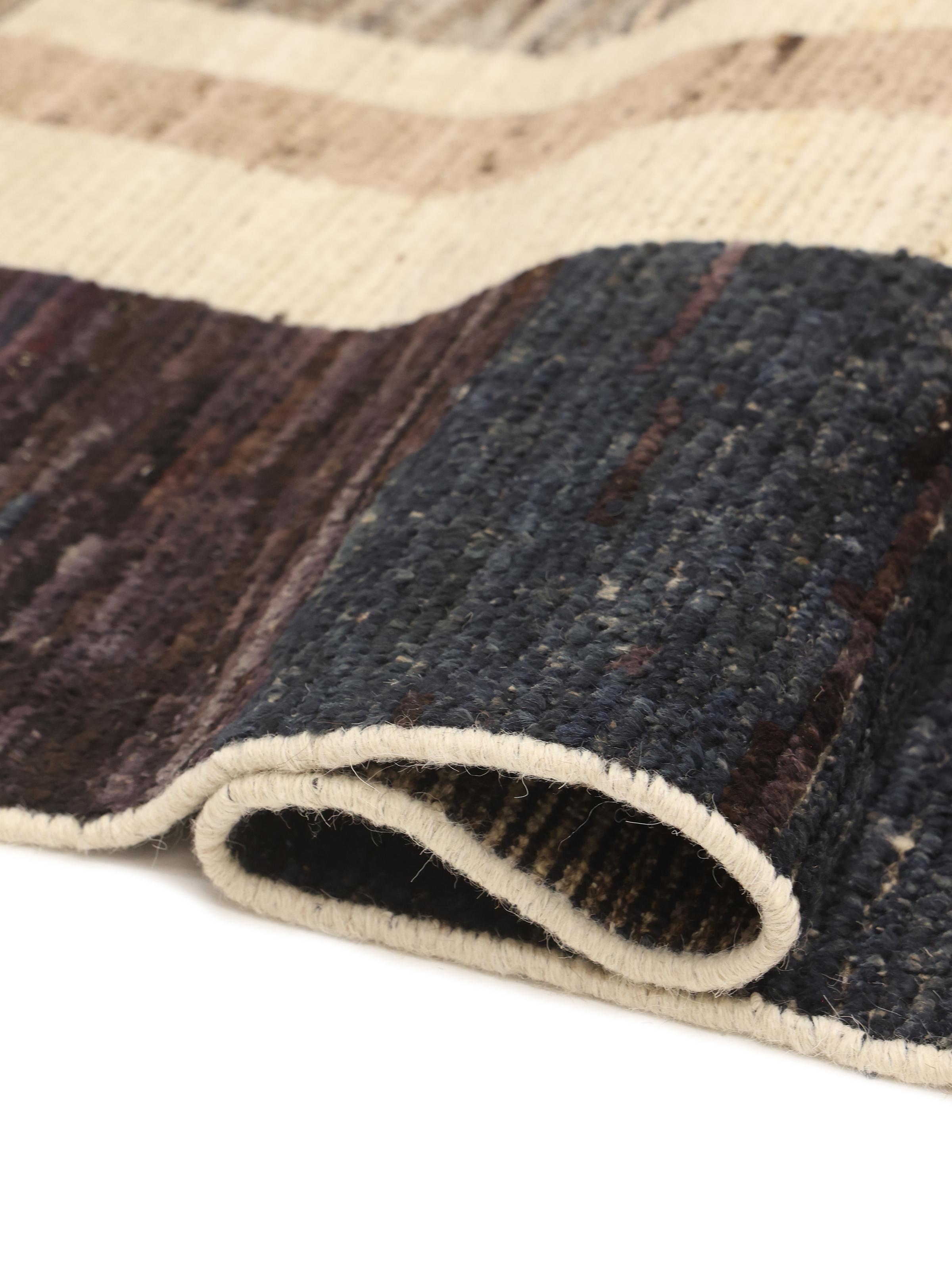
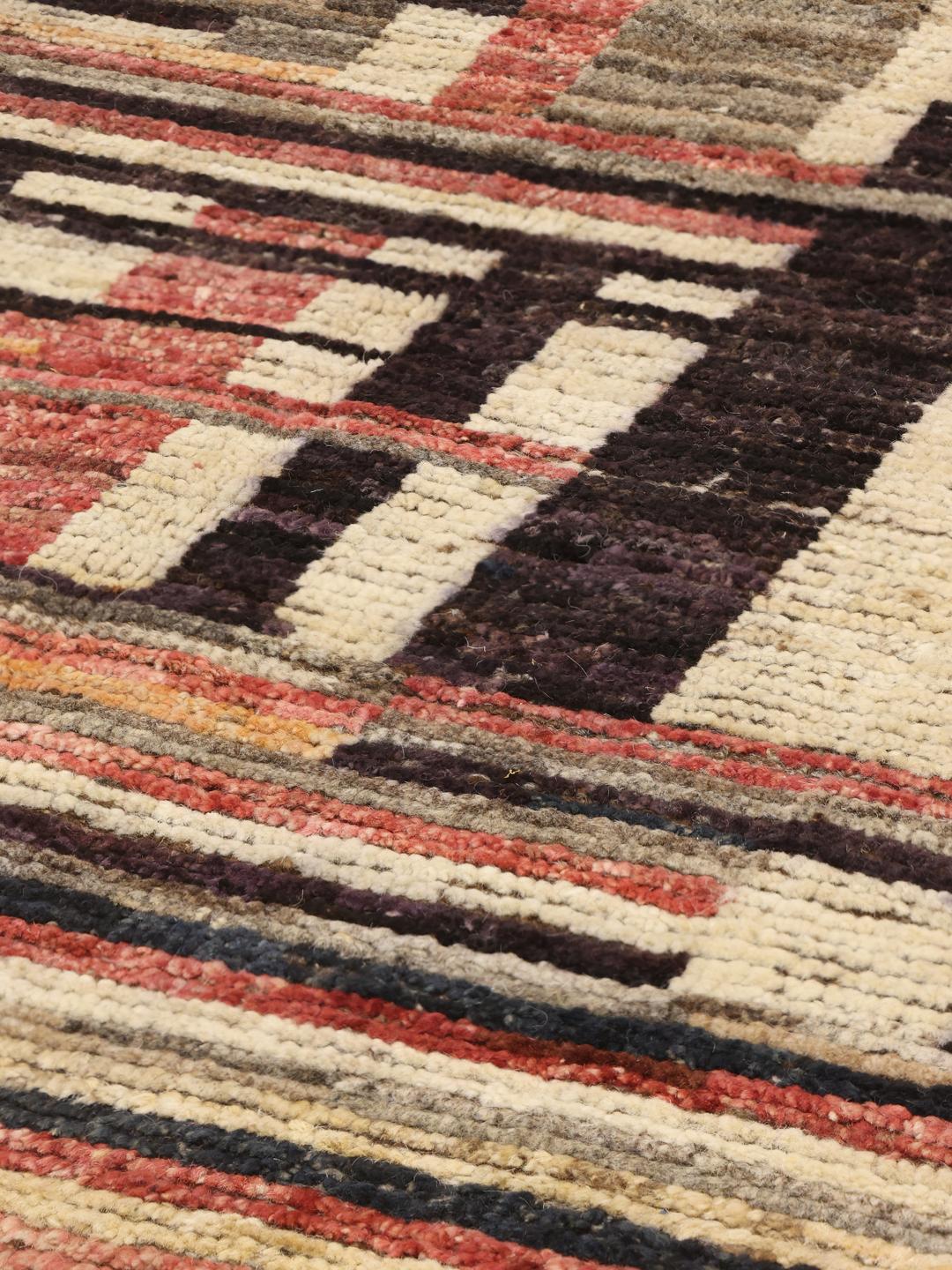
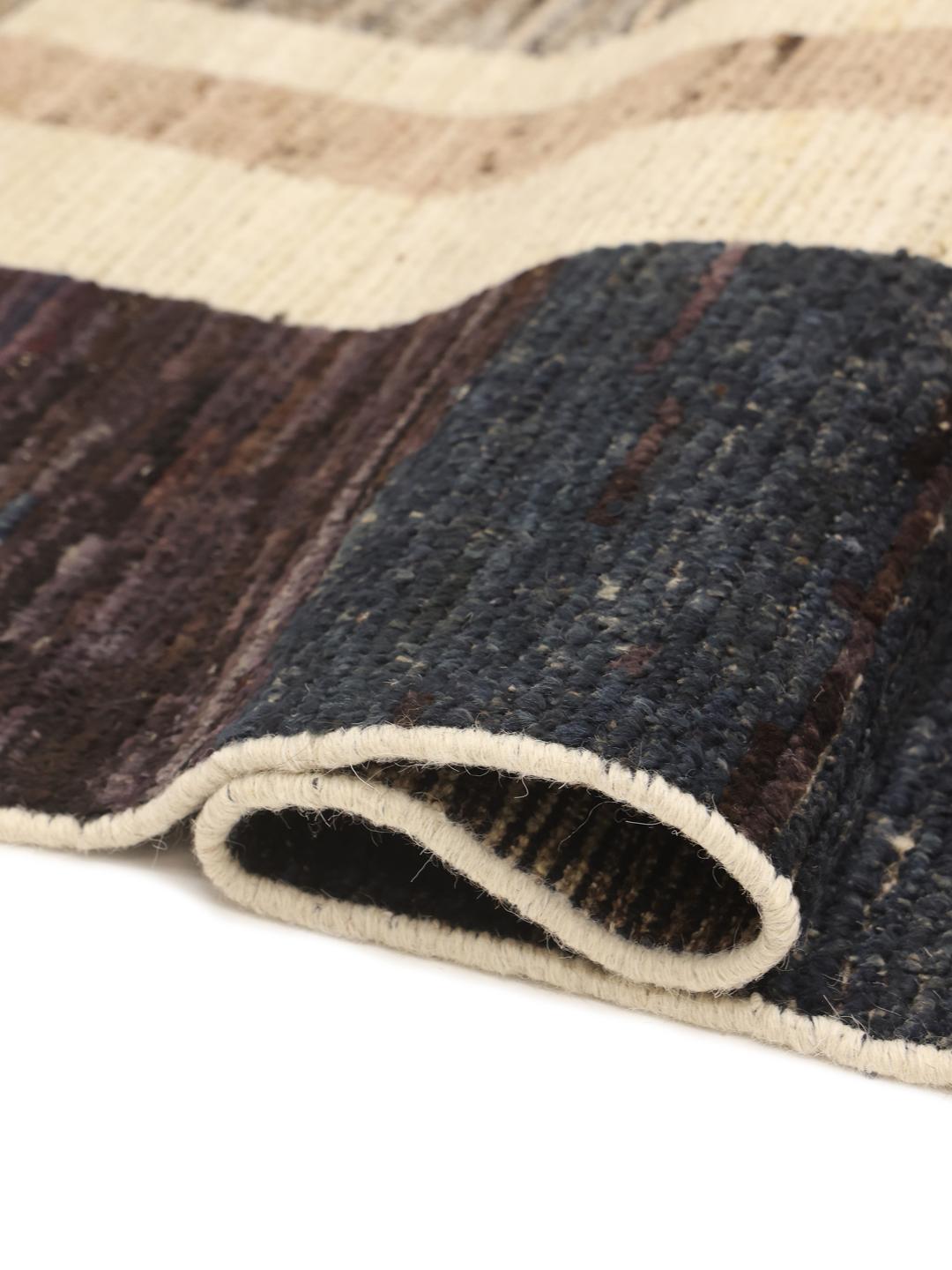
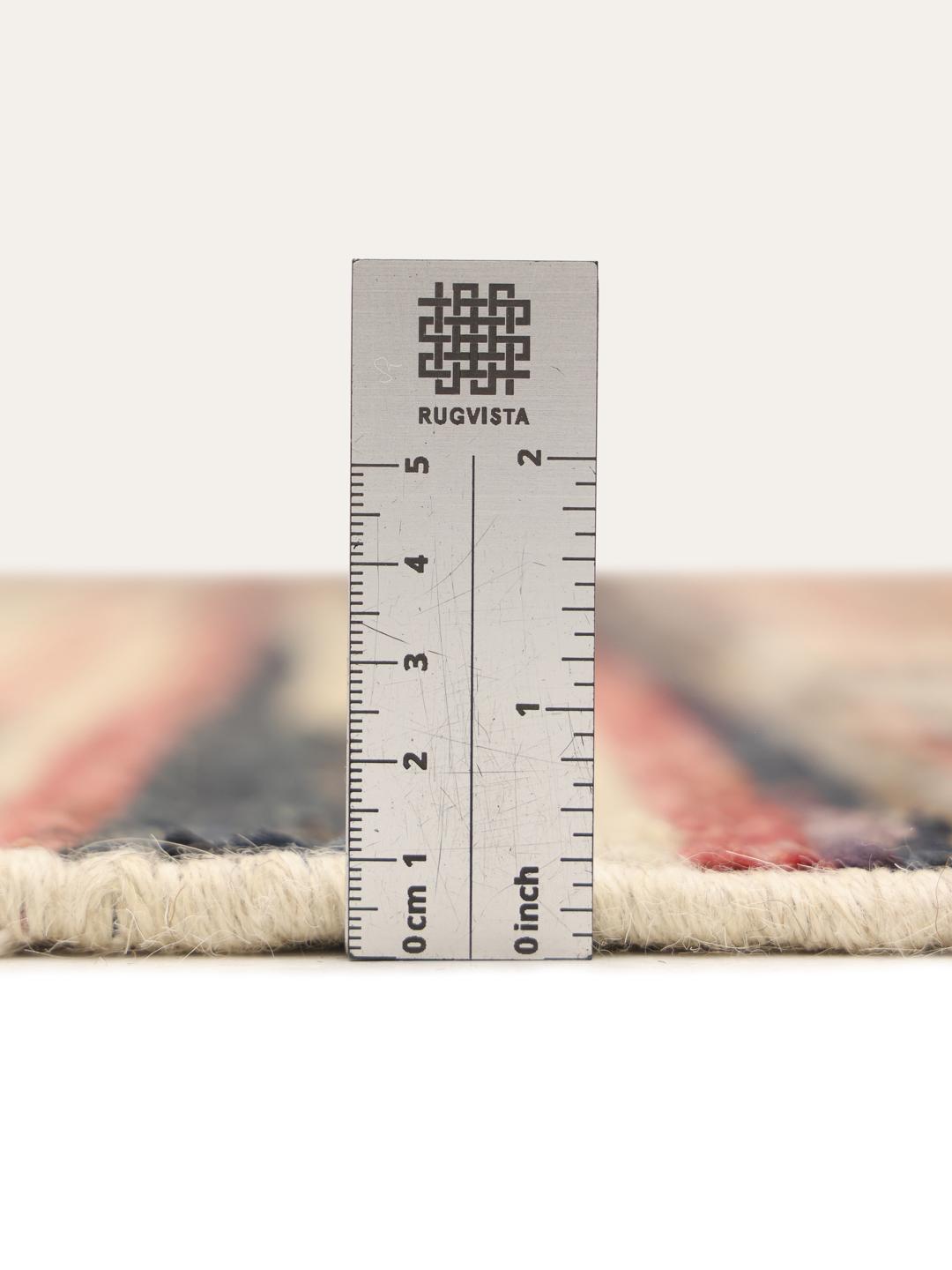
The term Berber refers to a style characterised by a thick, hand-knotted pile, often utilising a specific type of wool that retains its lustre and softness. This construction method is favoured not just for its comfort, but for its resilience, as the natural fibres are highly resistant to wear and maintain their appearance even in high-traffic areas of the home.
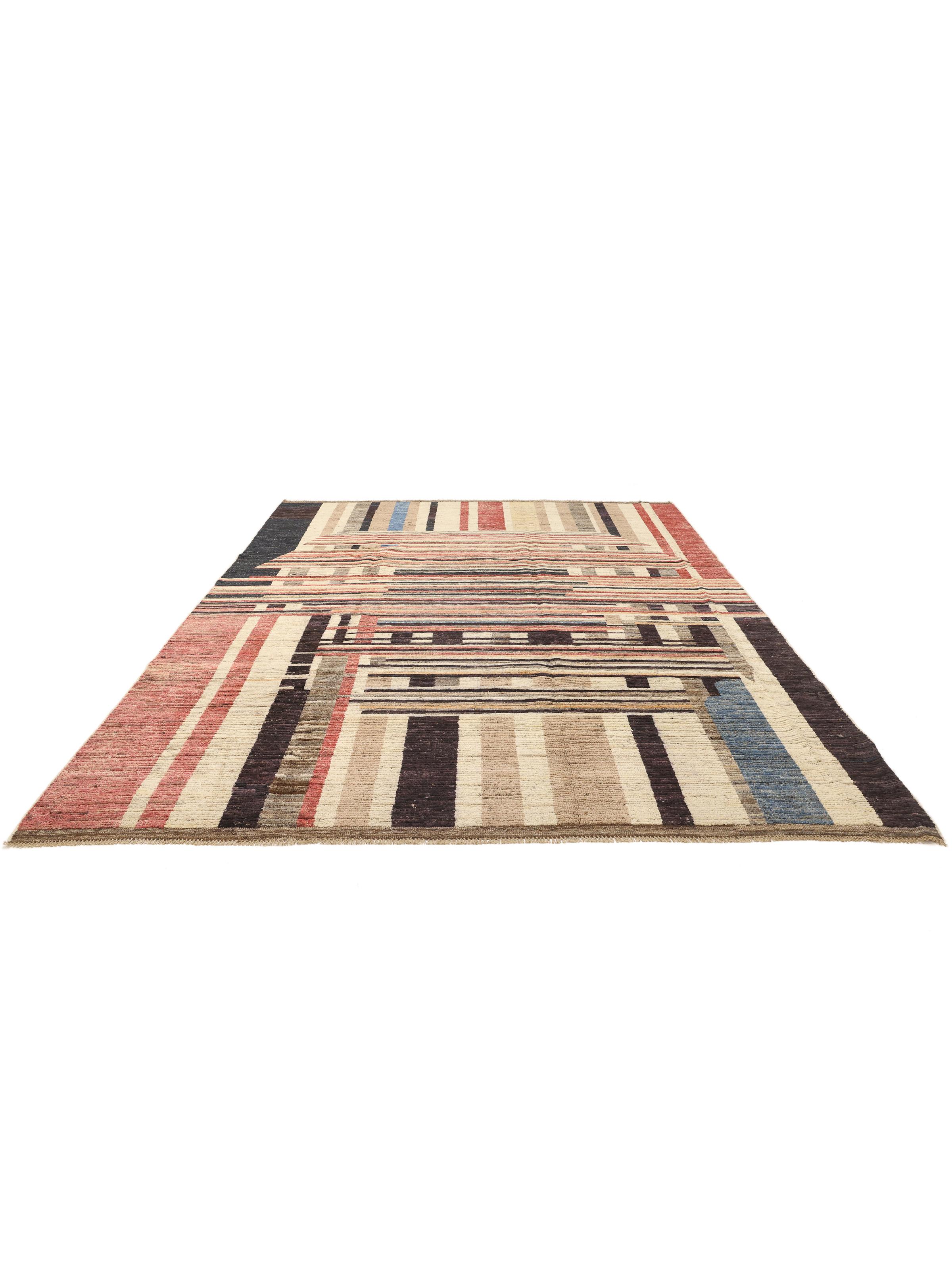
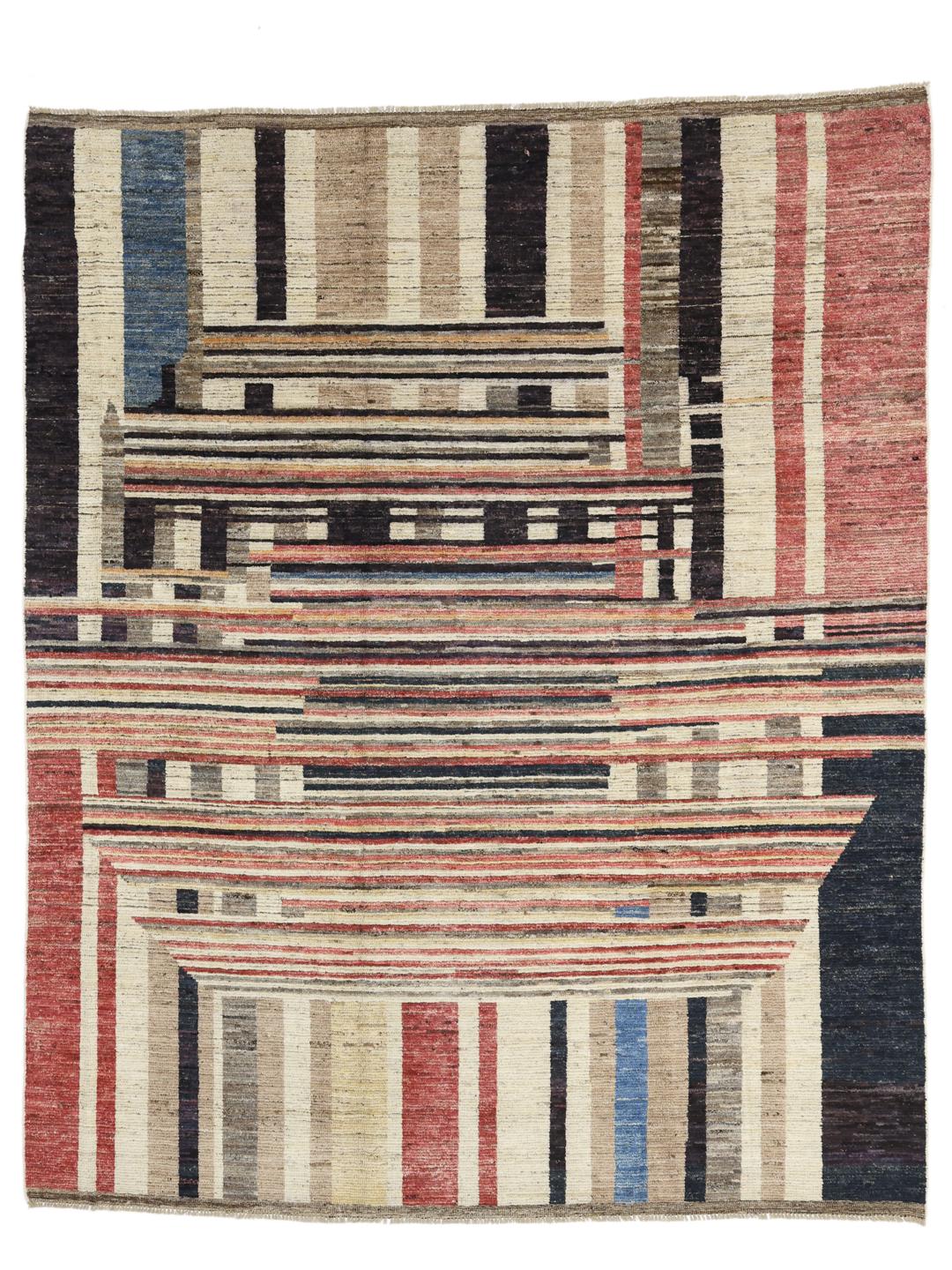
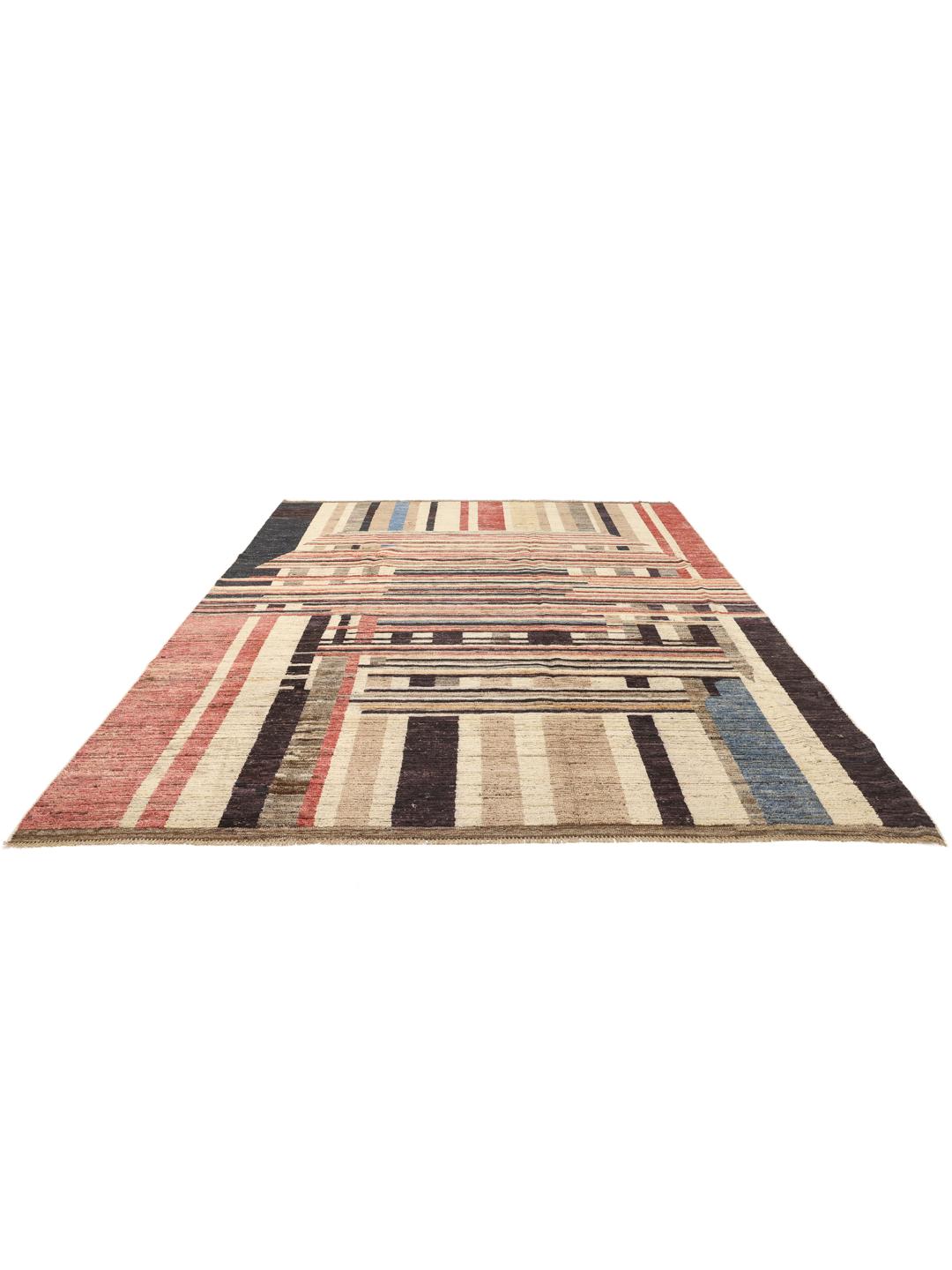
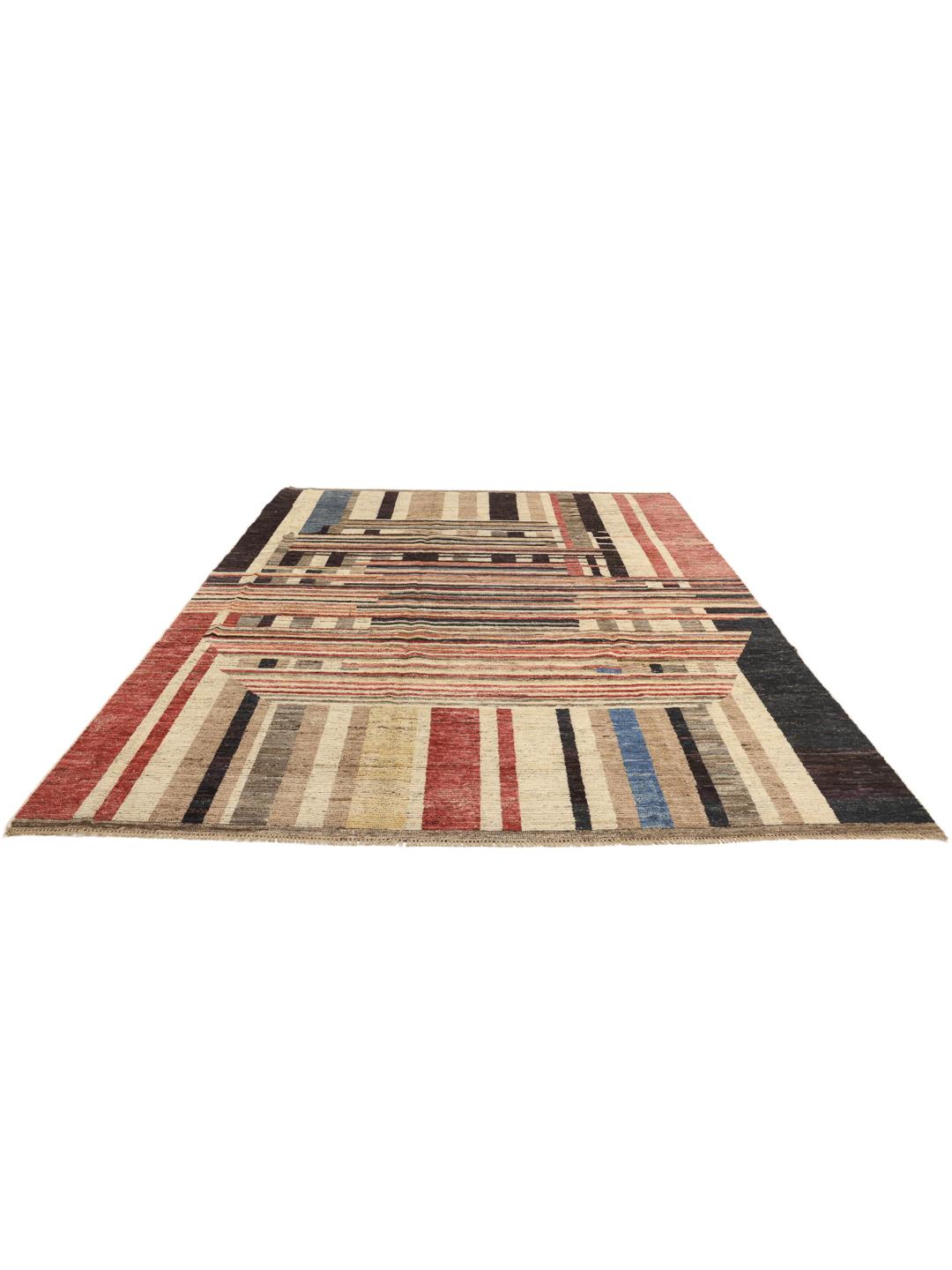
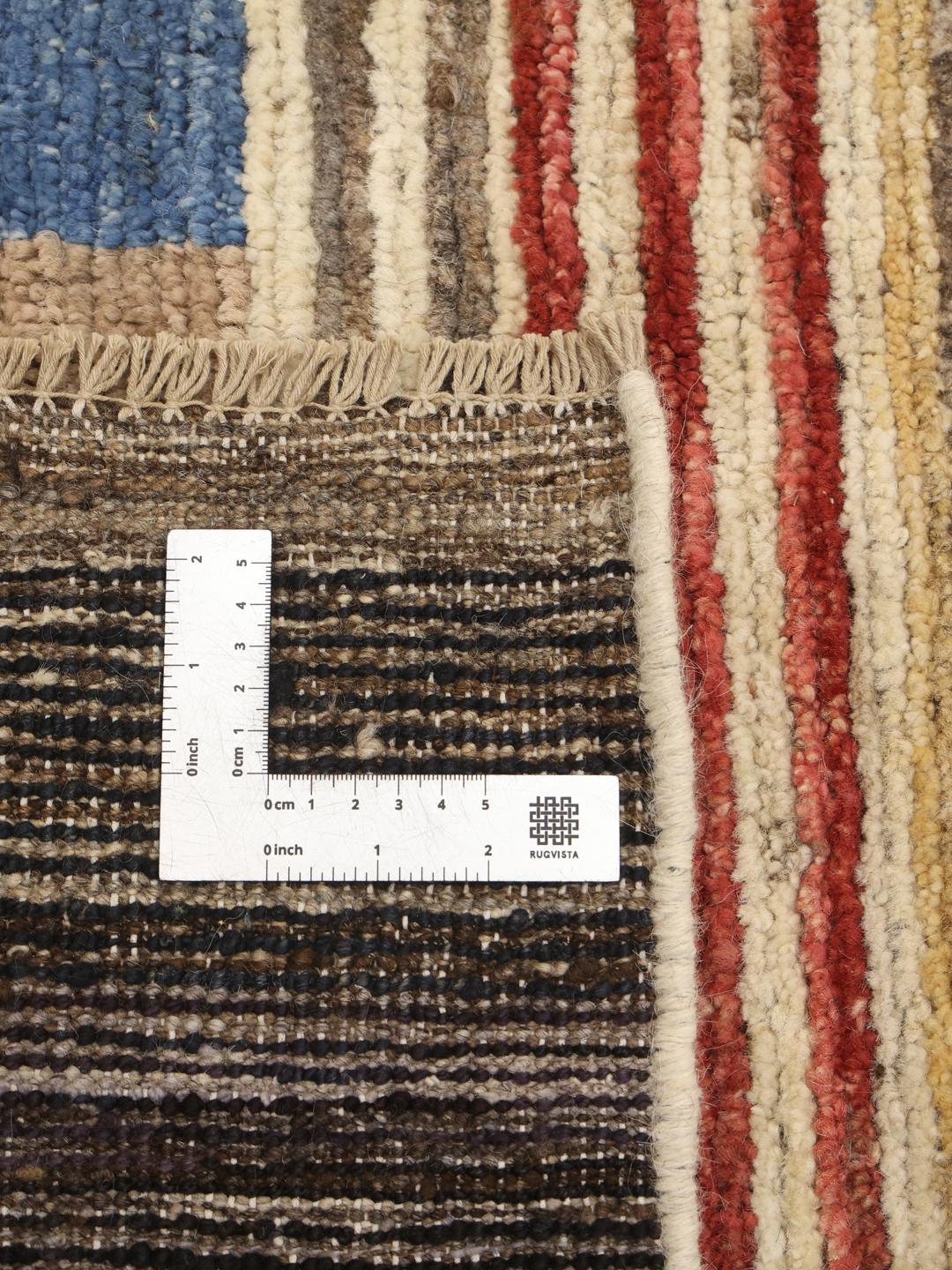
Visually, these rugs are defined by their bold use of geometric motifs, stripes, and rich, saturated pigments. While traditional versions often favoured earthy tones, modern interpretations like this one embrace a more adventurous palette, using blocks of colour to create a dynamic interplay of light and shadow that transforms the floor into a focal point.
Collecting a hand-knotted rug from this tradition is an investment in cultural heritage and skilled labour. These pieces are valued for their enduring beauty and the story they tell of the weaver's patience and creativity, offering a sense of connection to a global craft that remains vibrant and relevant in today's modern homes.