Berber-style rugs are deeply rooted in the traditions of nomadic and semi-nomadic tribes, known for their expressive use of geometric symbolism and organic colour palettes. While the style originated in North Africa, the migration of these design principles has inspired weavers across various regions, including Afghanistan, where local artisans have adapted these classic aesthetics using their own rich, regional wool and dyeing expertise.
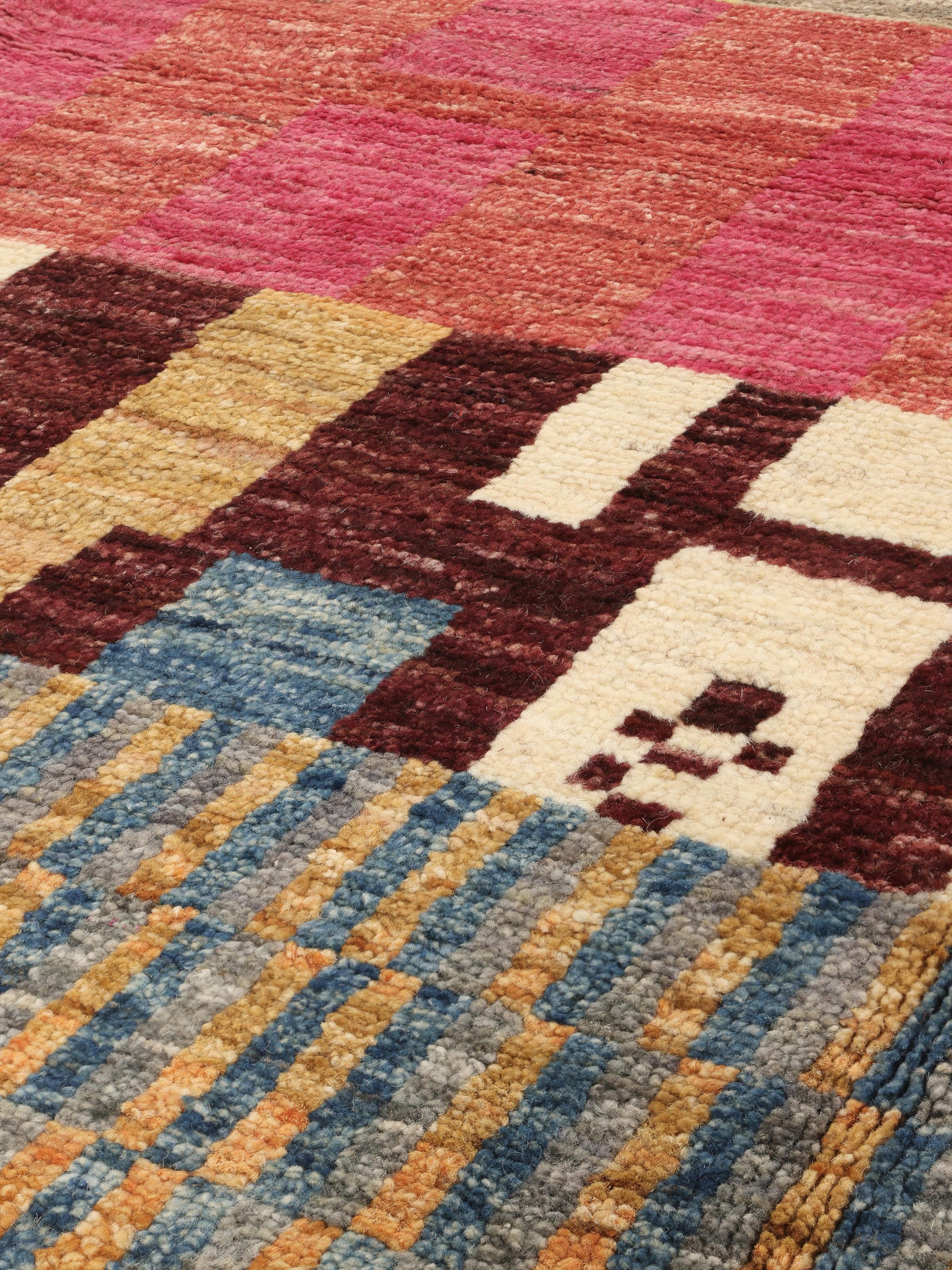
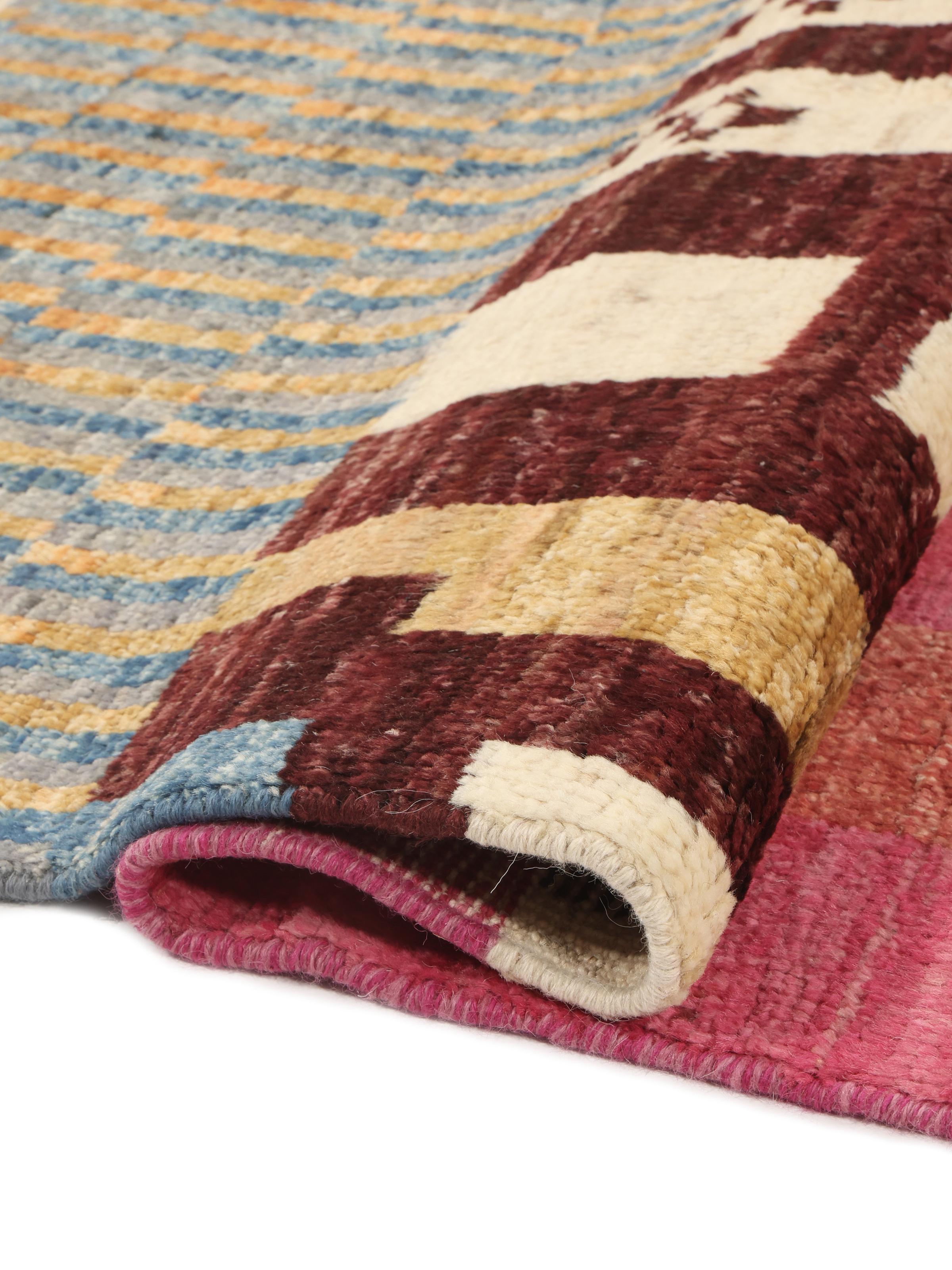
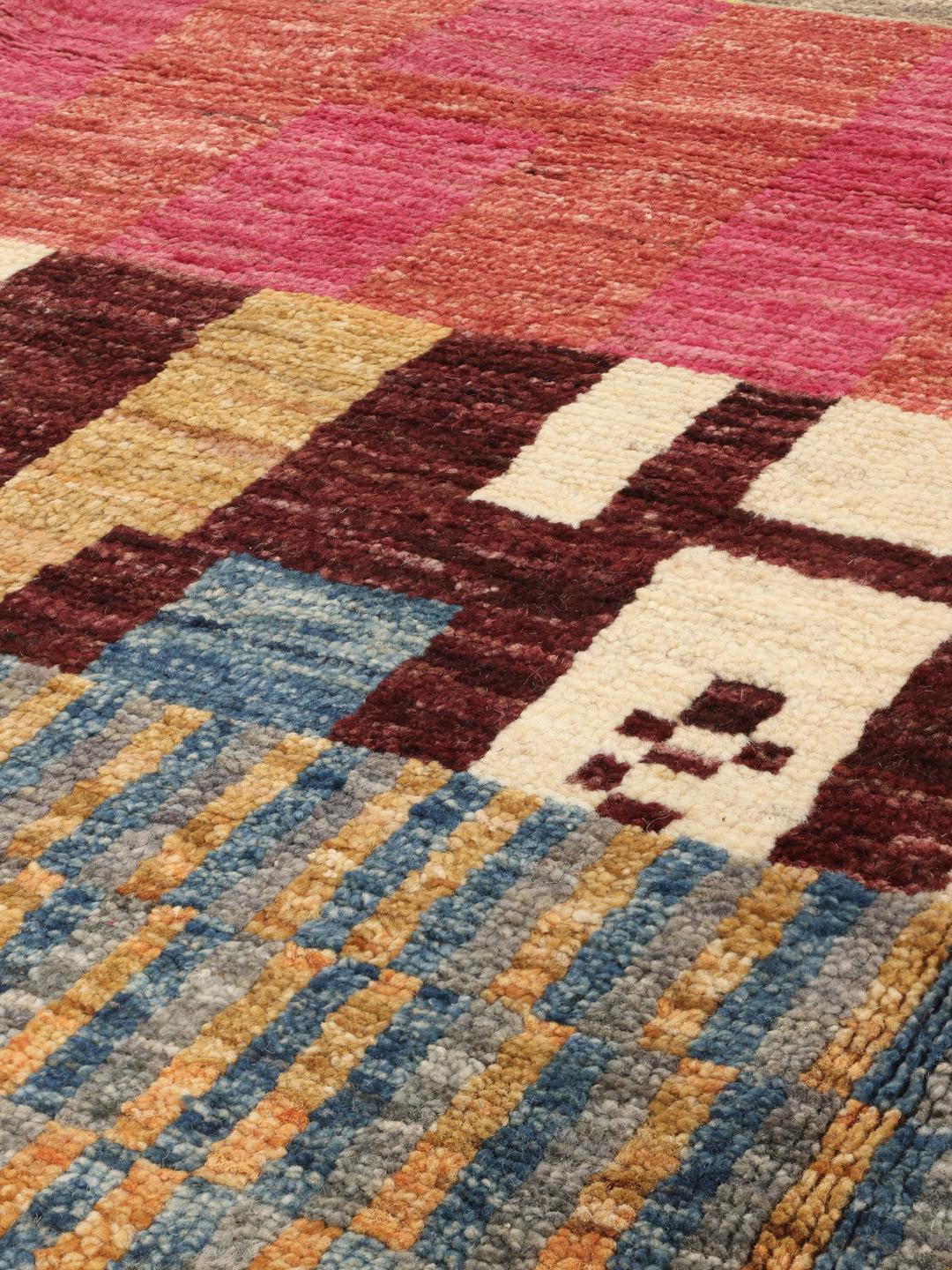
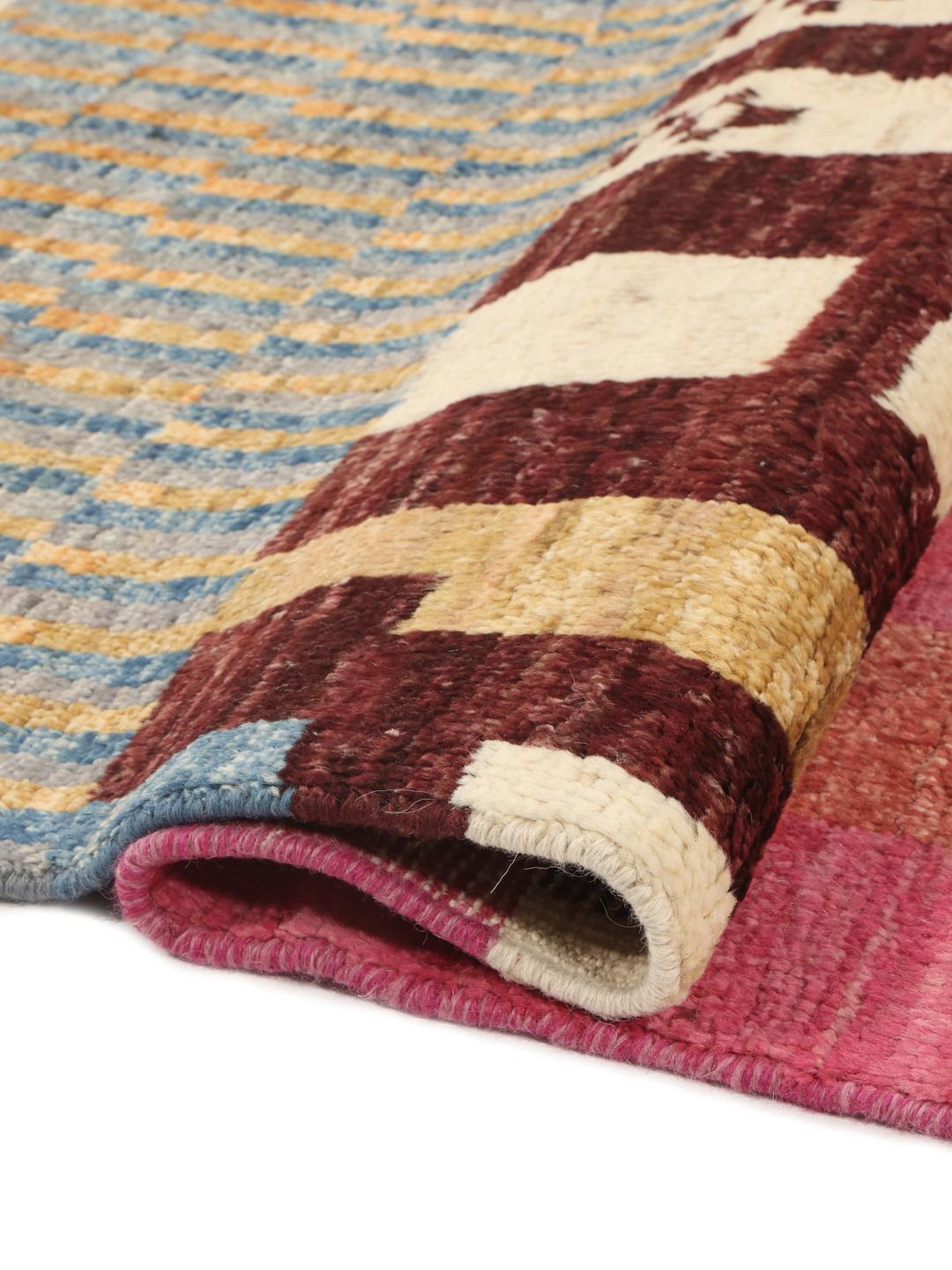
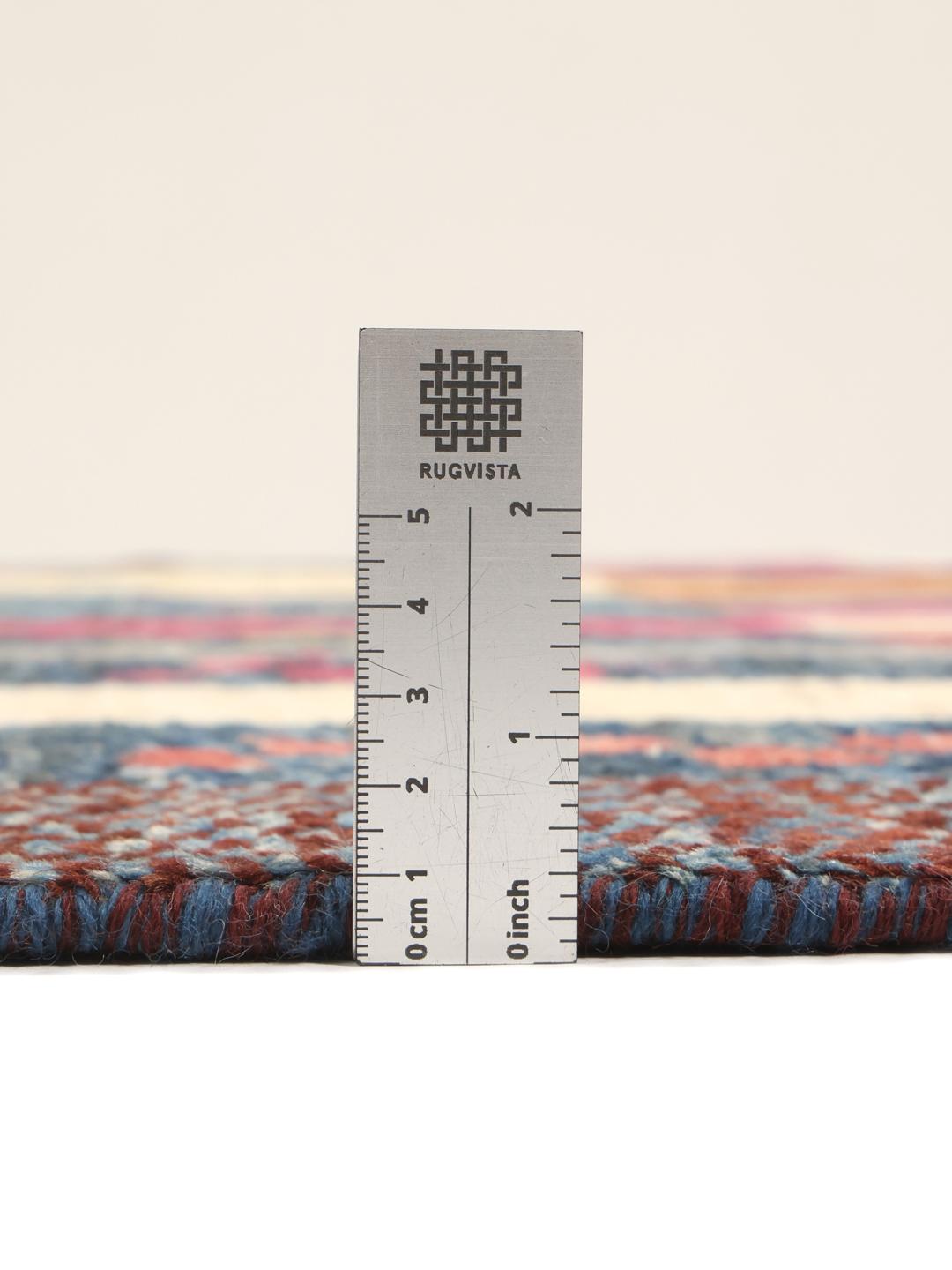
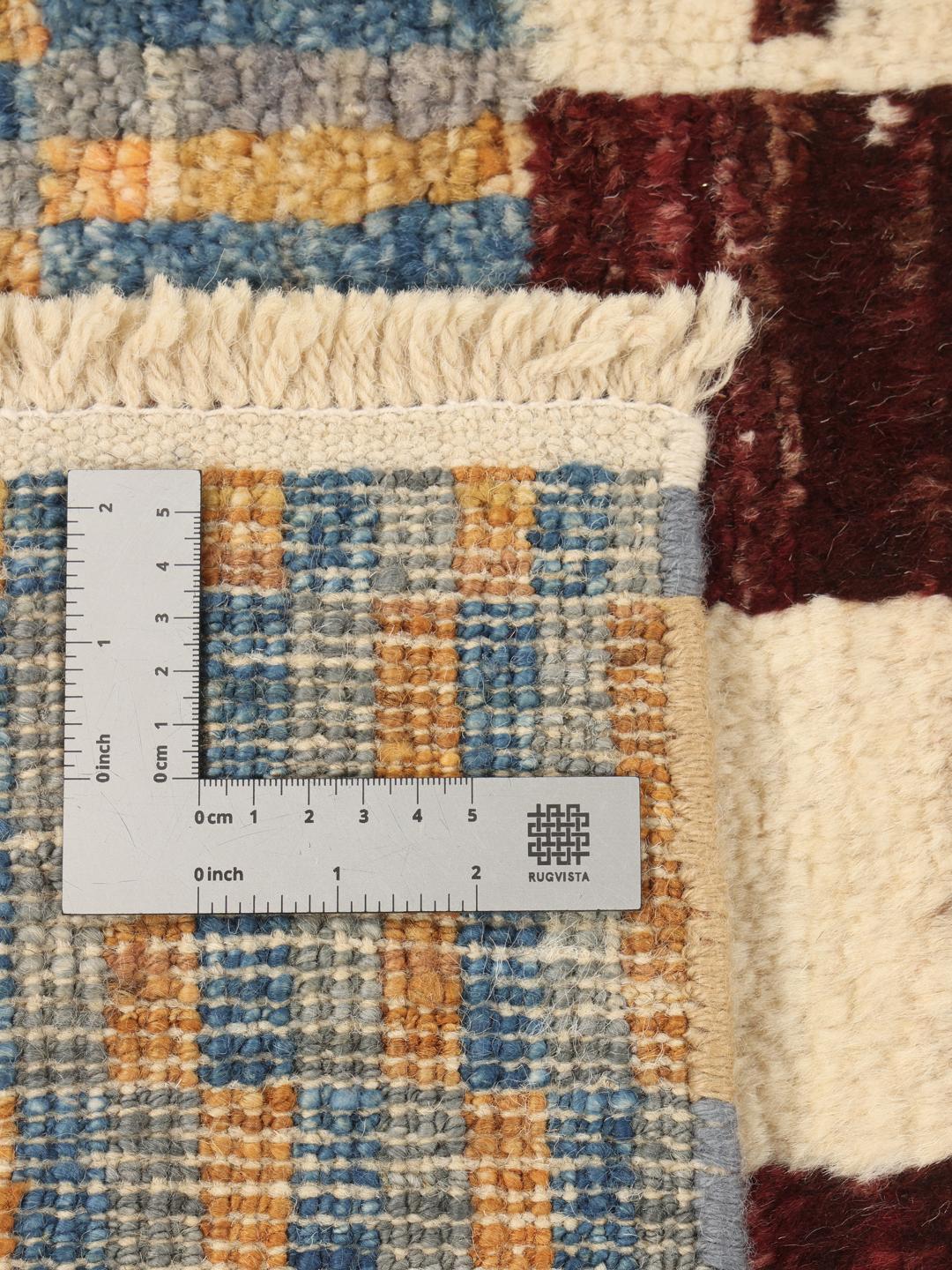
The term hand-knotted refers to the traditional method of securing the pile to the foundation by tying individual knots of wool around the warp threads. This labour-intensive technique is the hallmark of quality in the rug world. It creates a robust structure that prevents shedding and allows the pile to stand upright, ensuring that the intricate patterns remain sharp and clear over time.
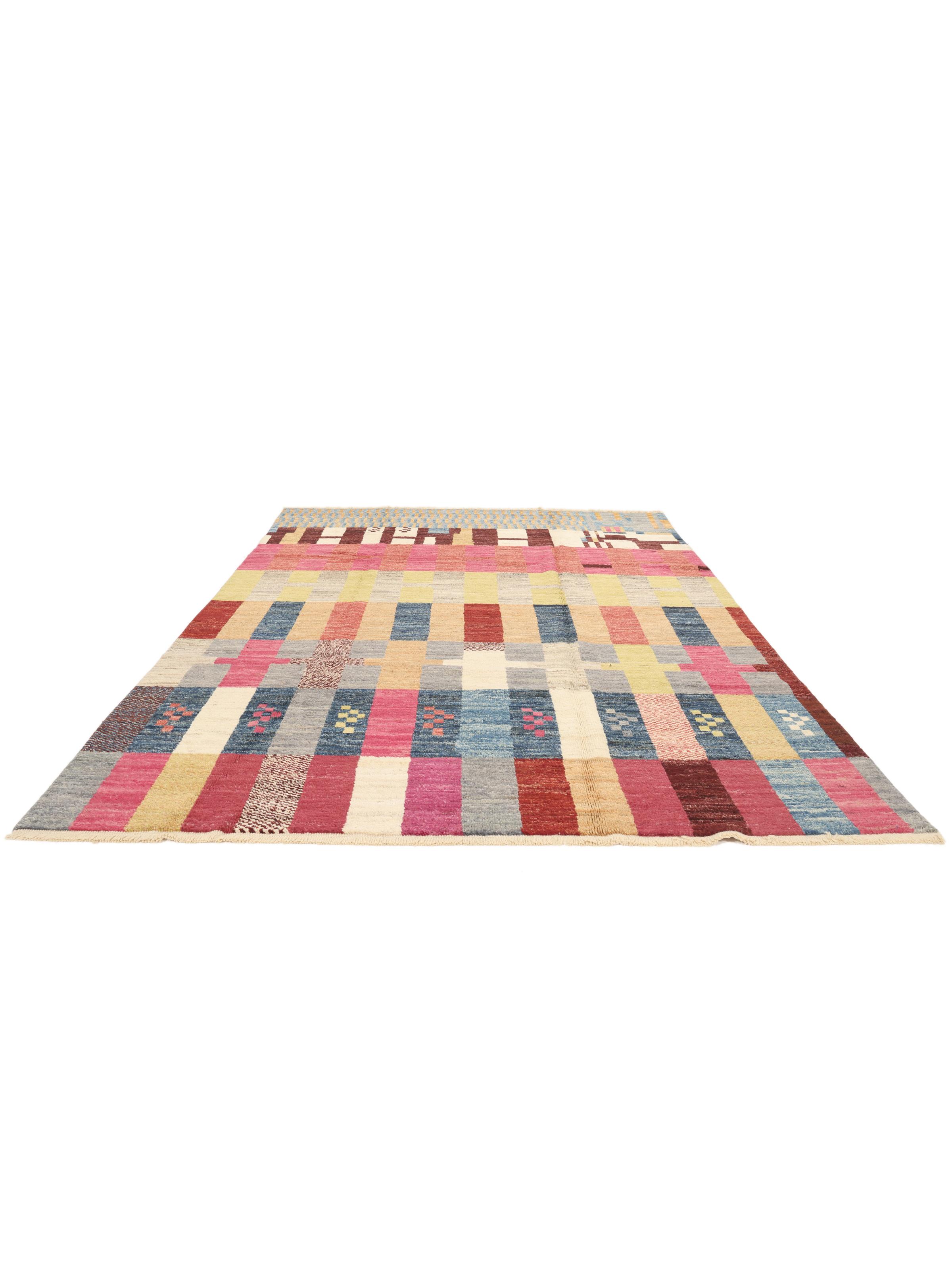
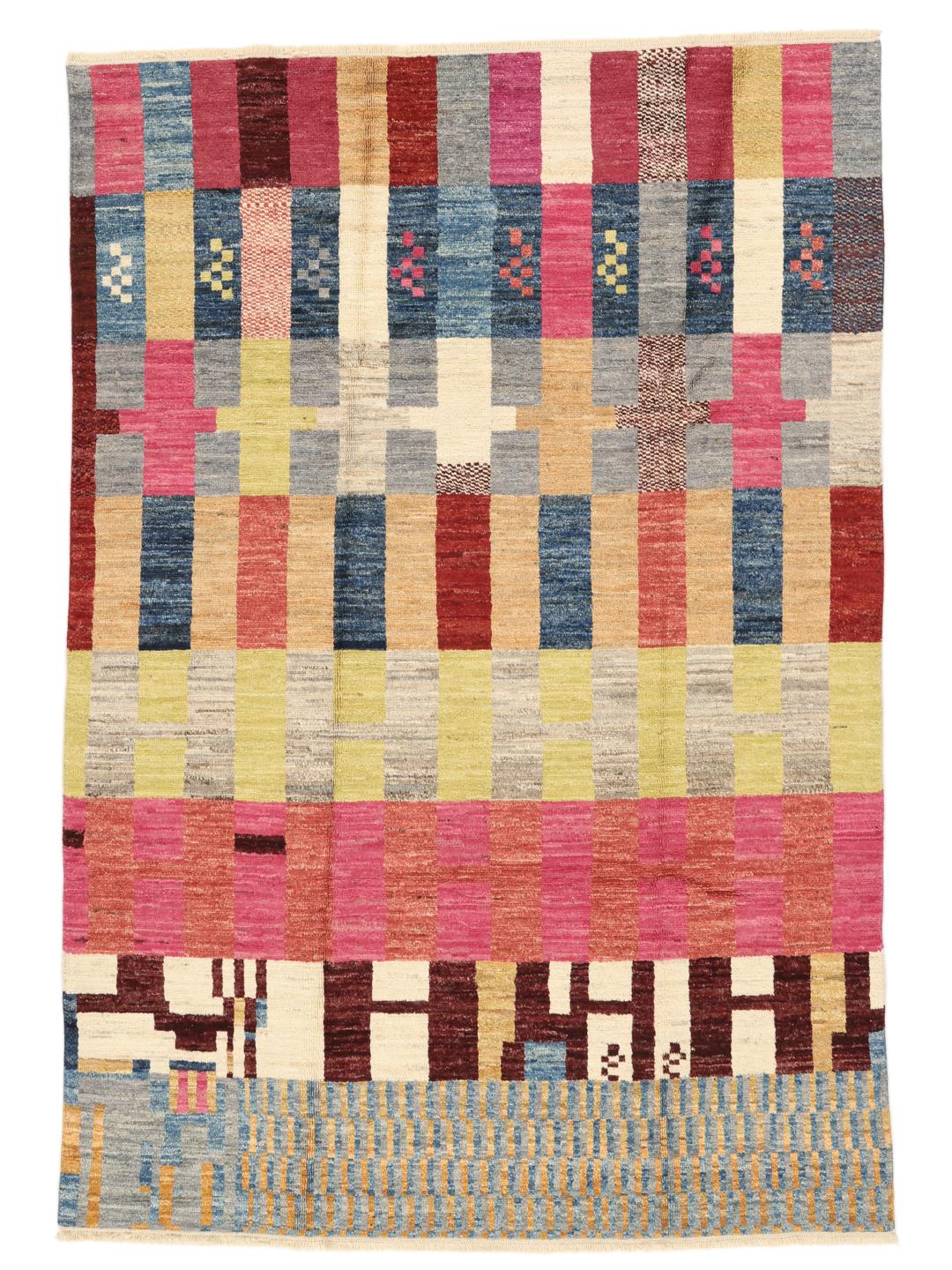
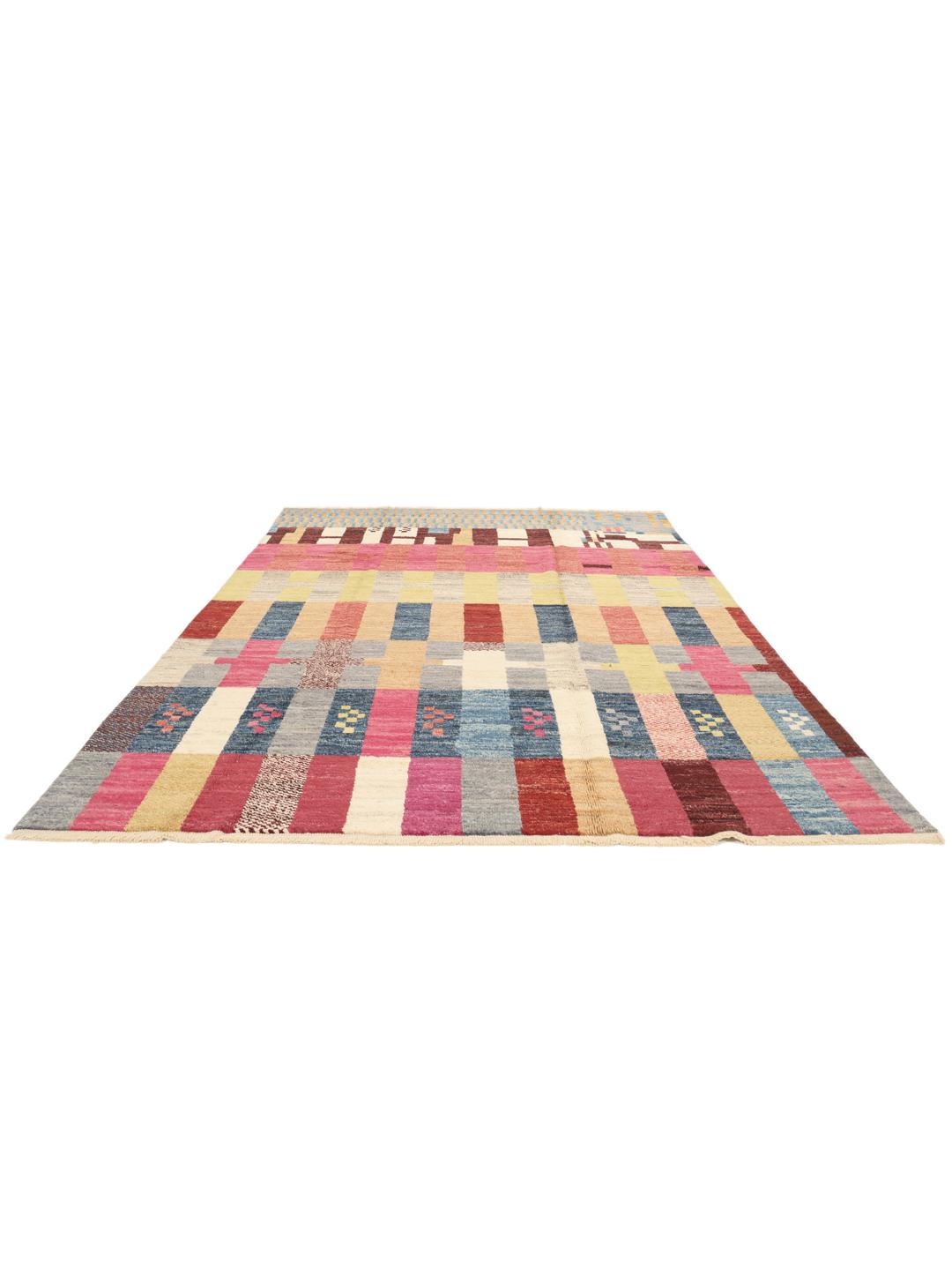
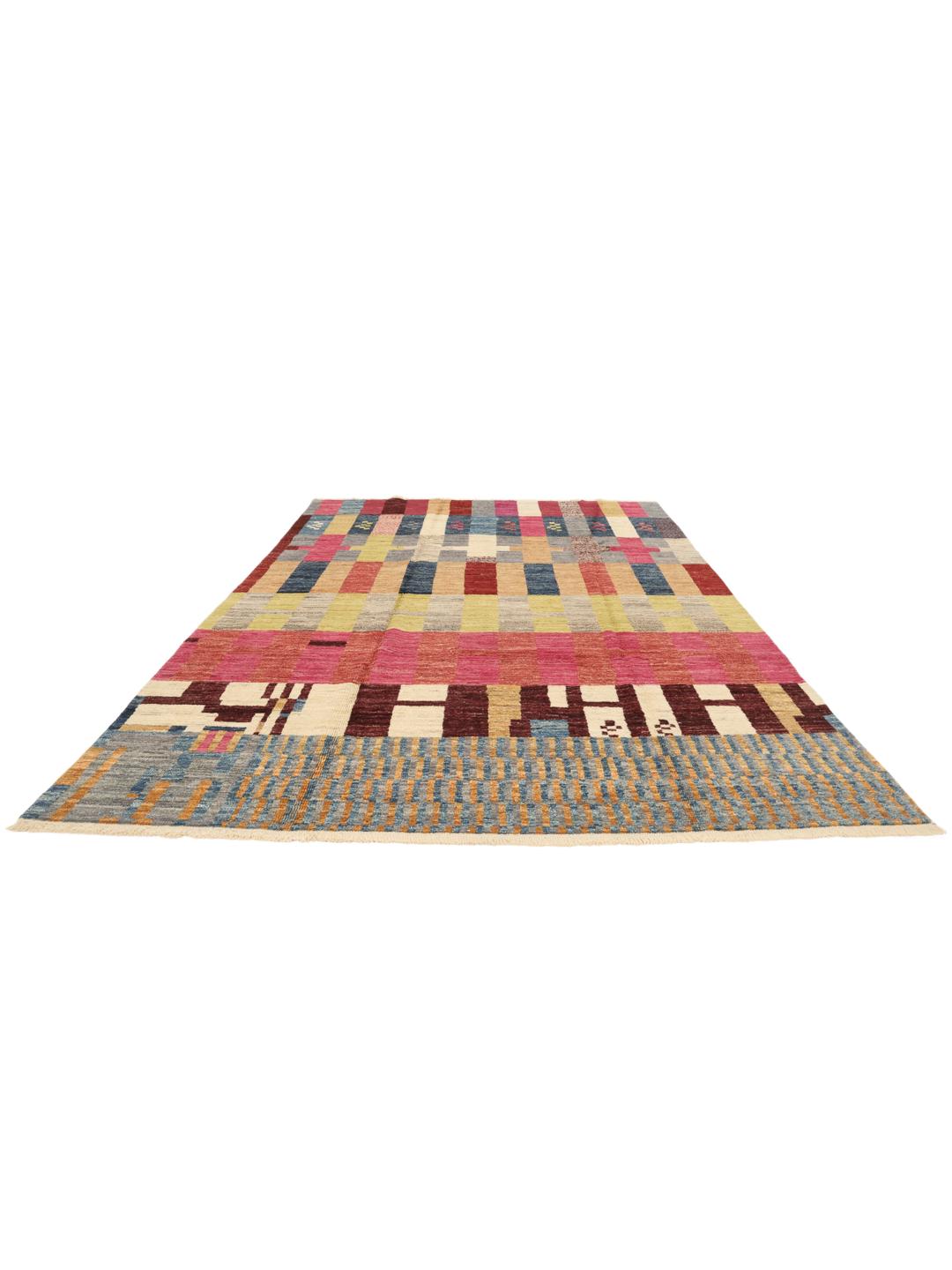
The visual language of this rug is defined by its bold, blocky geometry and a spectrum of vibrant, earthy tones. Unlike more formal, symmetrical designs, these rugs often feature spontaneous, rhythmic motifs that reflect the weaver's personal vision and creative intuition. The use of varied, saturated colours is a nod to traditional natural dyes, resulting in a look that feels both historic and remarkably fresh in a modern home.
Collecting a rug from this tradition is an investment in cultural heritage and human skill. Because every rug is made by hand without the aid of automated looms, each one possesses subtle variations in pattern and colour that make it a singular piece of history. Owning such a rug is a way to connect your living space to a centuries-old craft that continues to be celebrated for its warmth, soul, and enduring durability.