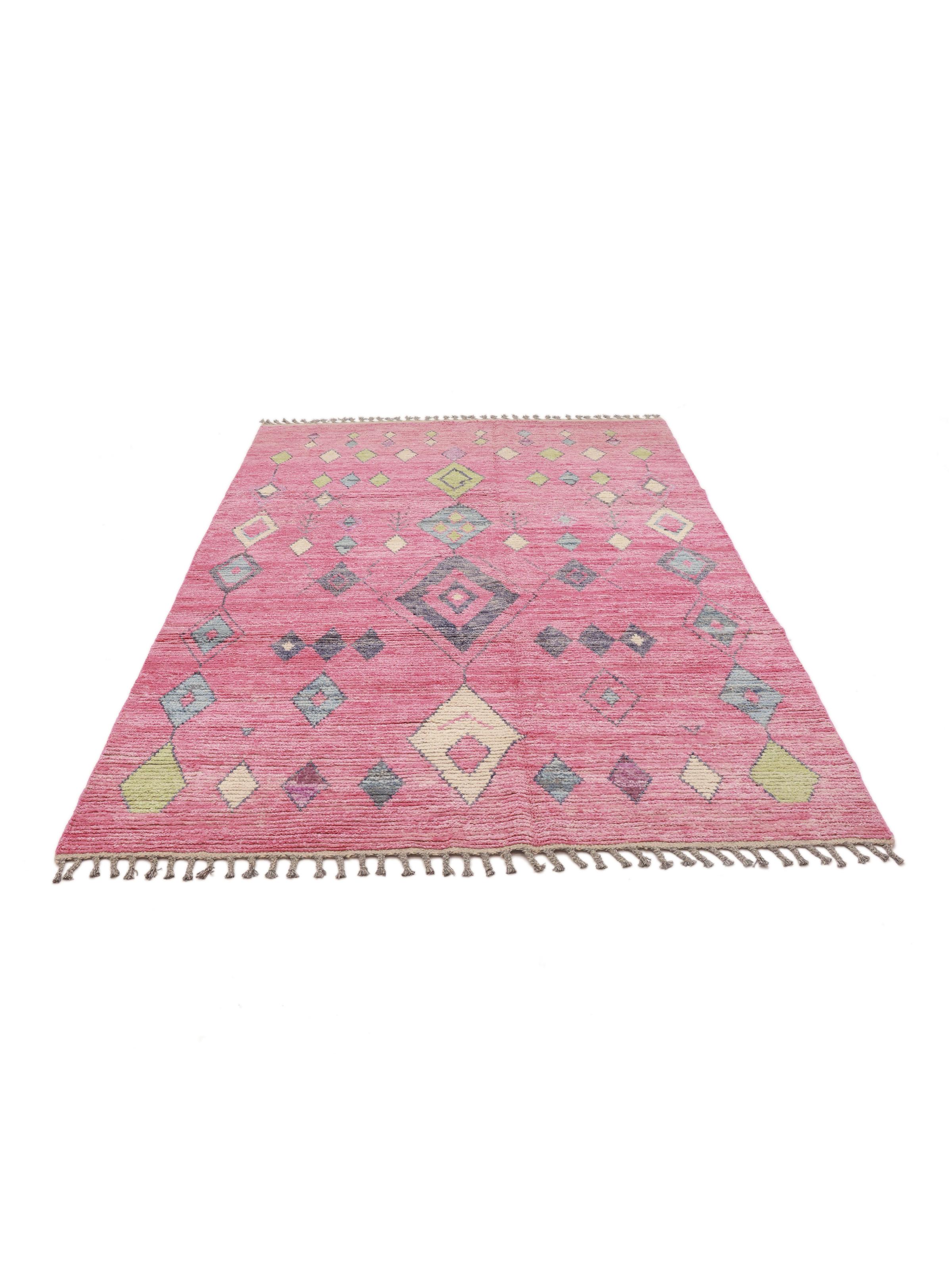
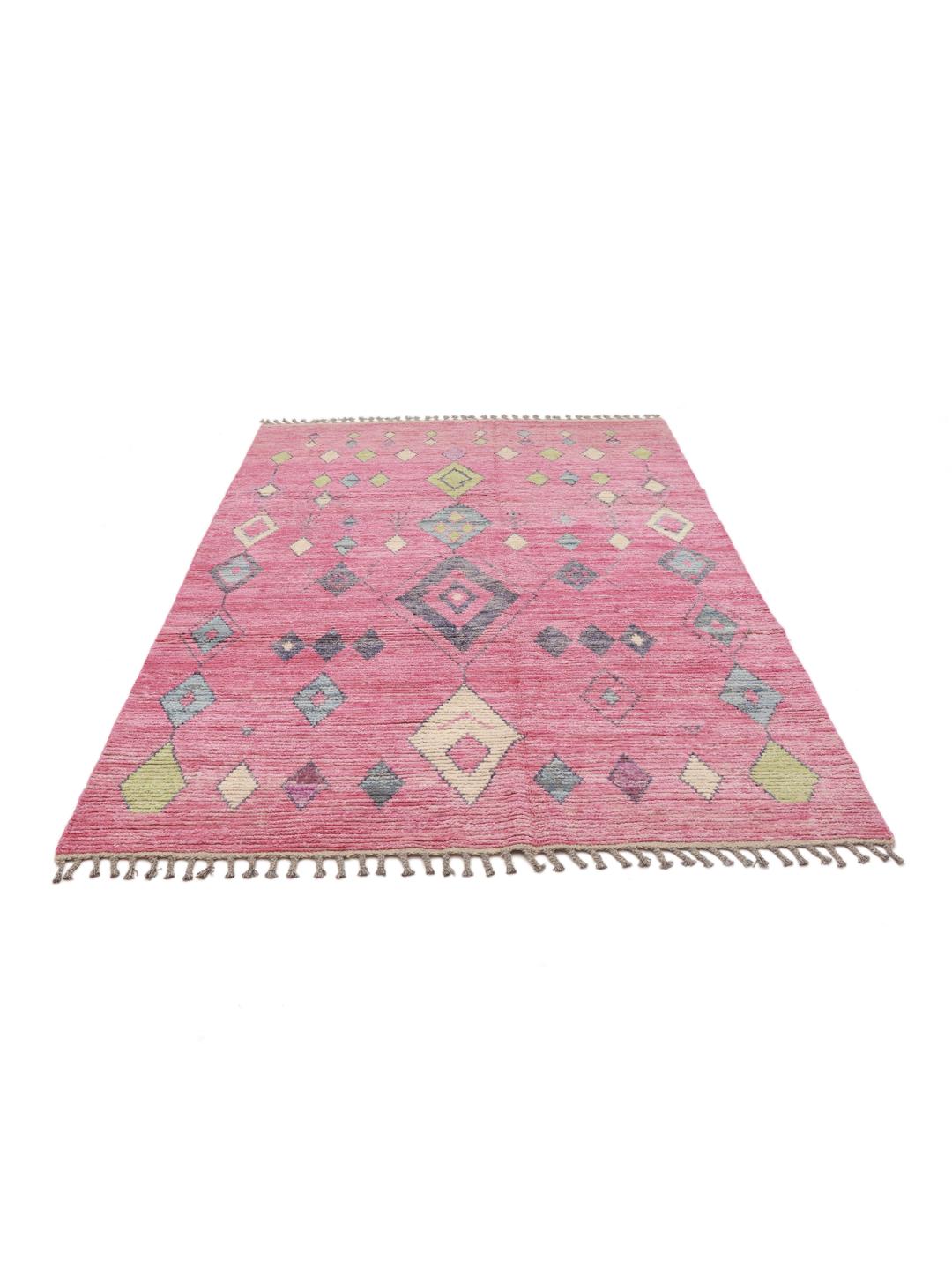
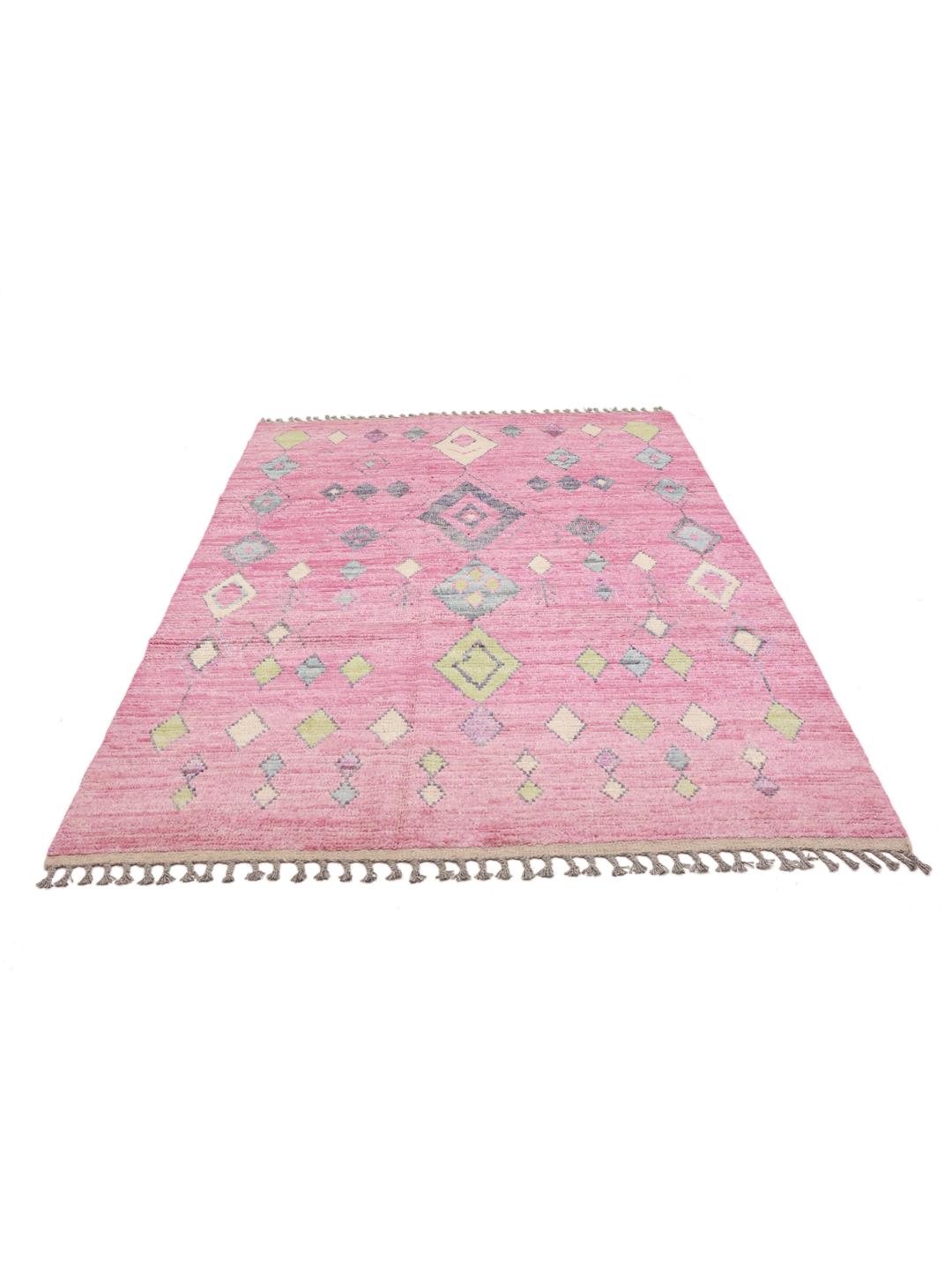
Berber rugs are rooted in the ancient traditions of North Africa, where nomadic tribes historically wove these pieces for protection against the cold and as functional bedding. Over centuries, these designs have travelled along trade routes, influencing various weaving cultures across the world. Today, the term Berber style refers to a broader aesthetic language that emphasises organic shapes, simple geometric motifs, and the beauty of hand-spun wool.
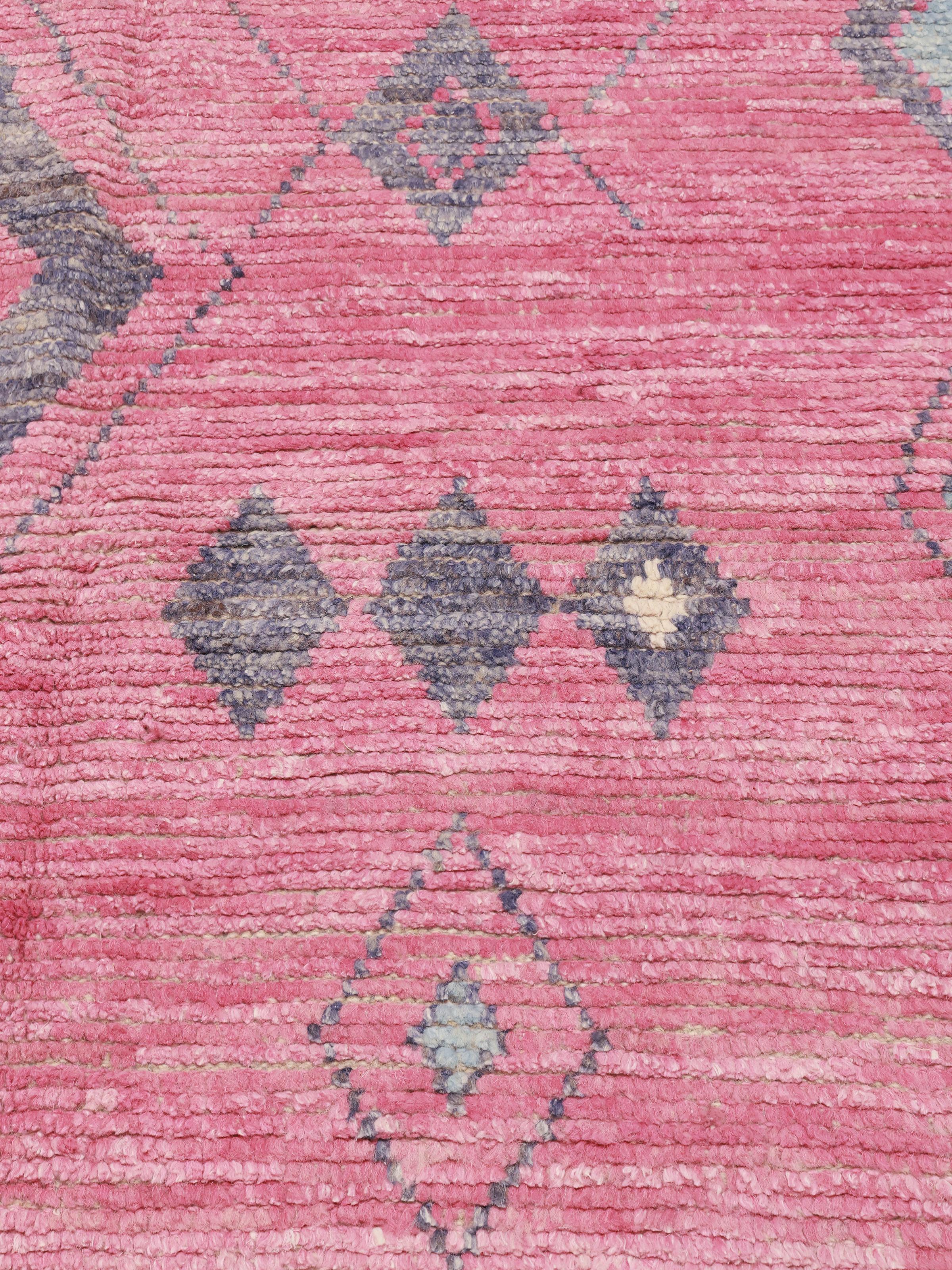
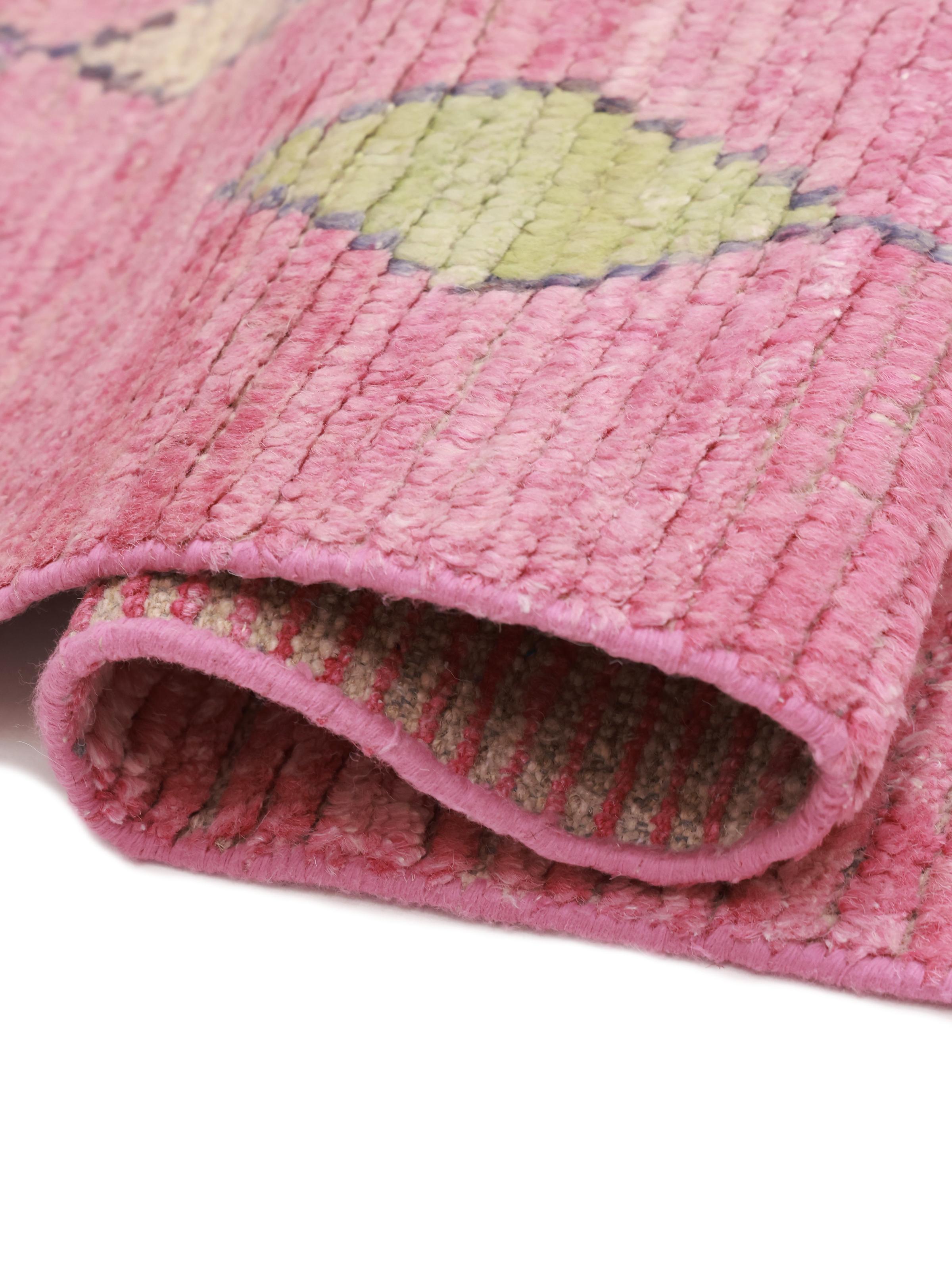
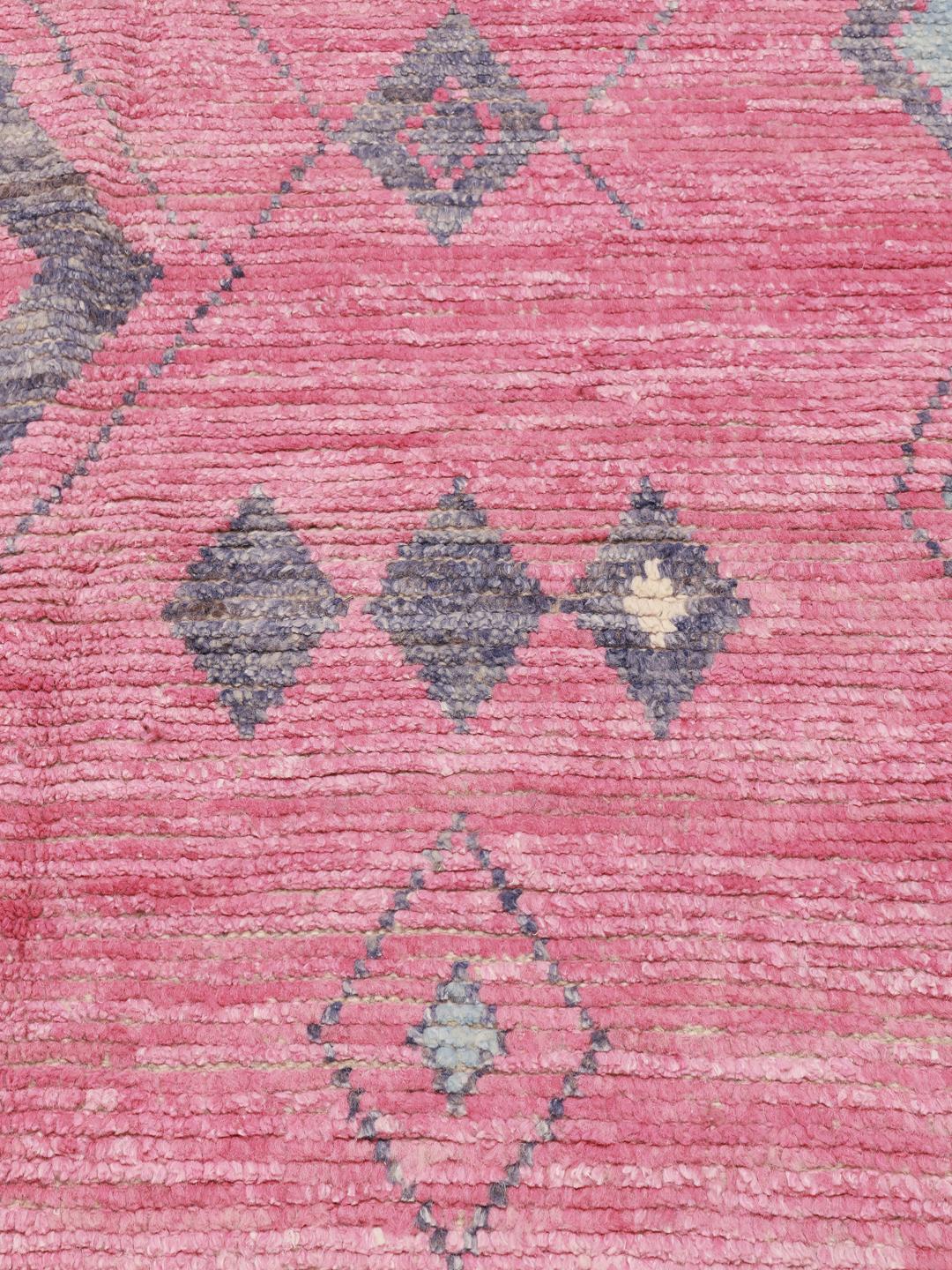
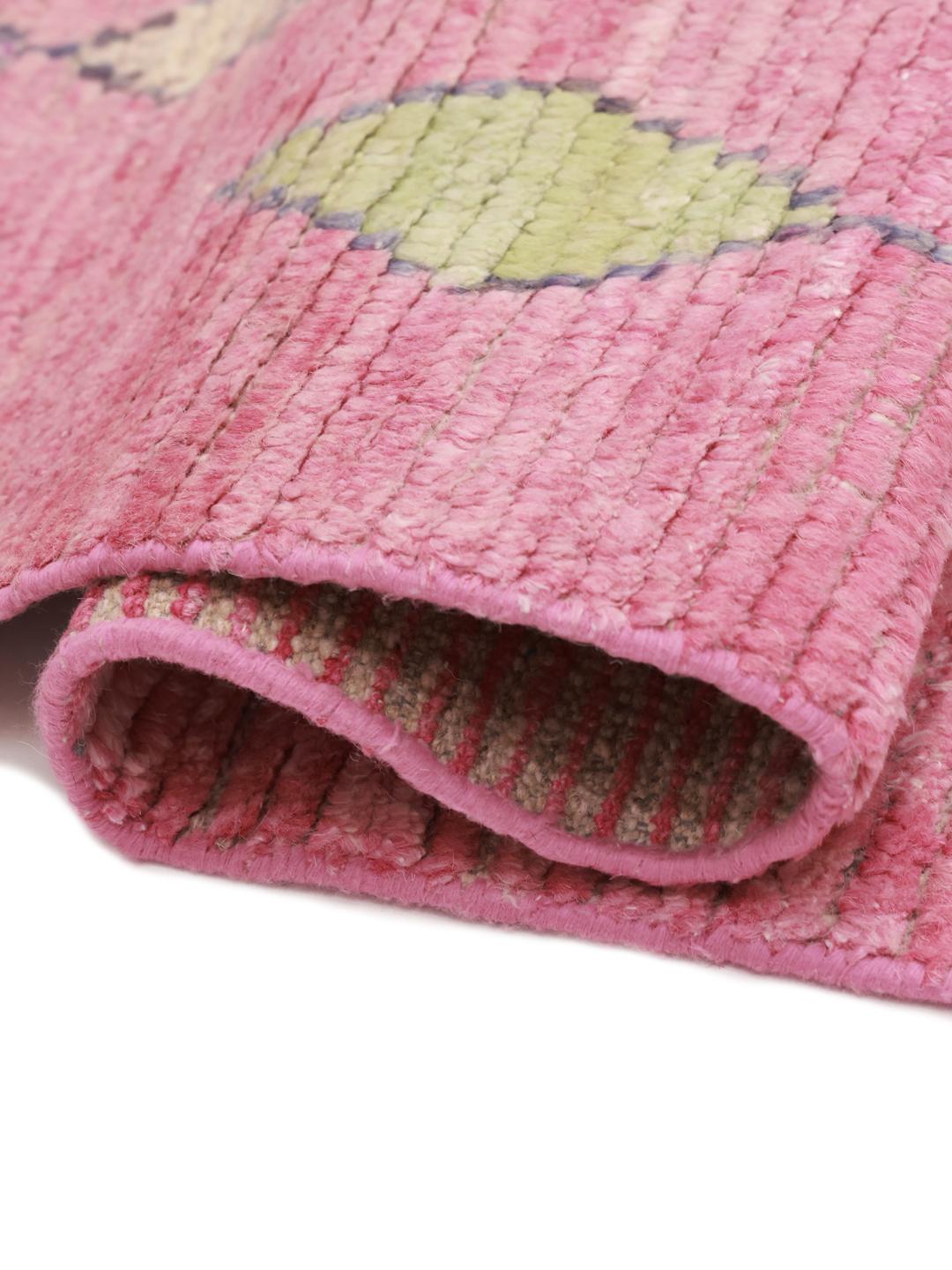
The craft of hand-knotting is a legacy technique that has been passed down through generations in Afghanistan. Unlike machine-made alternatives, this traditional method relies on the artisan's ability to maintain uniform tension across the entire foundation. This skill is vital because it determines the longevity, drape, and overall structural integrity of the final piece, ensuring that it remains a stable and beautiful part of your home for years to come.
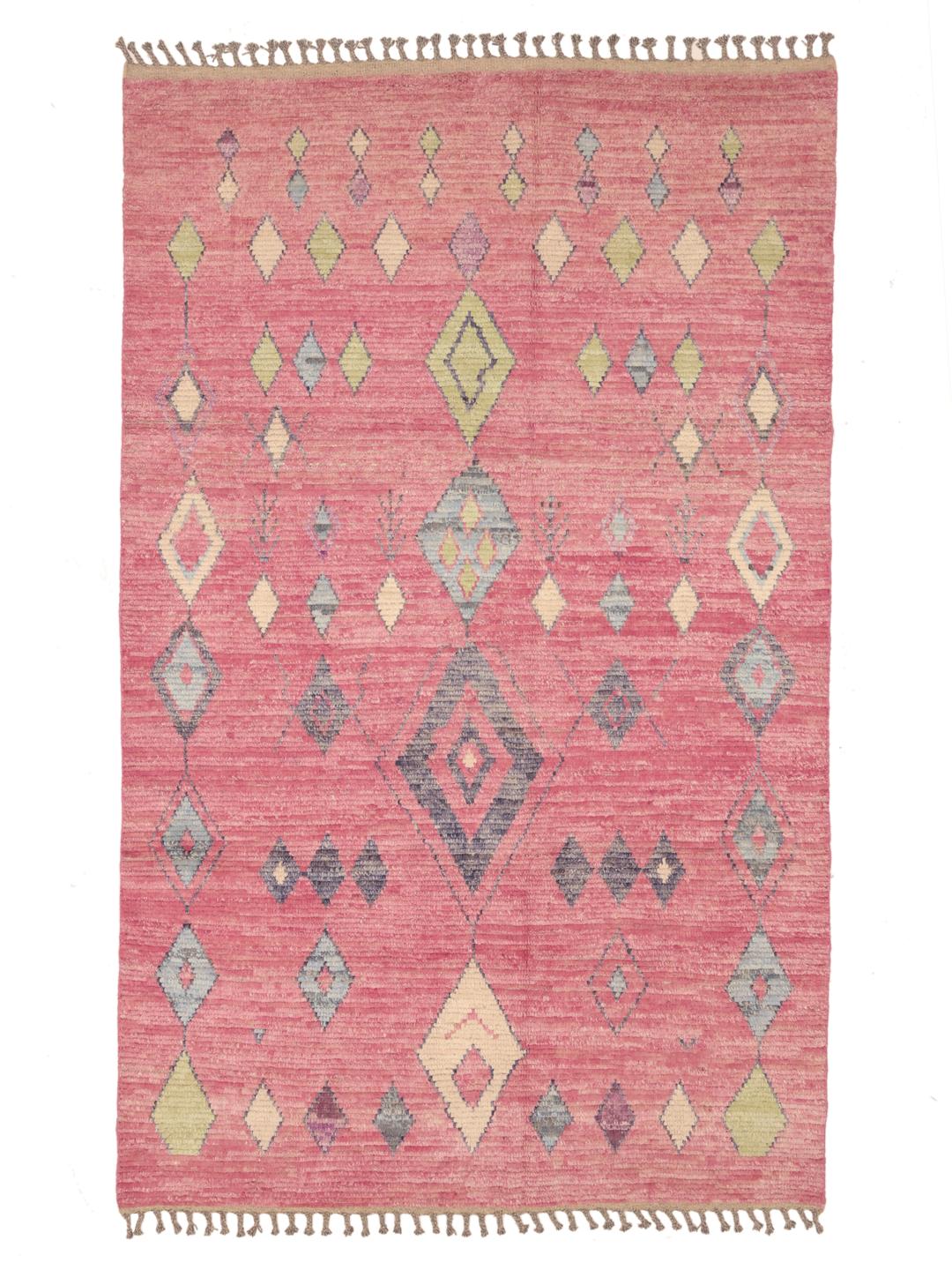
Signature design elements of this tradition include repeating geometric shapes such as diamonds, triangles, and abstract symbols that often tell a story of the weaver's environment. While traditional Berber rugs often utilise a neutral palette, this particular piece embraces a vibrant red field, making it a distinctive and bold departure from the norm. These motifs are not just decorative, they are a visual language that connects the modern home to ancient nomadic roots.
Collecting a hand-knotted rug from this tradition is an act of preserving cultural heritage. These rugs are valued not only for their visual impact but for the immense human effort and artistic vision required to create them. Owning a piece like this means you are becoming a guardian of a long-standing craft, ensuring that these traditional skills continue to be recognised and celebrated in the modern world.