Berber weaving traditions originated with the Indigenous nomadic tribes of North Africa, where hand-woven textiles served as functional bedding, floor coverings, and protective blankets. Over generations, these tribal weaving customs influenced rug-making regions across Central and South Asia, including Afghanistan, where weavers adapted traditional geometric symbolism into local hand-knotting practices.
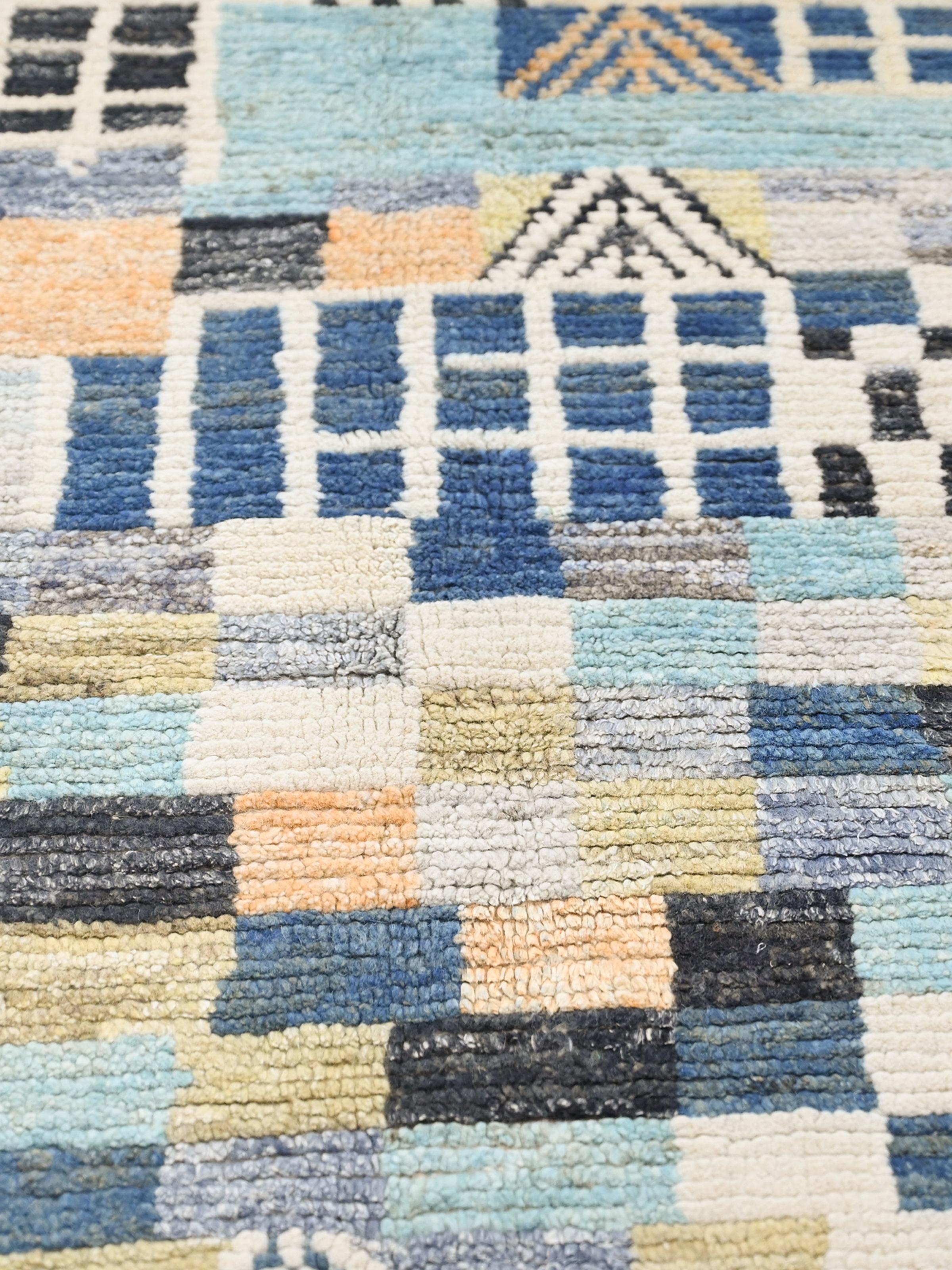
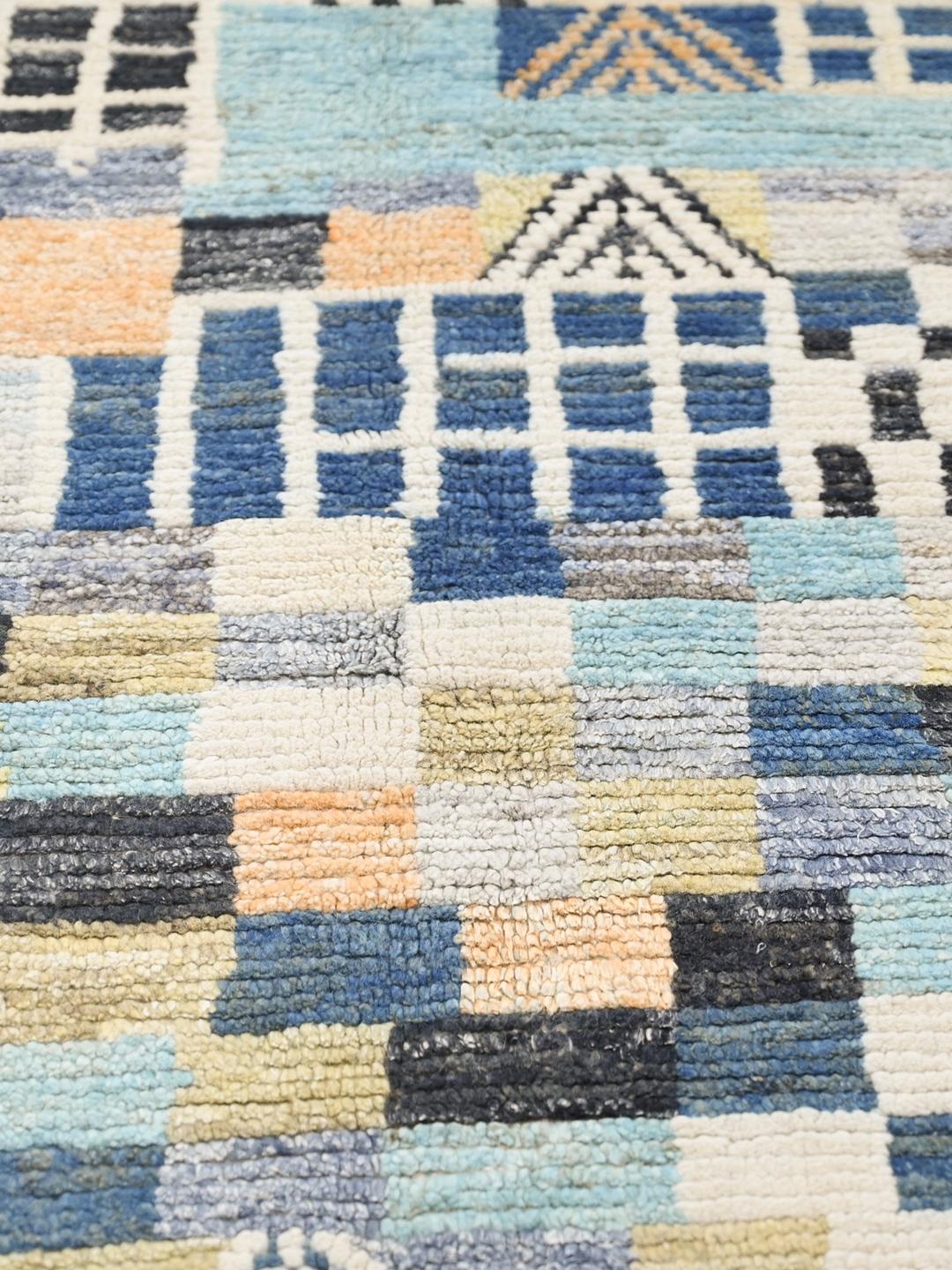
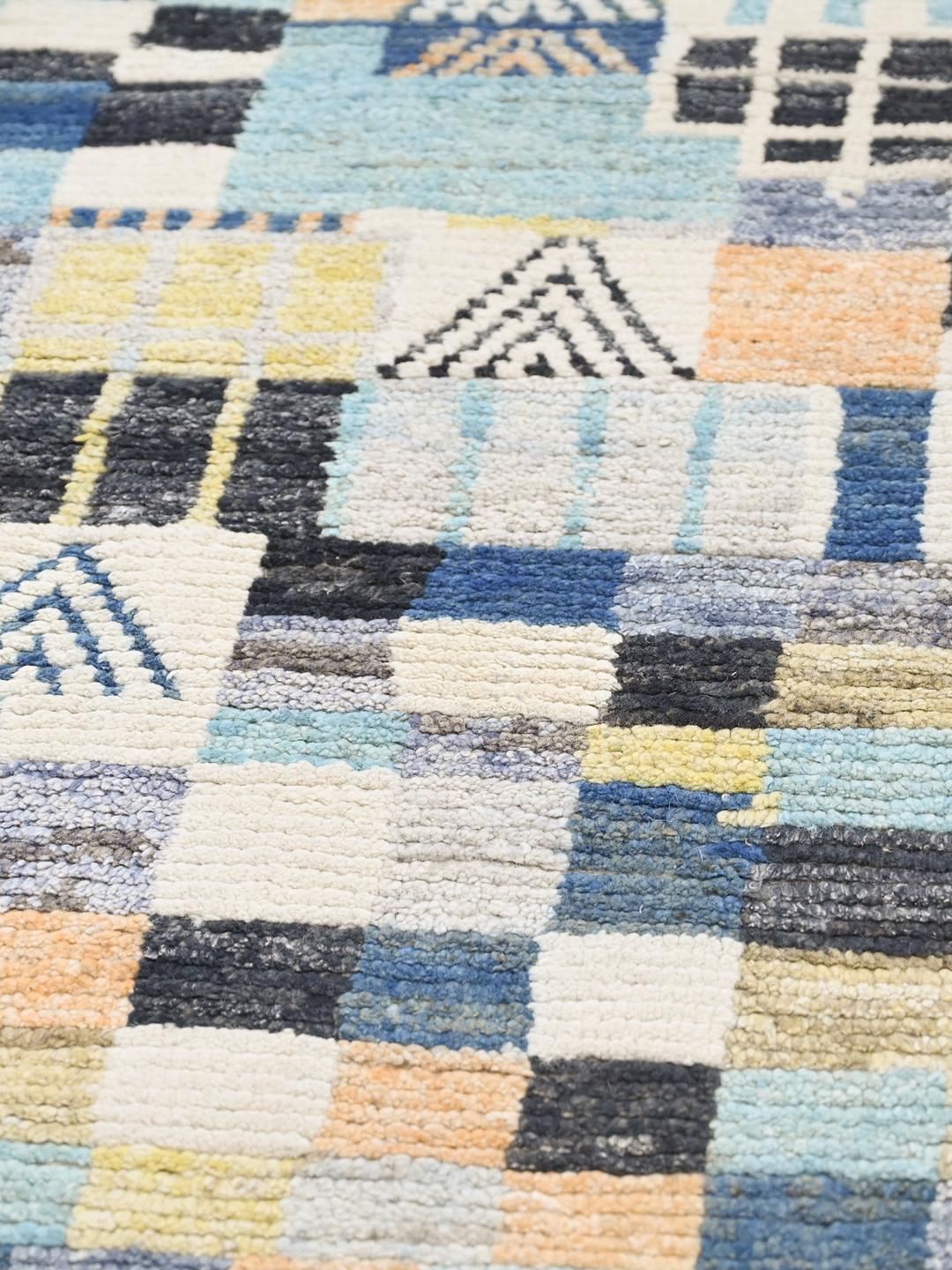
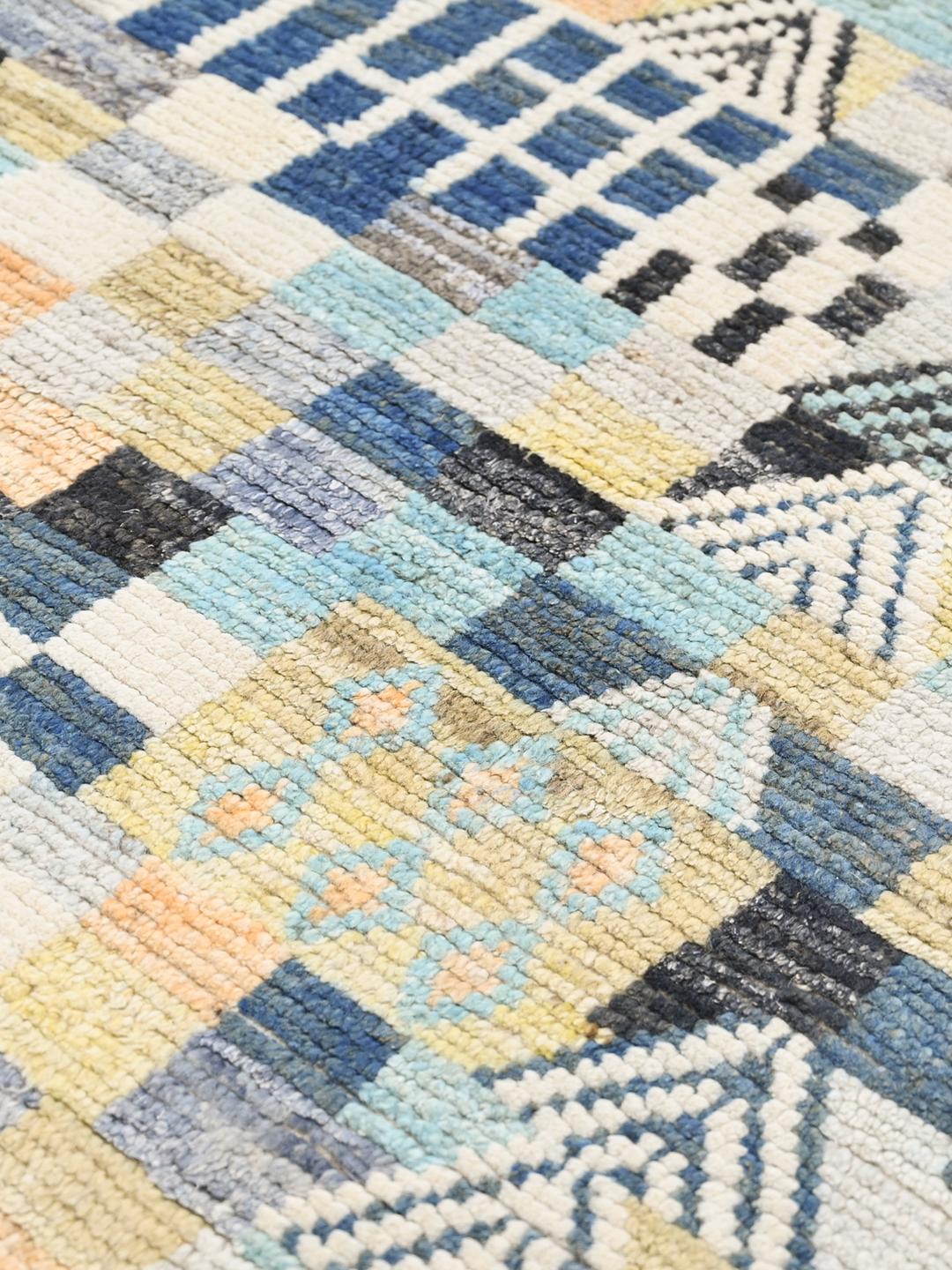
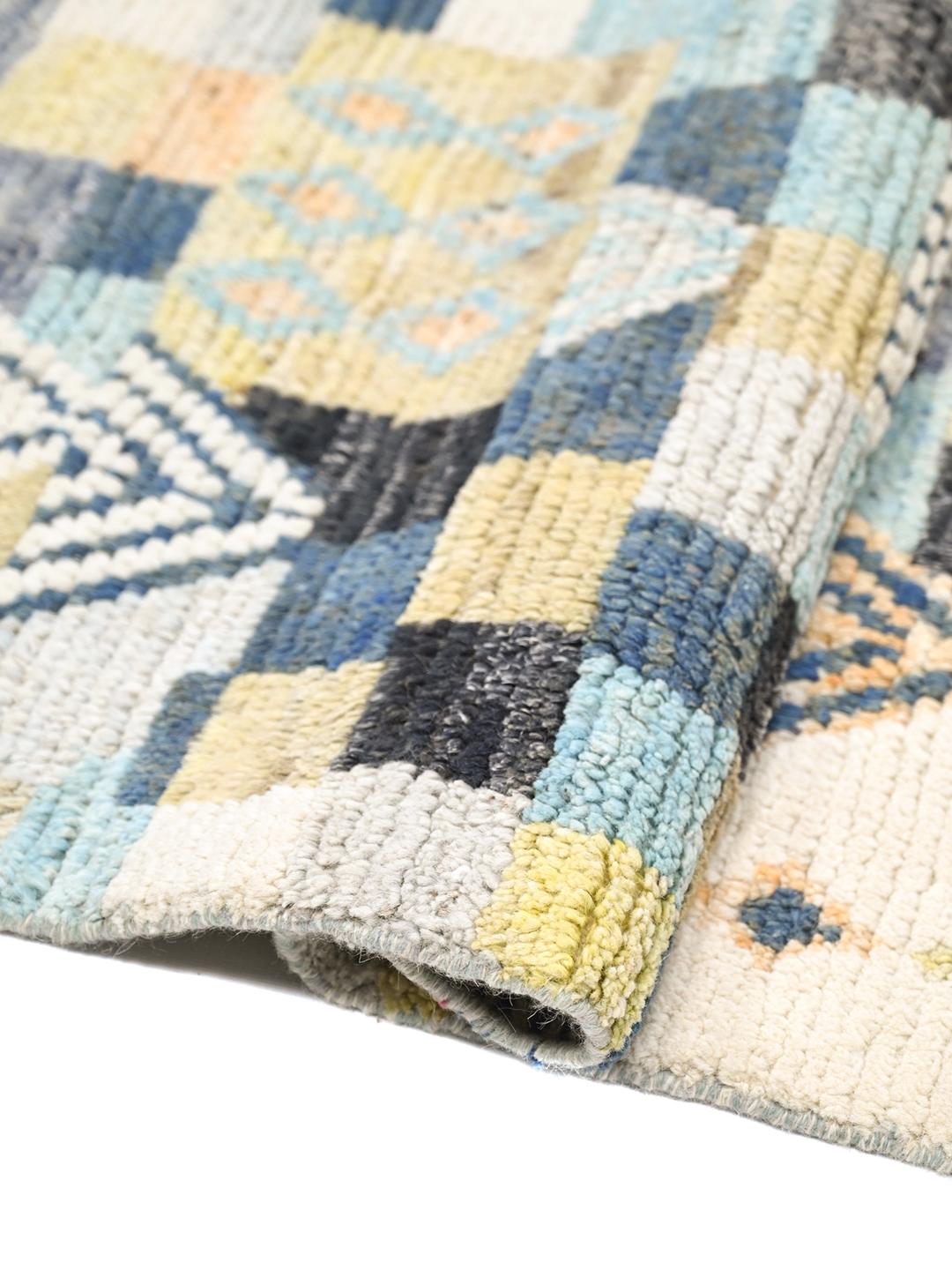
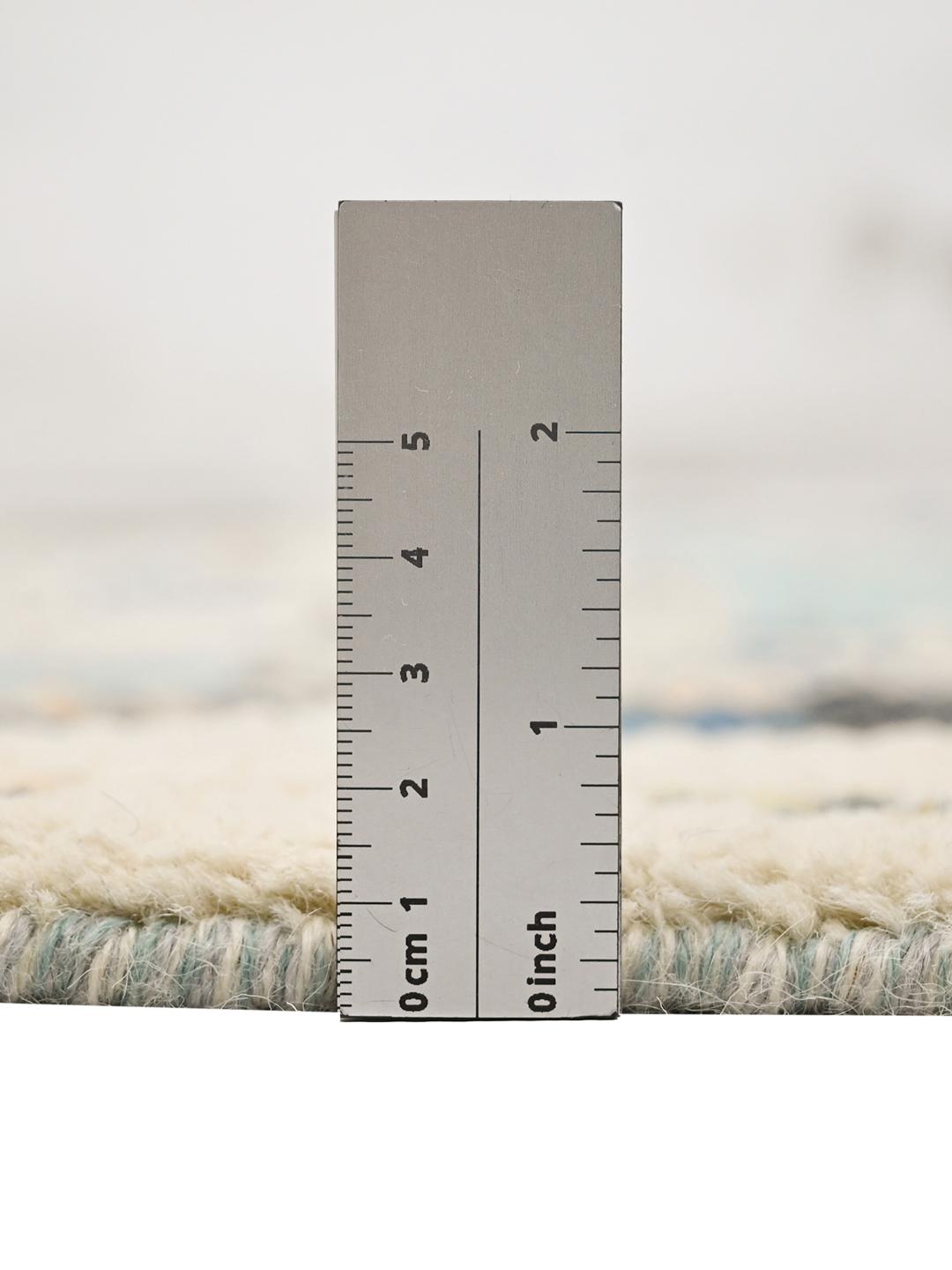
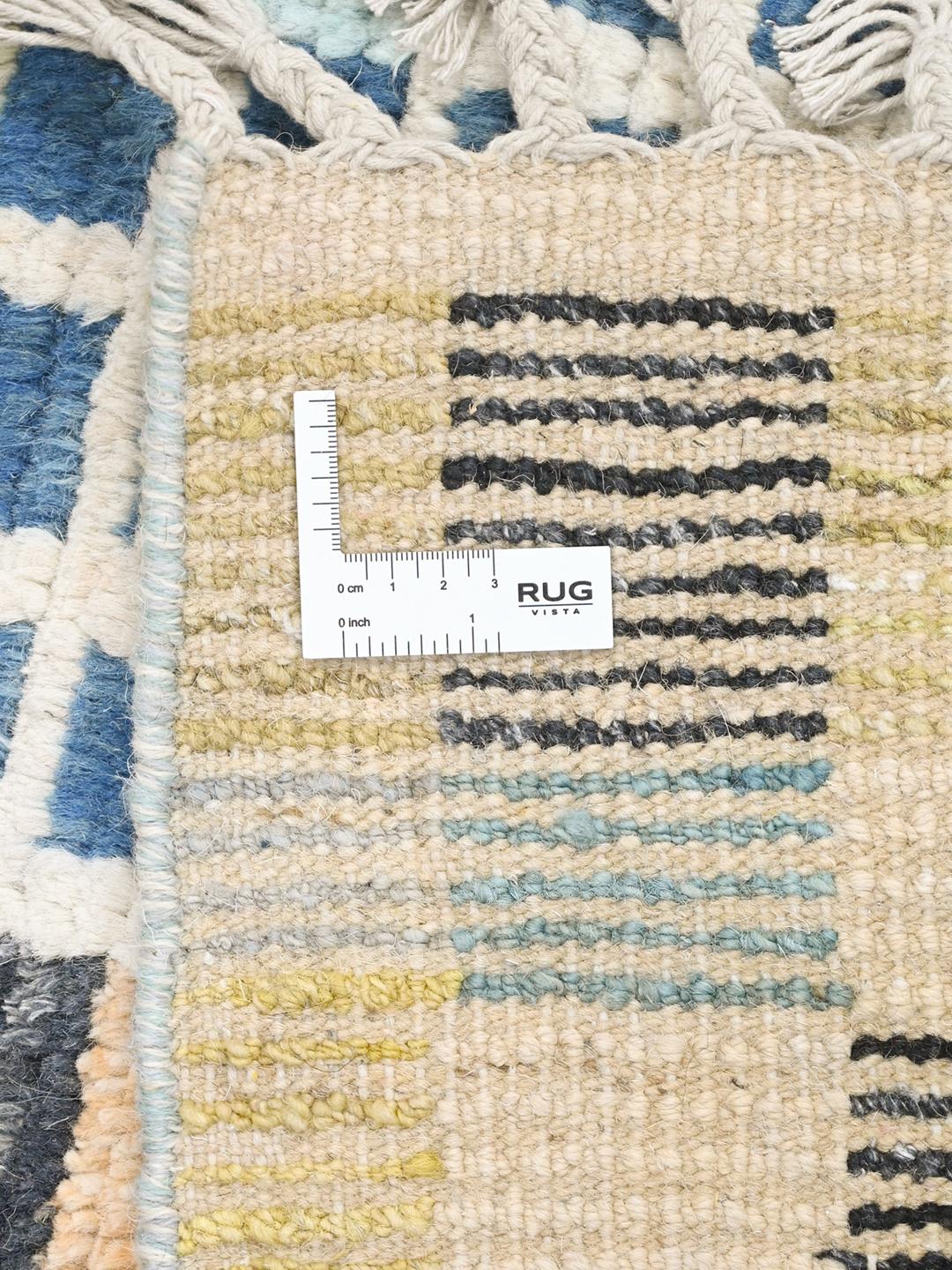
In hand-knotted wool rugs, every individual tuft of pile is wrapped around the sturdy warp threads by hand before being beaten down with heavy metal combs. Using wool for both the face pile and the internal structure creates a resilient bond that keeps the rug's shape firm over years of use.
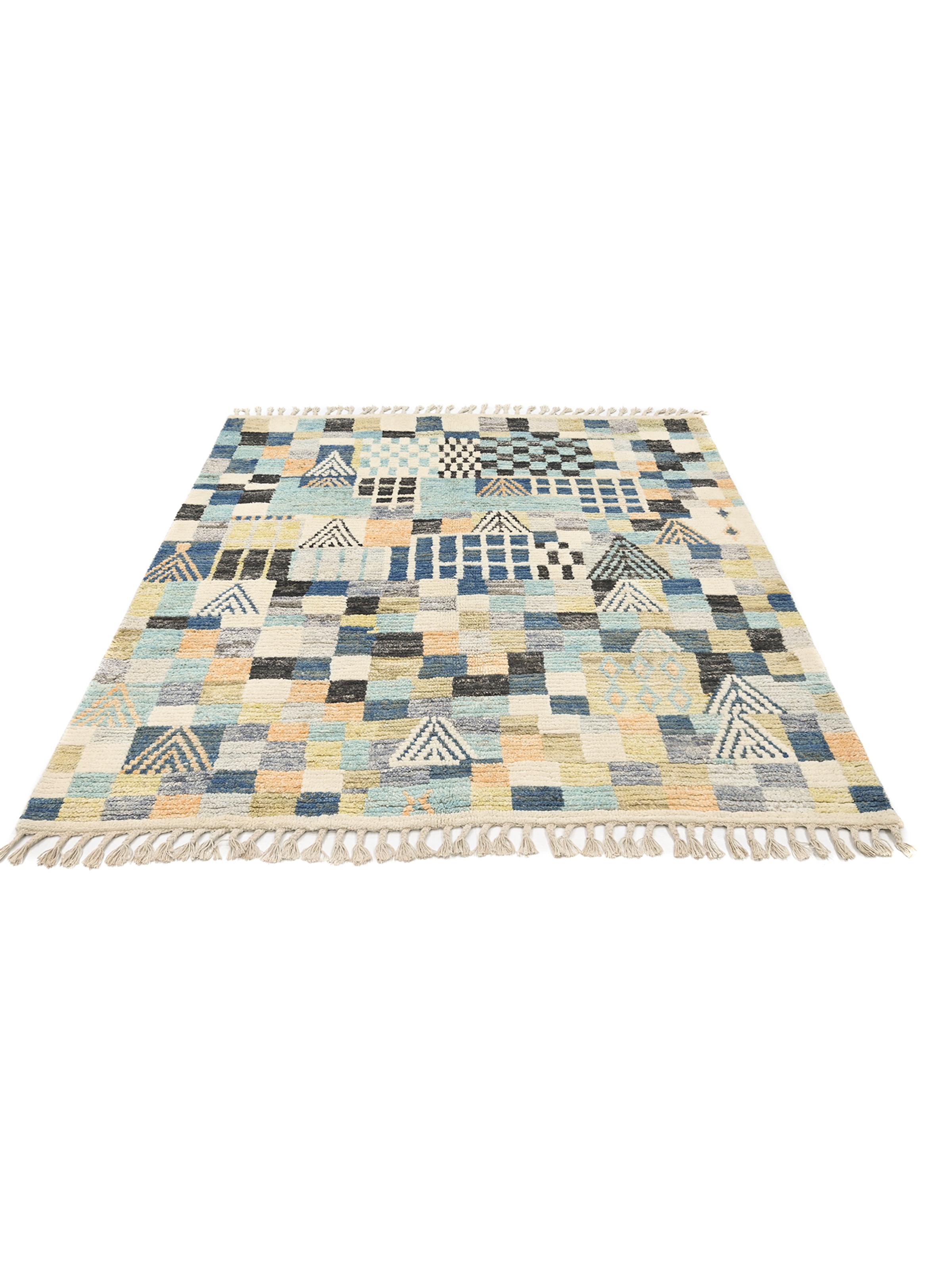
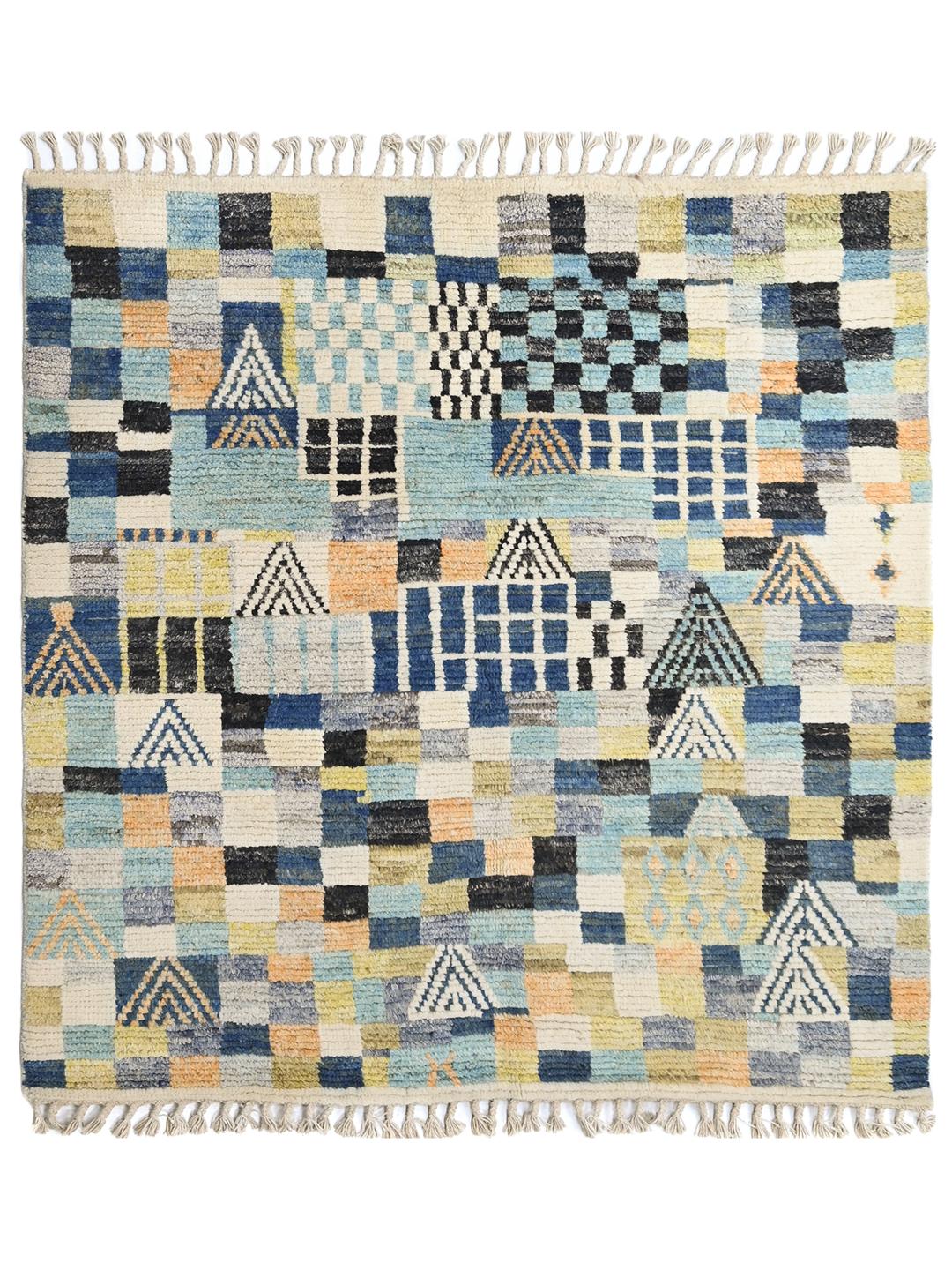
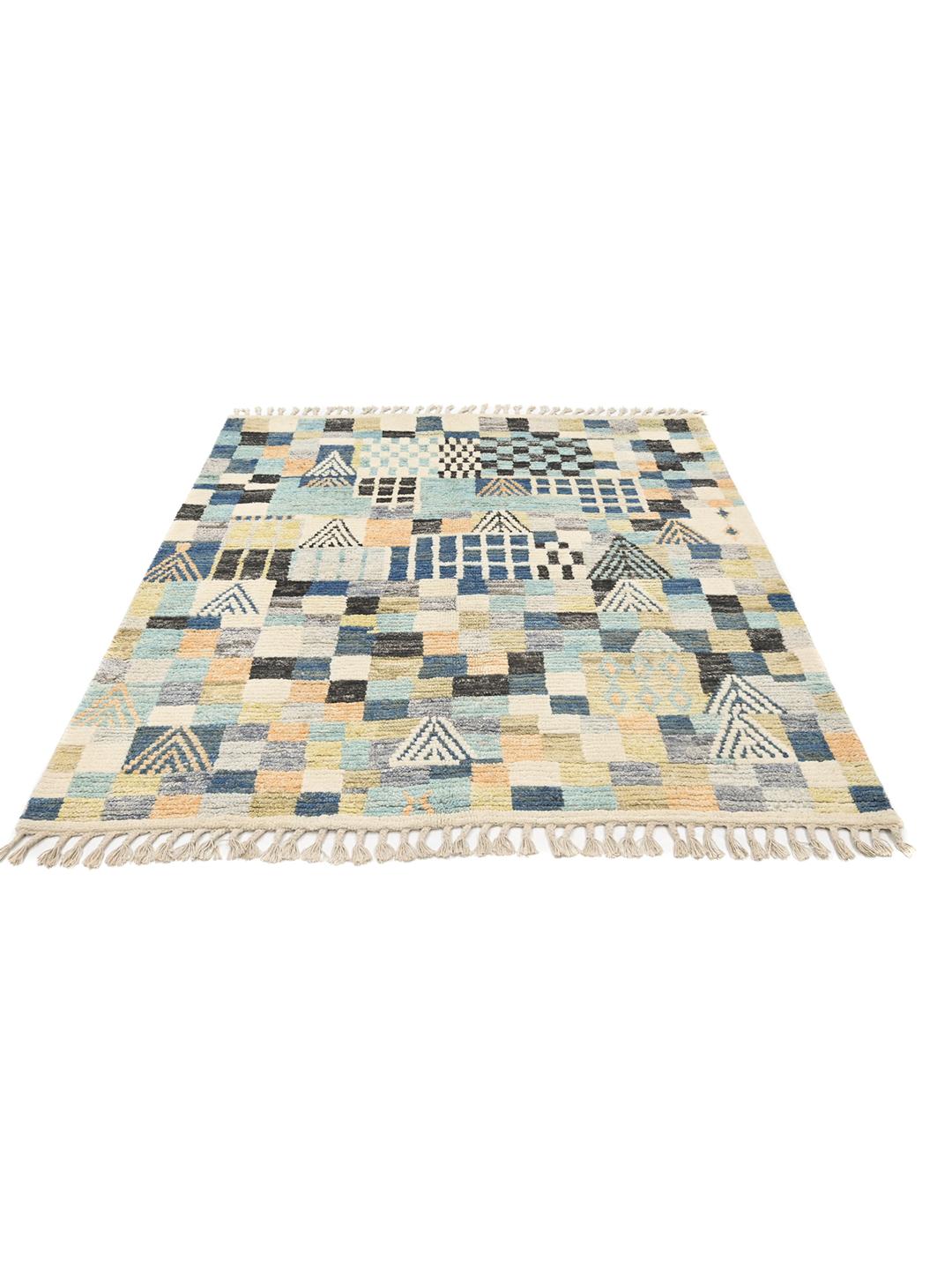
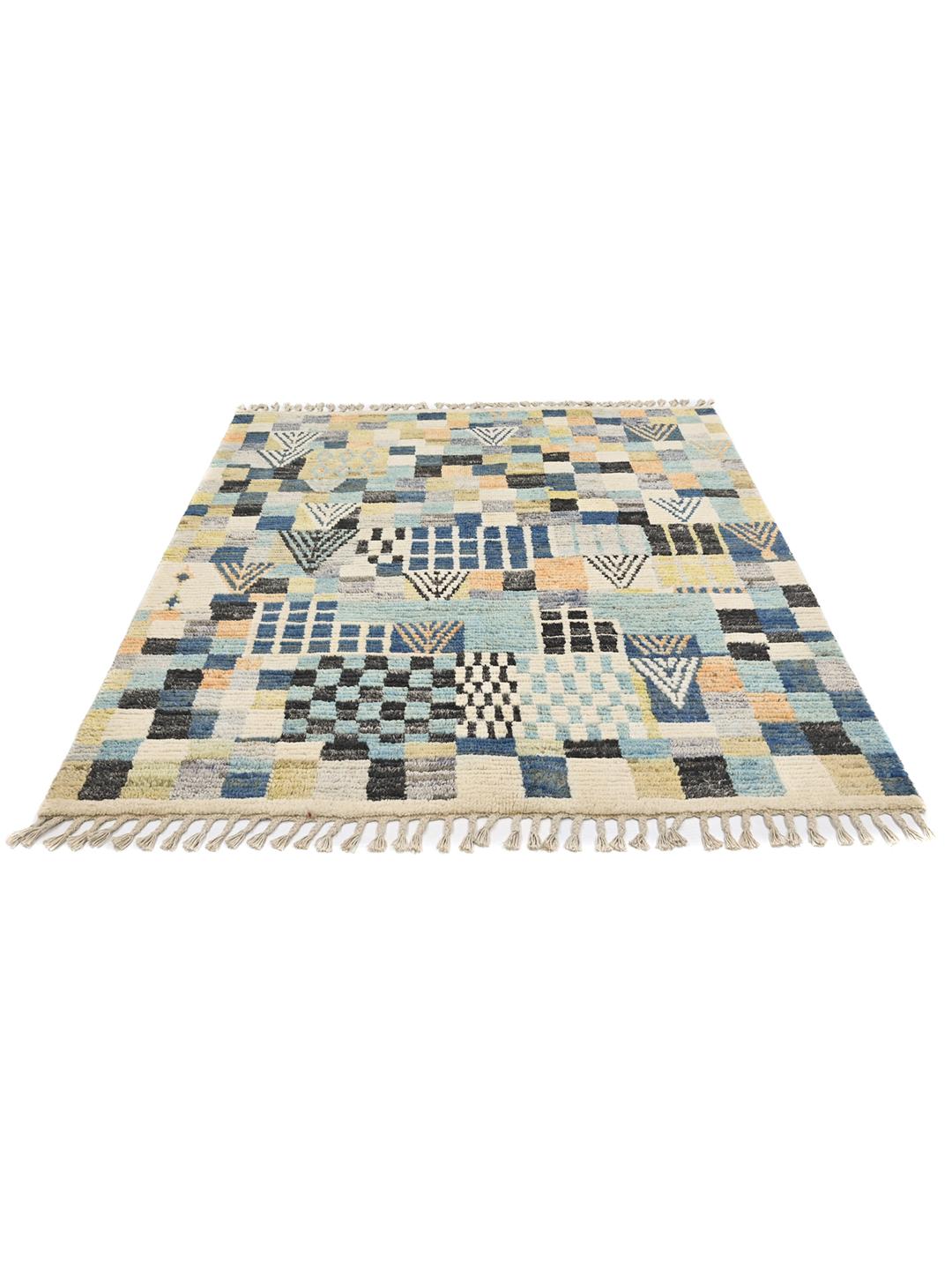
This piece features a lively field of abstract shapes, checkered patches, and strong contrast blocks, shifting away from rigid formal borders. In Berber design language, asymmetric geometric motifs were traditionally used to represent personal stories, family events, and spontaneous creativity during the weaving process.
Today, contemporary Berber-style rugs are celebrated by collectors and design enthusiasts for their painterly layout and rustic texture. Acquiring a hand-knotted Afghan piece provides an authentic connection to a living weaving heritage that values individual craft over industrial repetition.