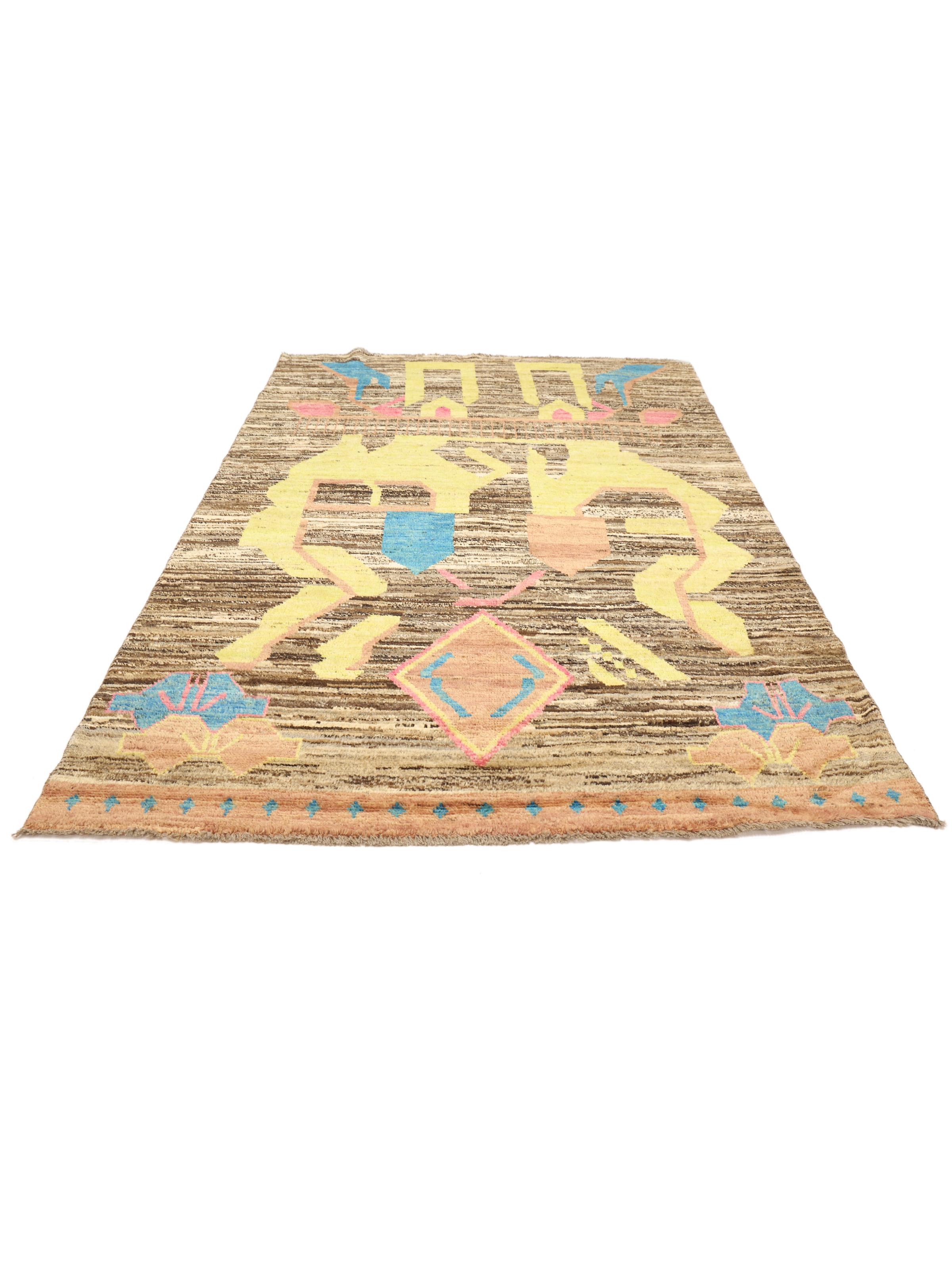
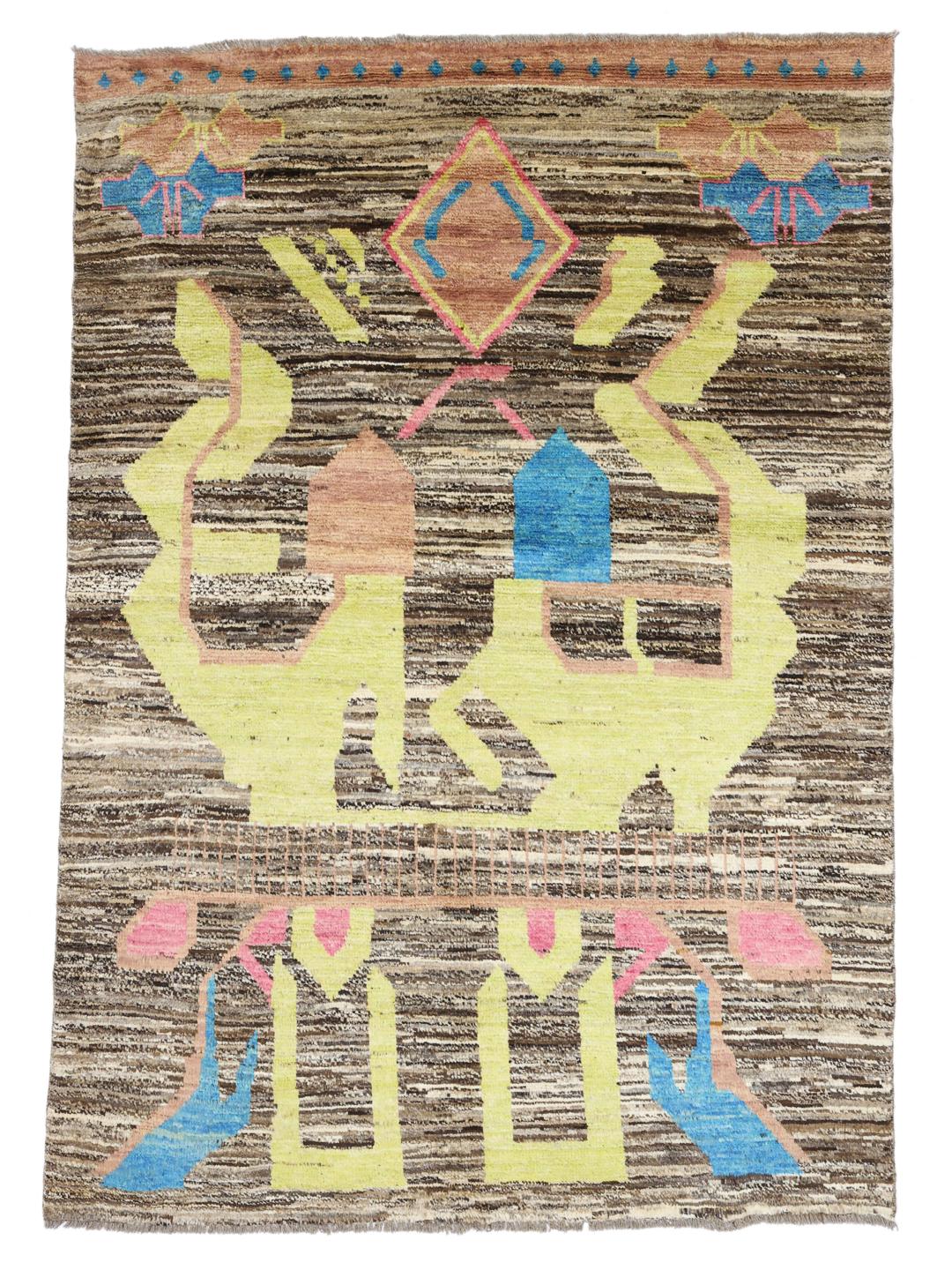
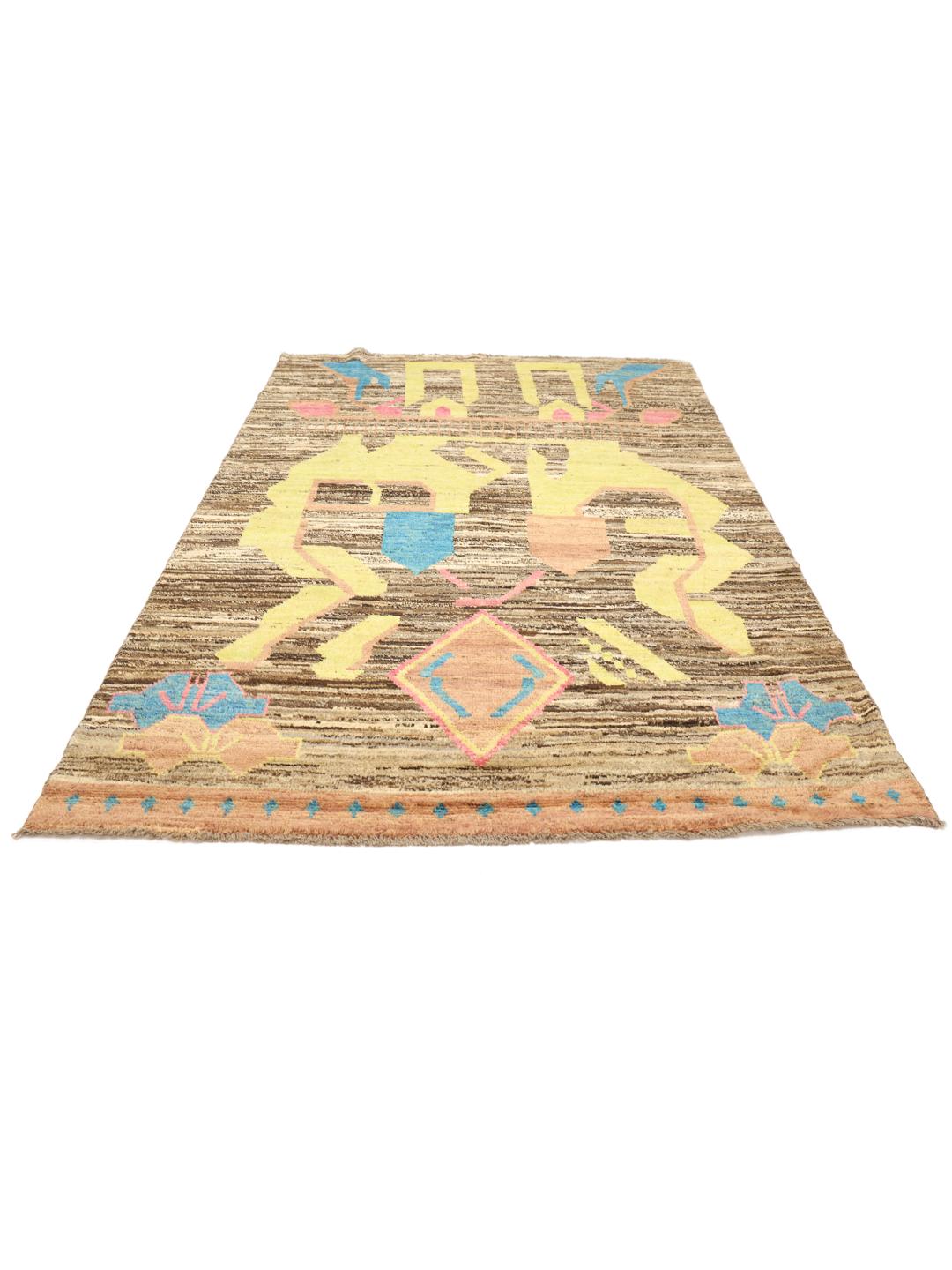
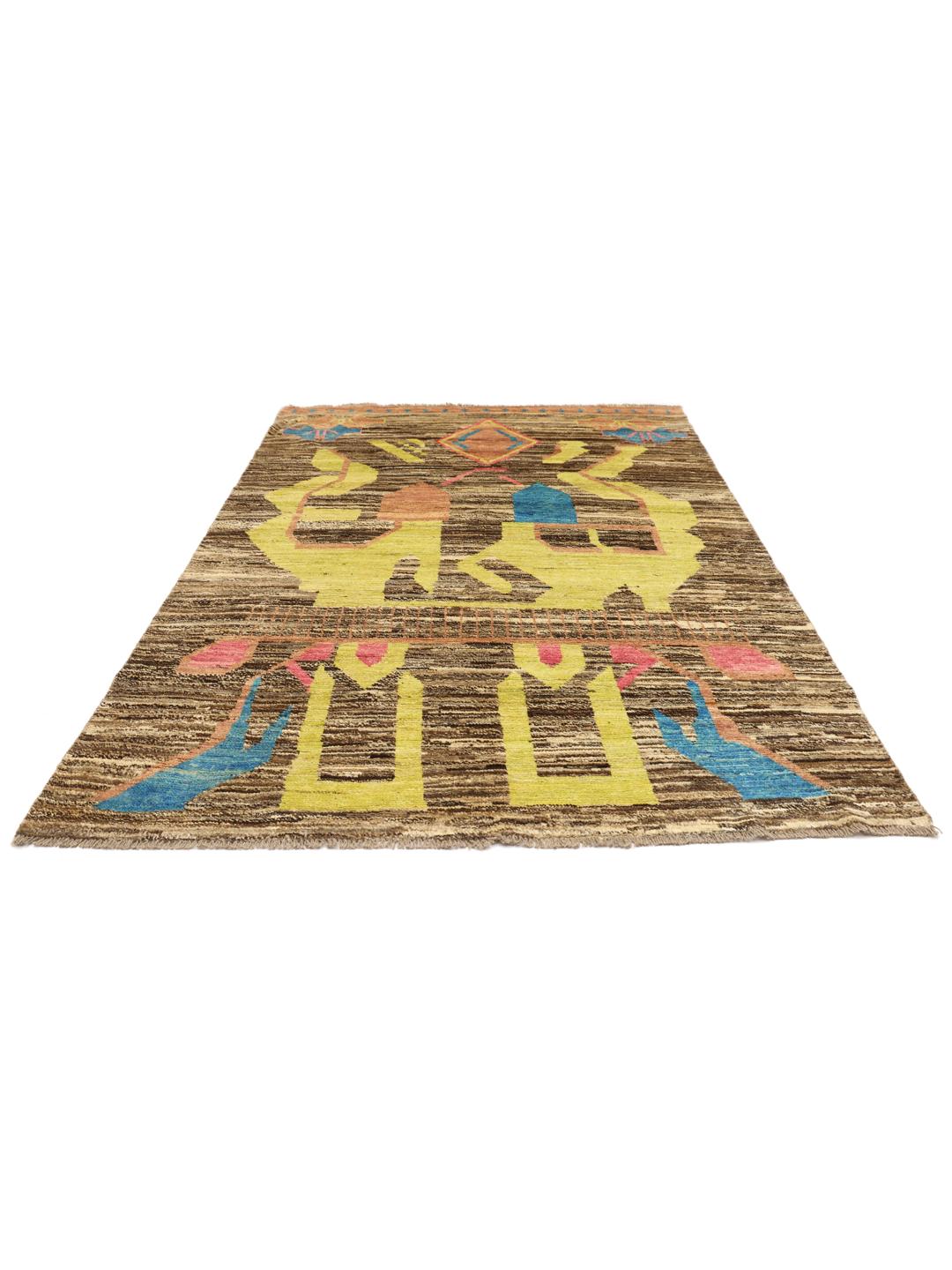
The Berber tradition, while historically originating from the mountainous regions of North Africa, has inspired a rich evolution of rug making across various cultures. In Afghanistan, this influence has been beautifully adapted by local artisans who blend their own regional weaving techniques with the iconic, free-spirited aesthetic of the Berber style.
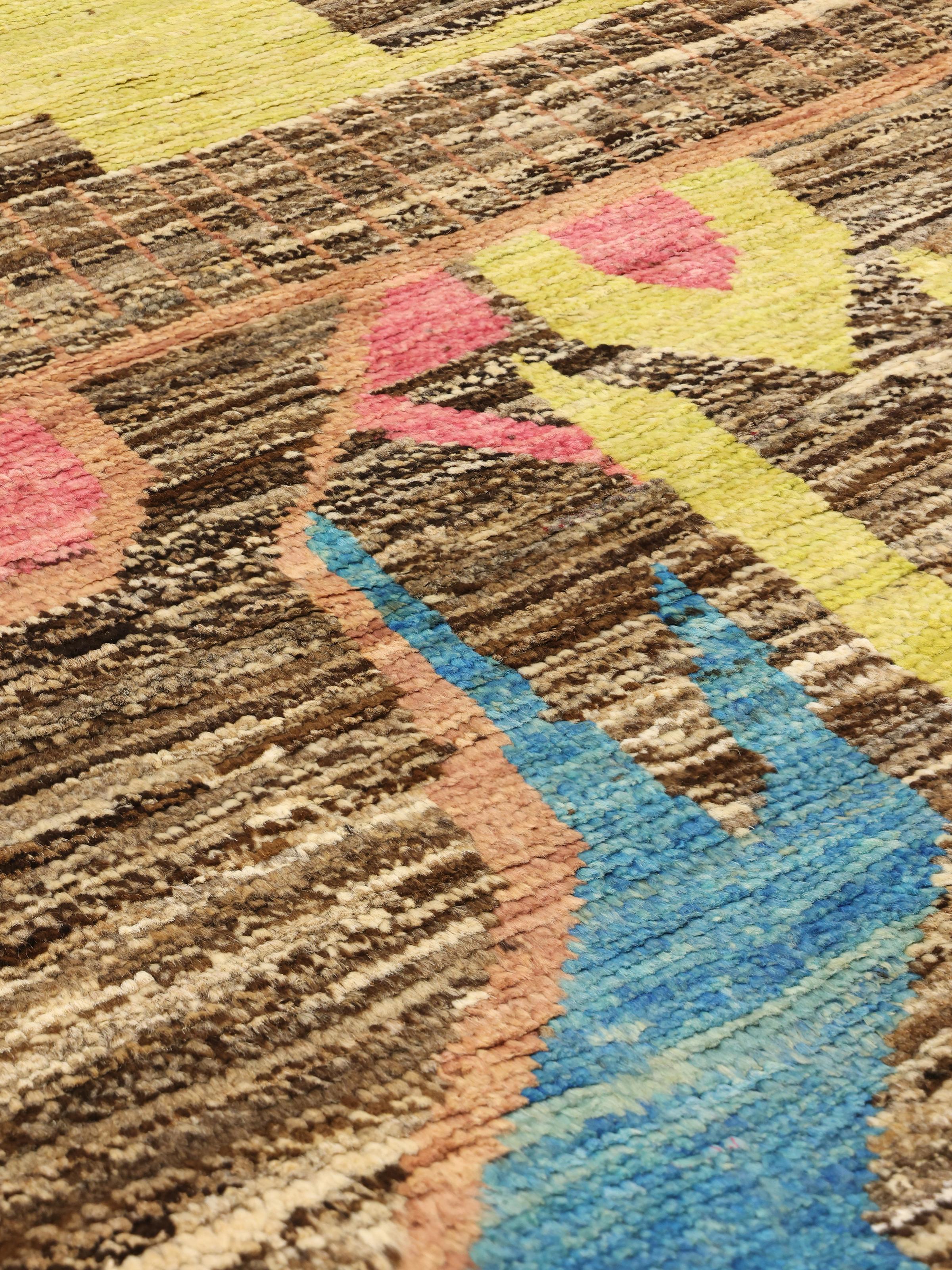
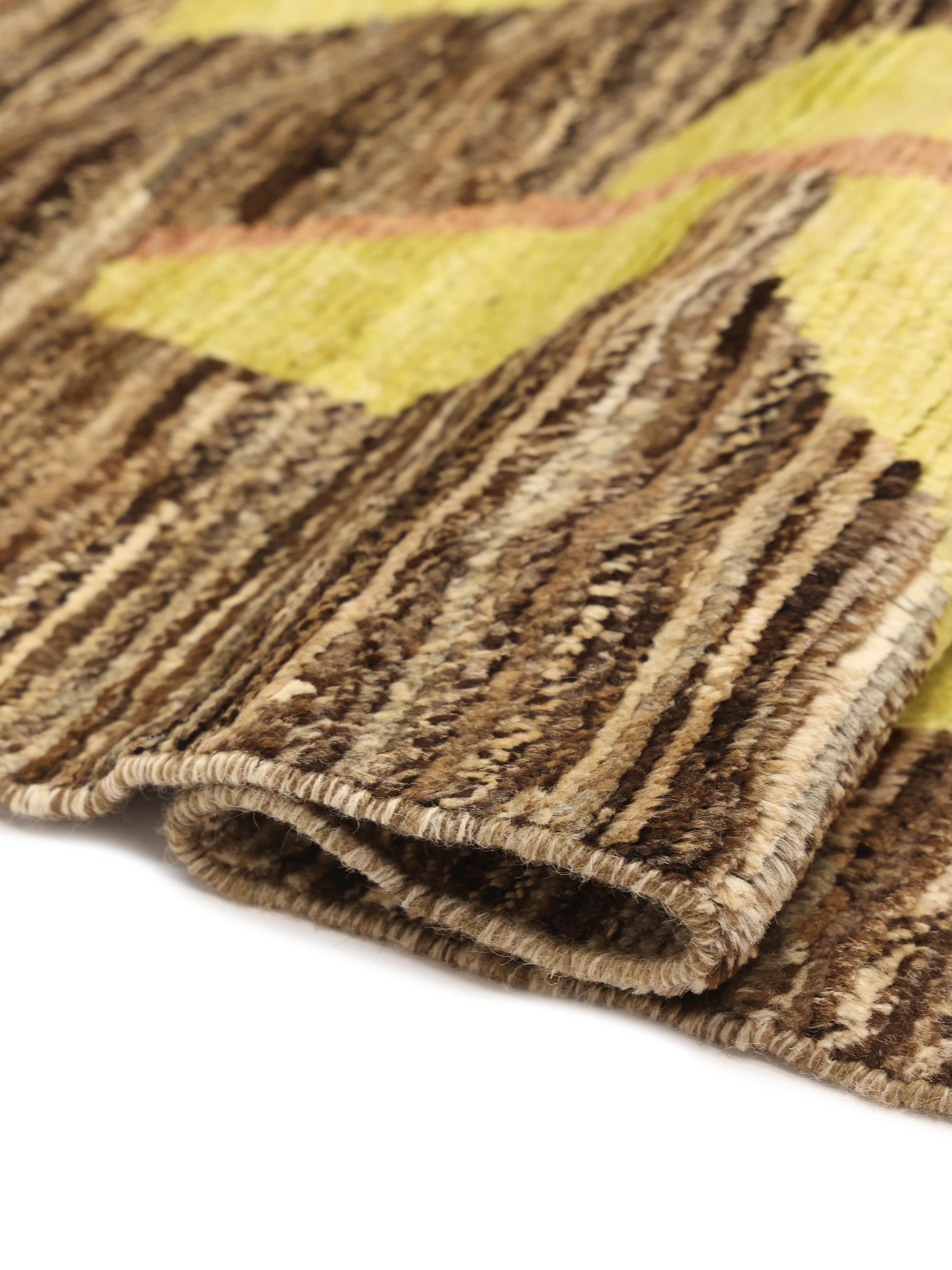
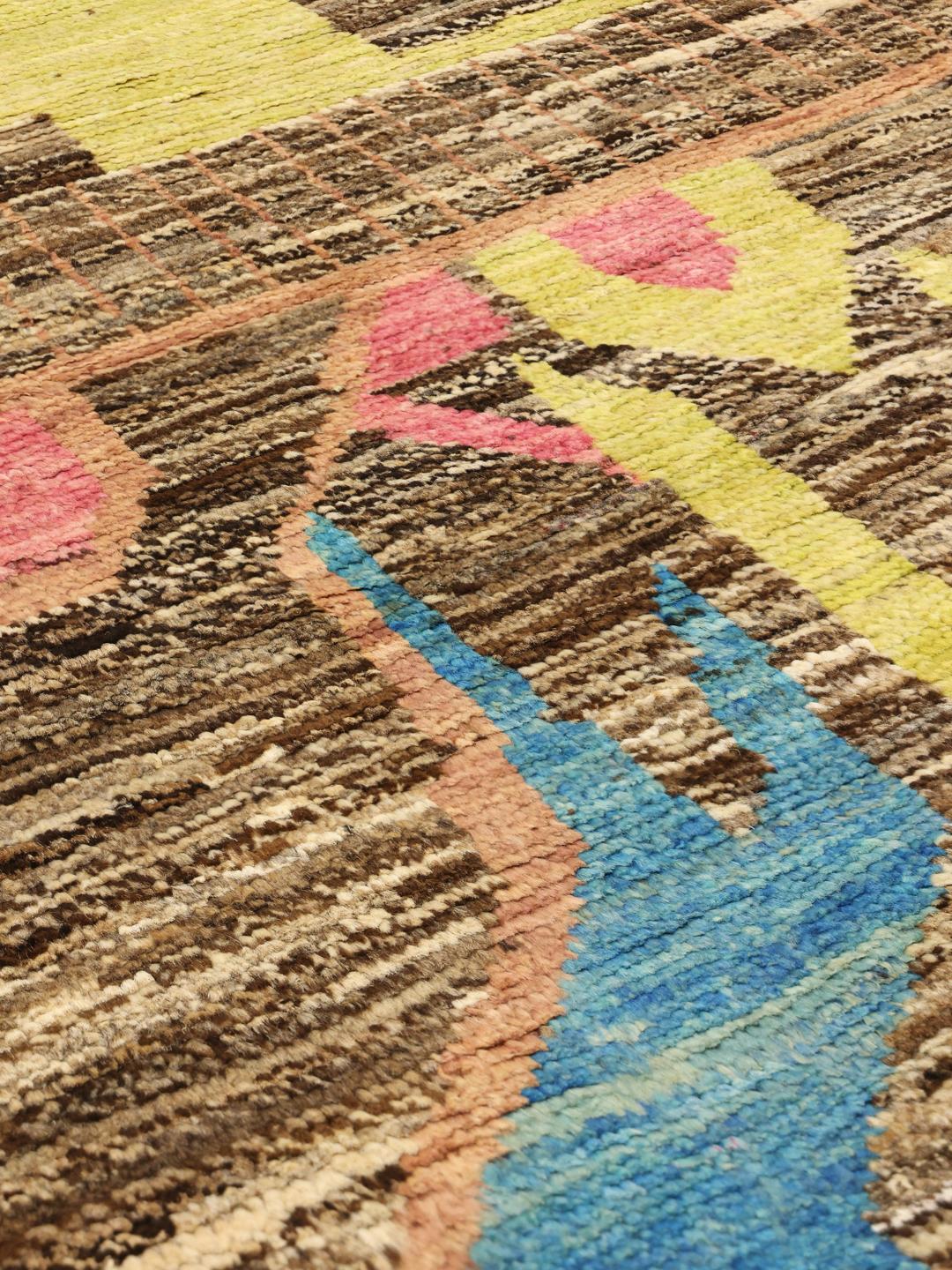
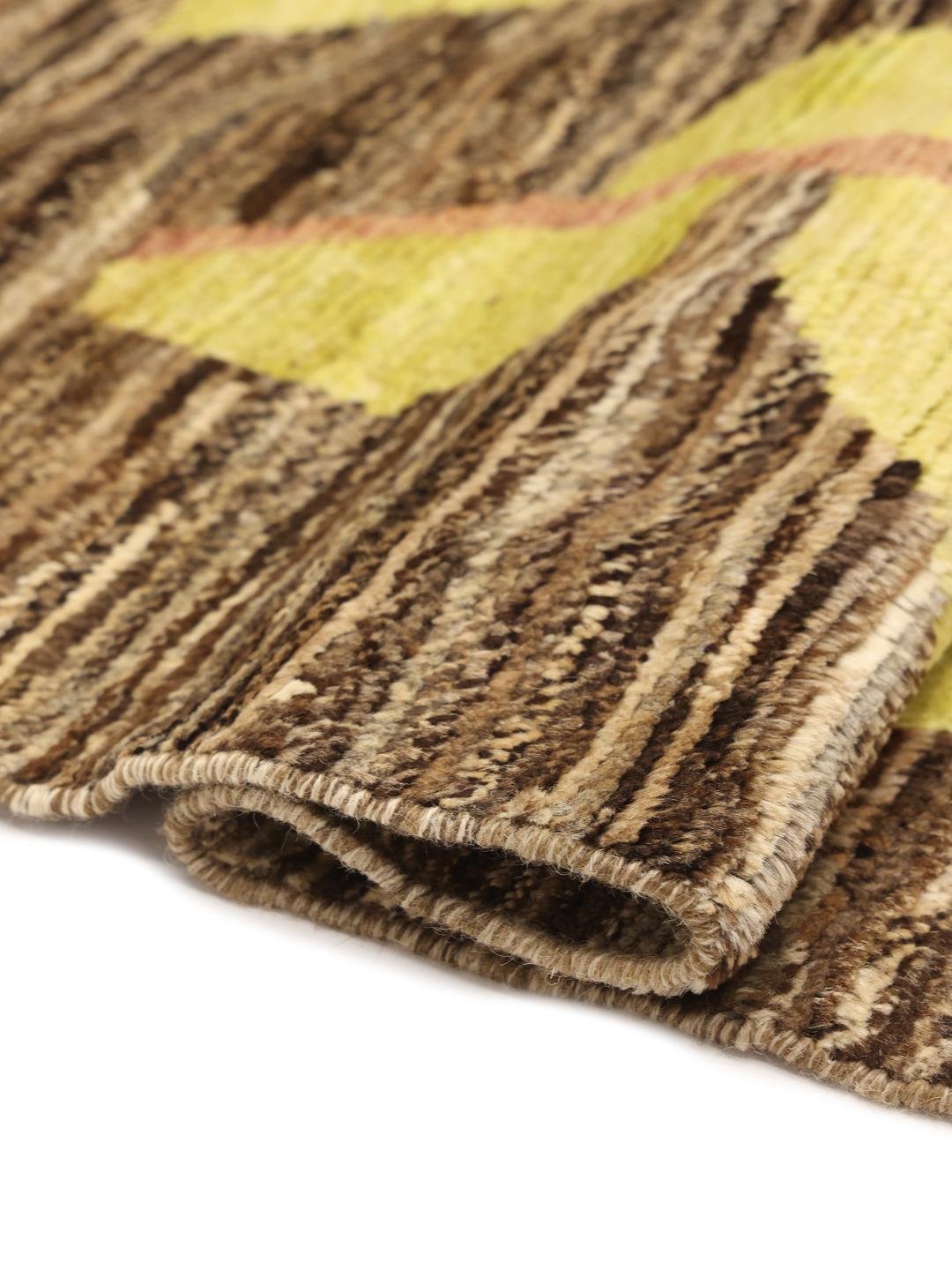
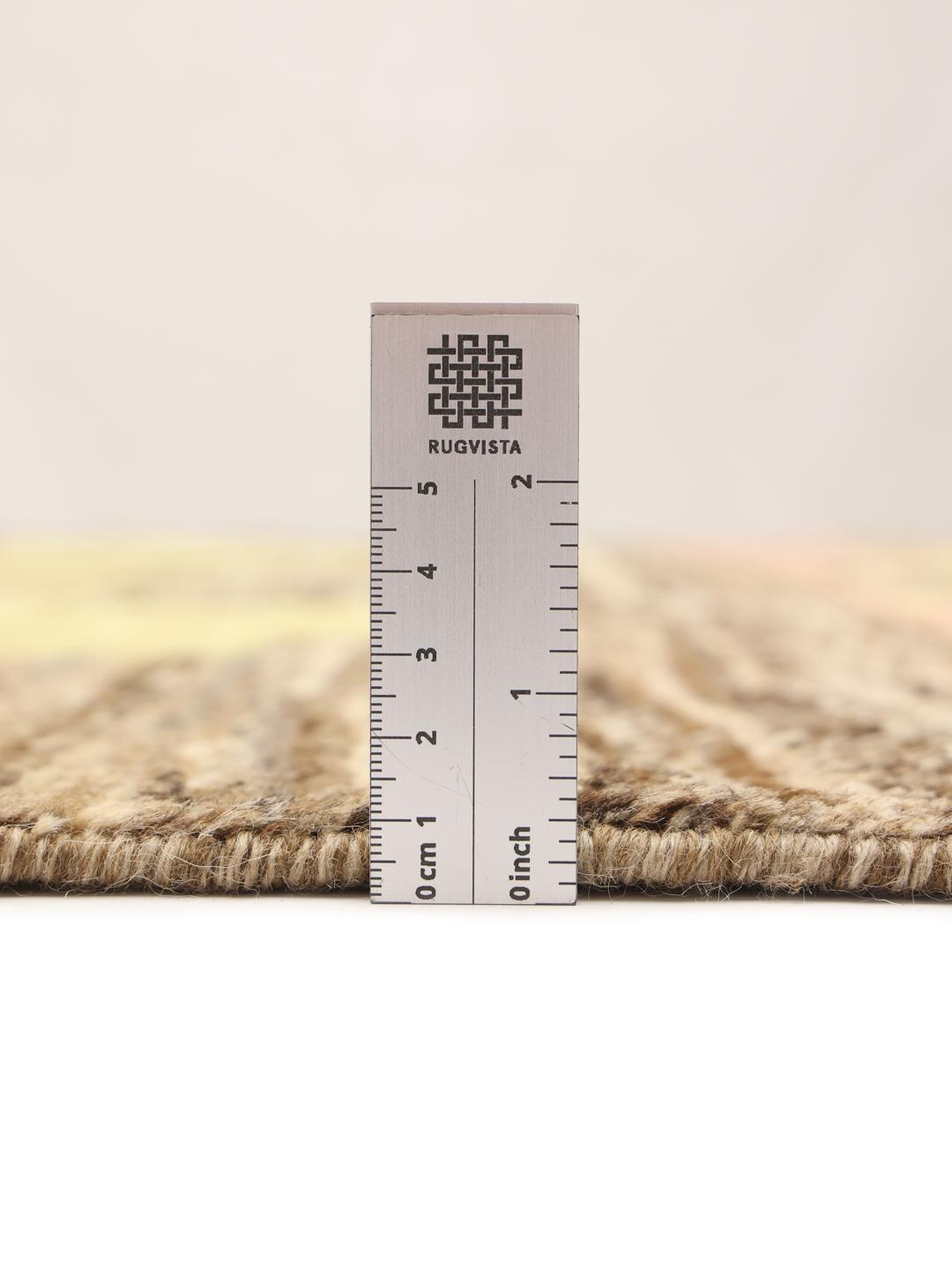
Technically, the quality of these rugs is defined by their pile and foundation construction. The use of hand-spun wool is central to this craft, as it retains natural oils that provide a soft, lustrous sheen and an inherent resistance to wear. This approach ensures that the rug is not only a visual delight but also a practical, long-lasting addition to any home.
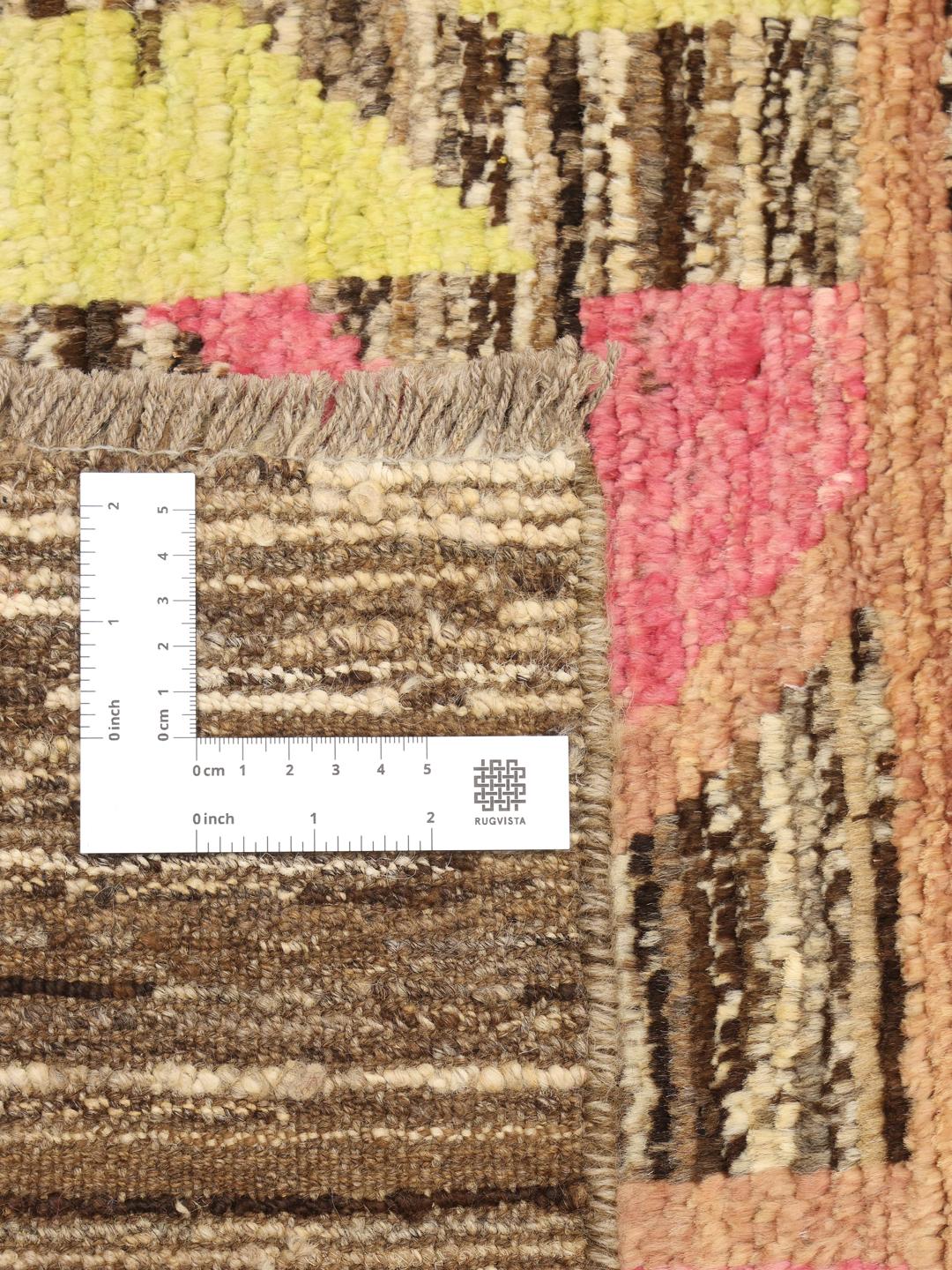
The design language of these pieces is characterised by bold, artistic motifs that often tell a story or reflect the weaver's personal expression. Unlike more formal, symmetrical traditions, these rugs embrace a more organic and spontaneous layout, often featuring geometric shapes and vibrant, contrasting colours that add a lively, contemporary feel to the space.
Owning a piece from this tradition means connecting with a heritage of craftsmanship that values individuality. Collectors prize these rugs for their ability to bridge the gap between ancient weaving methods and modern interior aesthetics, offering a sense of history and human touch that mass-produced items simply cannot replicate.