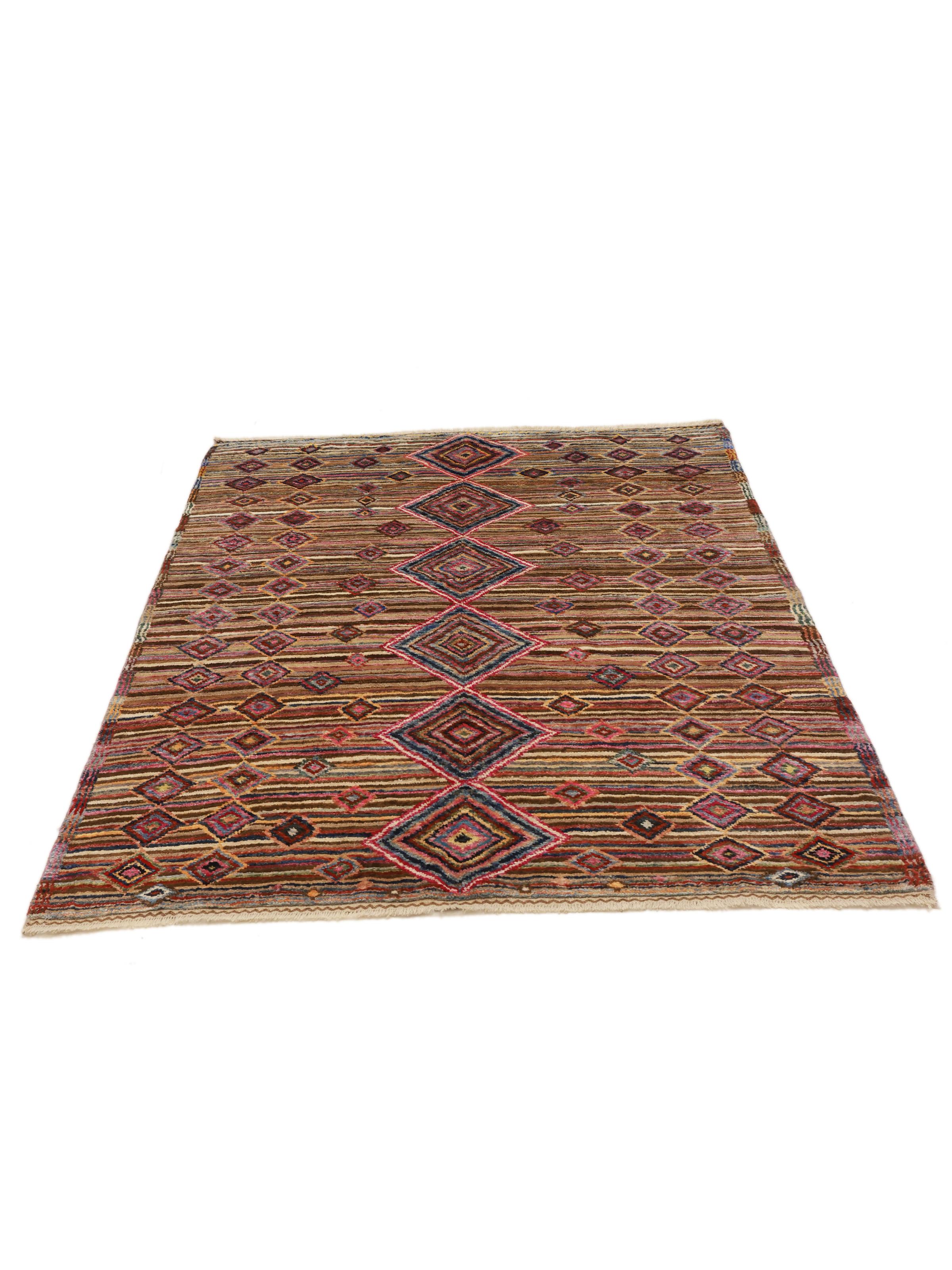
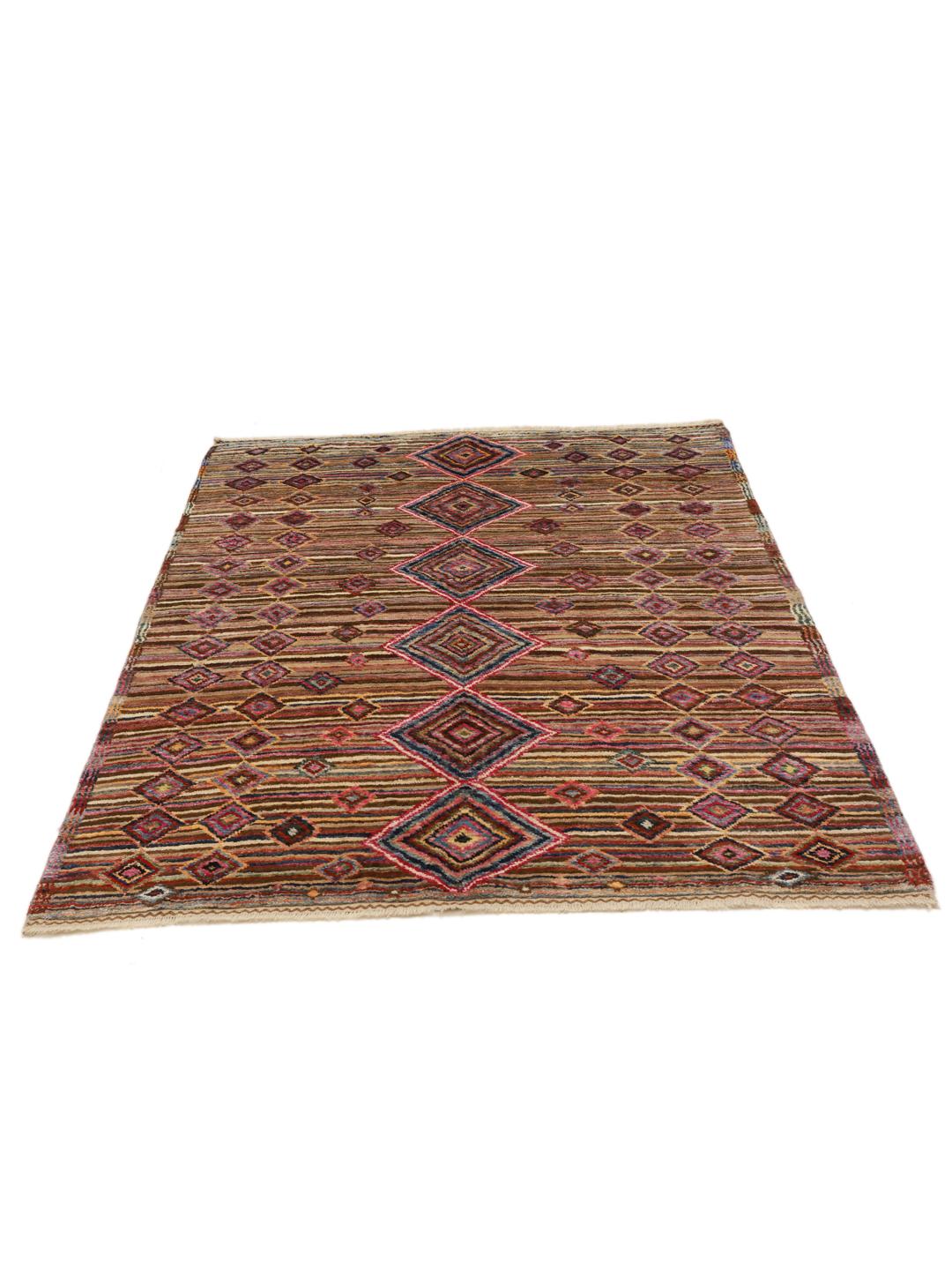
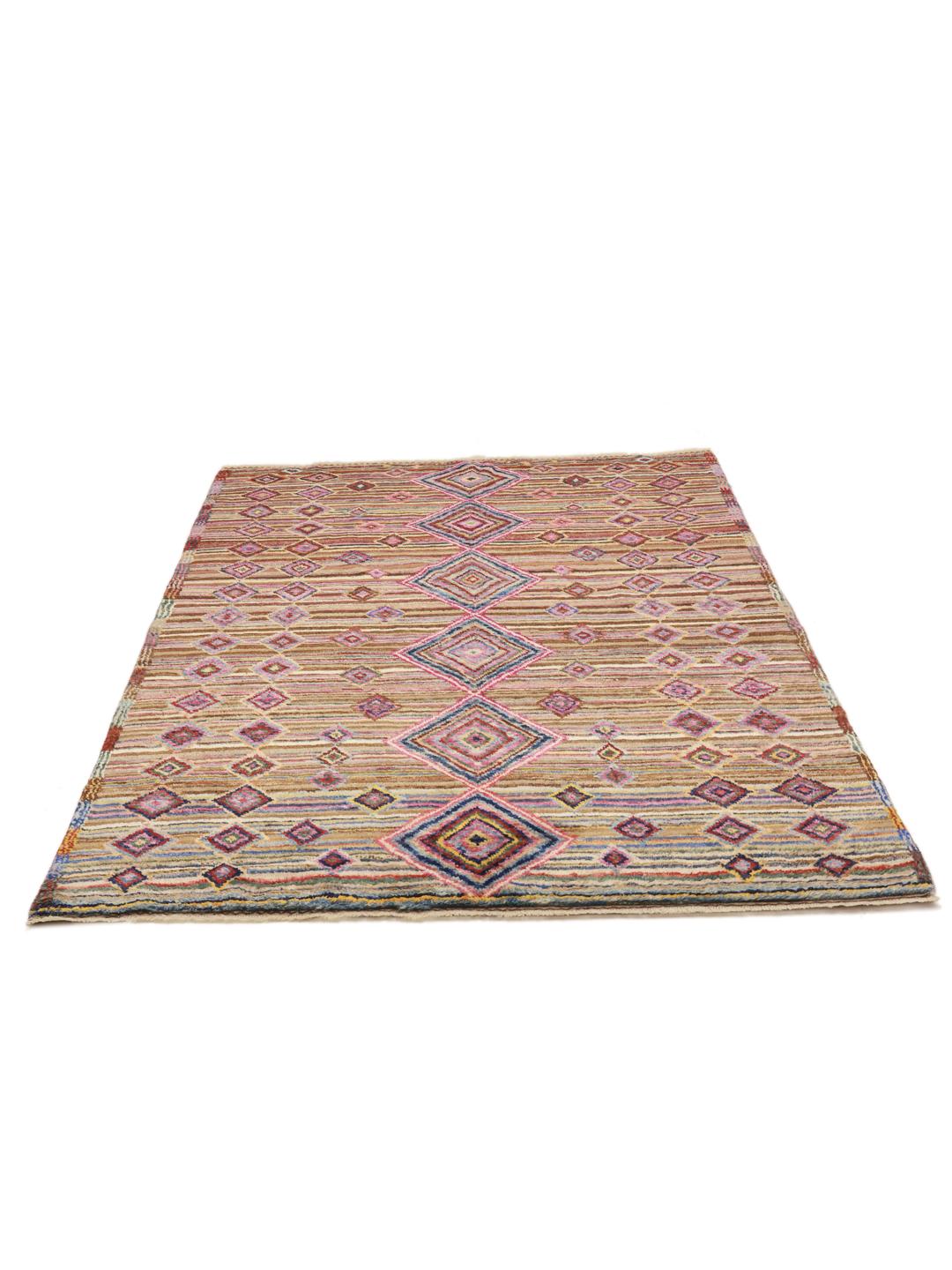
The tradition of rug weaving in Afghanistan is deeply rooted in the cultural history of the region, where nomadic tribes and settled artisans have perfected the craft over centuries. These rugs are often celebrated for their robust construction and the use of locally sourced materials that reflect the rugged beauty of the Afghan landscape.
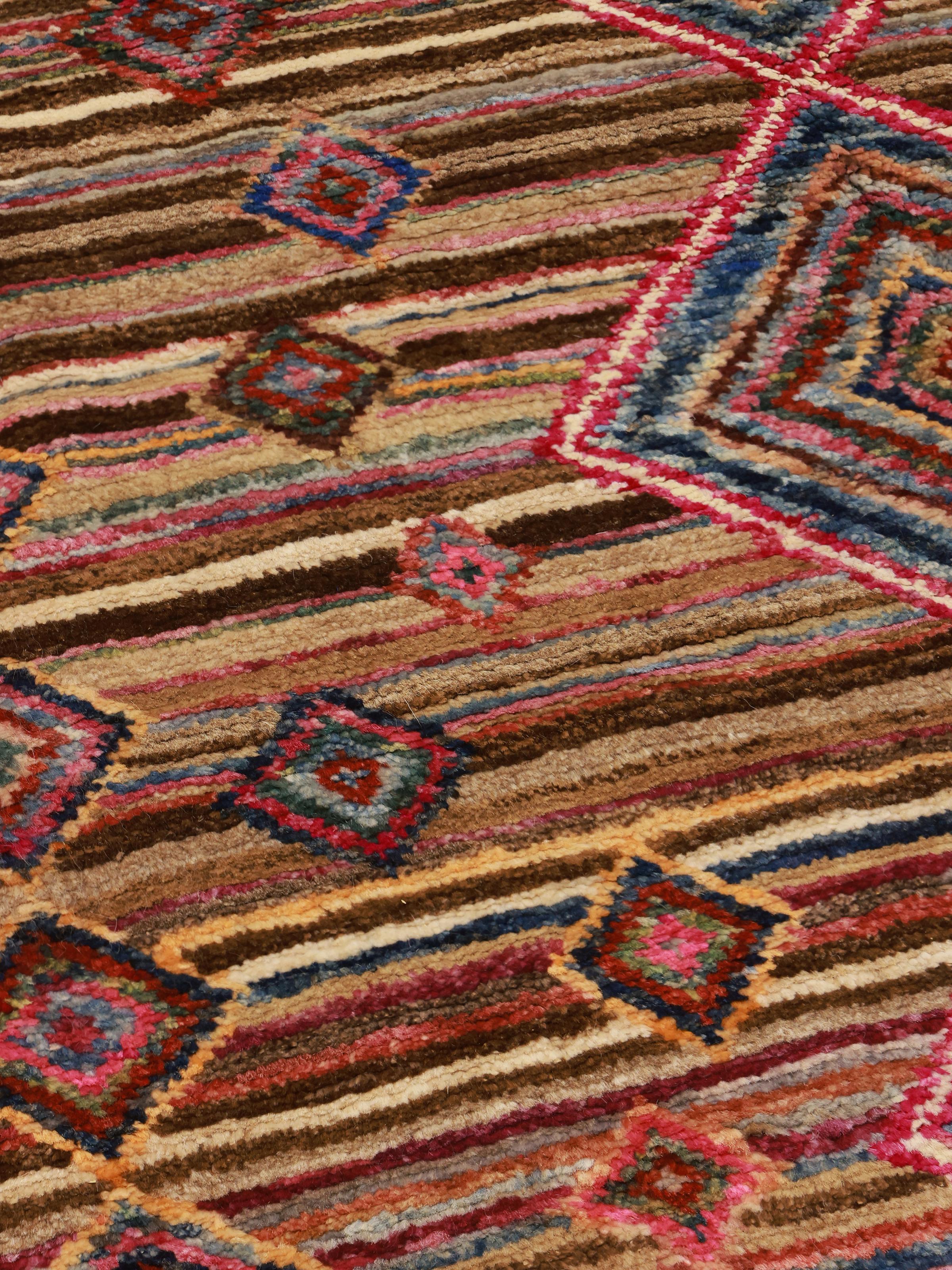
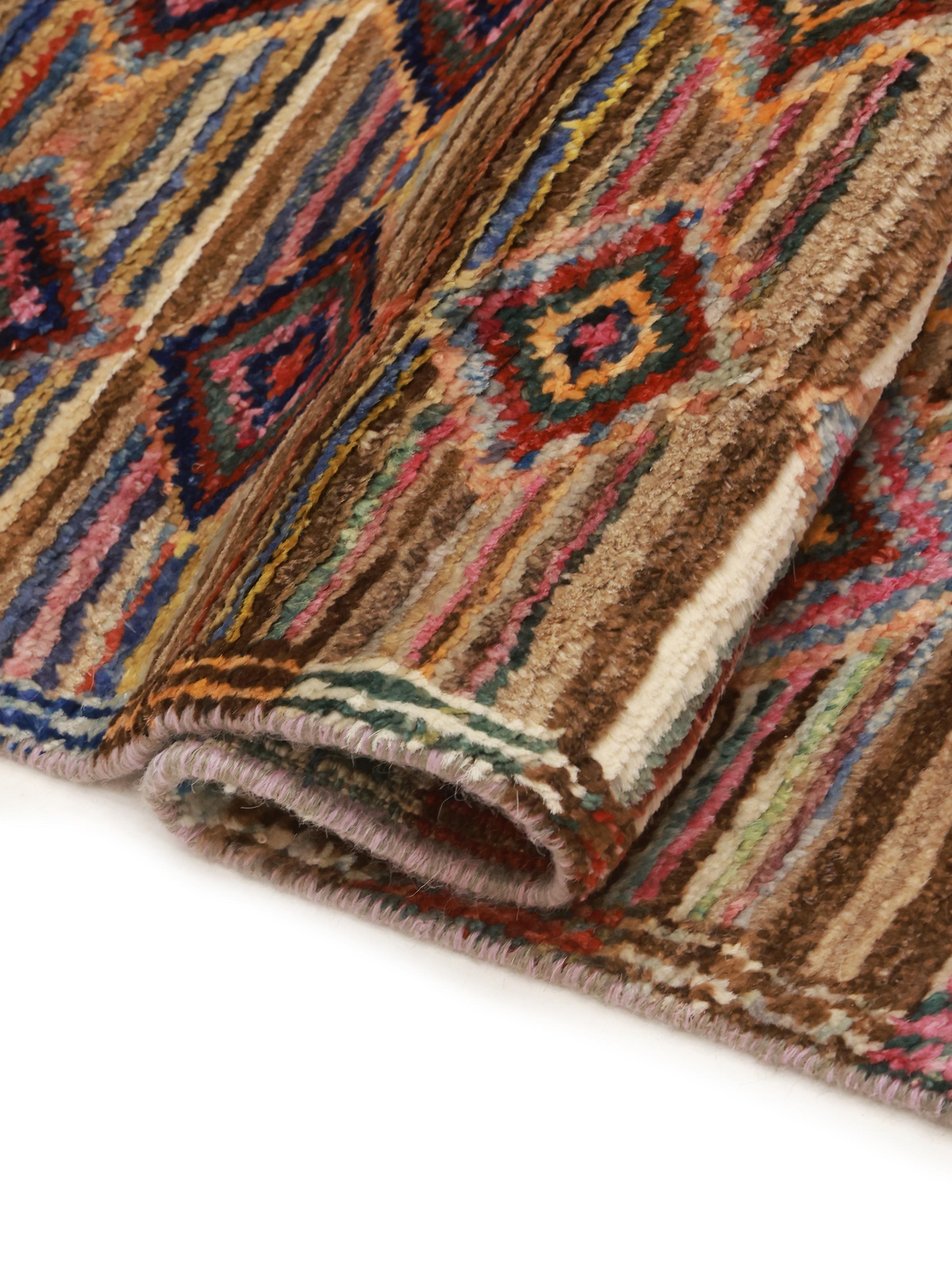
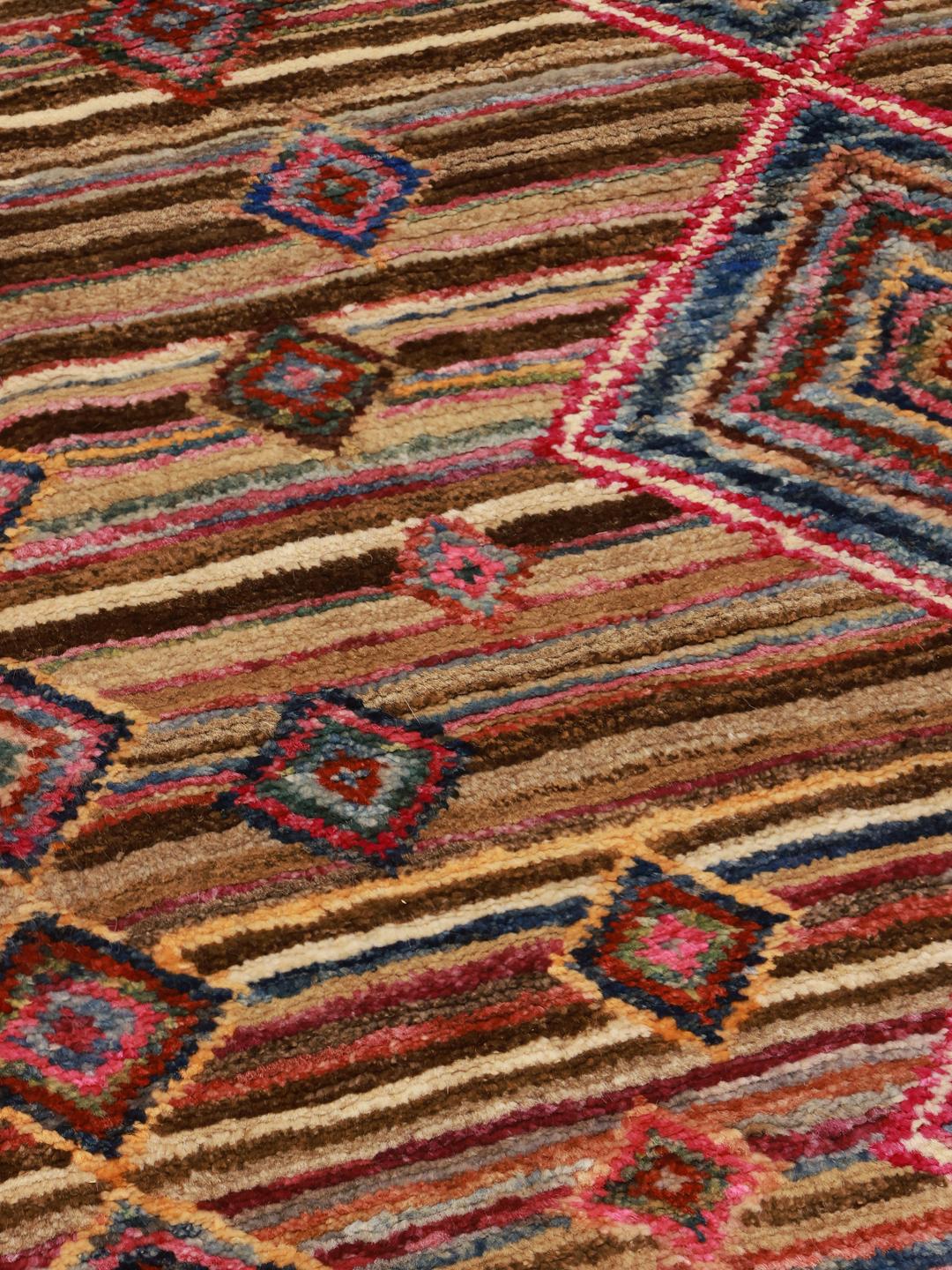
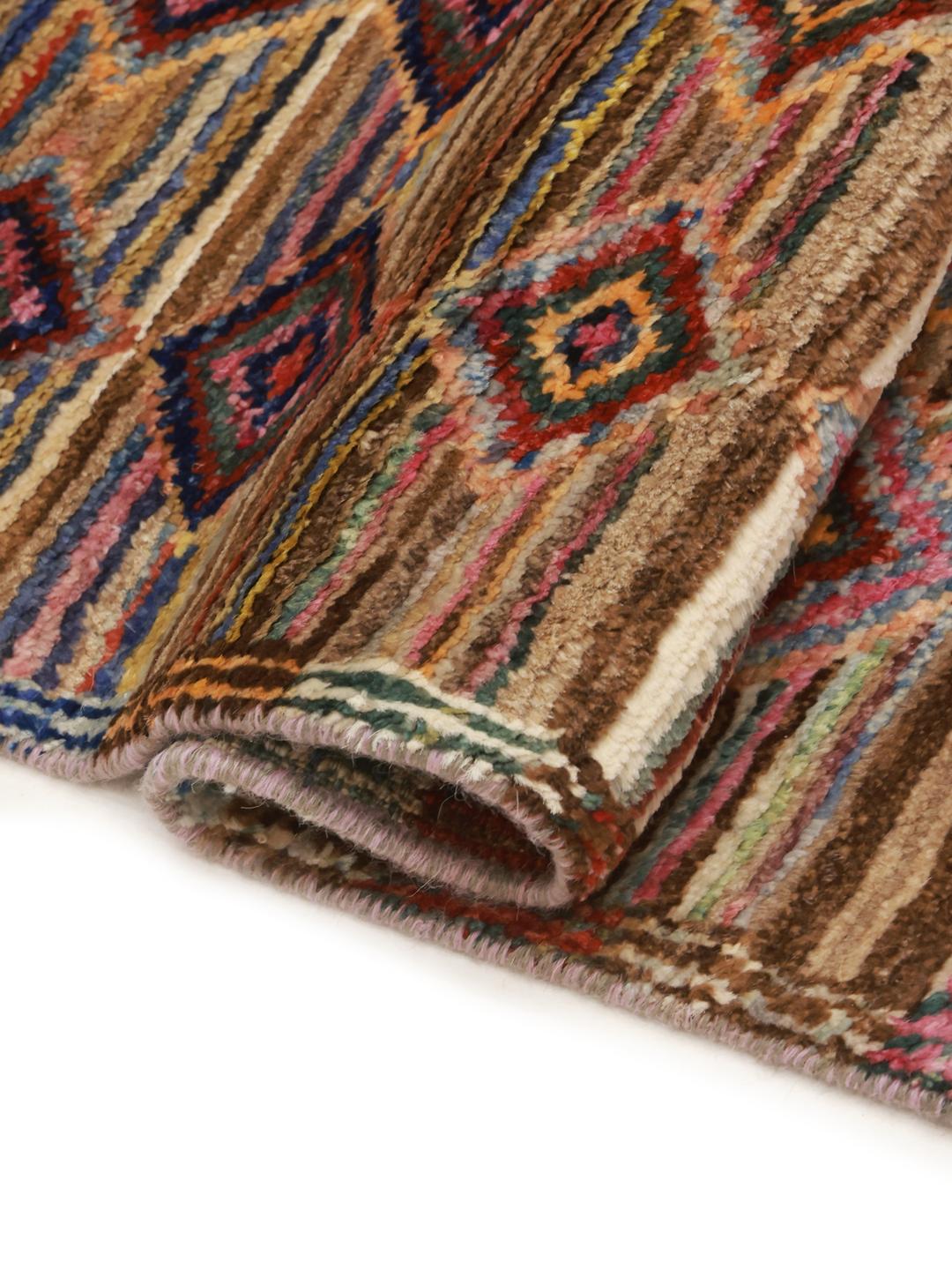
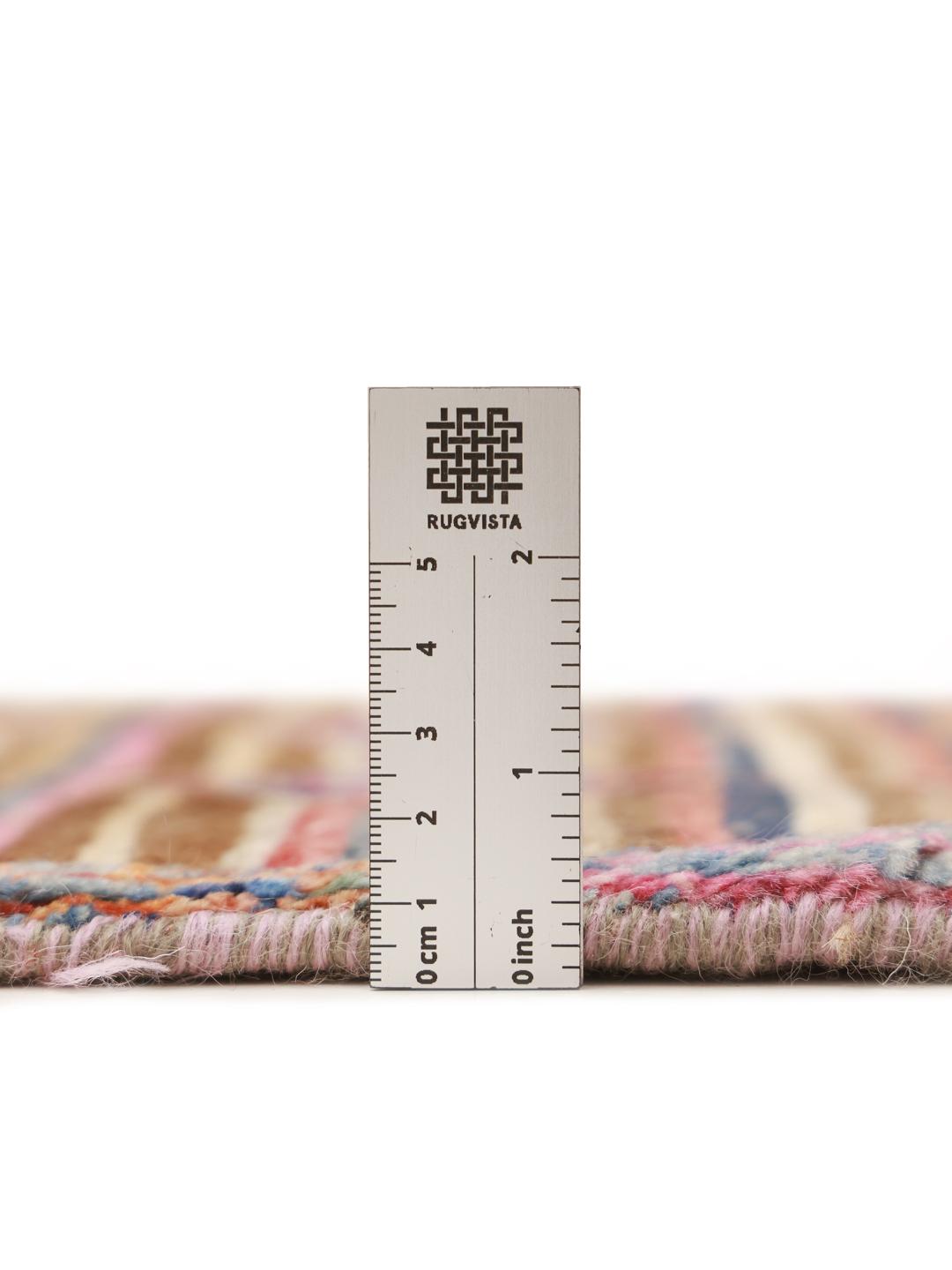
The term Berber in this context refers to a specific aesthetic lineage that emphasises texture and geometric clarity, often utilising thicker, hand-spun Wool. This construction method is intentional, designed to produce a substantial pile that is both incredibly soft and highly durable, capable of withstanding years of daily use while maintaining its aesthetic appeal.
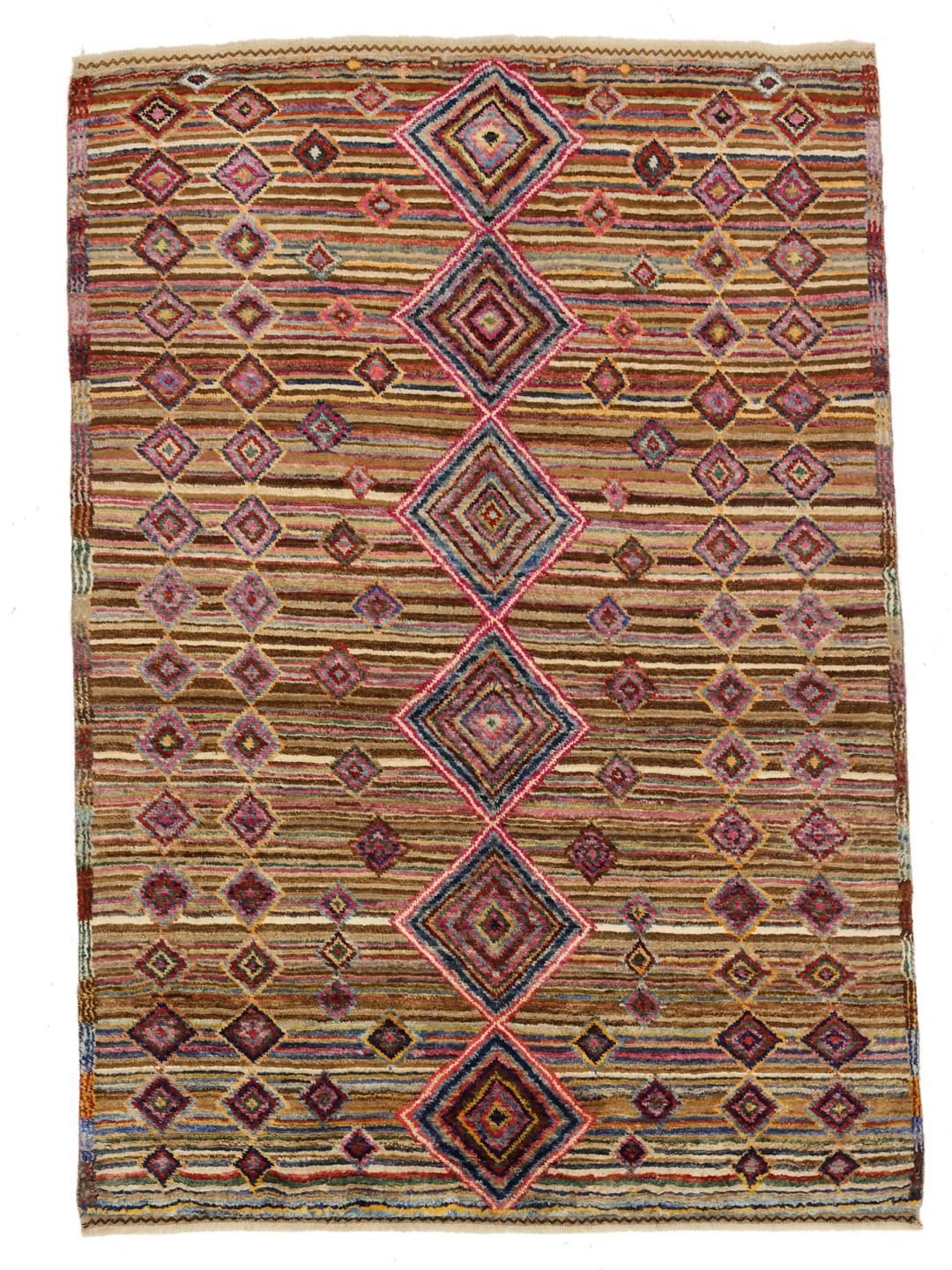
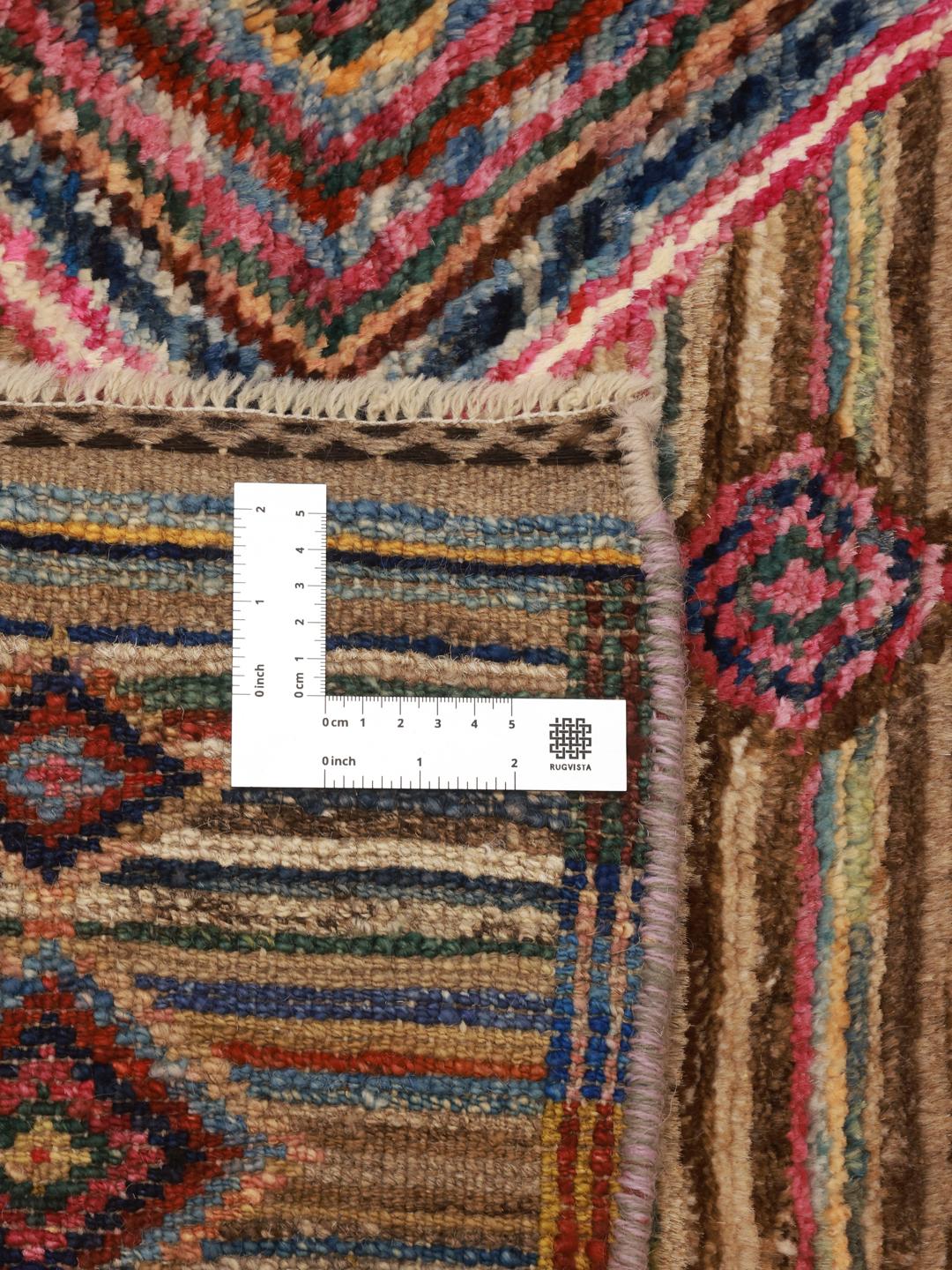
Signature design elements of this tradition include bold, repeating geometric motifs such as the diamond patterns seen here, which are often symbolic of protection or prosperity in local folklore. The use of vibrant, contrasting colours is a hallmark of these rugs, serving to highlight the precision of the knotting and the complexity of the design layout.
Collecting a piece from this tradition is an investment in cultural heritage and human skill. By choosing a rug that honours these ancient techniques, you are bringing a piece of history into your home that serves as a bridge between traditional craftsmanship and contemporary living, ensuring that these rare and beautiful skills continue to be valued.