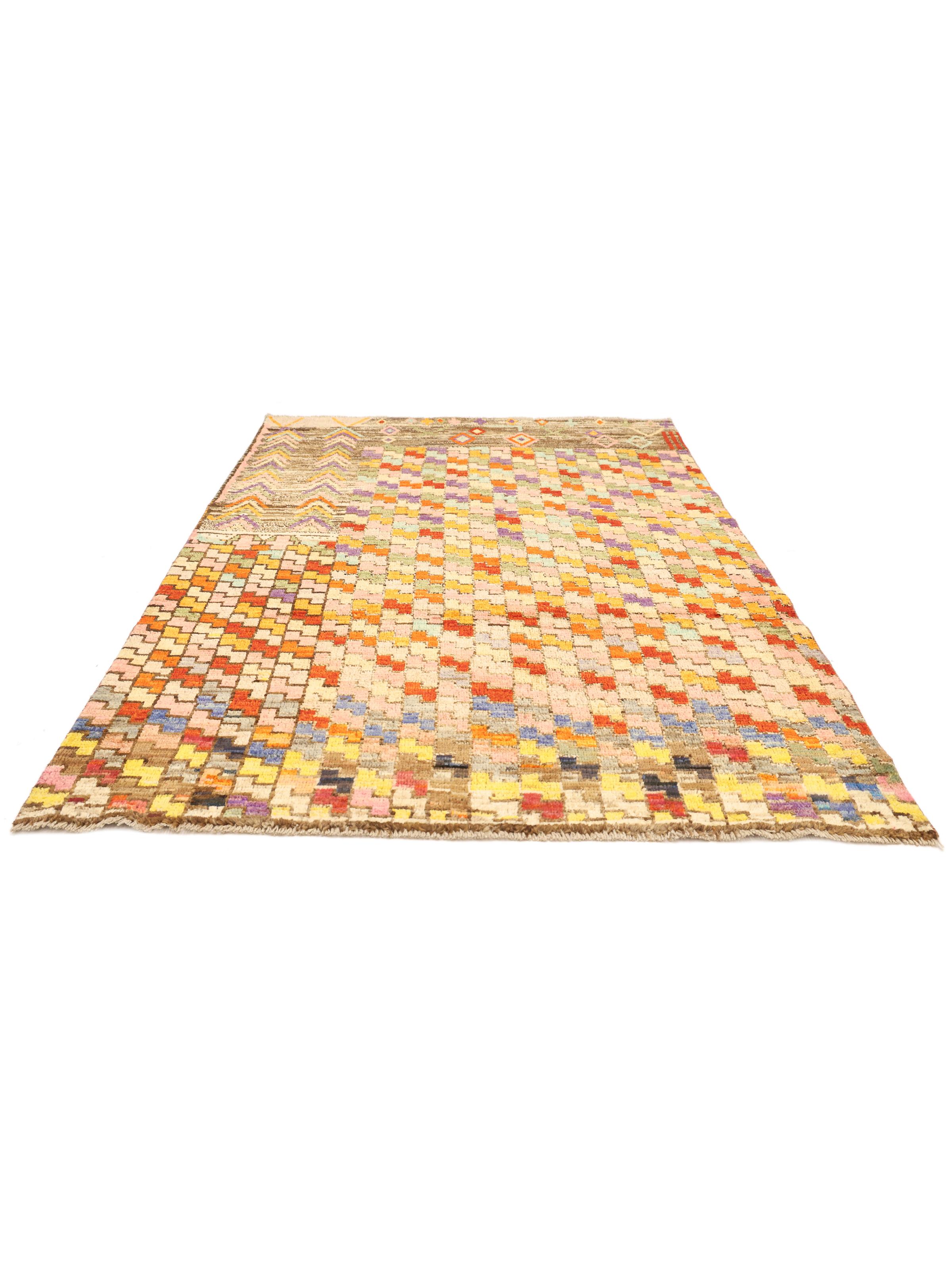
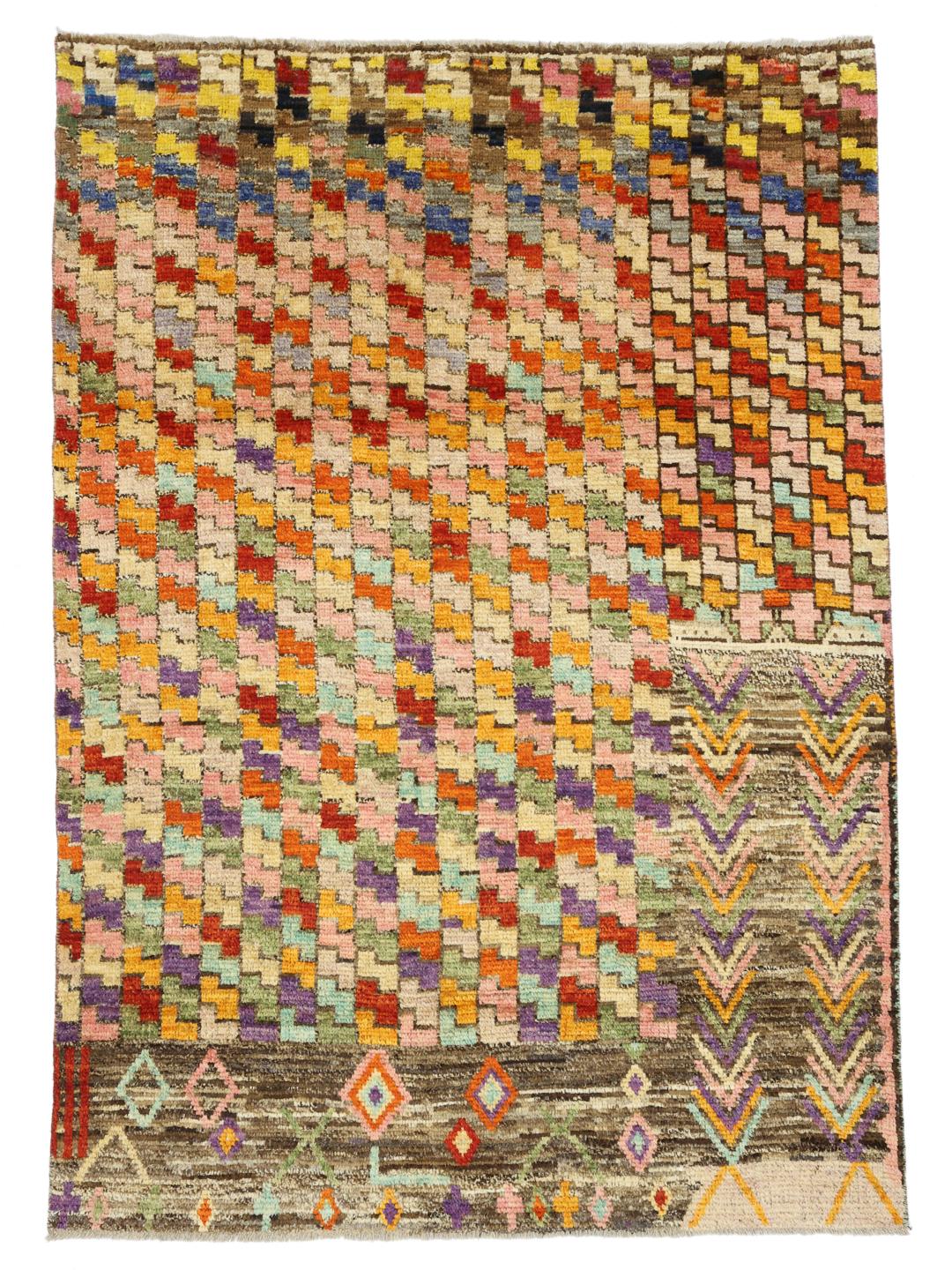
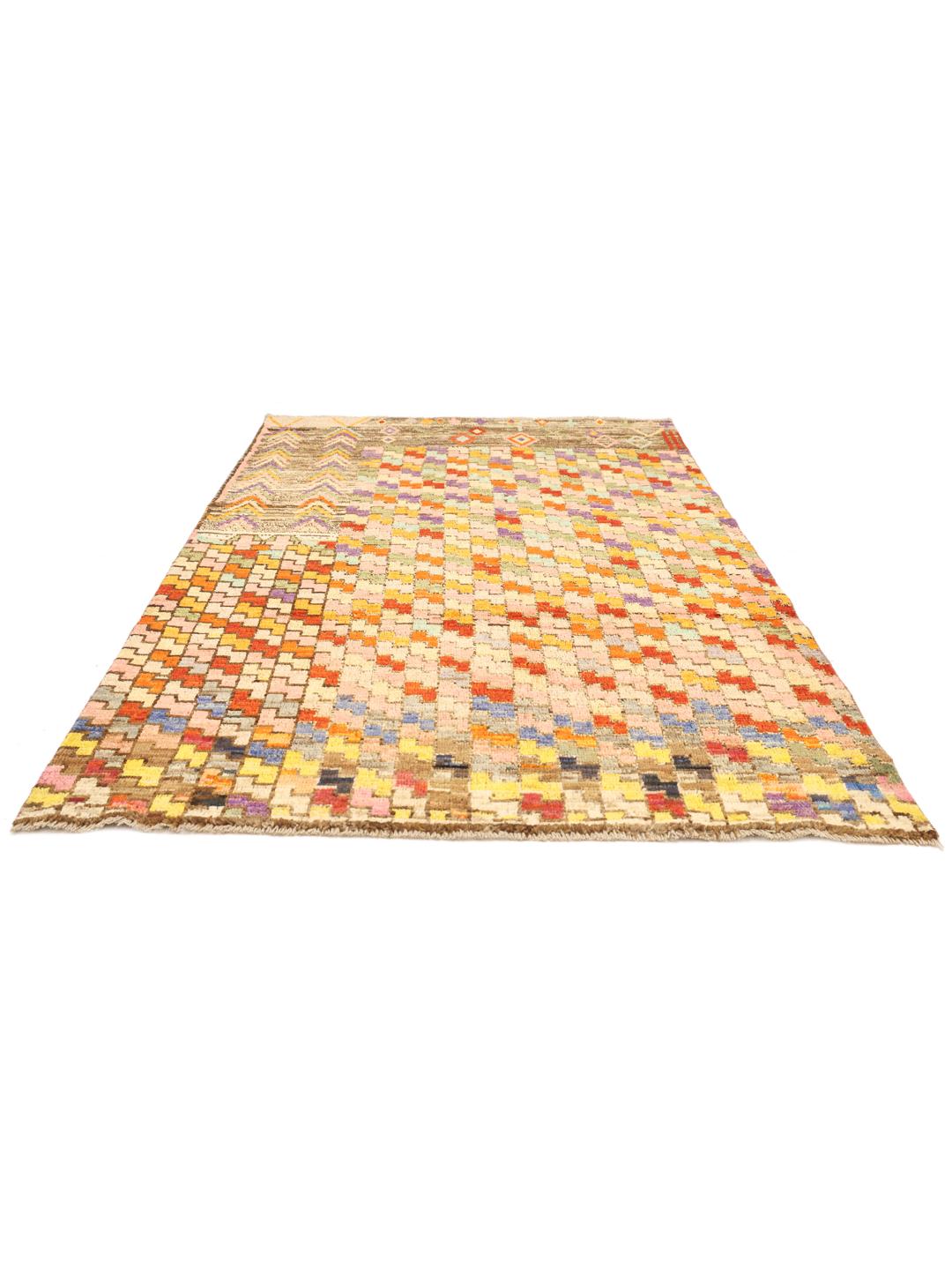
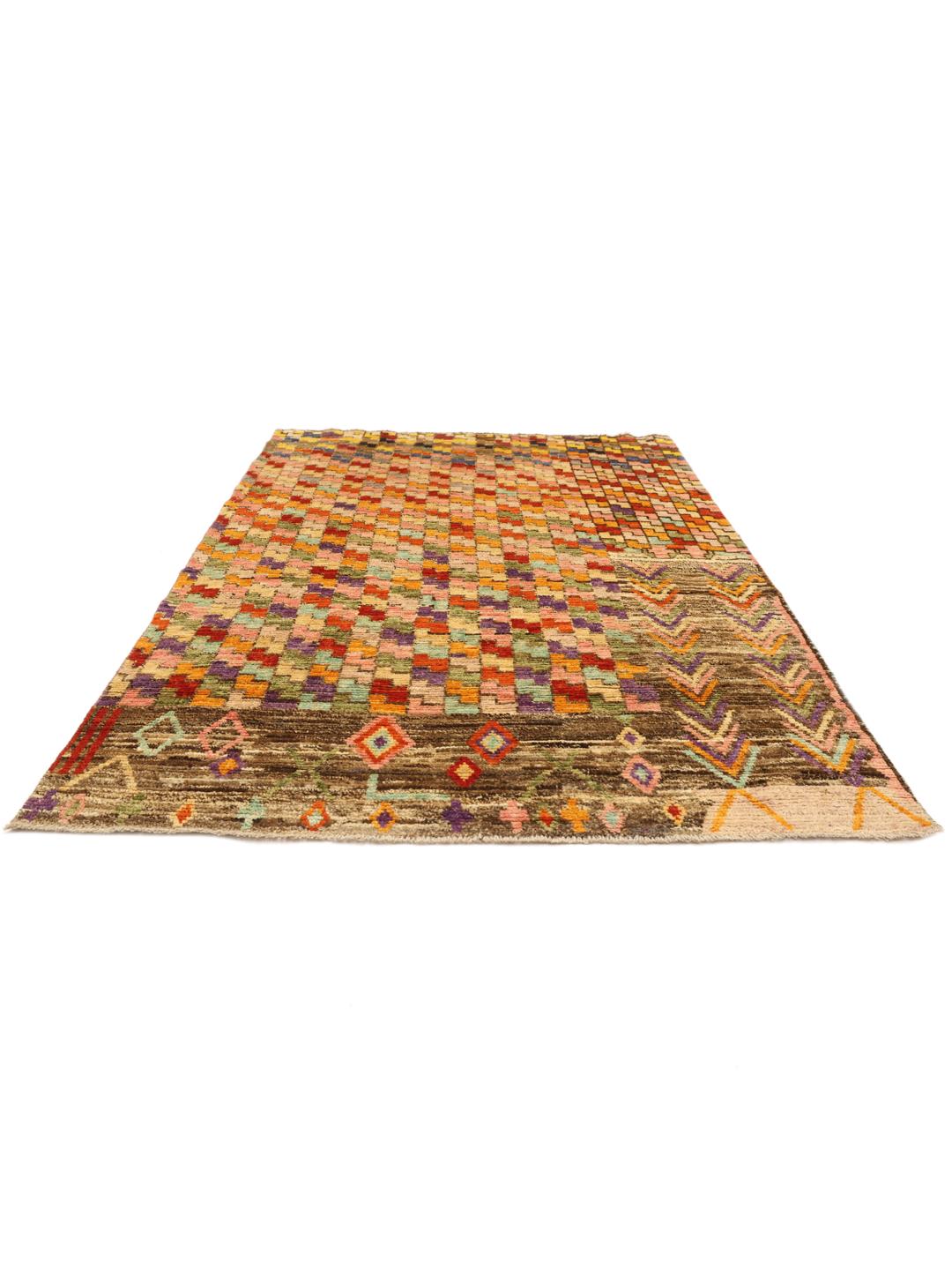
The Berber tradition is deeply rooted in the nomadic history of the Middle East and North Africa, where rugs were originally woven not just for floor coverings, but as essential tools for survival, used as bedrolls, blankets, and tent dividers. These rugs represent an ancient heritage of storytelling through geometric patterns and colour, passed down through generations of skilled weavers.
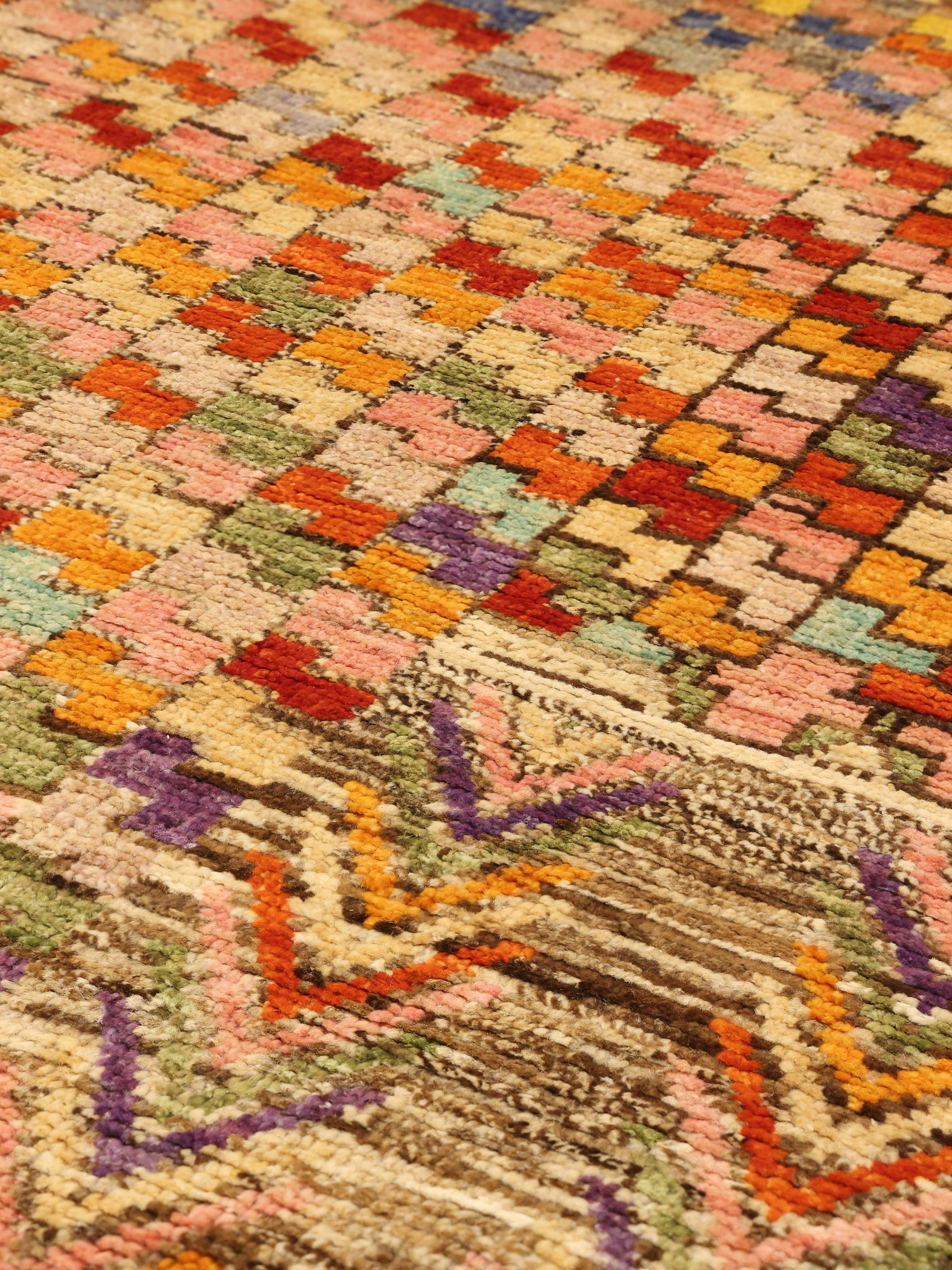
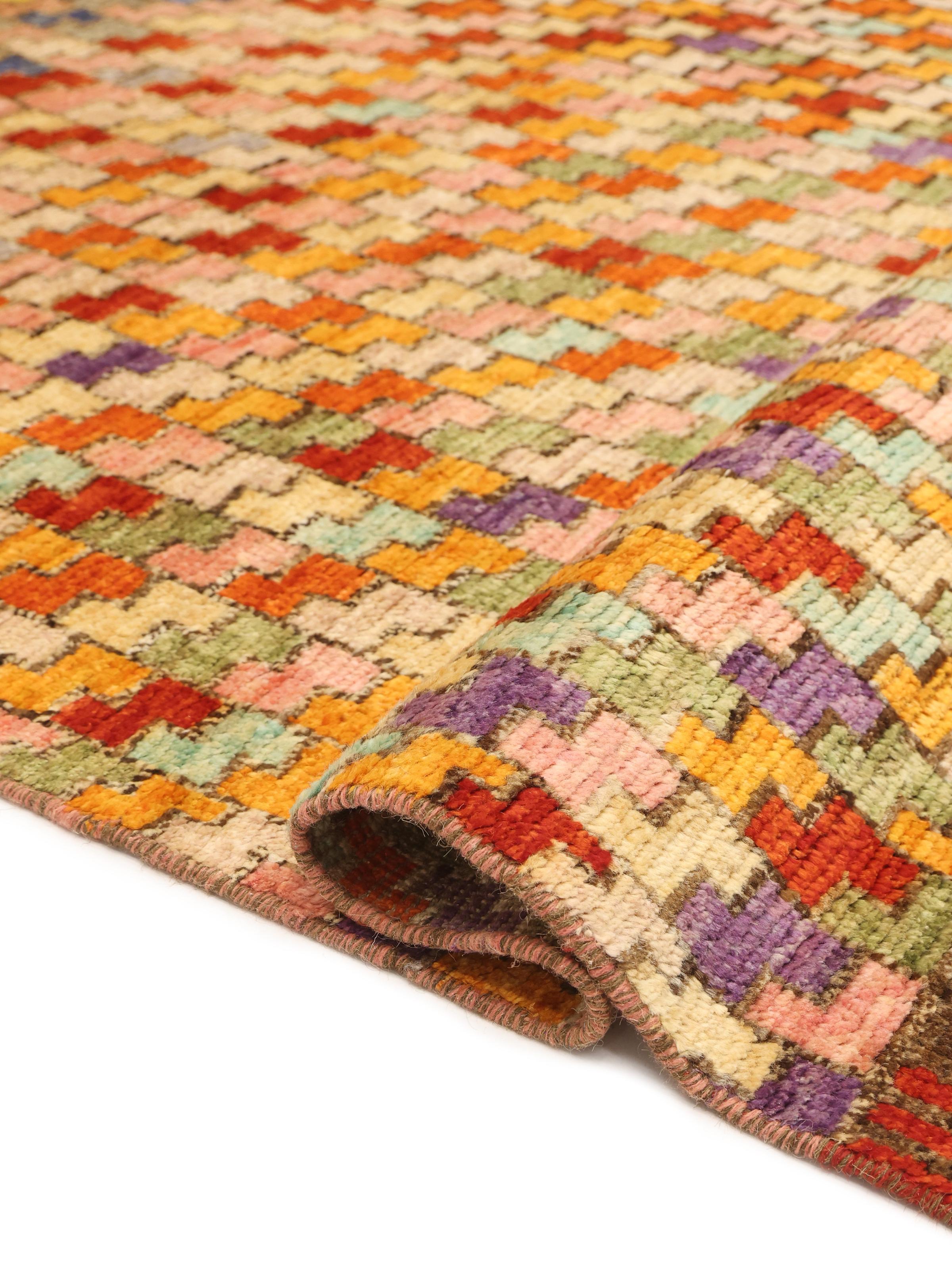
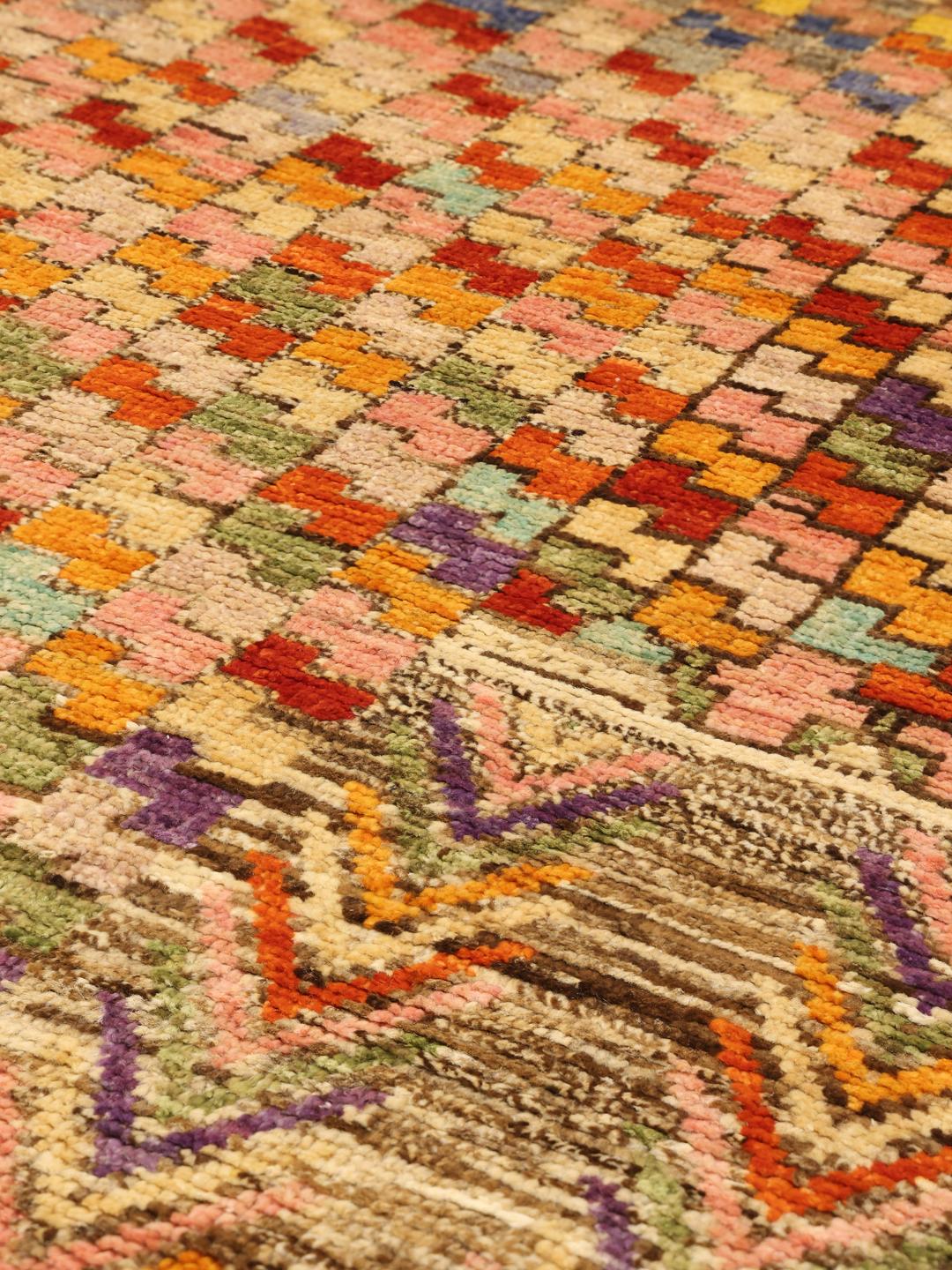
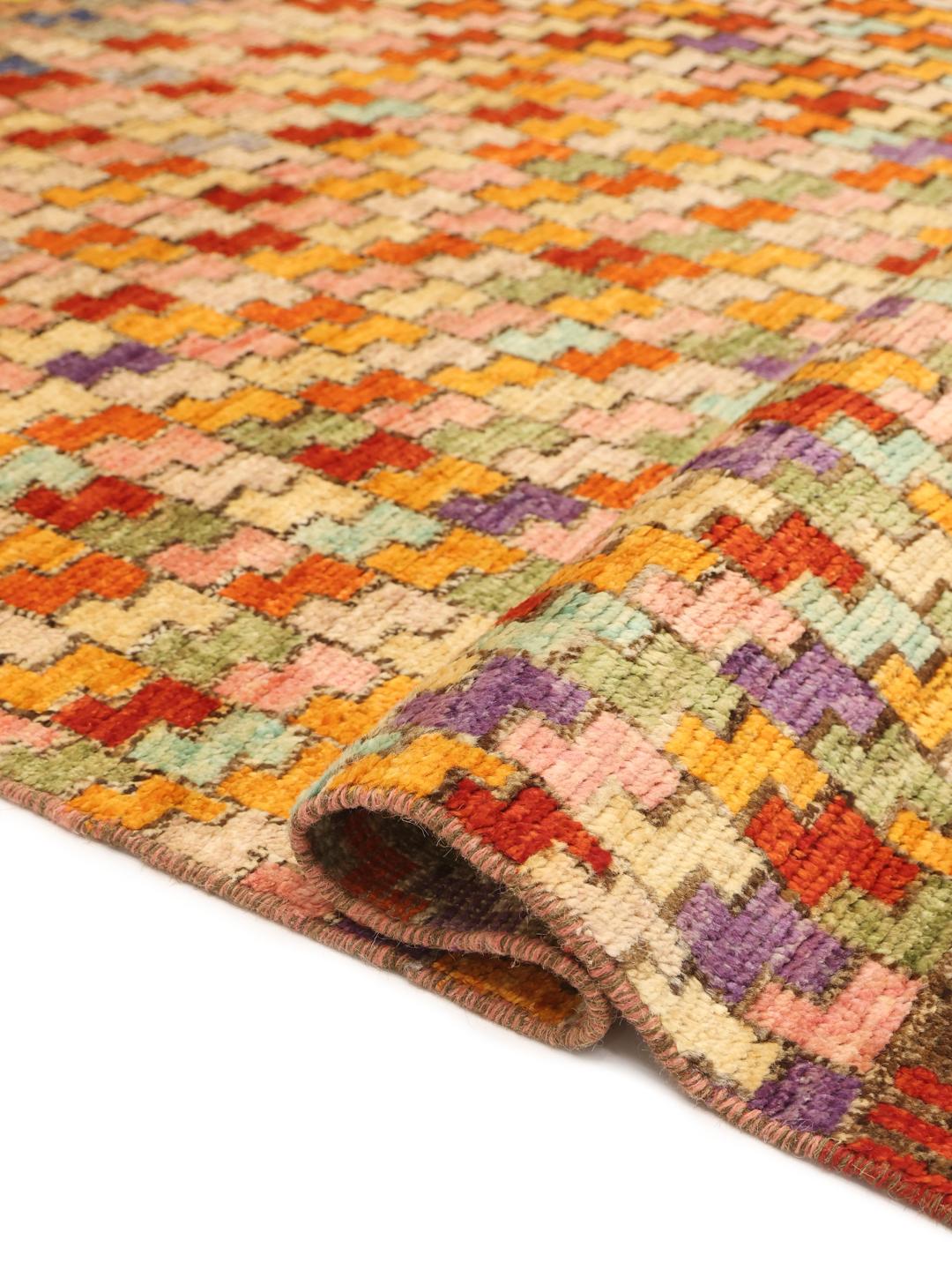
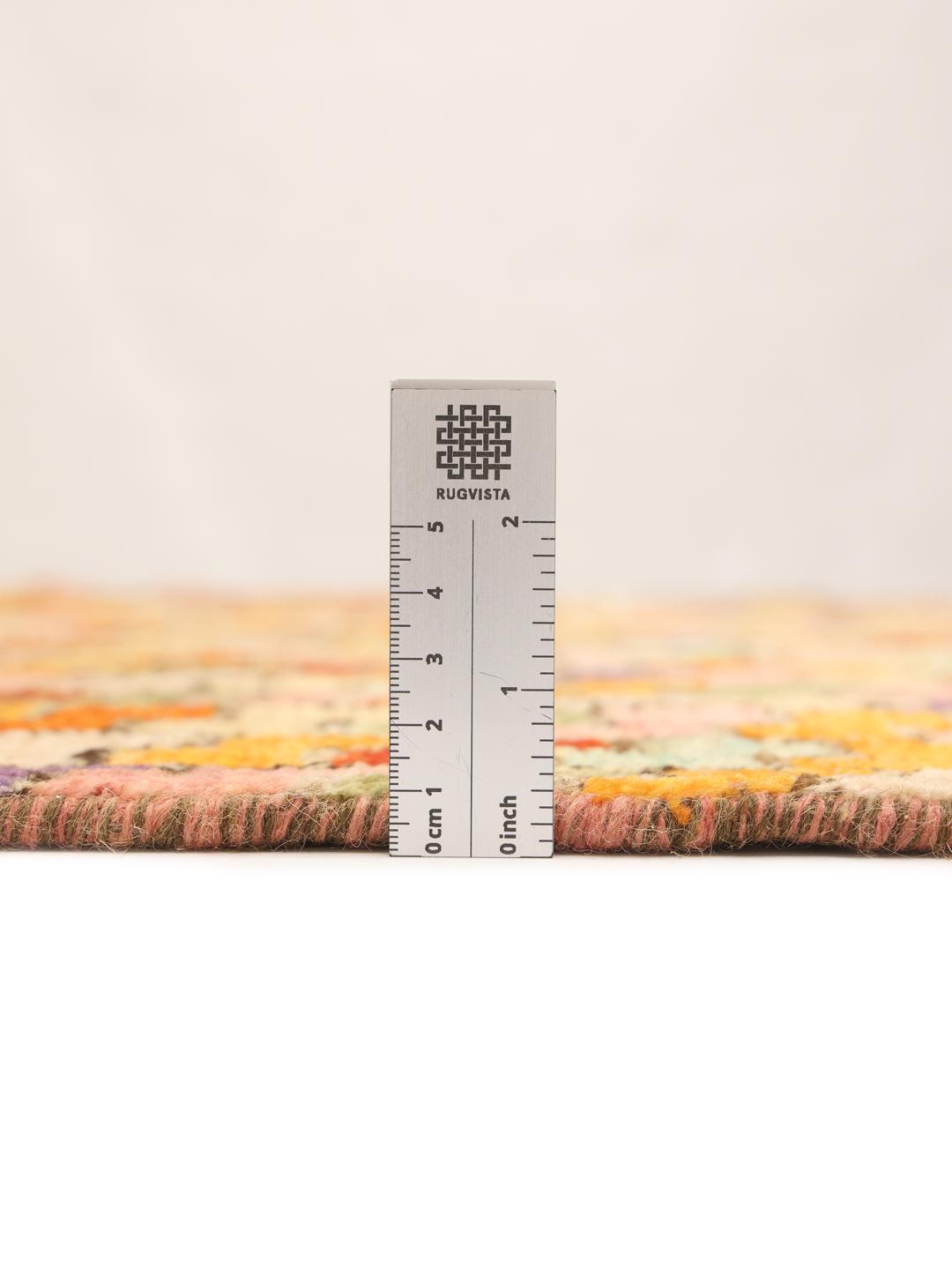
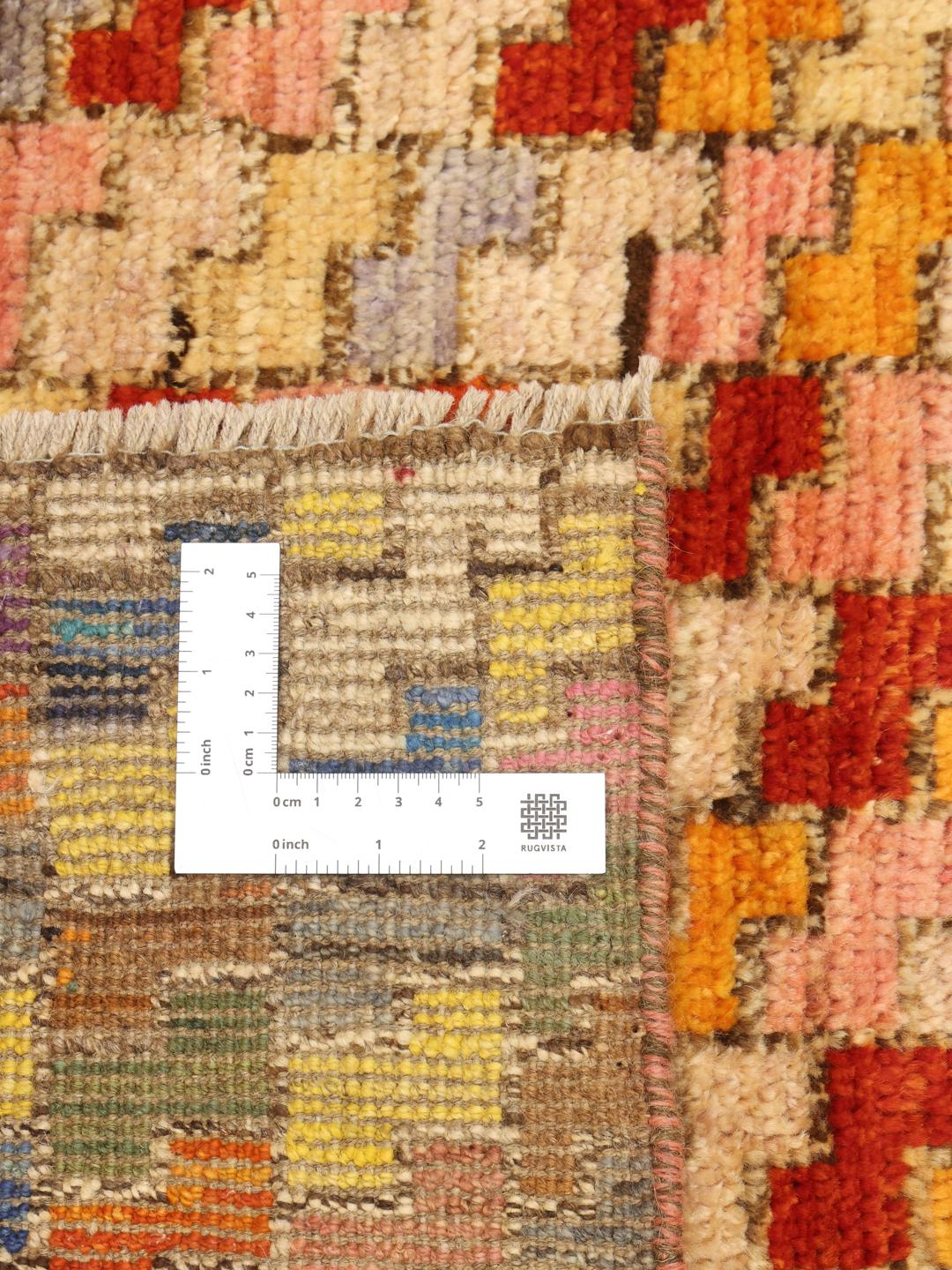
In the context of Afghan craftsmanship, the term Berber refers to a style of weaving that emphasises the natural, tactile quality of wool and the use of bold, expressive motifs. The hand-knotting technique used here is a hallmark of quality, where the individual strands are tied to create a pile that is thick, soft, and remarkably durable compared to flatter, machine-woven fabrics.
The visual language of these rugs is defined by their rhythmic, often geometric patterns, which are free from the rigid formality found in other traditions. The use of vibrant, contrasting colours is a signature element, allowing the rug to act as a centerpiece that harmonises different design styles, from rustic to contemporary, by introducing warmth and visual energy.
Owning a piece from this tradition is about more than just decor; it is about preserving a legacy of human skill and cultural expression. These rugs are highly valued by collectors because they embody the spirit of the maker, offering a level of authenticity and character that mass-produced items lack, making them cherished staples in any considered home.