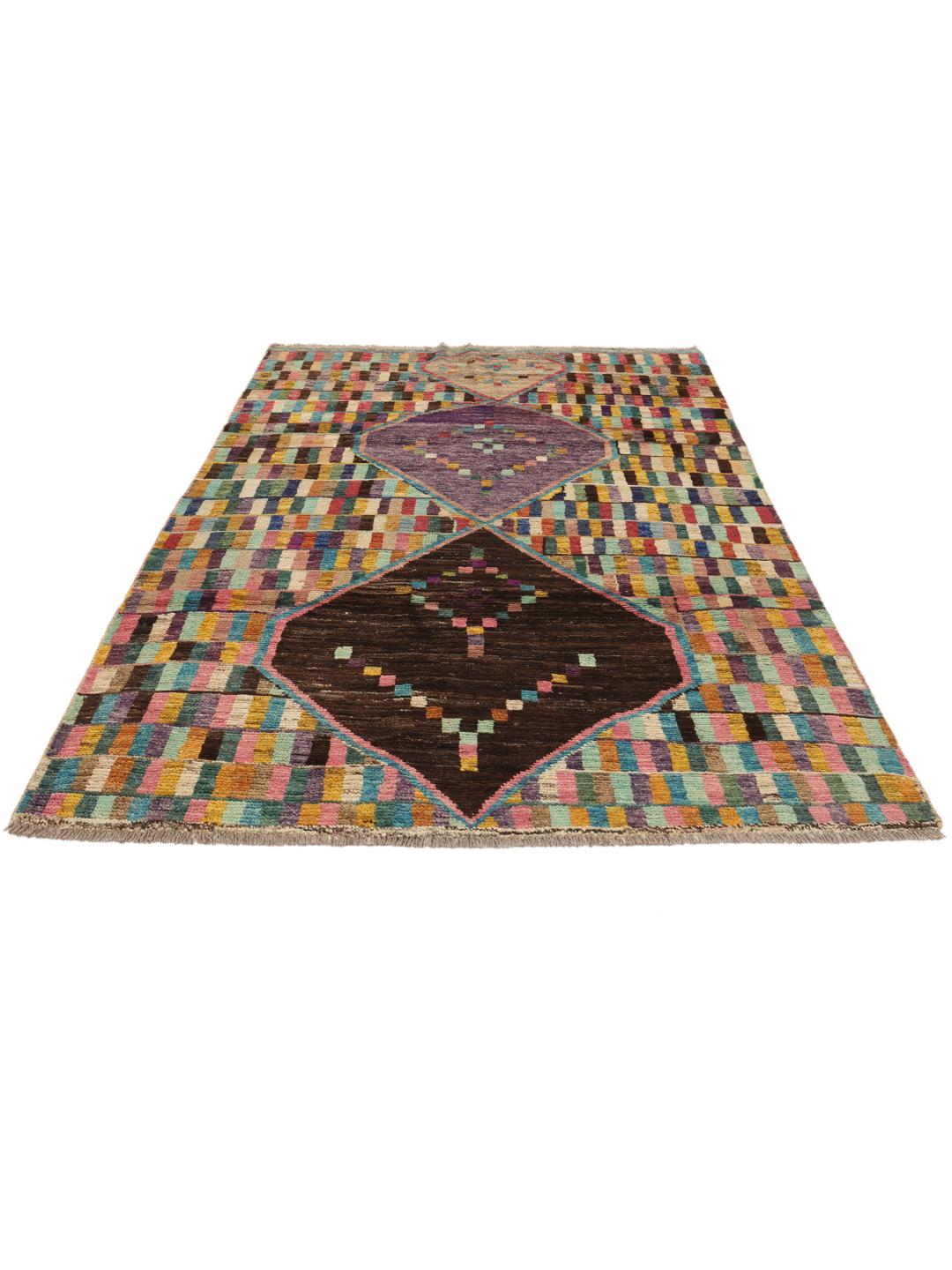
The Berber tradition, while historically rooted in the Atlas Mountains of North Africa, has inspired weaving communities across the globe, including the talented artisans of Afghanistan. These rugs are celebrated for their ability to blend ancient, tribal symbolism with an improvisational spirit. The migration of these styles reflects a long history of cultural exchange, where weavers adapt traditional techniques to express their own regional stories and artistic sensibilities.
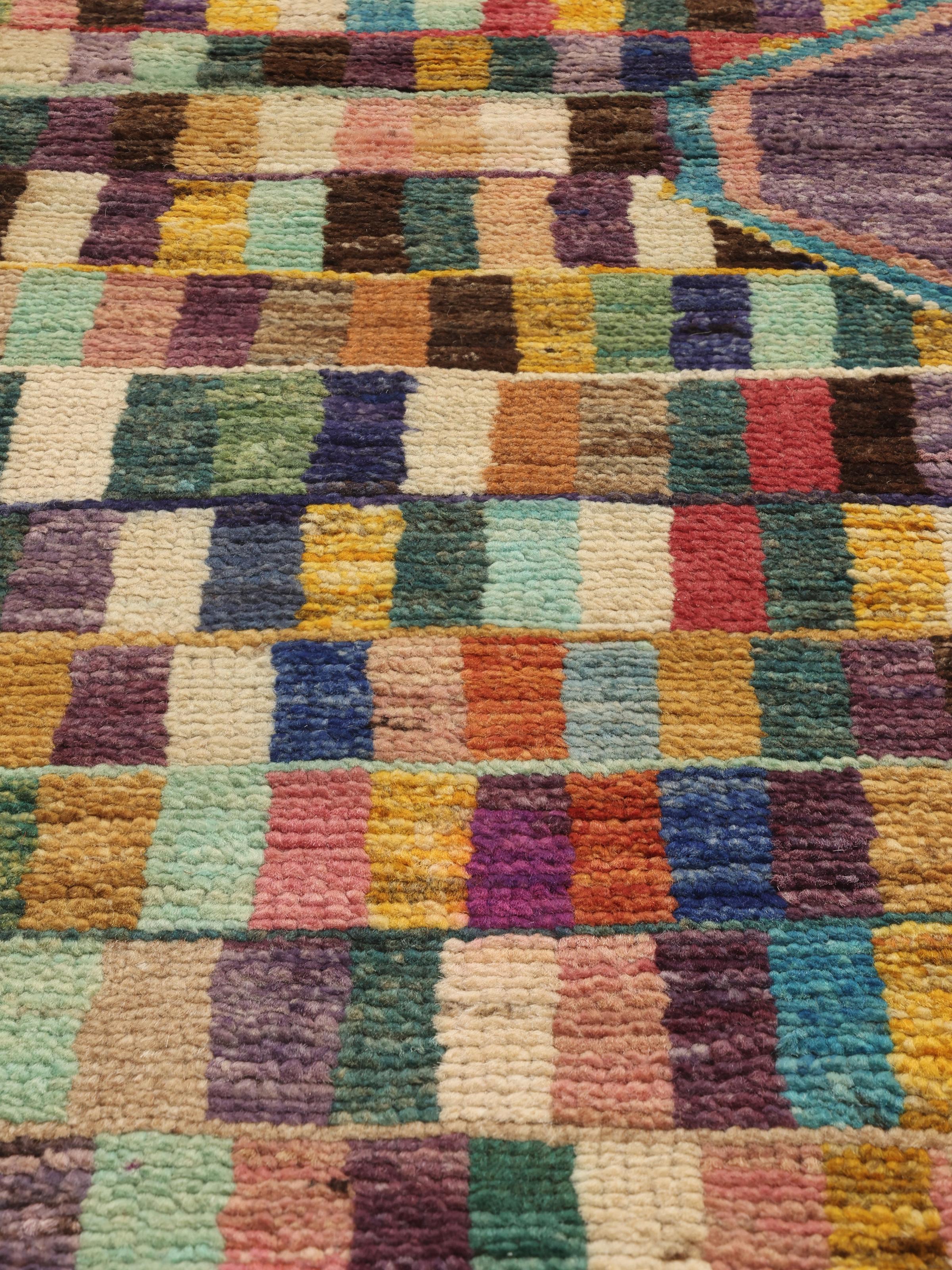
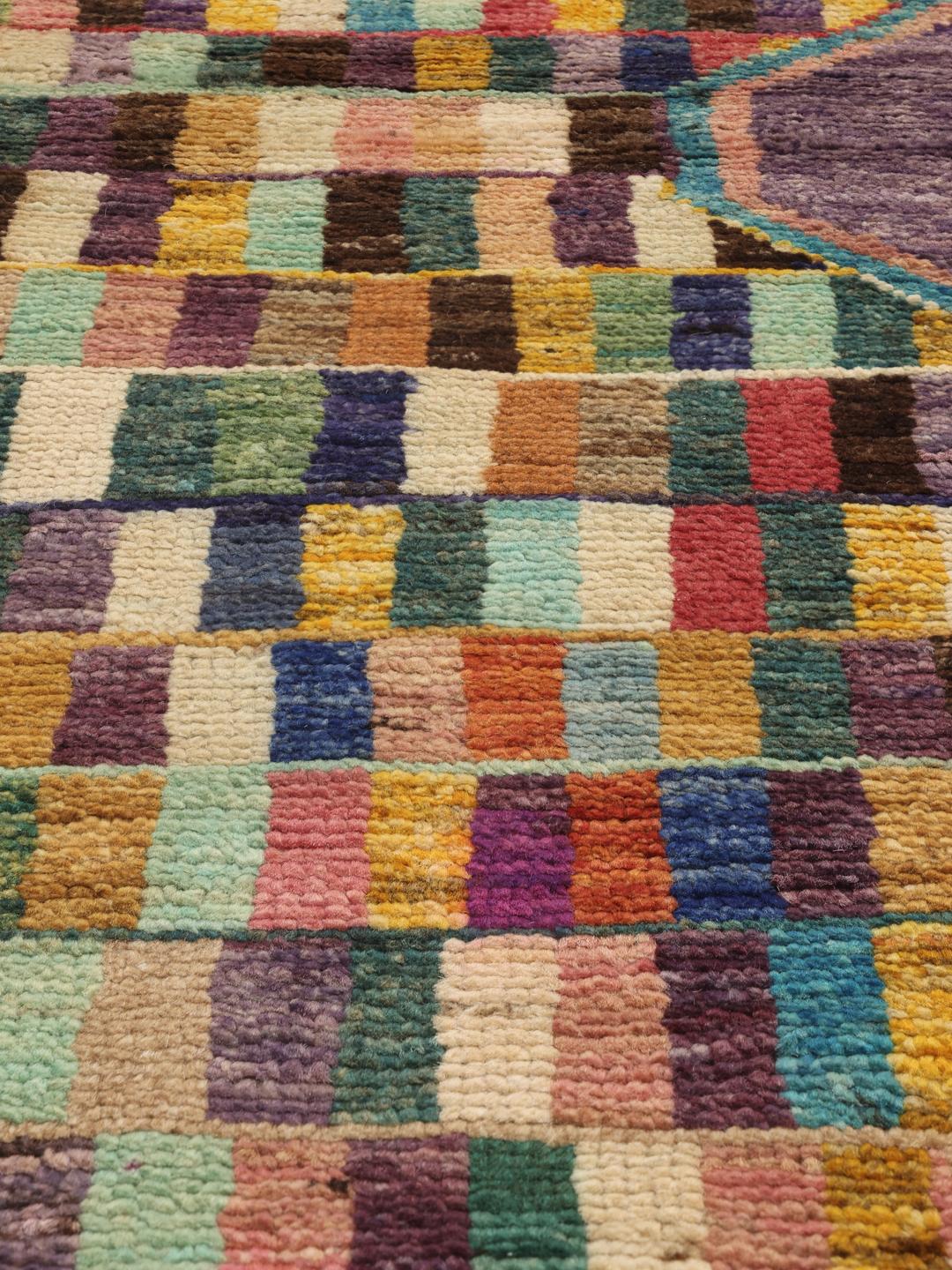
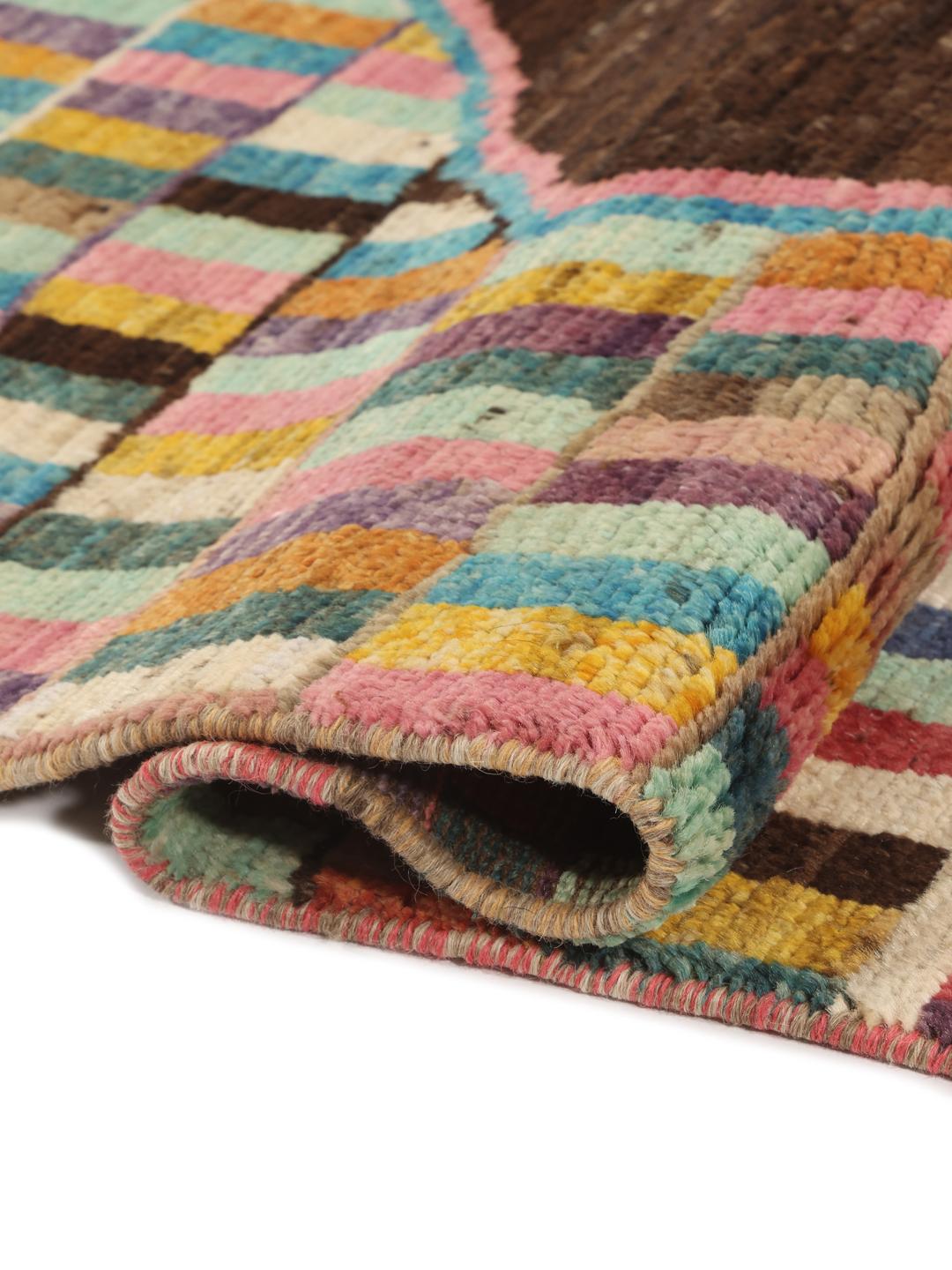
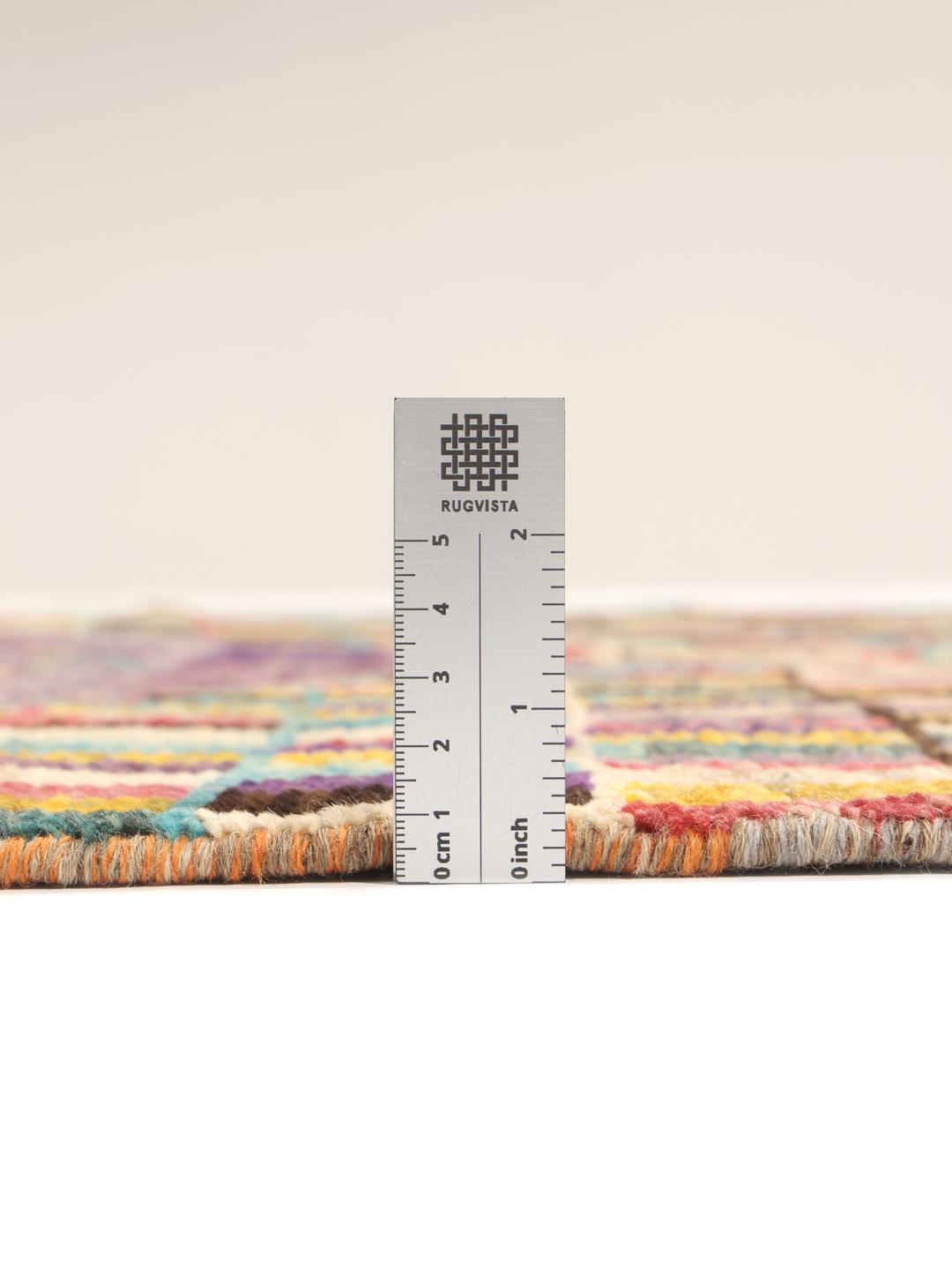
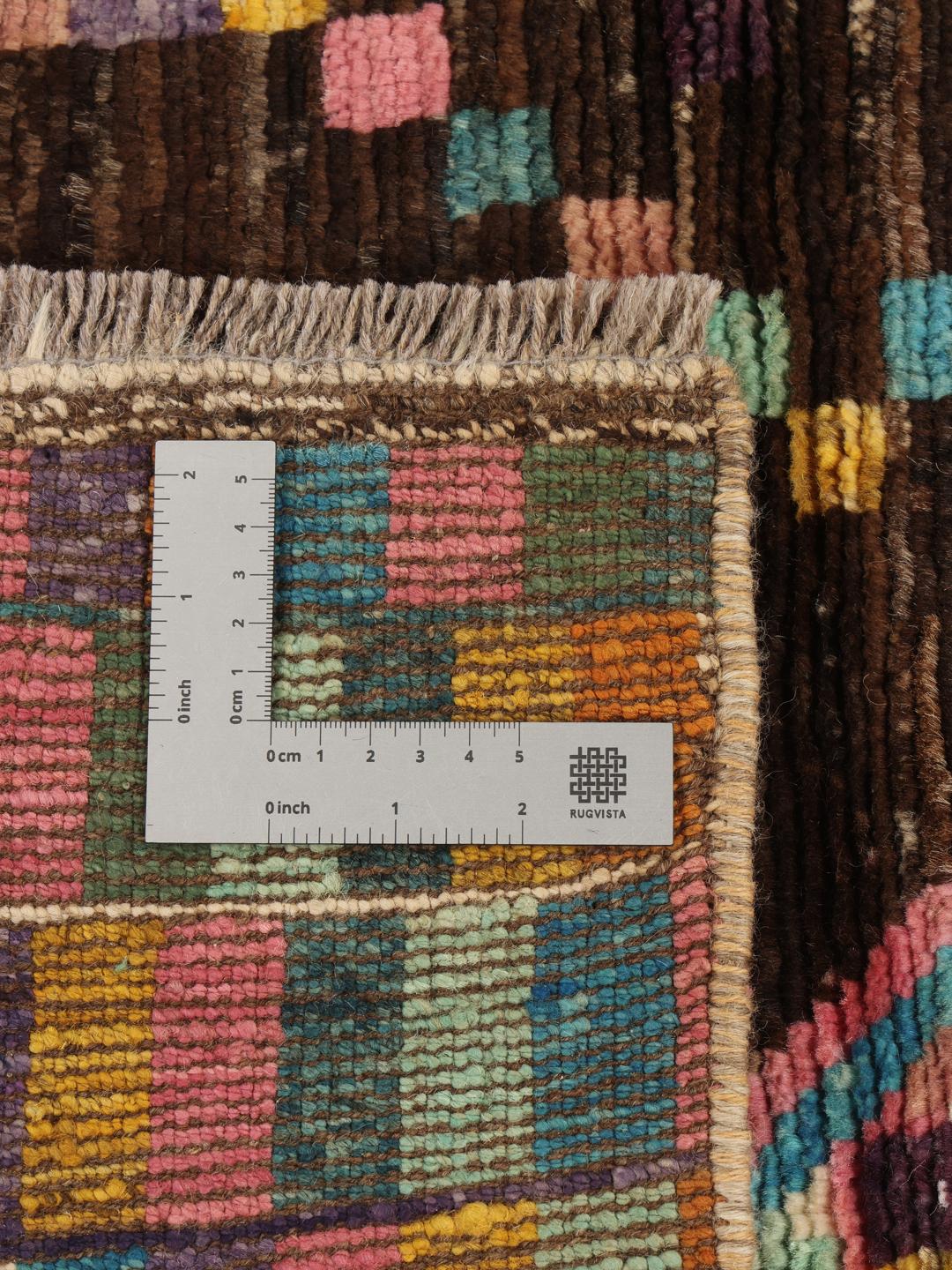
In the context of Afghan weaving, the term hand-knotted refers to the specific technique where individual strands of Wool are wrapped around the warp and weft threads. This creates a dense, durable pile that is far more resilient than flat-woven alternatives. The precision required in this method allows for the distinct, crisp lines seen in the geometric shapes of this rug, ensuring that the design remains legible and vibrant even after years of use.
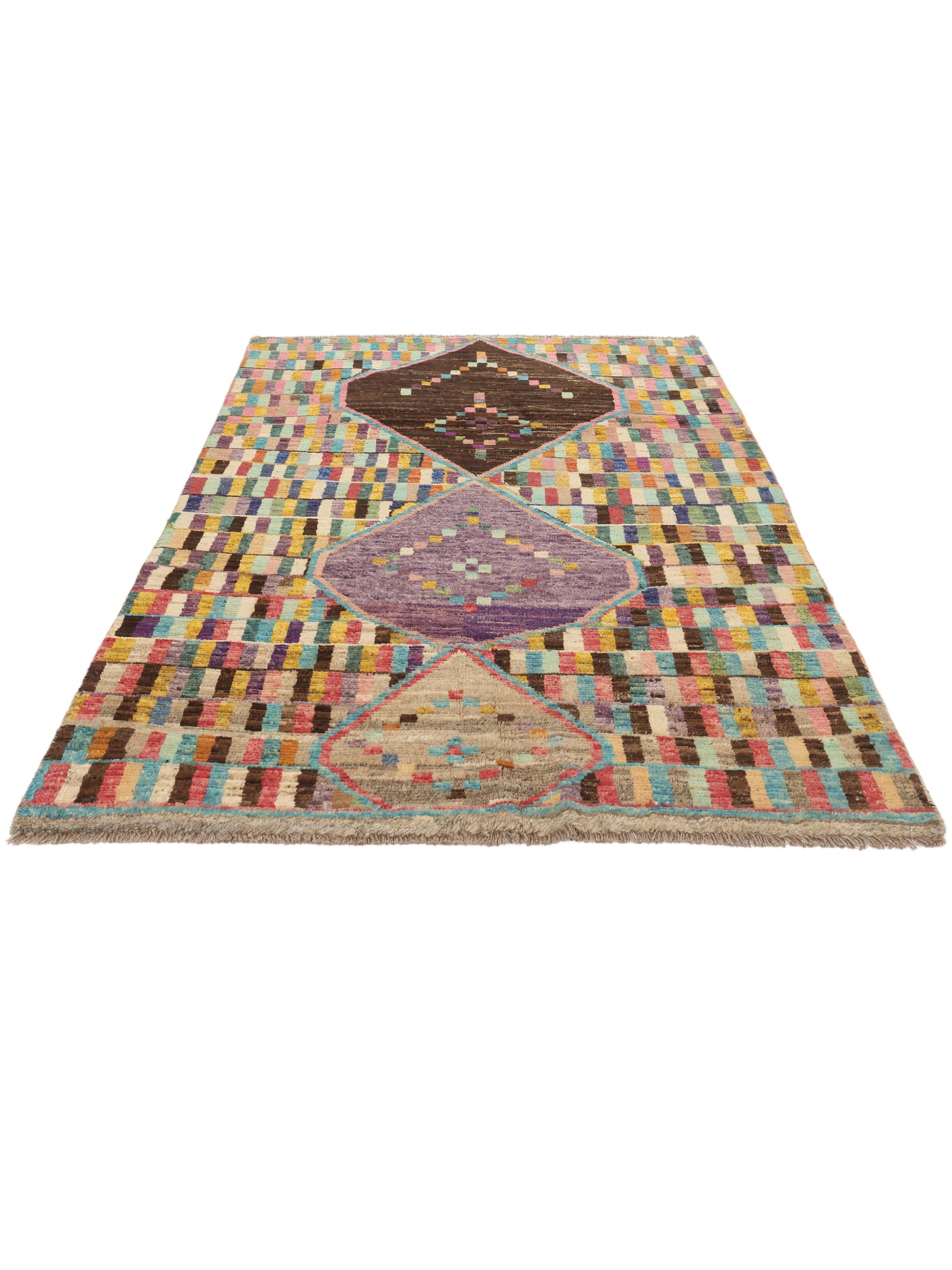
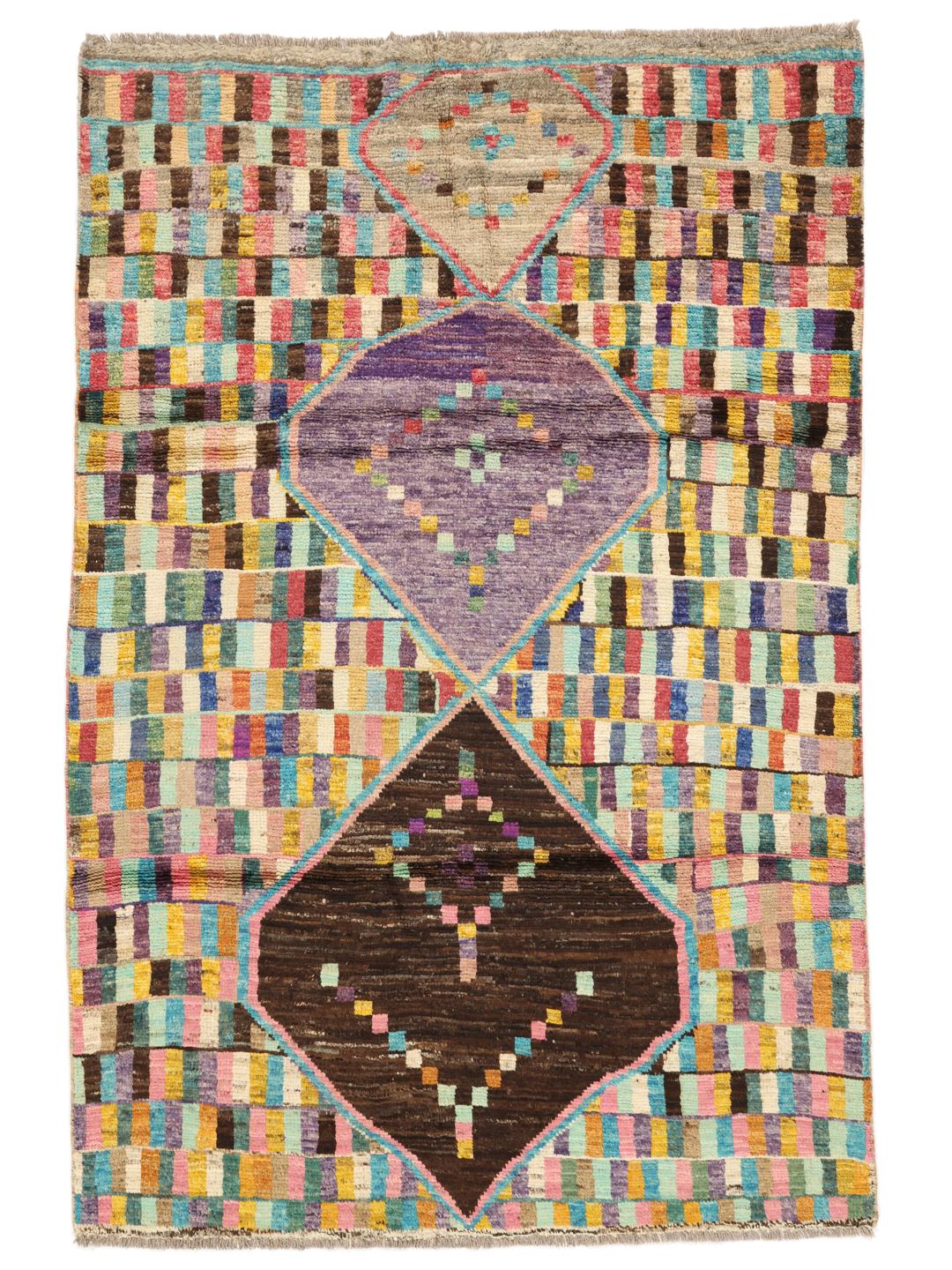
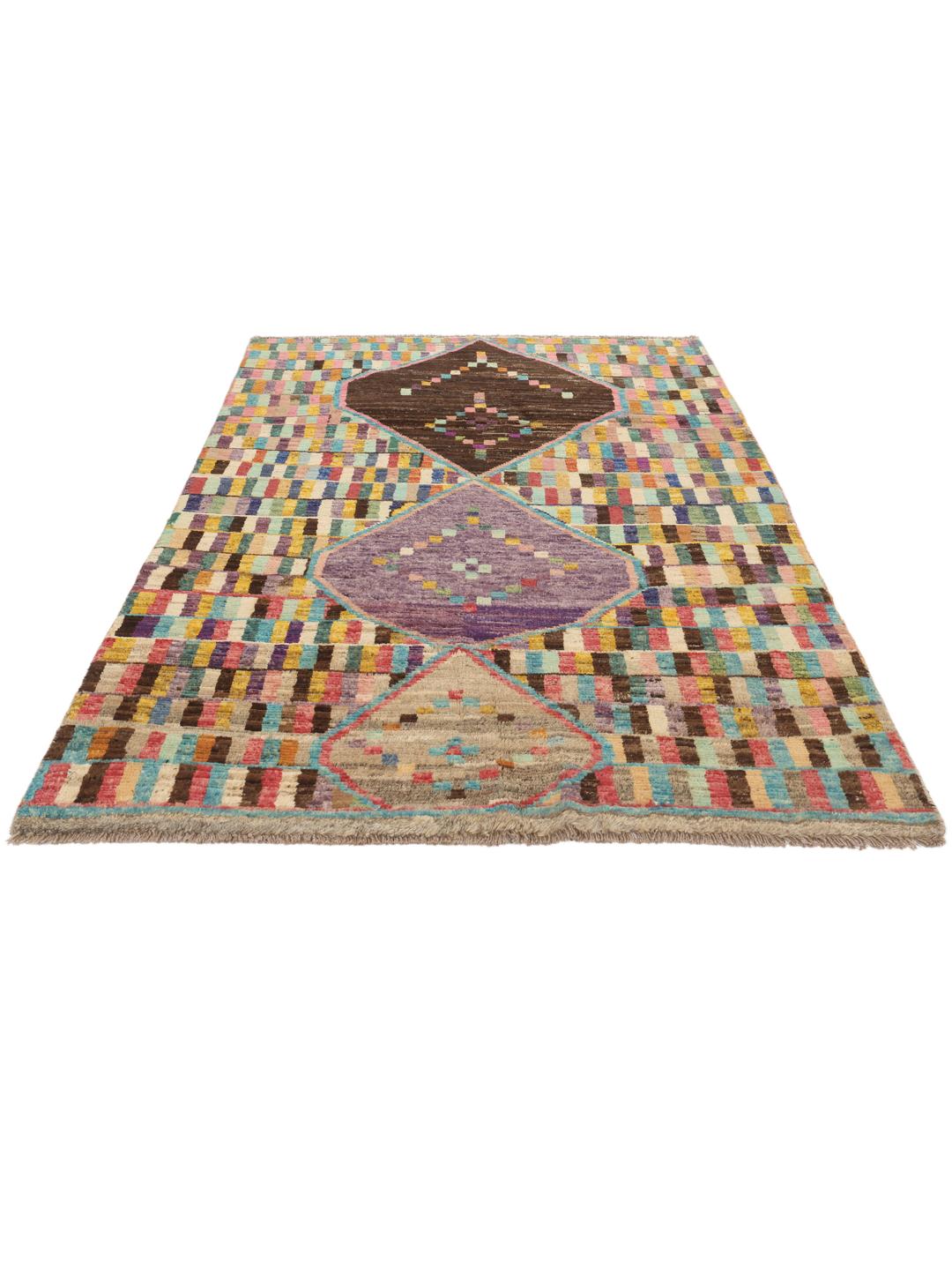
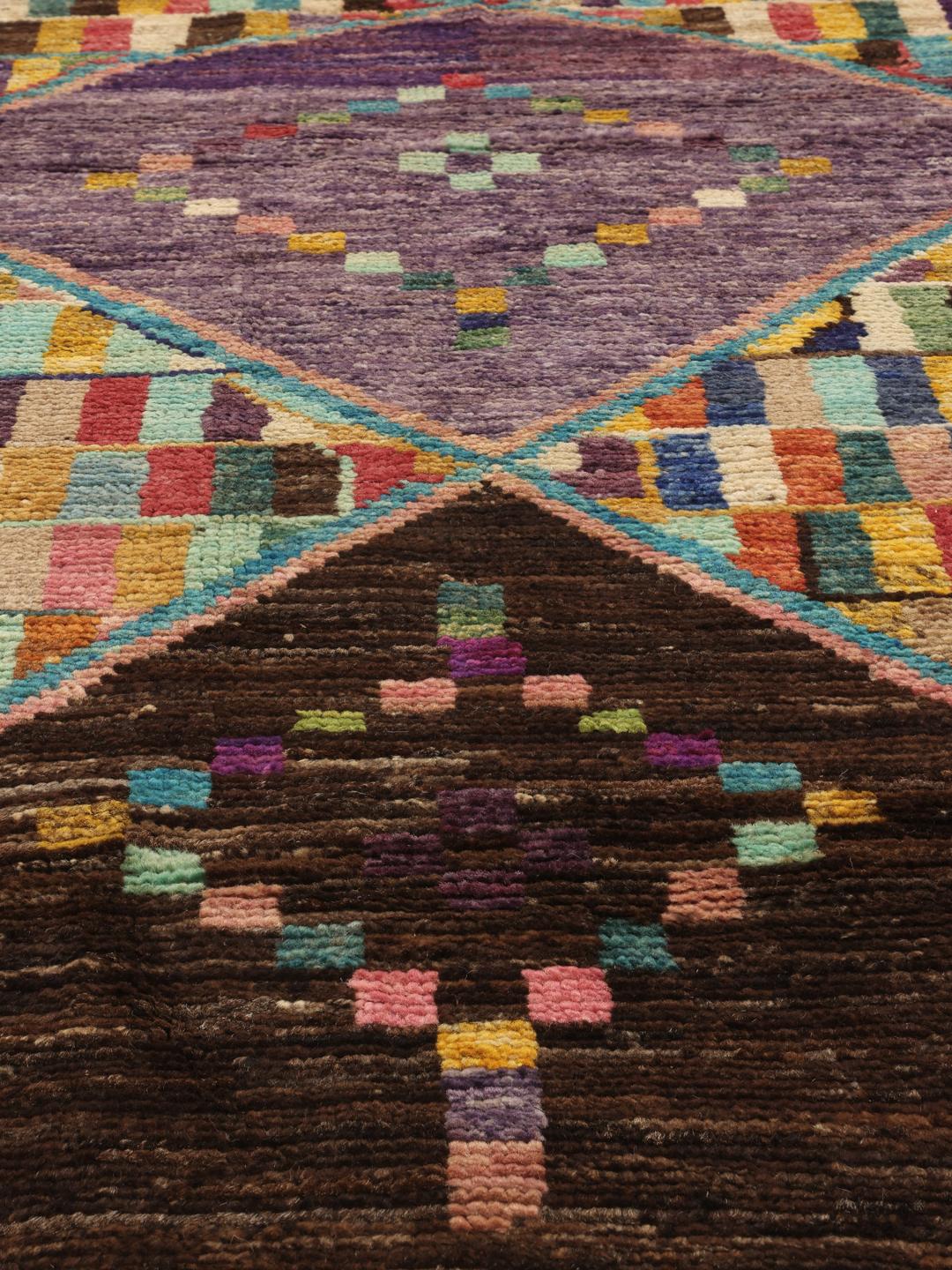
The signature design elements of this piece include the bold, repeating grid and the large, contrasting diamonds that dominate the field. While many traditional rugs rely on strictly symmetrical, repetitive motifs, this Berber-style creation embraces a more artistic, mosaic-like approach. The use of varied colours within the grid creates a depth and movement that is characteristic of rugs intended to be both functional floor coverings and expressive works of folk art.
Collecting these rugs is an appreciation of the human element in design. Each piece serves as a record of the weaver's choices, from the selection of the Wool to the final placement of each knot. By bringing such a piece into your home, you are participating in a tradition that values skill, patience, and the preservation of heritage. It is a way to connect your modern living space to a wider, global narrative of craft and creativity.