Berber rugs carry a legacy that spans generations, traditionally rooted in the weaving customs of nomadic and semi-nomadic tribes. While their origins are often associated with the mountains of North Africa, the style has evolved significantly, inspiring weavers across Central Asia, including Afghanistan, to adapt these techniques into their own artistic expressions.
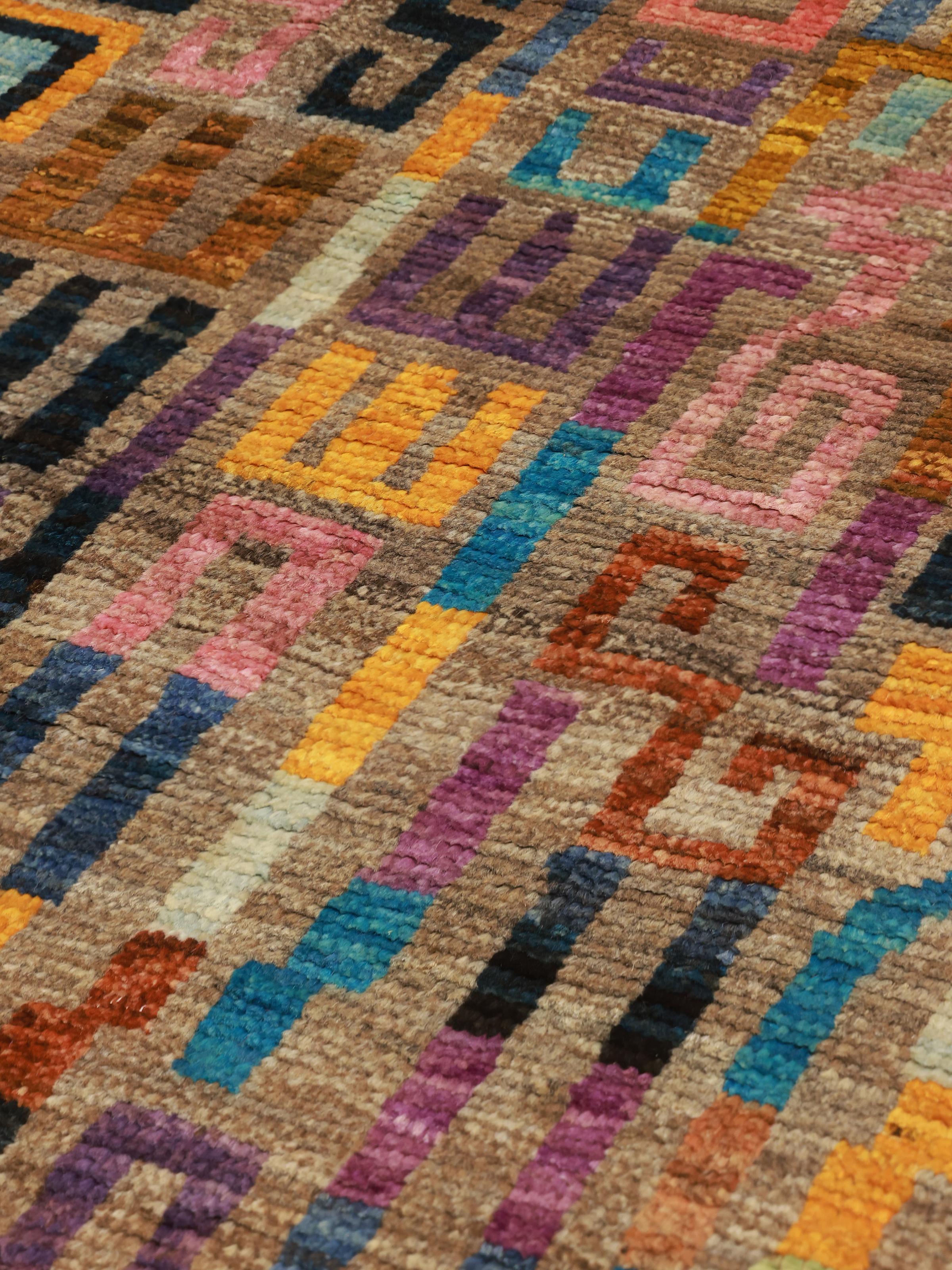
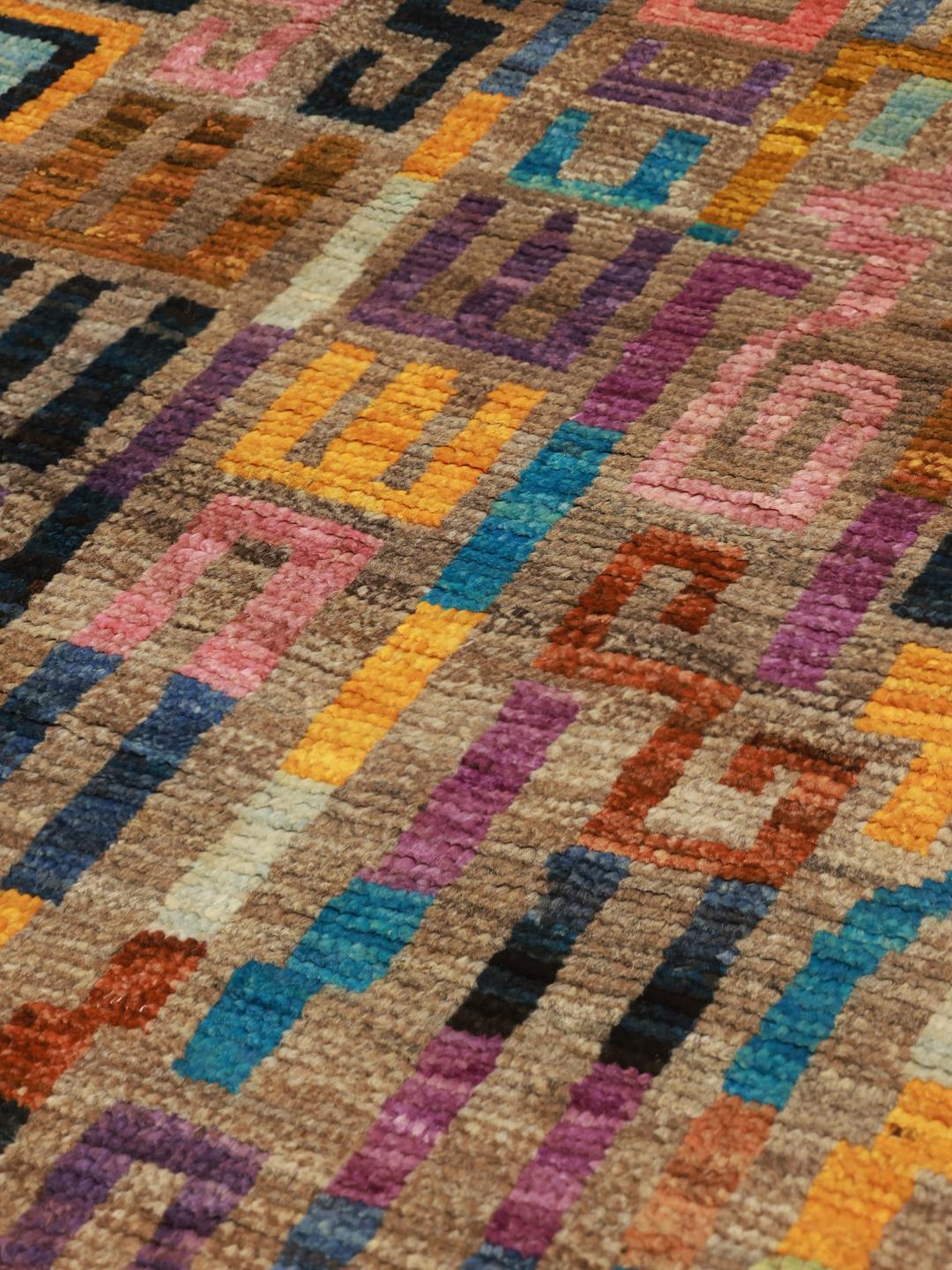
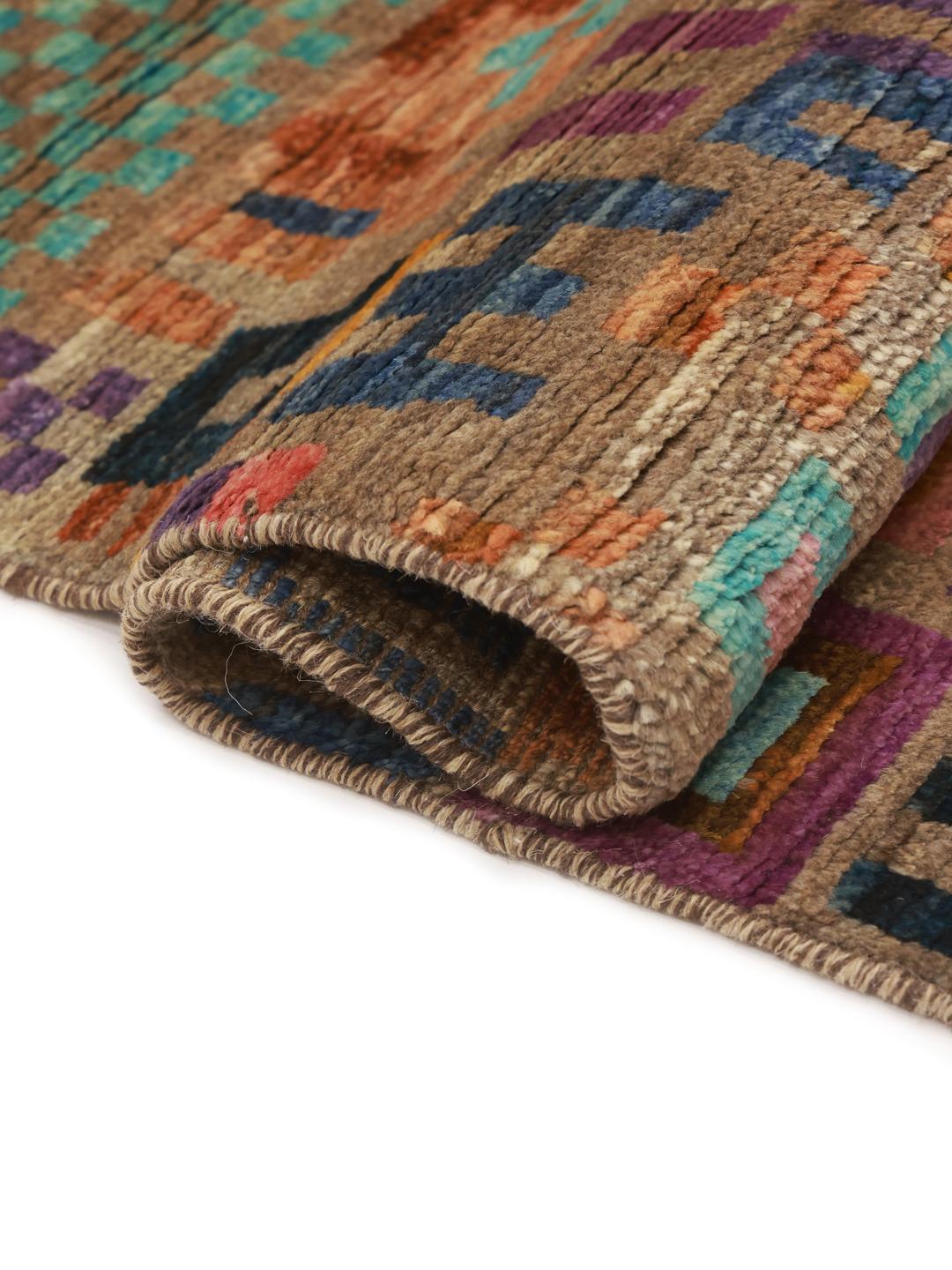
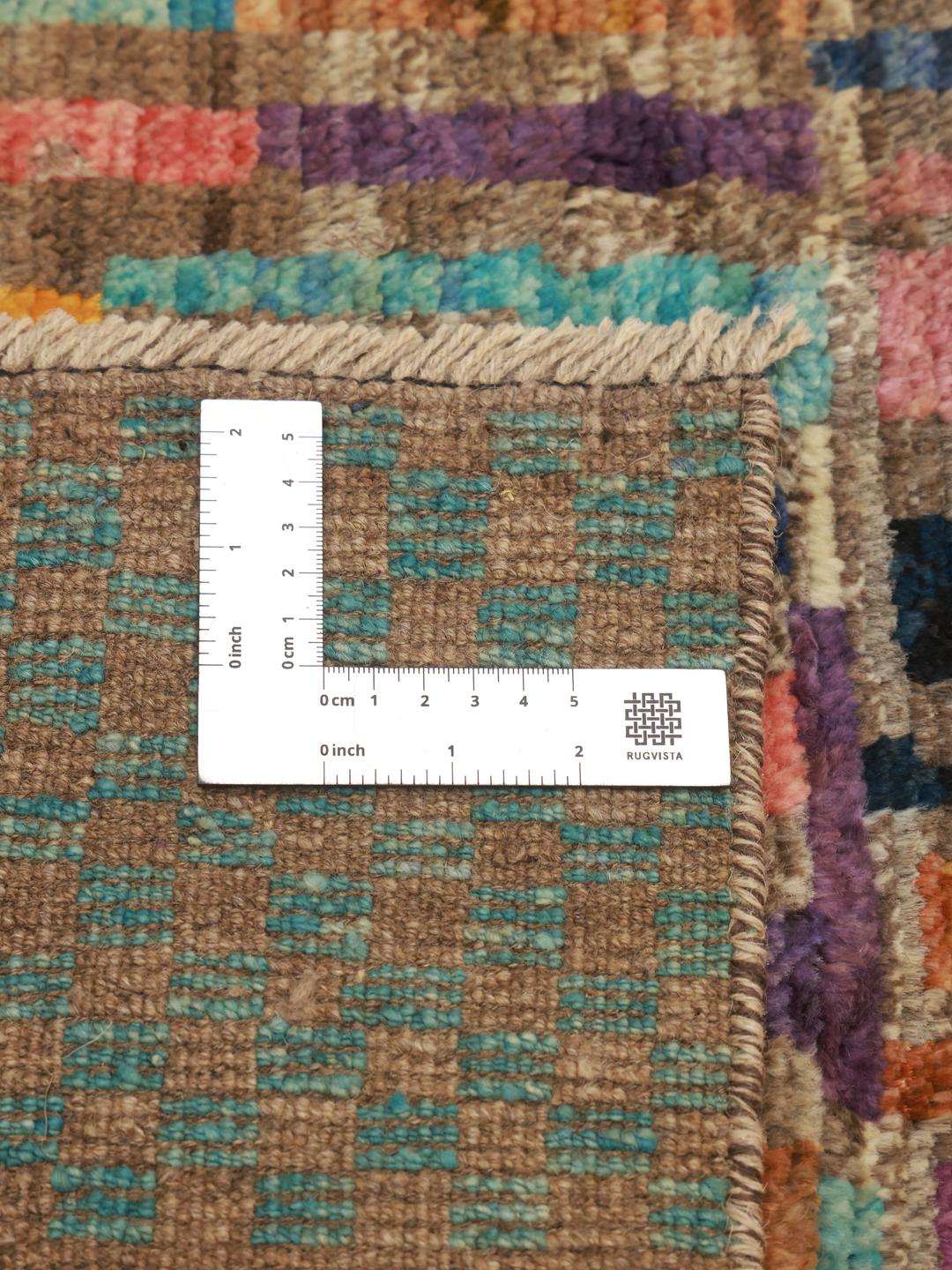
The craftsmanship behind these pieces relies on traditional hand-knotting, a method that allows for intricate designs and a durable, thick pile. This technique is more than just a way to build a rug; it is a way to preserve cultural motifs and storytelling through textiles, ensuring that each piece carries the mark of its maker's hands and the history of their region.
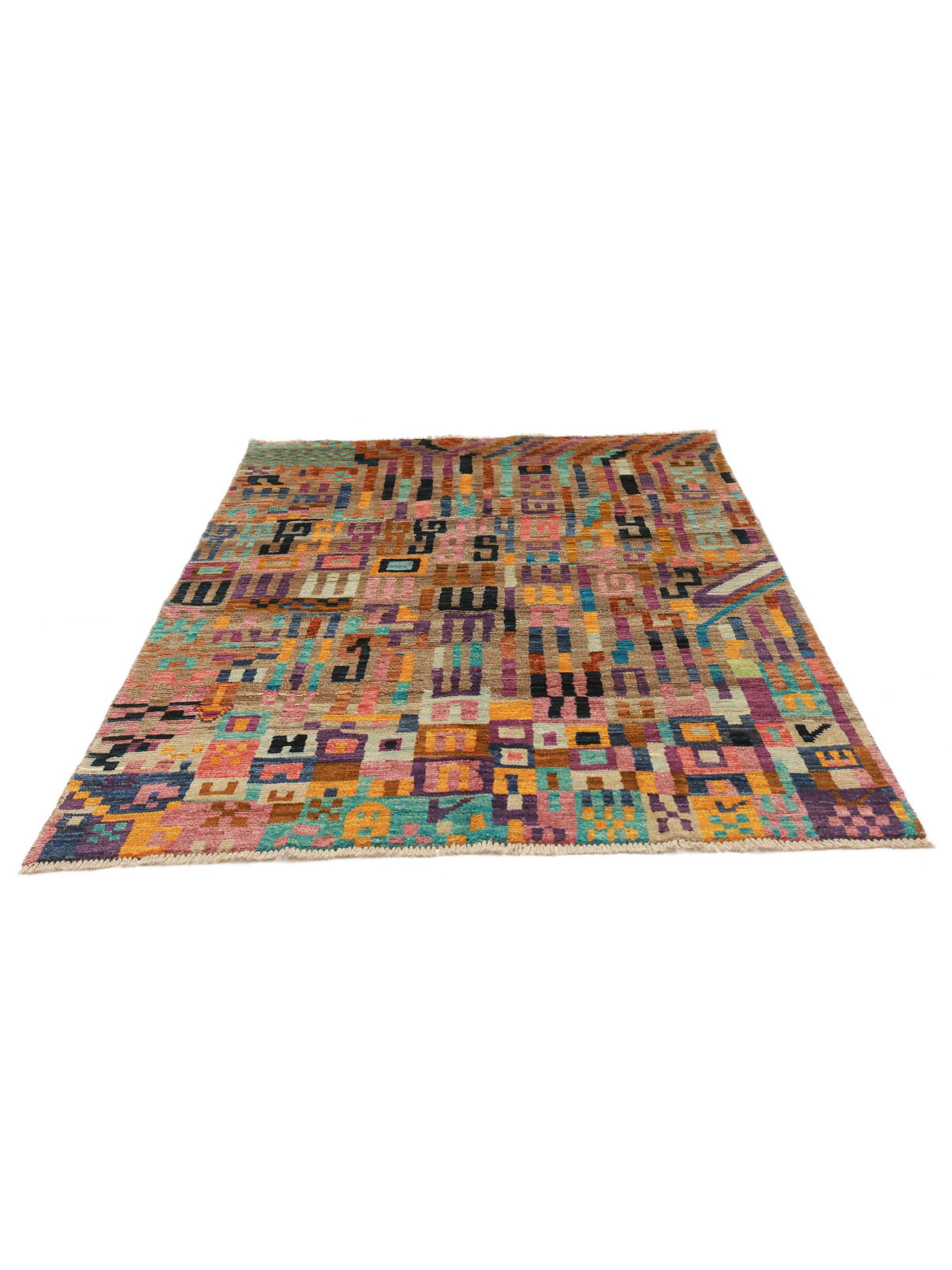
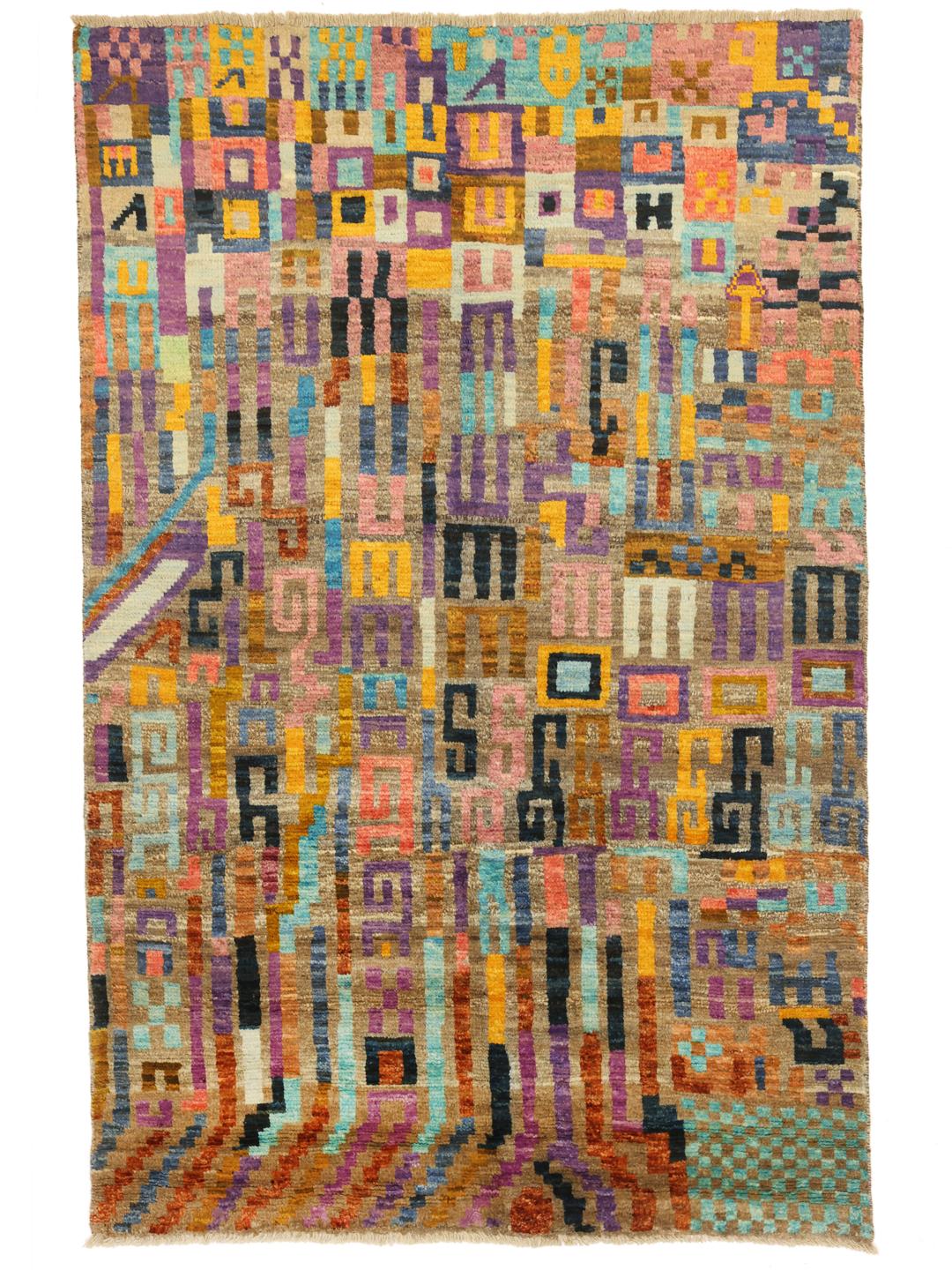
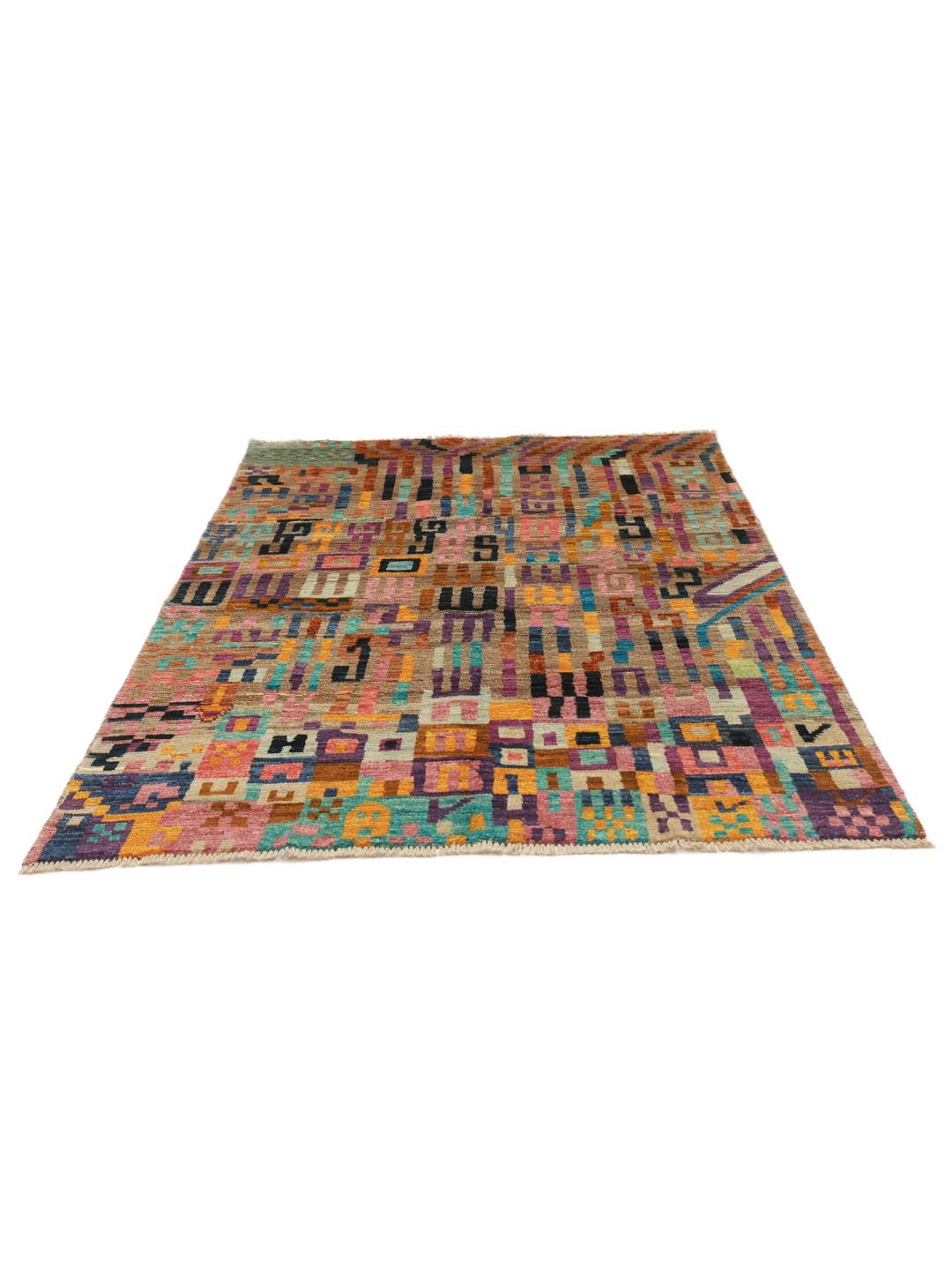
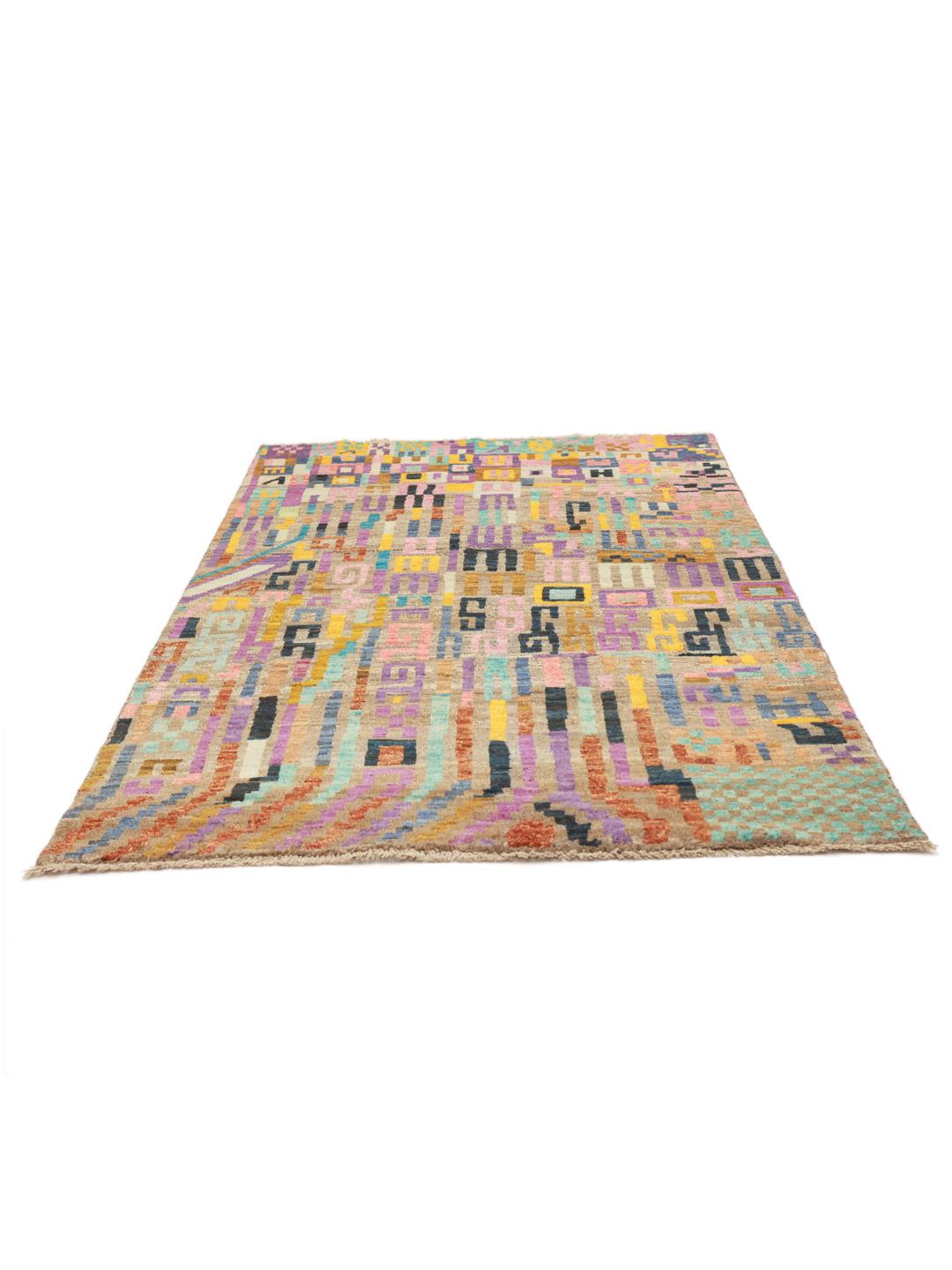
Visually, this rug moves away from traditional tribal patterns to embrace a more modern, abstract aesthetic. The use of vibrant, contrasting colours and irregular geometric forms is a contemporary evolution of the classic Berber style, turning the rug into a canvas that feels both rooted in heritage and perfectly suited for a modern, creative home.
Collectors value these rugs not only for their visual impact but for the skill and cultural weight they represent. Owning a hand-knotted piece means becoming a custodian of a craft that prioritises patience, quality, and individual expression. It is a commitment to a piece that is as much a cultural artifact as it is a functional part of your home.