The tradition of Berber-style rugs has a deep history, originating from the nomadic tribes across North Africa and the Middle East. While these rugs were historically woven by families for personal use, providing warmth in tents and homes, the style has evolved significantly over generations, blending ancient tribal motifs with more modern, expressive colour palettes.
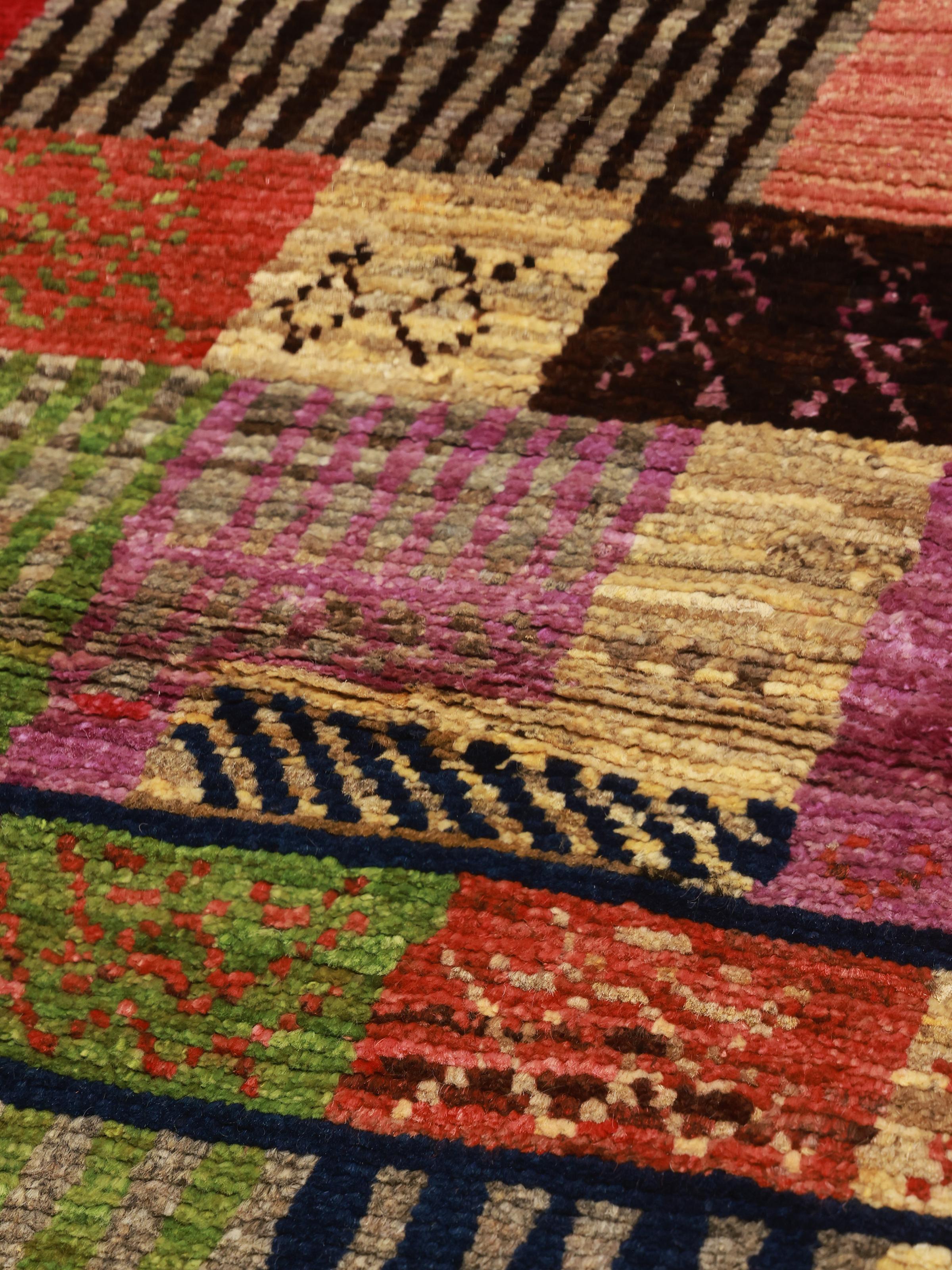
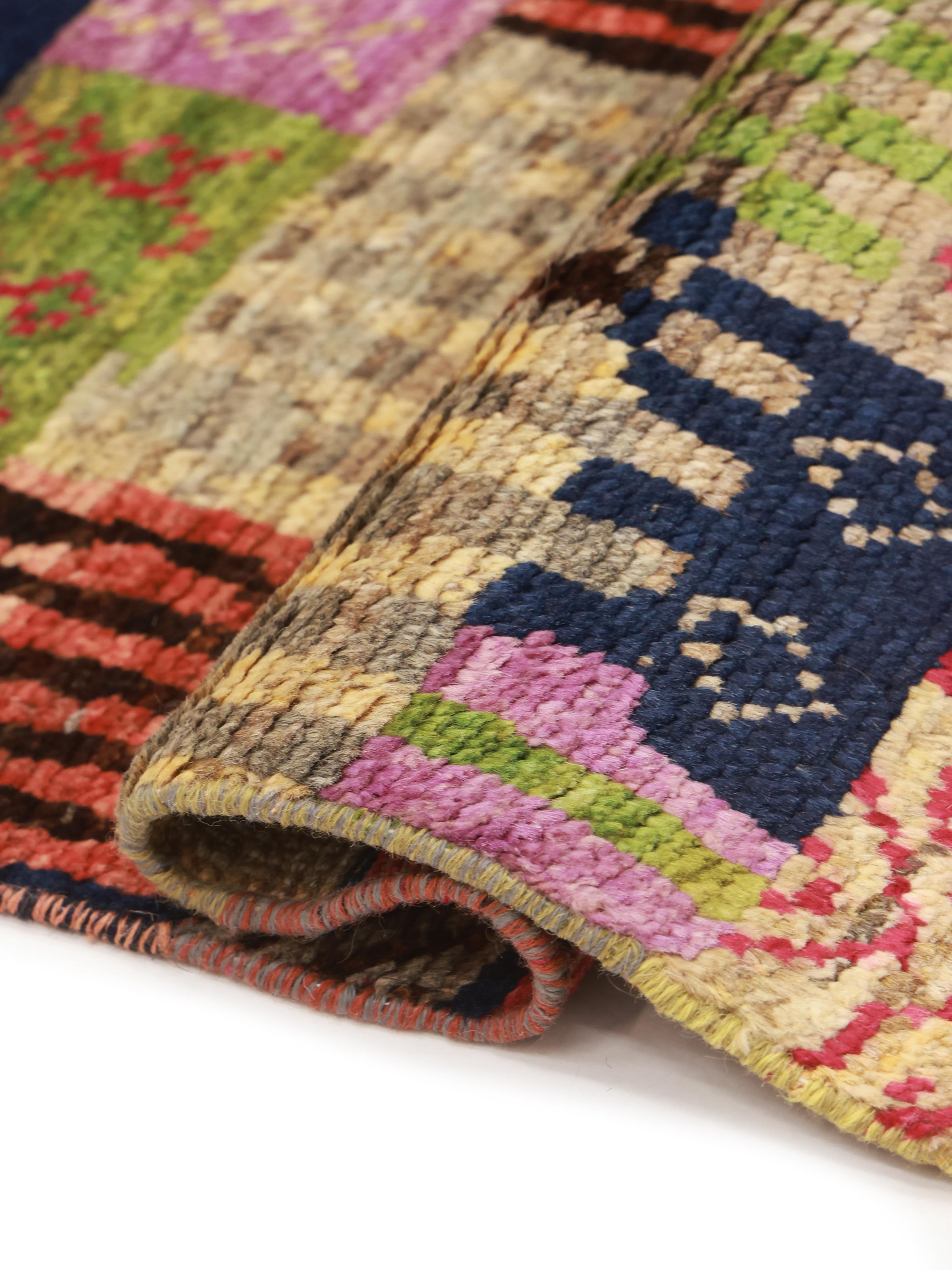
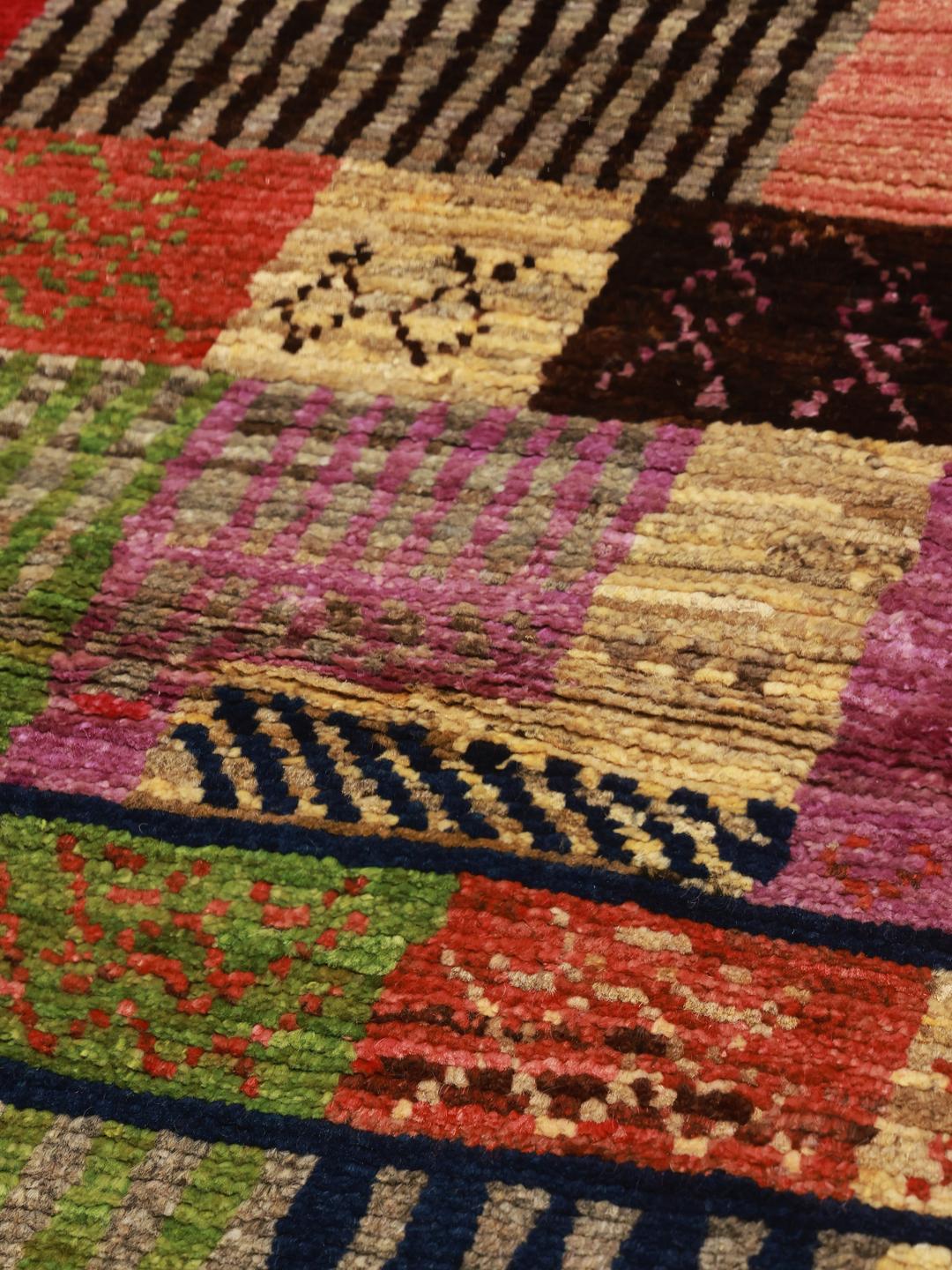
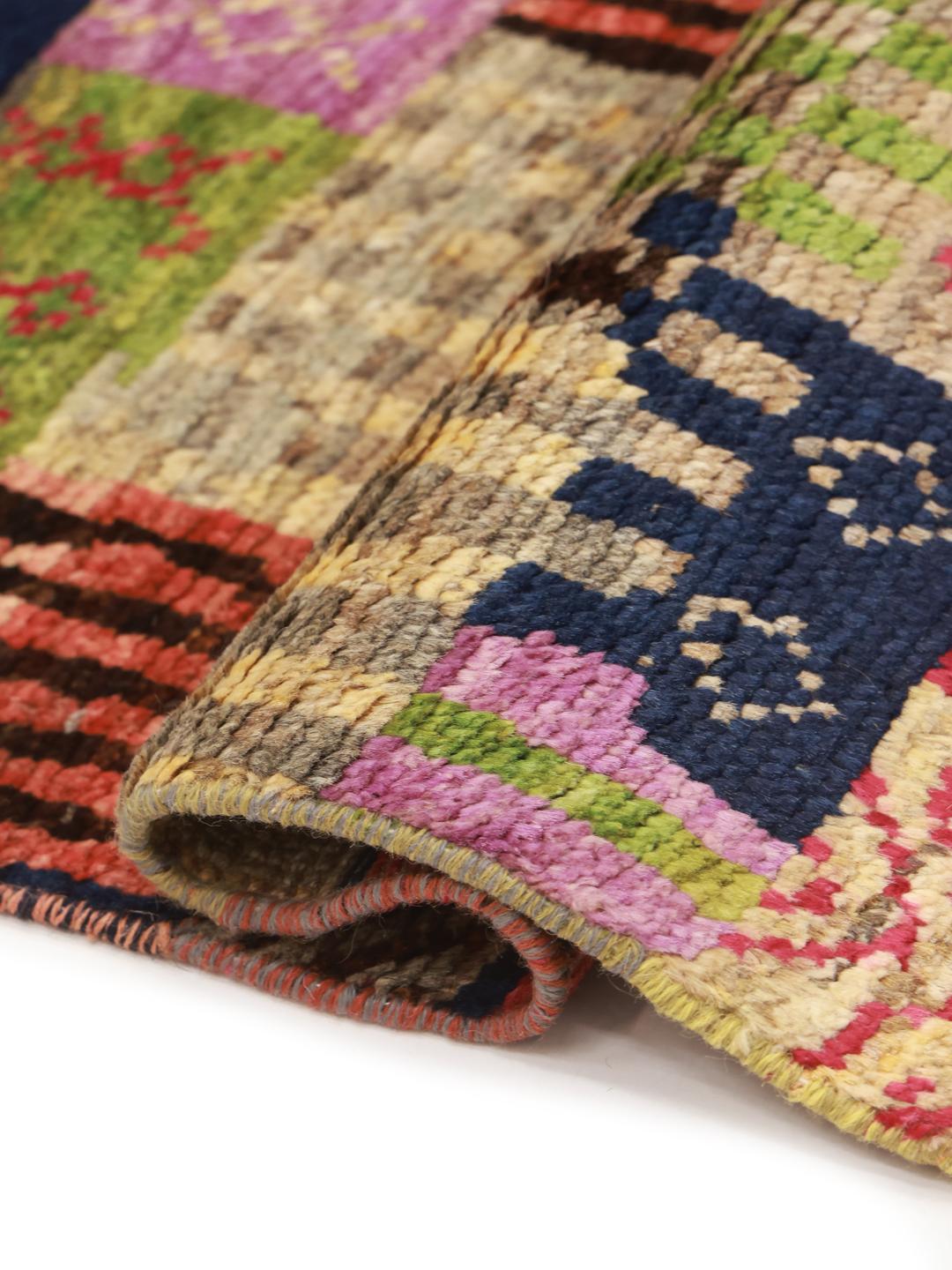
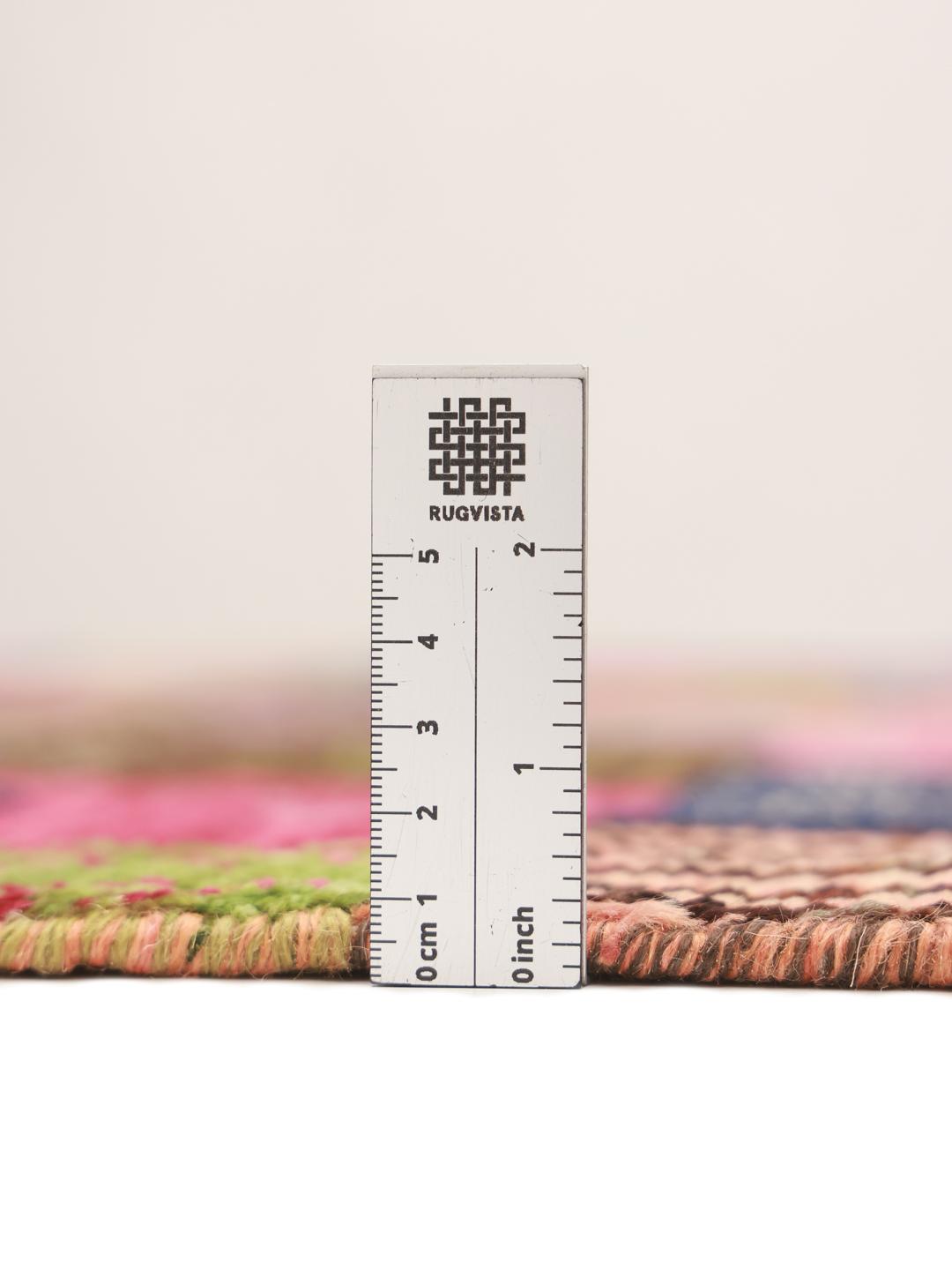
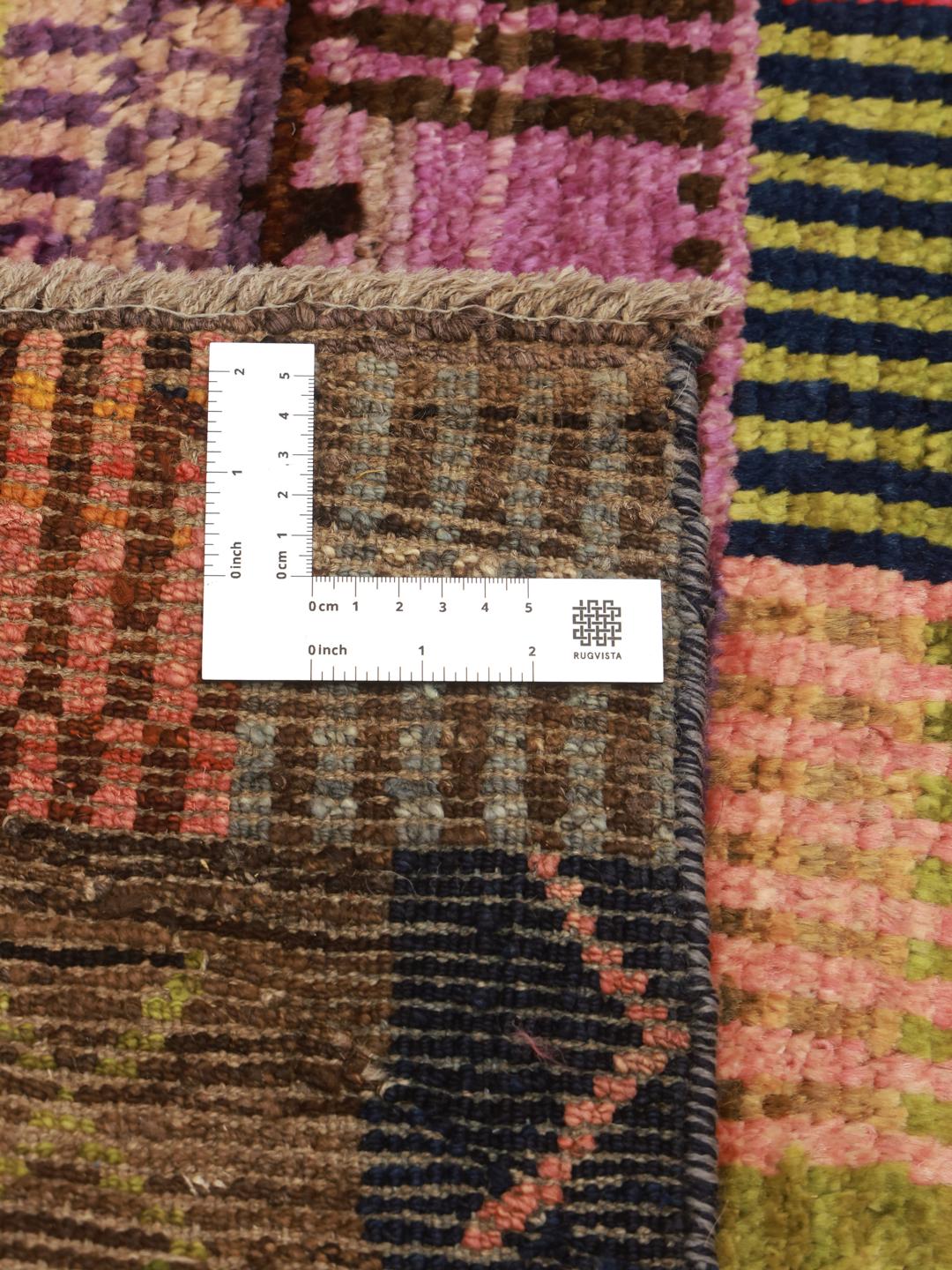
The term 'hand-knotted' refers to the classic technique of tying individual strands of wool onto a foundation. This method is the hallmark of quality, as it allows for a dense, durable pile that maintains its shape and texture over time. Unlike simpler methods, hand-knotting creates a resilient structure that can handle heavy foot traffic while retaining its softness.
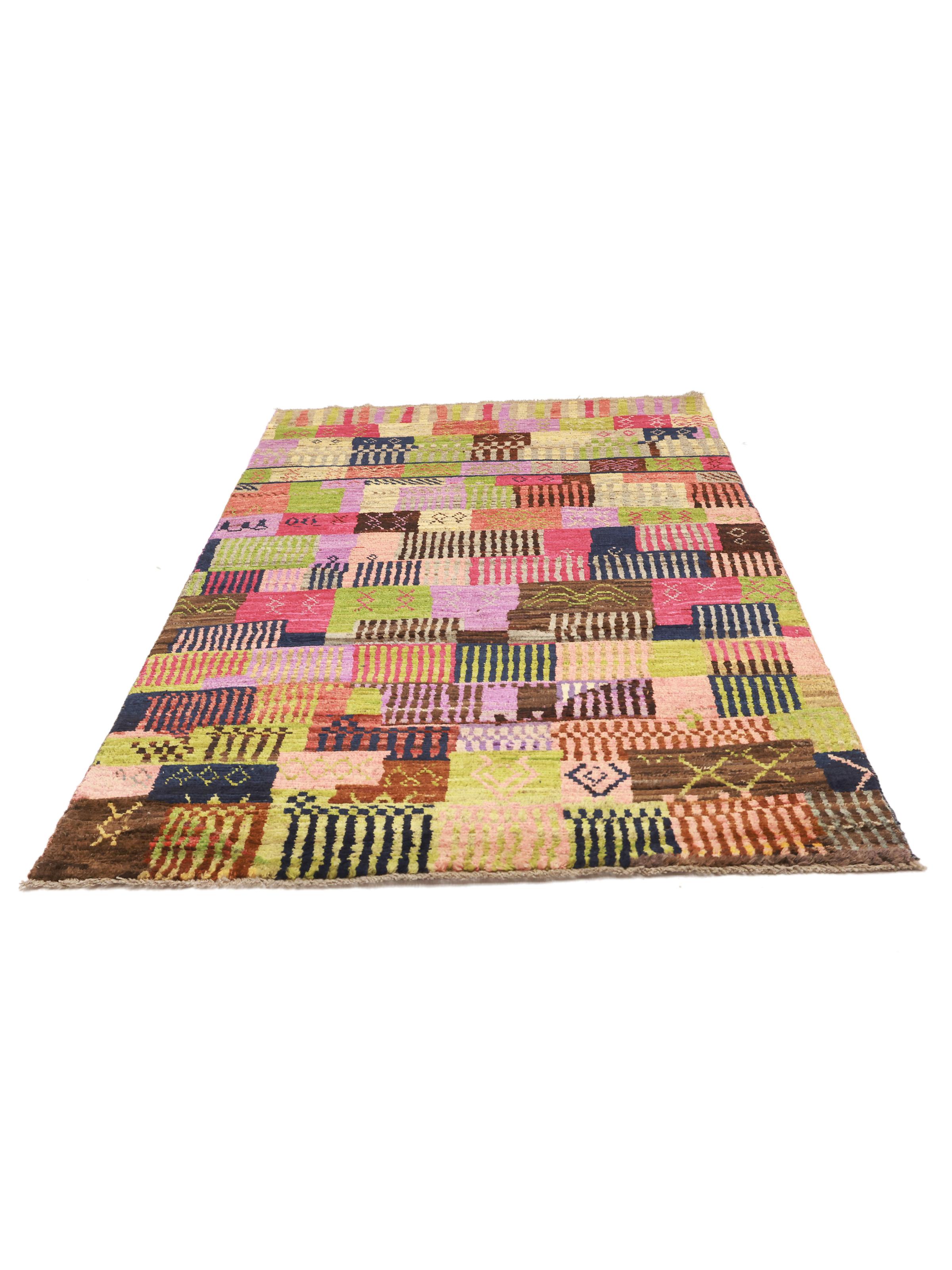
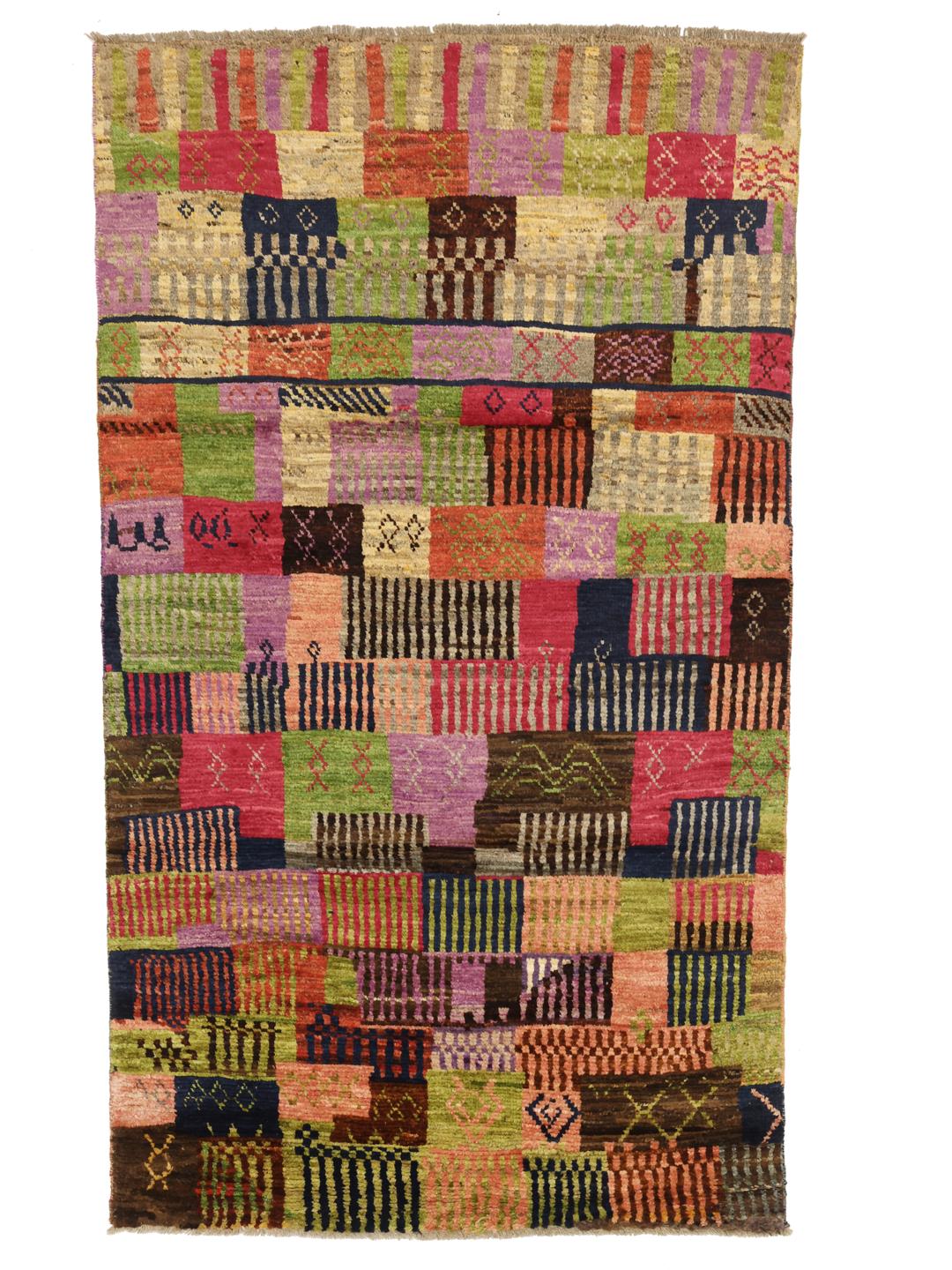
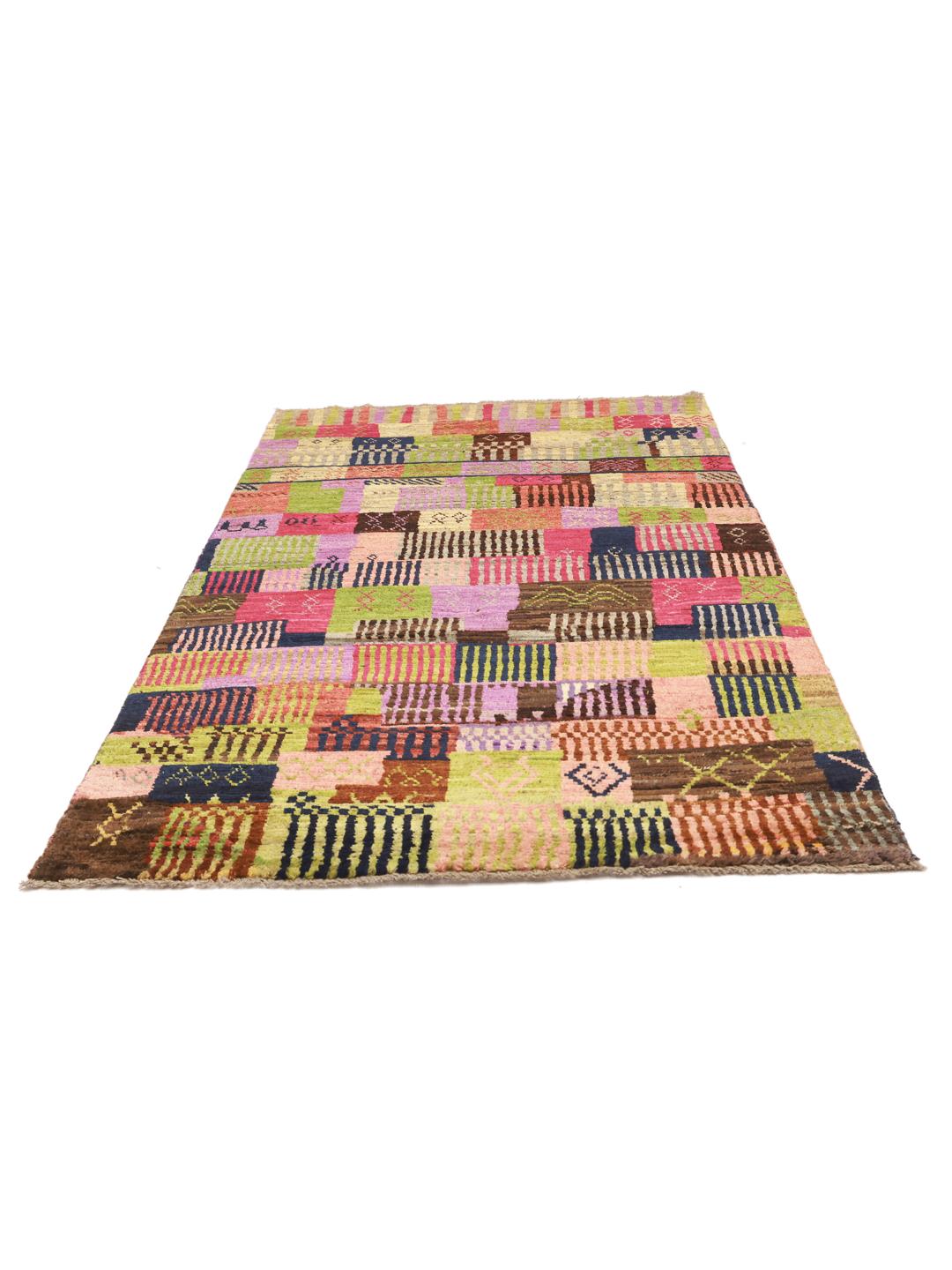
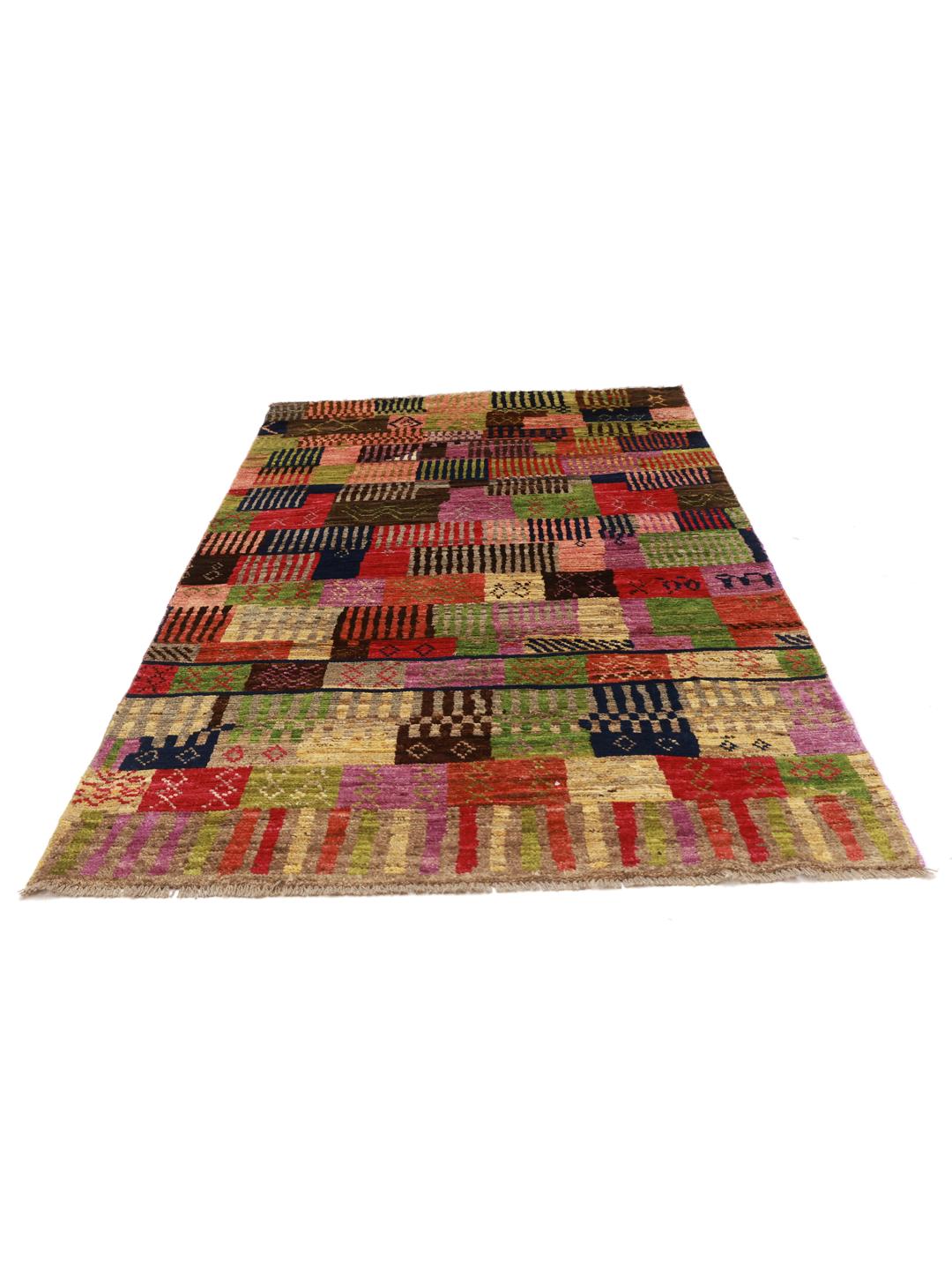
The design of this rug features a vibrant patchwork of geometric shapes, a hallmark of the Berber tradition. These patterns often serve as a visual language, with each motif representing elements of the weaver's environment or cultural beliefs. The use of varied, bold colours is a modern evolution of this classic style, moving away from traditional muted earth tones to create a more dynamic, artistic look.
Owning a piece from this tradition is about more than just decoration, it is about connecting with a legacy of human skill. By keeping these ancient weaving practices alive, collectors support the preservation of craft knowledge that has been passed down through centuries. Each rug serves as a lasting reminder of the human effort and creativity that defines this storied craft.