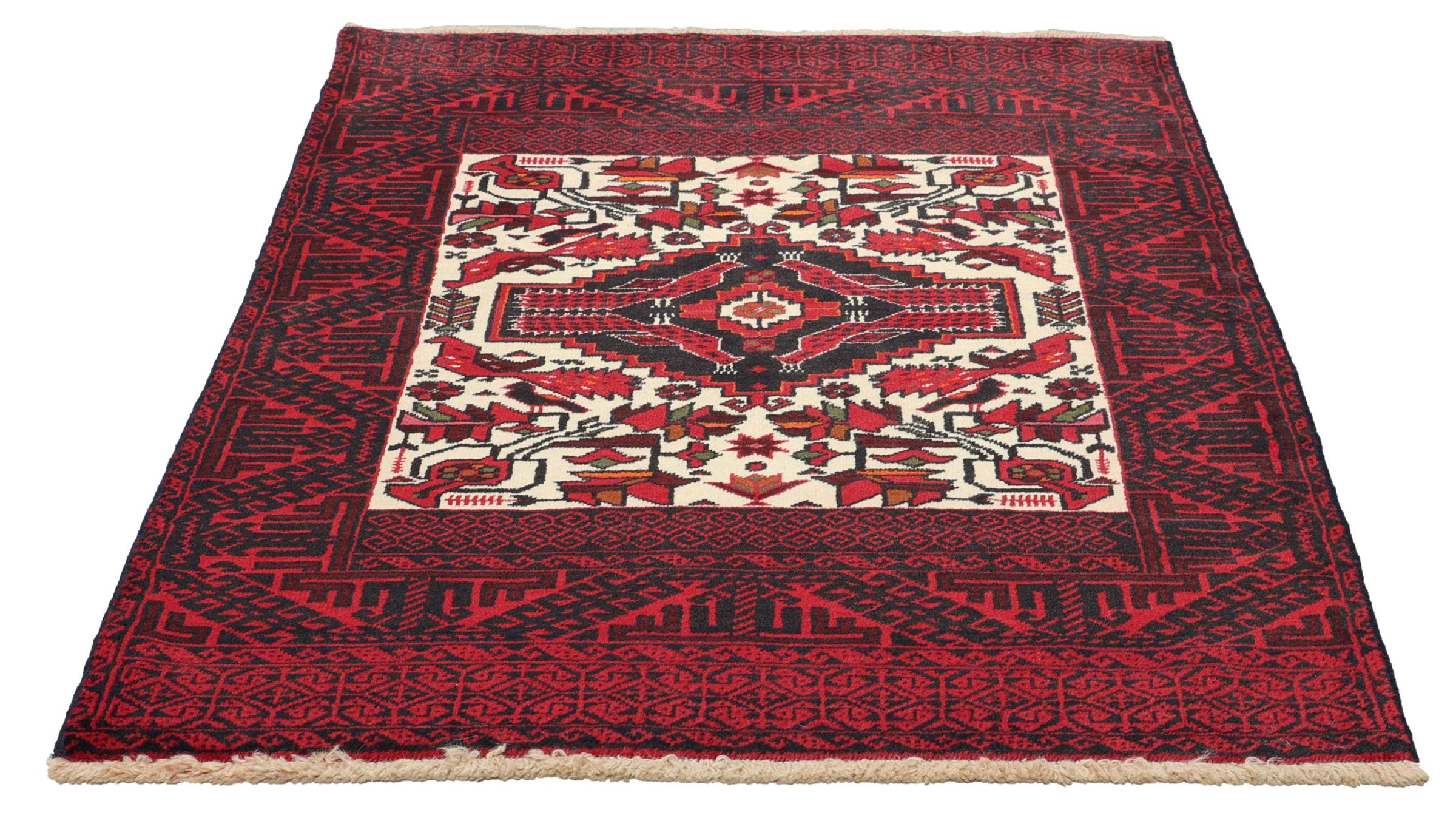
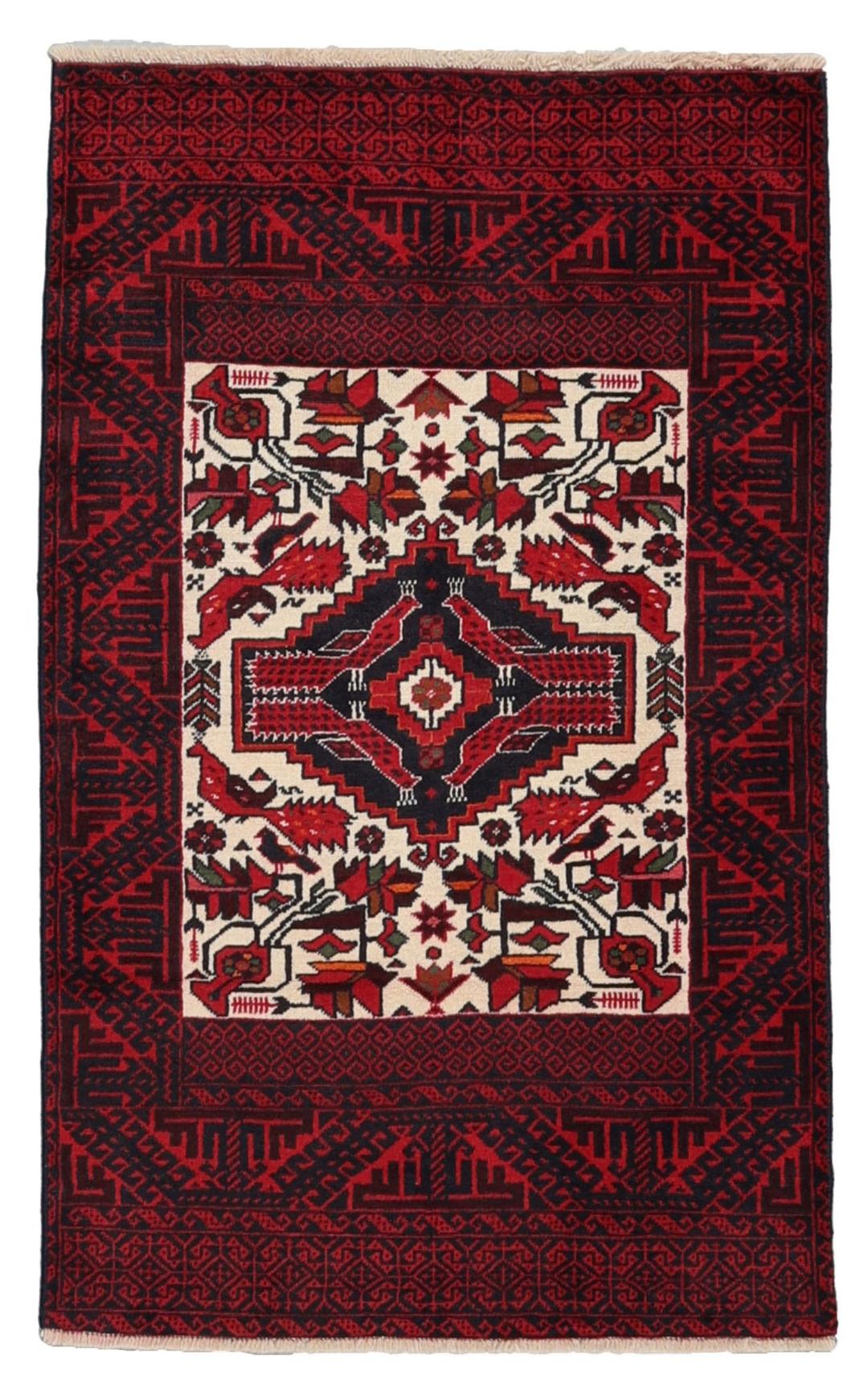
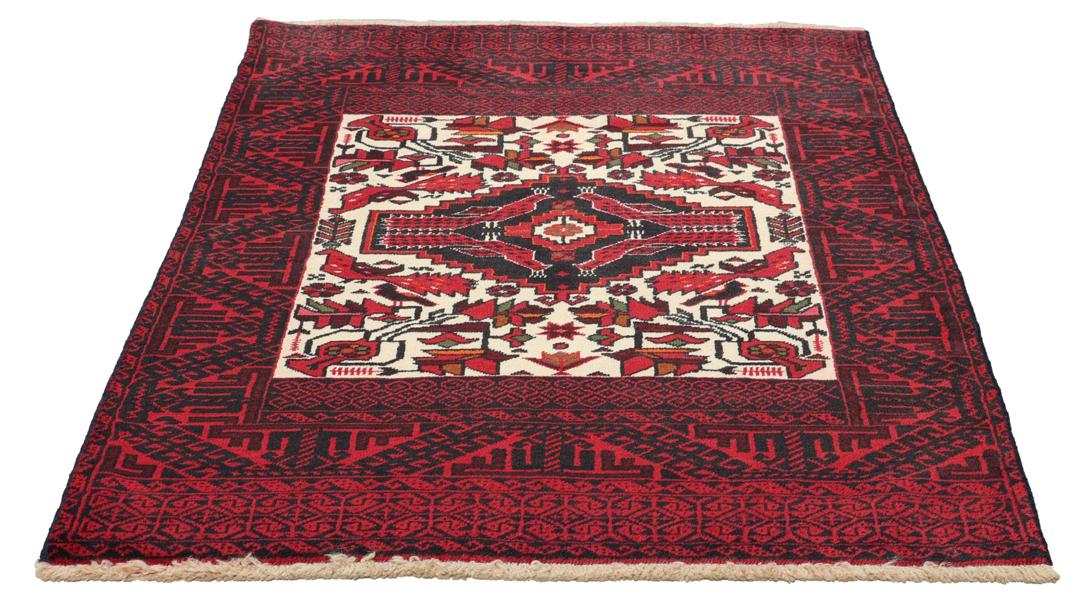
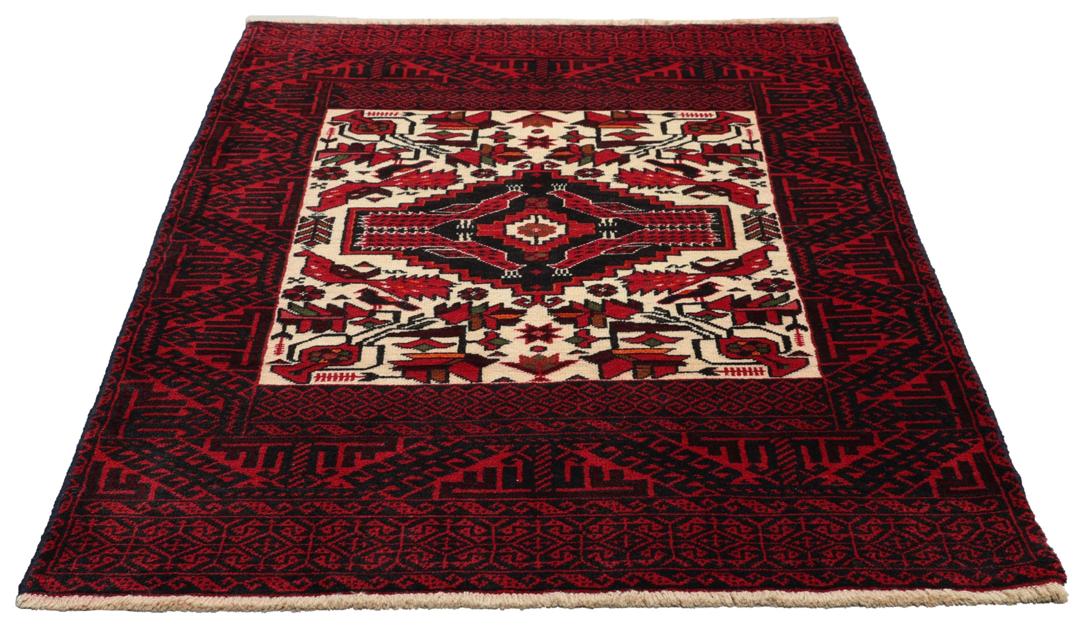
The Baluch rug tradition originates from the nomadic and semi-nomadic Baluchi tribes who have historically inhabited the border regions of the Middle East. These weavers have long been celebrated for their ability to create rugs that are both functional for life on the move and deeply expressive of their cultural identity, often utilising portable looms that allow them to continue their craft across vast distances.
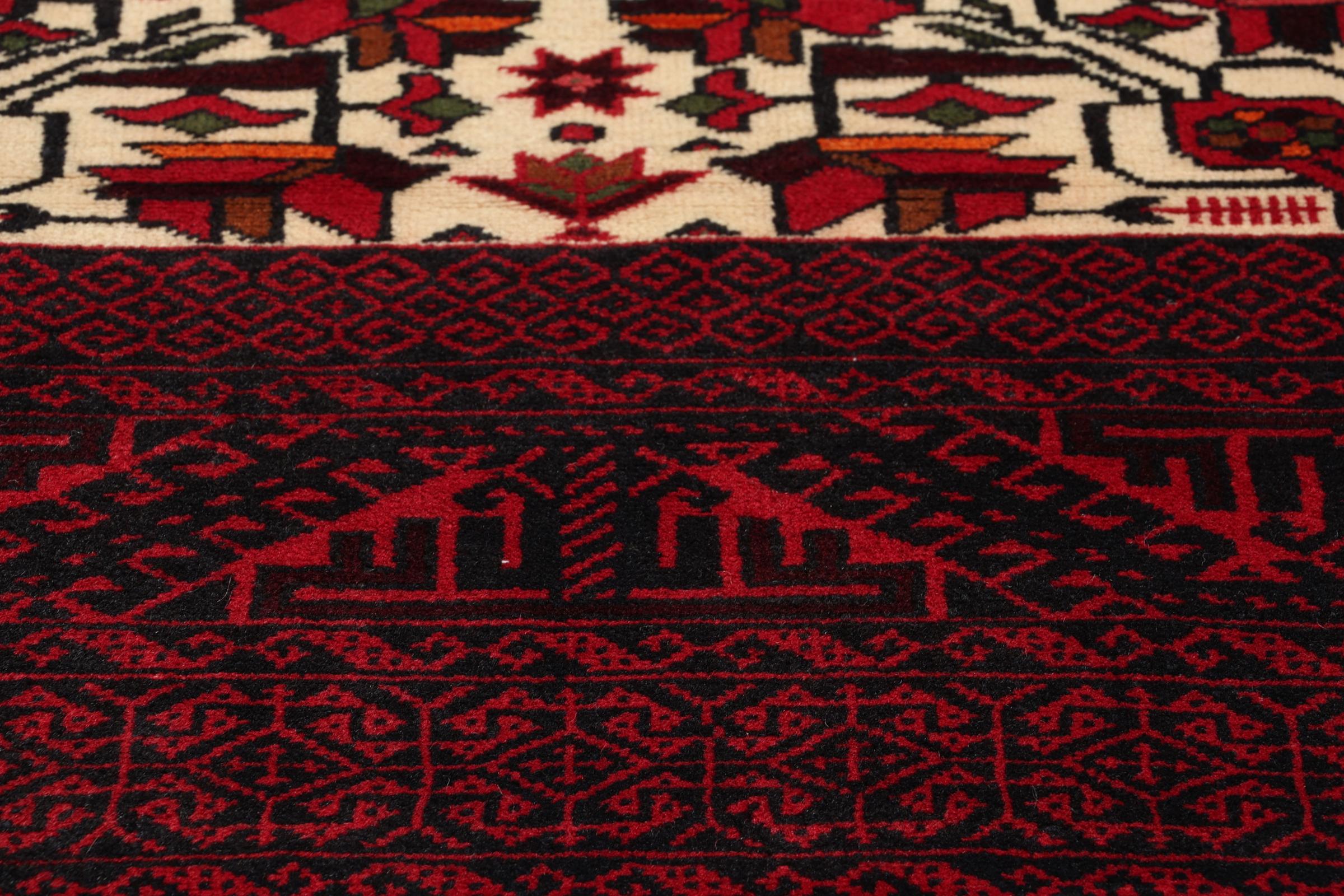
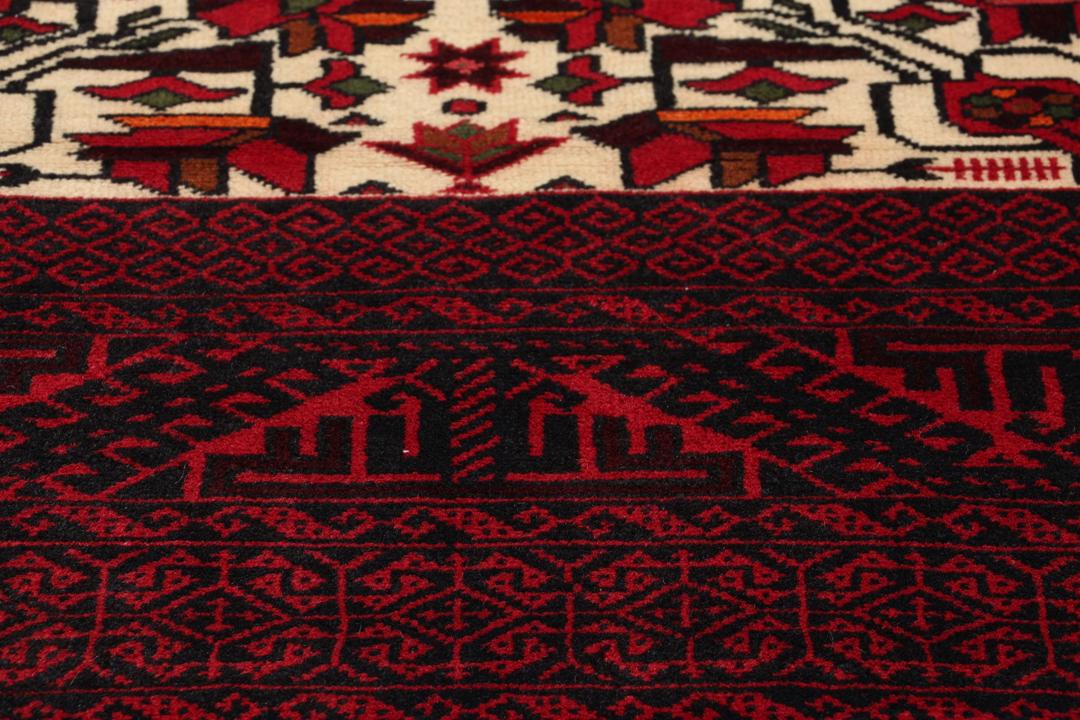
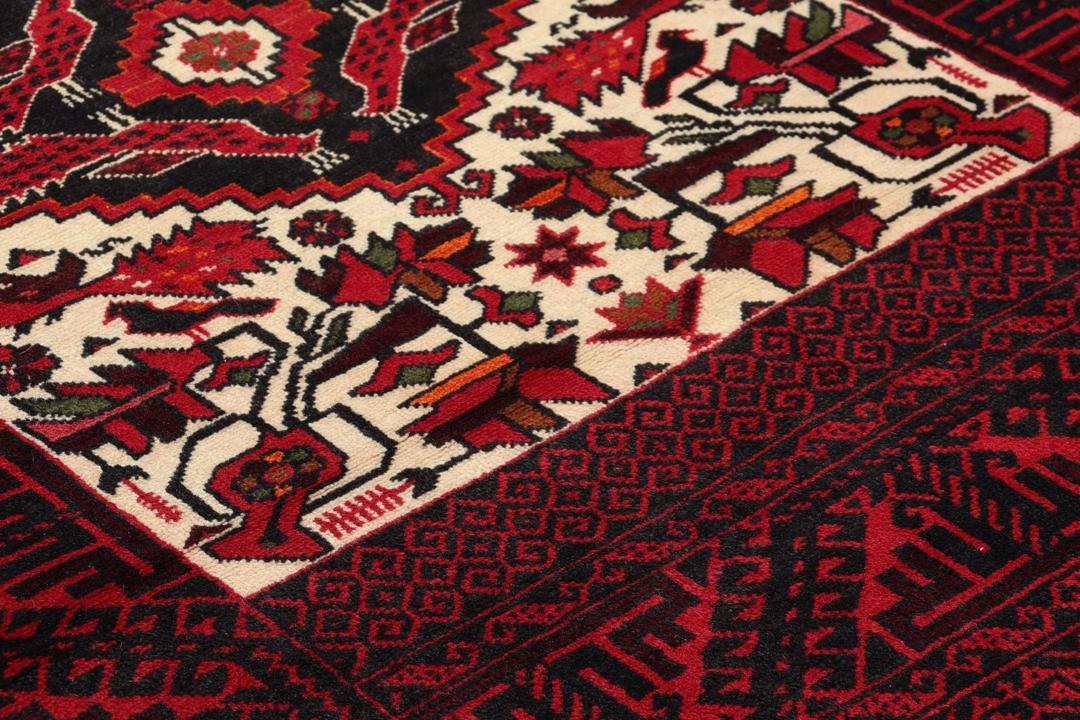
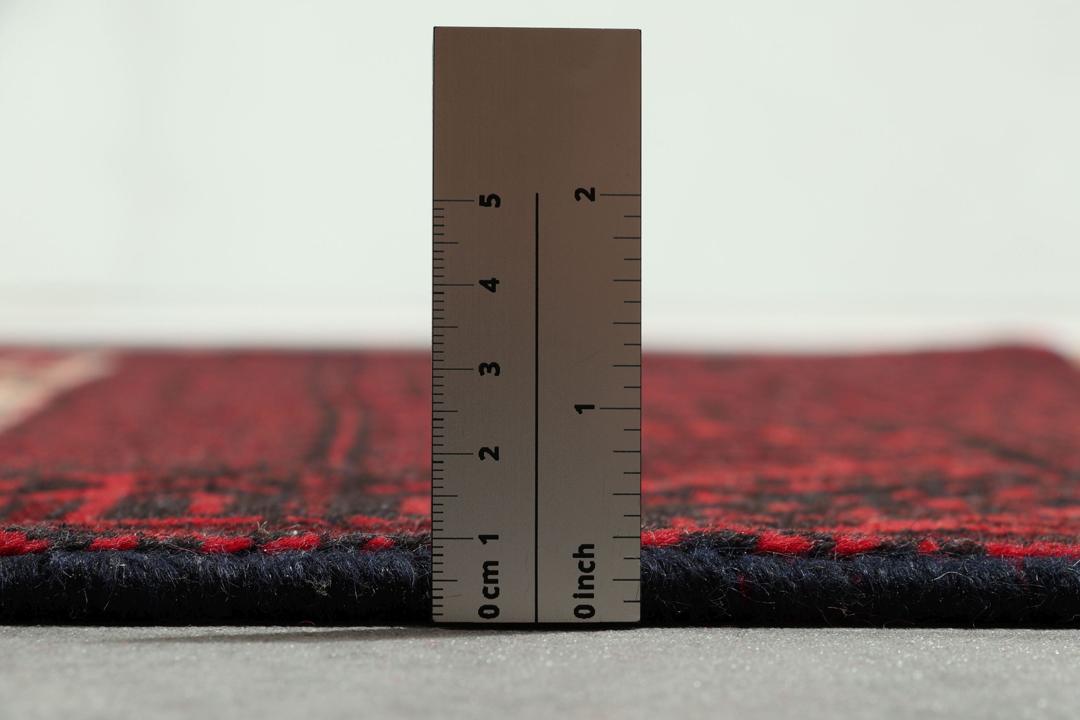
The term 'Baluch' refers to the specific tribal style, which is often distinguished by its use of rich, dark tones—frequently deep reds, browns, and blacks—and highly complex geometric or stylised floral motifs. These rugs are highly regarded for their wool, which is often sourced from local sheep and processed with techniques that preserve its natural lanolin, resulting in a durable, lustrous, and soft pile that improves with age.
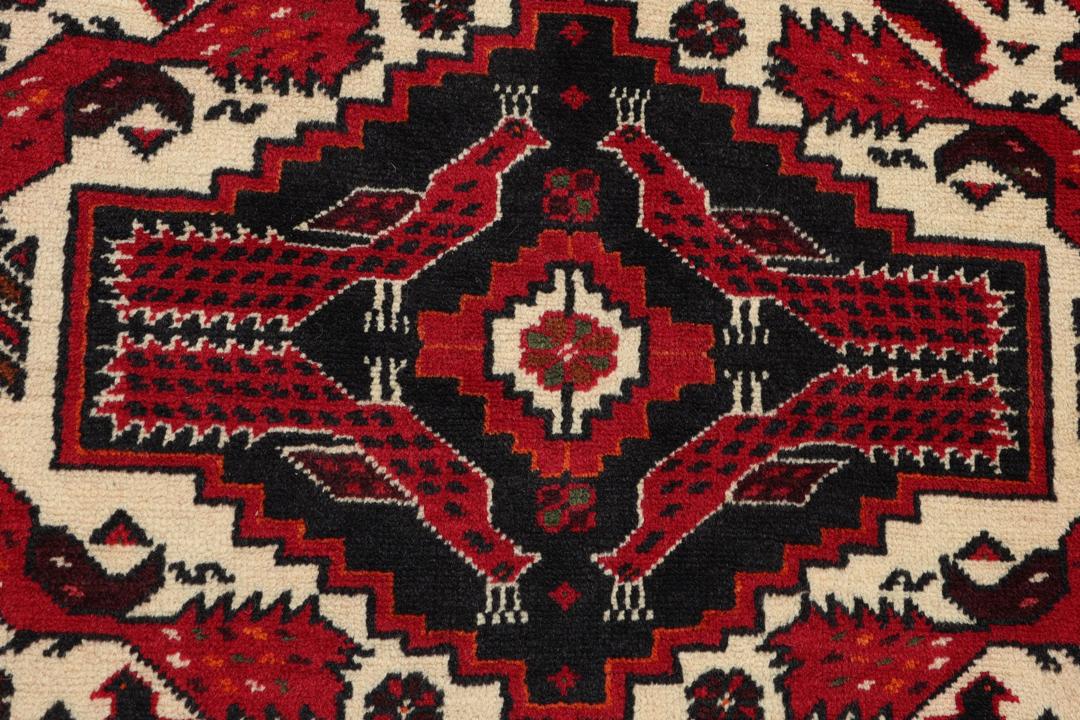
Signature design elements often include repeating geometric medallions or stylised animal motifs, framed by borders that showcase the weaver's personal interpretation of traditional patterns. While many Baluch rugs follow established tribal conventions, individual weavers often introduce subtle variations, meaning that every piece contains unique details that reflect the specific environment and creative vision of the person who crafted it.
Today, these rugs are prized by collectors and homeowners alike for their cultural weight and the undeniable skill required to produce them. Owning a Baluch rug means bringing a piece of living history into your home, celebrating a tradition of craftsmanship that has survived for centuries and continues to provide warmth and visual intrigue in contemporary spaces.