Beluch rugs take their name from the Baluchi people, a nomadic group whose traditional territories span across regions of the Middle East. For centuries, these artisans have moved across the landscape, carrying their weaving traditions with them. This semi-nomadic lifestyle has deeply influenced the style of their rugs, which are typically smaller in size and designed to be portable, yet incredibly durable and functional.
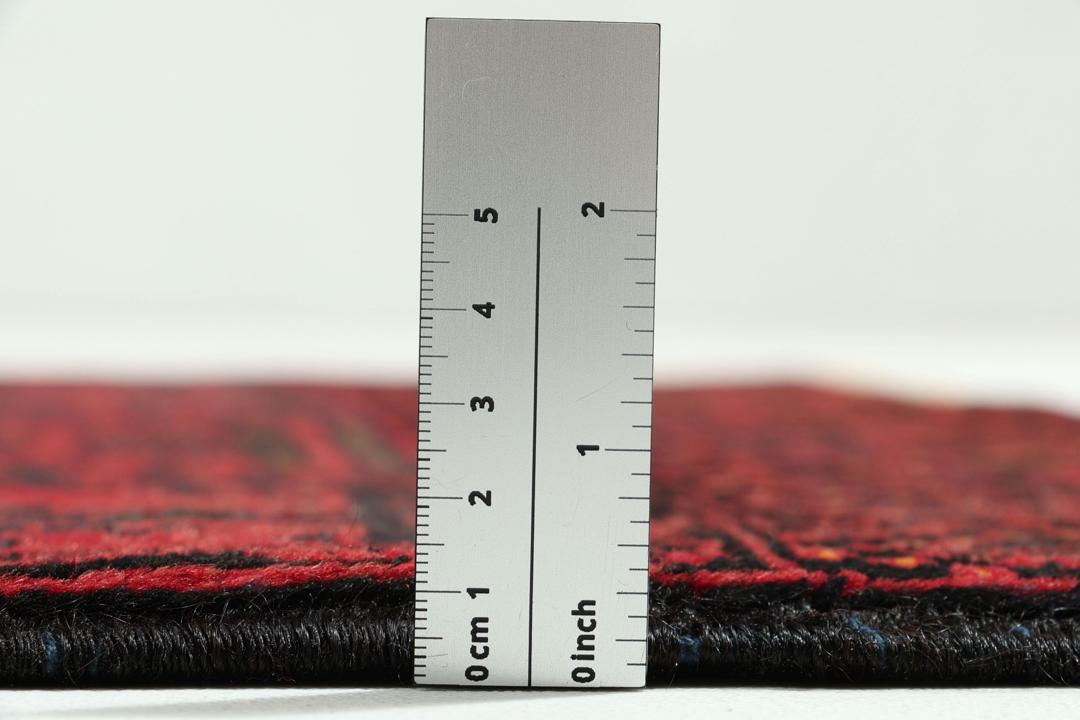
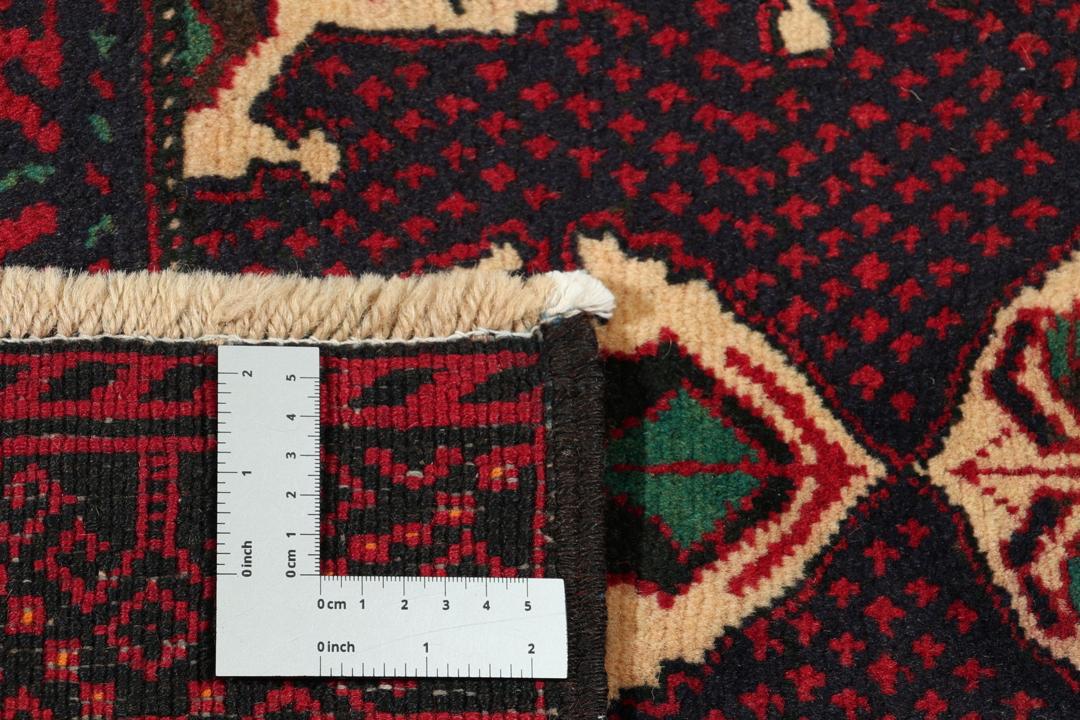
The craftsmanship behind these rugs is defined by the use of high-quality wool, which is often sourced from the nomadic tribes' own flocks. This material is prized for its natural lanolin content, which gives the finished rug a soft, lustrous sheen and an inherent resistance to wear. The construction techniques used are passed down through generations, ensuring that the integrity of the weaving remains consistent with ancient practices.
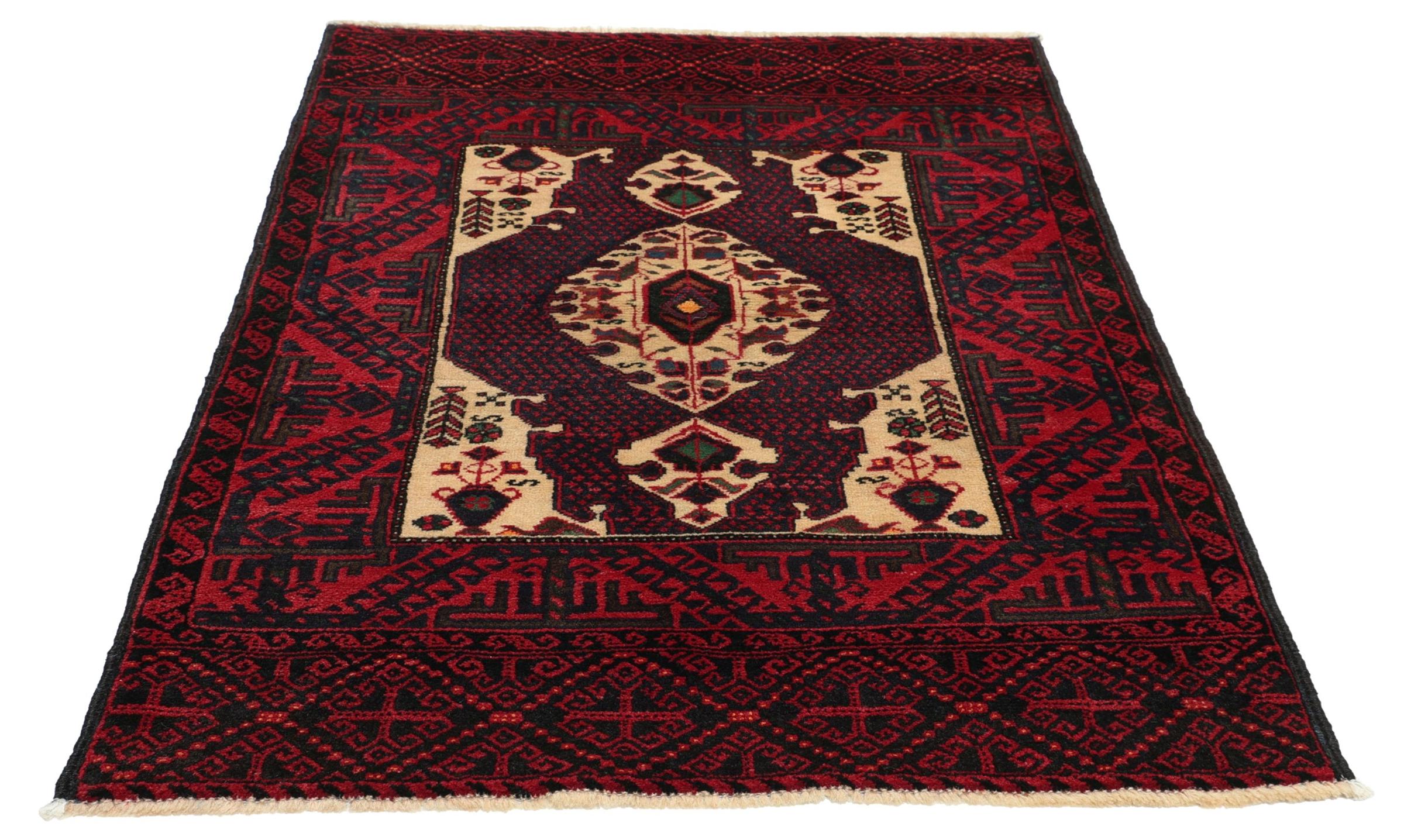
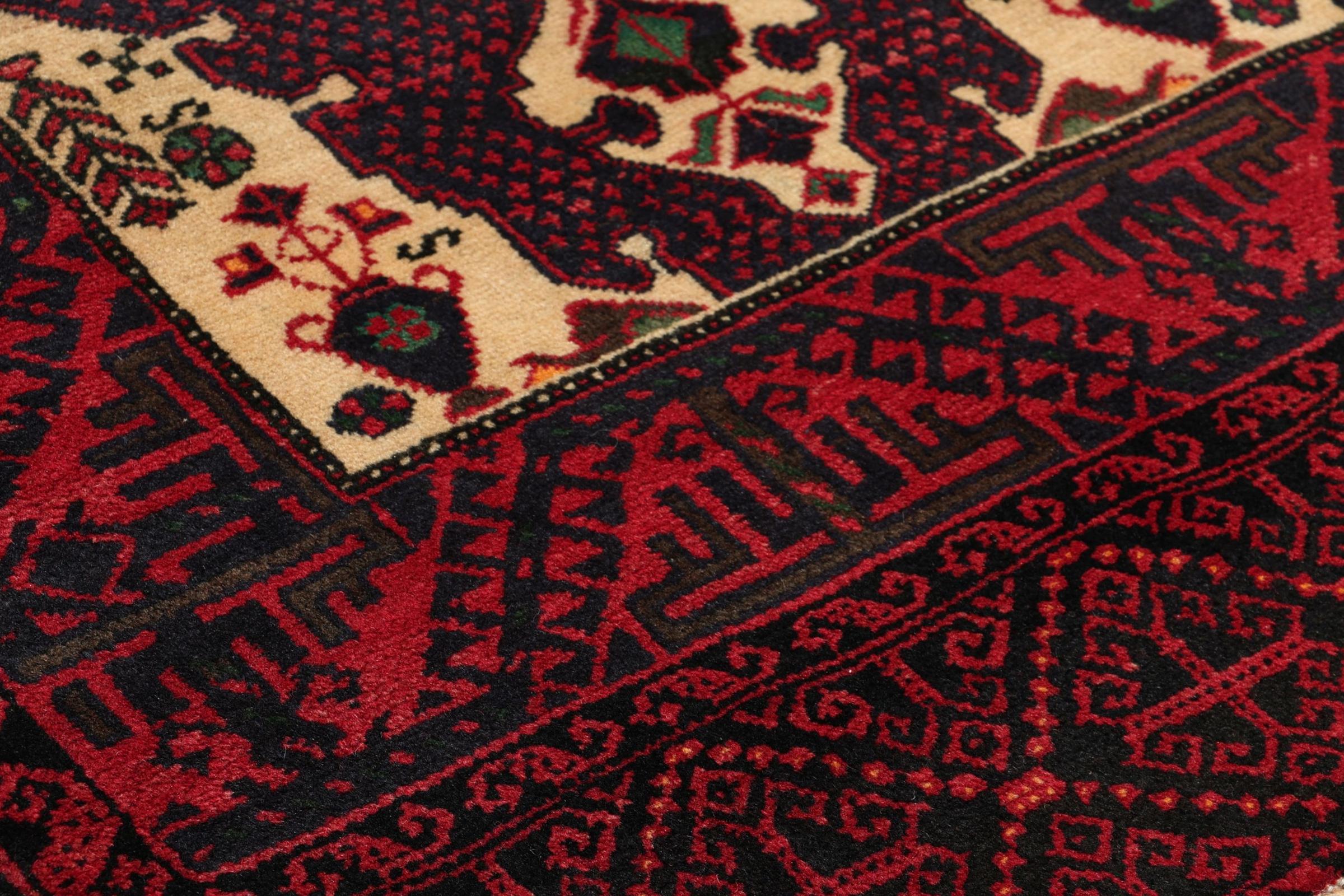
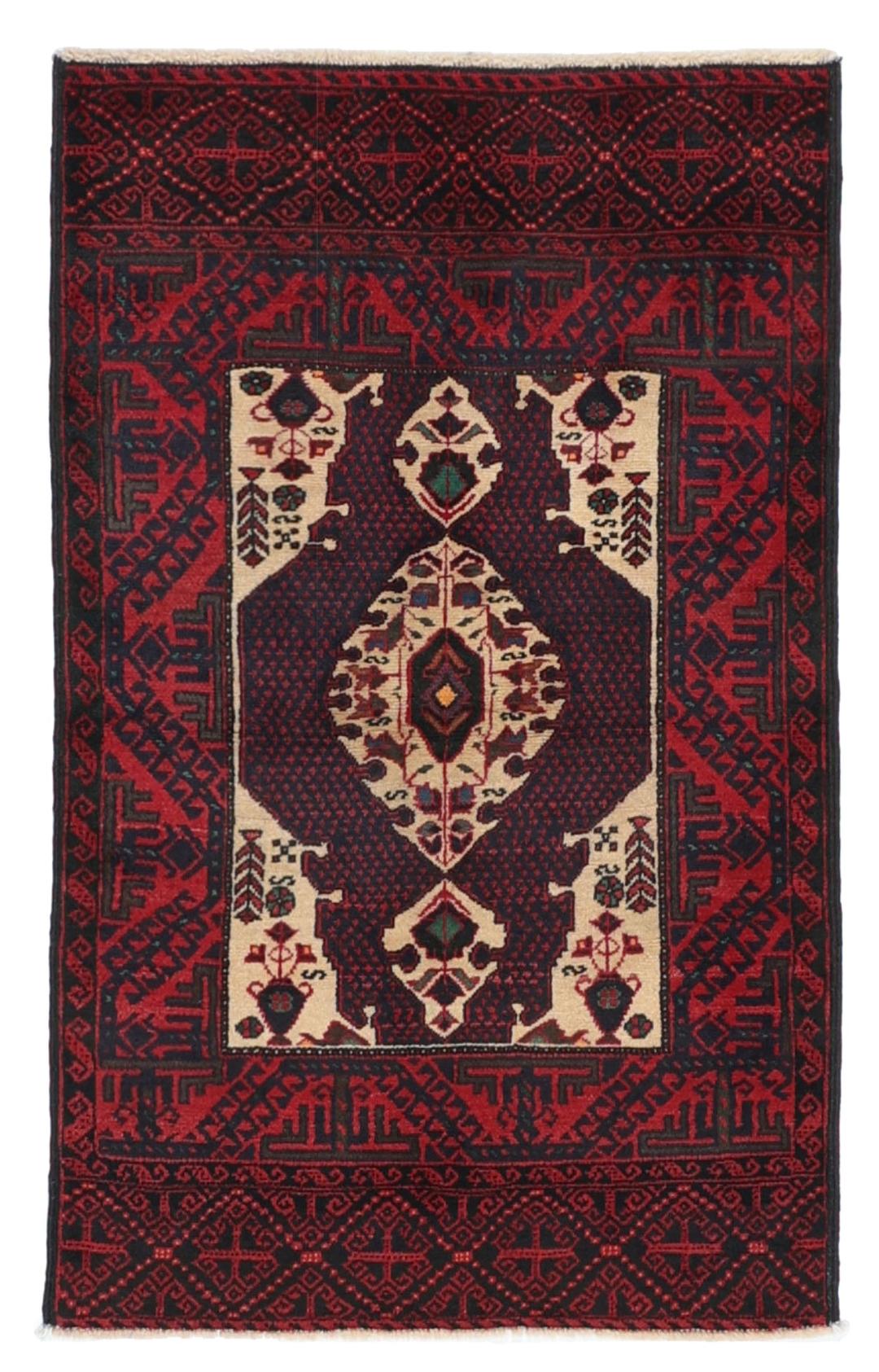
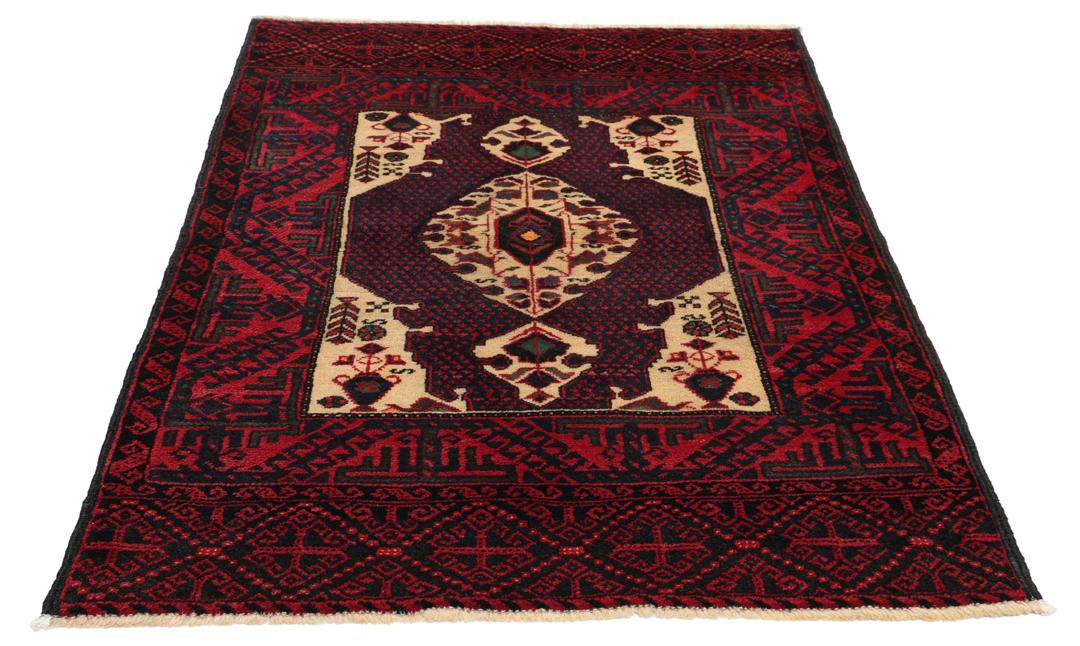
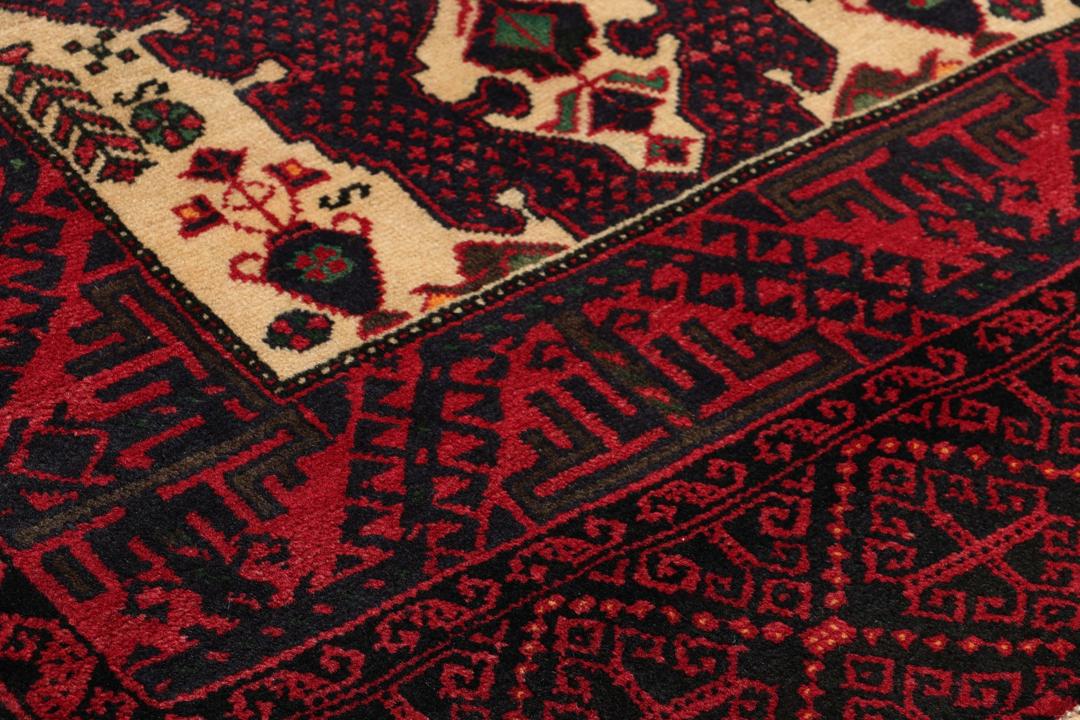
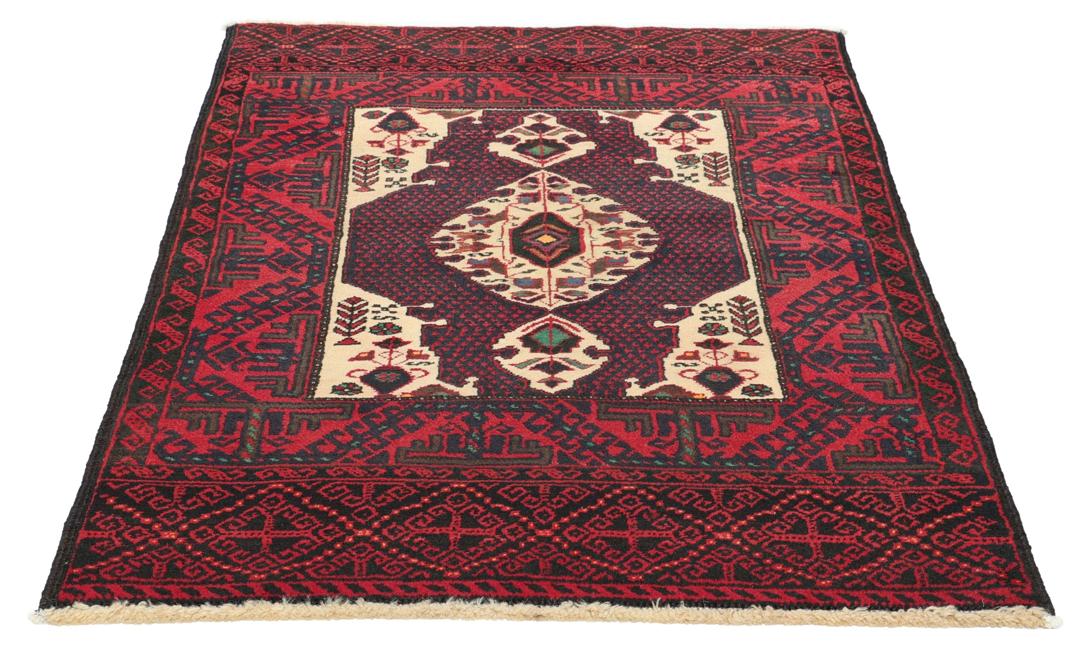
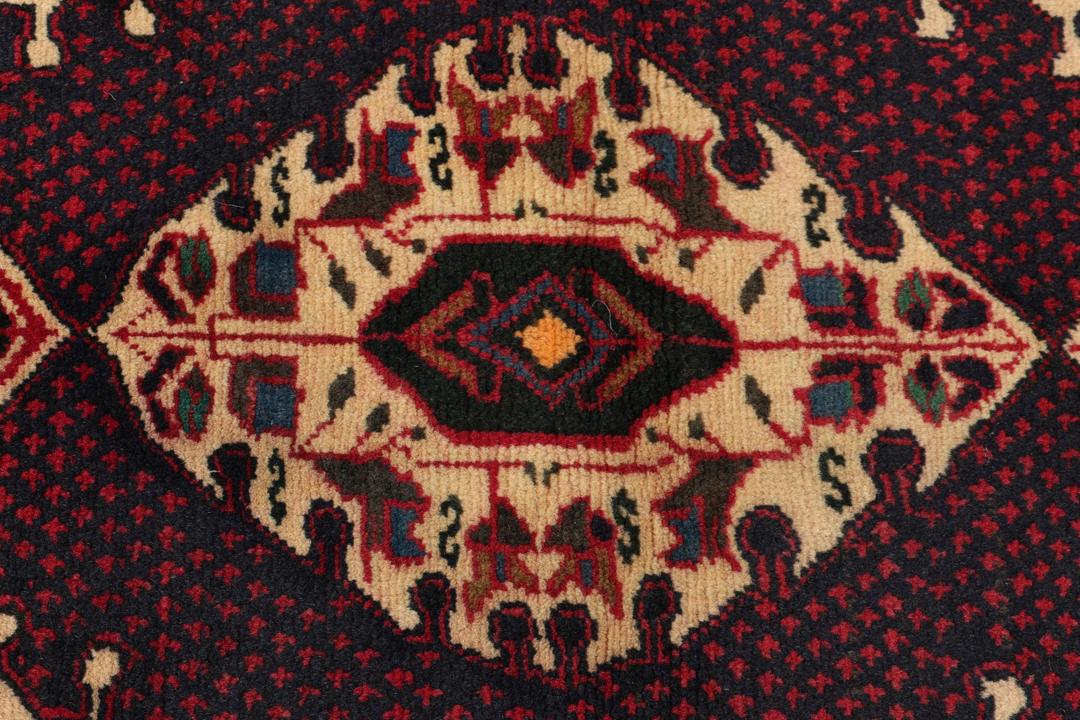
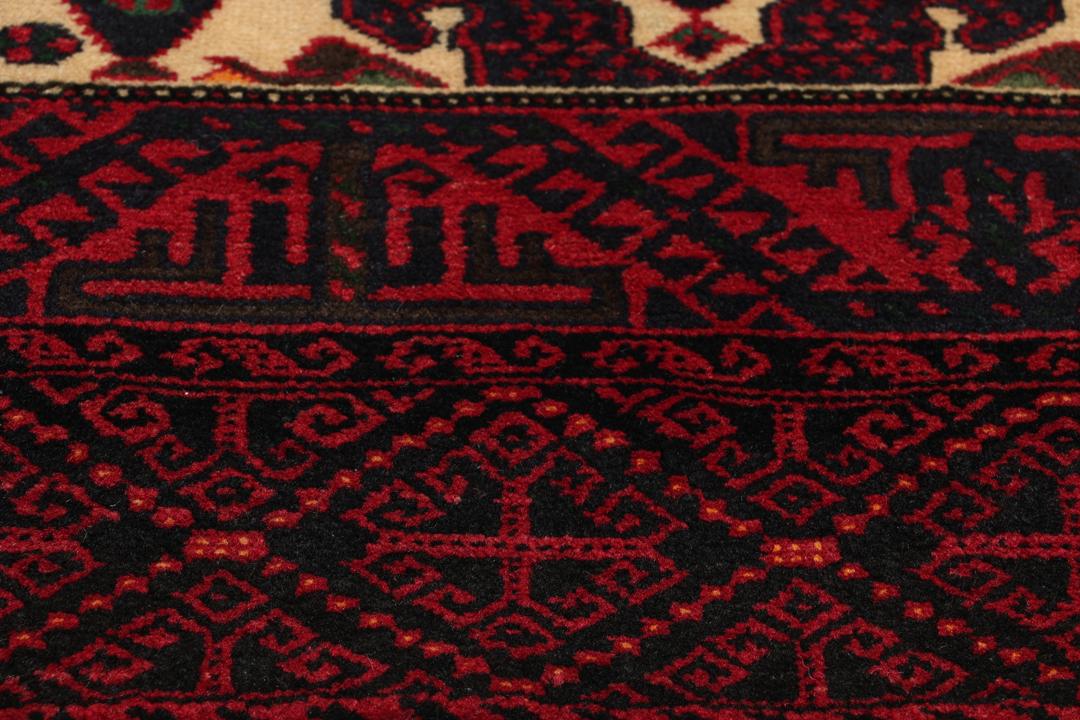
Visually, Beluch rugs are instantly recognisable for their deep, moody color palettes—often featuring dark-reds, browns, and blacks—and their highly geometric, tribal motifs. These patterns frequently include stylised interpretations of local flora, fauna, and traditional symbols that hold cultural significance to the weavers. The borders are often complex, framing the central field with a rhythmic, repetitive geometric design that guides the eye.
Owning a Beluch rug is an opportunity to connect with a rich, enduring heritage. These rugs are highly valued by collectors for their authentic, unpretentious beauty and the immense skill required to produce them. Because they are hand-made in small quantities, they represent a tangible piece of cultural history, offering a level of character and depth that mass-produced items simply cannot match.