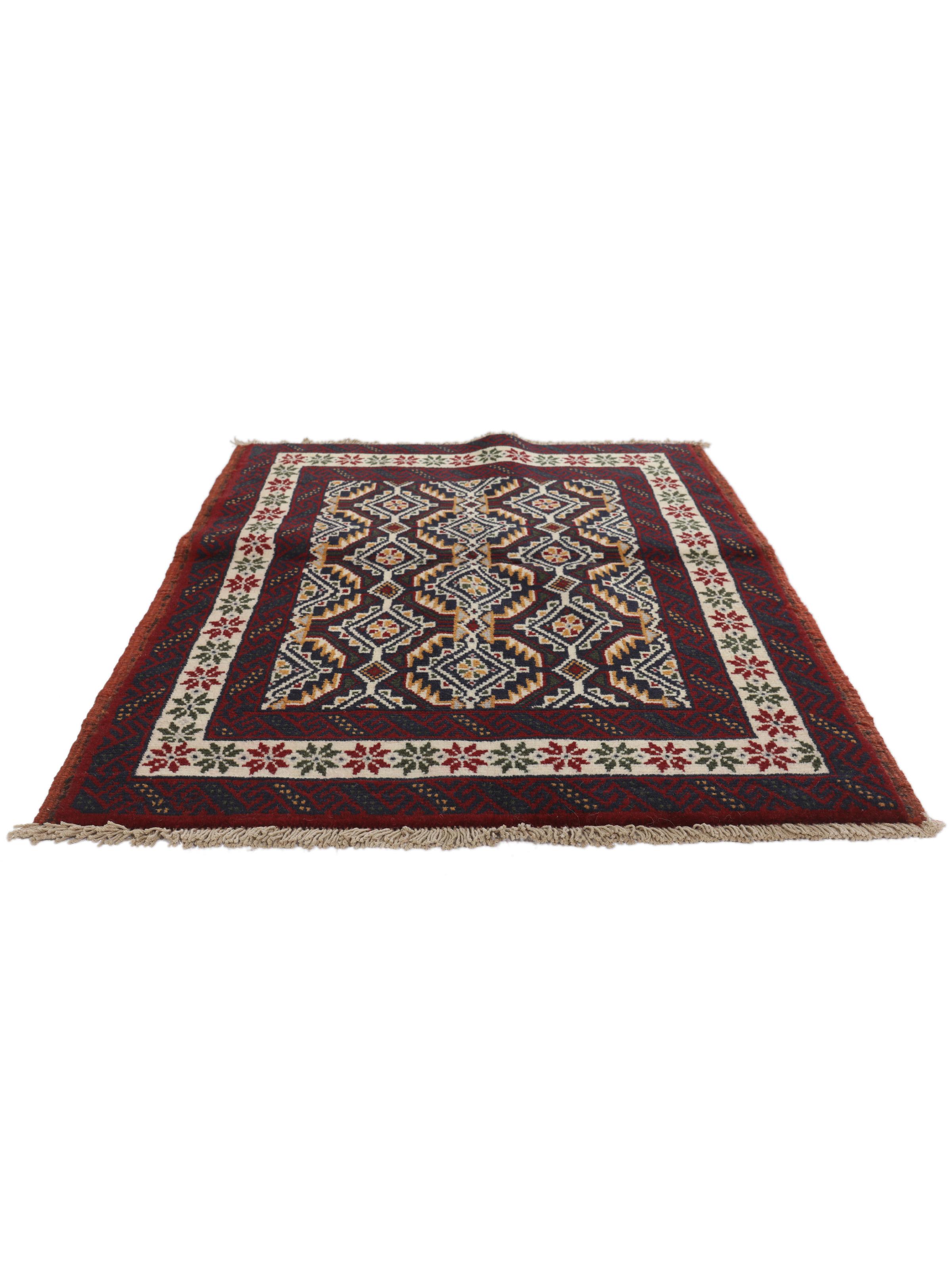
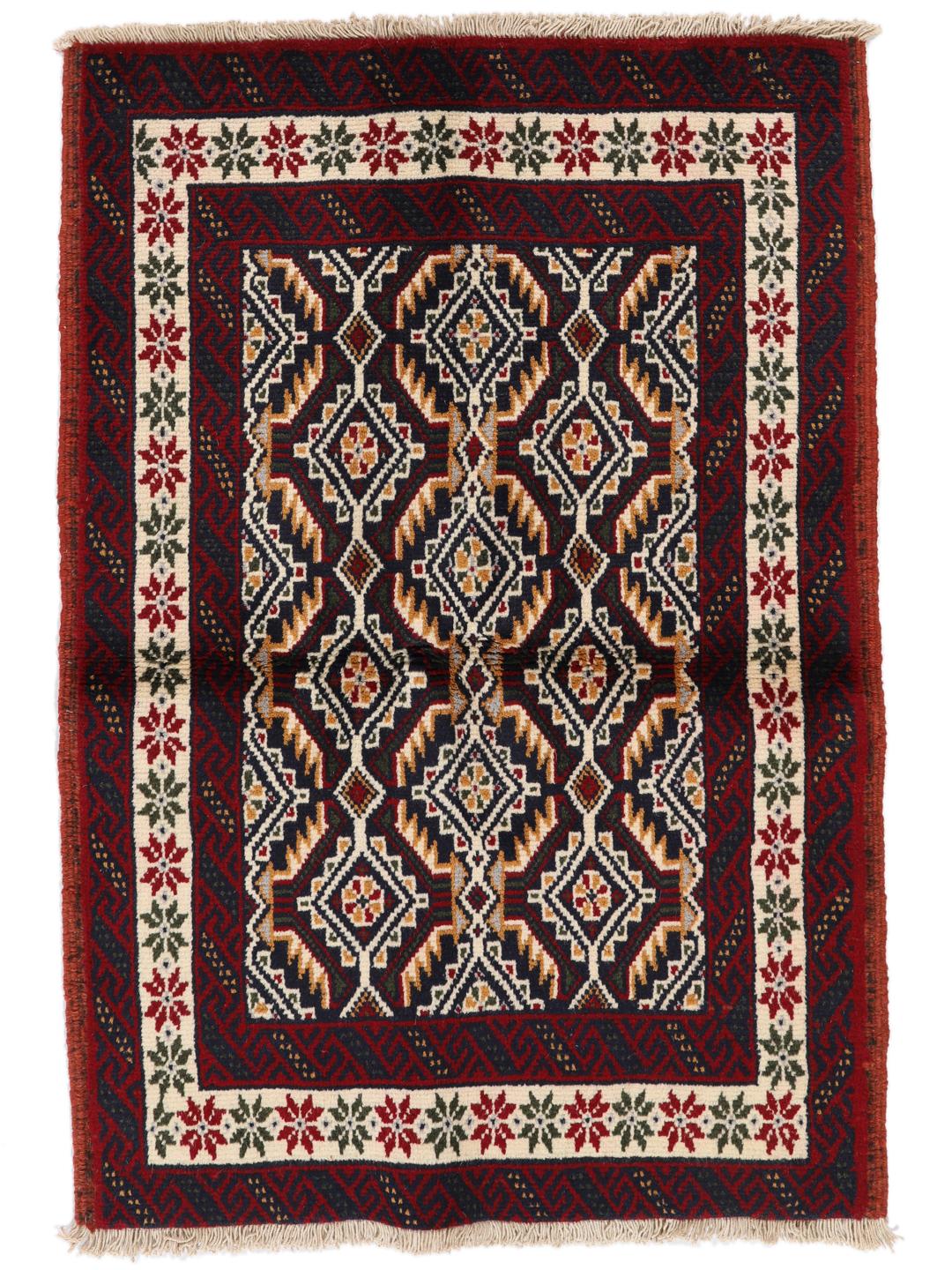
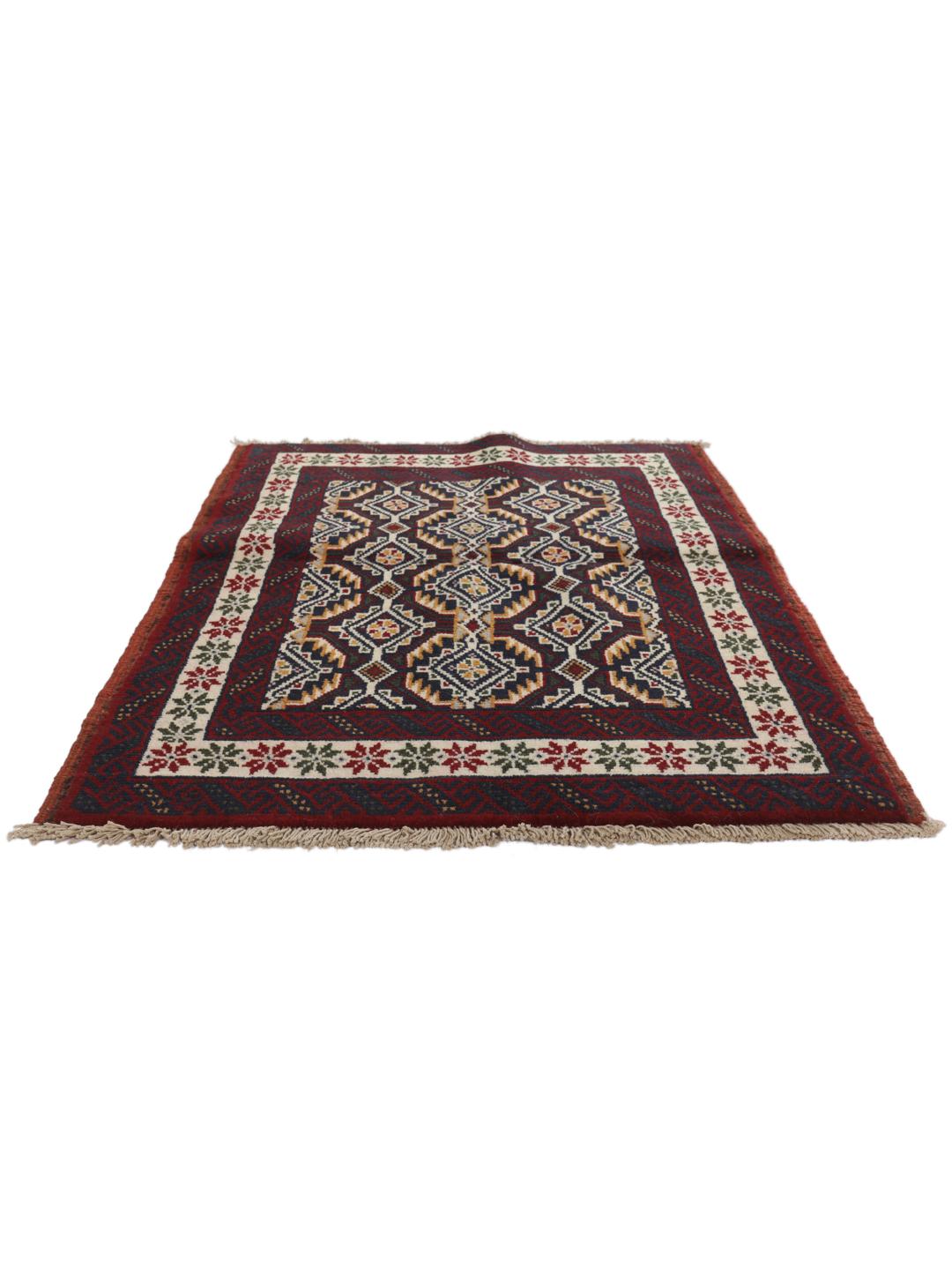
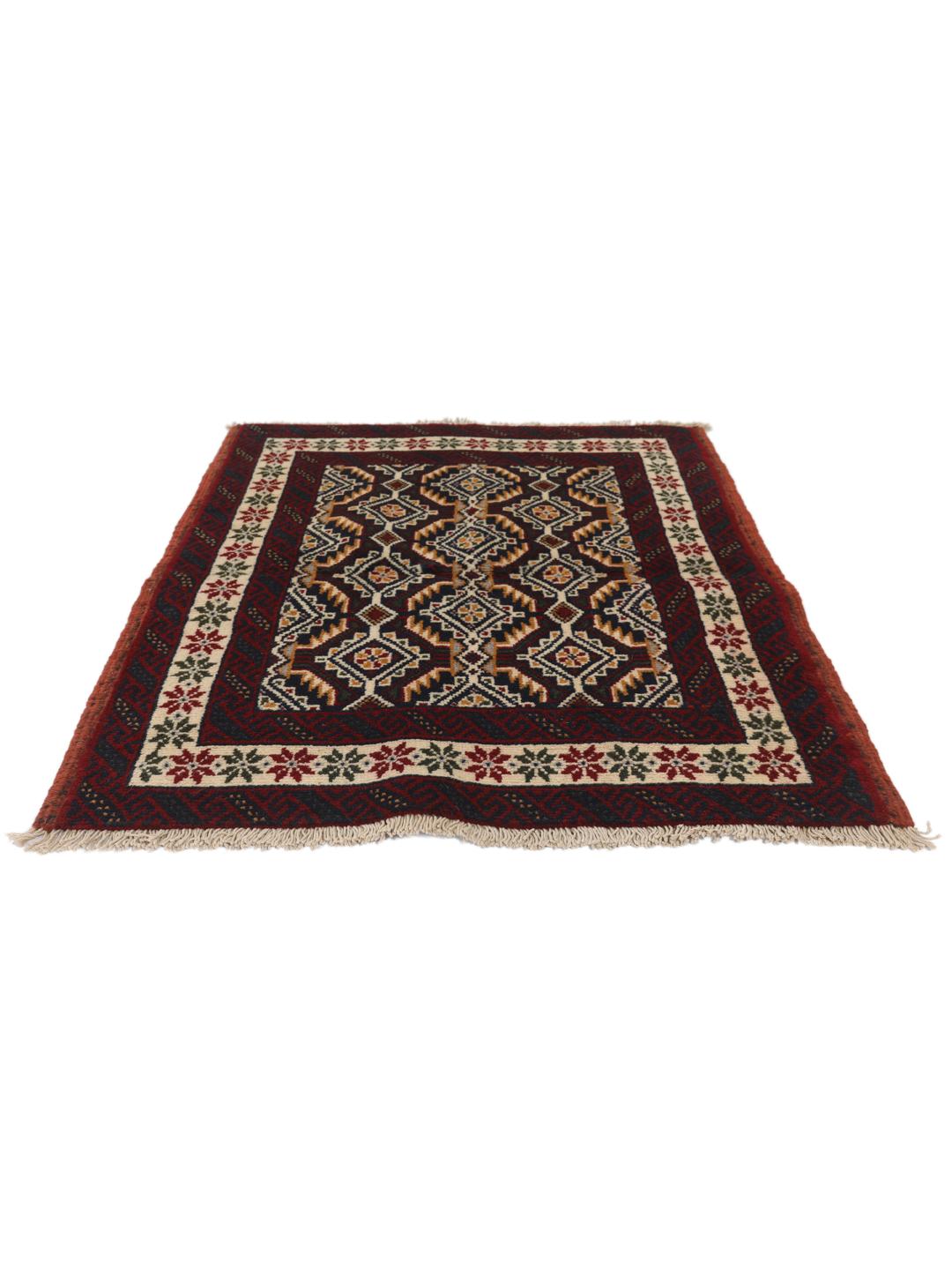
The Baluch rugs are rooted in the nomadic traditions of the Baluchi people who historically inhabited regions across the Middle East. These tribes have long been known for their resilient and practical textile art, which was designed to withstand the rigours of a nomadic lifestyle while reflecting the beauty of their environment. Over time, these weaving traditions have evolved, yet they retain a distinct cultural identity that is instantly recognisable to enthusiasts.
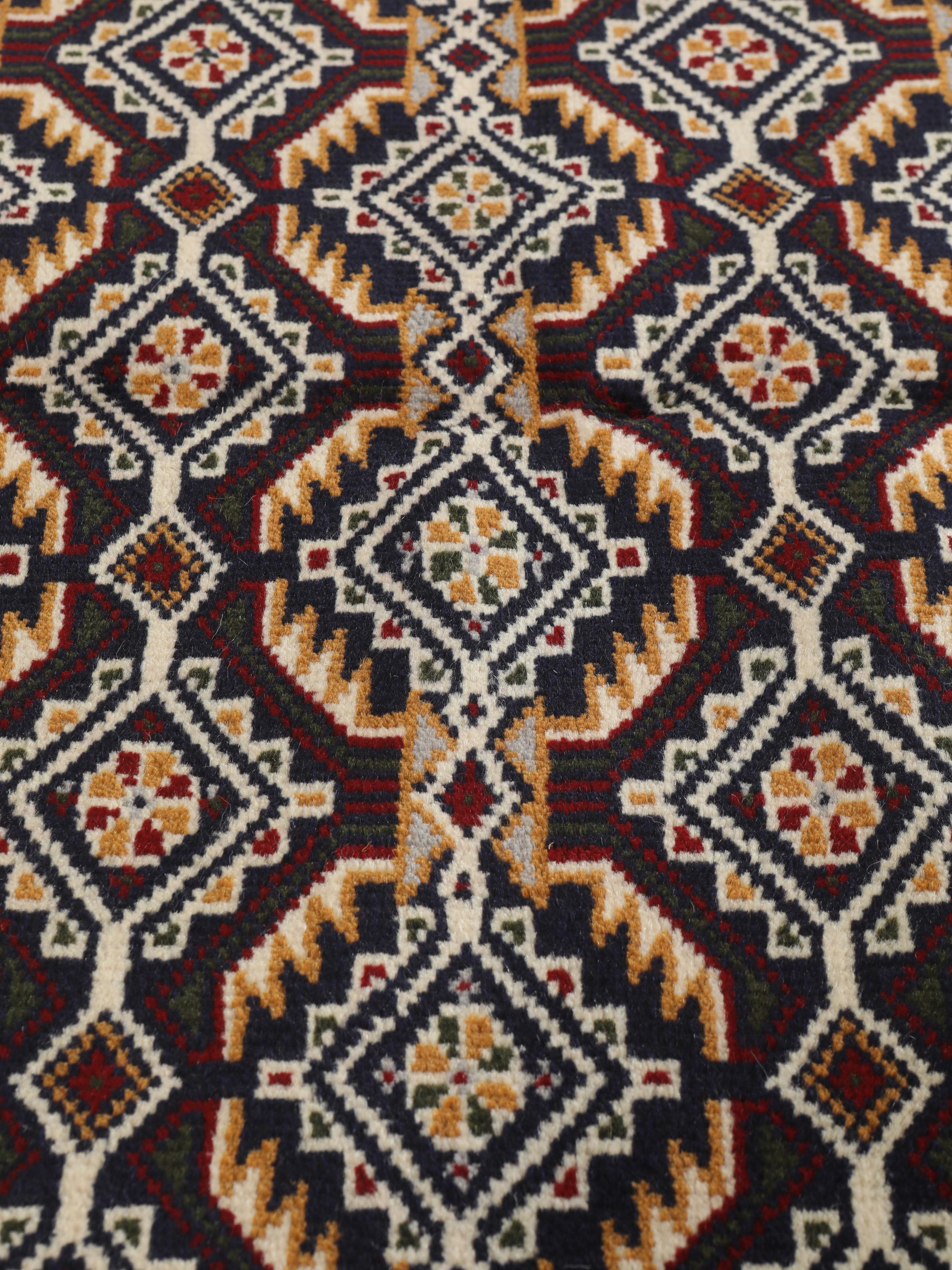
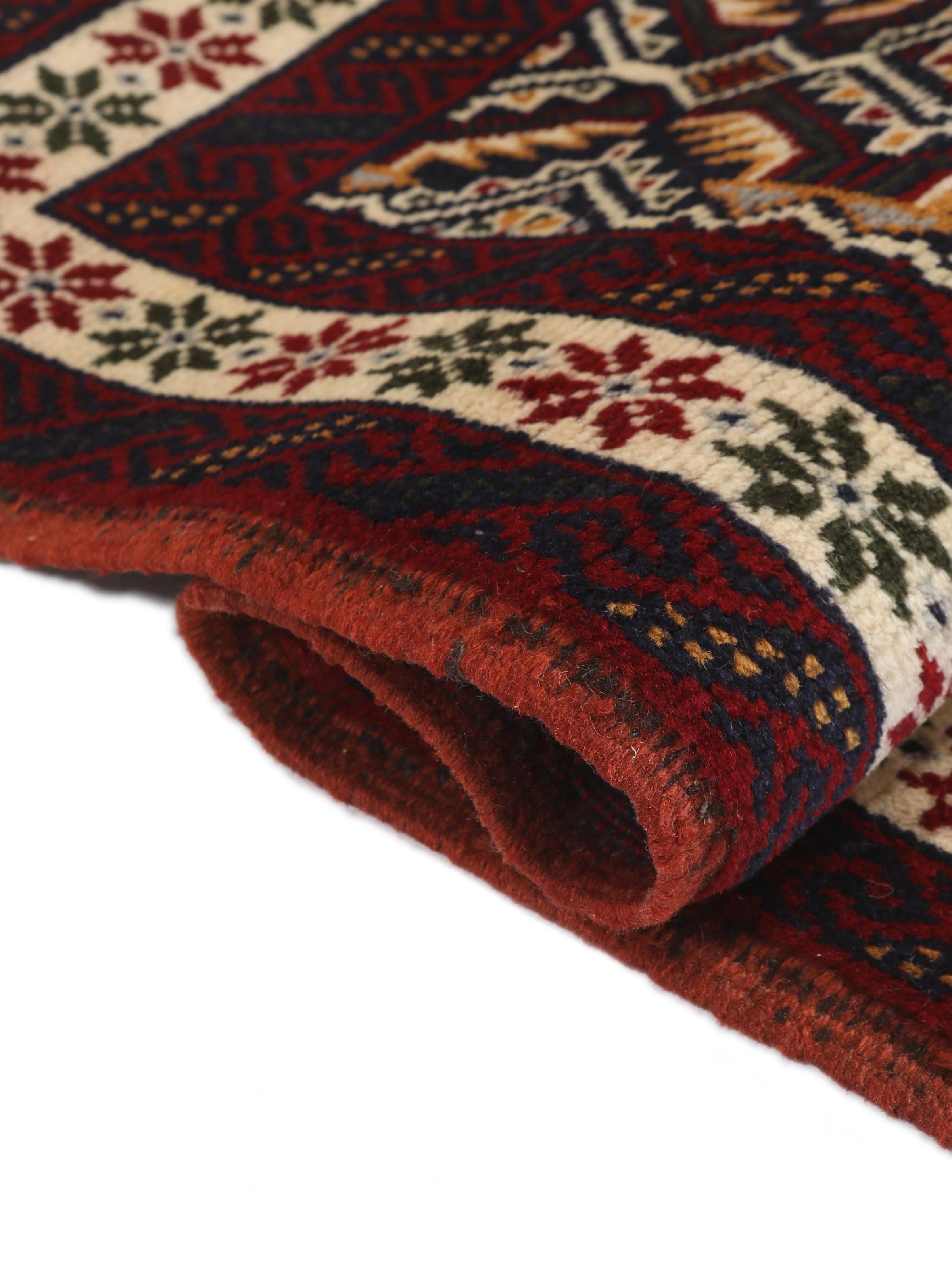
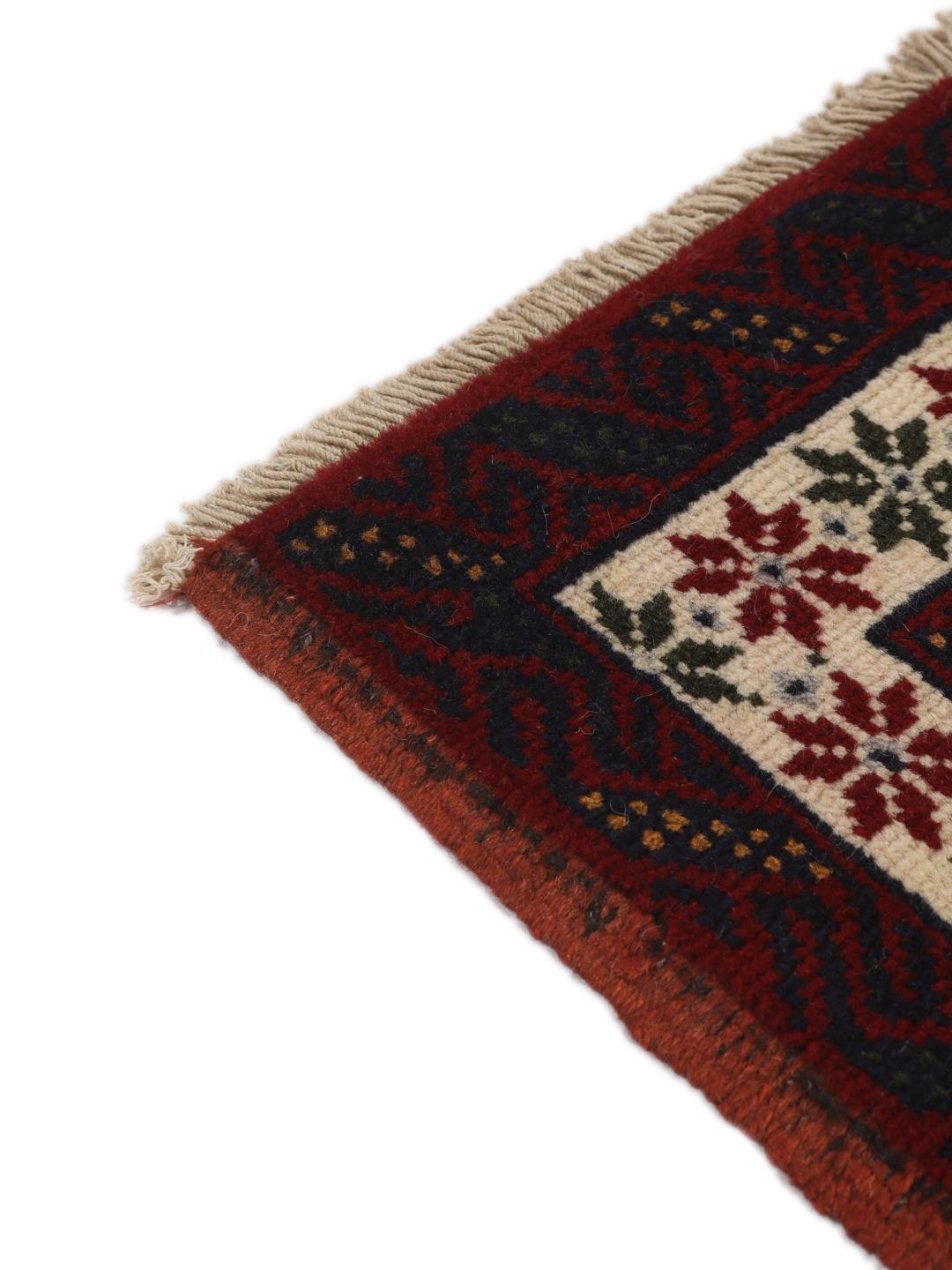
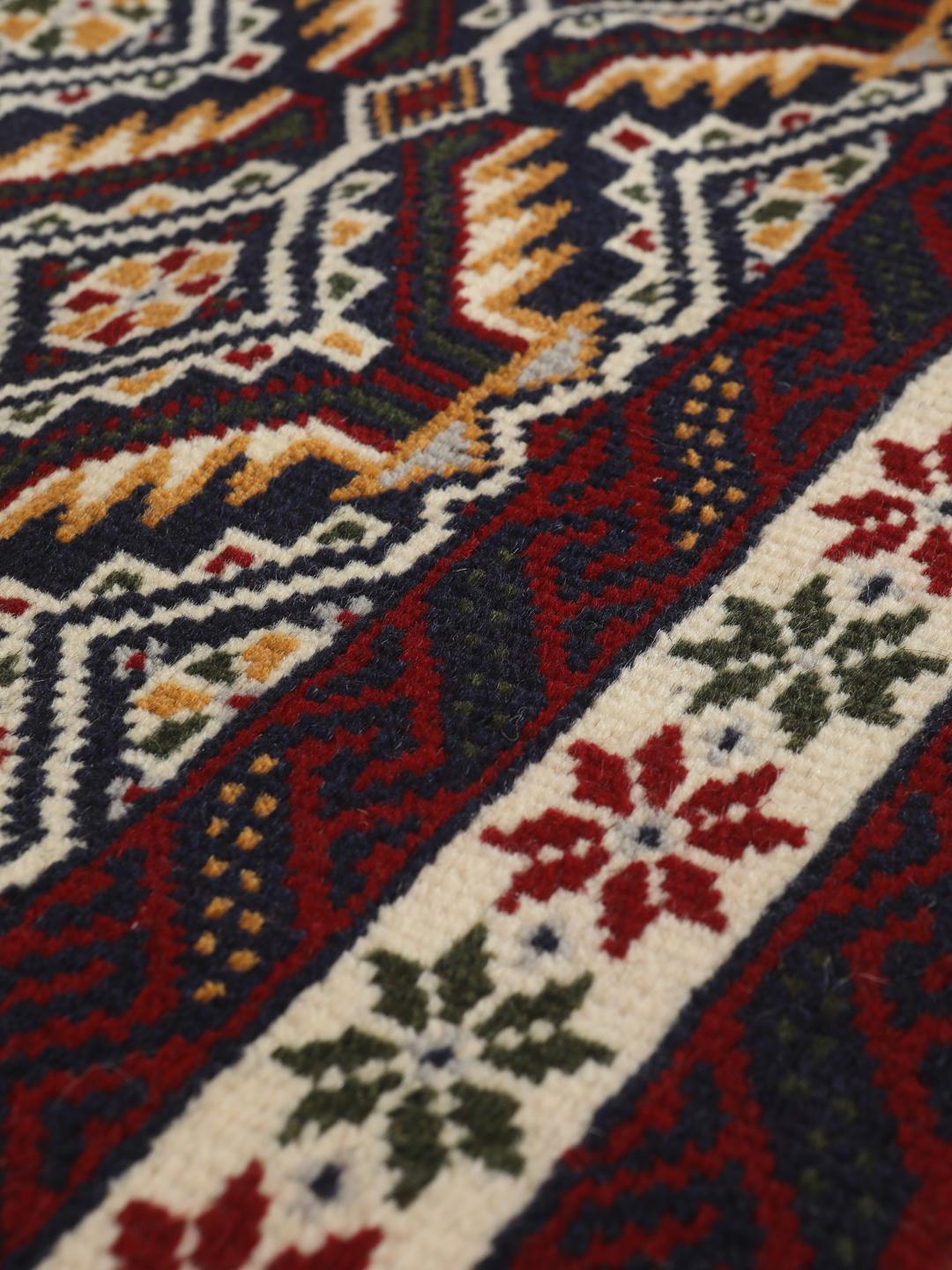
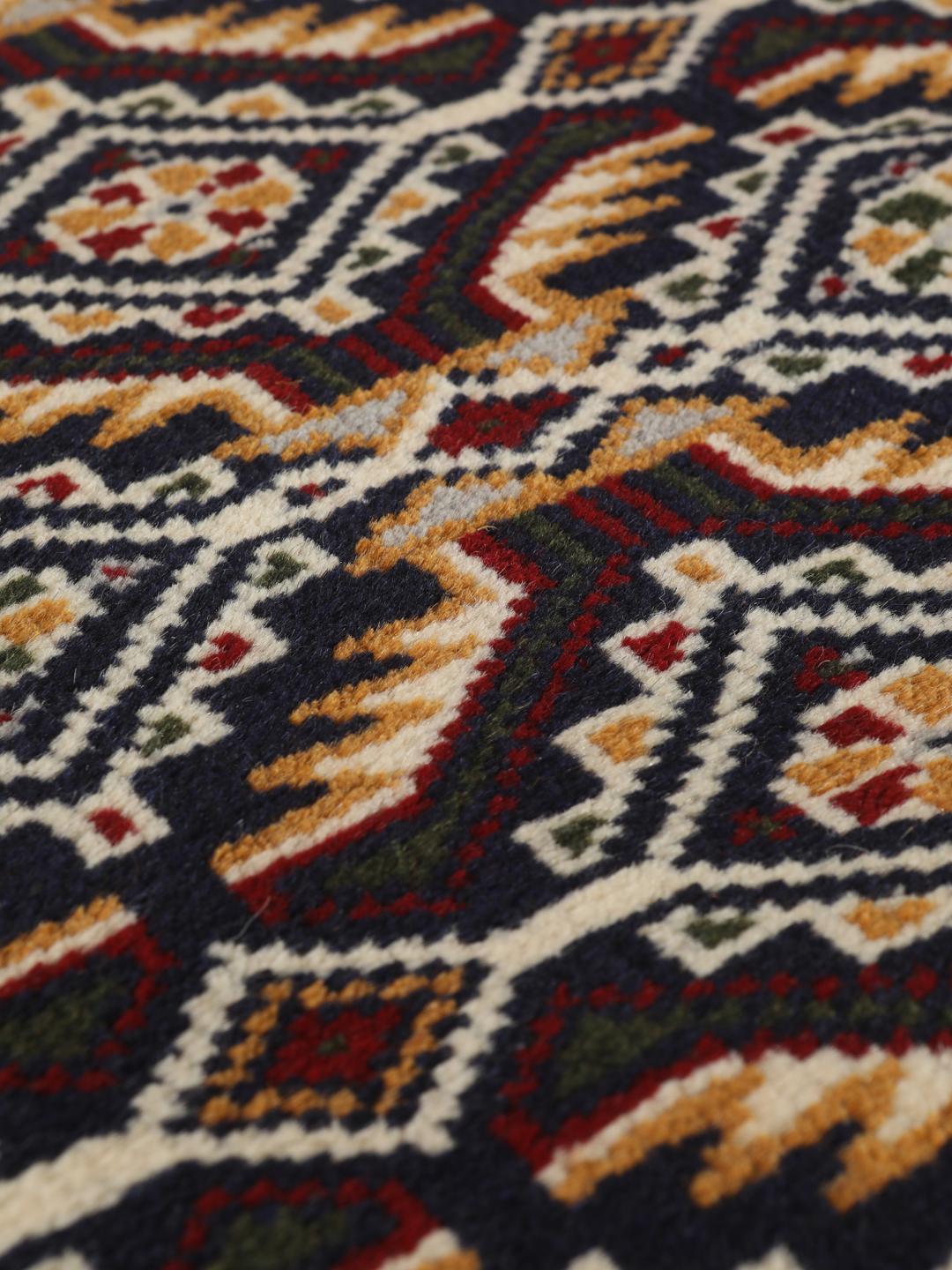
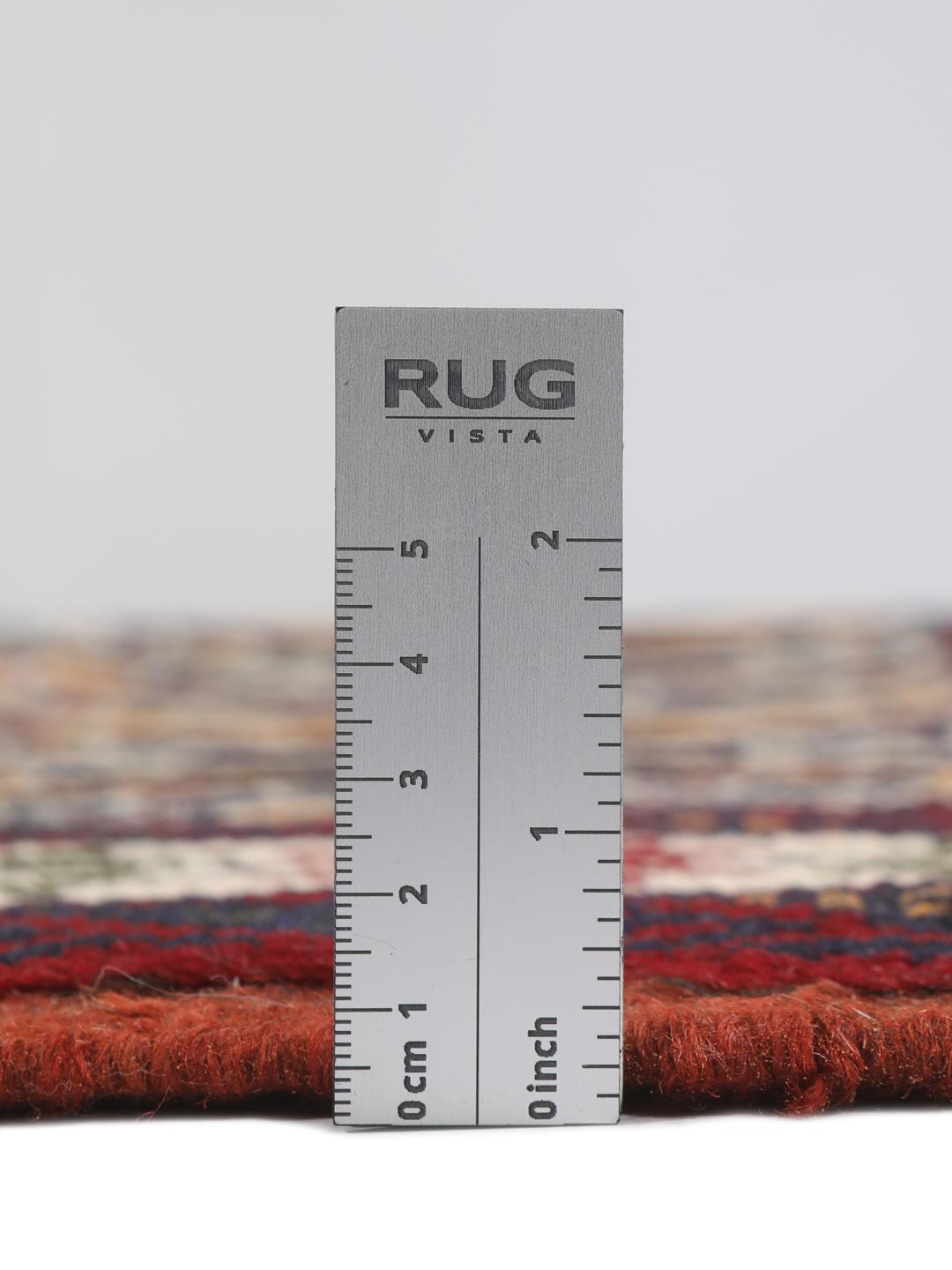
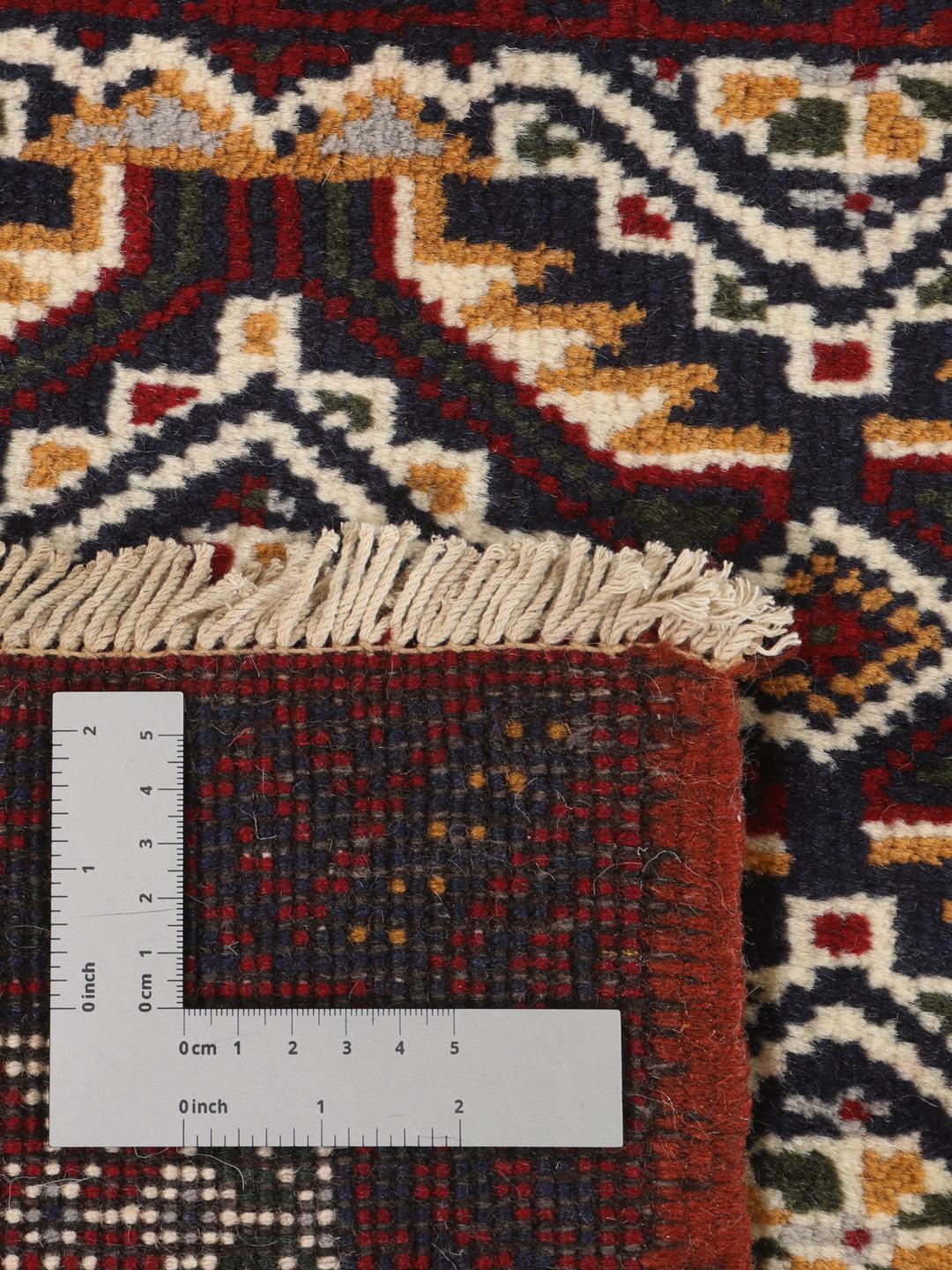
Technically, the Baluch tradition is characterised by a specific approach to construction that prioritises strength and depth. Using high-quality wool, these rugs are known for their firm, tight pile that feels substantial and rich. The way the fibres are prepared and knotted is intended to create a surface that remains vibrant and intact, showcasing why these rugs have been favoured by collectors who appreciate the marriage of form and function.
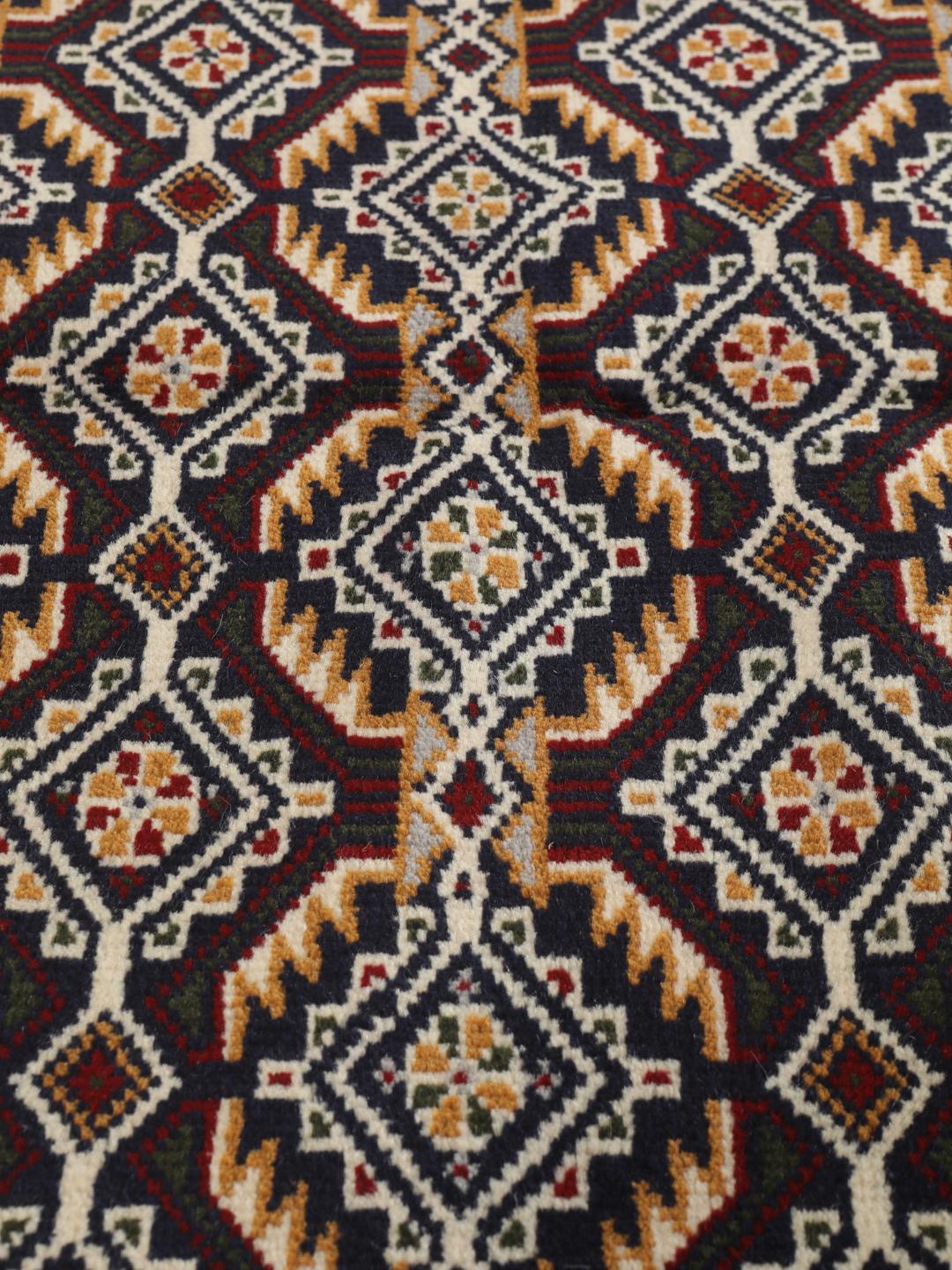
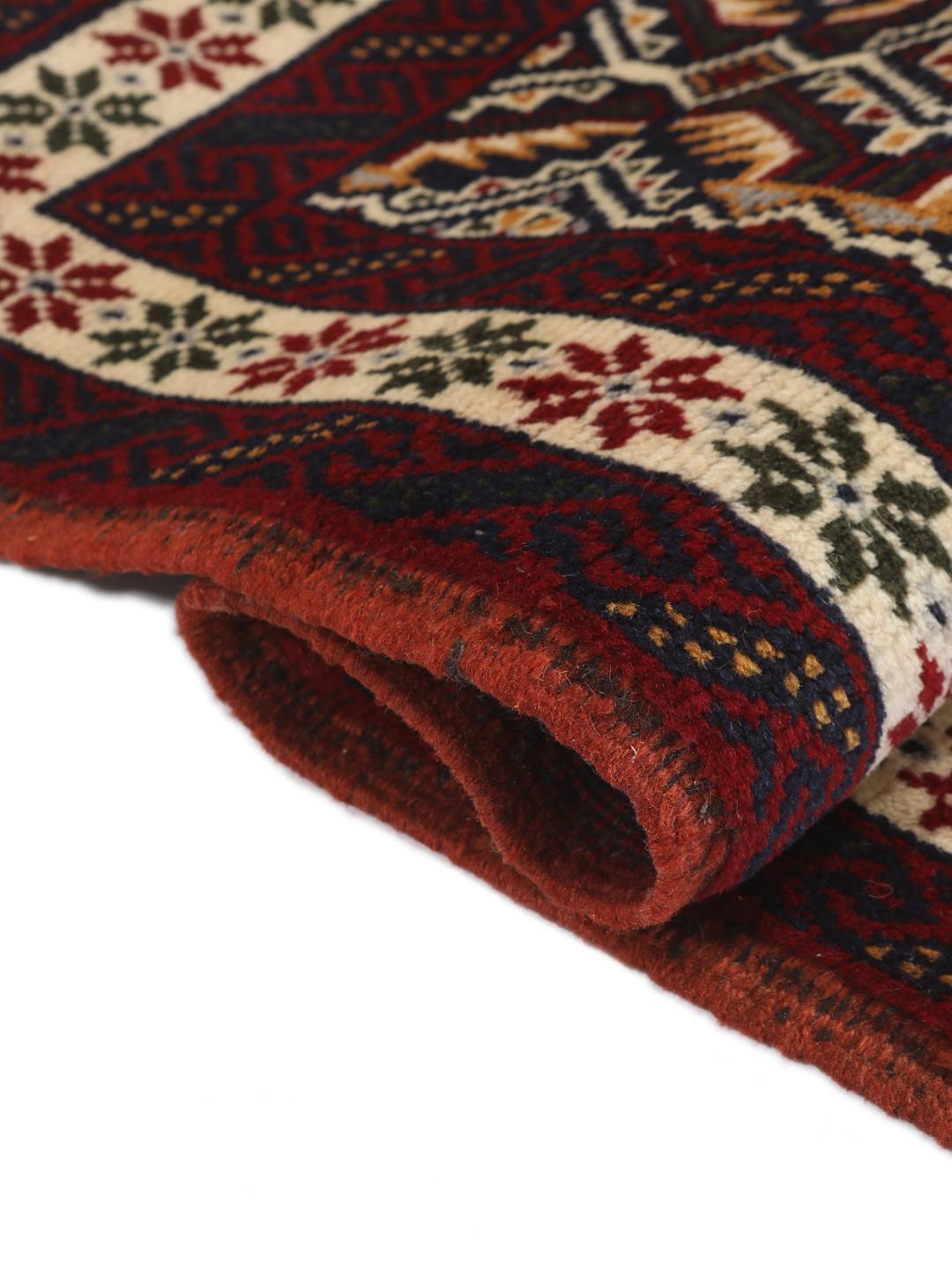
Signature design elements in Baluch weaving often involve complex geometric medallions, prayer motifs, and stylised floral or animal patterns. These motifs are typically framed by elaborate borders, creating a structured look that draws the eye inward. The colour palette is frequently dominated by deep, earthy tones like dark red, navy, and charcoal, which are derived from traditional natural dyes, lending the rugs a sense of warmth and timelessness.
Owning a Baluch rug is an investment in a storied craft that has remained vital through centuries of change. These rugs are highly valued not only for their aesthetic beauty but also for the skill and heritage they represent. When you place a Baluch rug in your home, you are connecting to a long lineage of artisans, preserving a piece of cultural history that continues to bring warmth and sophistication to contemporary living spaces.