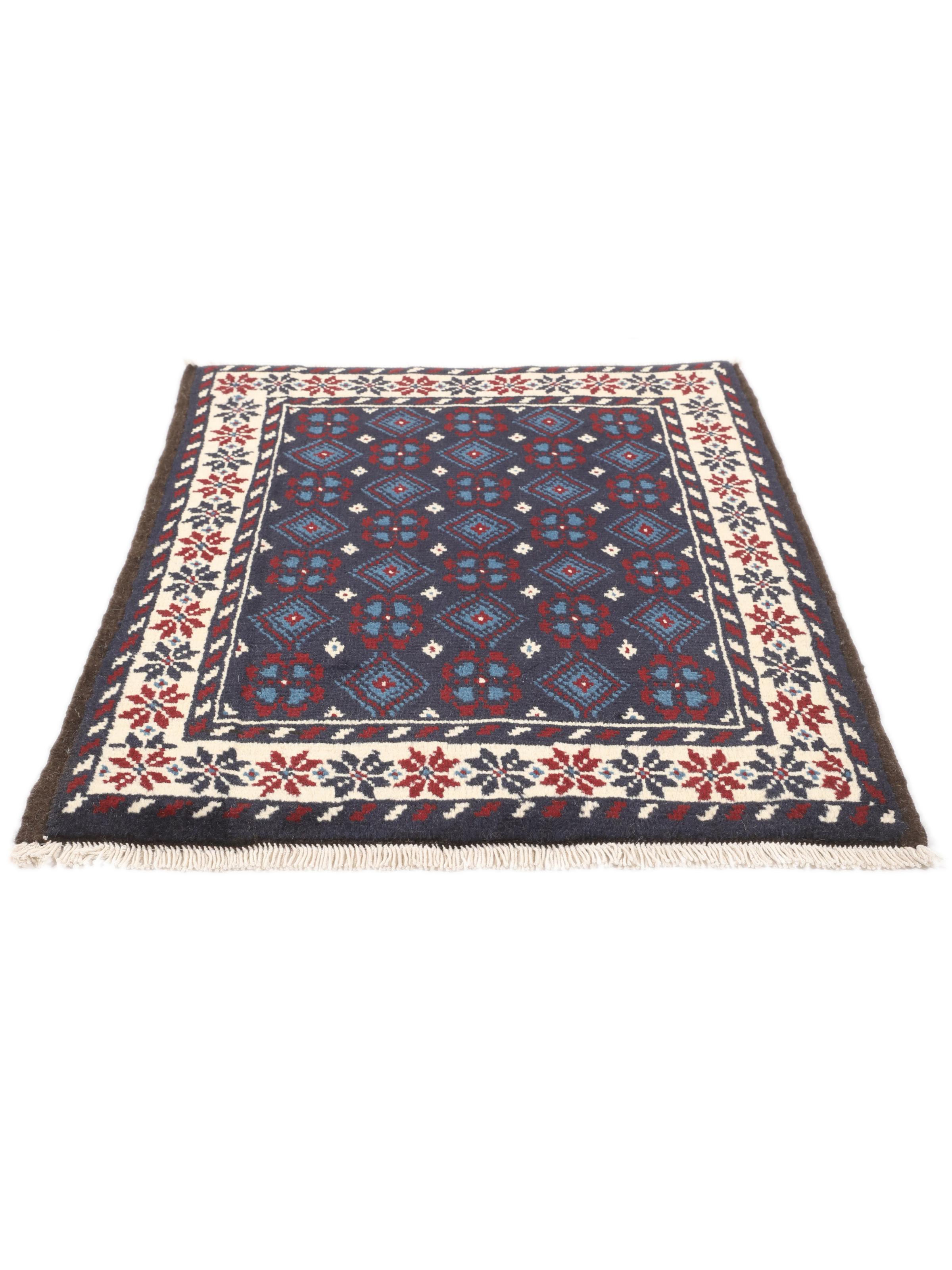
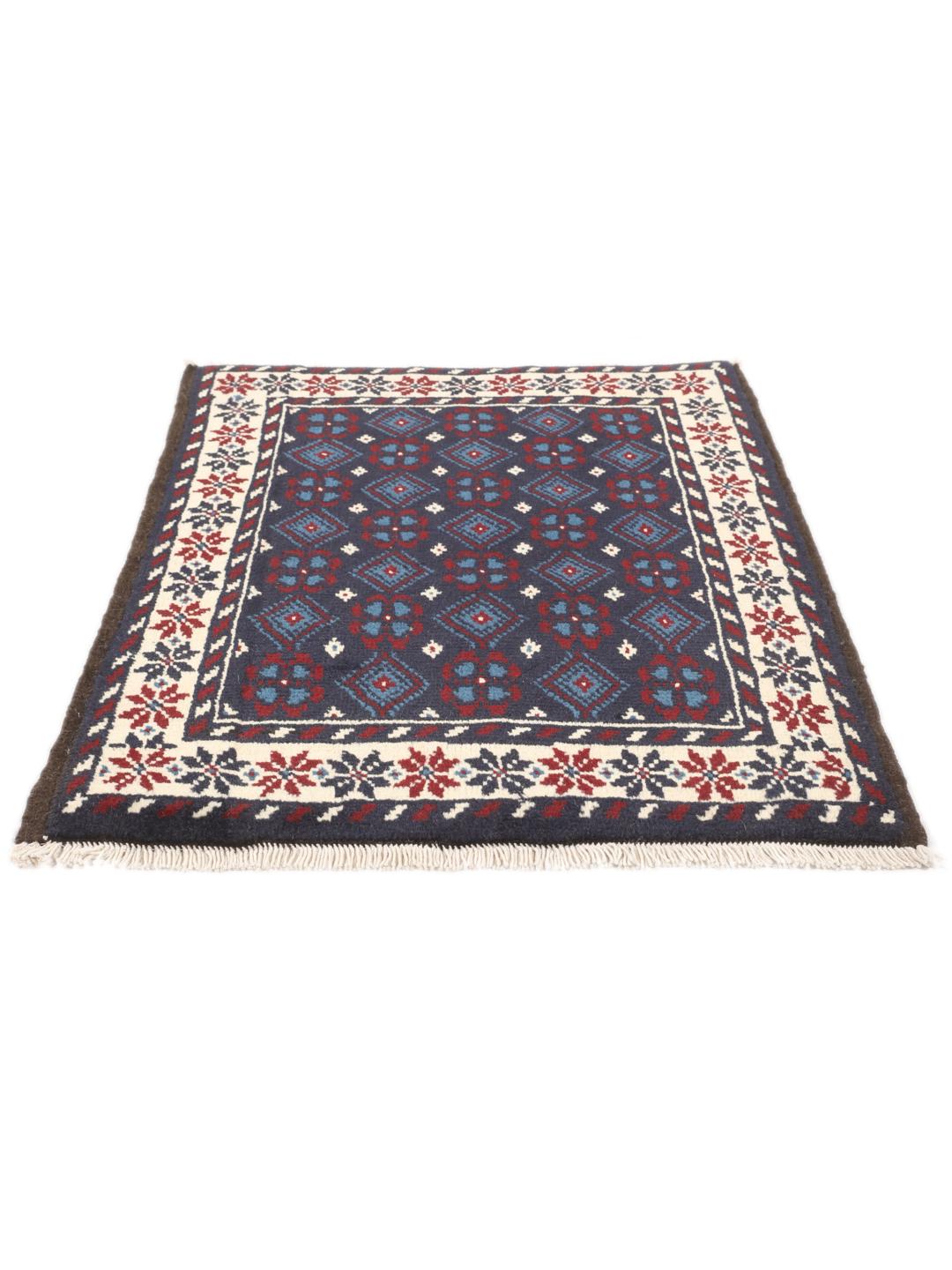
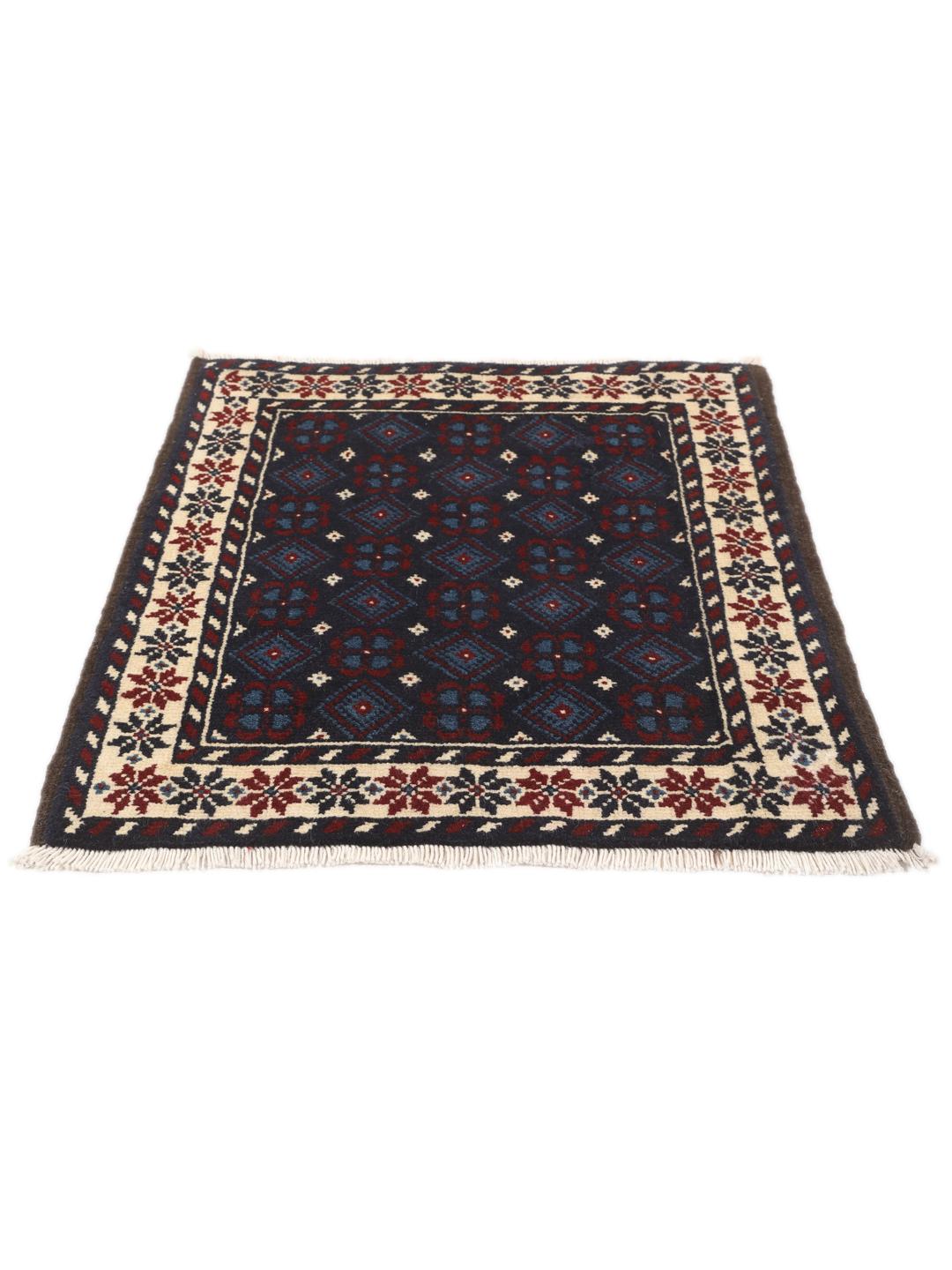
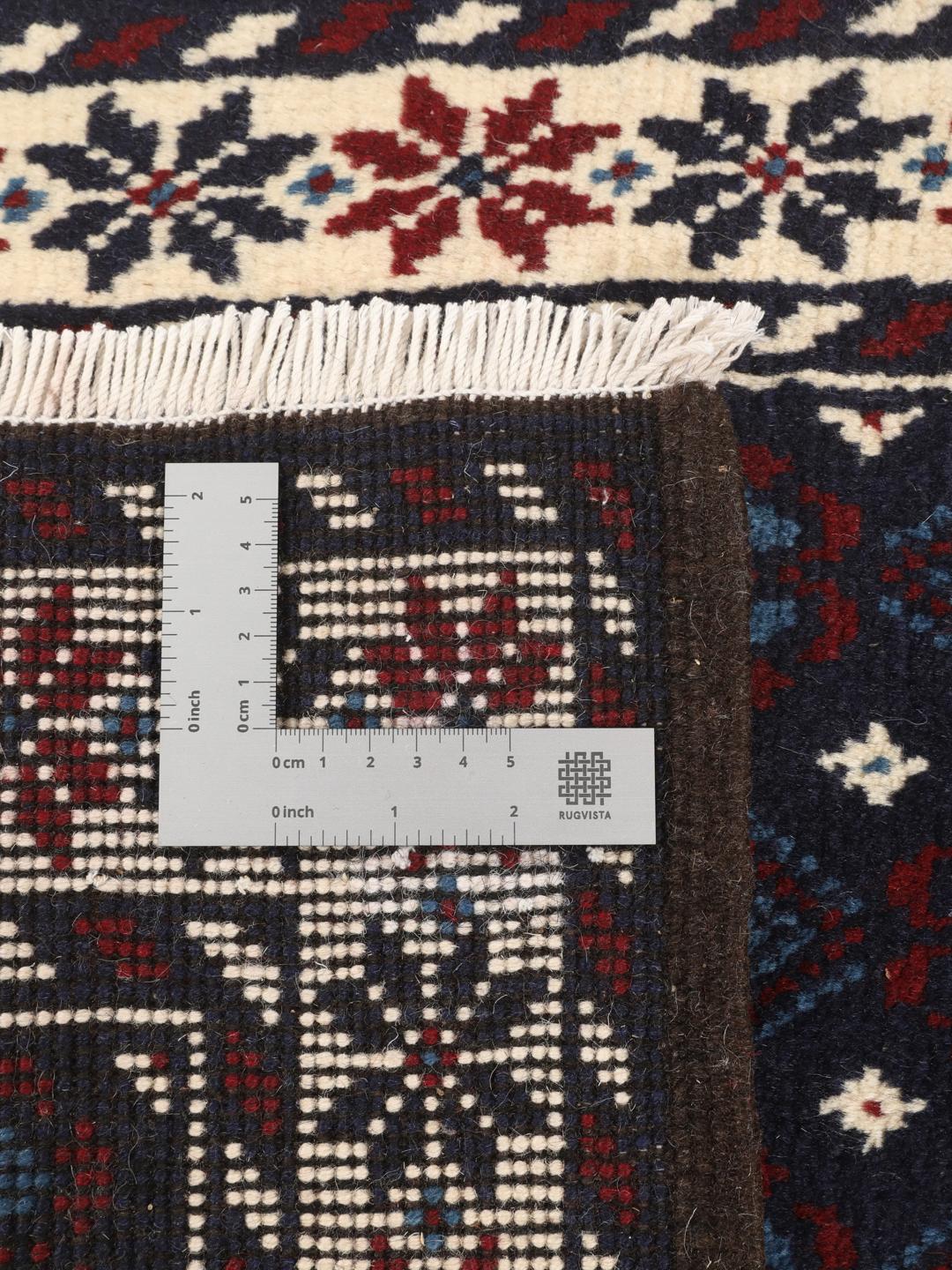
Baluch rugs originate from the nomadic tribes of the Middle East, specifically the Baluchi people who historically moved across vast regions between the borders of modern-day states in the region. These rugs are deeply rooted in a nomadic lifestyle, designed to be portable yet durable enough to withstand the rigours of desert life.
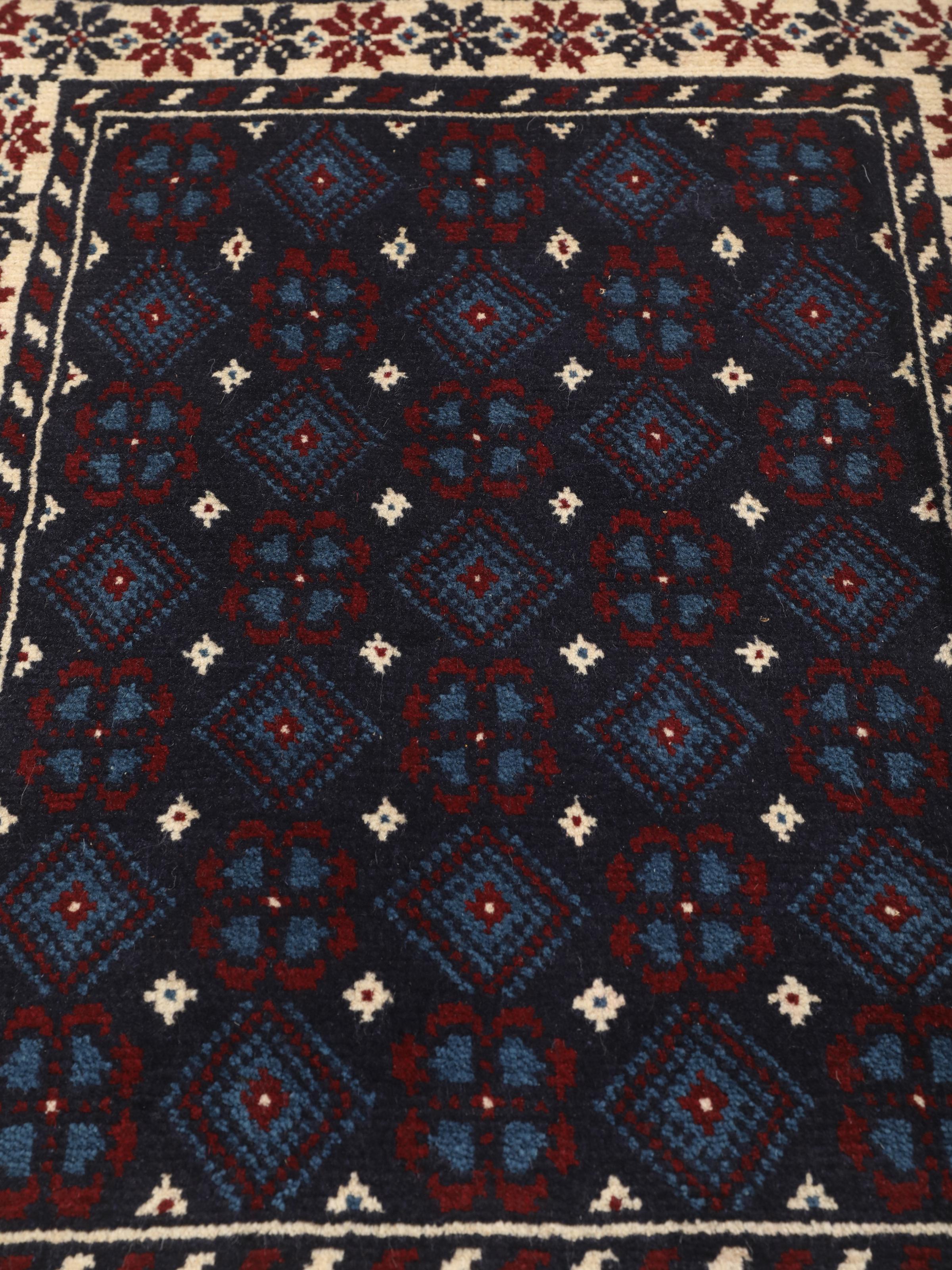
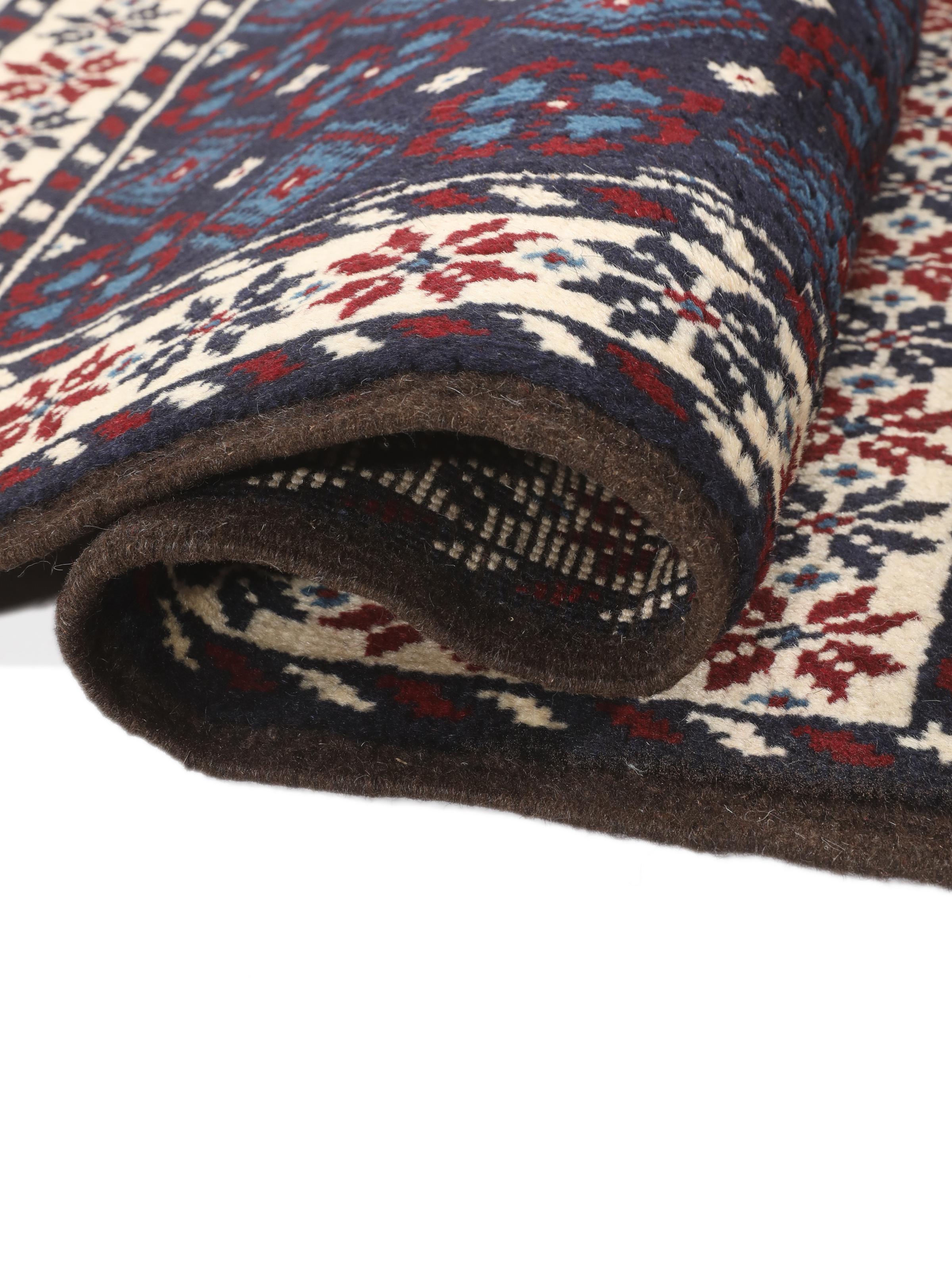
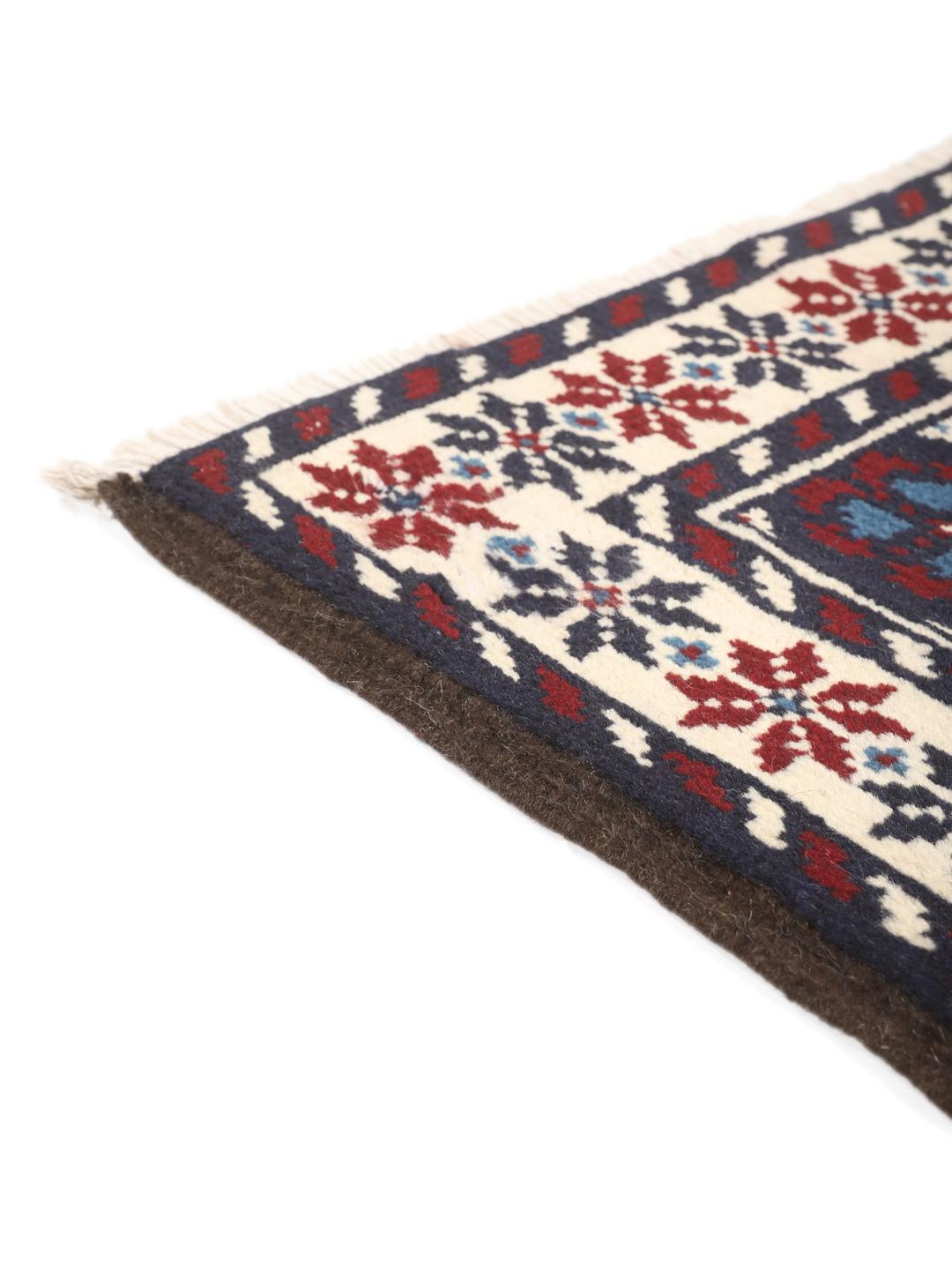
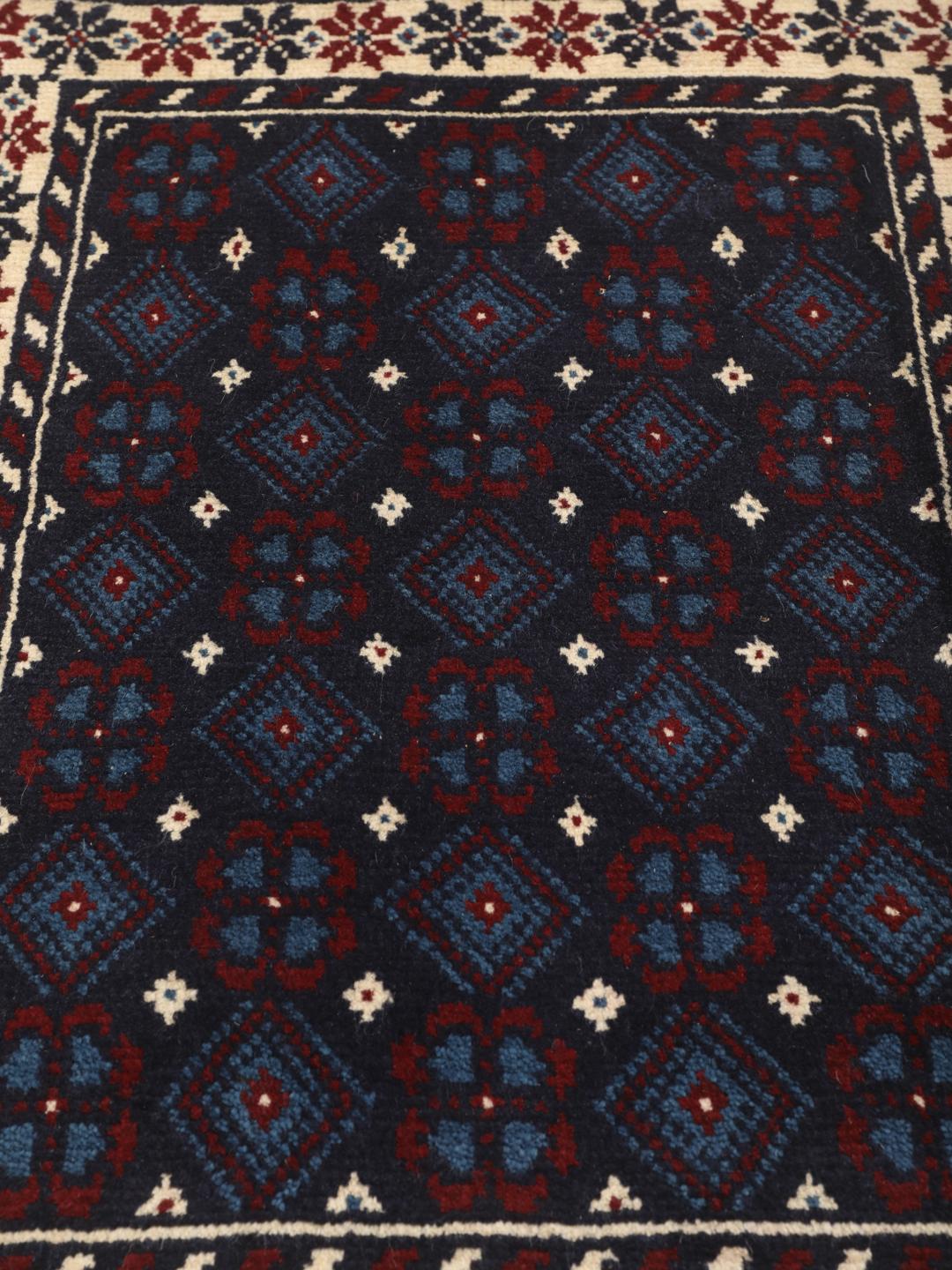
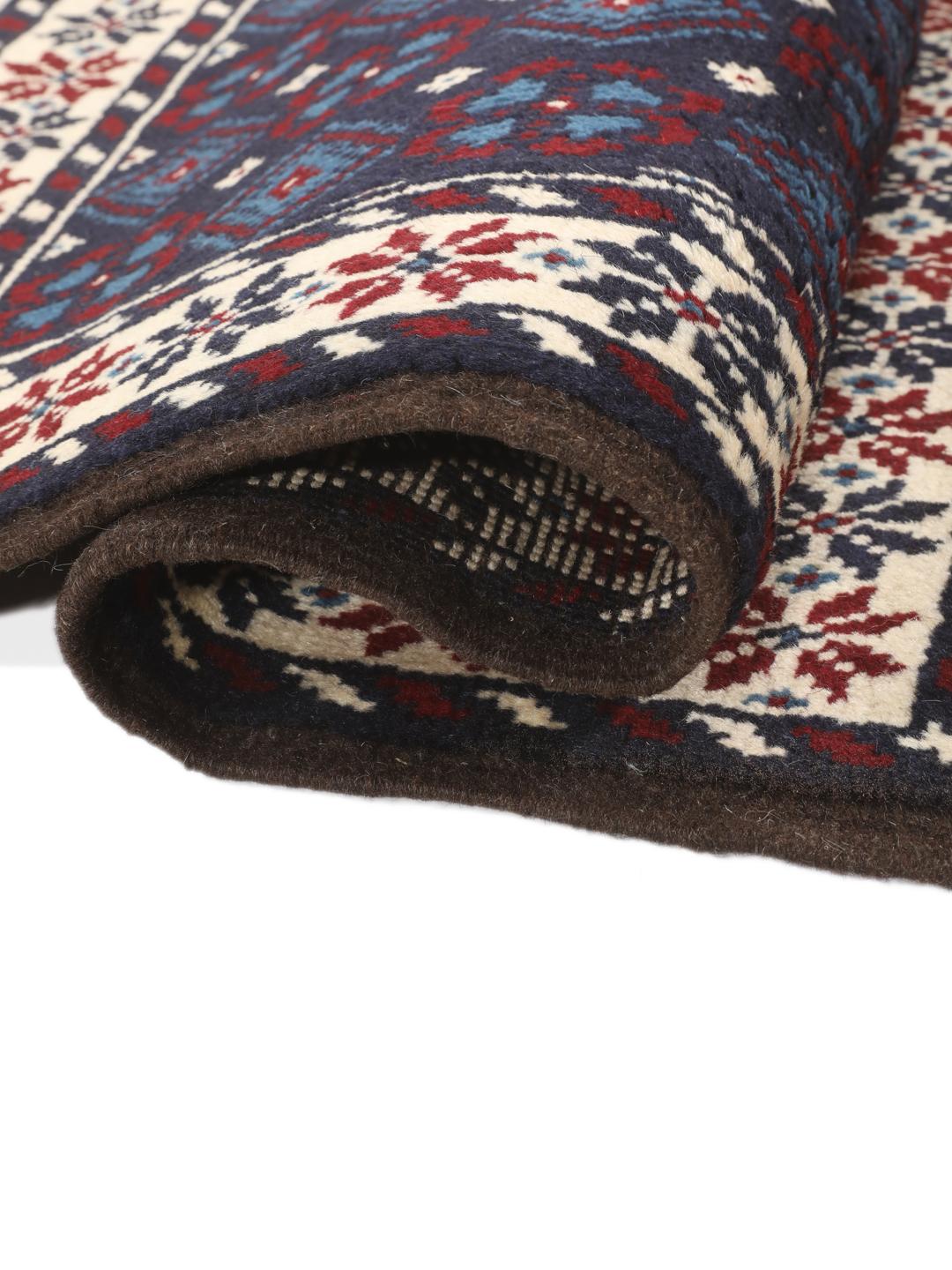
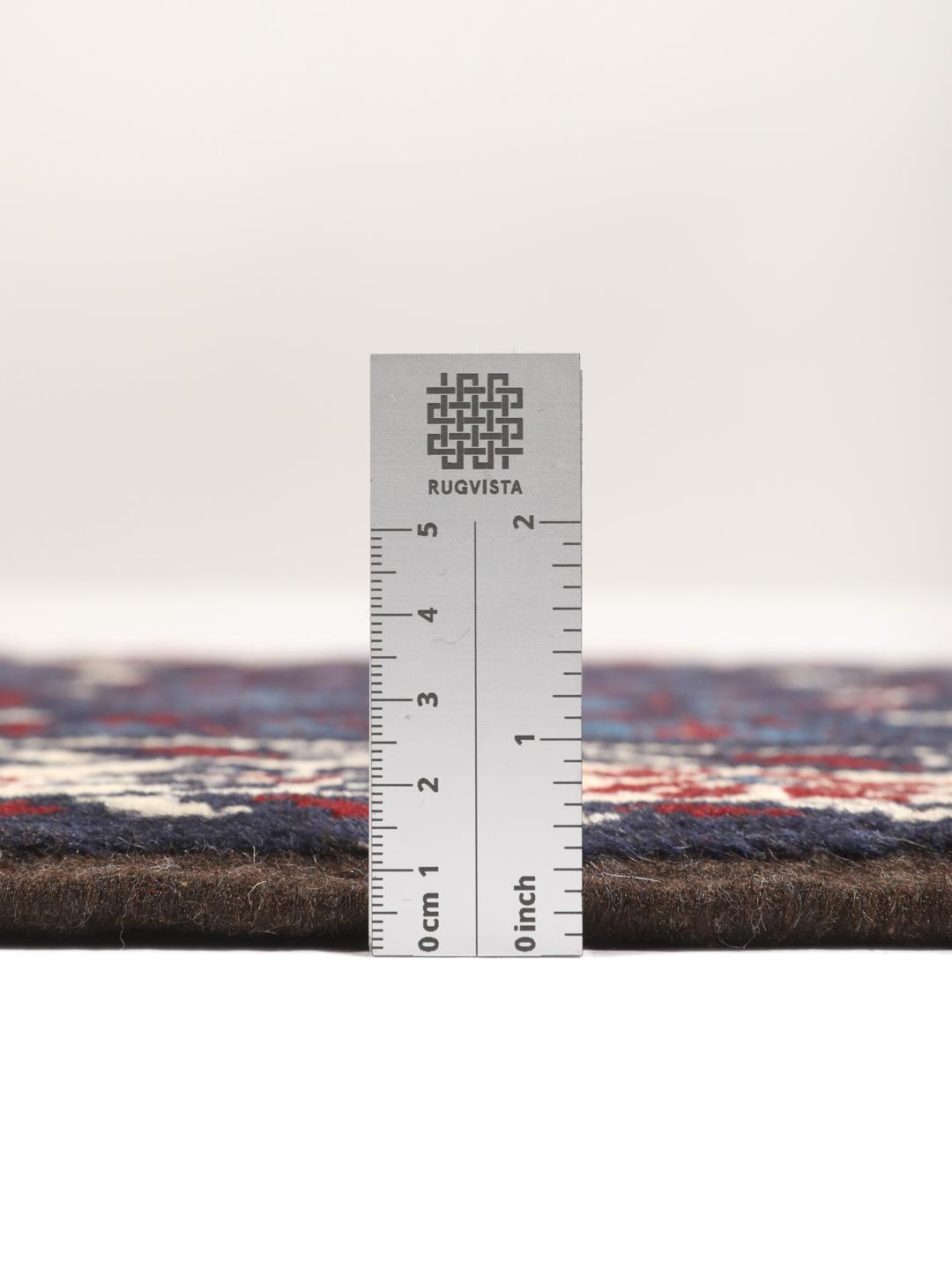
The construction of these pieces often utilises a sturdy foundation, which allows for the tight, dense pile that Baluch rugs are known for. This density is not just for aesthetic appeal, it provides a protective barrier against the cold ground, reflecting the practical needs of the tribes who first developed these weaving techniques.
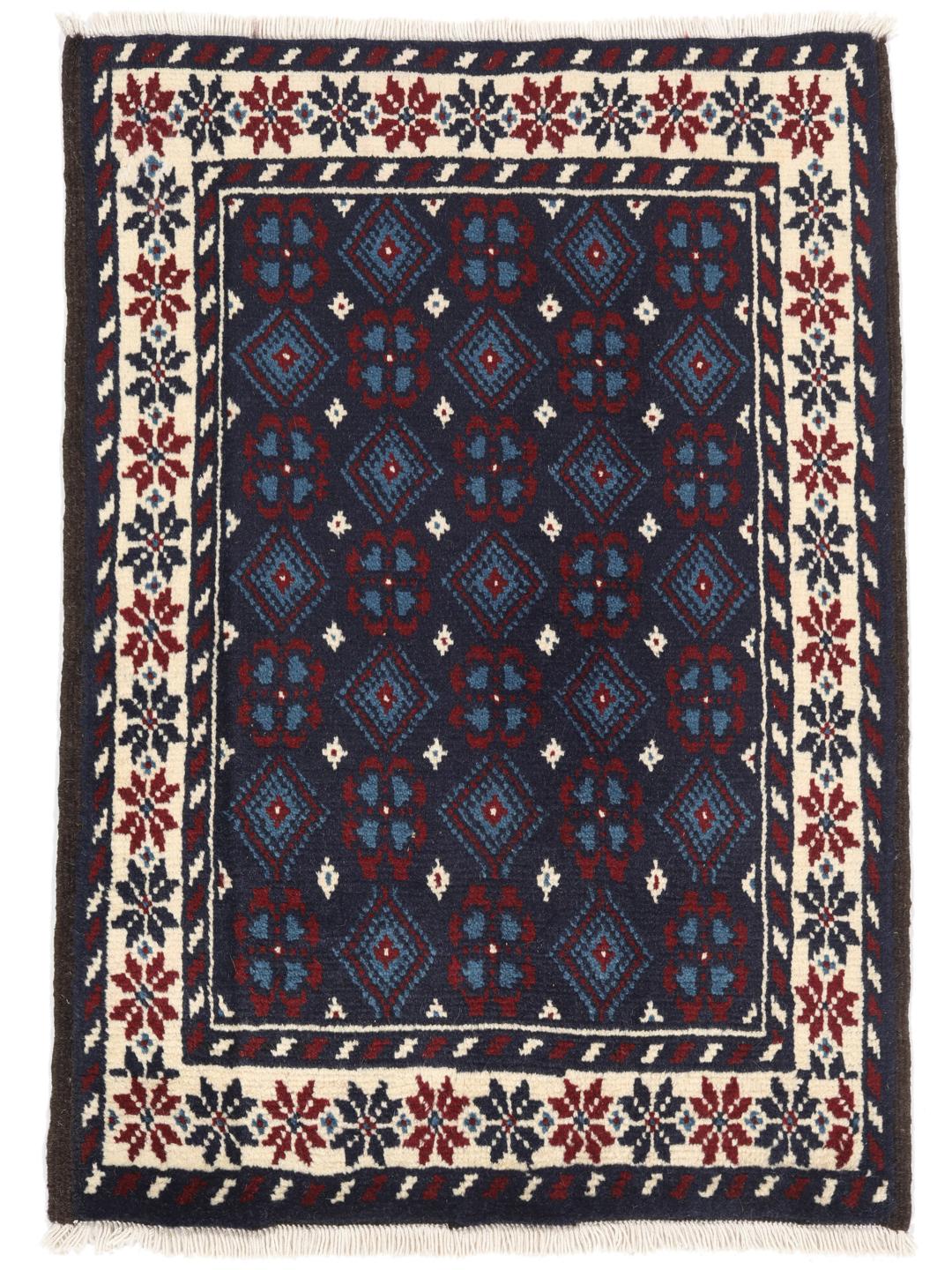
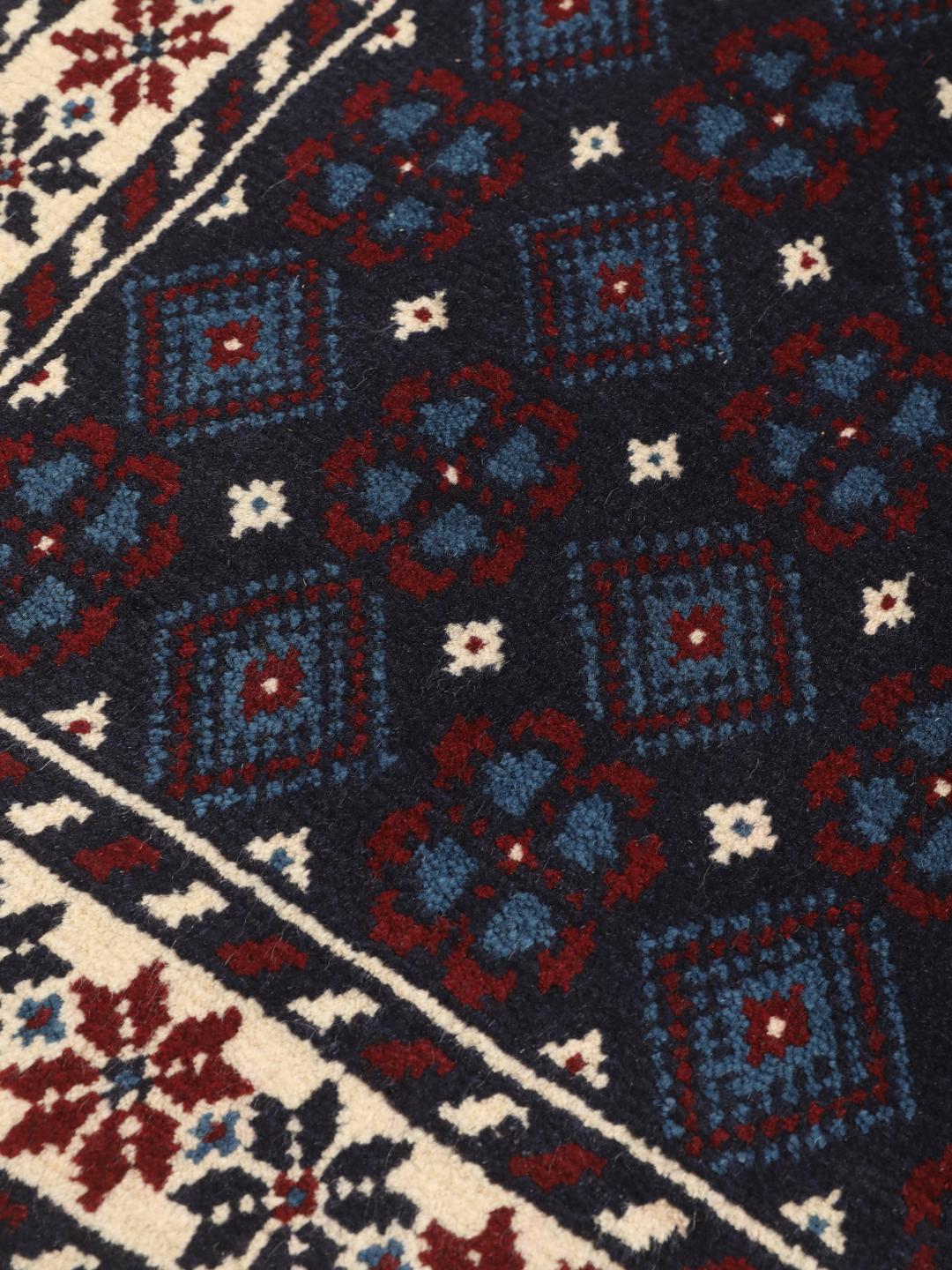
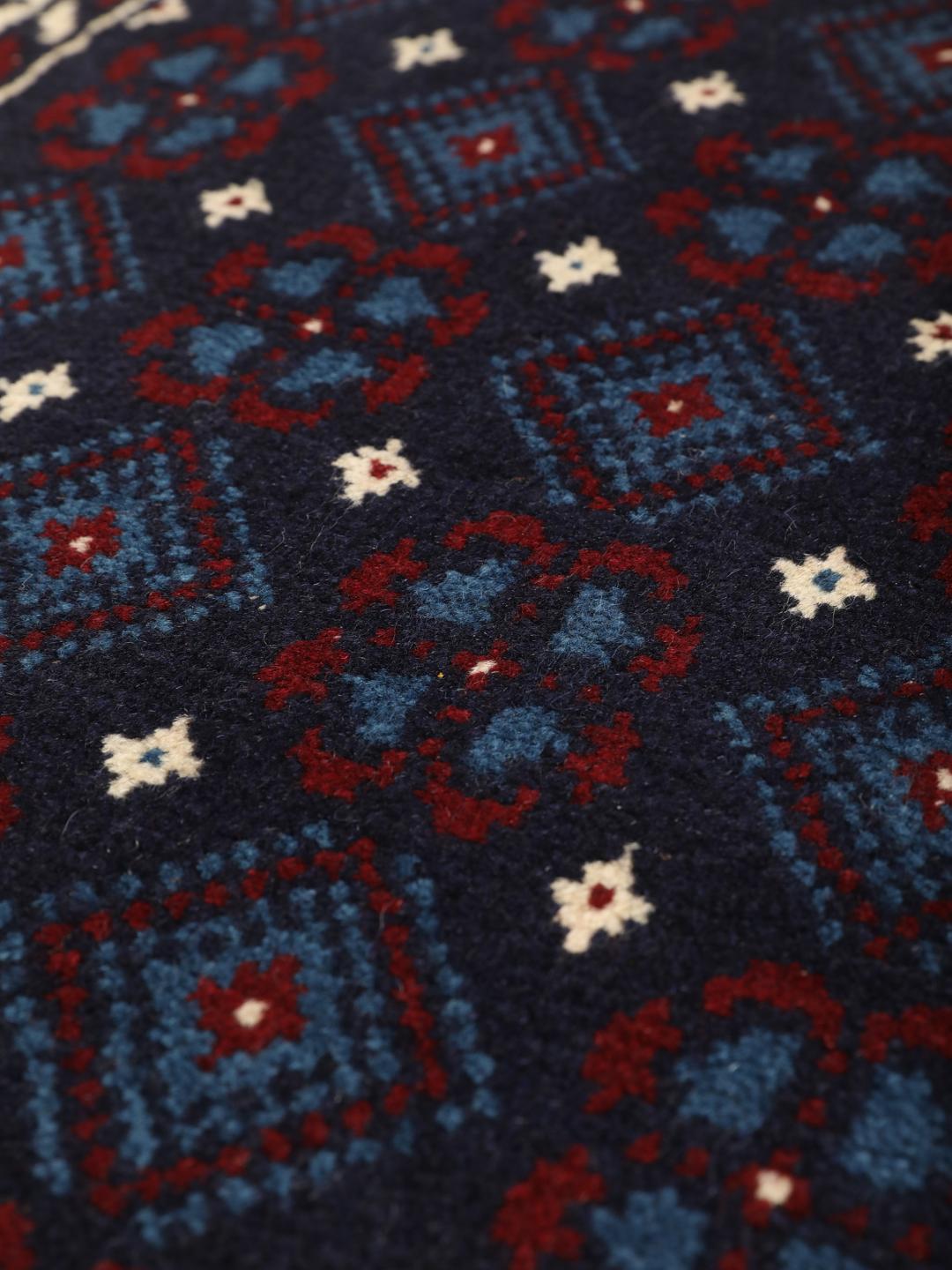
Visually, these rugs are celebrated for their geometric artistry. They frequently feature repeating motifs, such as diamonds or stylized floral elements, often rendered in a palette of deep reds, blues, and earthy tones. The borders are typically ornate, framing the central field with intricate patterns that showcase the weaver's creative expression.
Today, these rugs are highly sought after by collectors who value the cultural narrative woven into every thread. Owning a Baluch rug is more than just acquiring a floor covering, it is an appreciation of a centuries-old craft that has been passed down through generations, preserved by the skill and dedication of master weavers.