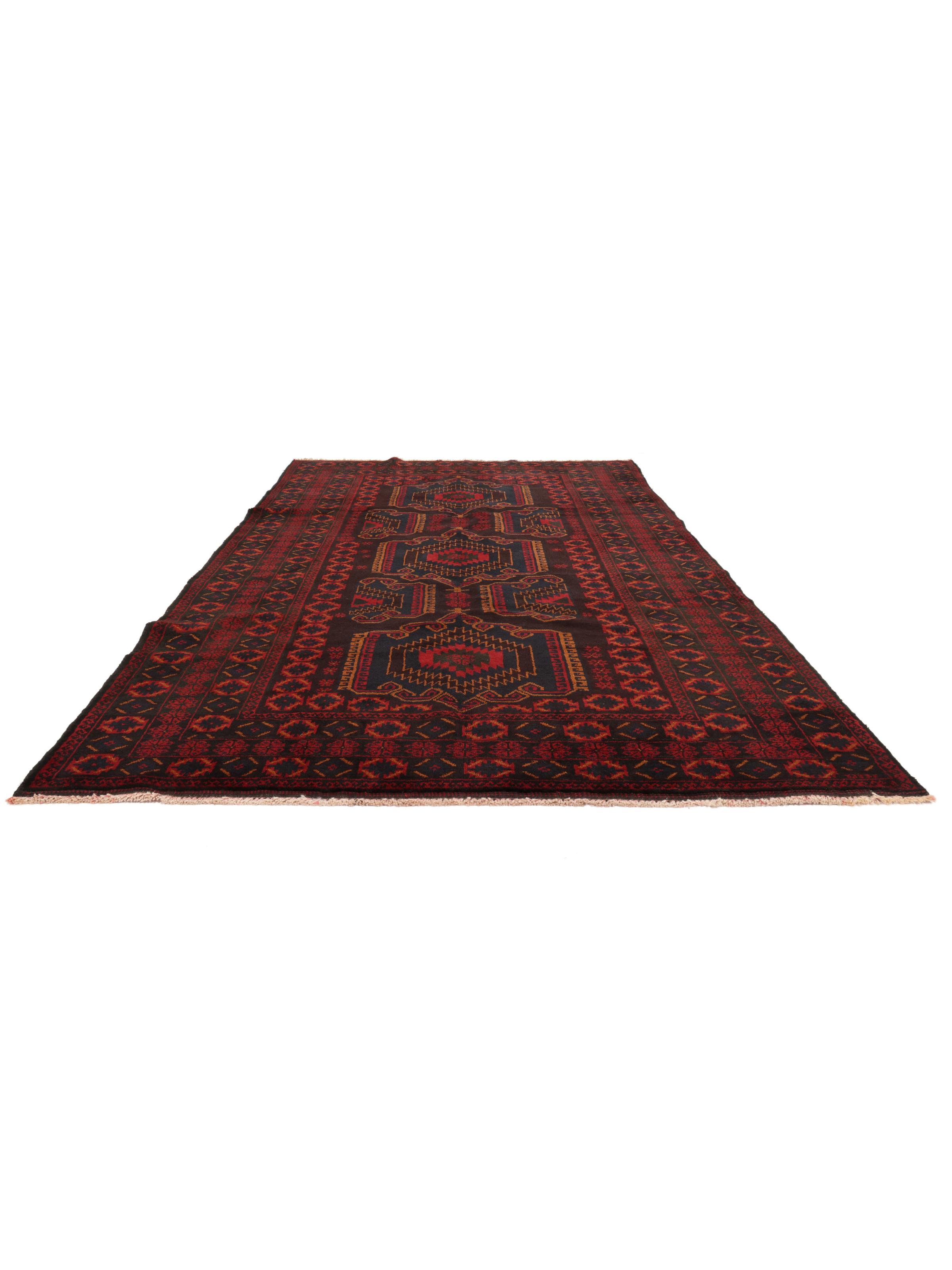
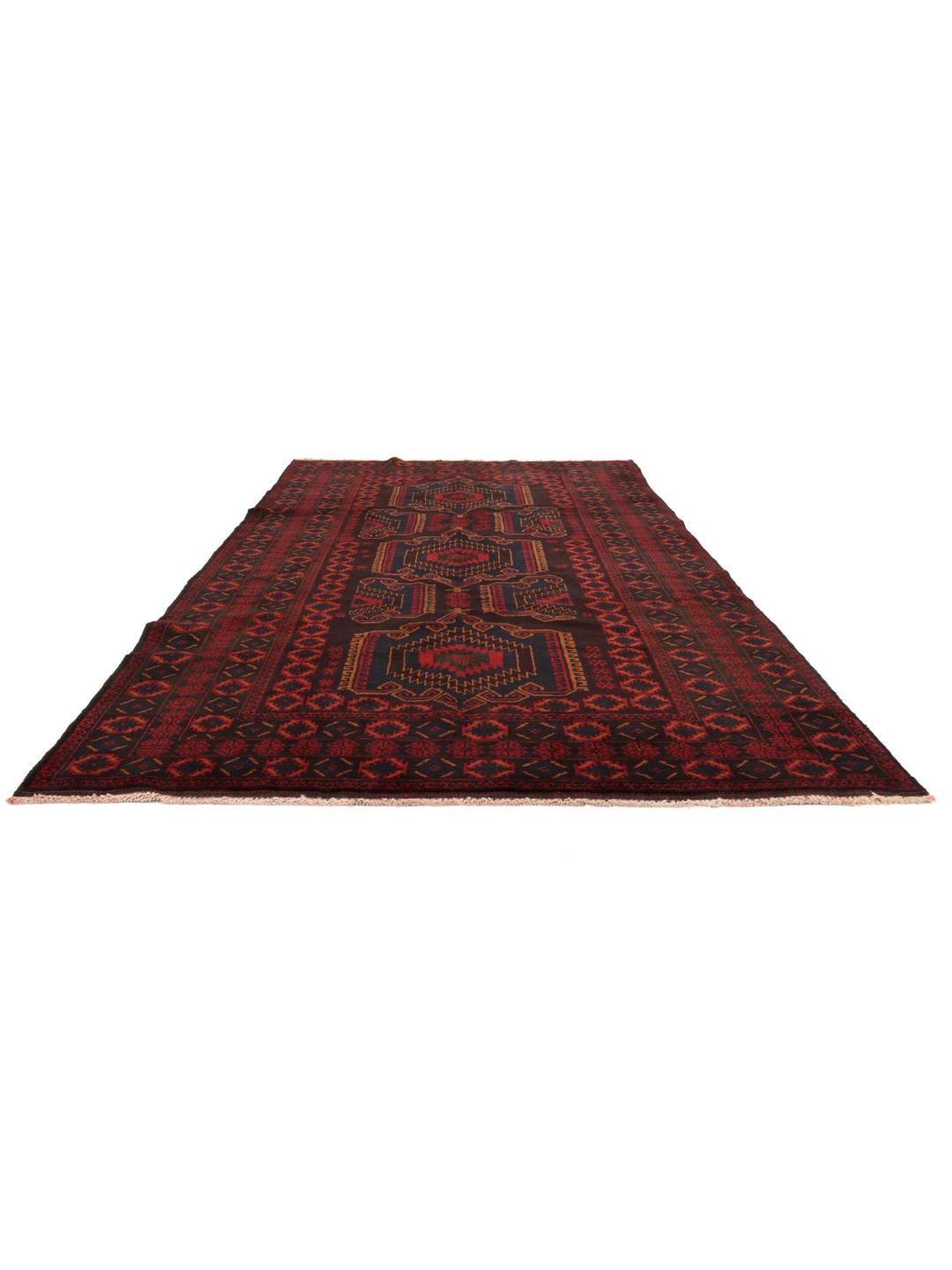
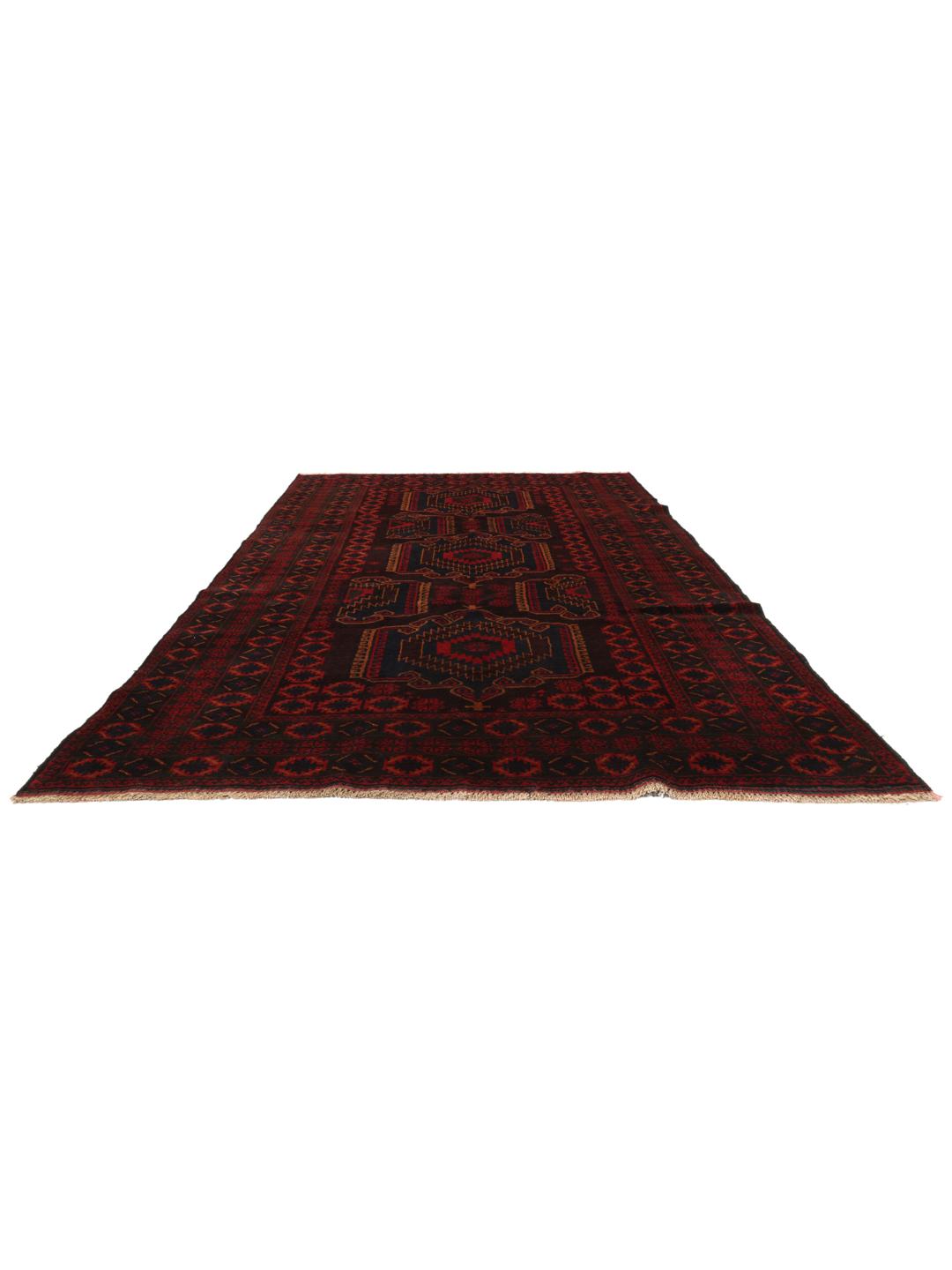
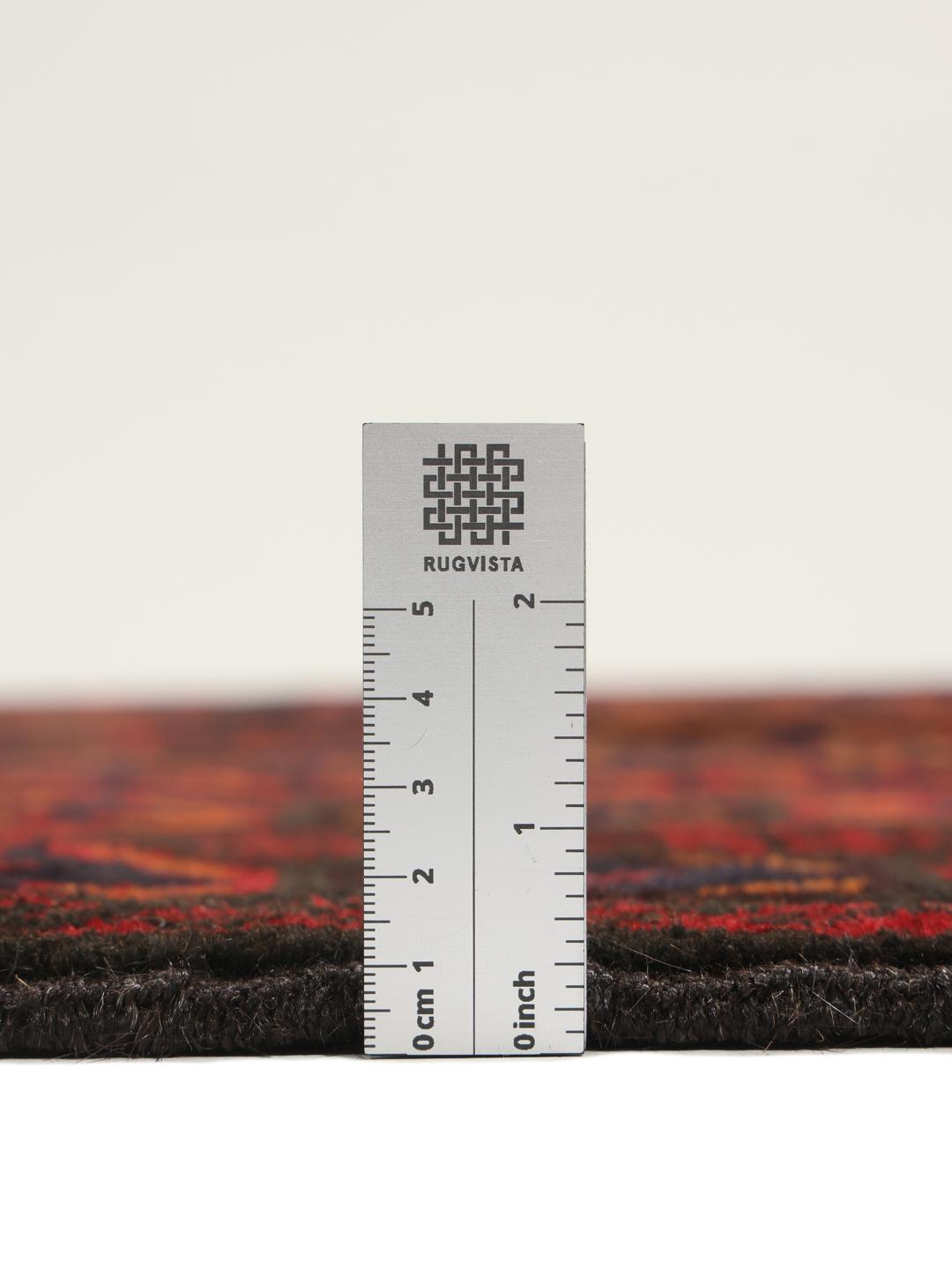
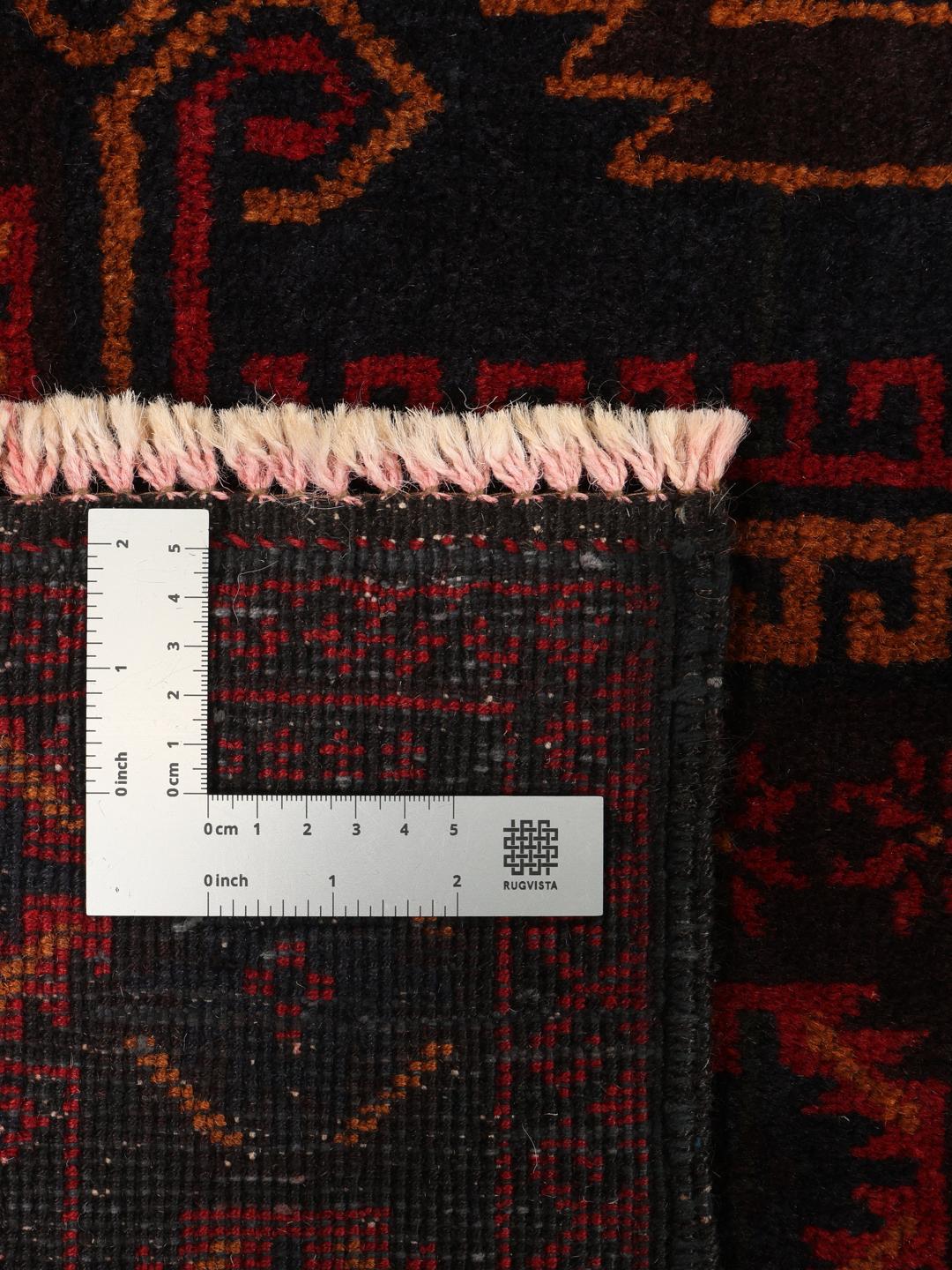
The Beluch rug tradition originates from the nomadic and semi-nomadic tribes of the Baluch people, who have historically inhabited the border regions spanning Afghanistan, the Middle East, and Pakistan. These rugs are deeply rooted in a nomadic lifestyle, where weaving served as an essential craft for creating functional items like tent bags and floor coverings. Over generations, these tribes have refined their unique aesthetic, blending cultural narratives with the practical needs of a travelling community.
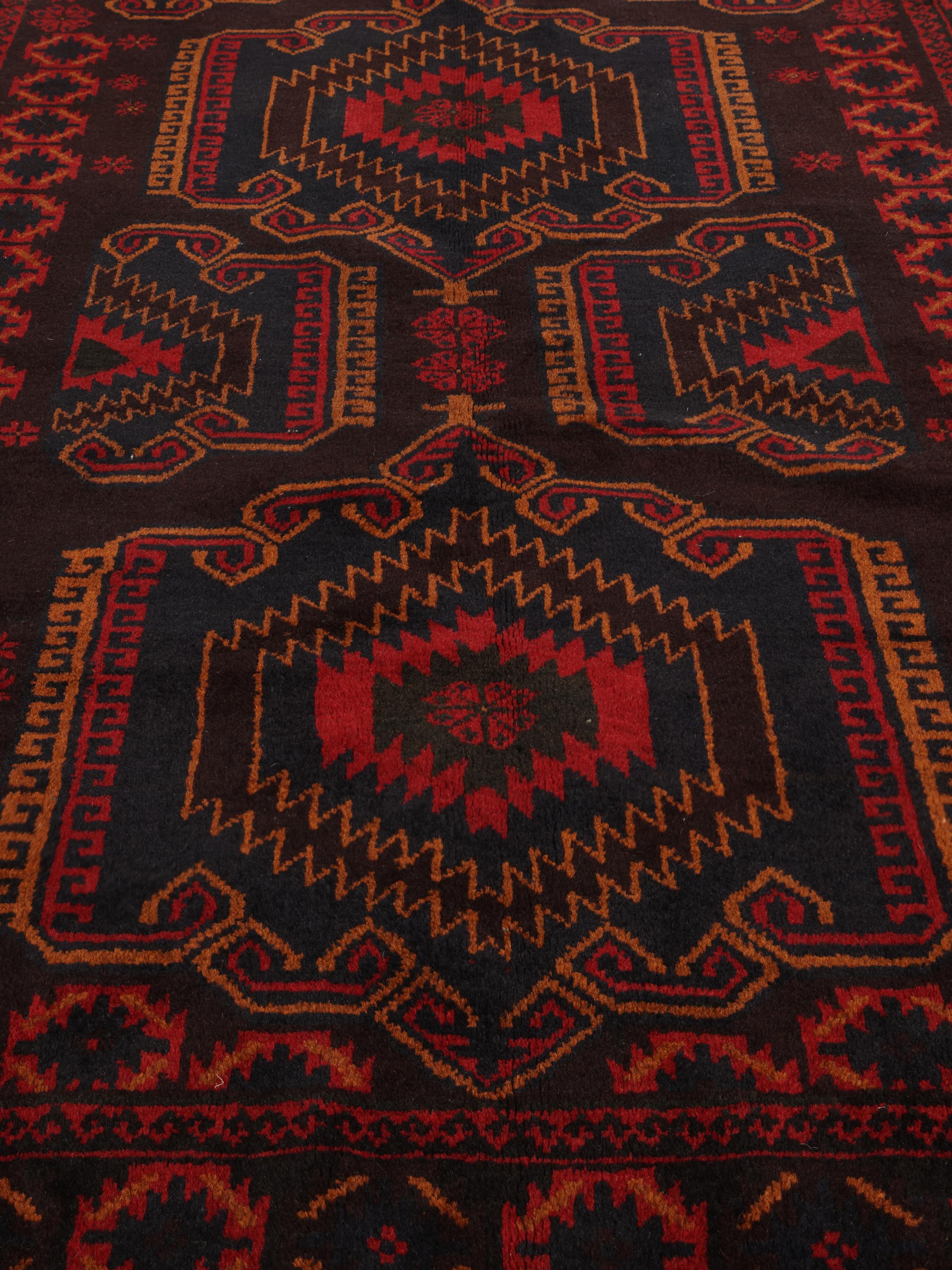
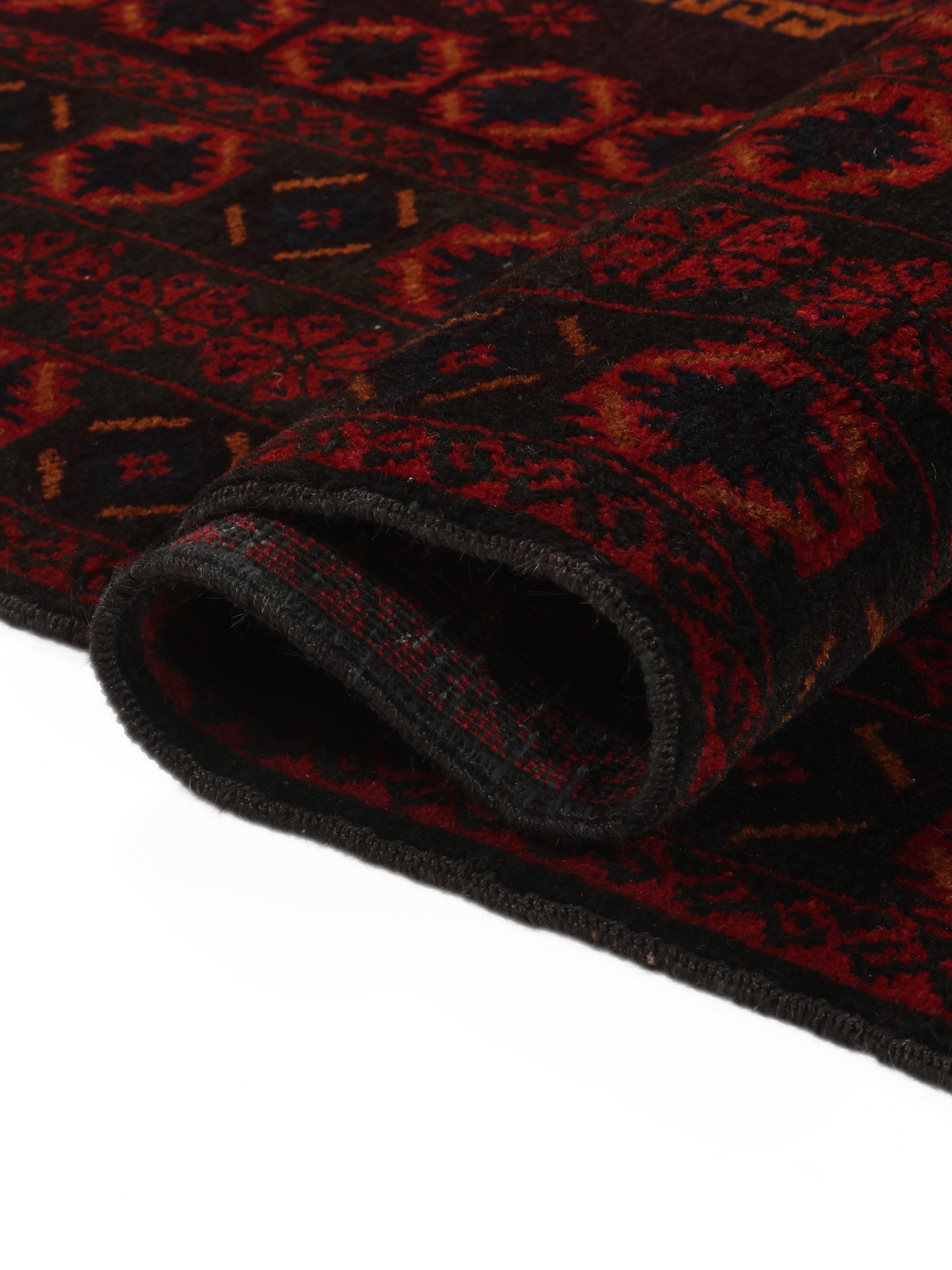
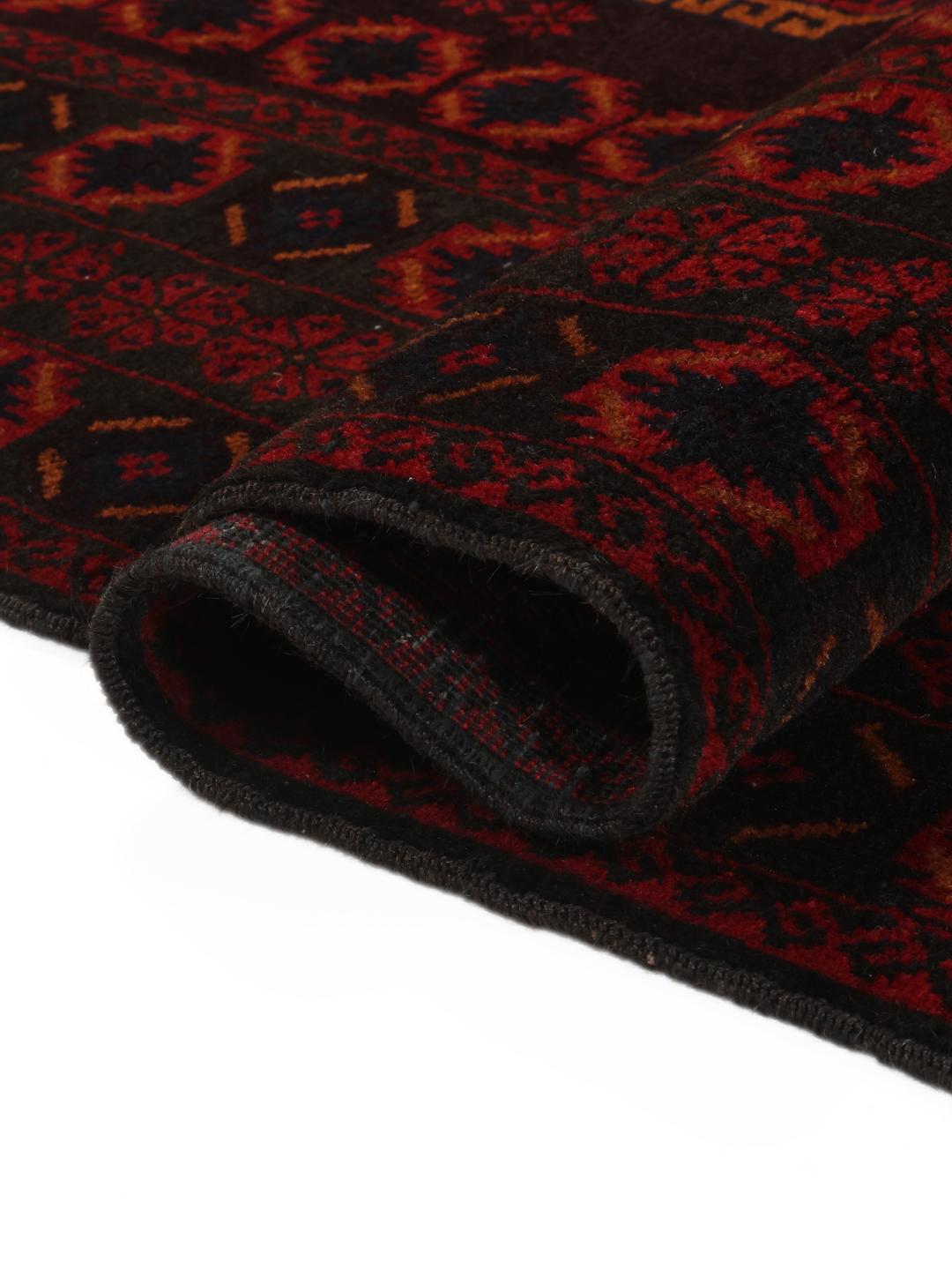
The term 'Beluch' or 'Baluch' refers to this distinct heritage, characterised by a specific approach to knotting and design. These rugs are typically hand-knotted using high-quality wool, often sourced from the tribes' own flocks. The technical mastery involved in creating these pieces includes a focus on tight, even knotting that allows for the fine details seen in their traditional geometric patterns, ensuring that each rug is built to endure the rigours of nomadic life.
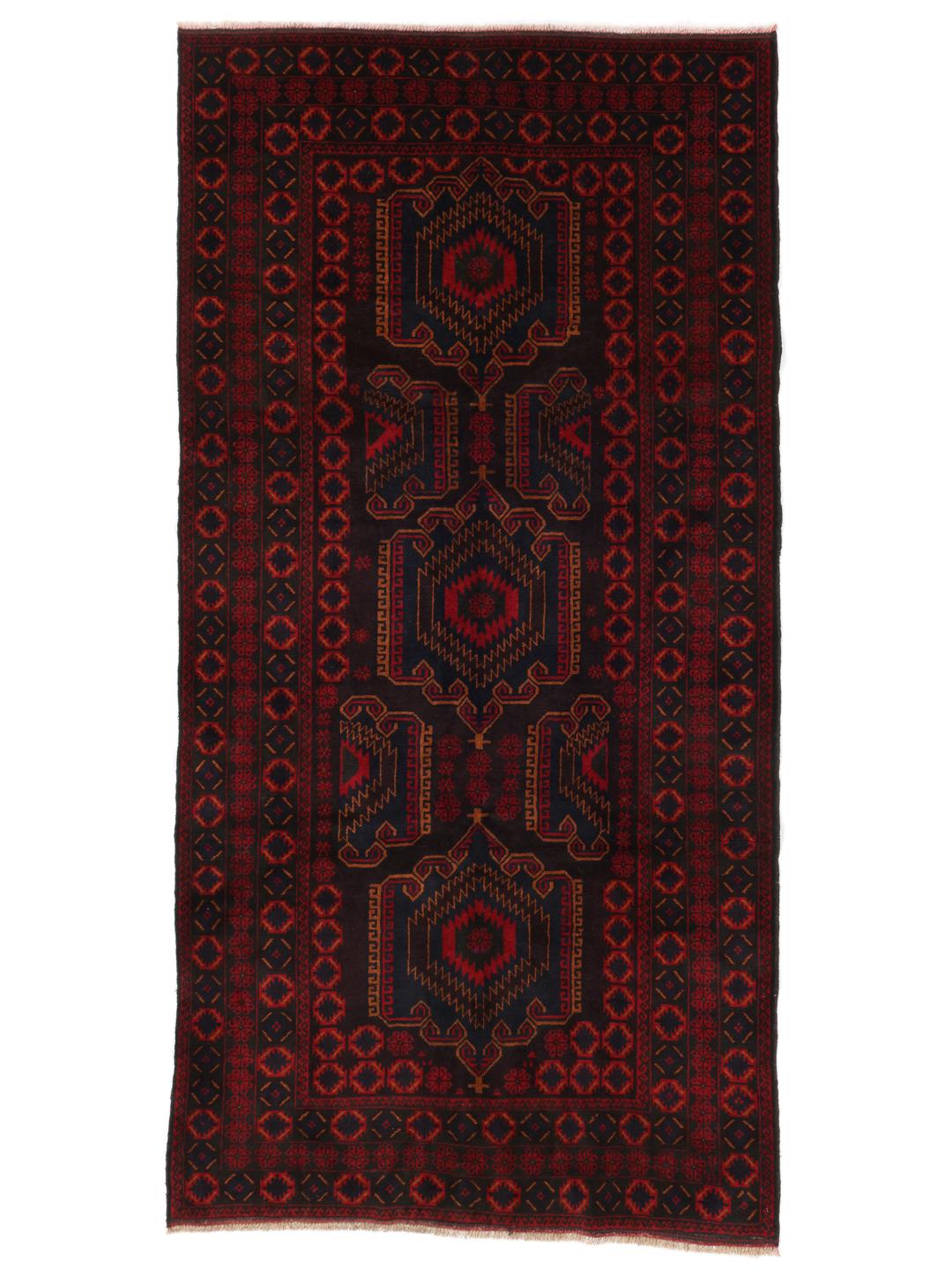
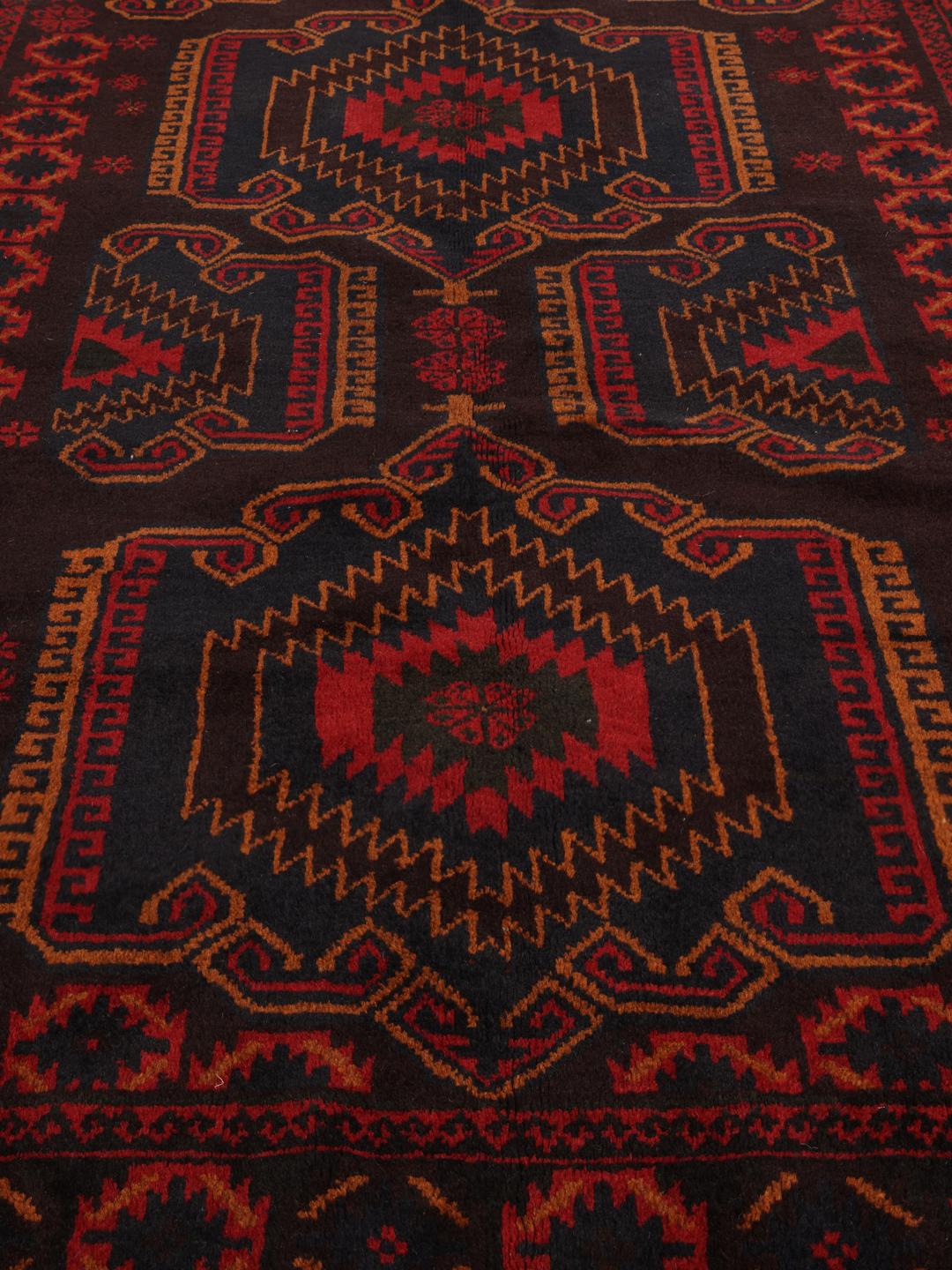
Signature design elements of Beluch rugs often include geometric medallions, prayer motifs, and intricate borders that utilise a palette dominated by deep, earthy tones like dark red, brown, and black. These patterns are not merely decorative but often carry symbolic meanings passed down through generations, representing the natural world and tribal identity. The use of dark, moody fields is a hallmark of the style, creating a look that is both dramatic and timeless.
Owning a Beluch rug is an opportunity to connect with a rich, enduring cultural legacy. These pieces are highly valued by collectors for their authenticity and the human skill they represent. By bringing a Beluch rug into your home, you are not just acquiring a floor covering, but a piece of history that reflects the resilience, artistry, and spirit of the people who created it.