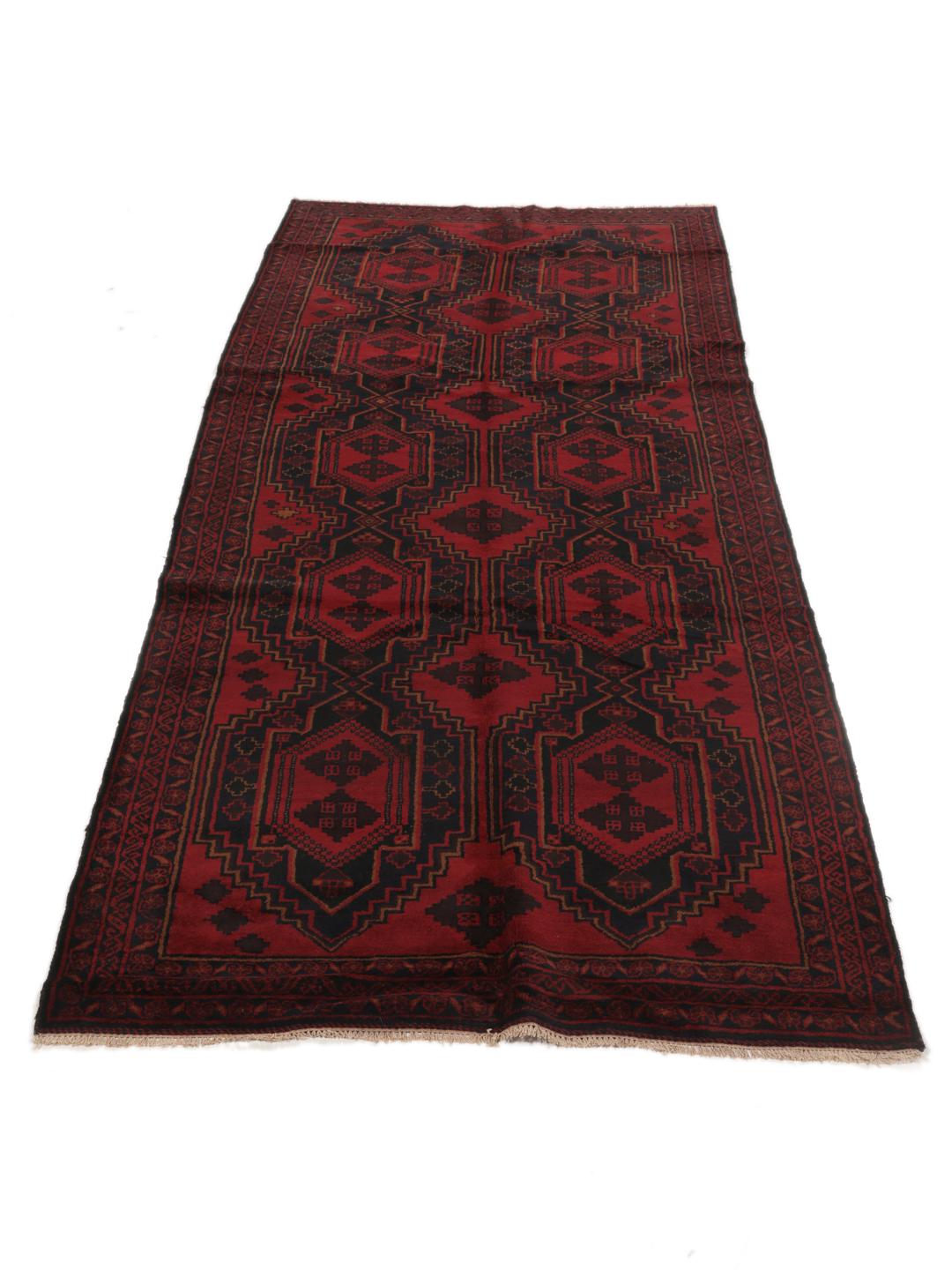
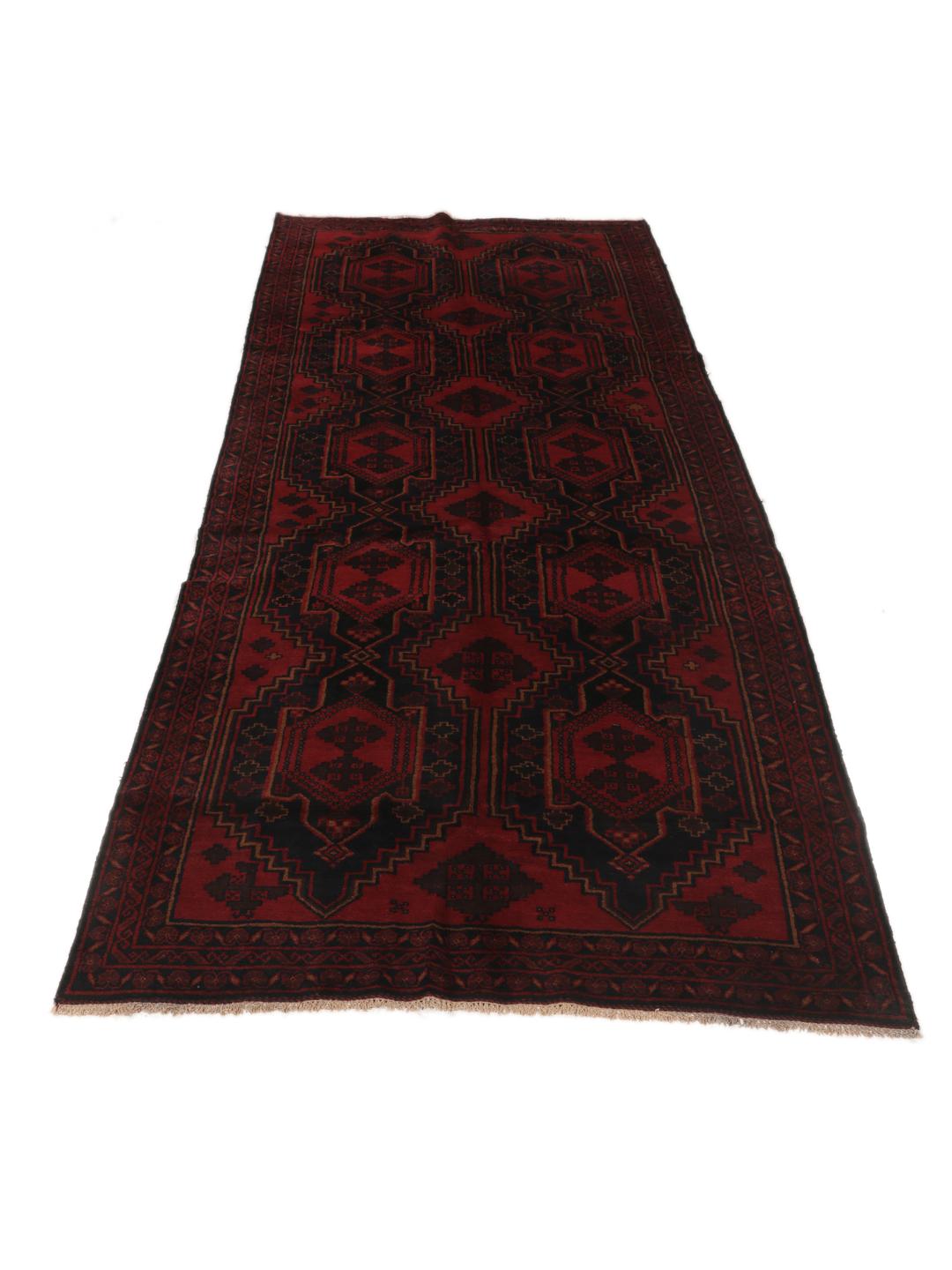
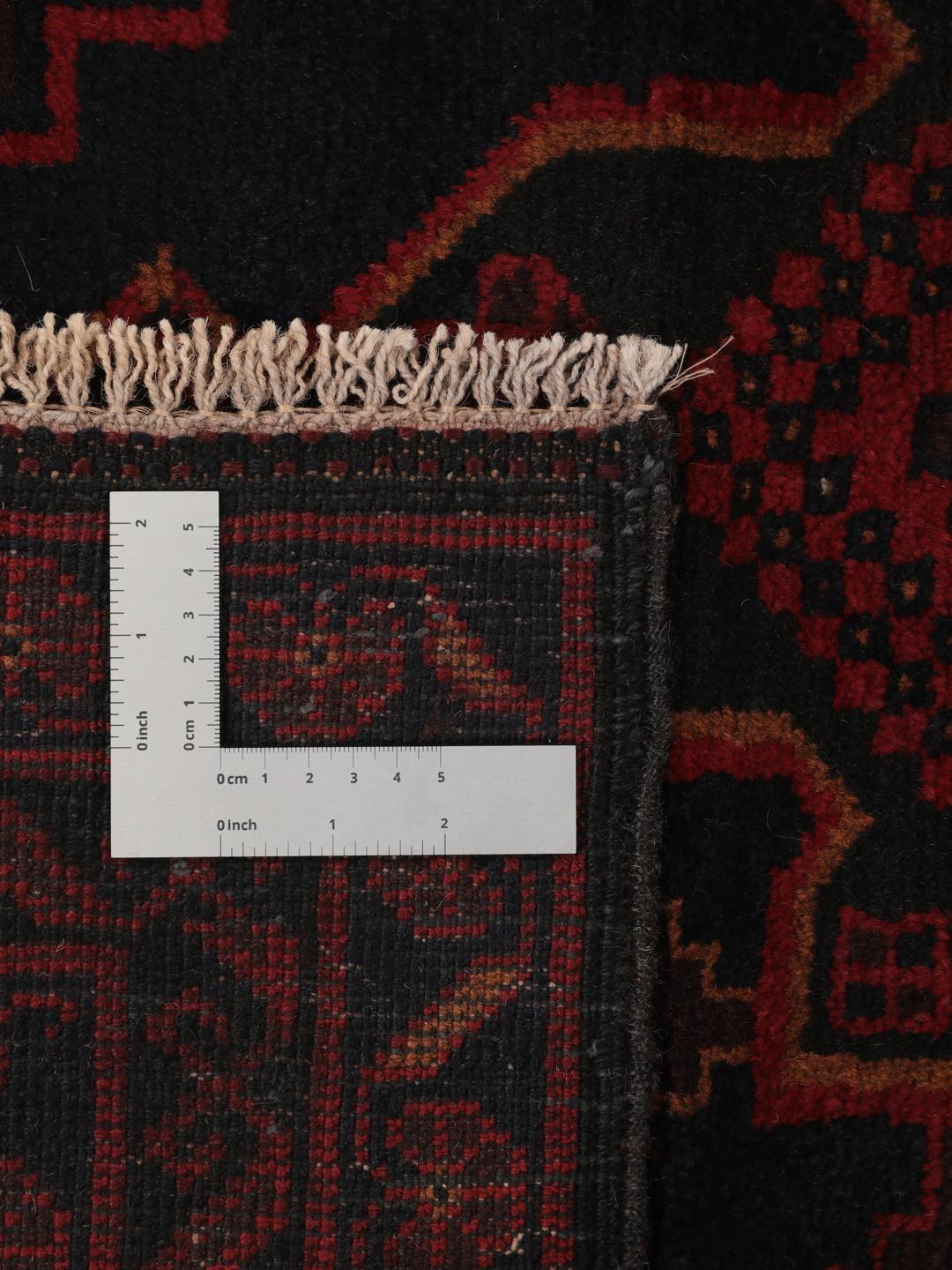
The Baluch rugs originate from the nomadic and semi-nomadic tribes residing in the border regions of Afghanistan and the Middle East. These tribes have a long history of weaving, creating textiles that served as essential household items, ranging from floor coverings to saddlebags. Their designs are heavily influenced by their environment and cultural heritage, often reflecting the stark beauty of the landscapes they traverse.
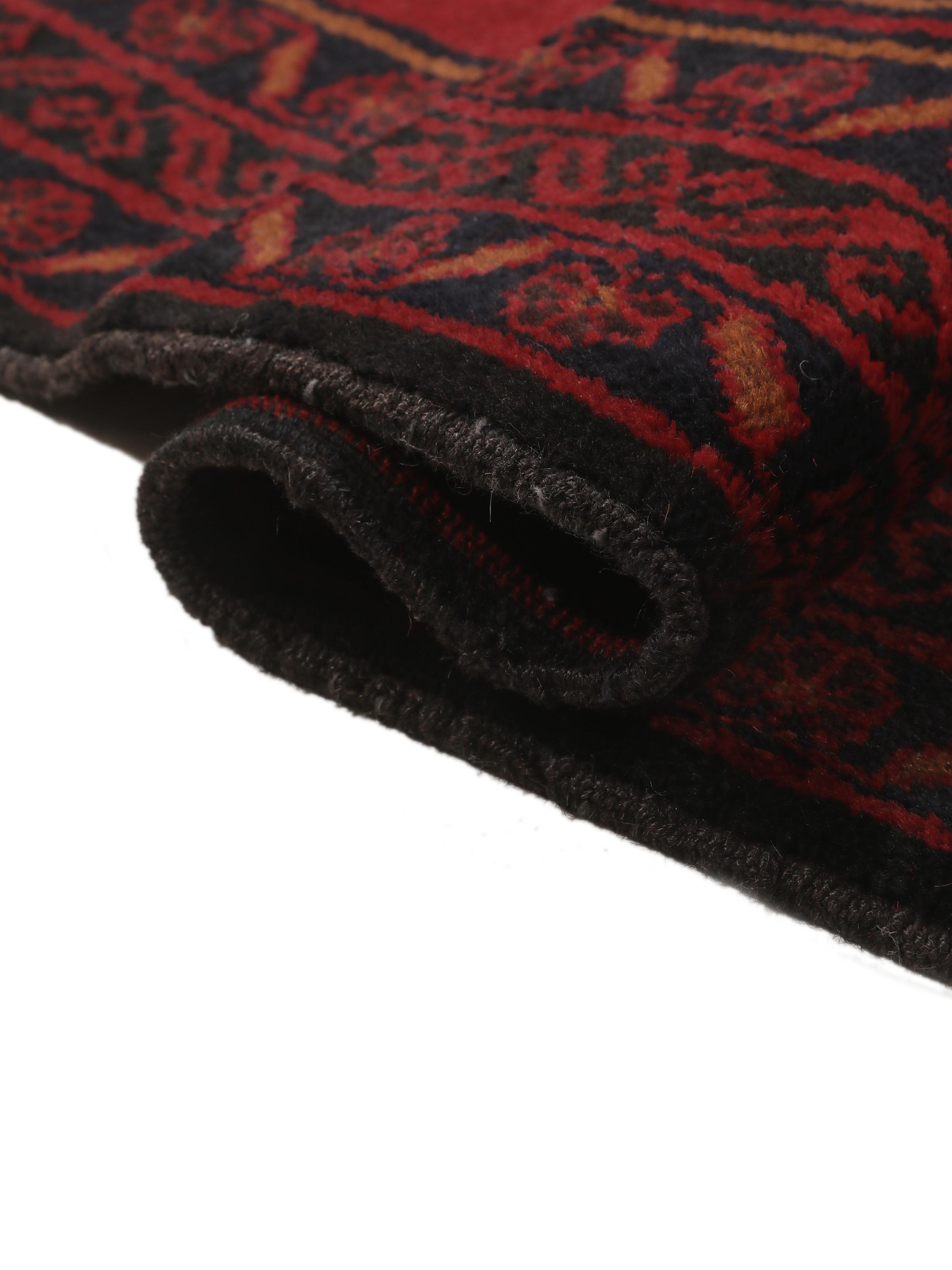
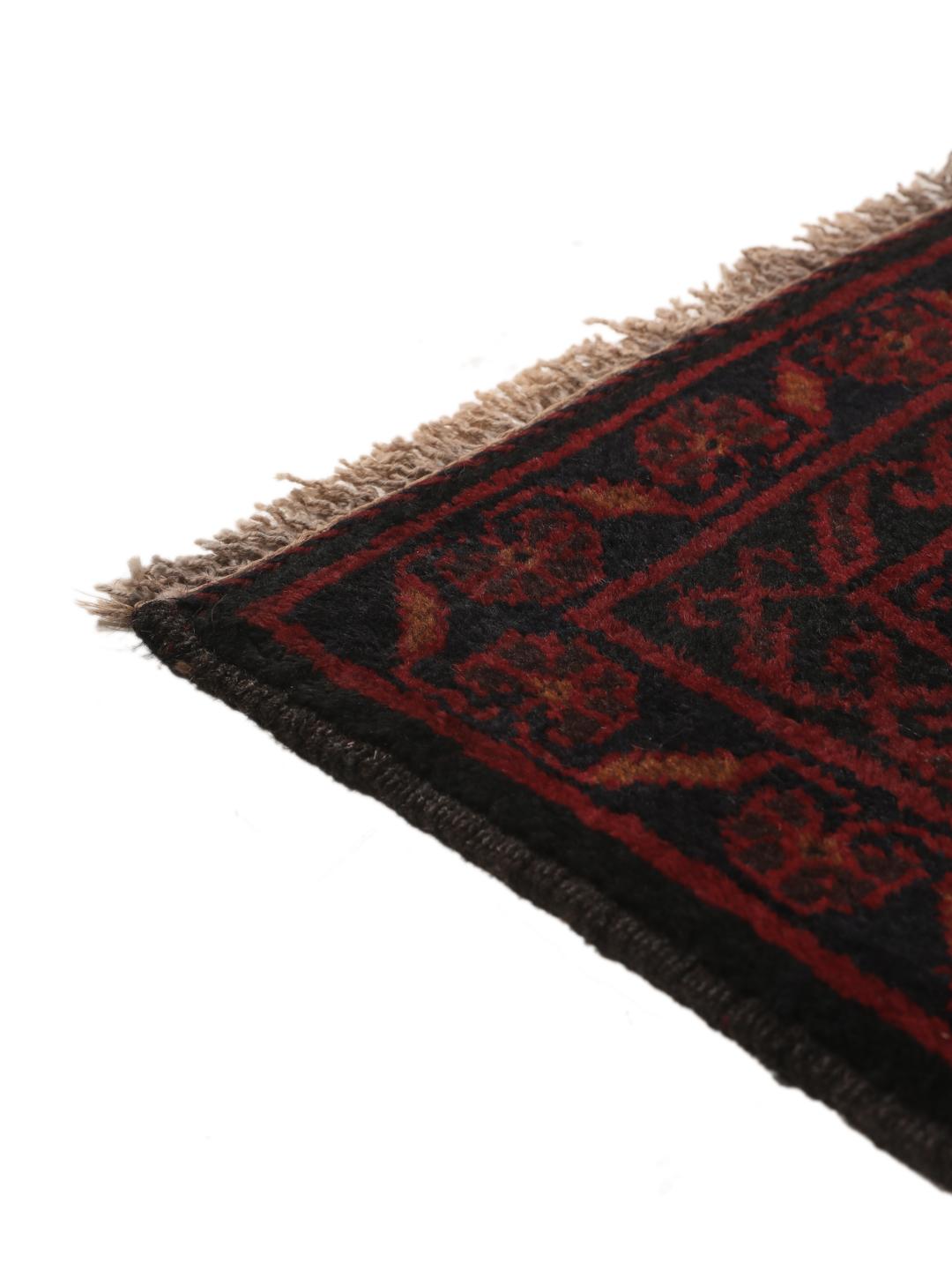
The term Baluch refers to the tribal identity of the weavers, who are known for their ability to create rugs with remarkable character and durability. The technique of hand-knotting is passed down through generations, with specific patterns often signifying familial or tribal ties. Understanding these traditions helps one appreciate the depth of skill required to produce such intricate work without the aid of modern technology.
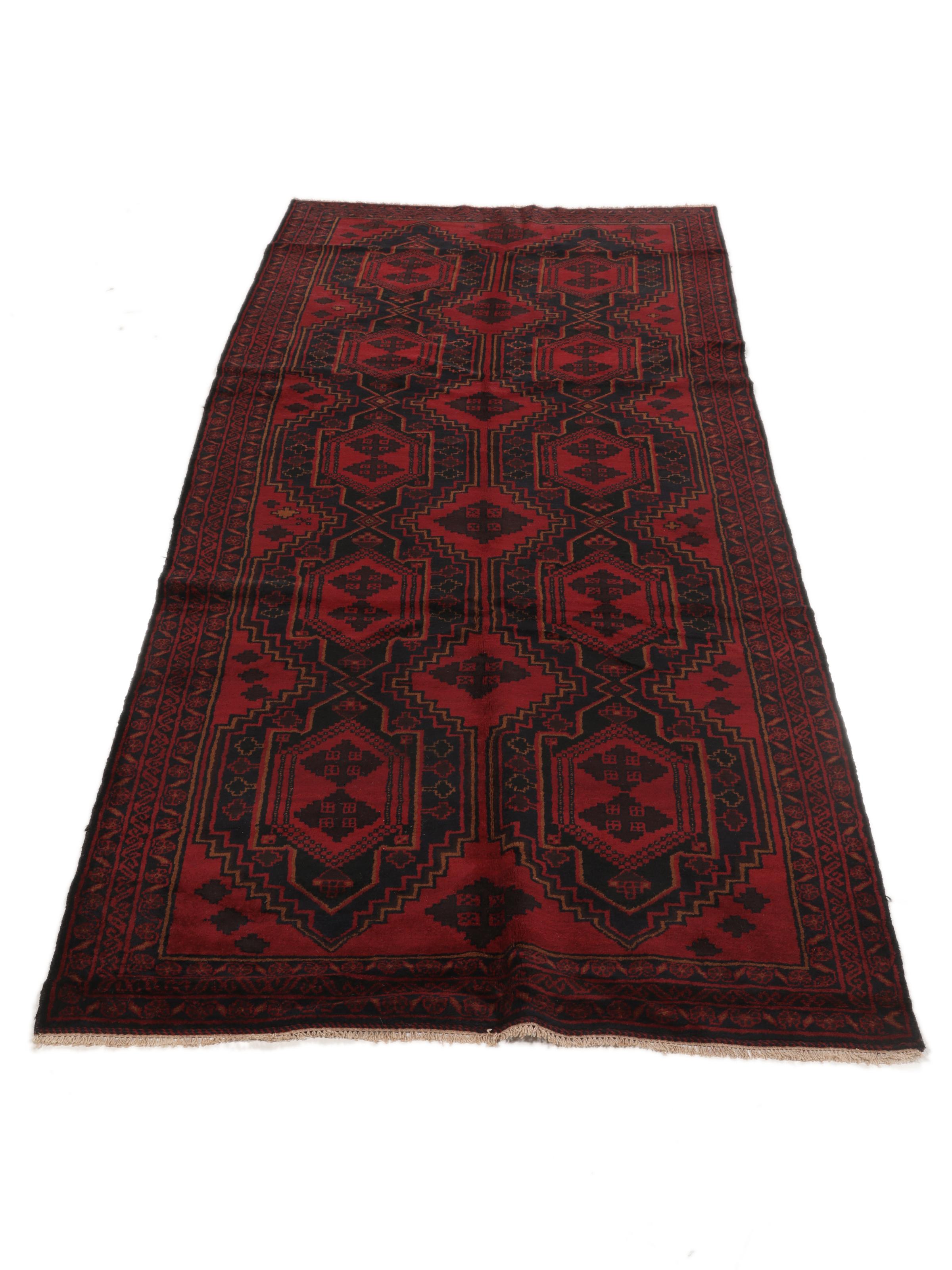
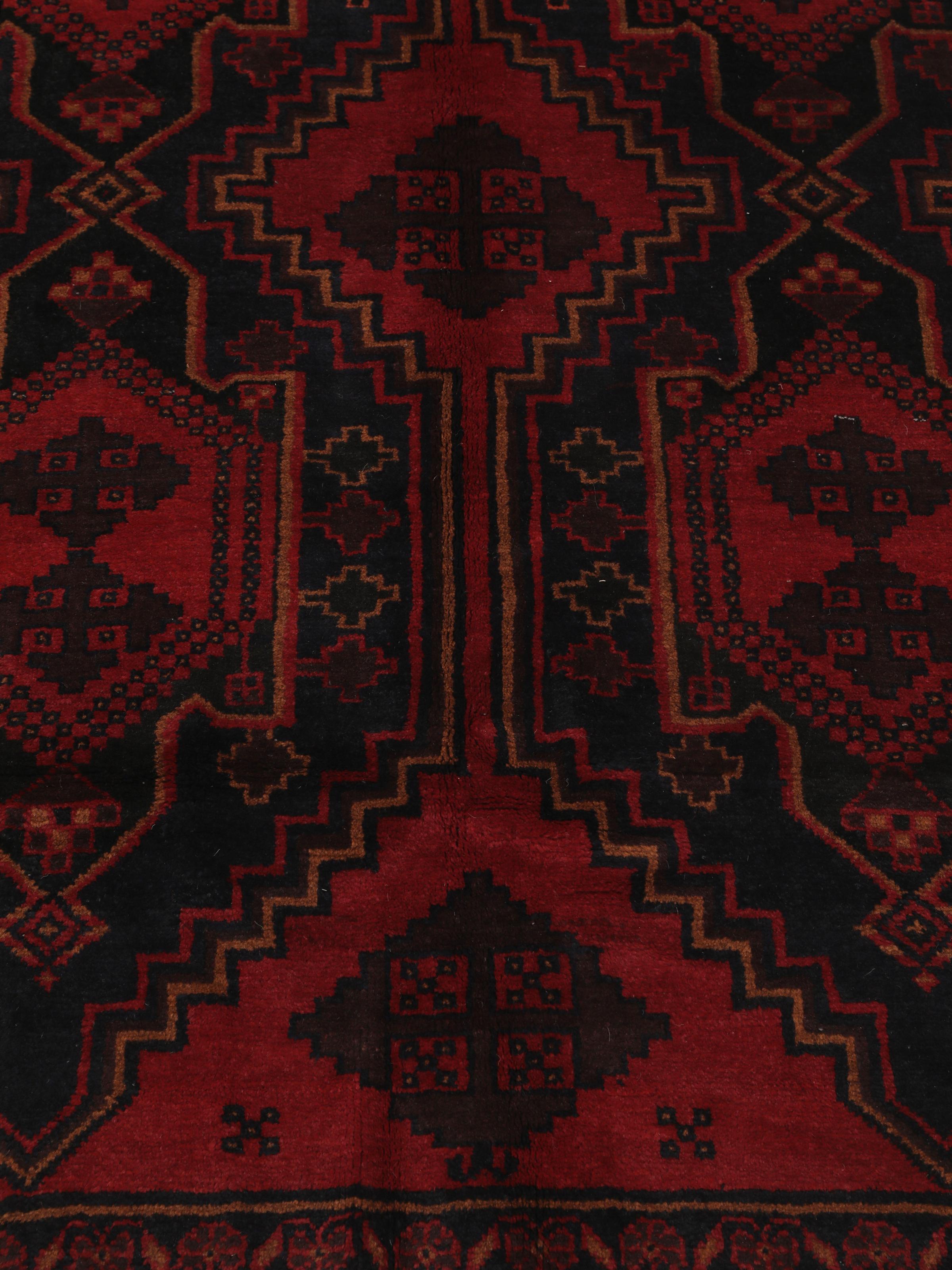
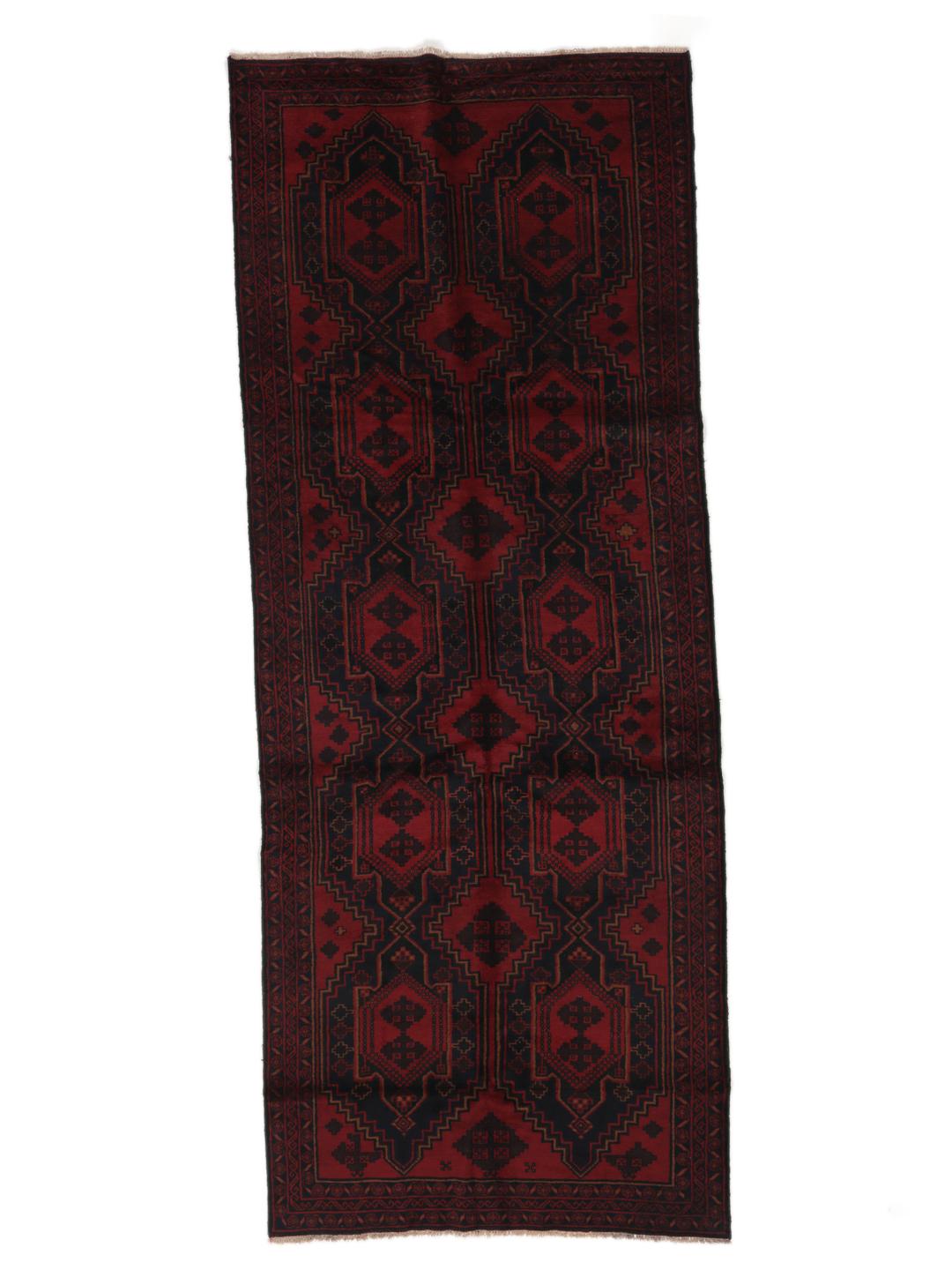
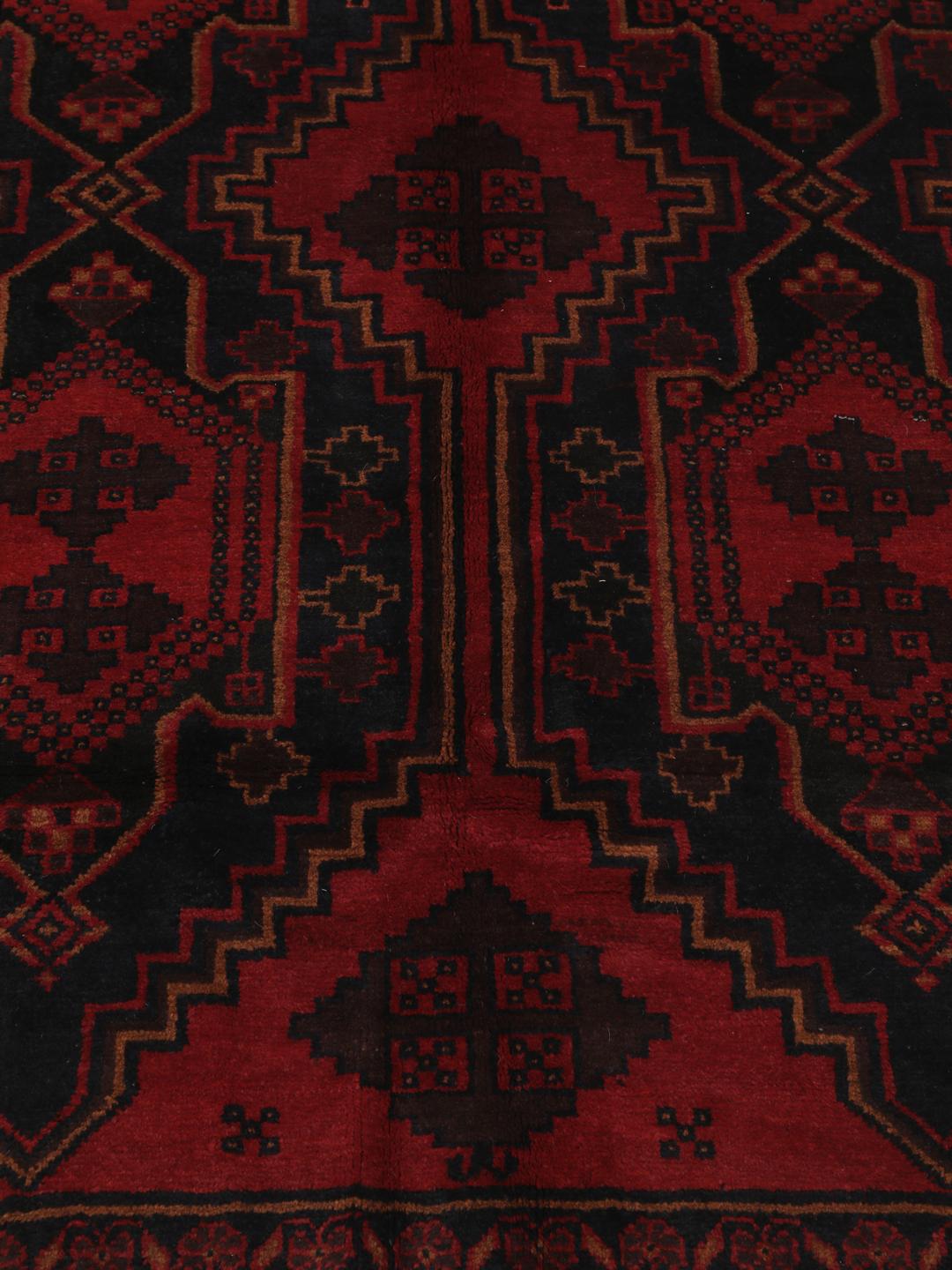
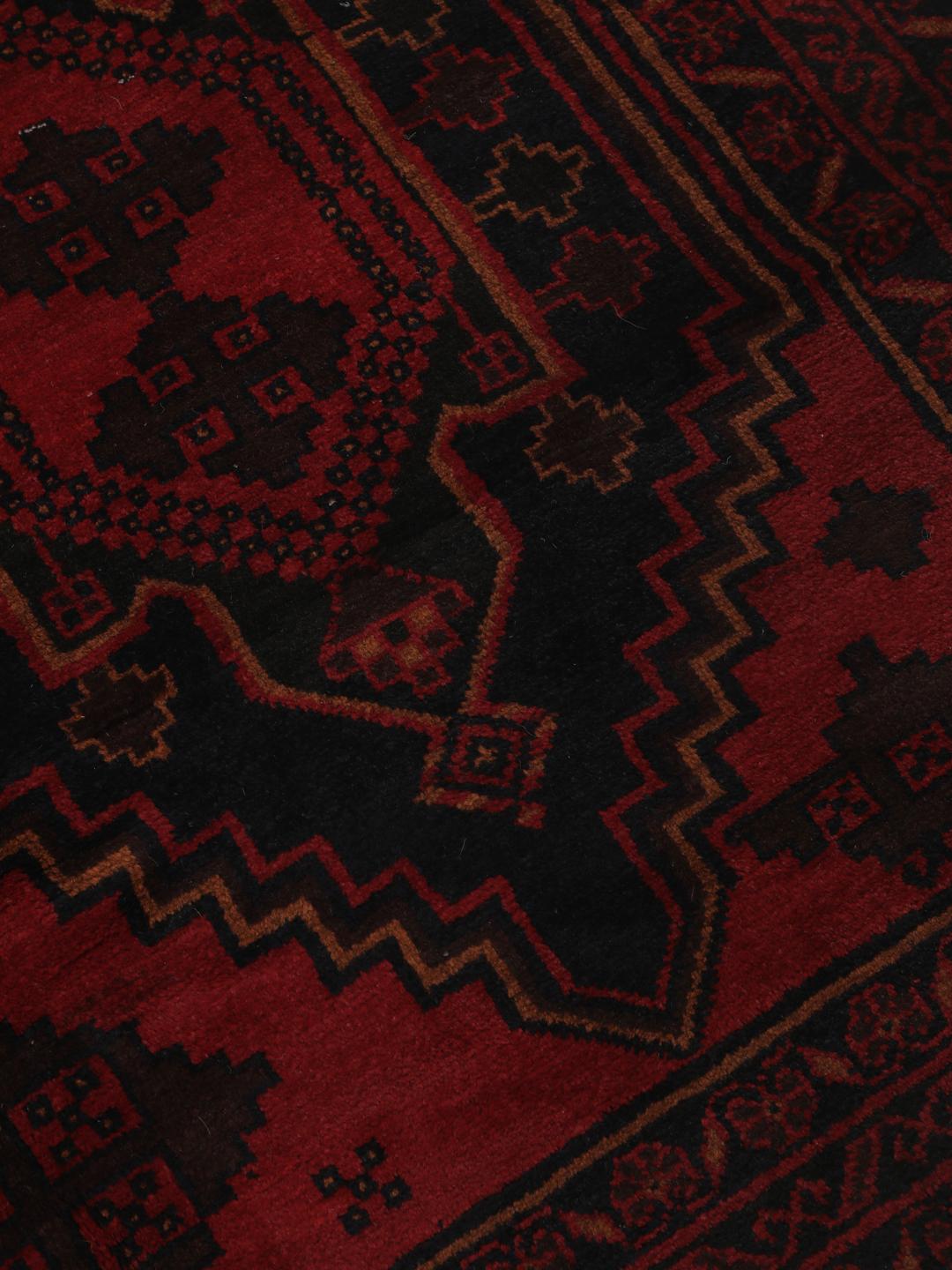
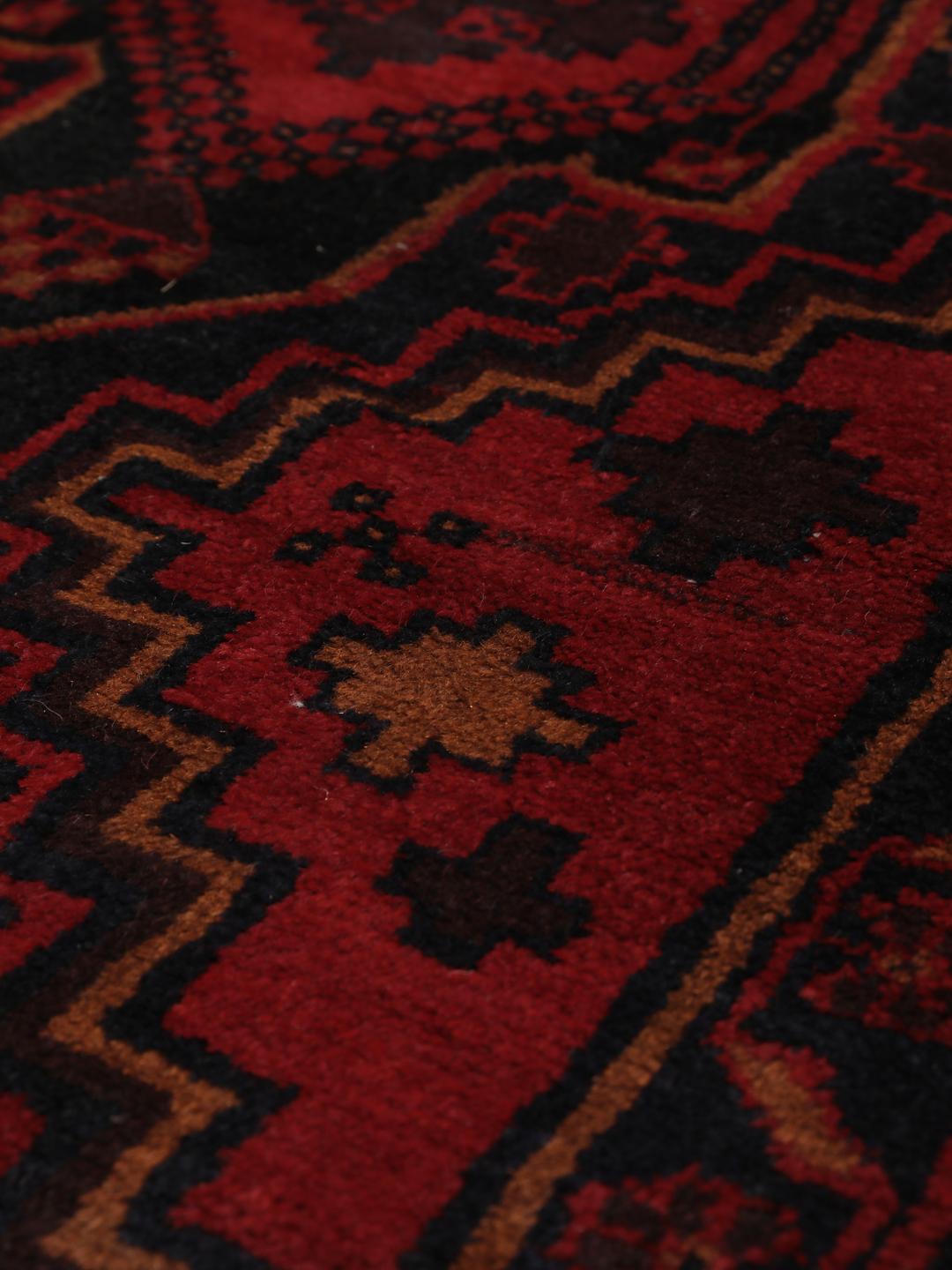
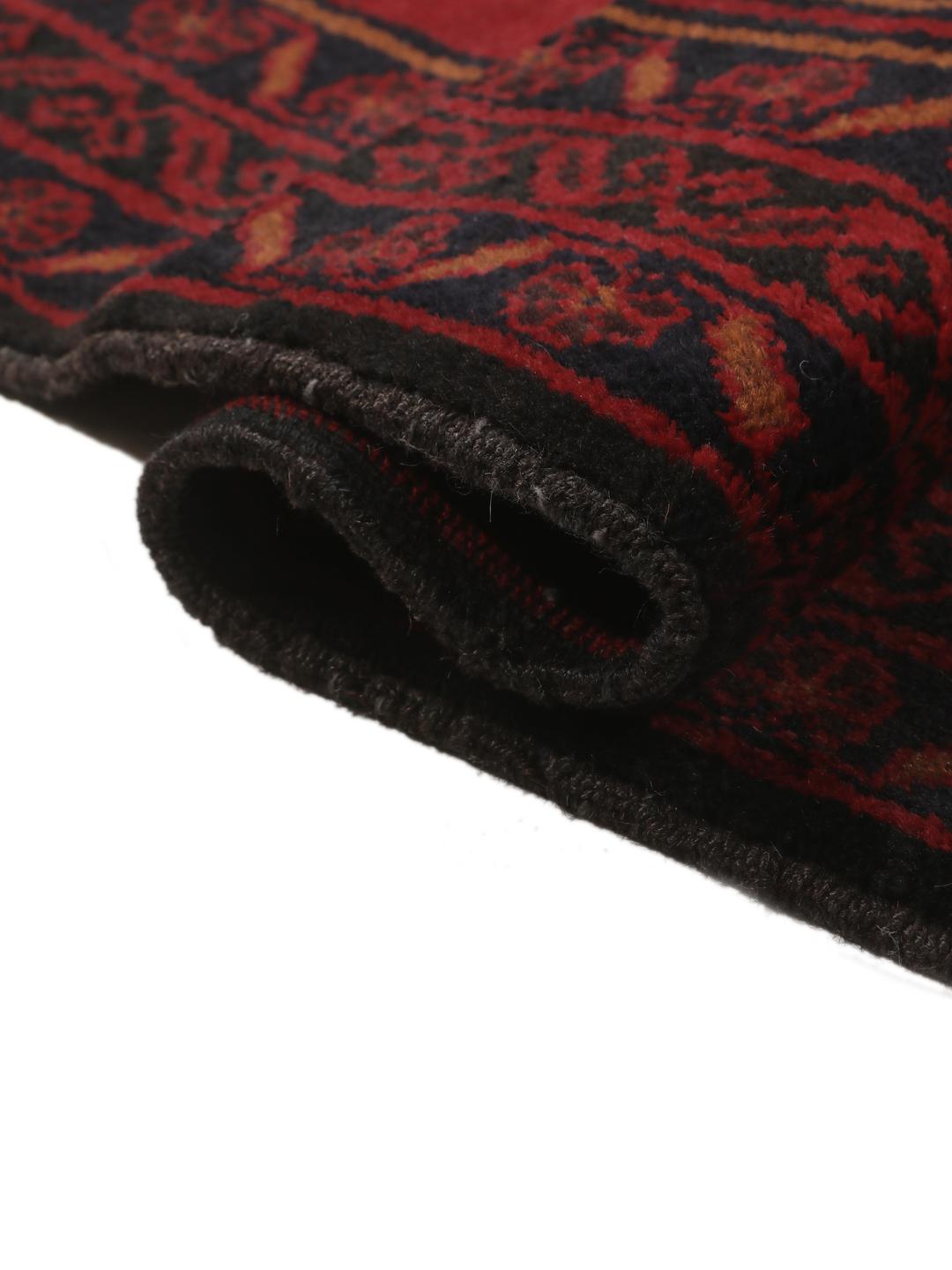
Signature design elements for this tradition include a focus on geometric motifs, such as diamonds, hexagons, and stylized floral or animal forms. The colour palette is typically deep and muted, often utilising earthy tones like dark red and black to create a sophisticated, moody aesthetic. The use of repeating patterns throughout the field is a hallmark of this style, providing a rhythmic, meditative quality to the overall design.
Collecting these rugs is an investment in cultural heritage and human skill. Because each piece is created within a tribal context, they carry a sense of authenticity and soul that mass-produced items lack. Owning a Baluch rug means connecting with a centuries-old craft tradition, ensuring that these beautiful, practical works of art continue to be appreciated in modern homes for generations to come.