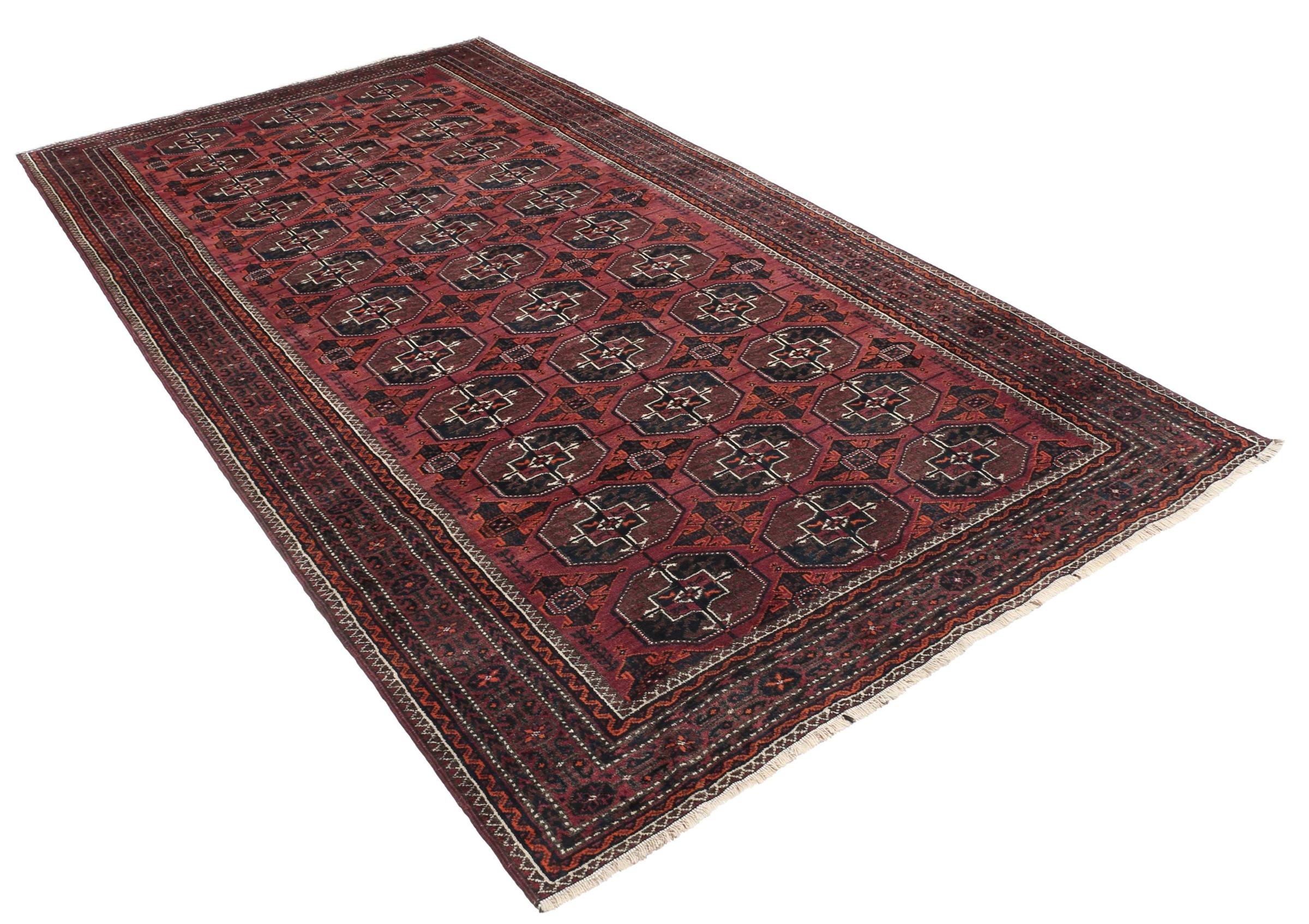
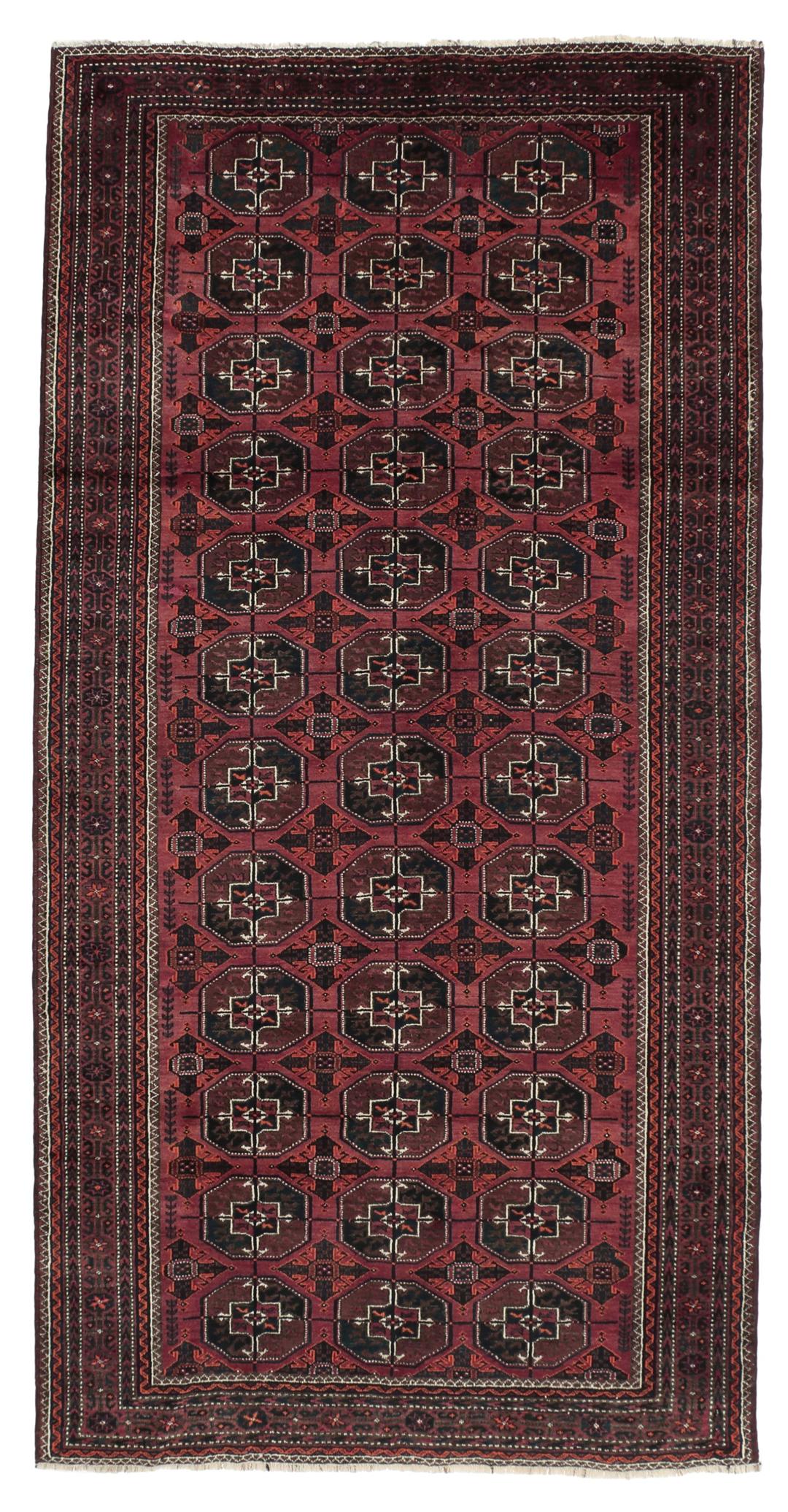
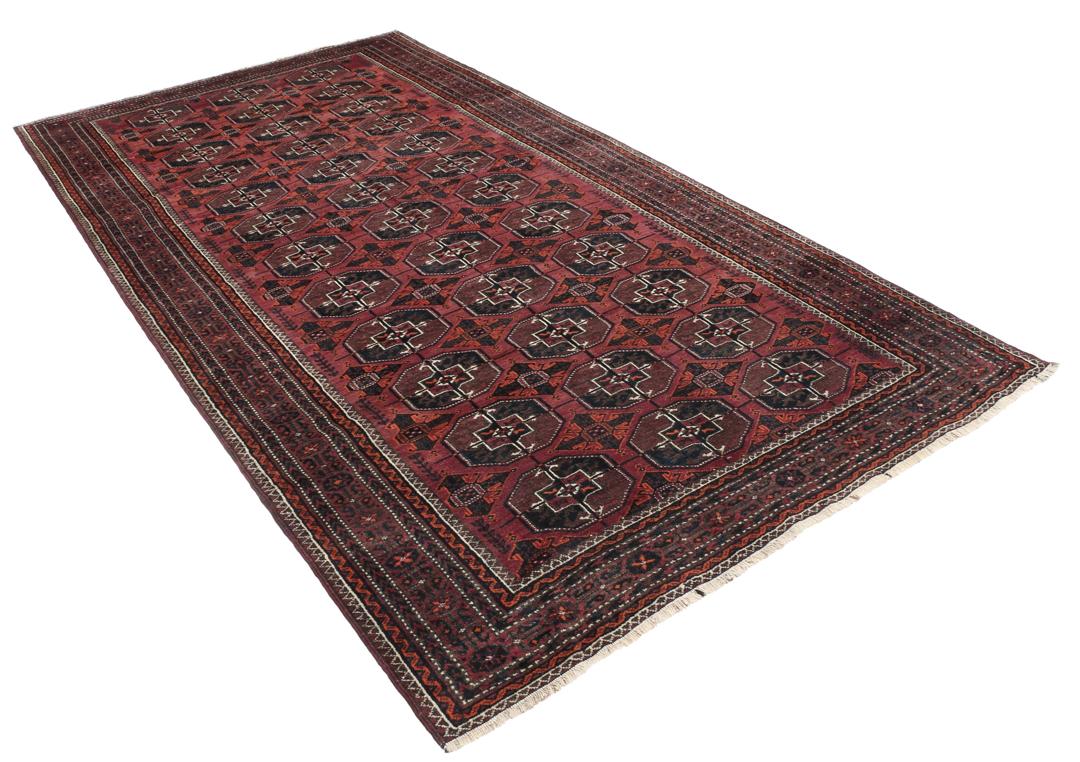
The Baluch rug tradition originates from the nomadic and semi-nomadic tribes residing in the border regions of the Middle East. These rugs are deeply rooted in a desert culture where weaving is a vital form of artistic expression, reflecting the environment and the heritage of the people who create them. The migration of these tribes across vast landscapes has infused their designs with a blend of cultural influences, resulting in a distinct visual language that is recognised by collectors worldwide.
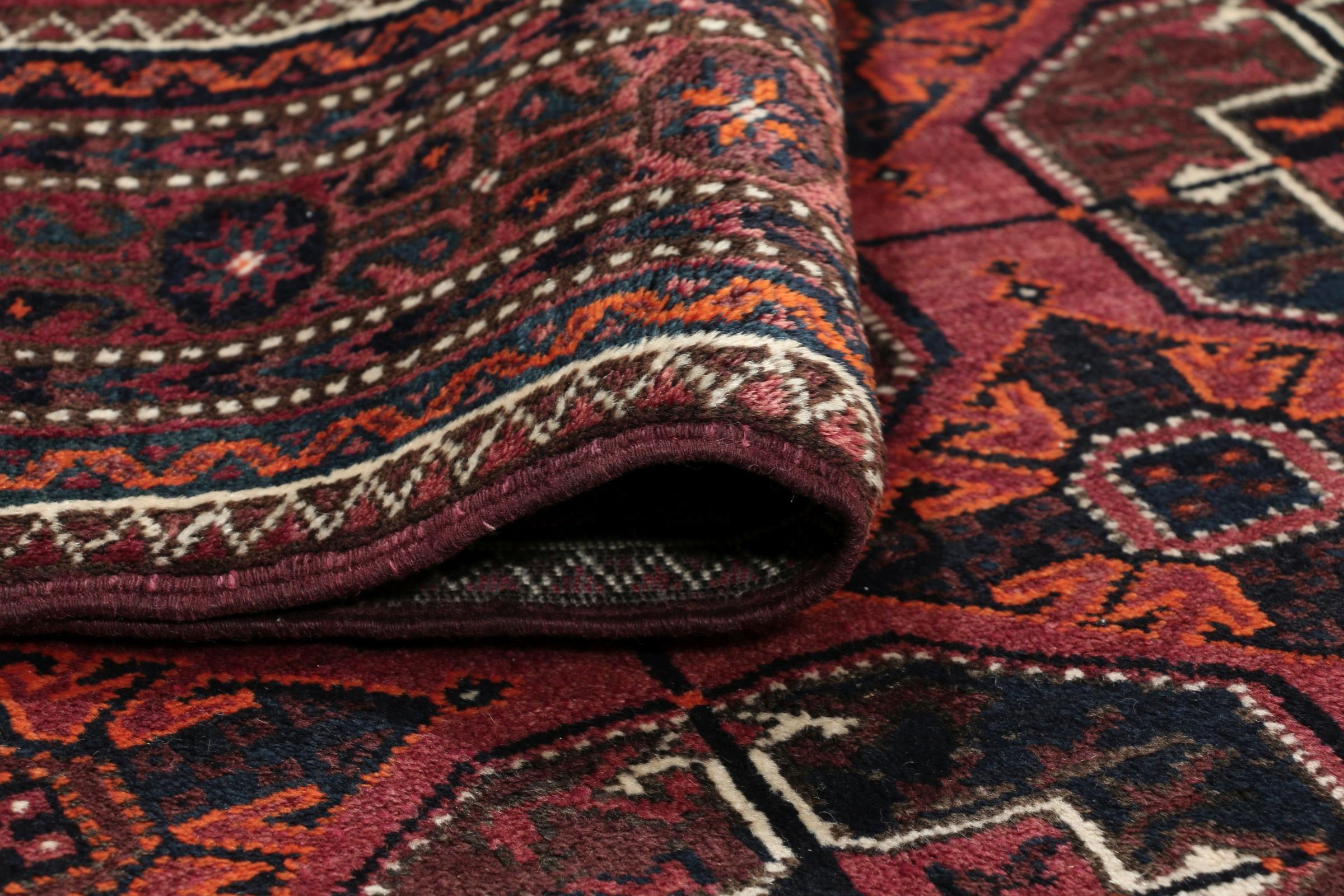
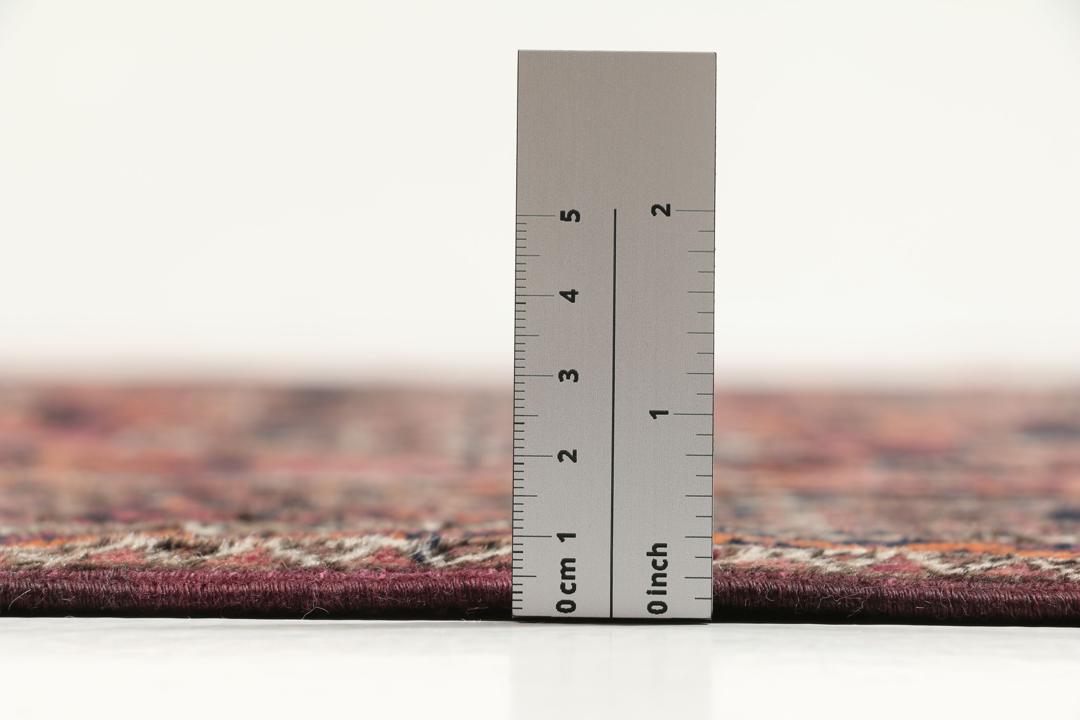
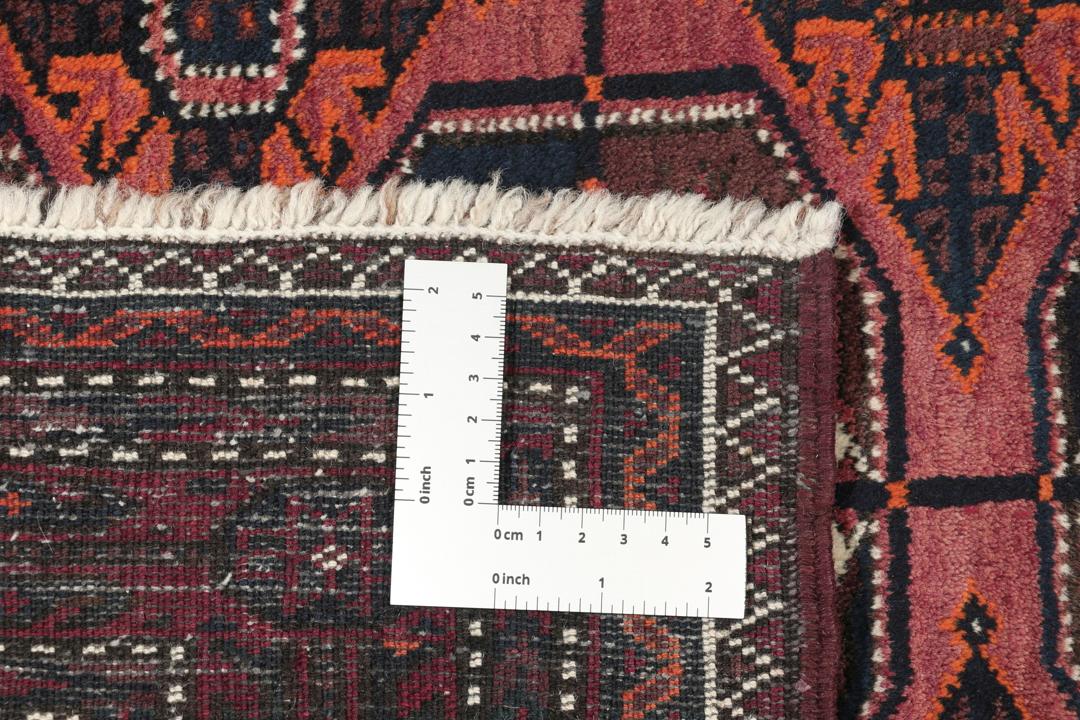
The term Baluch refers to both the people and the specific style of rug they produce. These rugs are known for their sturdy construction and the use of high-quality materials that provide excellent durability. The weavers often employ traditional techniques that emphasise tight knotting and a resilient pile, which are essential for rugs that were historically intended for use in both nomadic tents and more permanent dwellings.
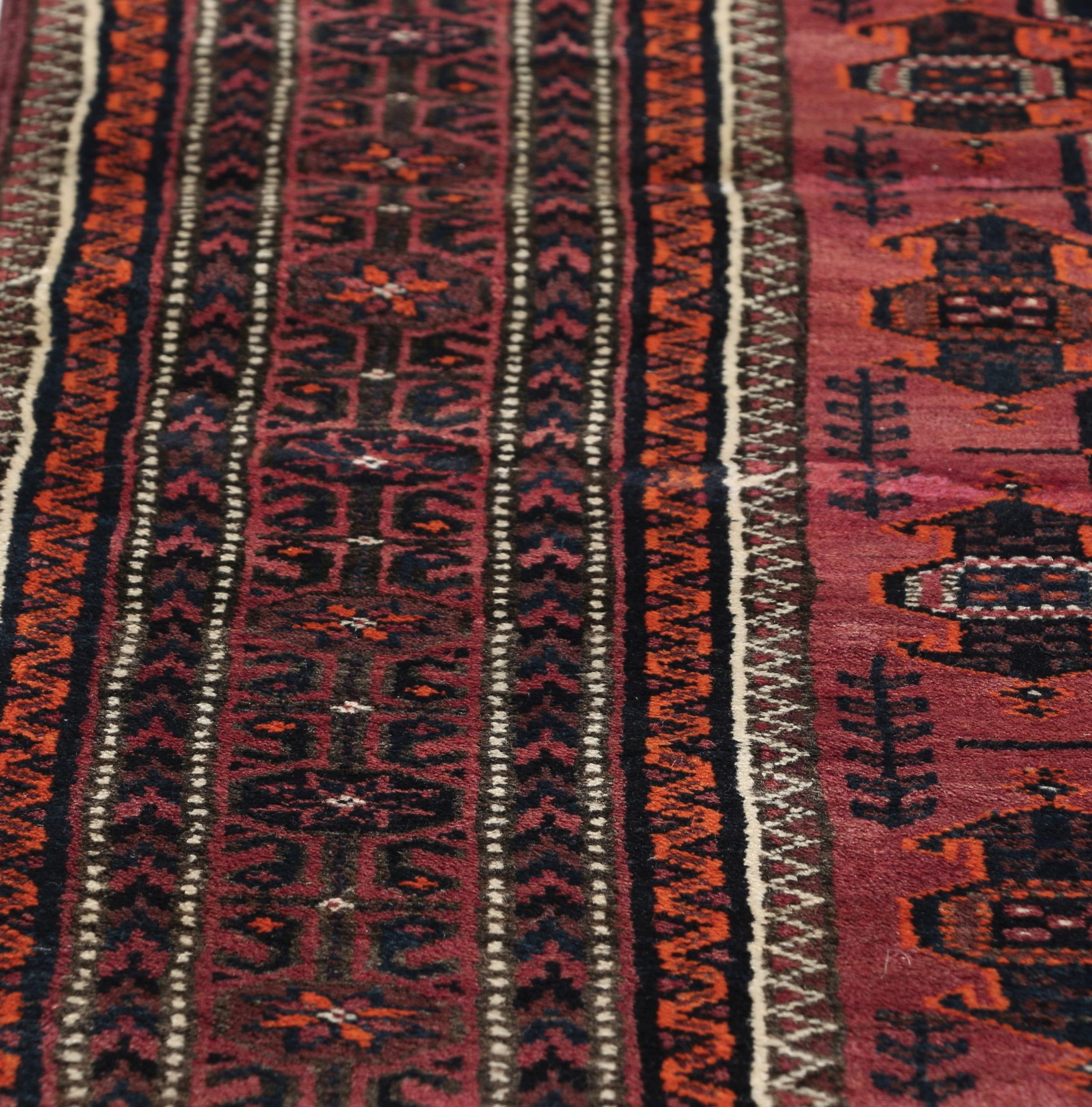
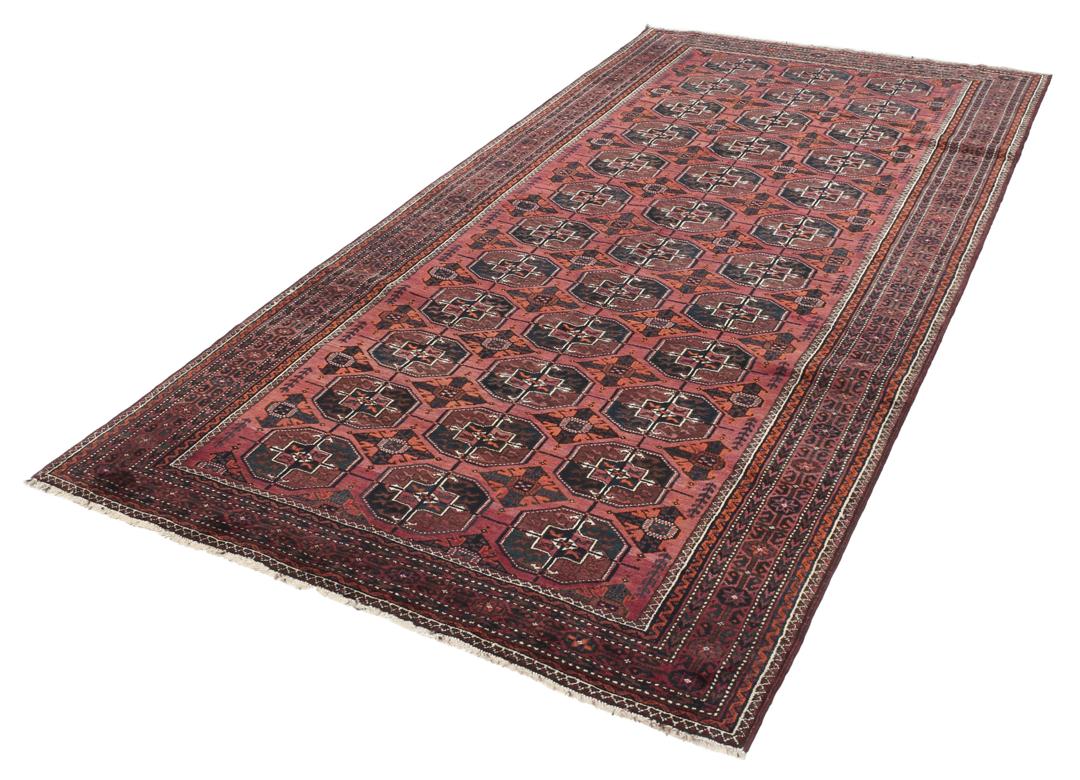
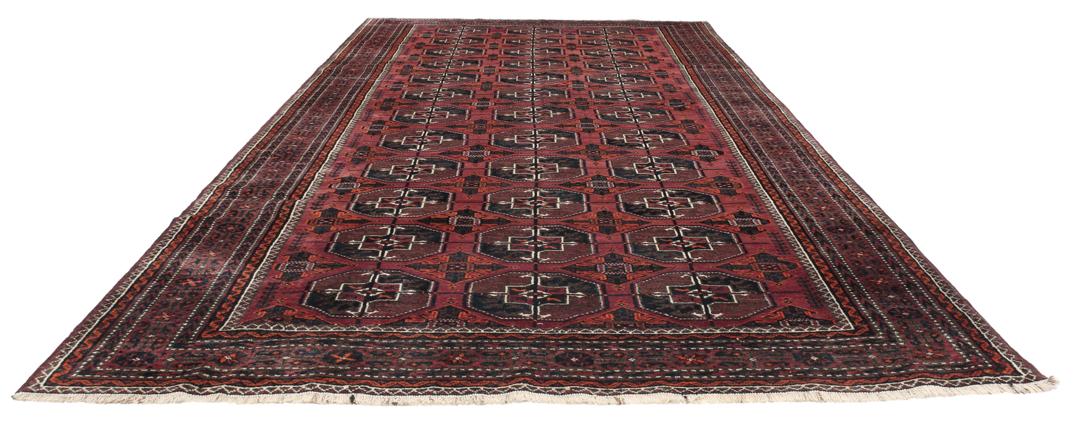
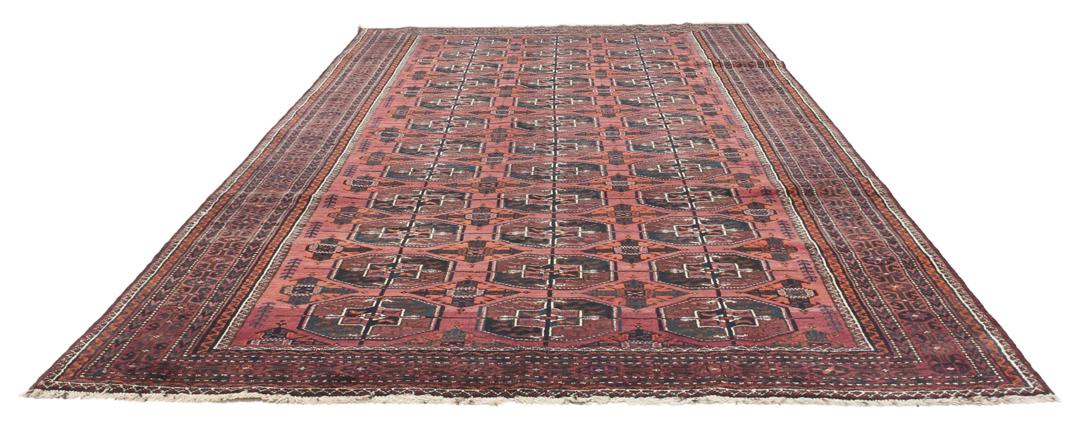
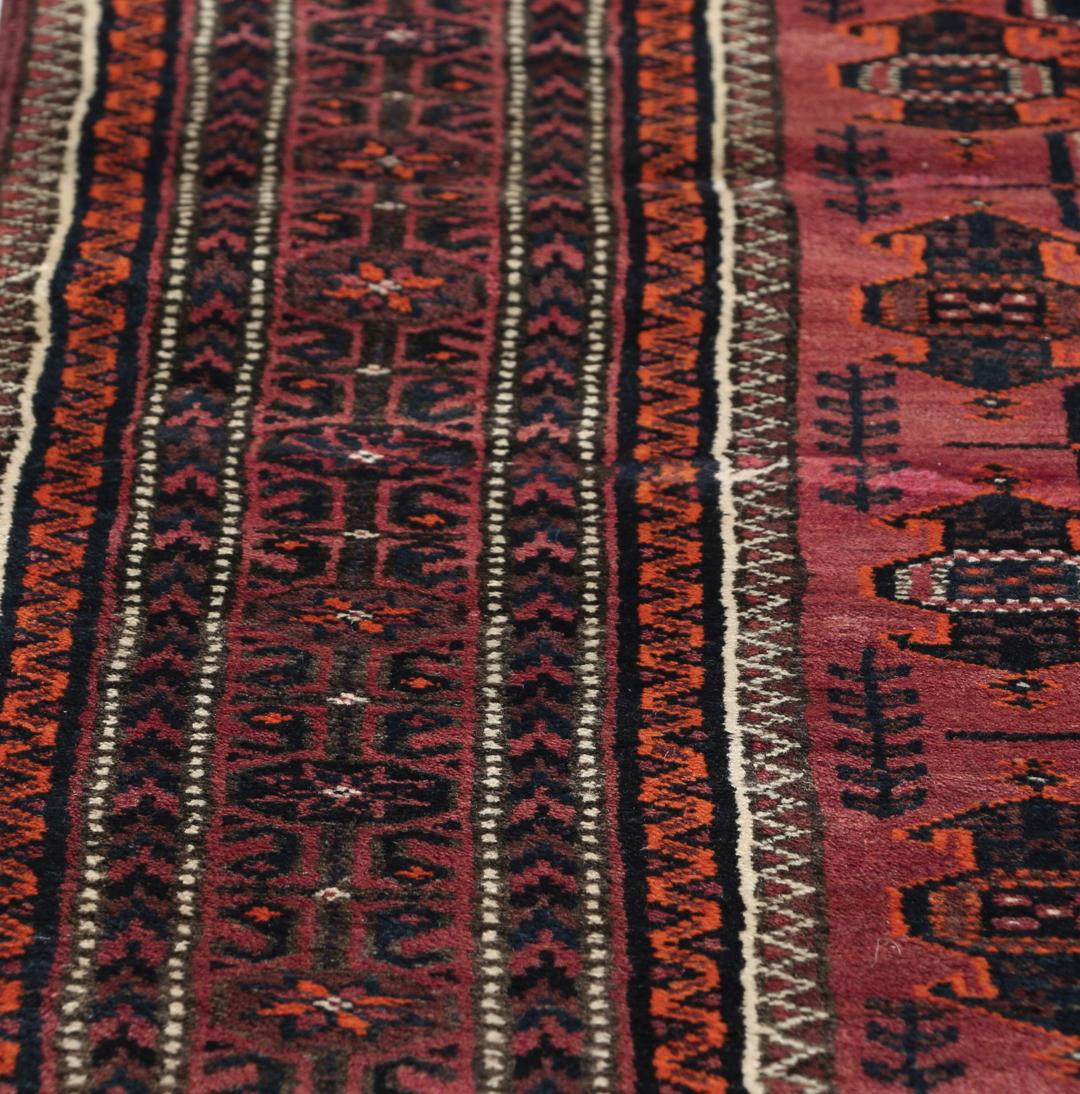
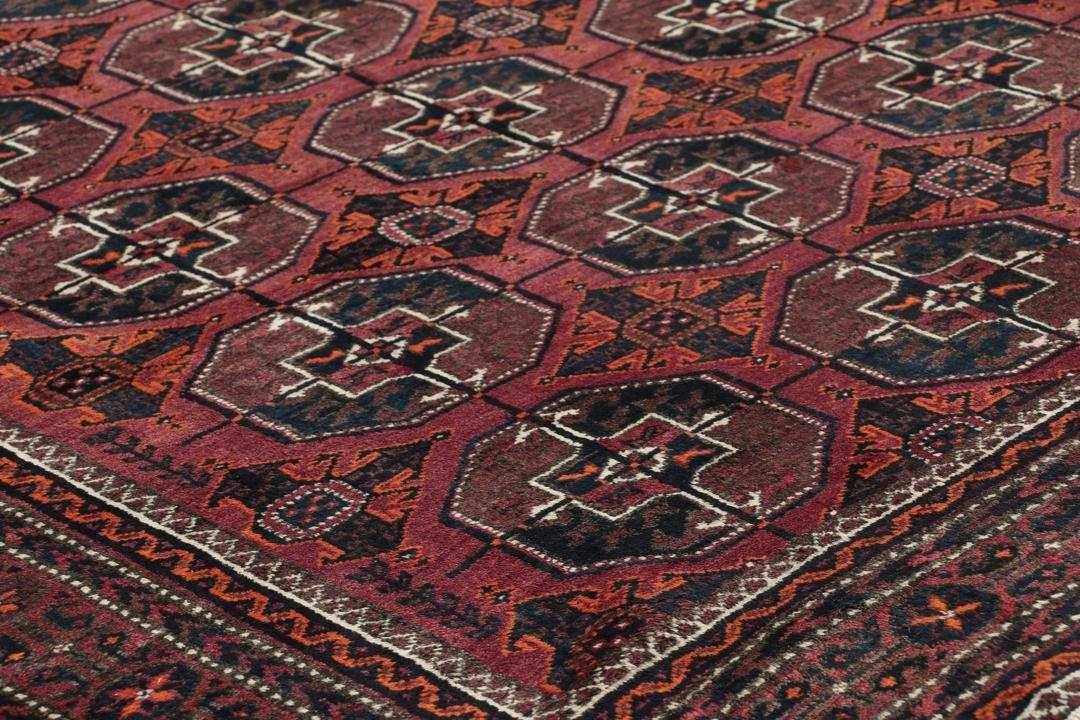
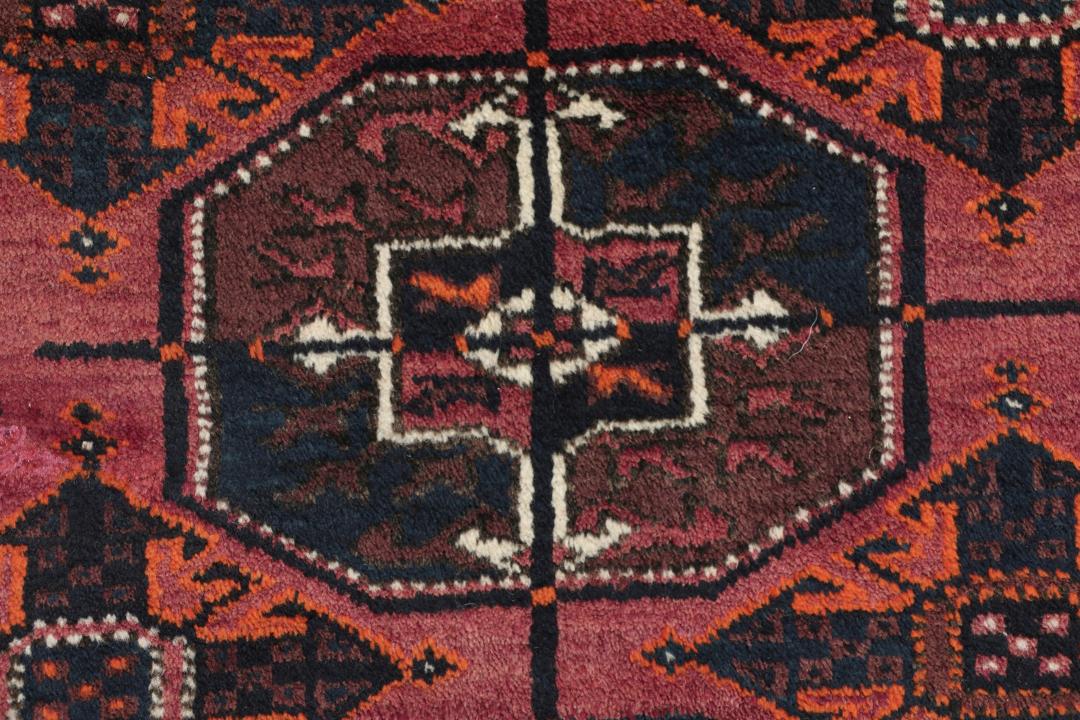
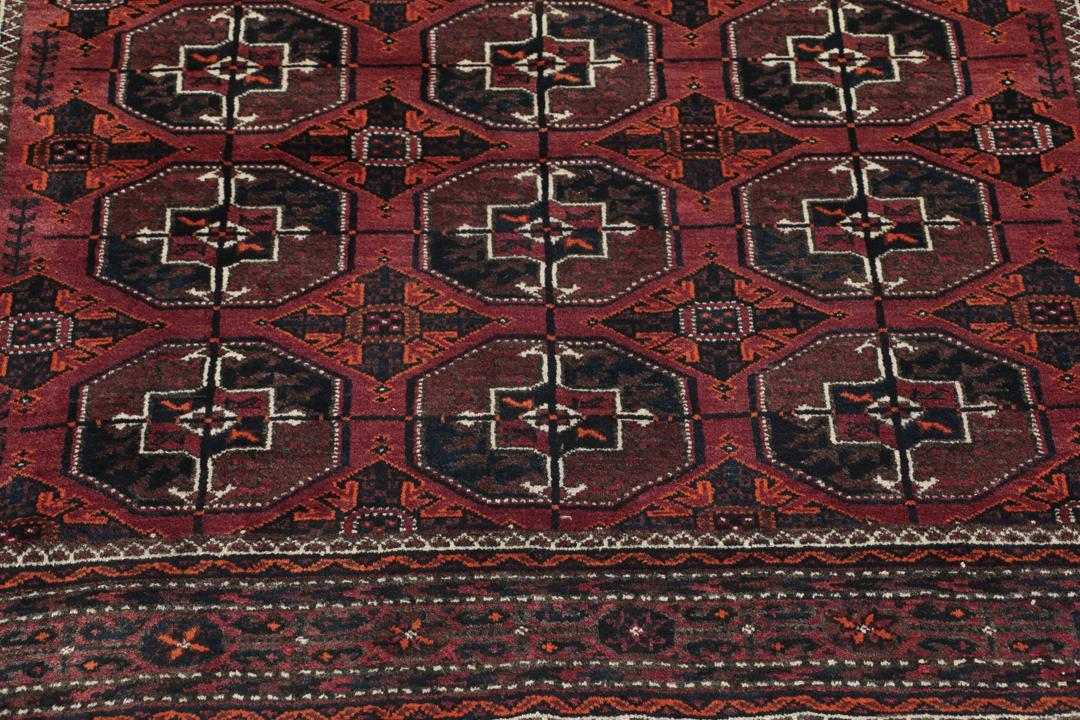
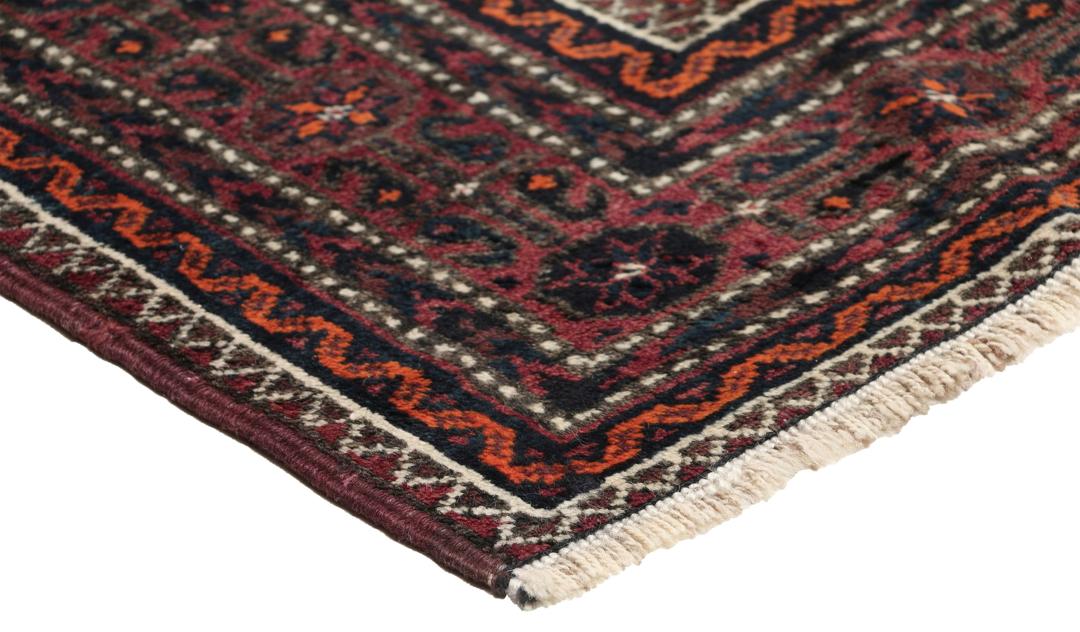
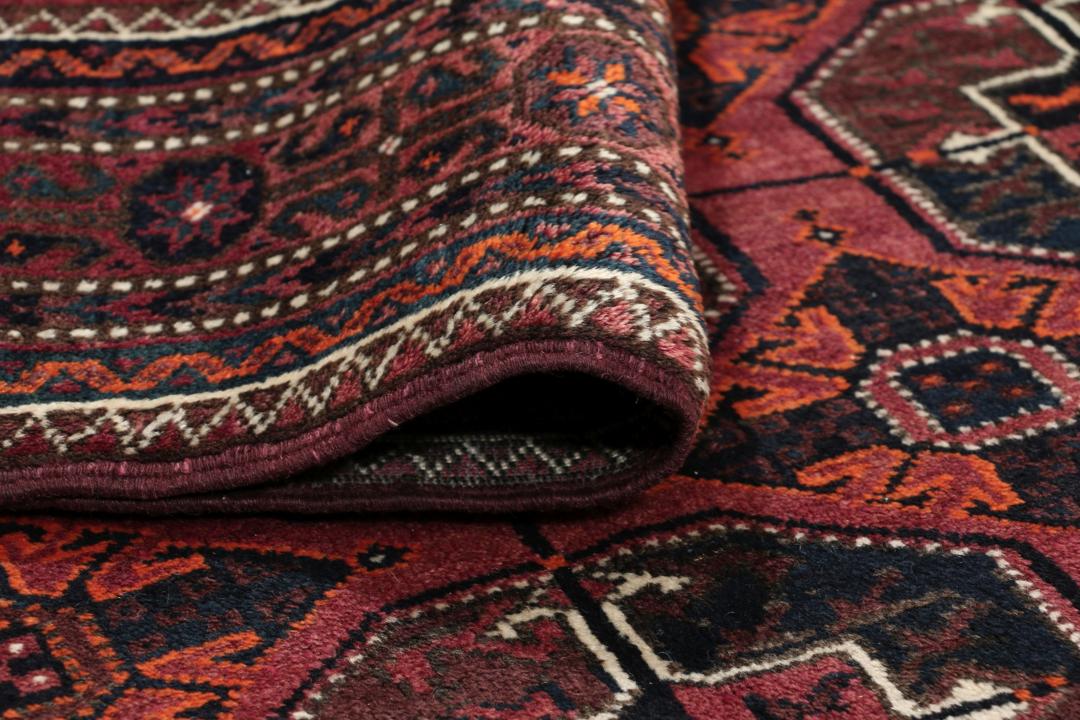
Signature design elements of Baluch rugs typically include dark, rich colour palettes—often dominated by deep reds, browns, and blacks—and geometric motifs that hold symbolic meaning. You will frequently find repeating patterns such as stylised flowers, diamonds, or the characteristic repeating medallions seen in this piece. These motifs are often framed by ornate, decorative borders that showcase the weaver's skill and attention to detail, creating a balanced and harmonious composition.
Owning a Baluch rug is more than just purchasing a floor covering; it is an investment in cultural heritage and a celebration of human skill. These rugs are highly valued for their authenticity and the unique personality they bring to a space. By preserving these traditional designs, collectors and homeowners alike honour the generations of weavers who have kept this craft alive, ensuring that each rug continues to tell its story for years to come.