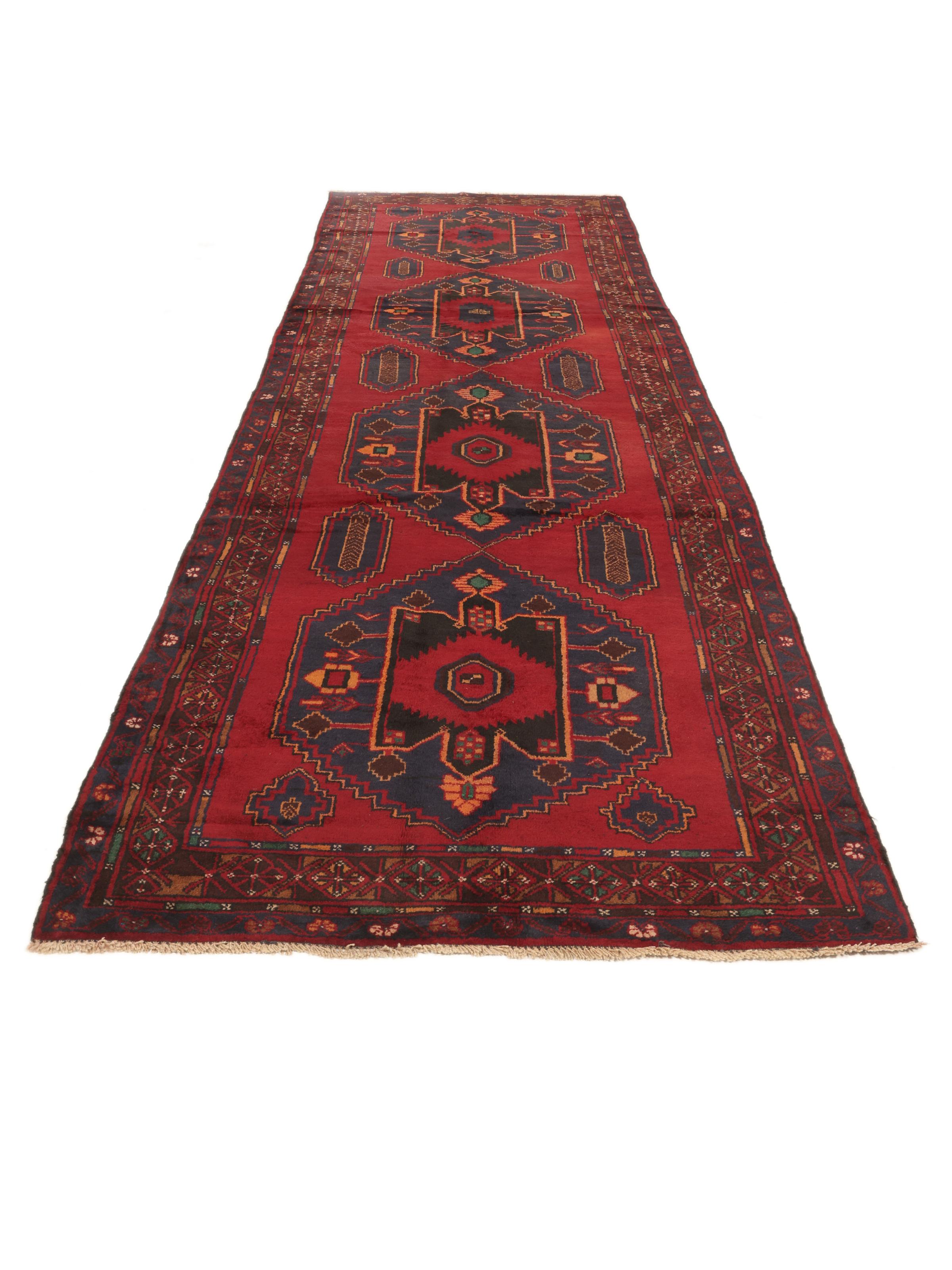
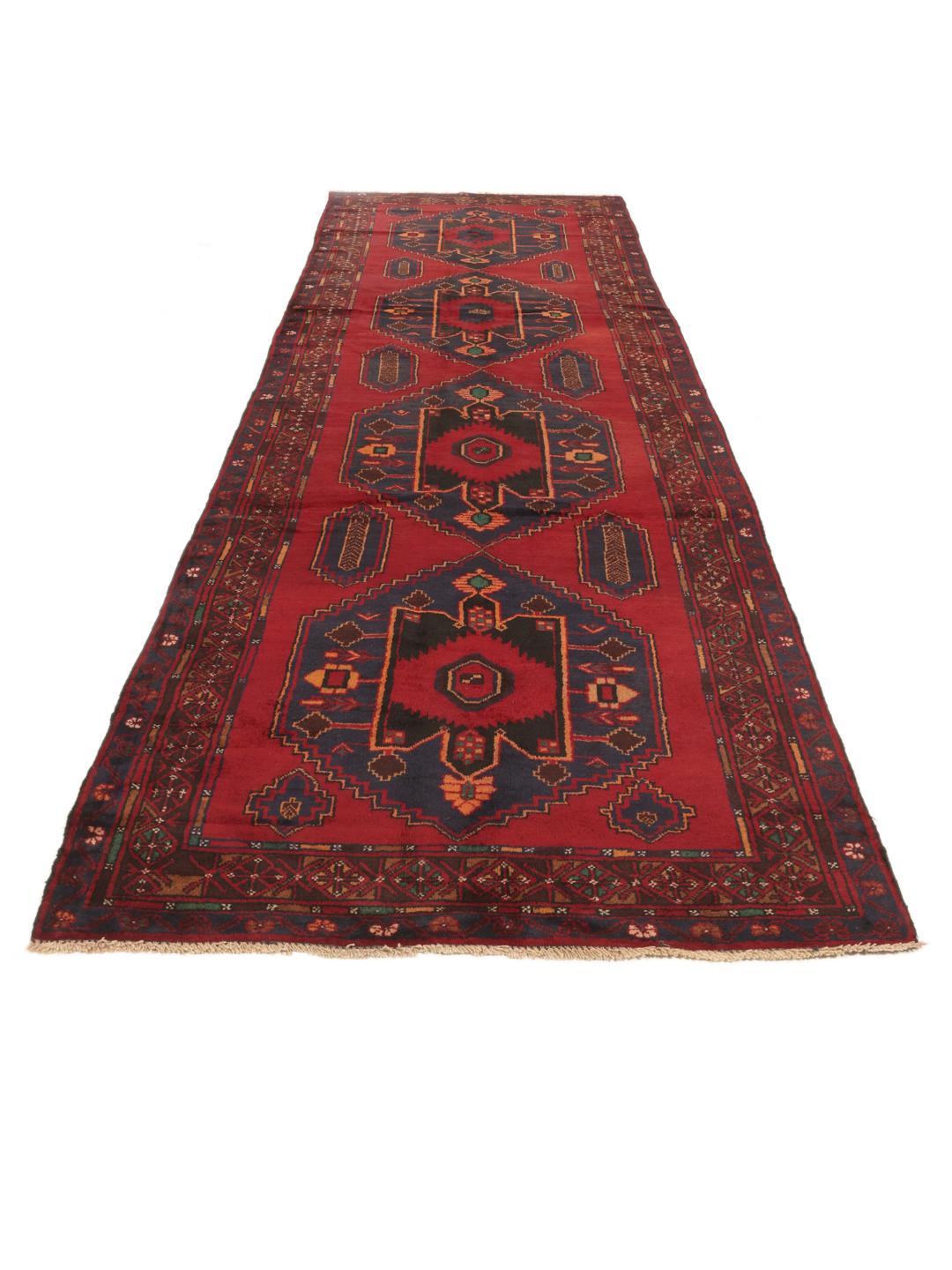
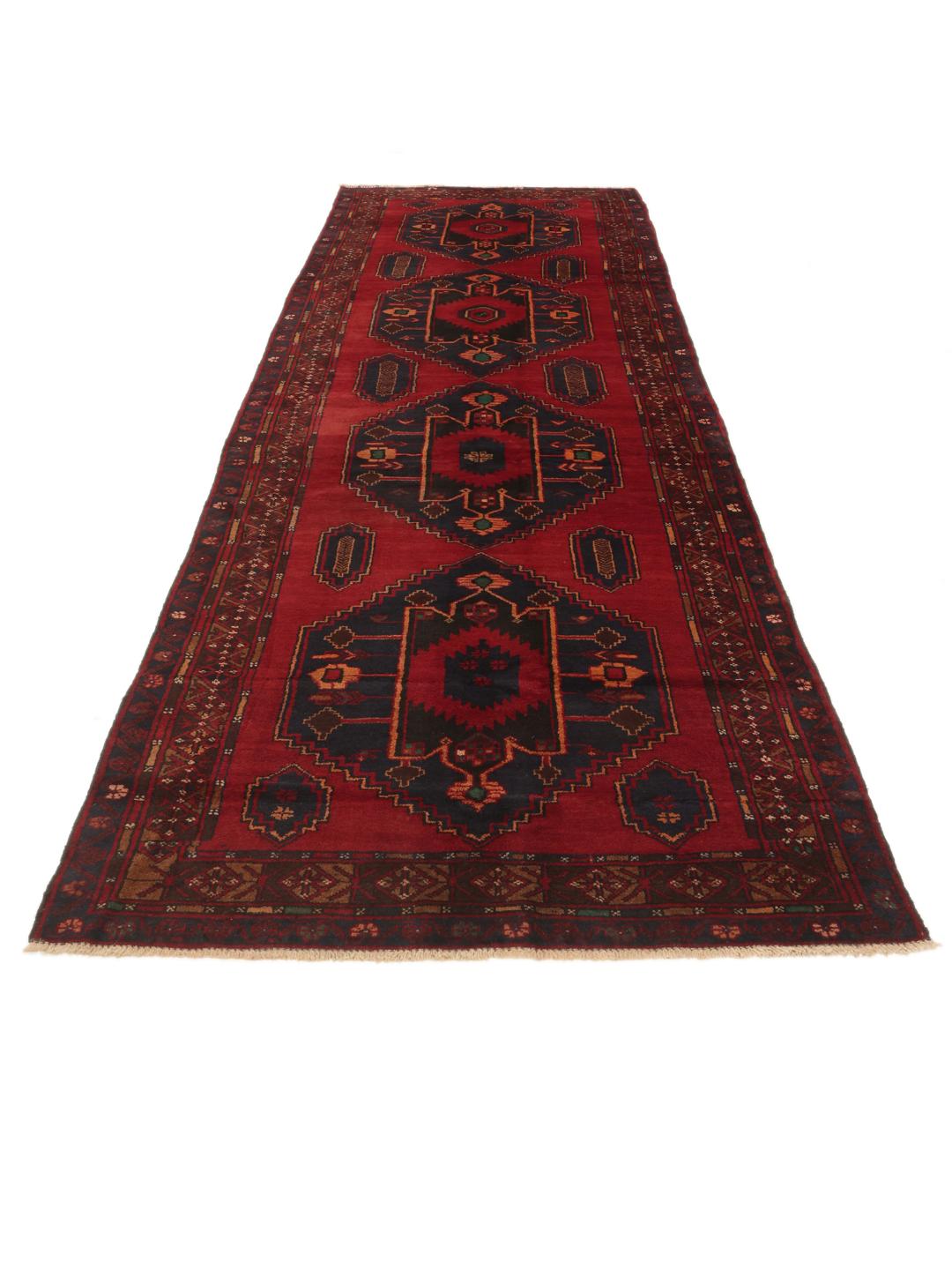
Baluch rugs originate from the nomadic and semi-nomadic tribes living in the border regions of the Middle East. These rugs are deeply rooted in a nomadic history where the craft was passed down through generations, serving not only as floor coverings but also as functional bags and tent decorations that could travel with the tribe.
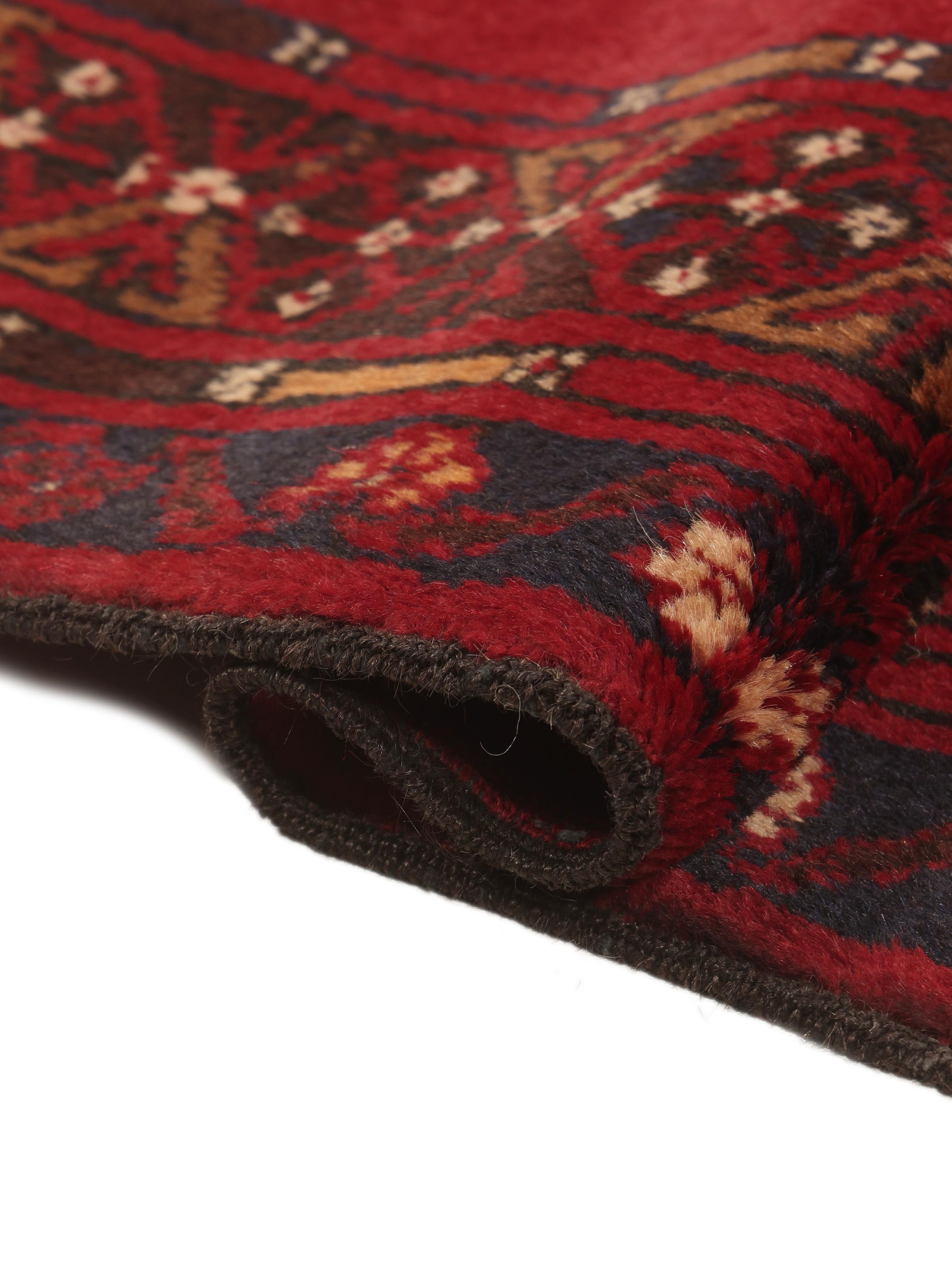
The term 'Beluch' refers to the tribal heritage of the weavers, and these rugs are highly regarded for their use of natural dyes and sturdy construction. The materials used, particularly the wool, are often sourced from the tribes' own flocks, ensuring a tactile quality that is both coarse and remarkably durable, designed to handle the rigours of nomadic life.
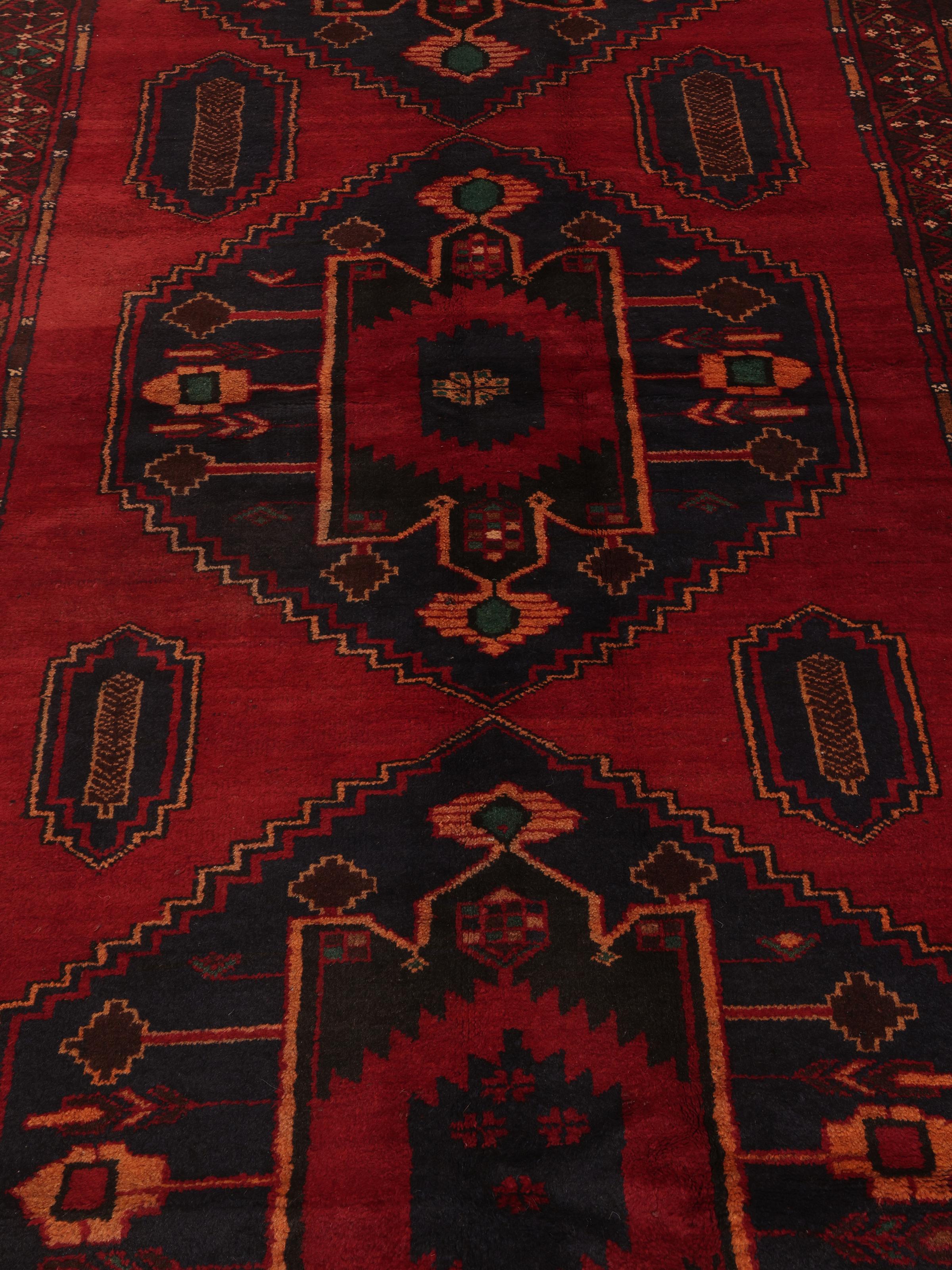
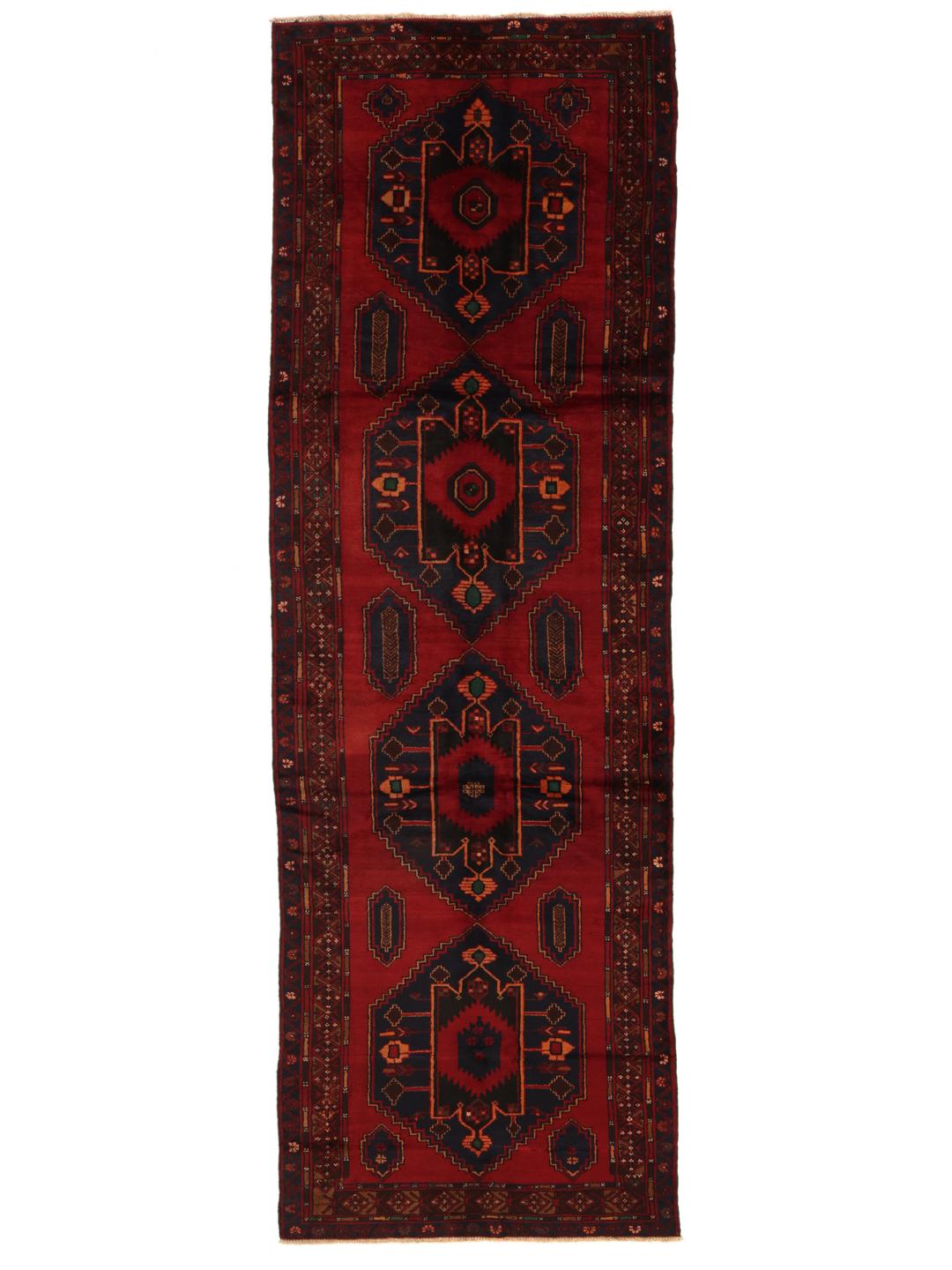
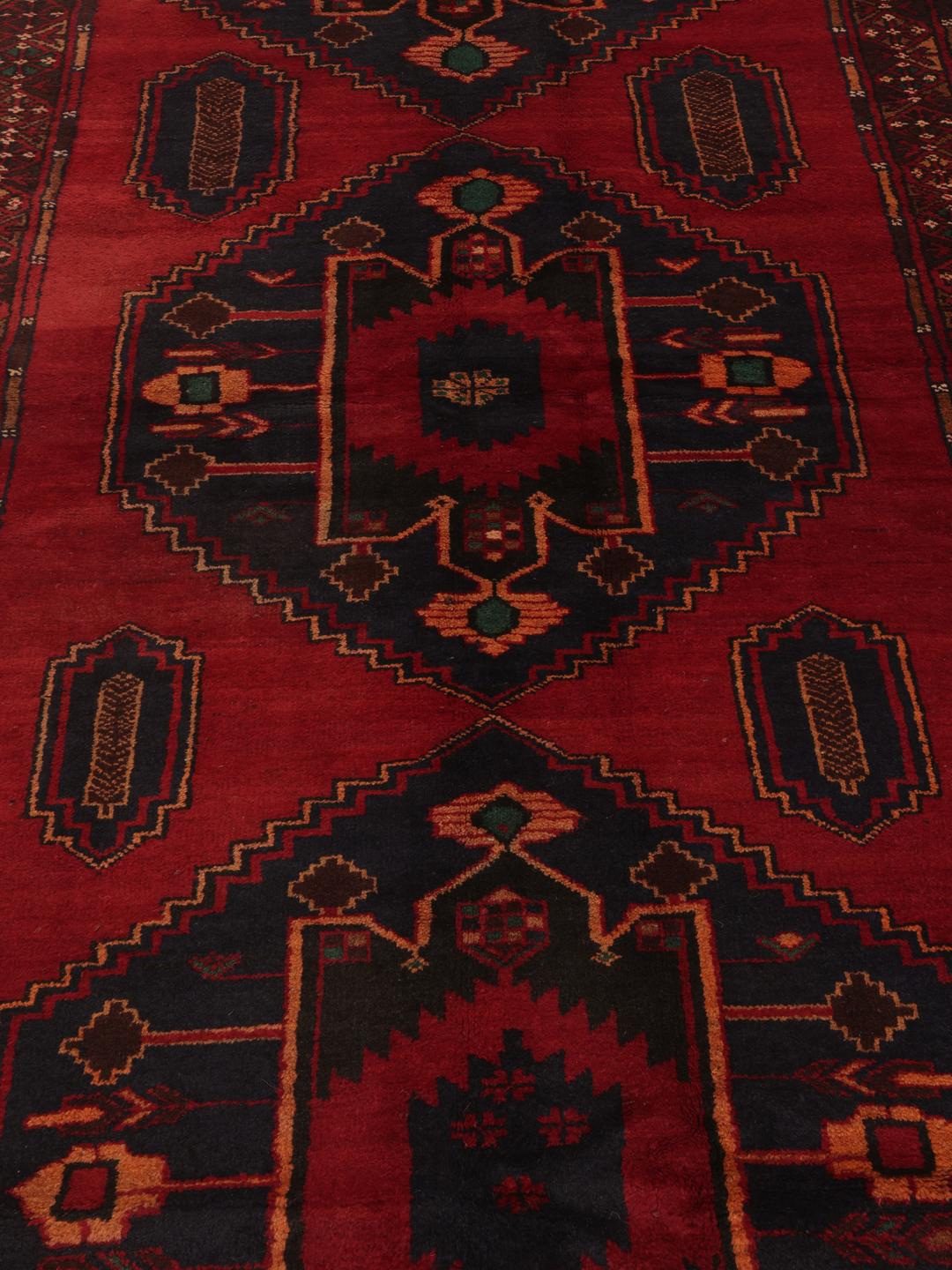
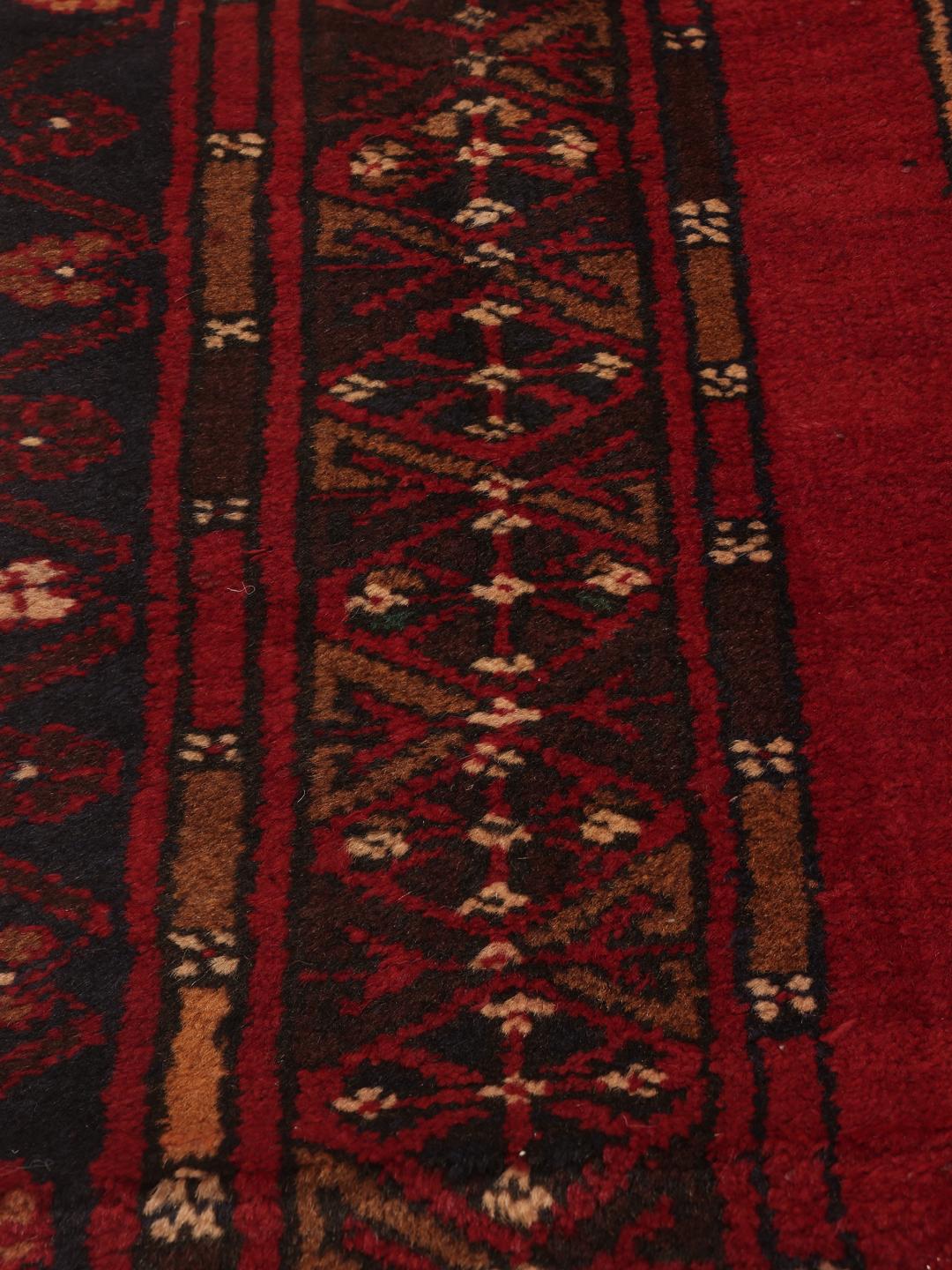
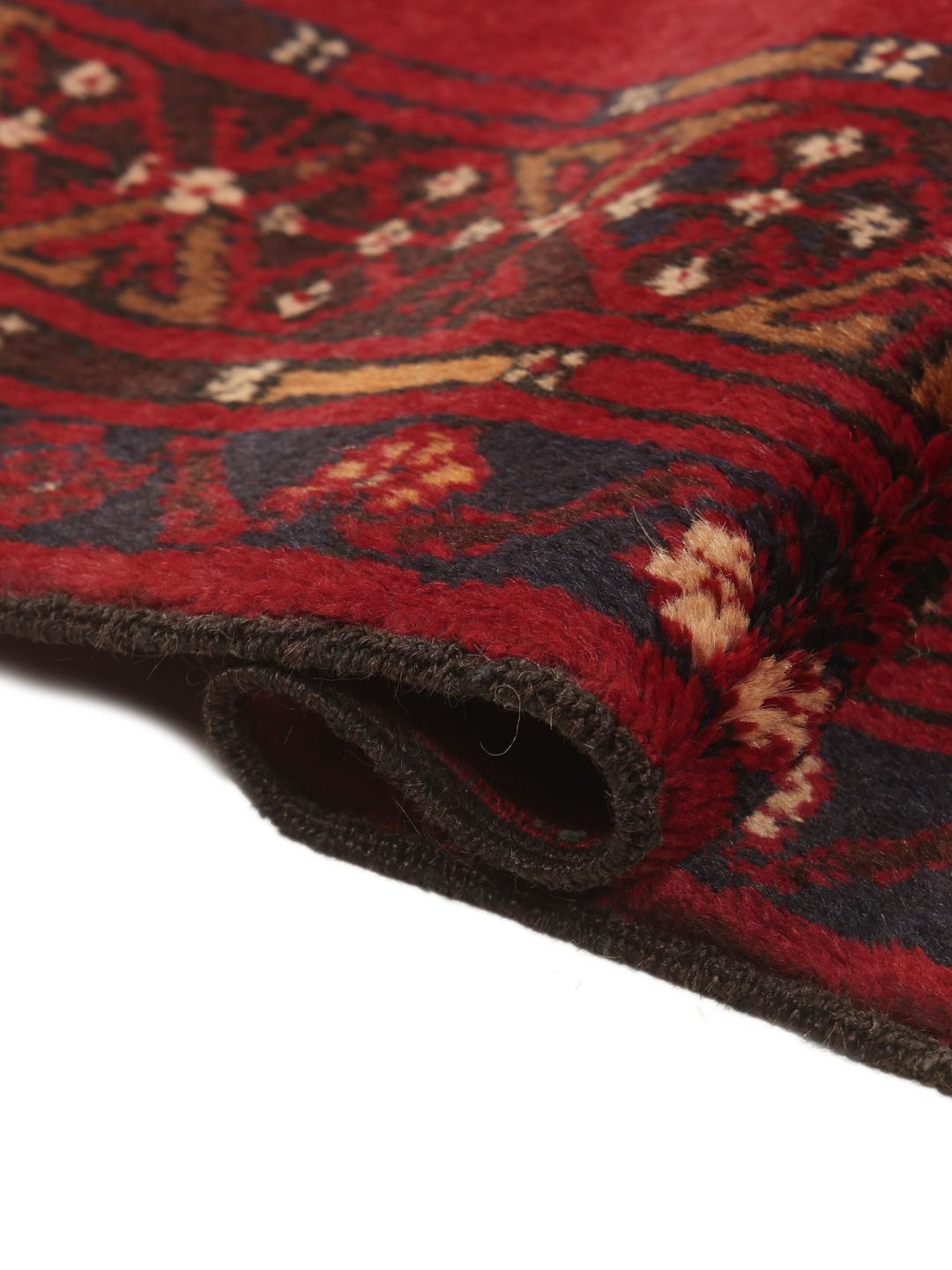
Visually, these rugs are defined by their deep, moody colour palettes—often featuring dark reds, browns, and blacks—and their complex geometric patterns. The recurring motifs, such as the medallions seen here, are stylized interpretations of the natural world and tribal symbols, often framed by elaborate borders that showcase the weaver's mastery of symmetry.
Owning a Baluch rug is an invitation to connect with a rich cultural narrative that spans centuries. These pieces are highly prized by collectors for their authenticity and the skill required to produce them without the aid of modern technology, making each runner a meaningful link to a storied past and a celebration of human ingenuity.