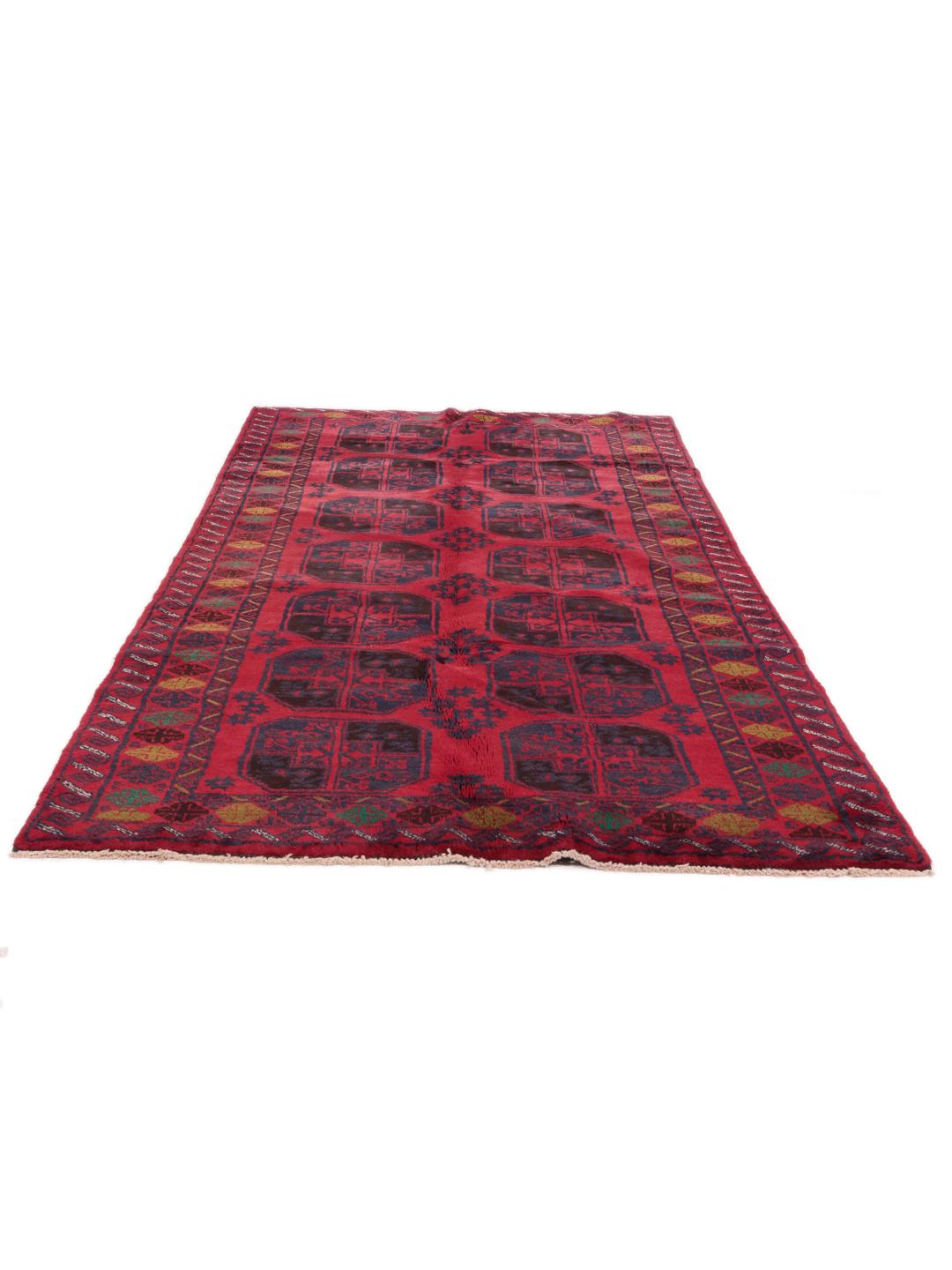
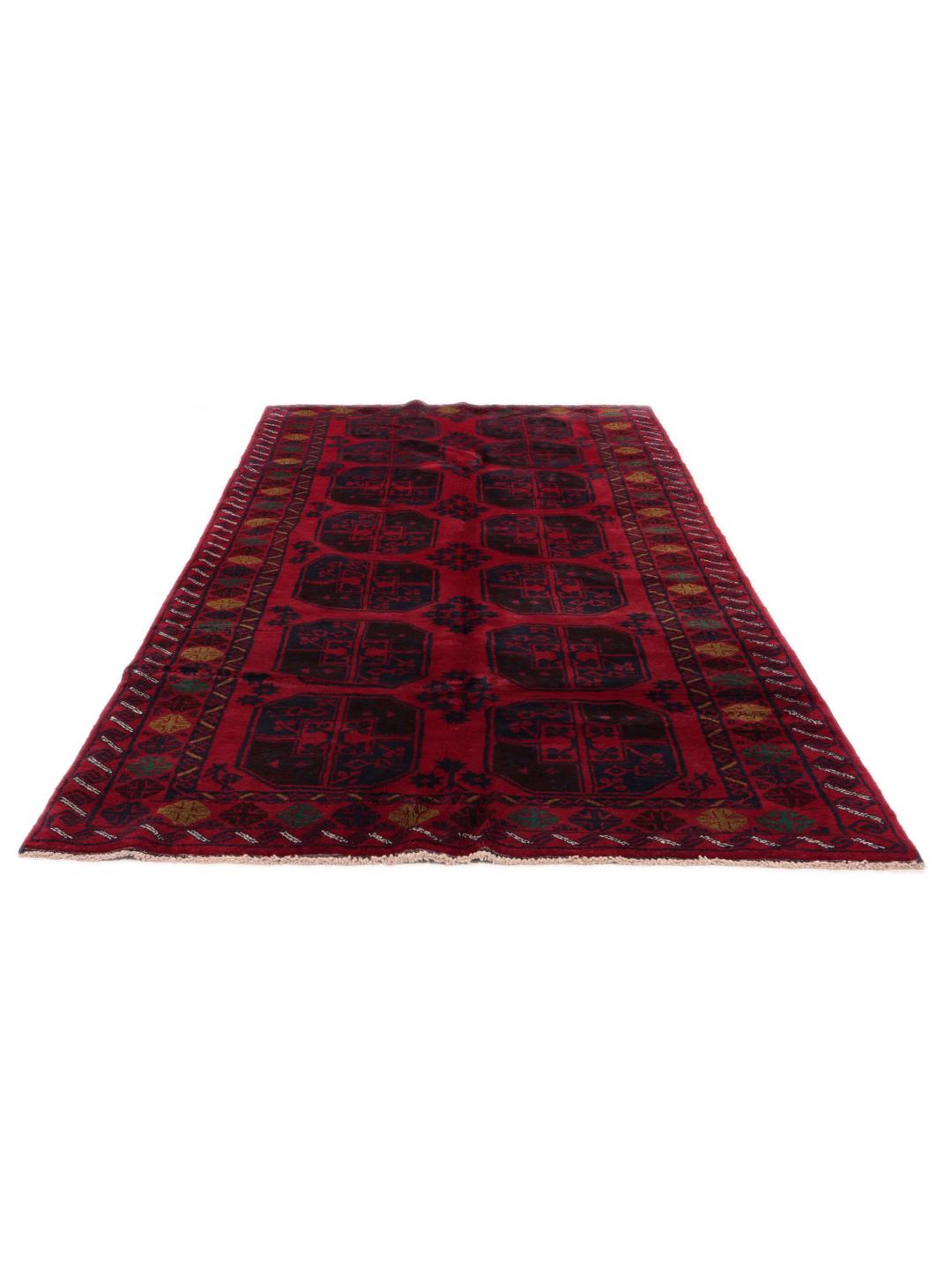
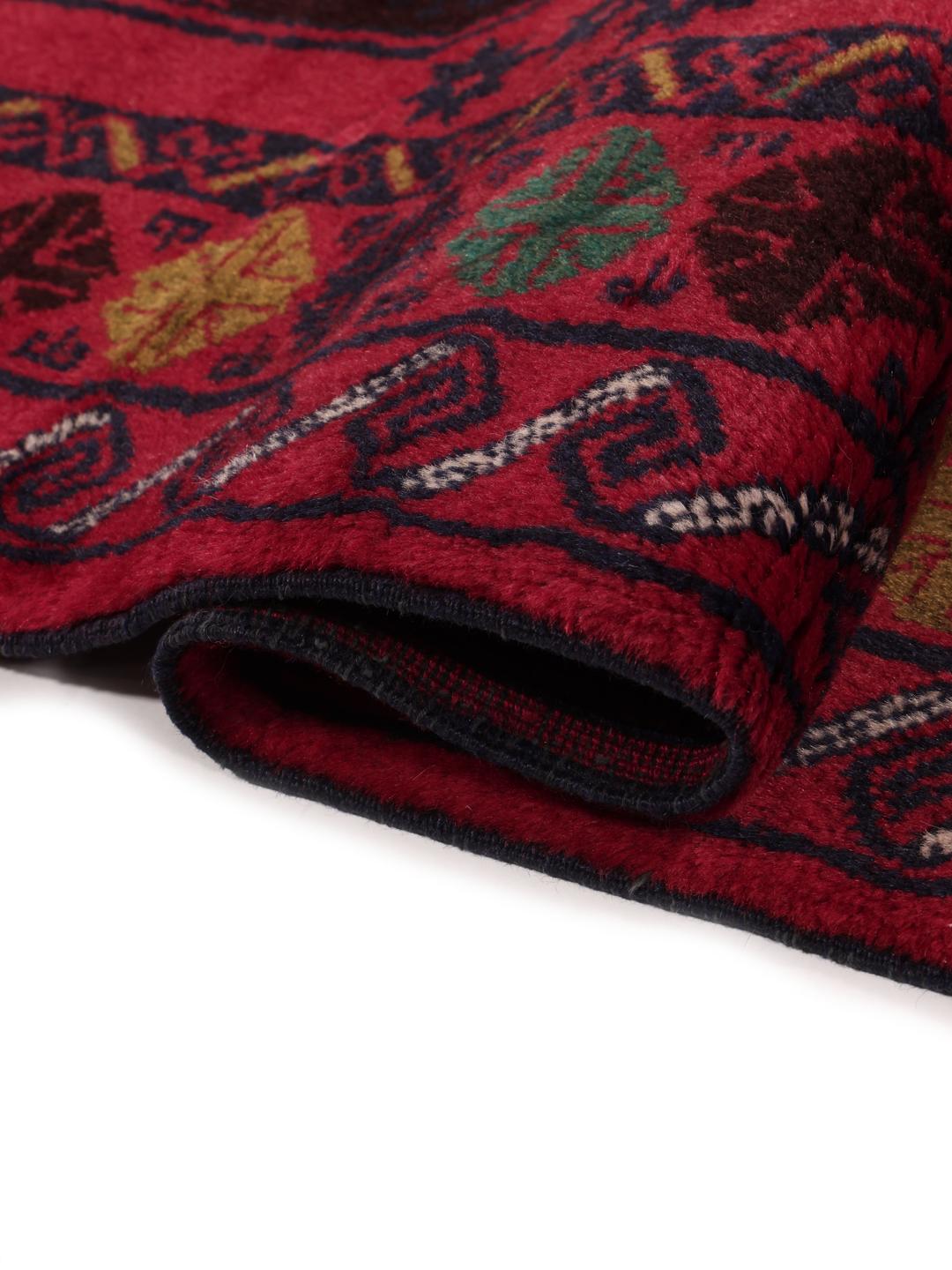
The Beluch rug tradition originates from the nomadic and semi-nomadic tribes residing in the border regions of the Middle East, primarily spanning areas of Afghanistan and its neighbours. Historically, these rugs were woven on portable horizontal looms, allowing the weavers to carry their work as they travelled, which is why they are often produced in smaller, manageable sizes like runners and prayer rugs.
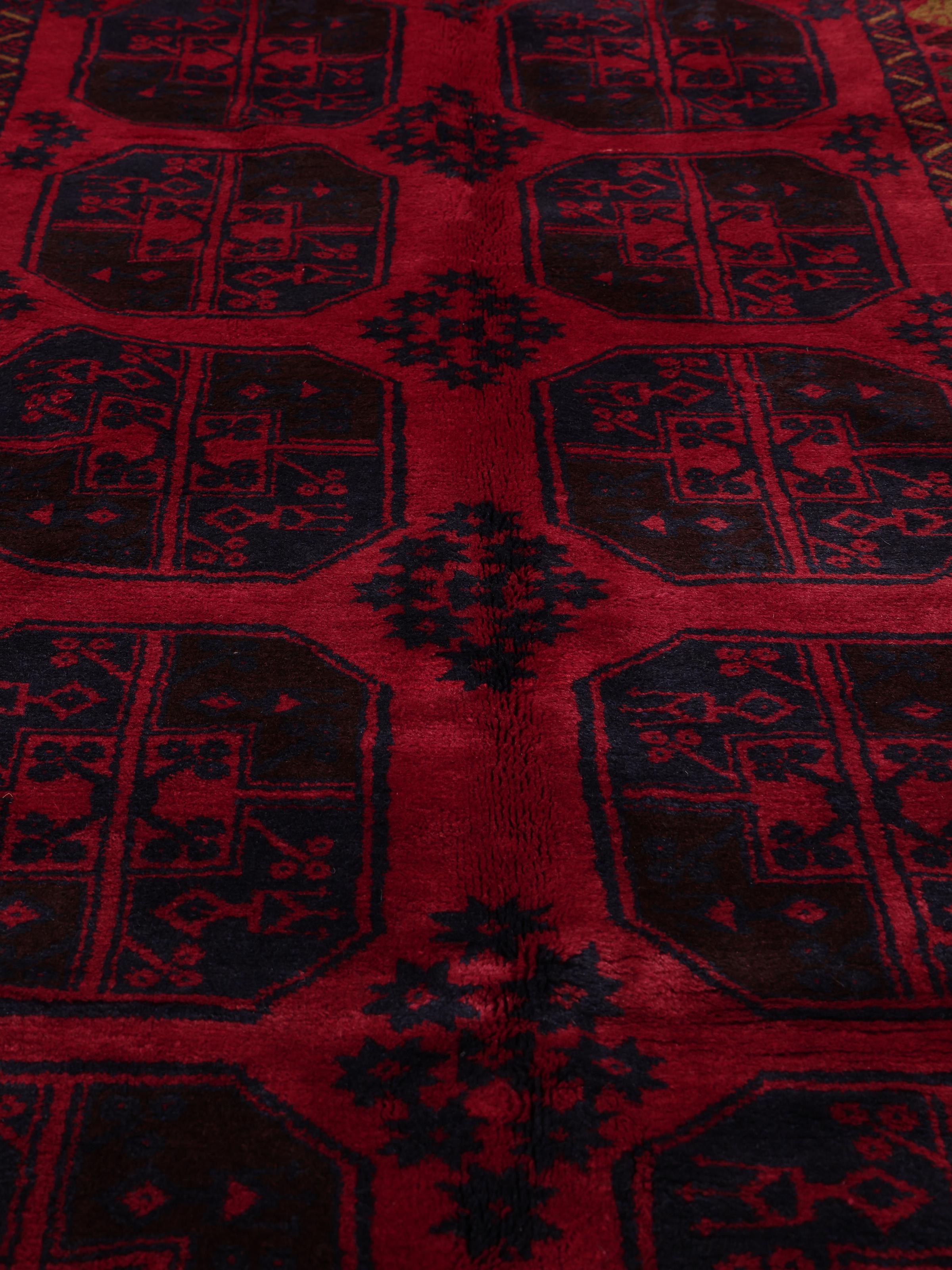
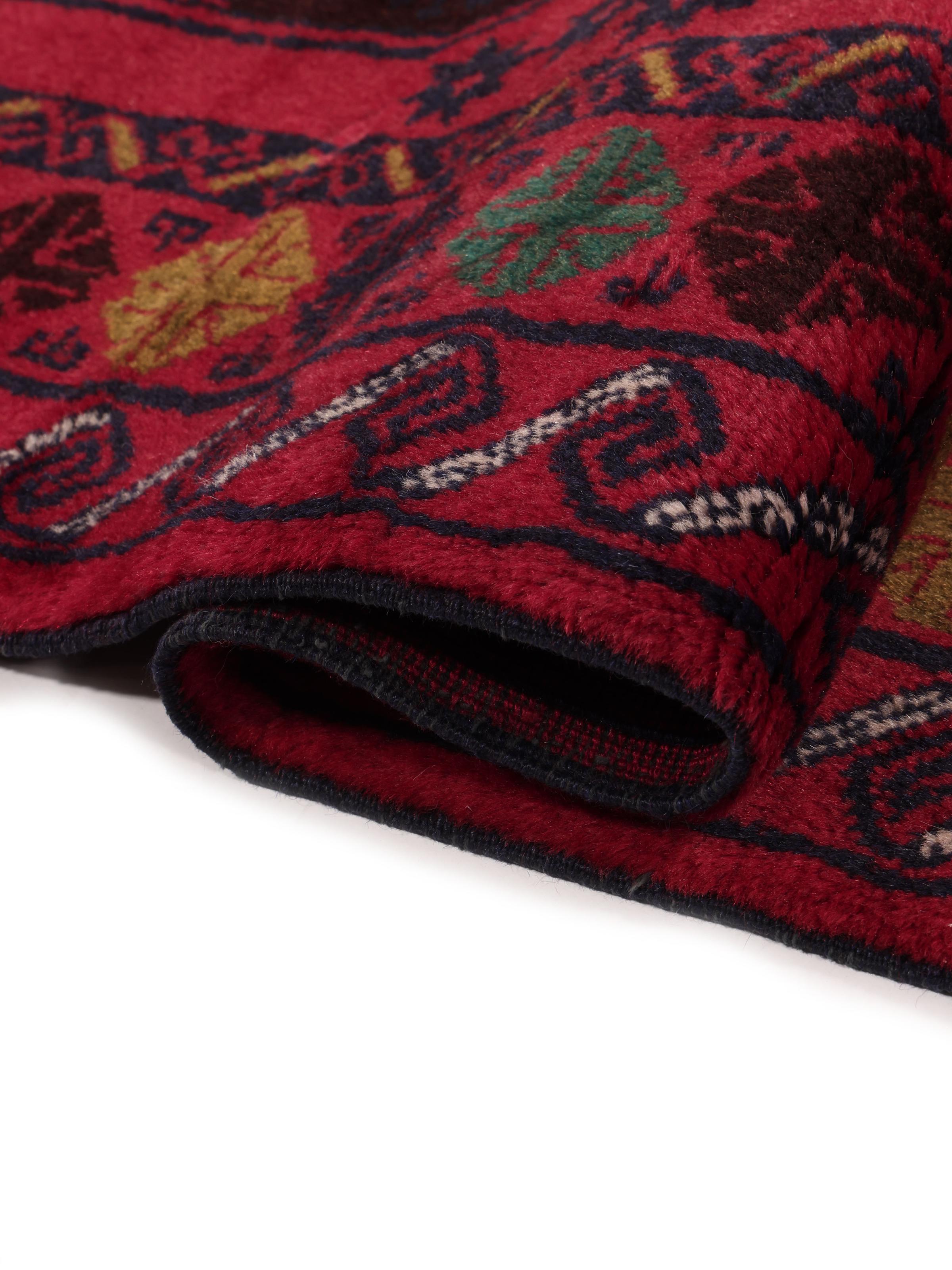
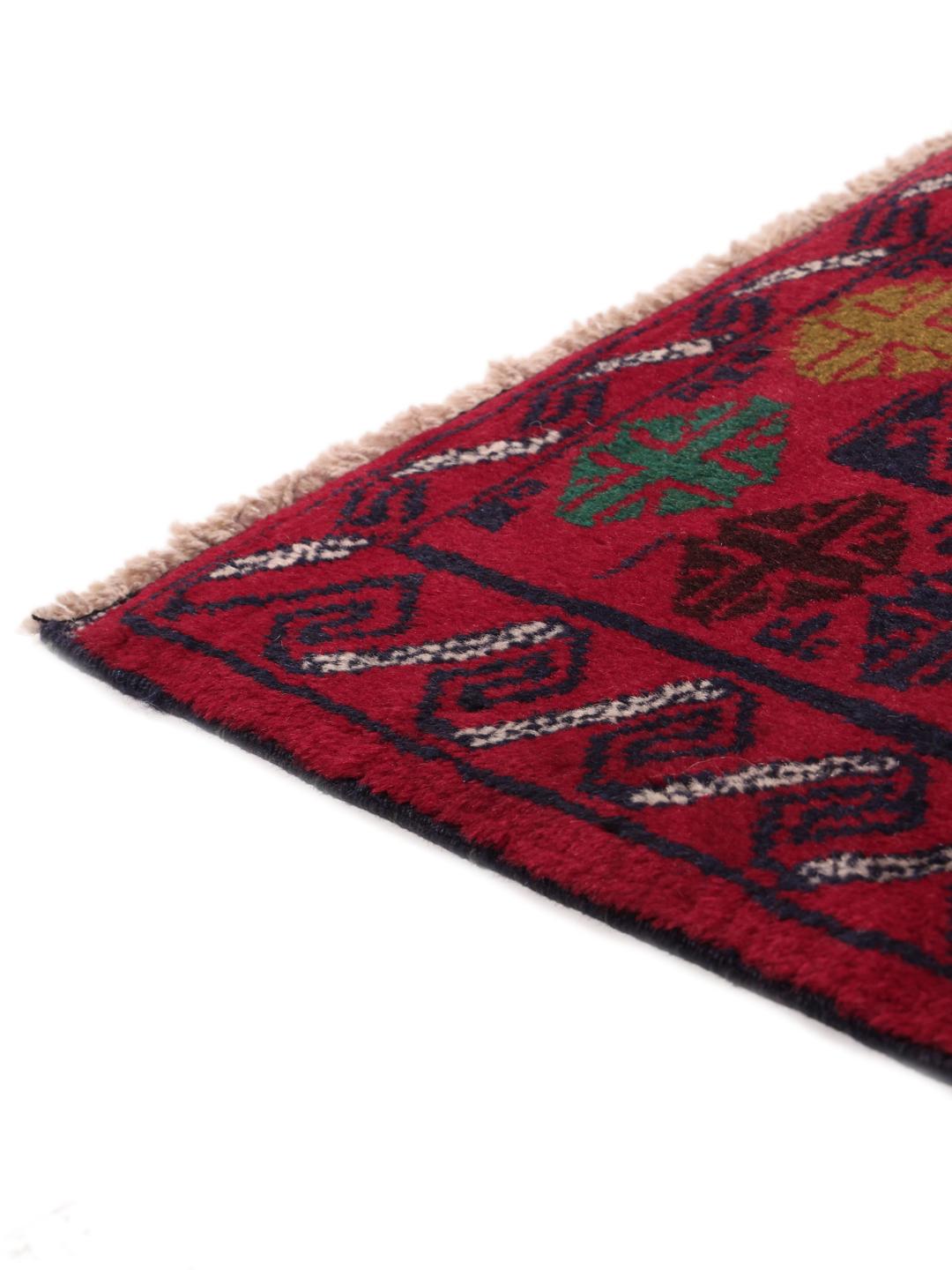
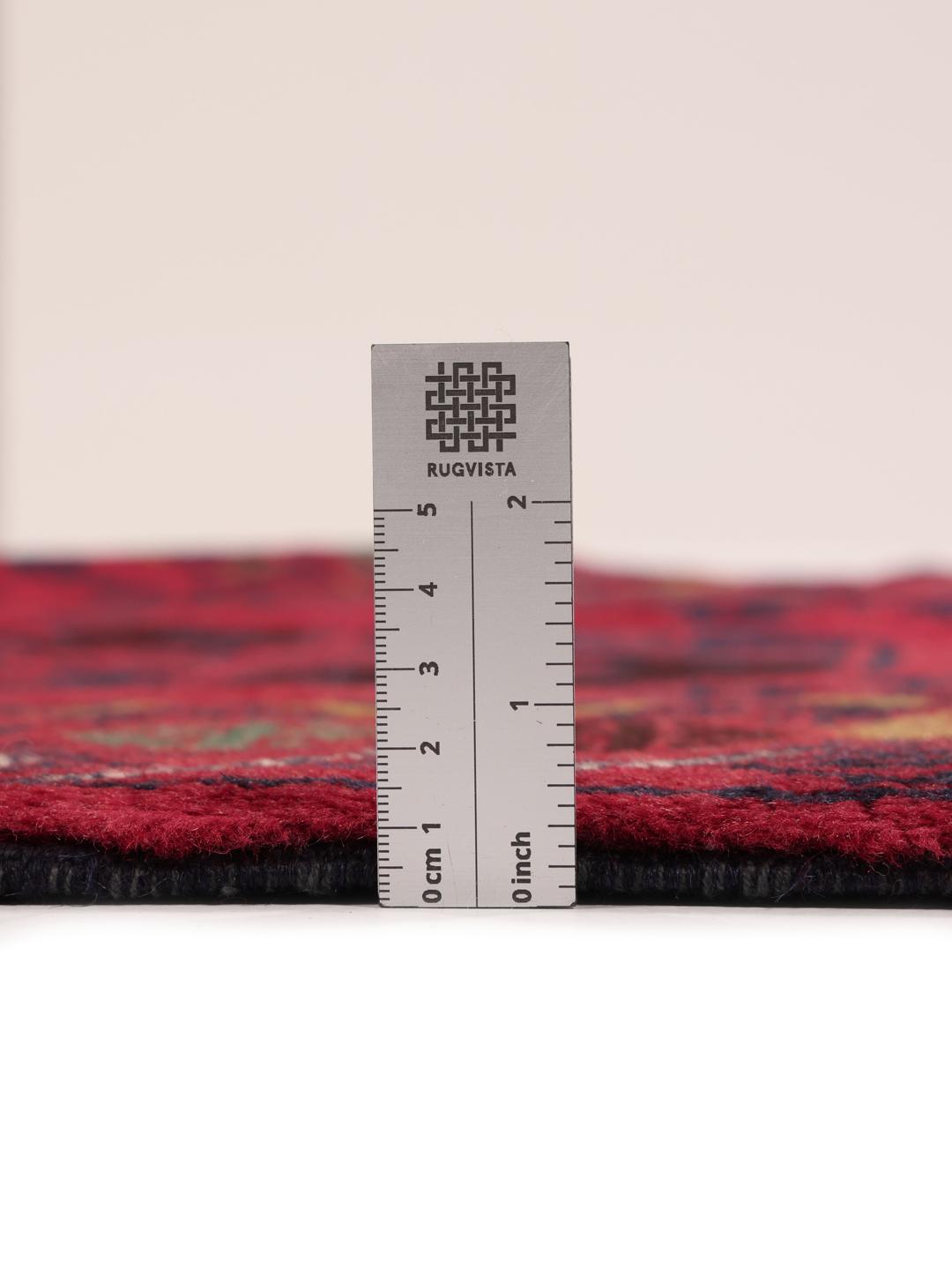
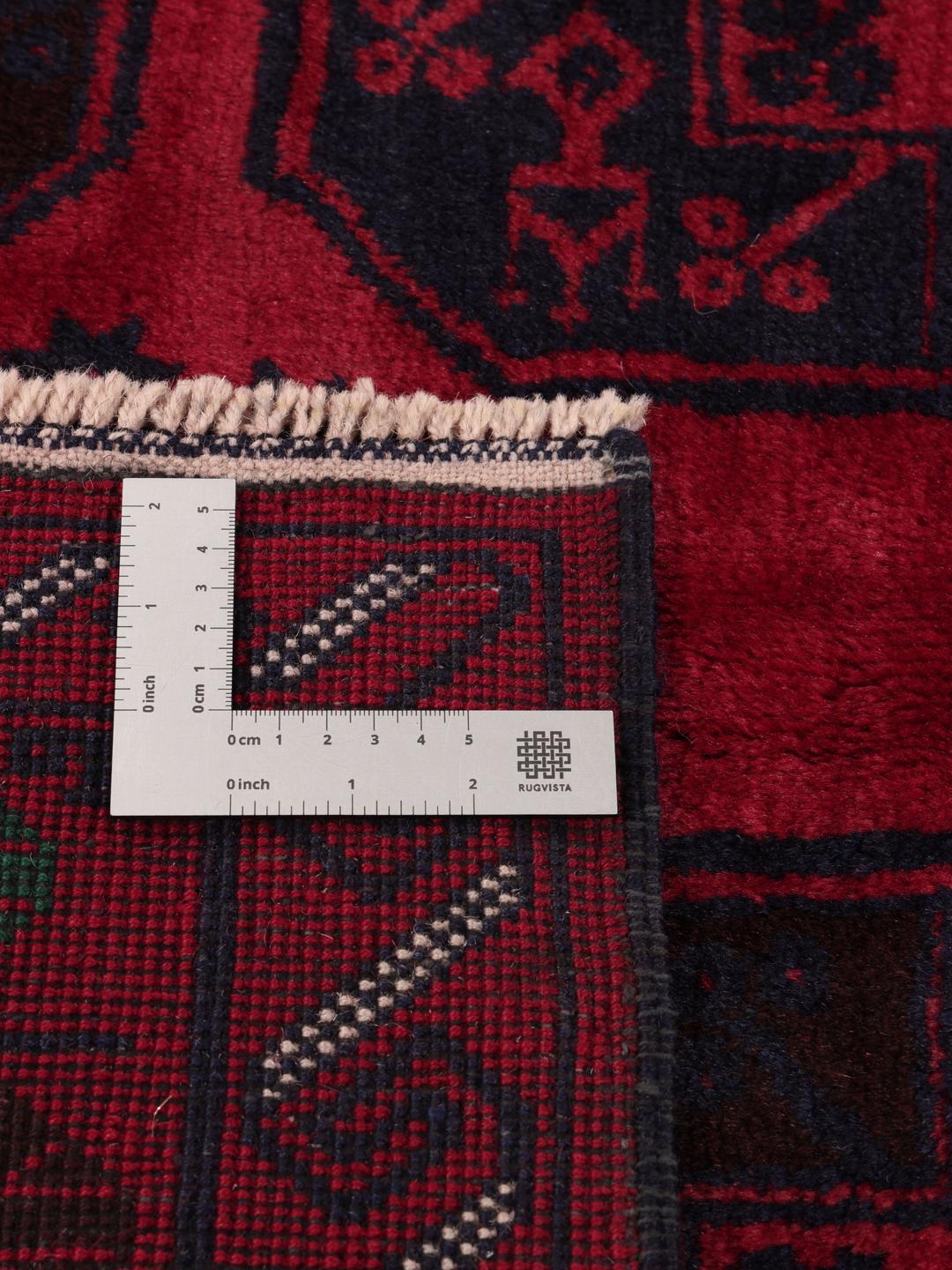
The artistry of these rugs lies in their adherence to traditional design language, which is often characterised by deeply saturated colours and geometric precision. The weavers utilise a specific knotting technique that contributes to a durable and tight pile, ensuring the rug remains robust even under the demands of nomadic life. Understanding these technical roots helps one appreciate why these rugs are so enduring.
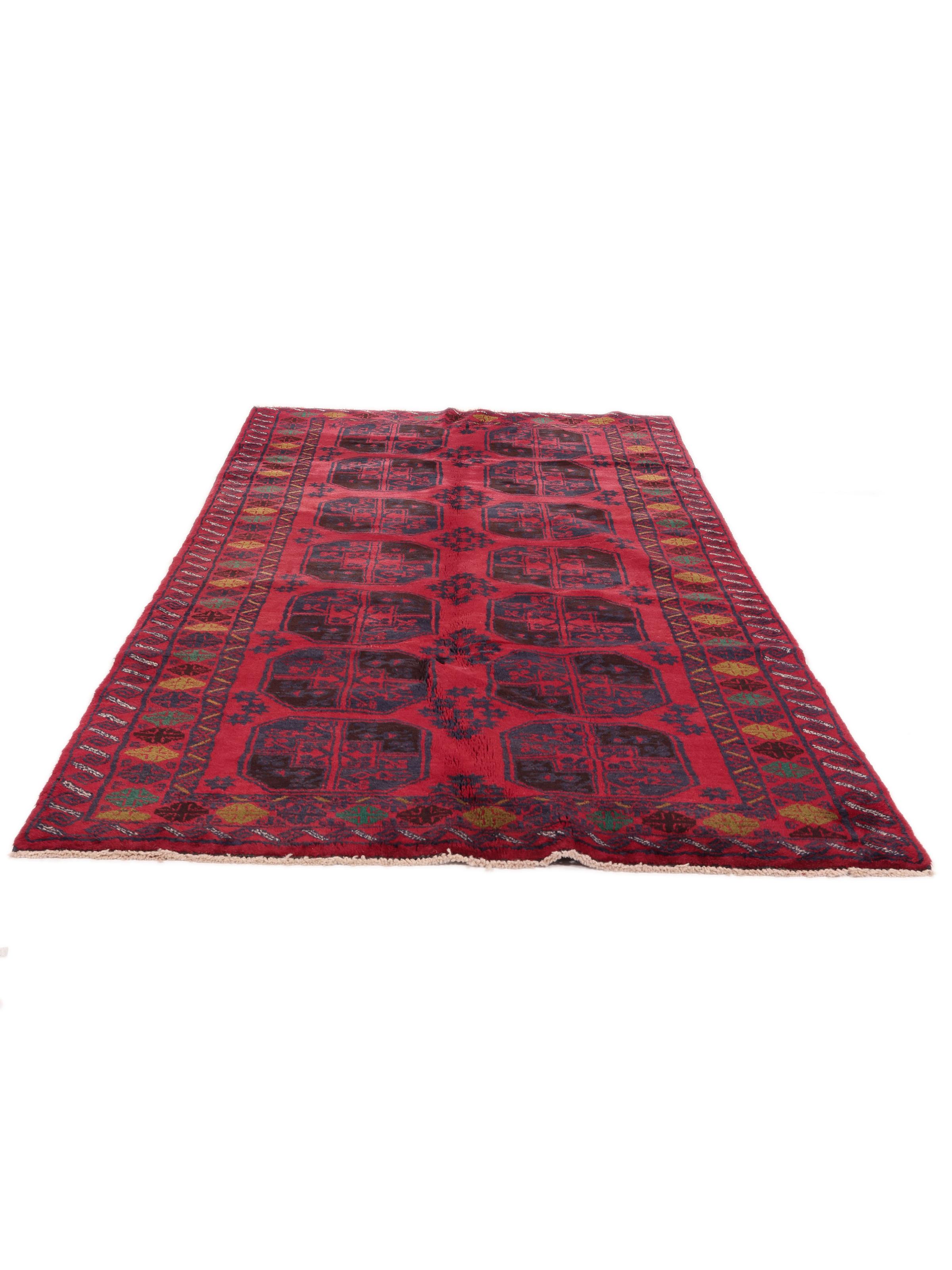
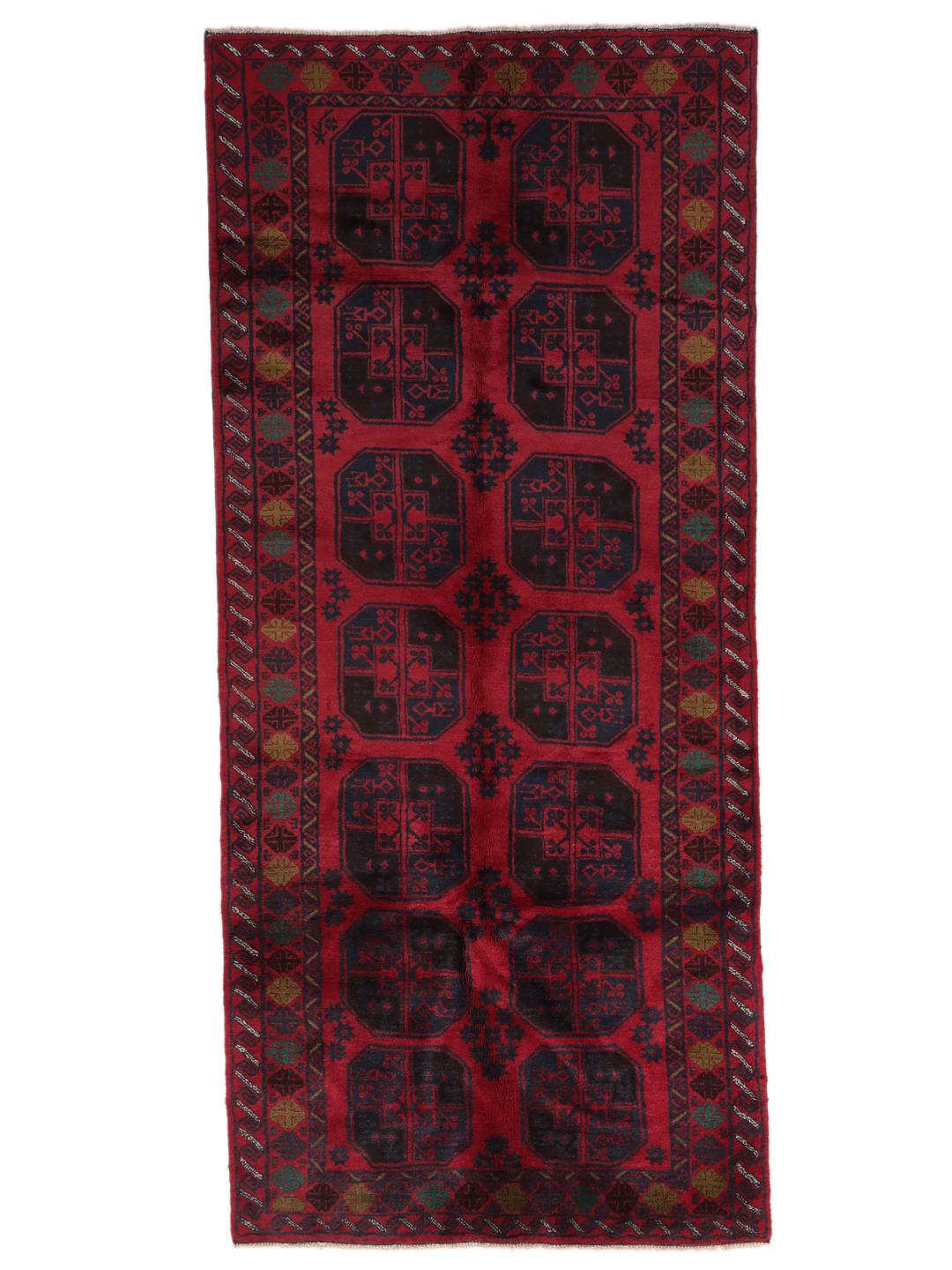
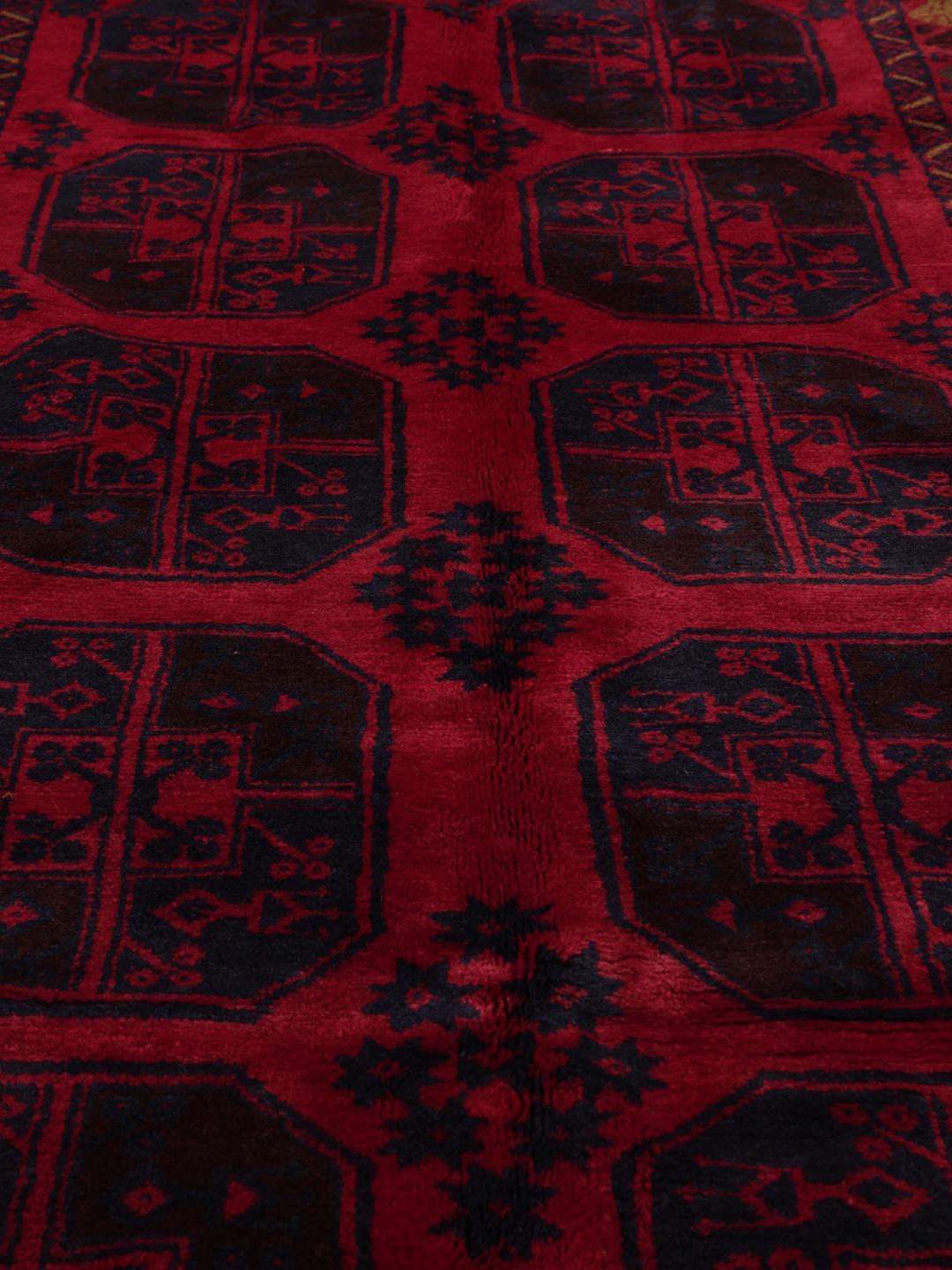
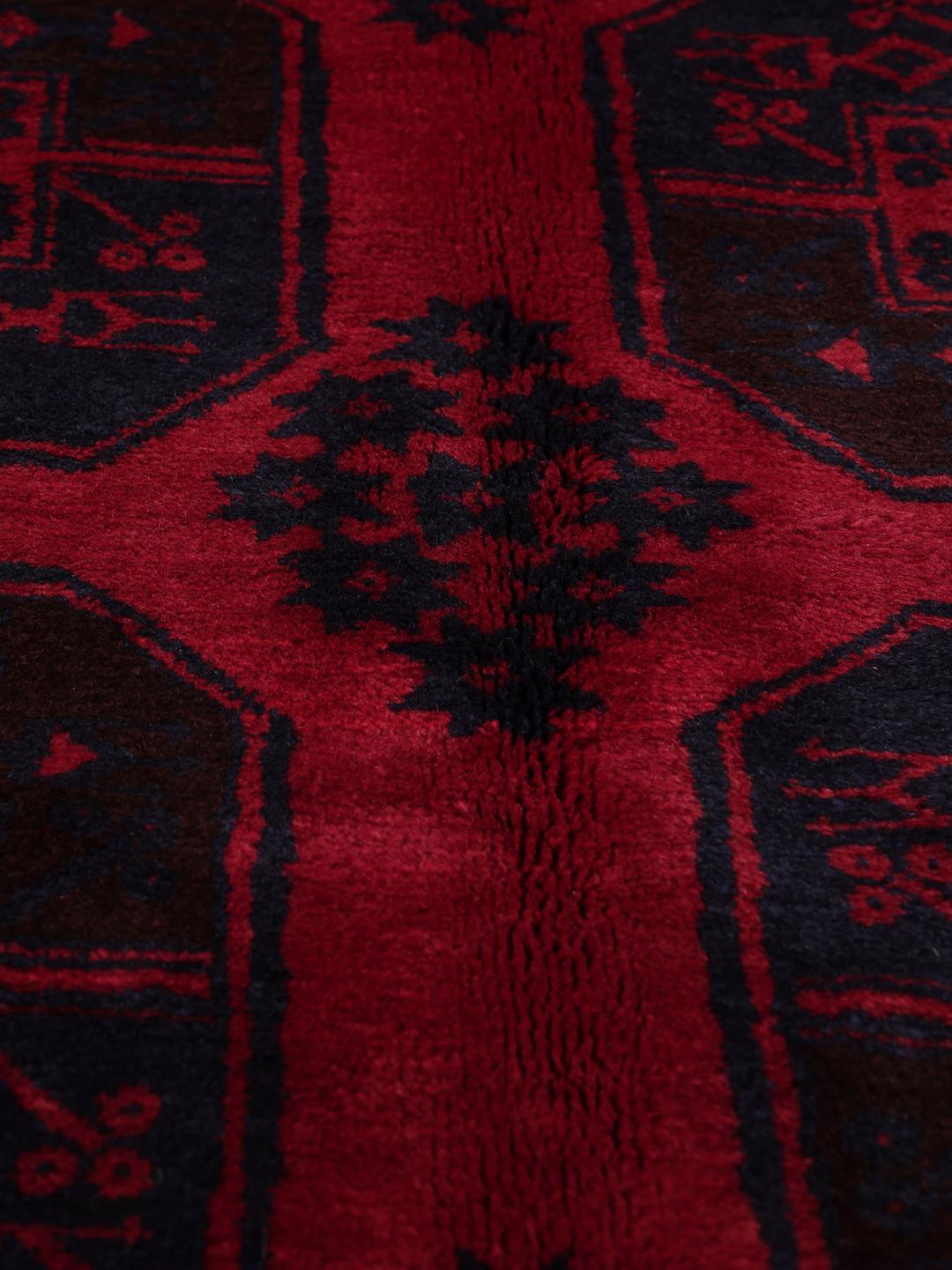
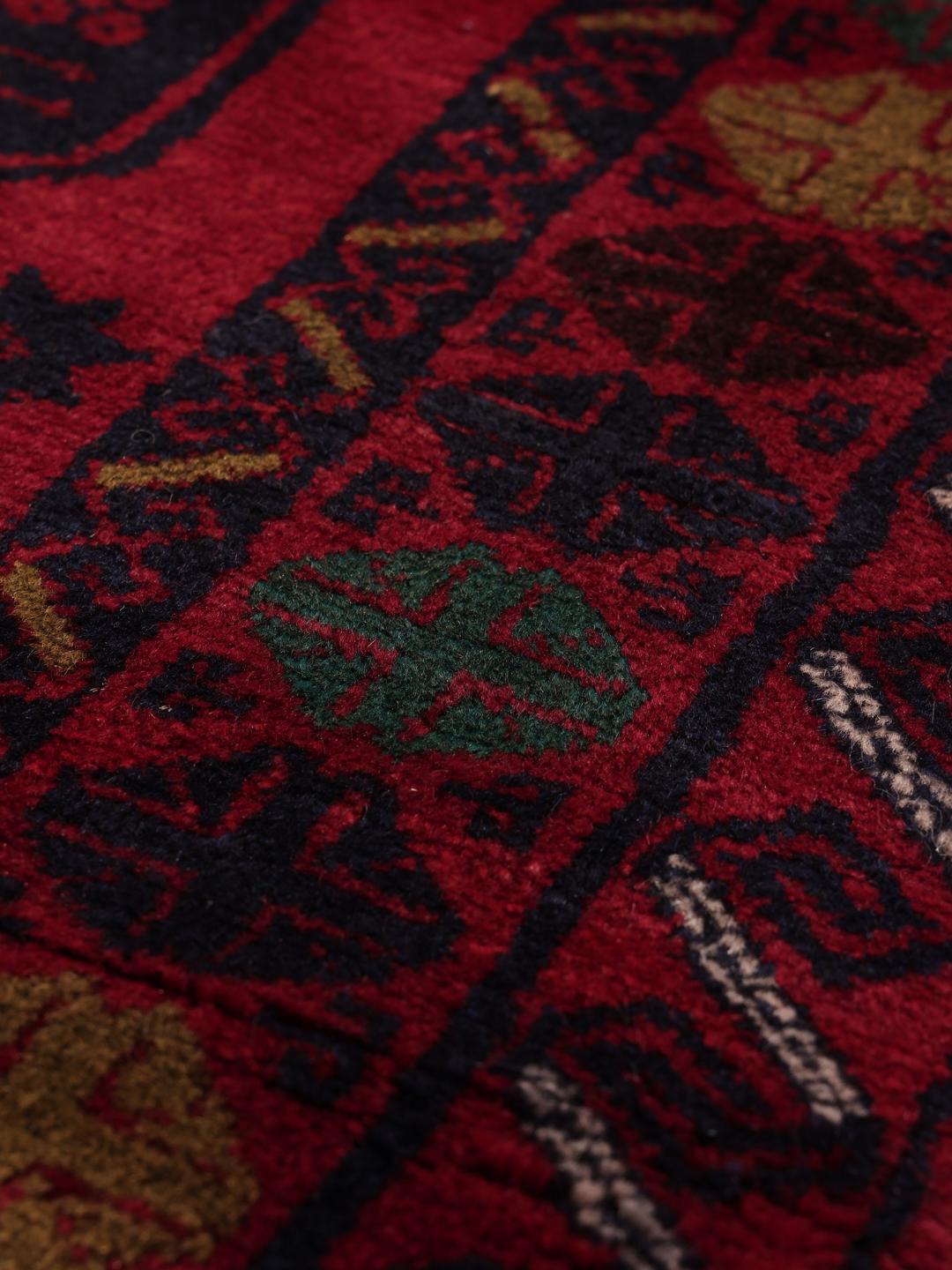
Signature motifs often include repeating geometric patterns, octagonal medallions, and stylised floral or tribal symbols that carry deep cultural significance for the weavers. The borders are typically framed with complex, rhythmic designs that balance the central field, reflecting a long history of tribal artistry. The deep red and black palette seen here is a classic hallmark of the tradition, designed to be both functional and visually striking.
Beluch rugs are highly sought after by collectors for their authentic tribal character and the immense skill required to produce them. Owning a piece from this tradition is an investment in a living heritage, as the techniques have been passed down through generations. These rugs serve not just as floor coverings, but as cultural artefacts that bring warmth and historical depth into the modern home.