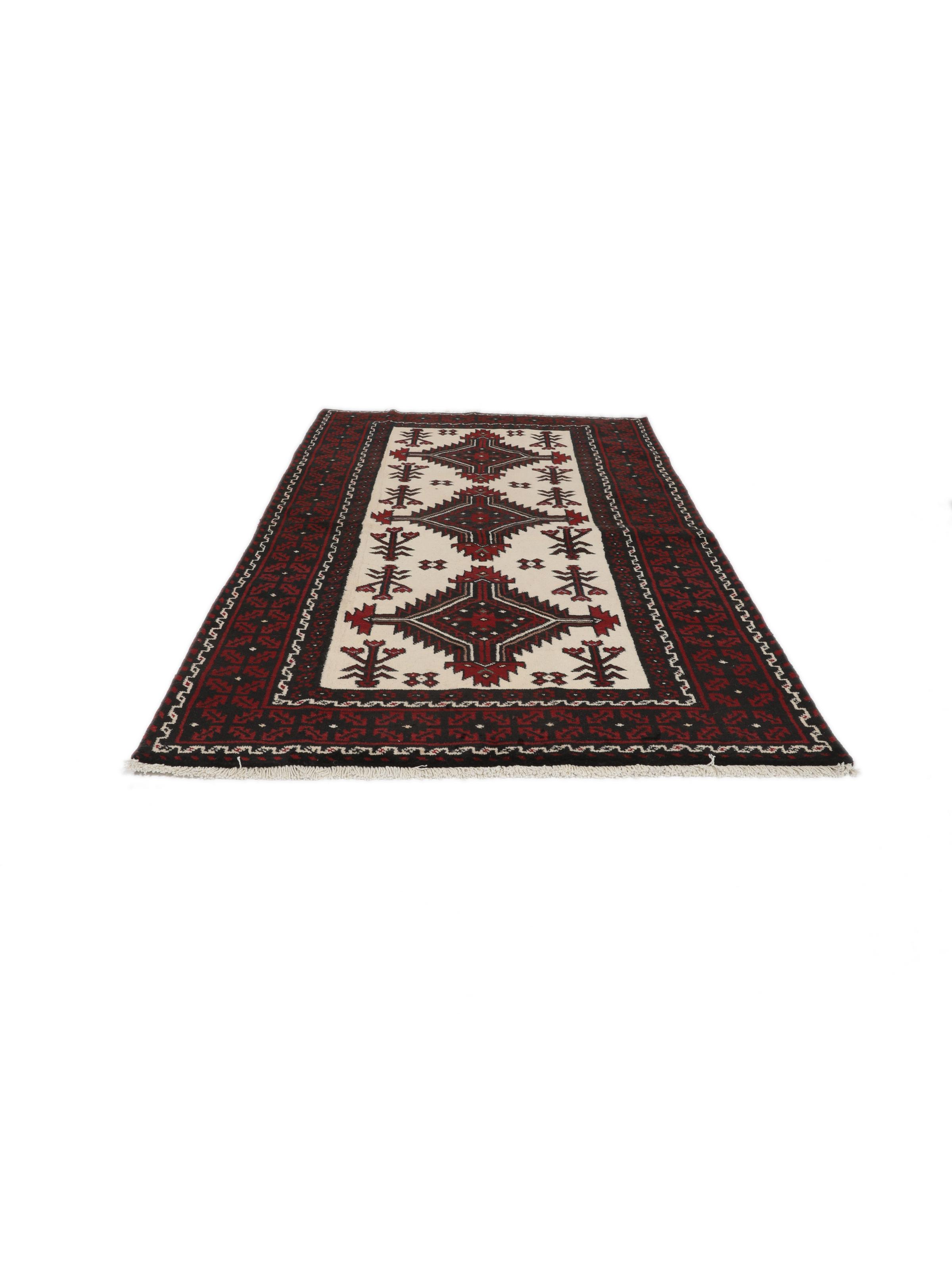
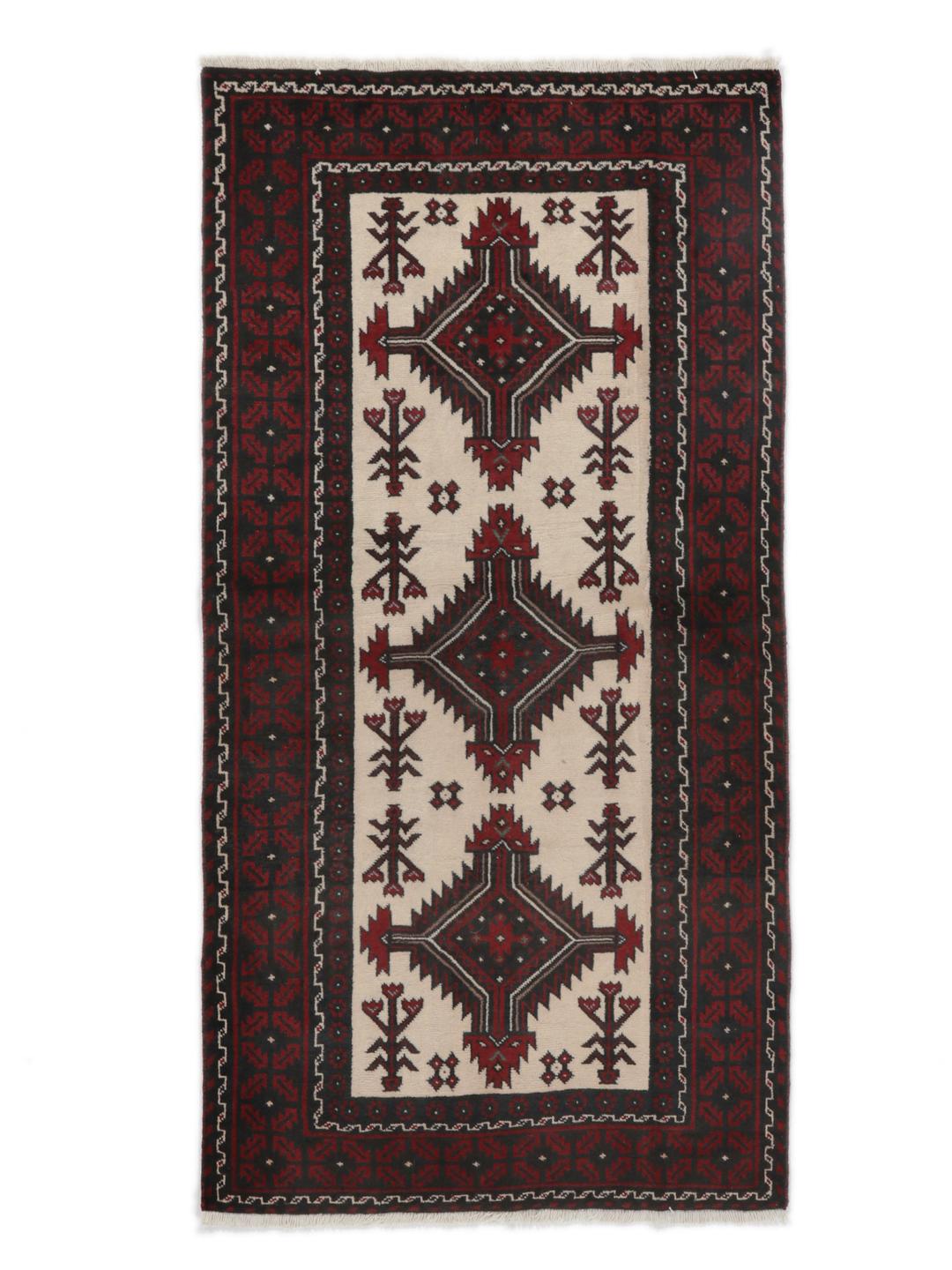
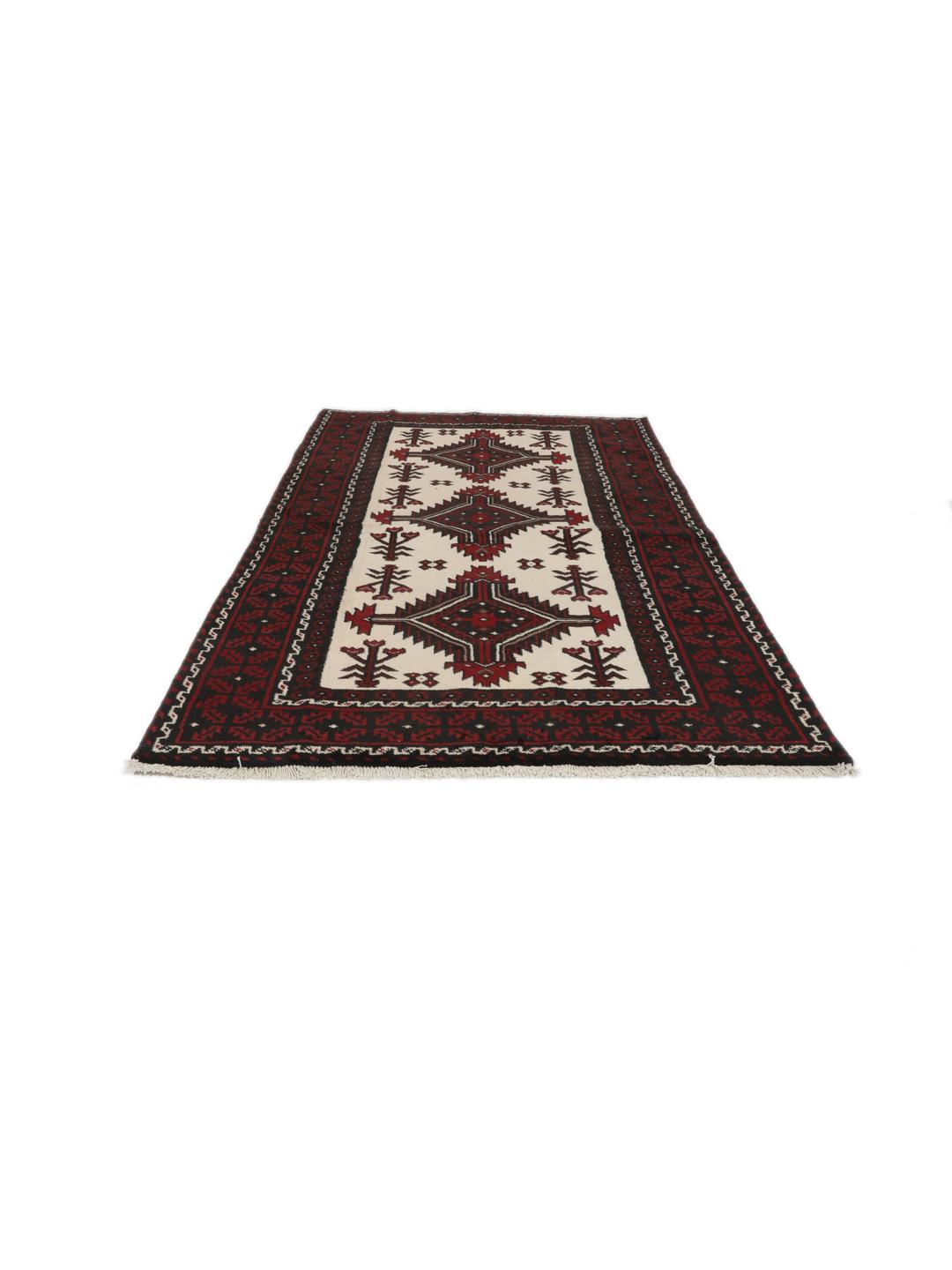
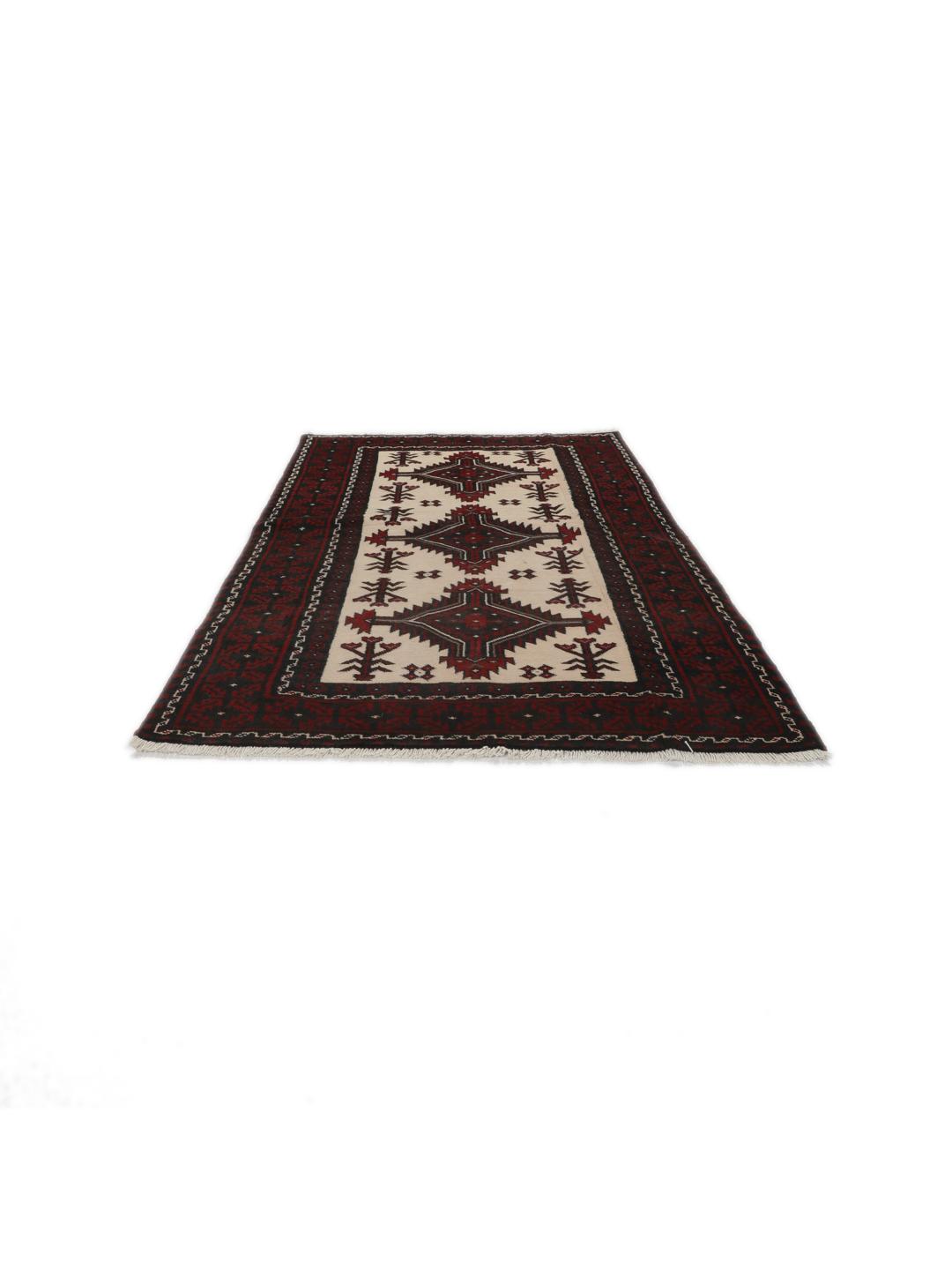
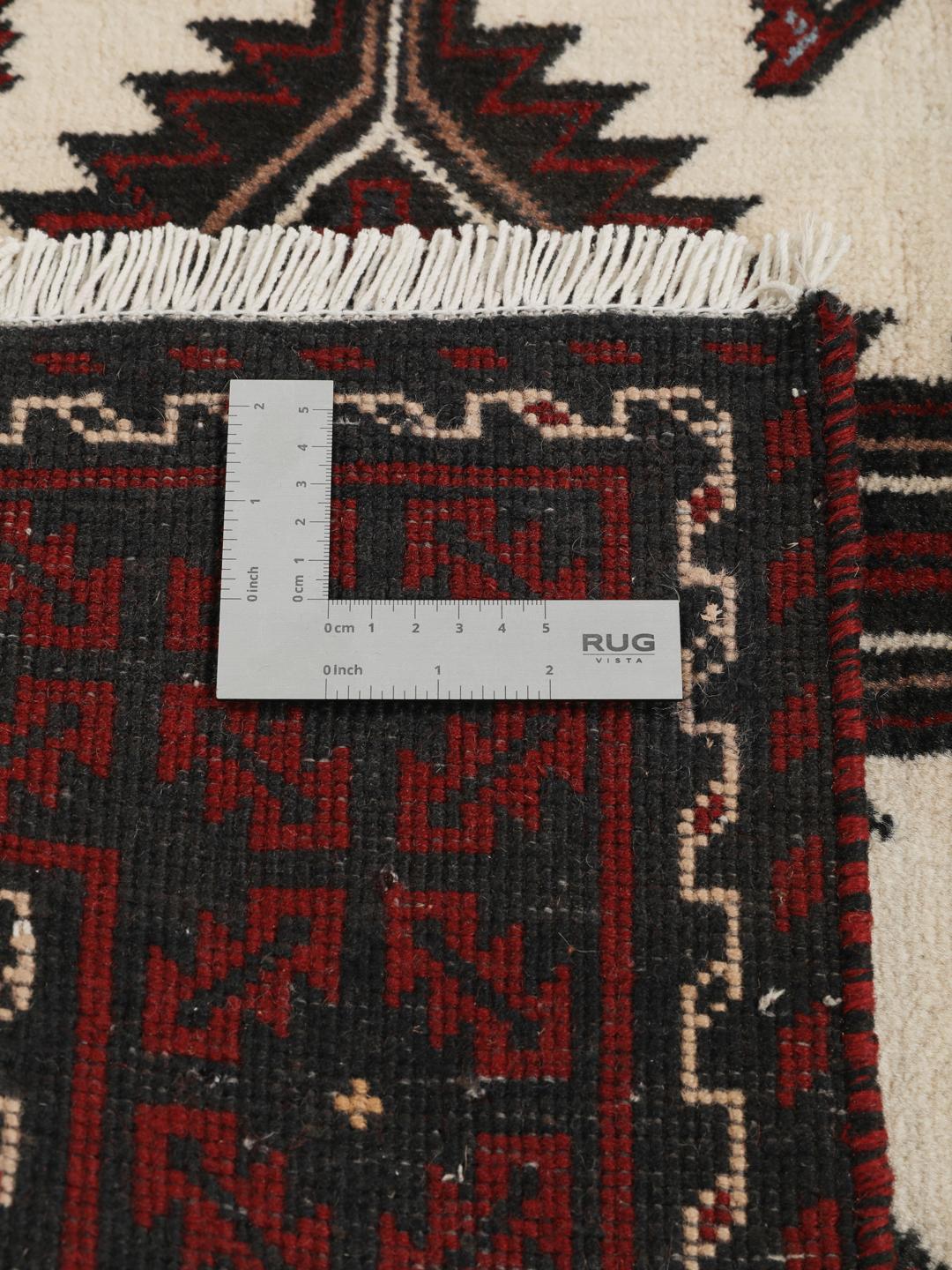
The Baluch tradition originates from the nomadic tribes of the Middle East, whose weaving practices are deeply rooted in the harsh, rugged landscapes of the border regions. These artisans developed a distinct style characterised by portability and durability, creating rugs that served as essential components of nomadic life, from ground coverings to saddlebags.
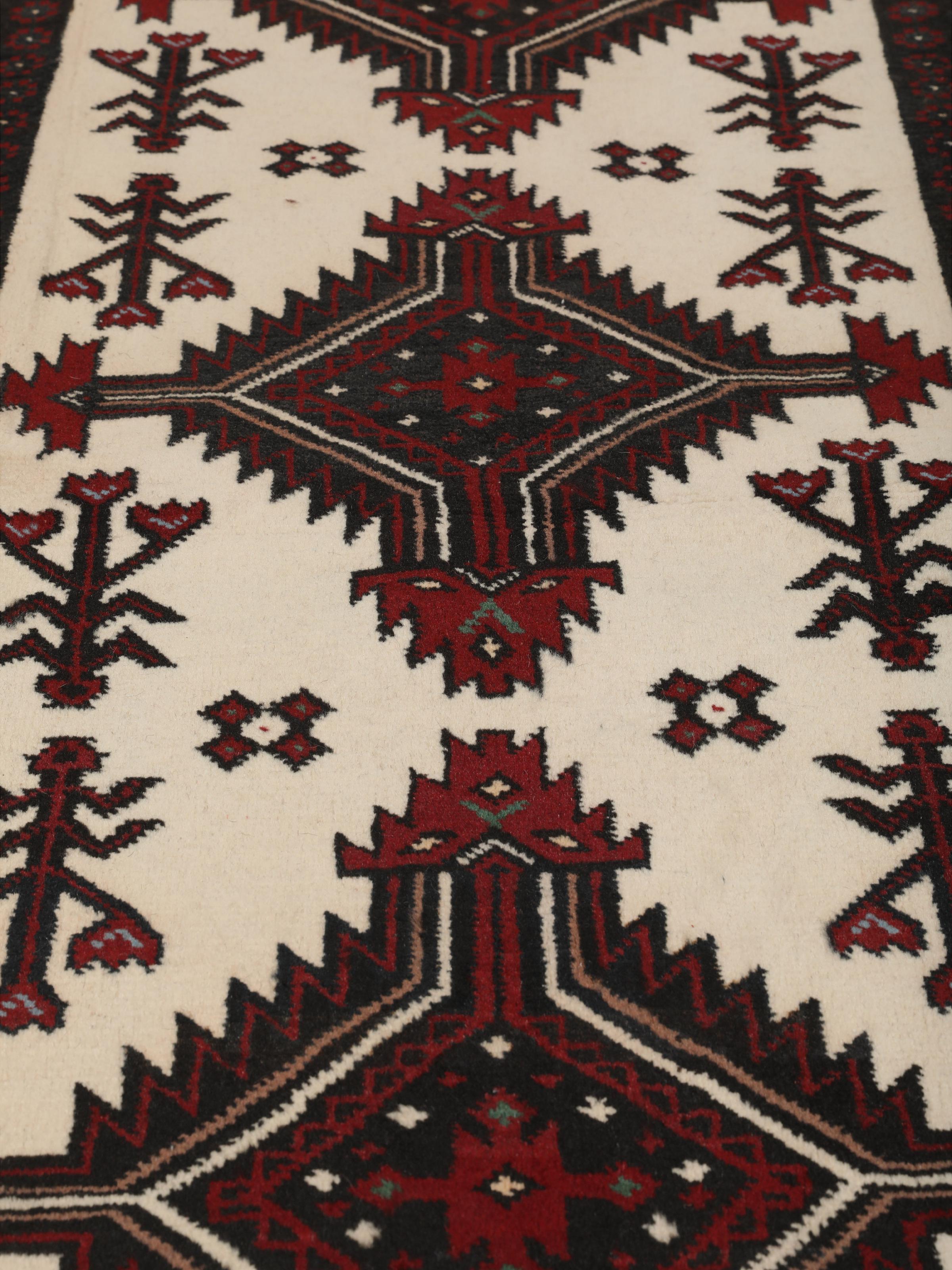
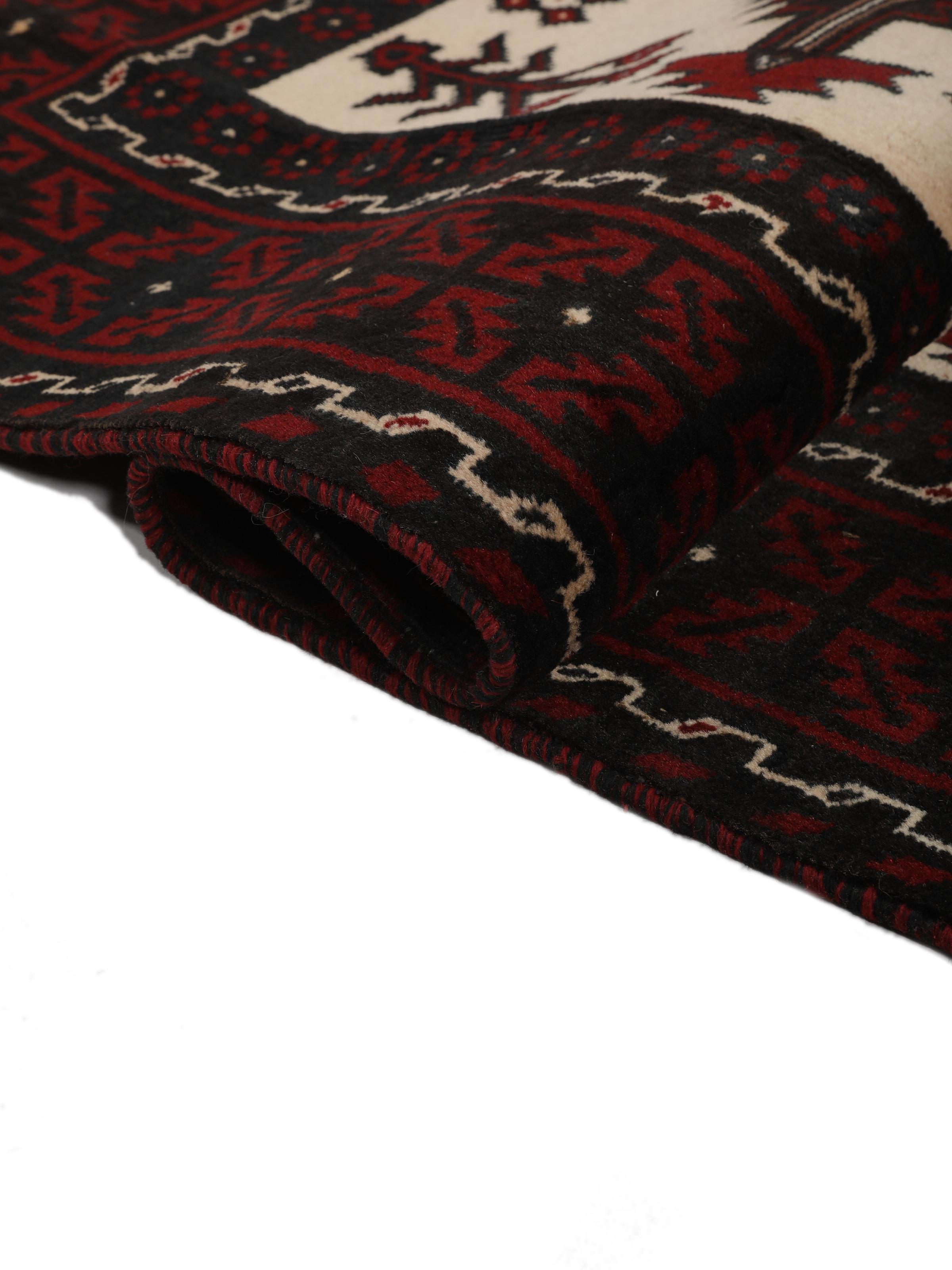
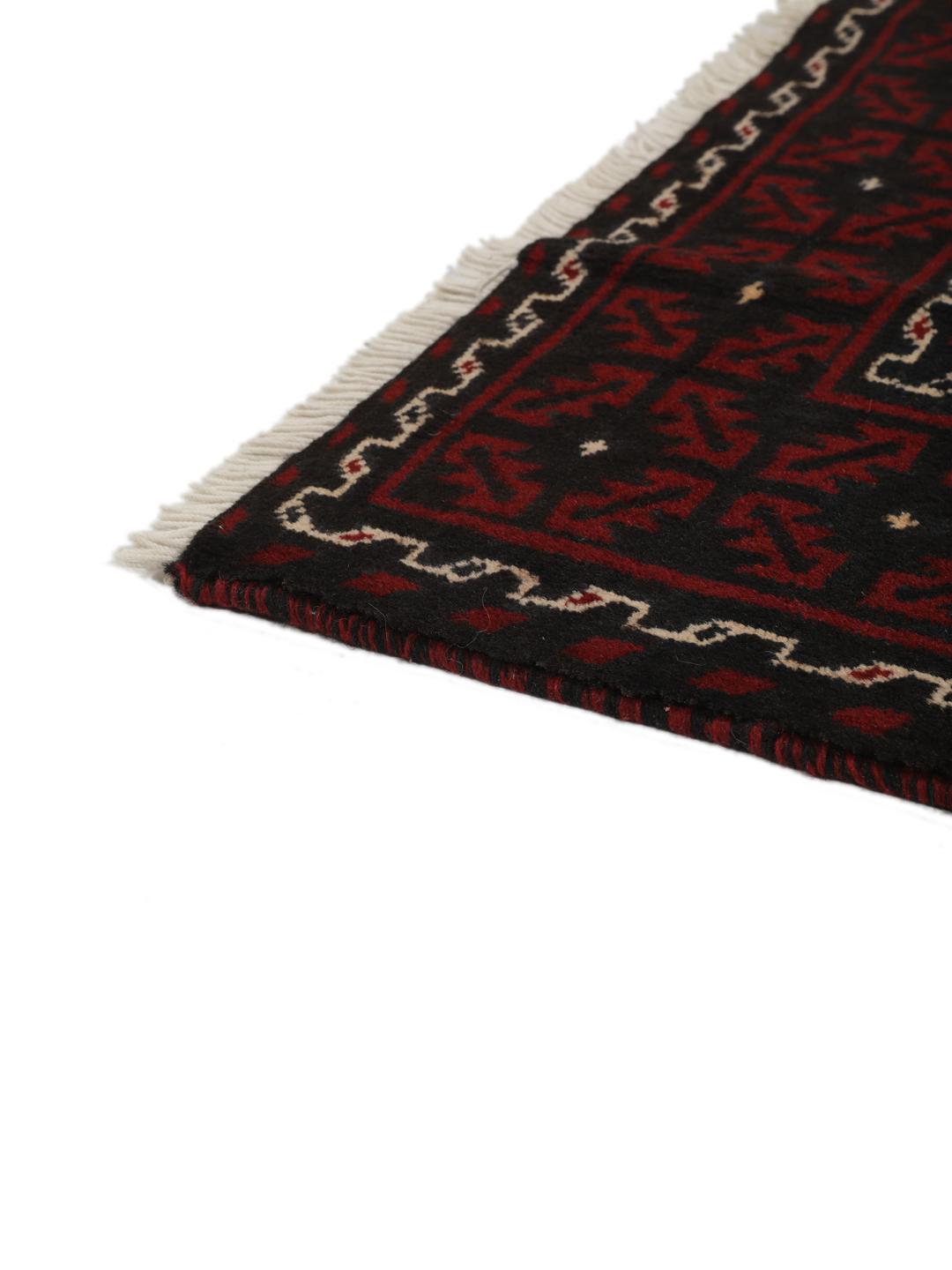
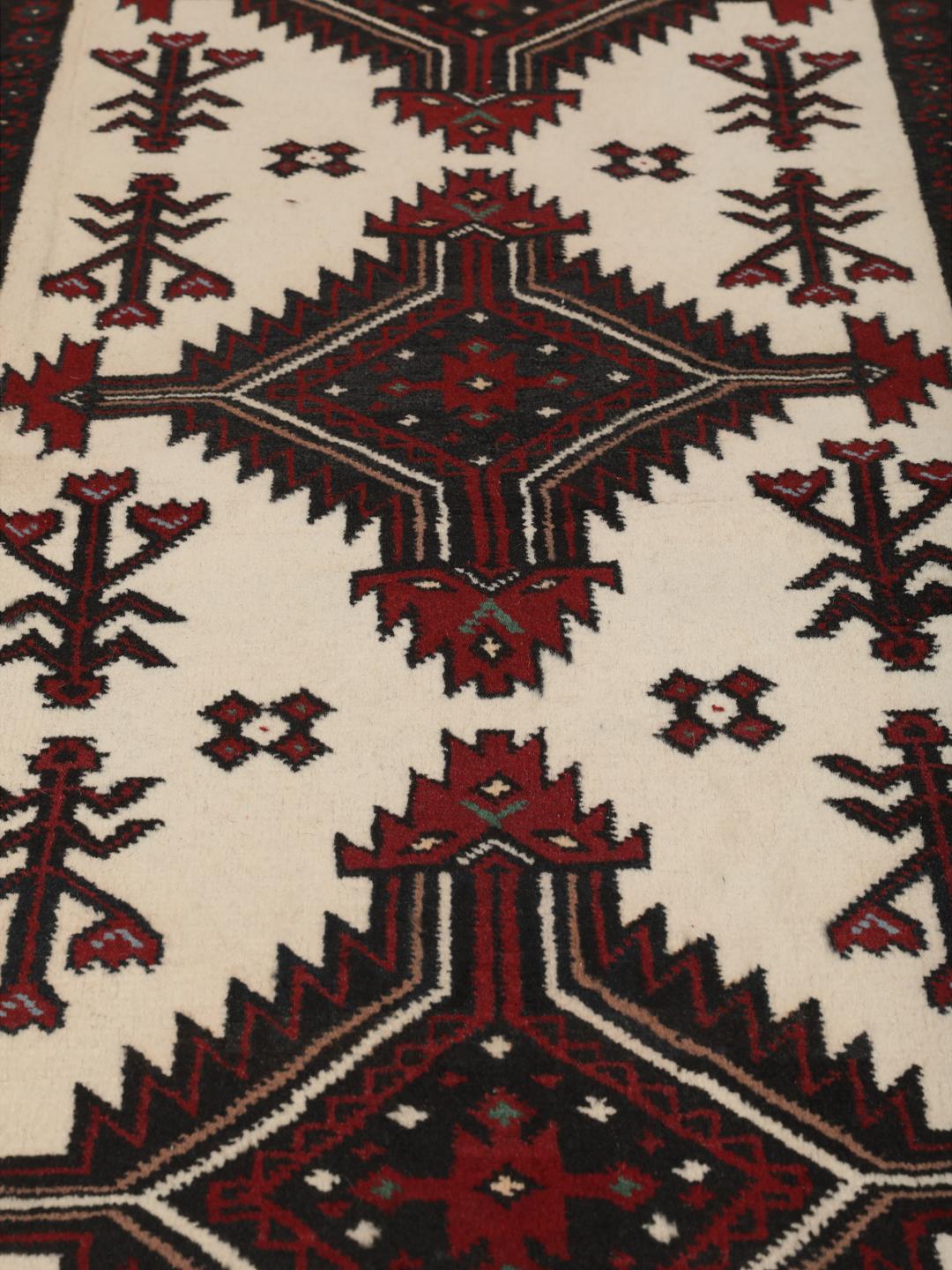
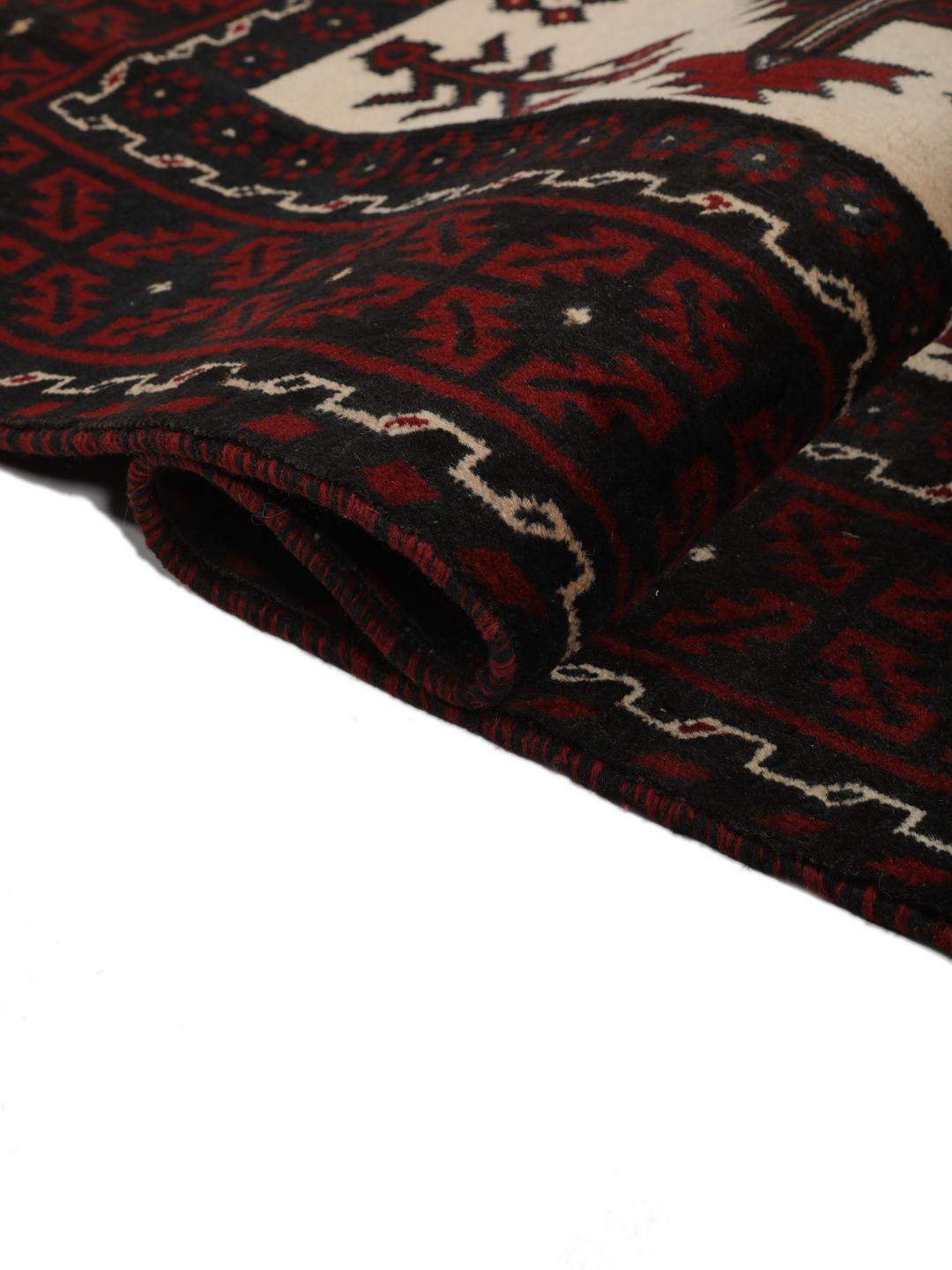
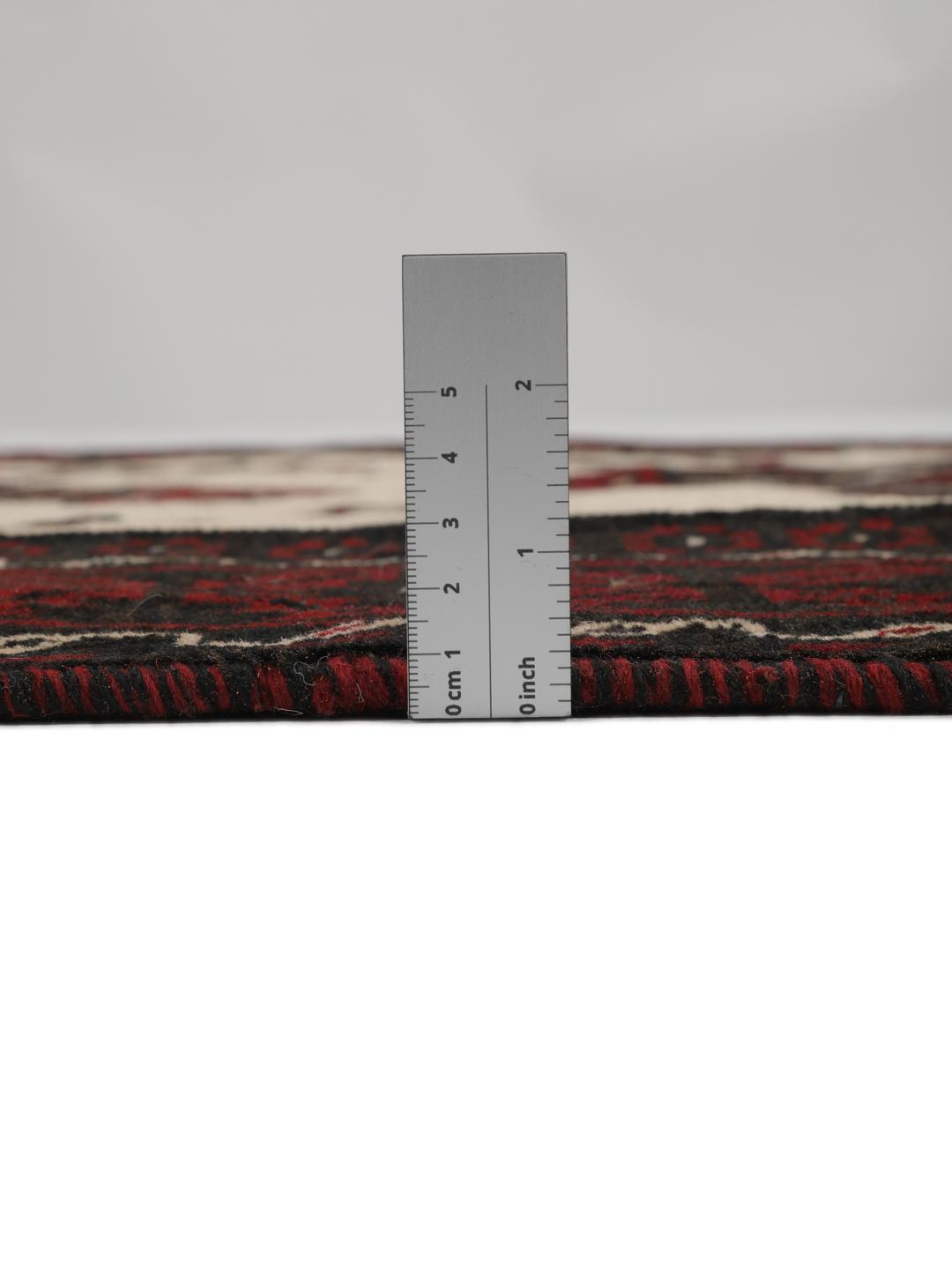
The term 'Beluch' refers to the specific tribal weaving style, which is celebrated for its rich, somber palette and complex geometric patterns. The techniques passed down through generations focus on a tight, sturdy construction that ensures the rug remains resilient even after years of use in demanding environments.
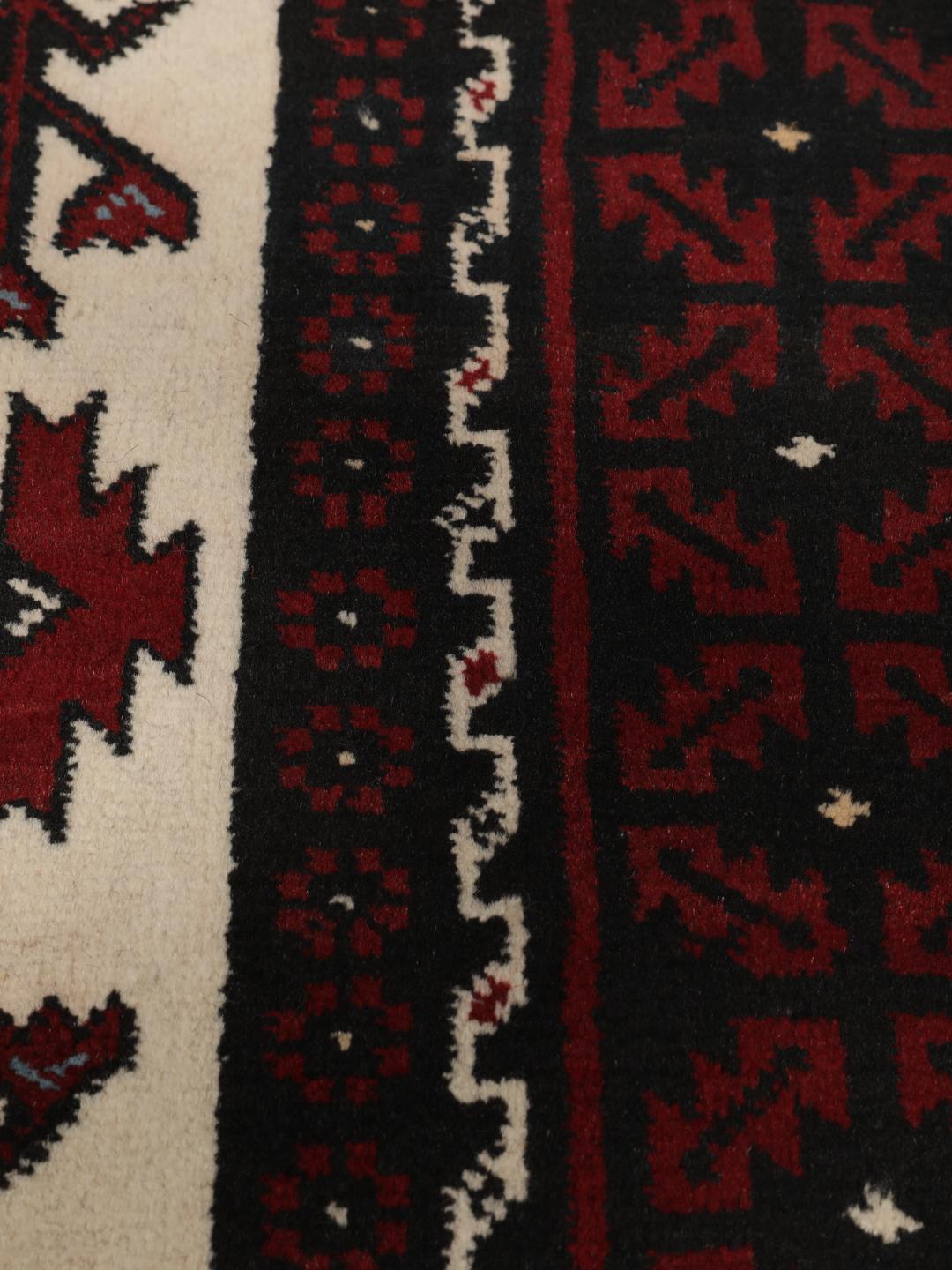
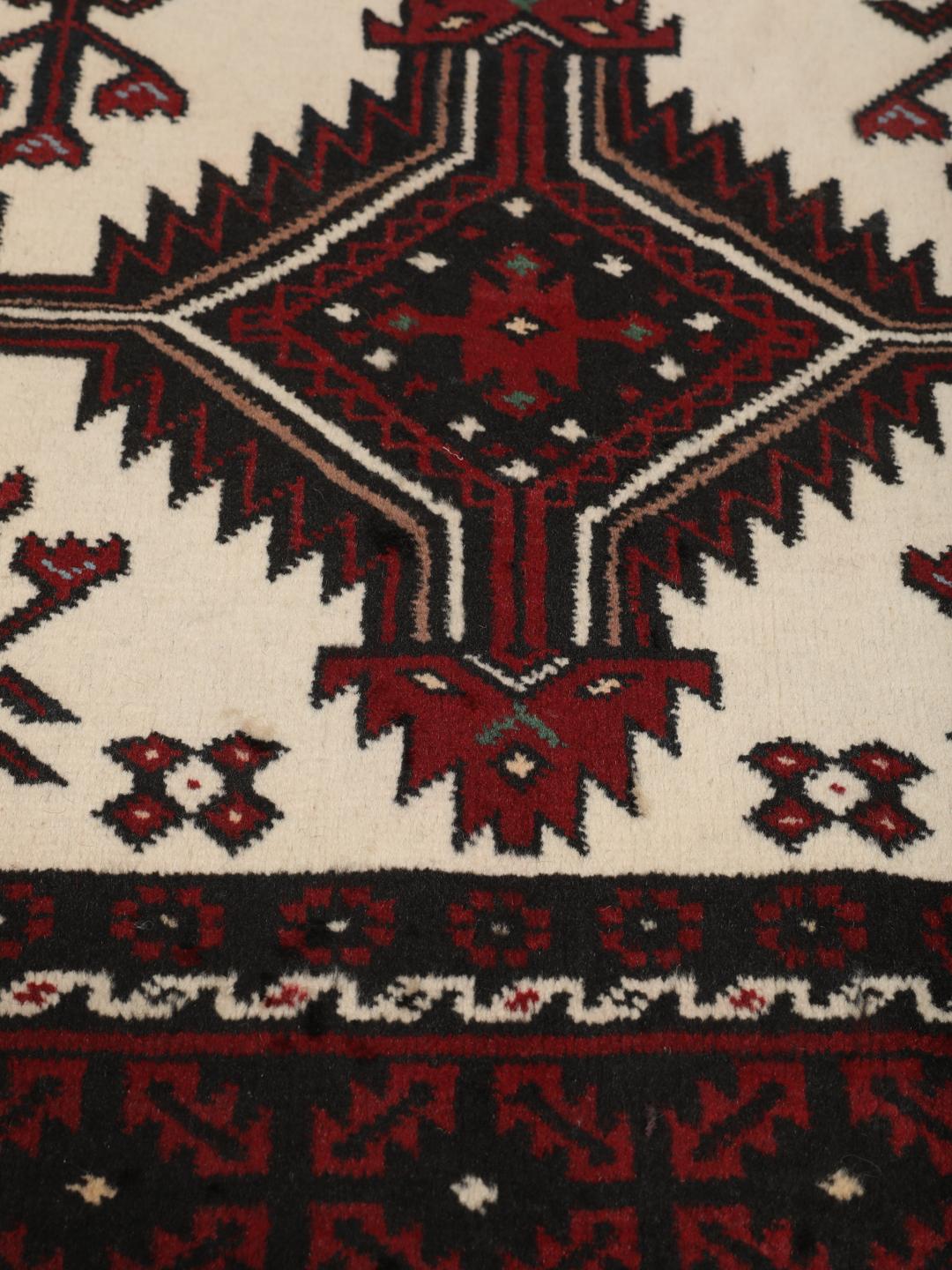
Visually, these rugs are defined by repeating motifs, often including stylised floral or tribal geometric shapes arranged in precise, rhythmic rows. The borders are typically intricate, framing the field with repeating patterns that draw the eye toward the centre, showcasing the weaver's mastery of symmetry and colour balance.
Owning a piece from this tradition is an opportunity to connect with a storied craft legacy. Collectors value these rugs for their authentic tribal character and the human effort required to create them, making each piece a tangible link to a rich cultural history that transcends modern trends.