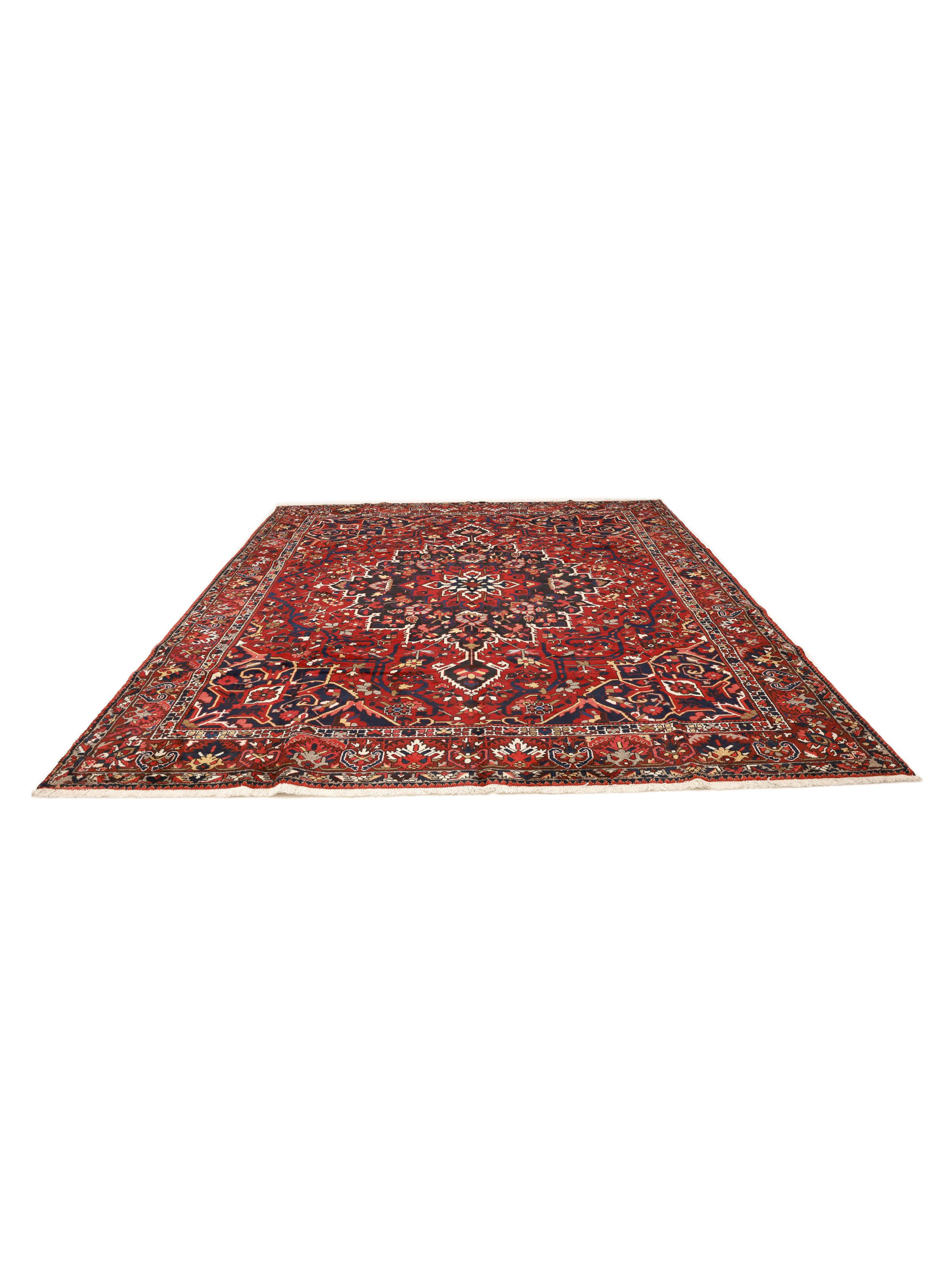
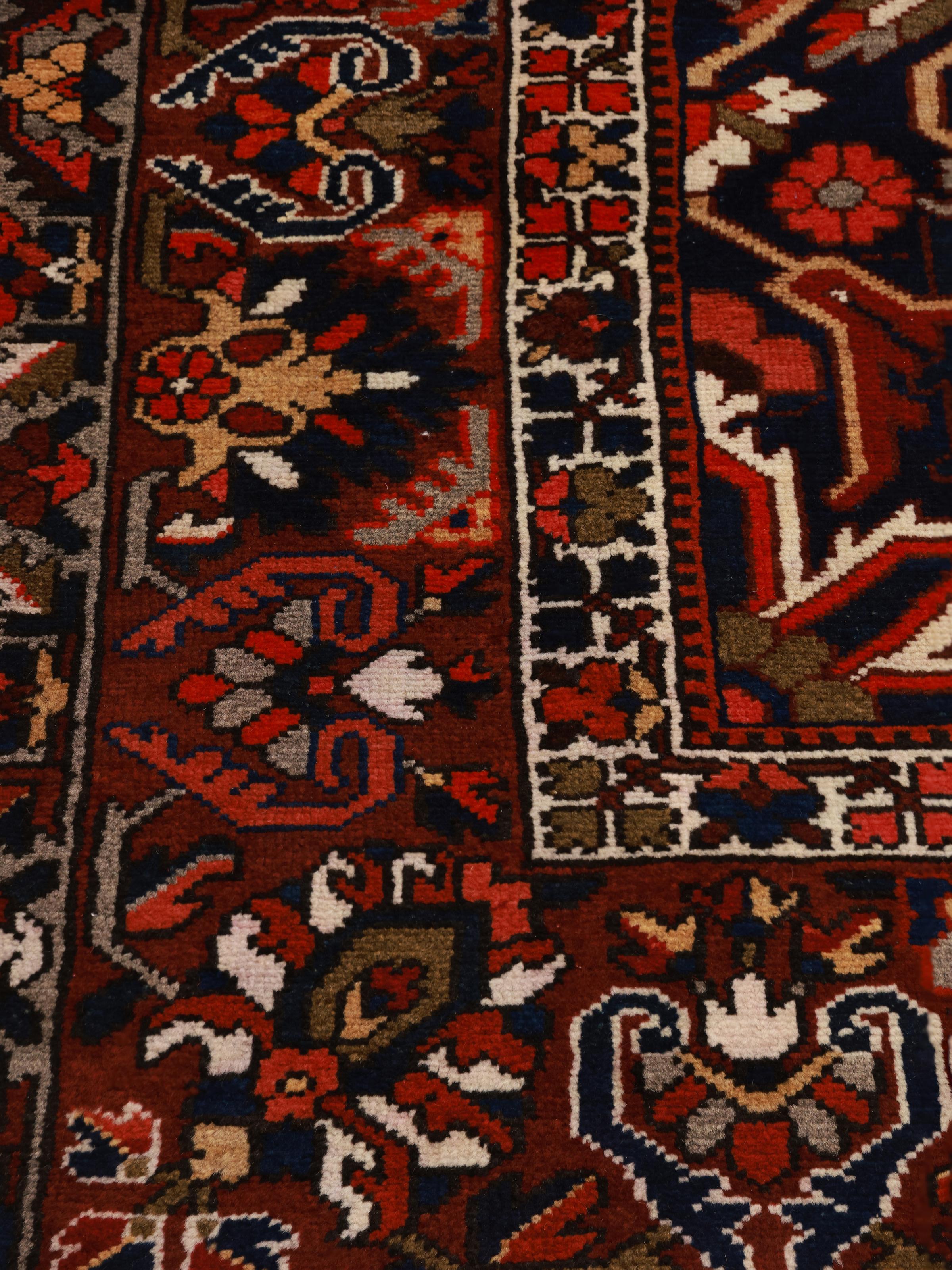
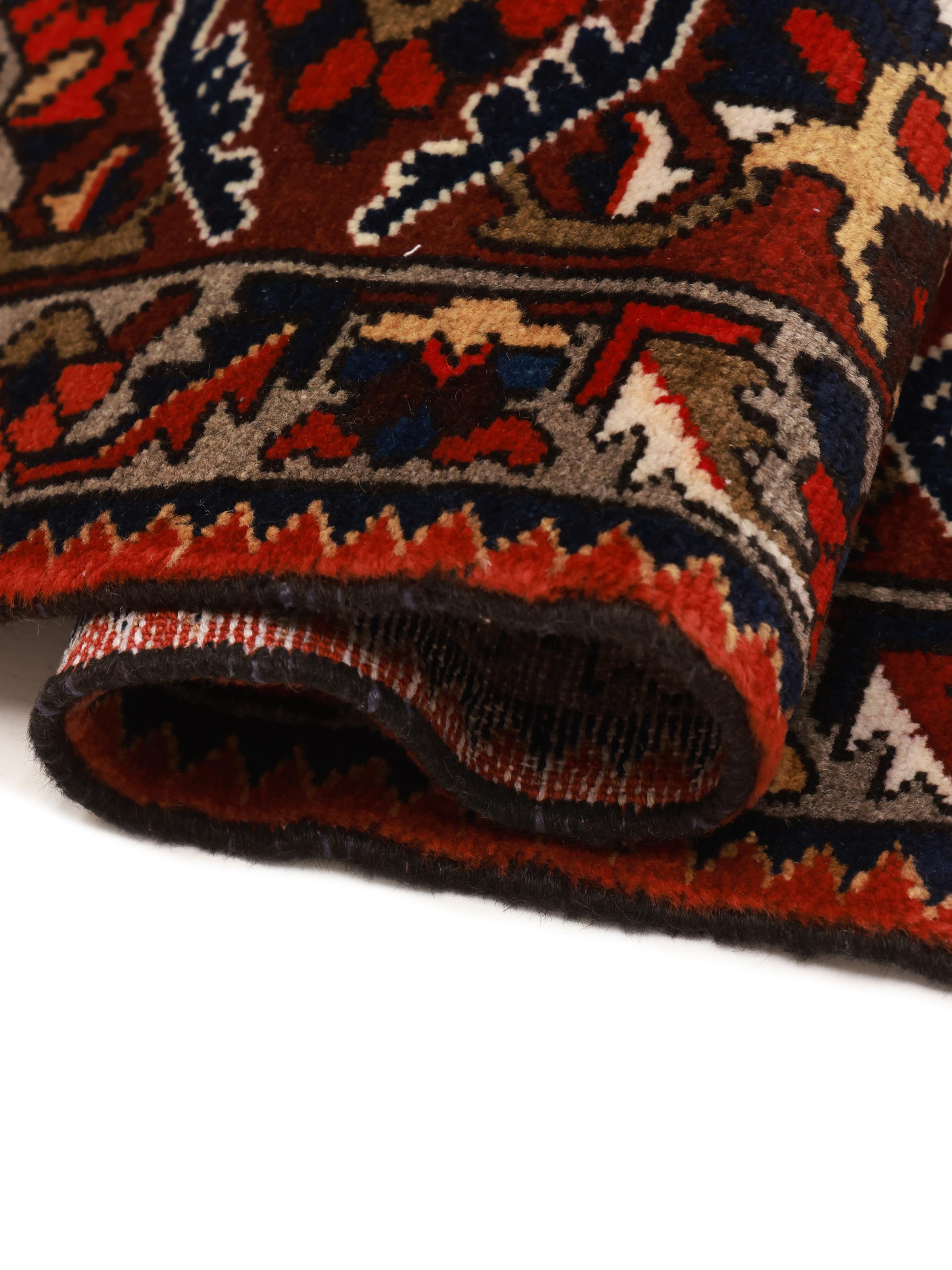
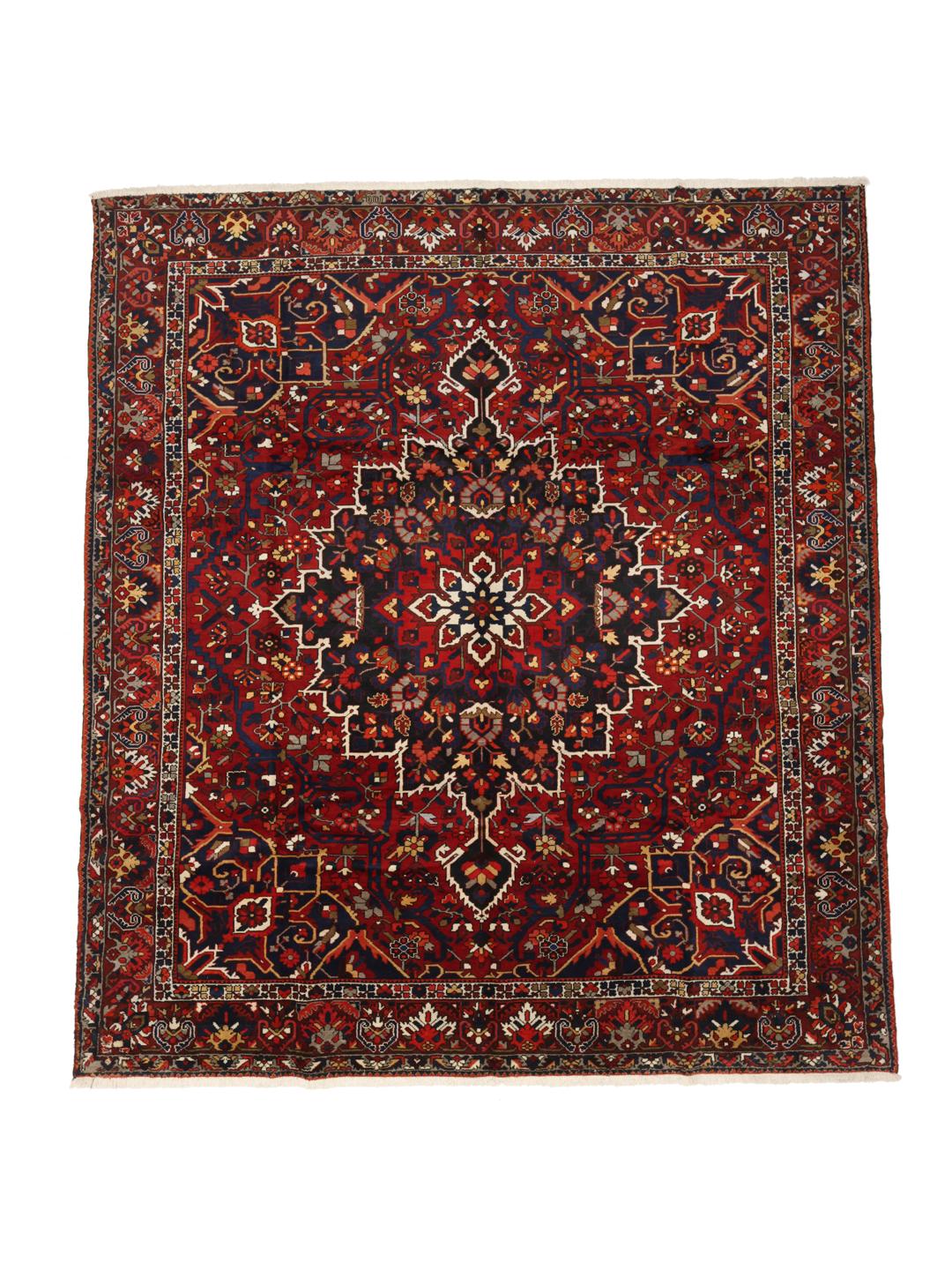
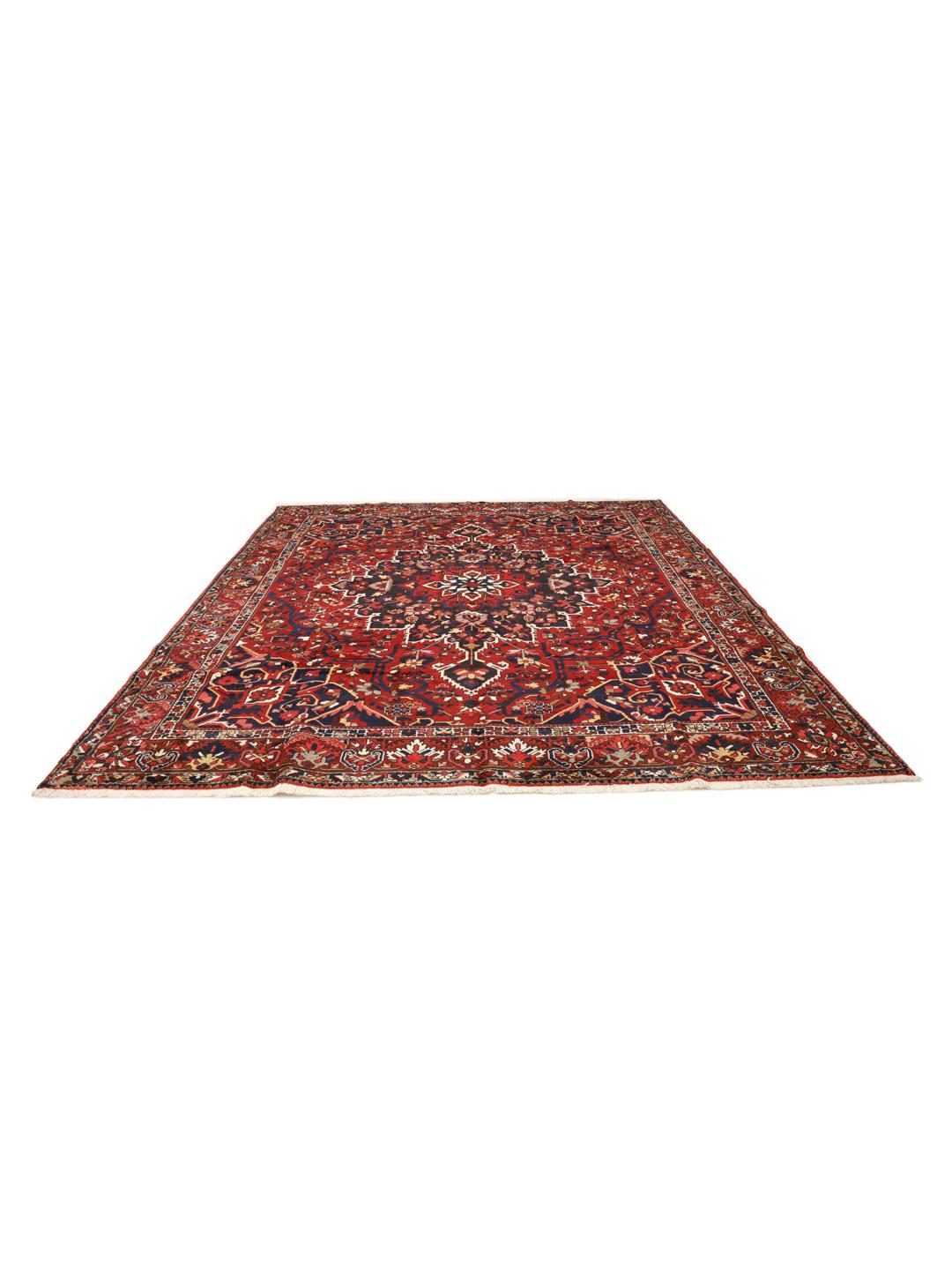
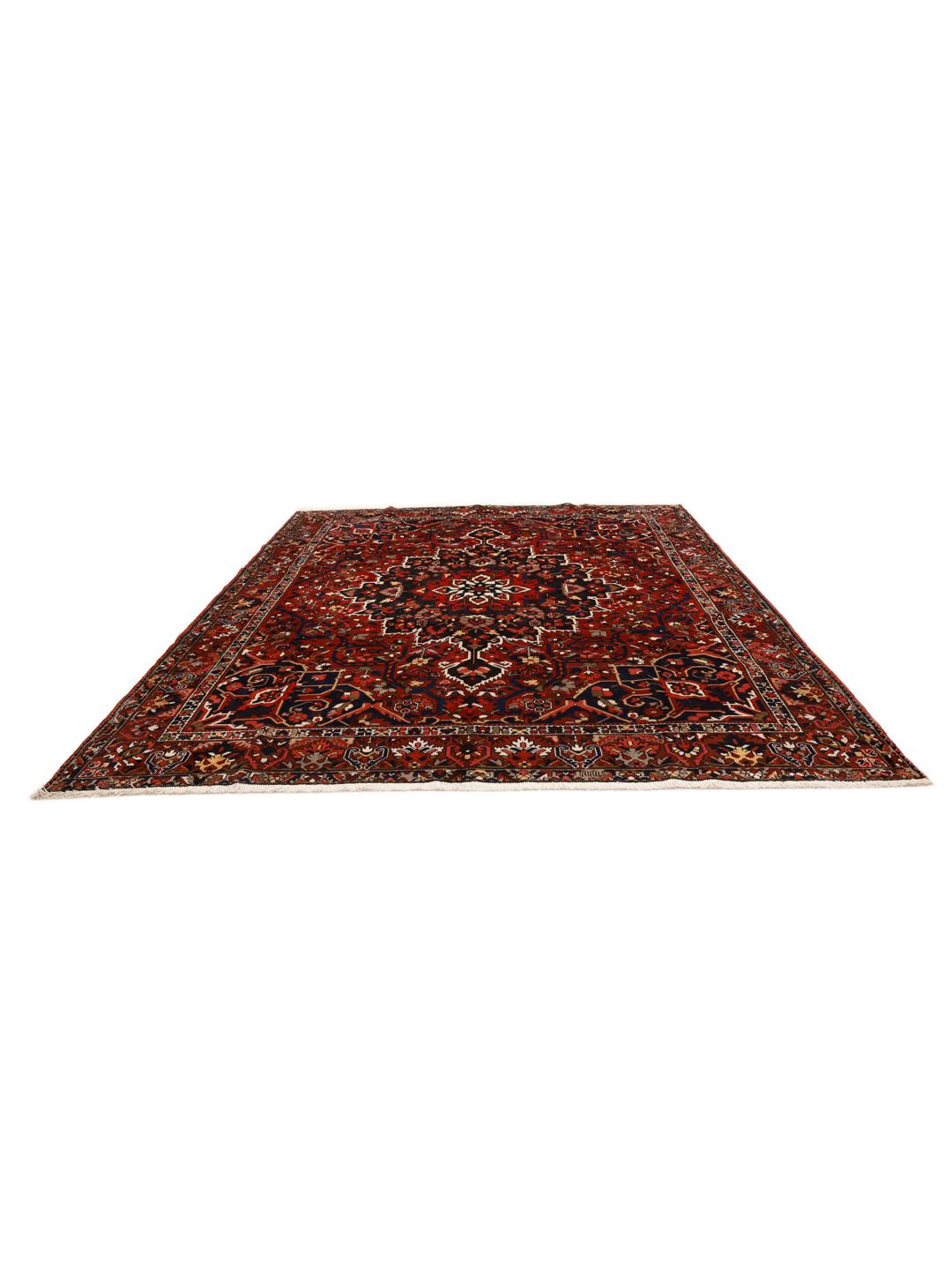
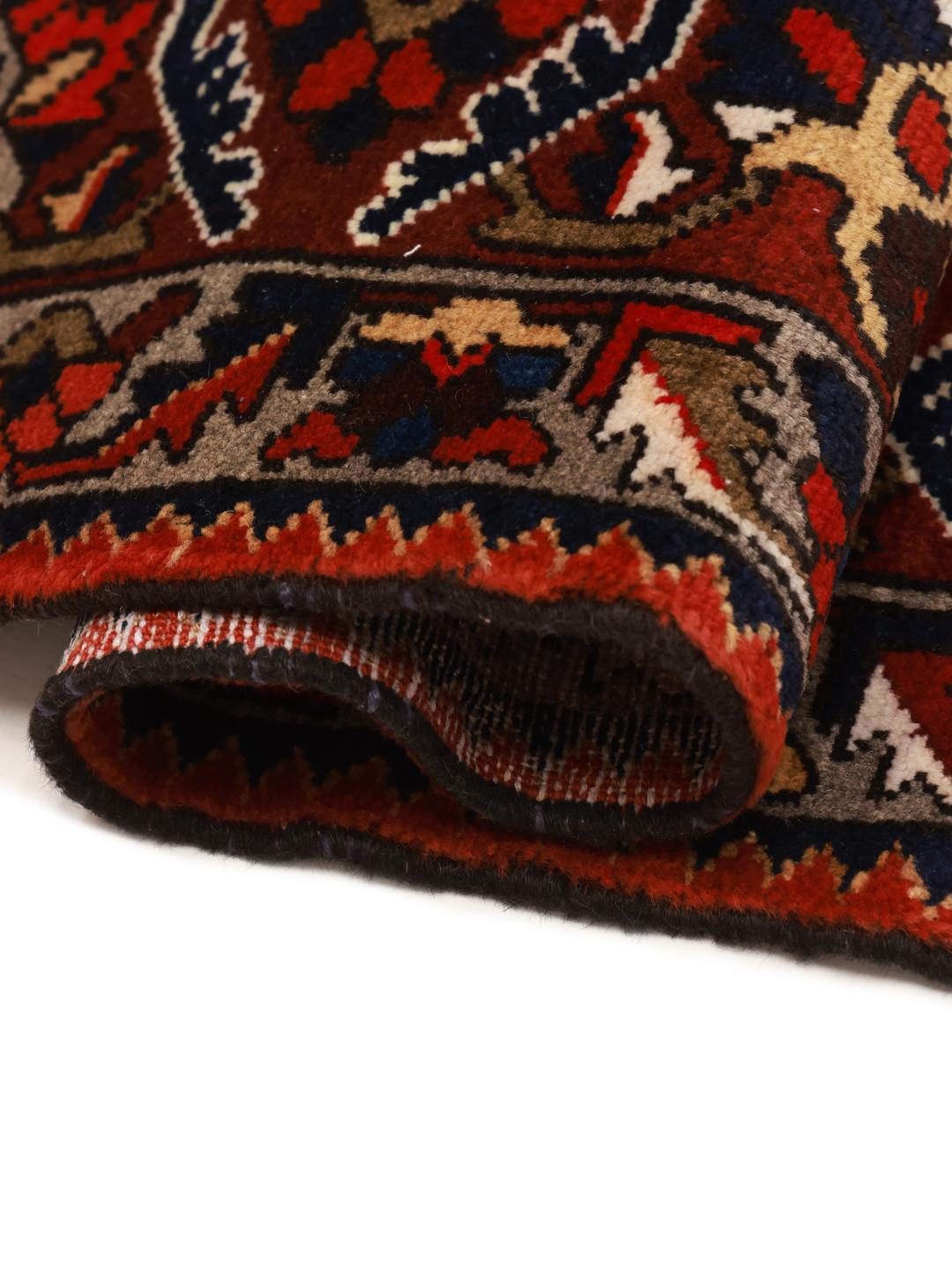
Bakhtiar rugs originate from the mountainous Chahar Mahal and Bakhtiari province in the Middle East, a region known for its nomadic and semi-nomadic tribes. These groups have long cultivated a distinct weaving culture, drawing inspiration from the rugged landscapes, gardens, and rich natural surroundings of their homeland. The tradition of these rugs is deeply tied to the lifestyle of the tribes, reflecting a heritage of self-sufficiency and communal creativity.
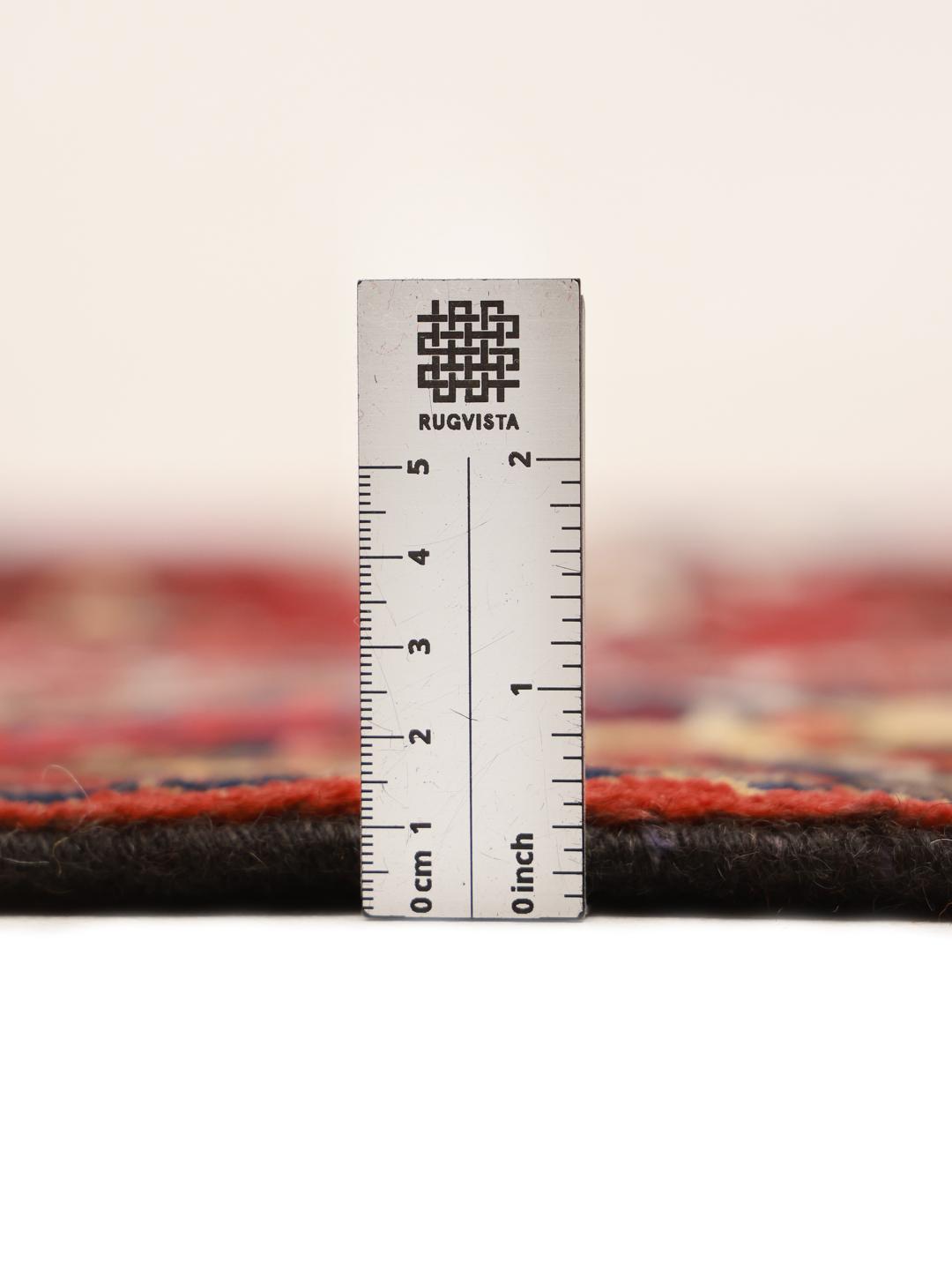
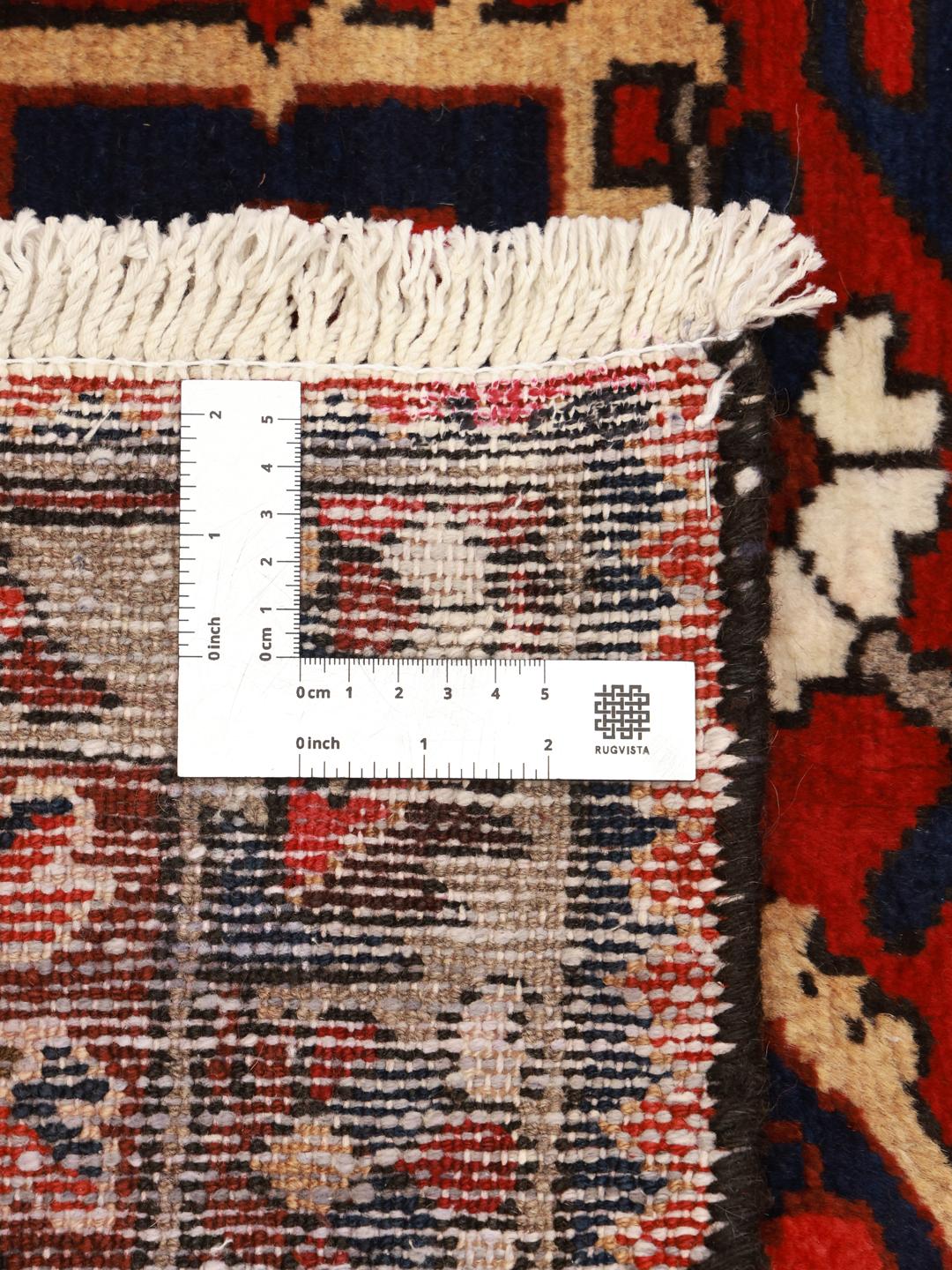
The term Bakhtiar or Bakhtiari refers to the tribe and the specific style of weaving that has been refined over centuries. These rugs are celebrated for their sturdy construction and the use of high-quality, local wool. The weaving process often involves a foundation that provides a firm, heavy base, which is a hallmark of the region's output. This technical approach ensures that the rugs are not only beautiful but also built to endure the harsh conditions of mountain living.
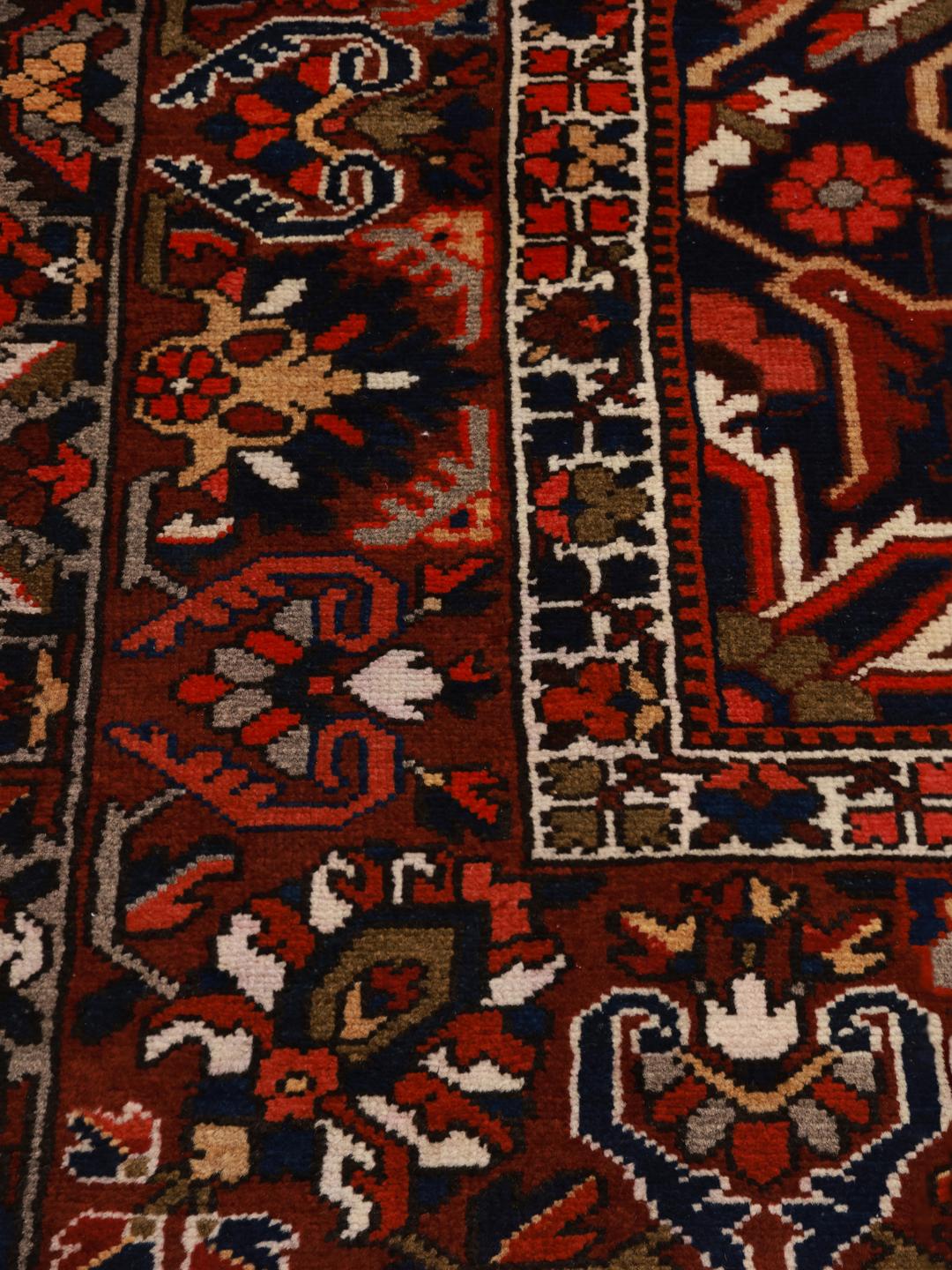
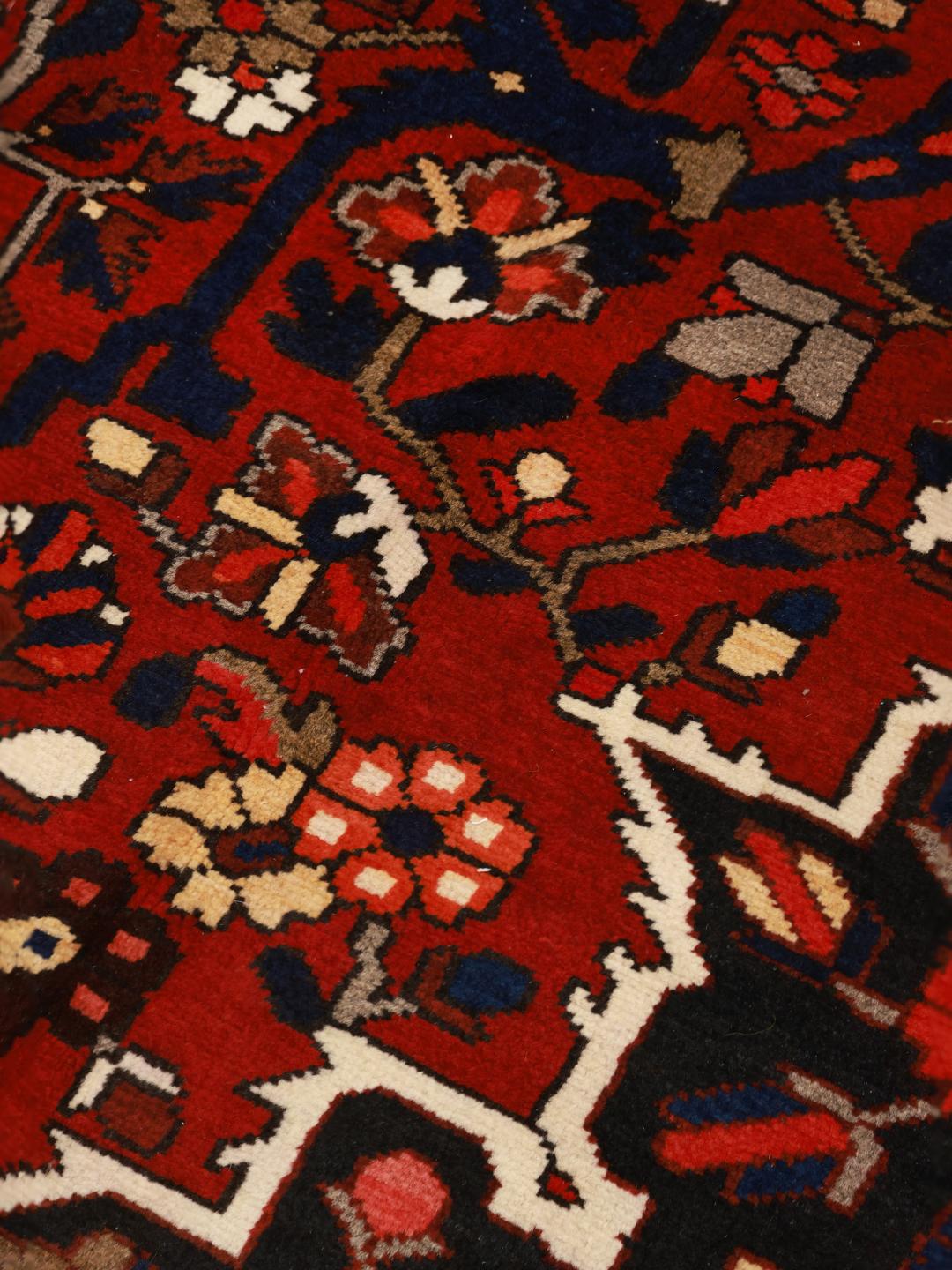
Visually, Bakhtiar rugs are famous for their garden-inspired motifs and geometric interpretations of floral designs. The most iconic pattern is the Khesti, or garden panel design, where the field is divided into compartments filled with flowers, trees, and animals. Even in pieces featuring a central medallion like this one, you will often find the signature attention to detail and traditional borders that frame the composition with formal precision.
Owning a Bakhtiar rug is an investment in cultural history. Collectors value these pieces for their authenticity, the depth of their colour traditions, and the skill required to produce such intricate, large-scale work. Each rug serves as a document of the artistic vision of the weavers, preserving ancient symbols and techniques that remain as relevant and cherished today as they were in the past.