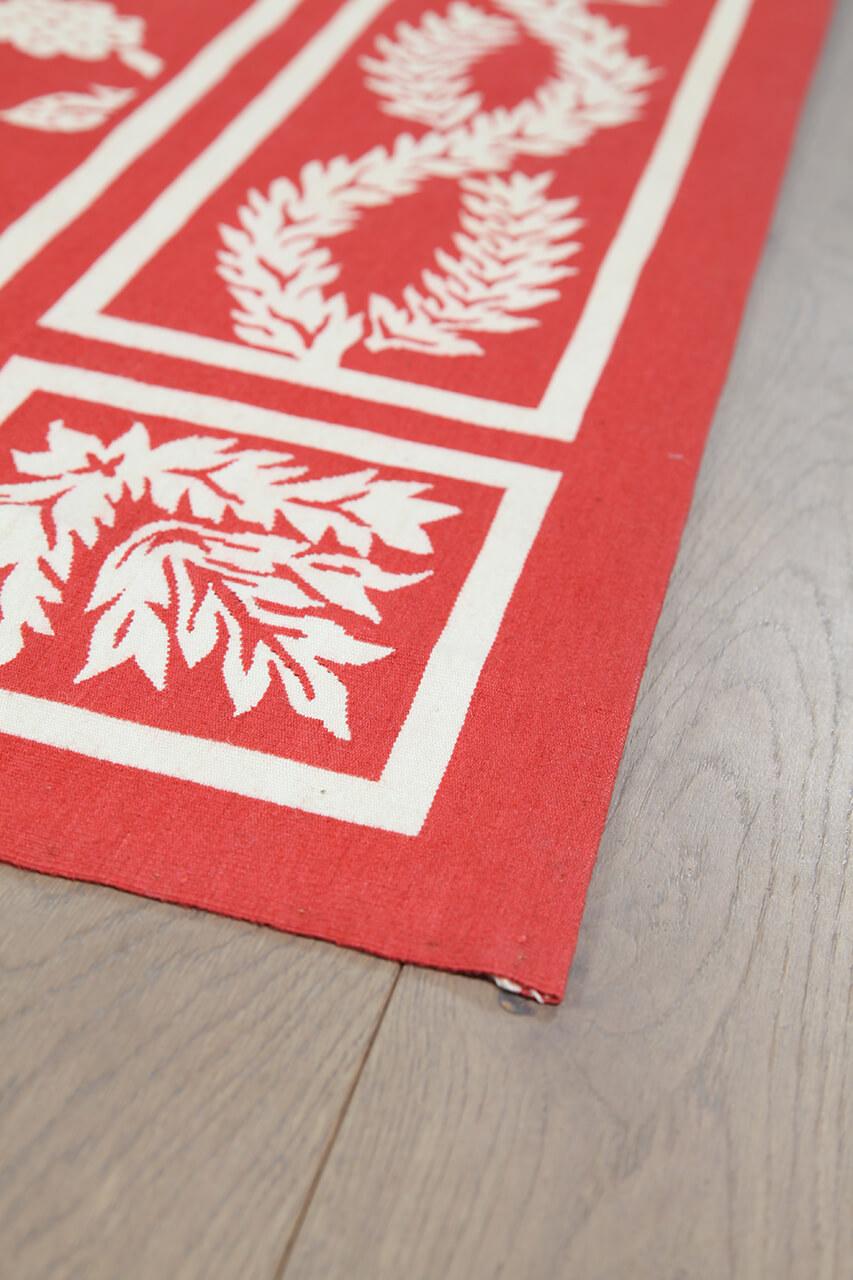
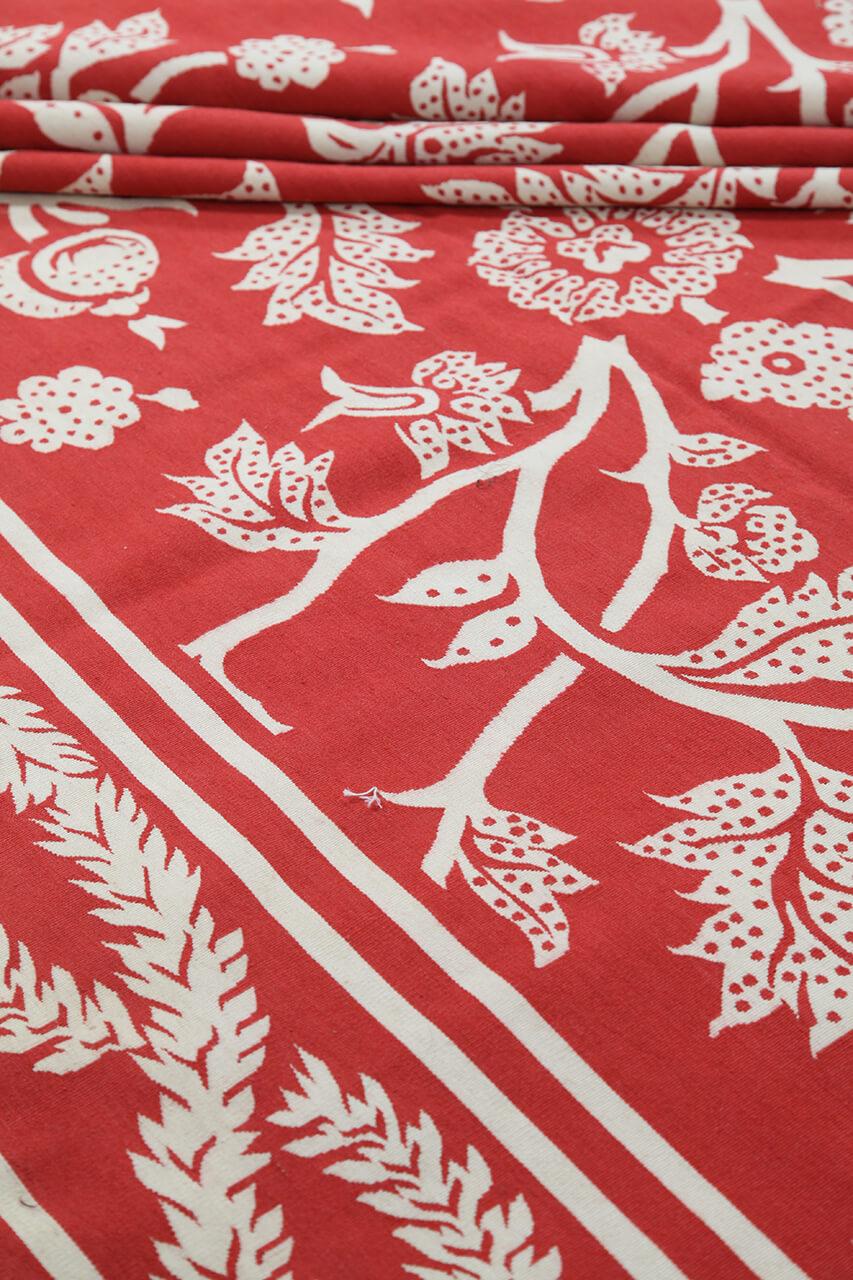
The Aubusson tradition traces its roots to the town of Aubusson in central France, where the craft of tapestry weaving flourished for centuries. These designs were originally inspired by the grand, ornate interiors of French palaces and estates, characterised by their sophisticated floral bouquets and architectural borders.
Over time, the influence of these classic European designs travelled across the globe, inspiring artisans in various regions to interpret these motifs through their own cultural lens. The transition of the Aubusson style into the medium of the Kilim is a fascinating evolution, blending the delicate, painterly aesthetic of French tapestry with the structural, flat-woven traditions found in Middle Eastern weaving centres.
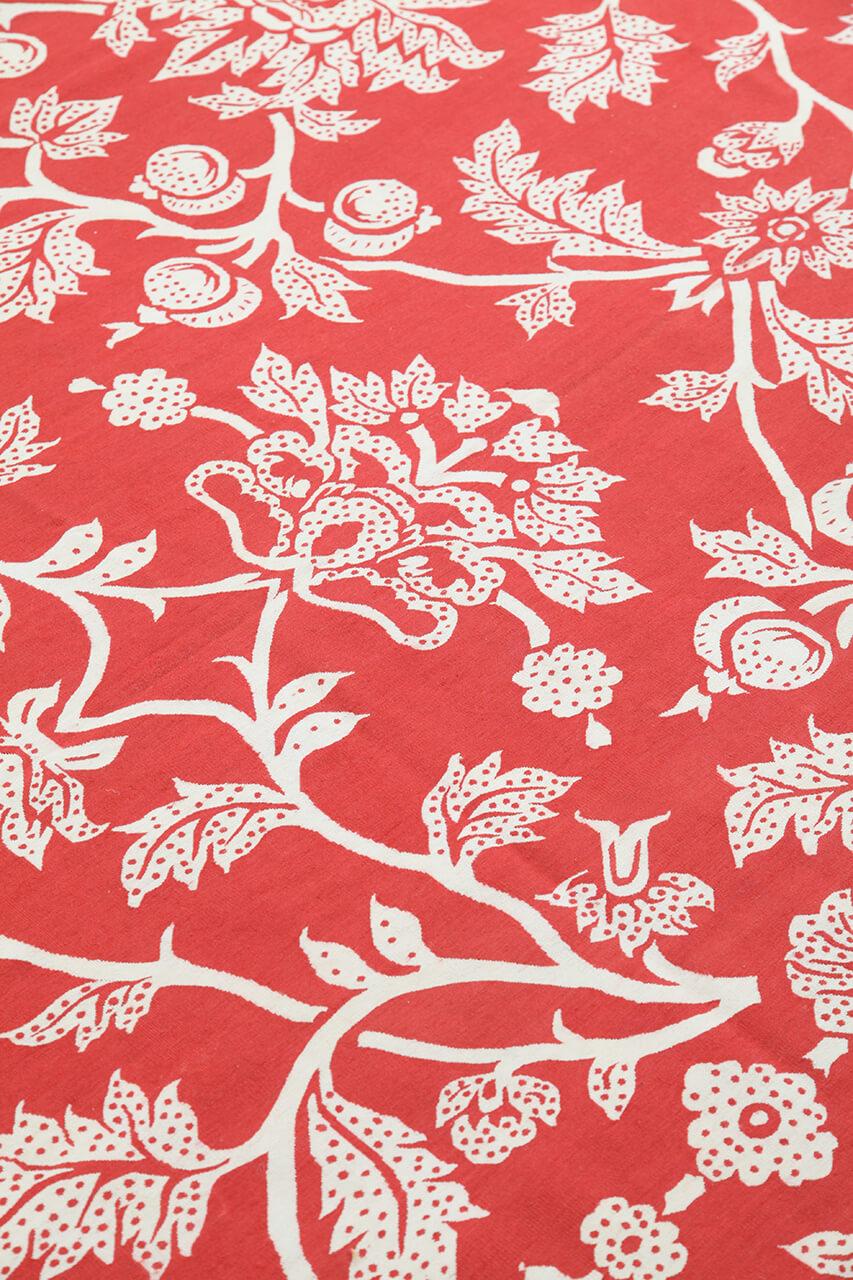
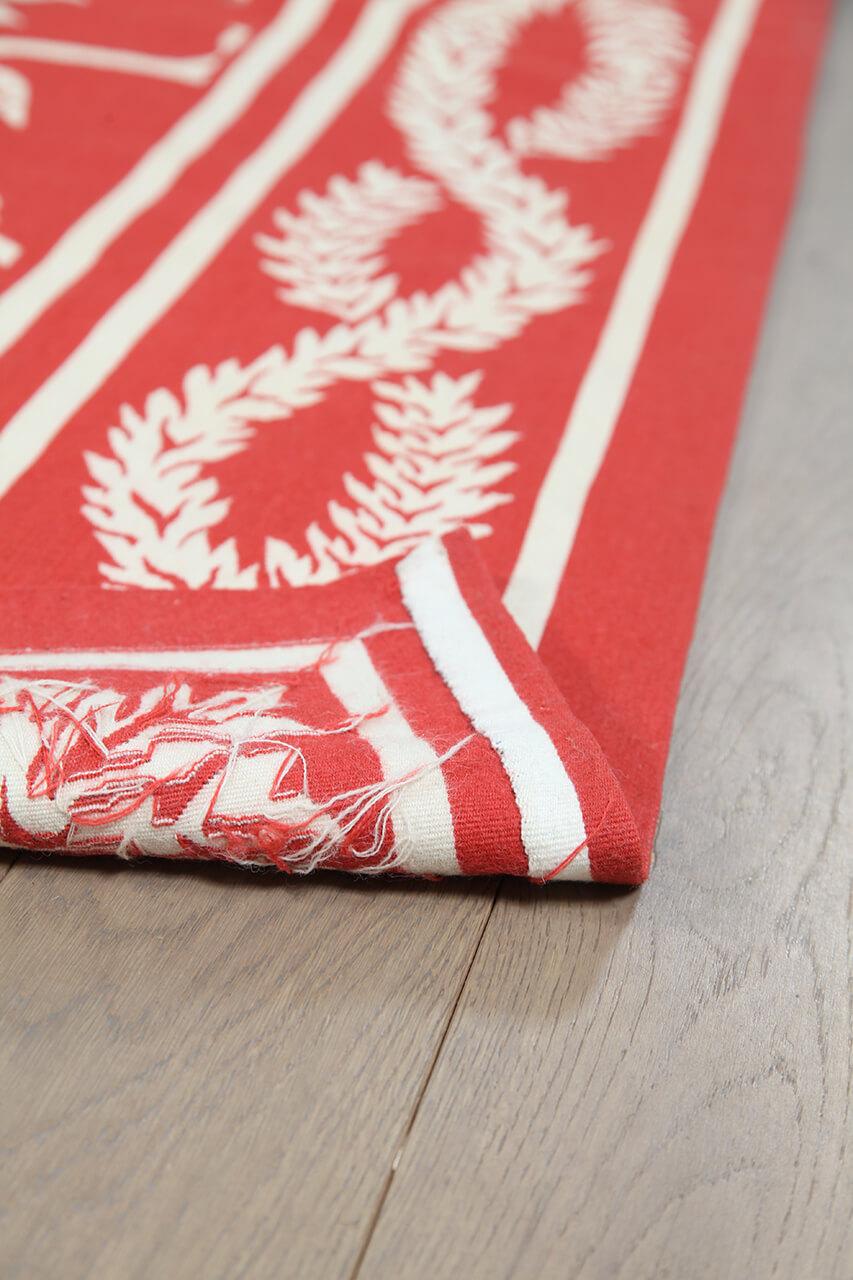
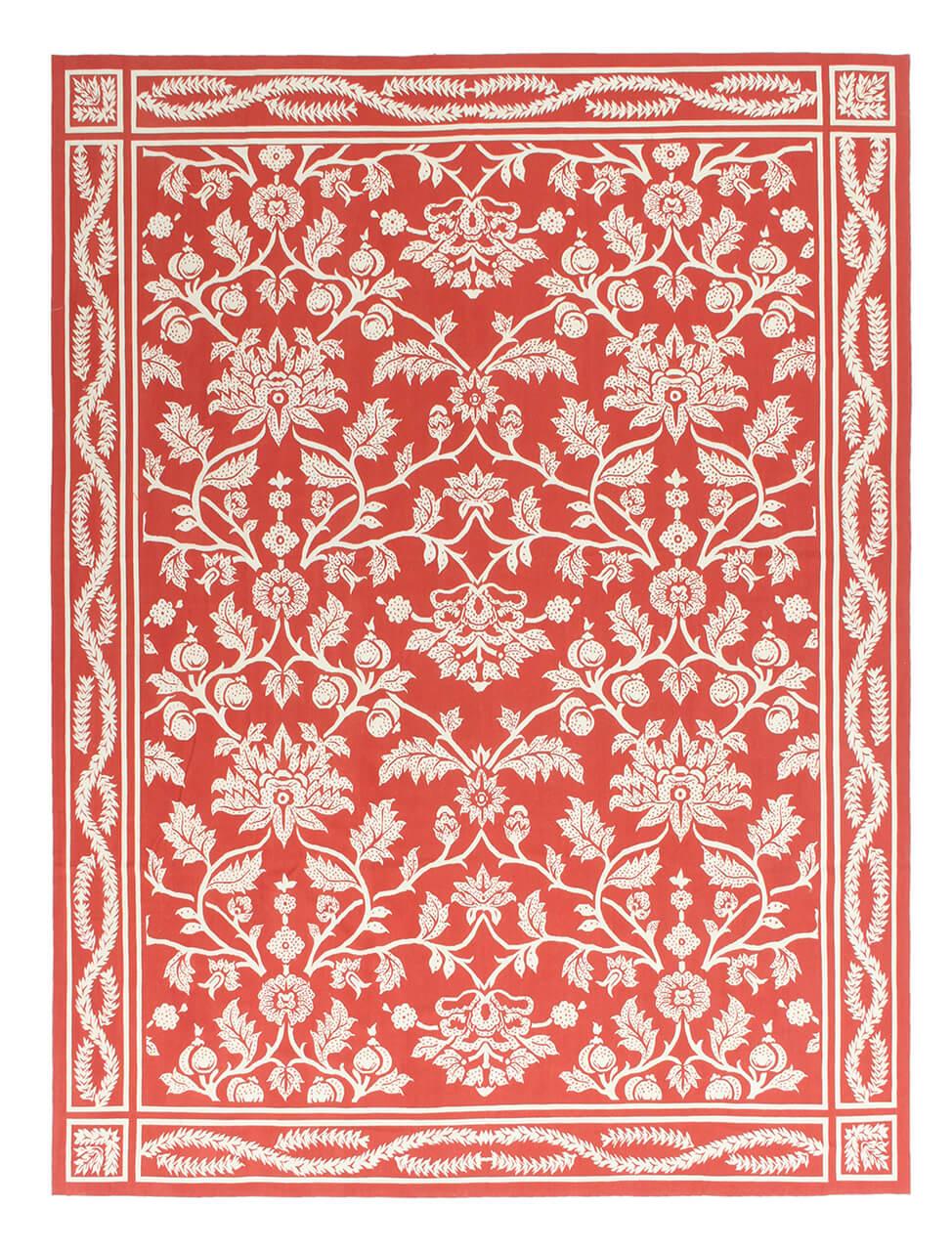
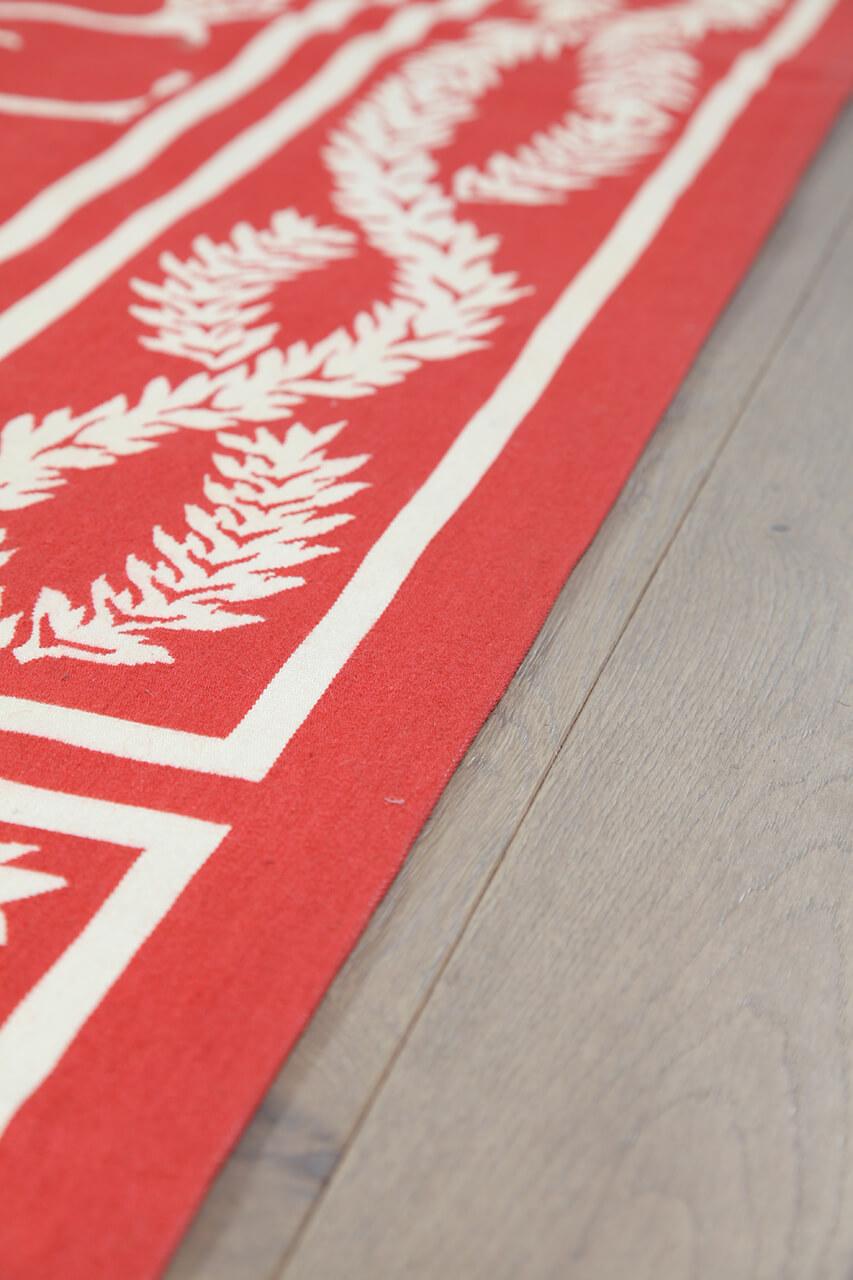
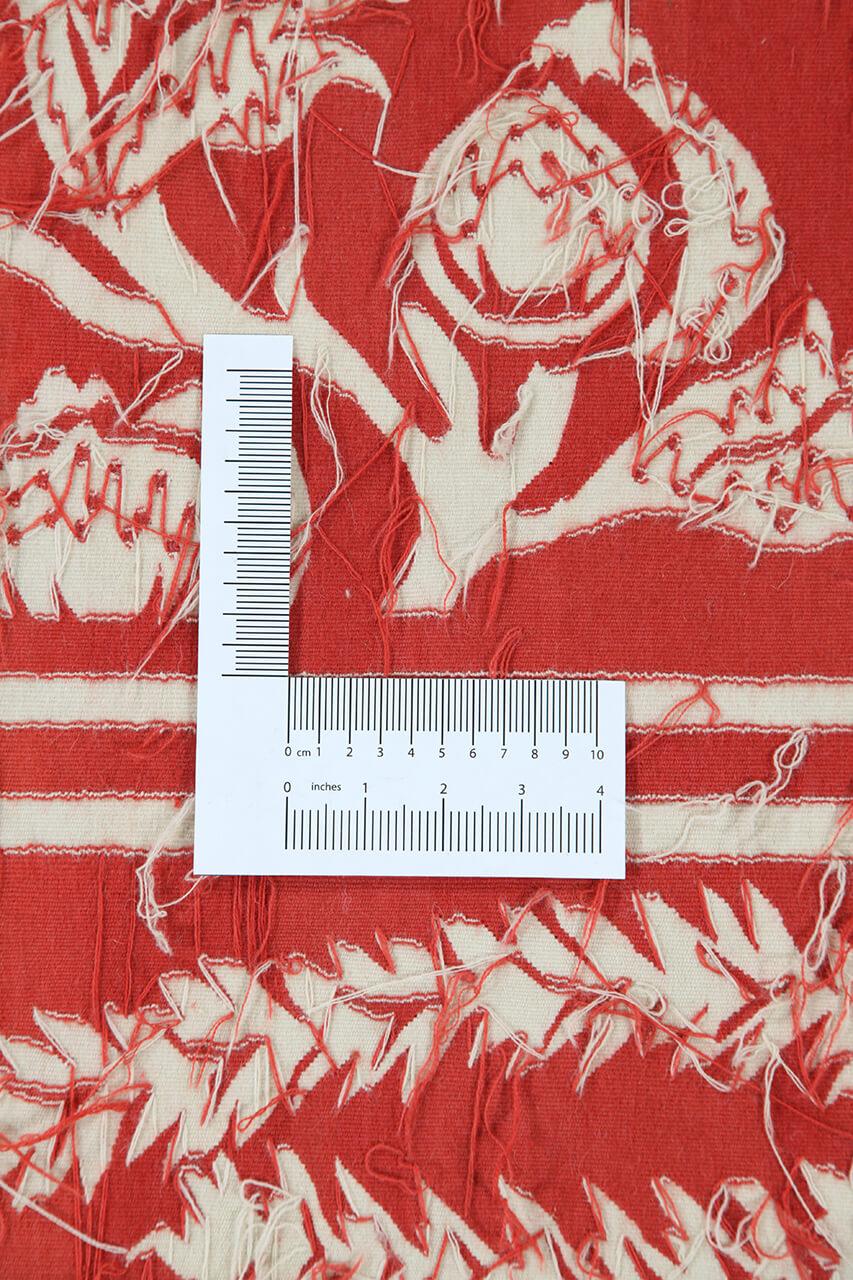
Signature elements of this style include highly detailed floral patterns, often featuring stylised blossoms, leaves, and scrolling vines. The borders are typically formal and framing, serving to contain the lush, organic growth within the central field. These motifs are not merely decorative but are rooted in a long history of botanical art and textile design.
Today, owning a piece that draws upon these historical design principles is a way to connect with a legacy of artistry and skill. These rugs are valued not just for their visual impact, but for the way they bridge the gap between traditional craft and contemporary living, offering a sense of depth and cultural resonance that is rare in modern home furnishings.