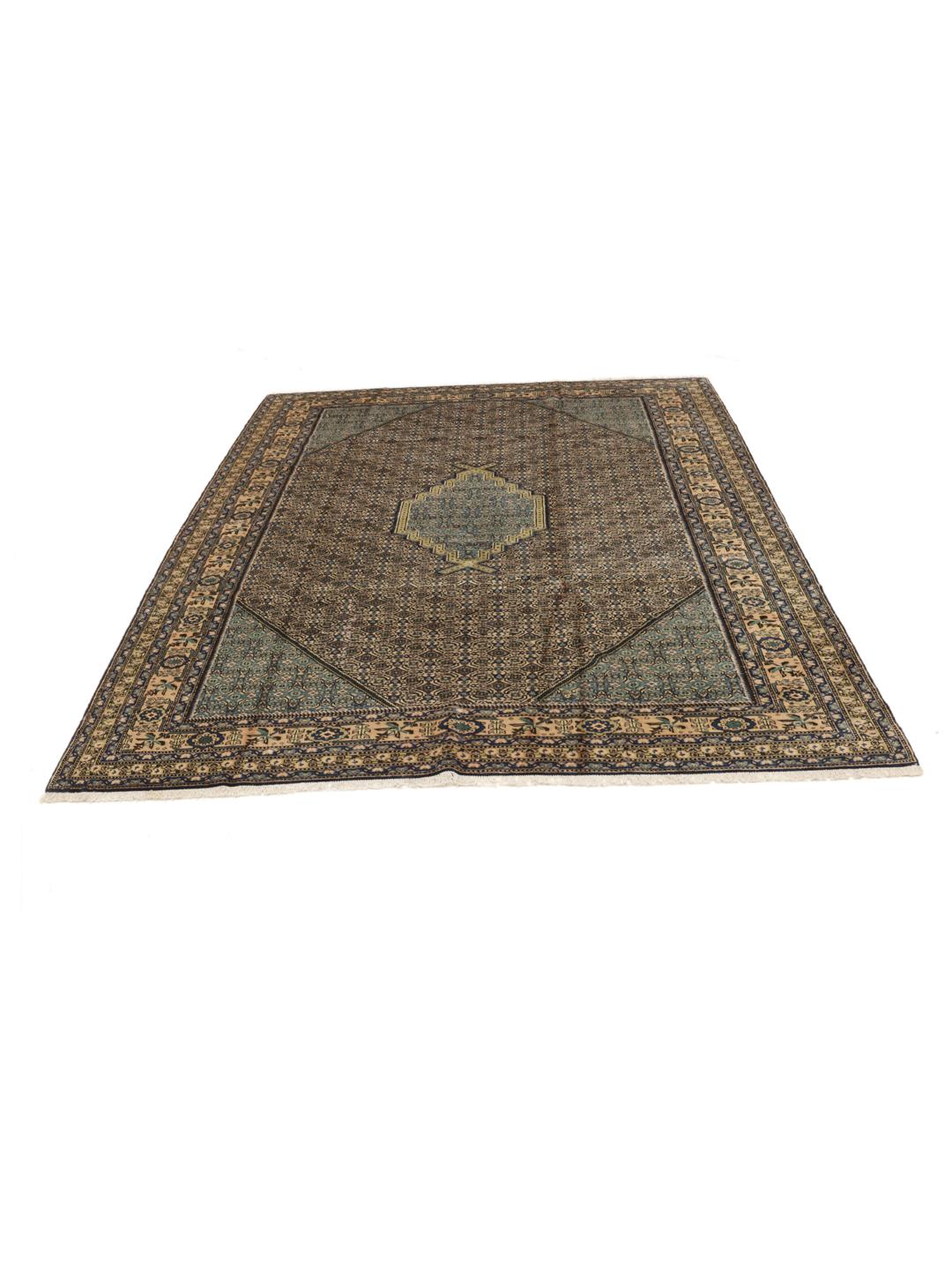
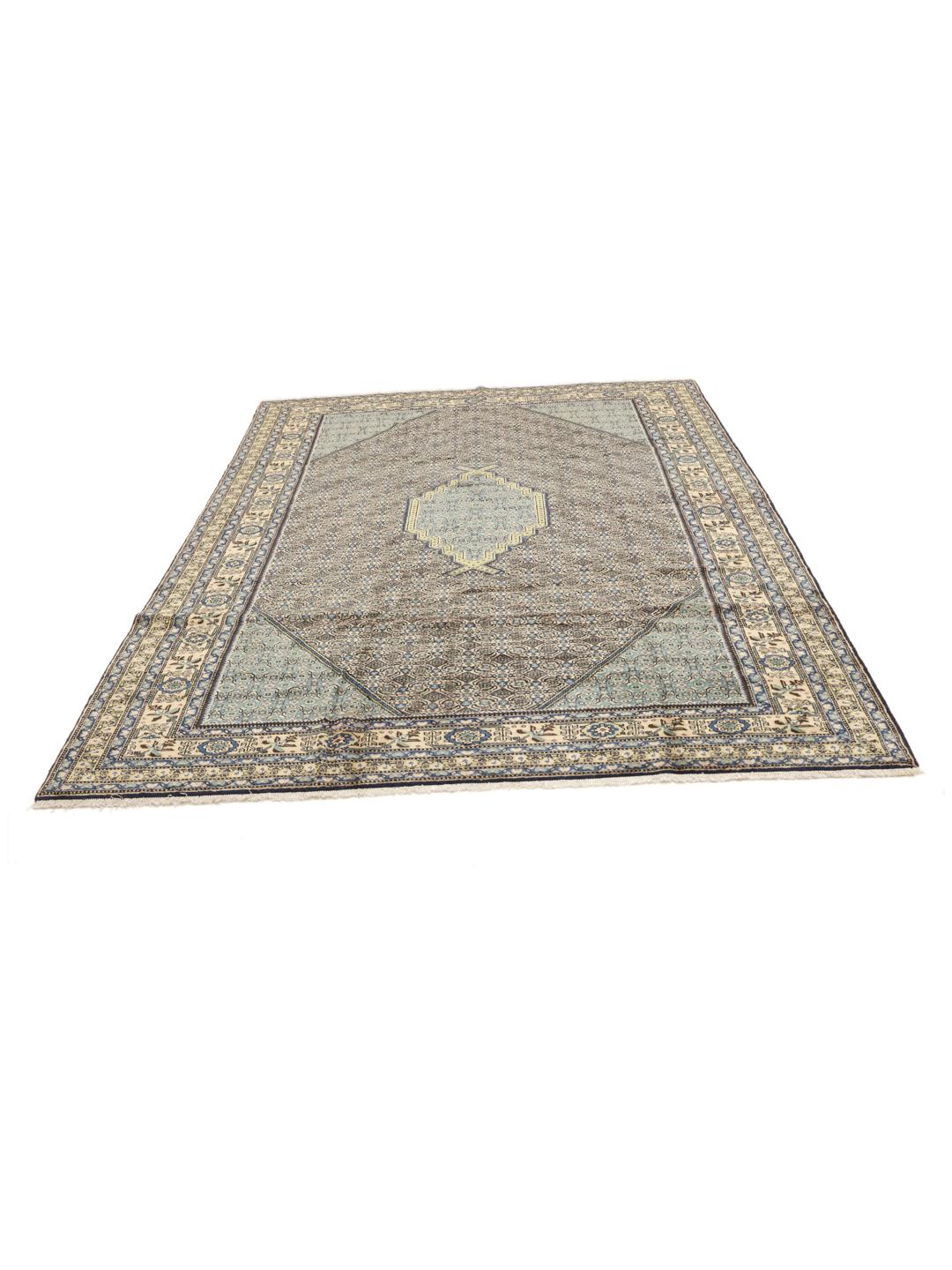
Ardebil rugs originate from the historic city of Ardebil in the northwestern part of the Middle East, a region with a deep-rooted tradition in textile arts. Historically, these rugs were highly influenced by the courtly designs of the Safavid period, known for their opulent floral motifs and complex geometric layouts that served as symbols of status and cultural refinement.
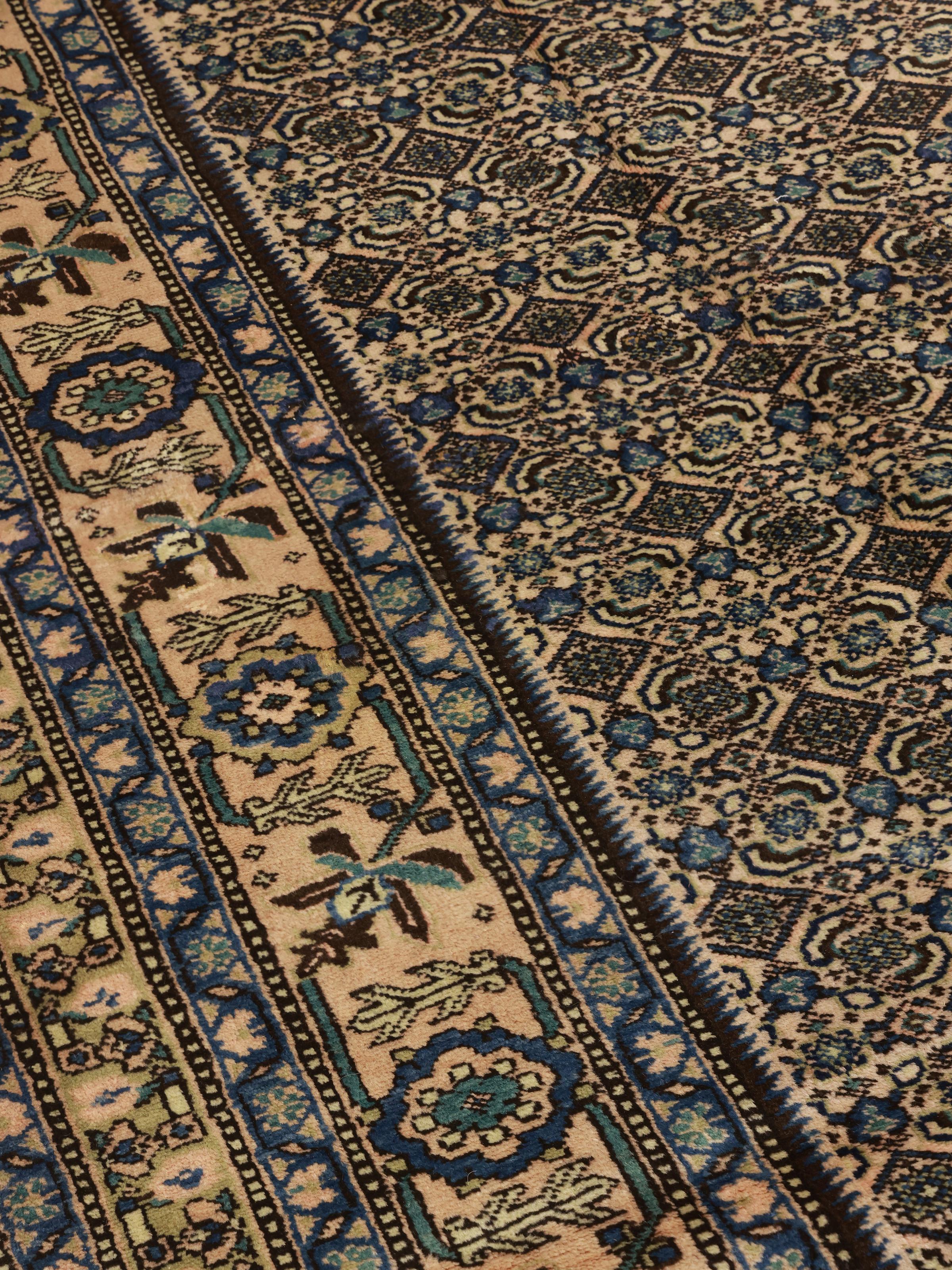
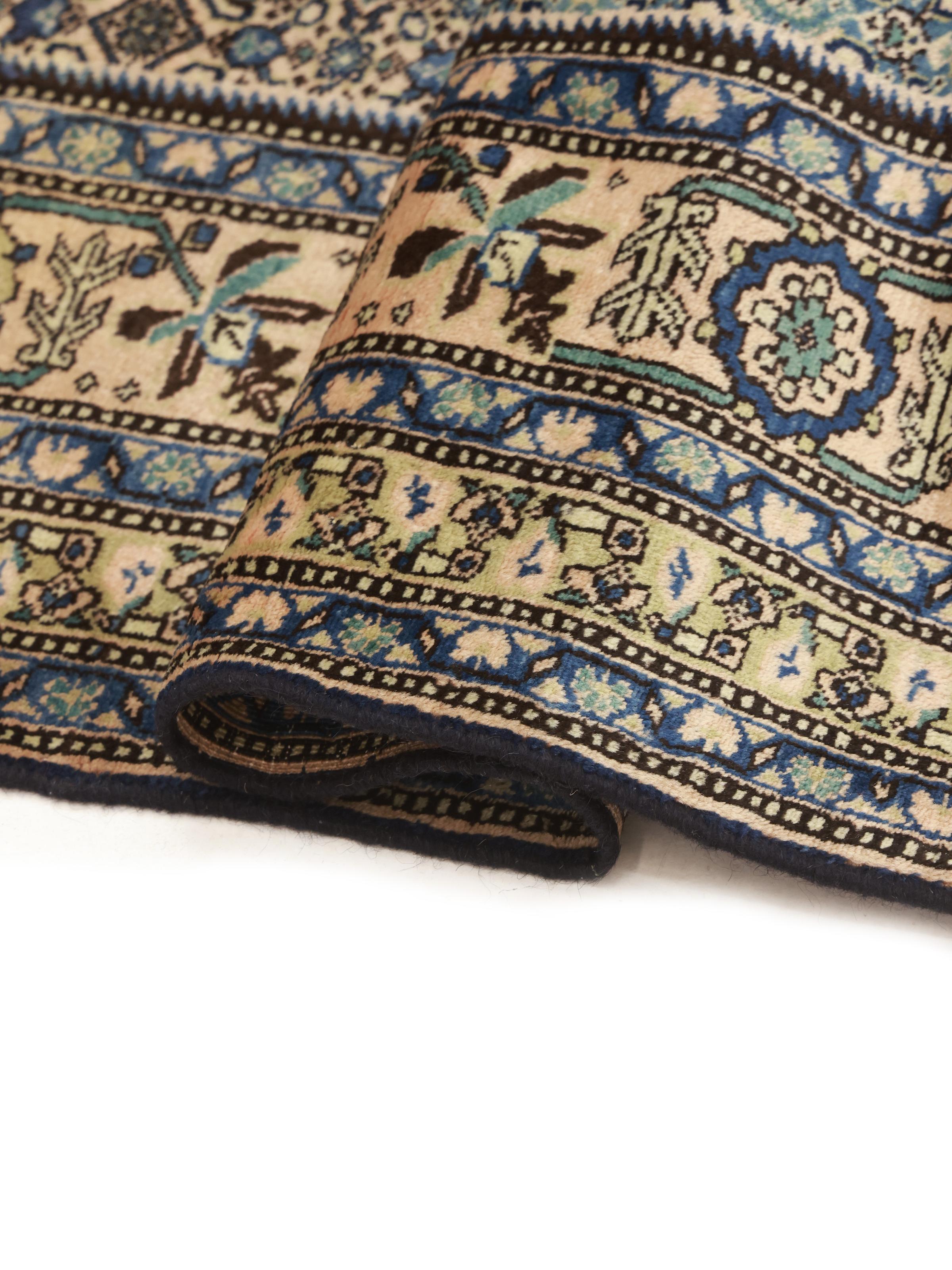
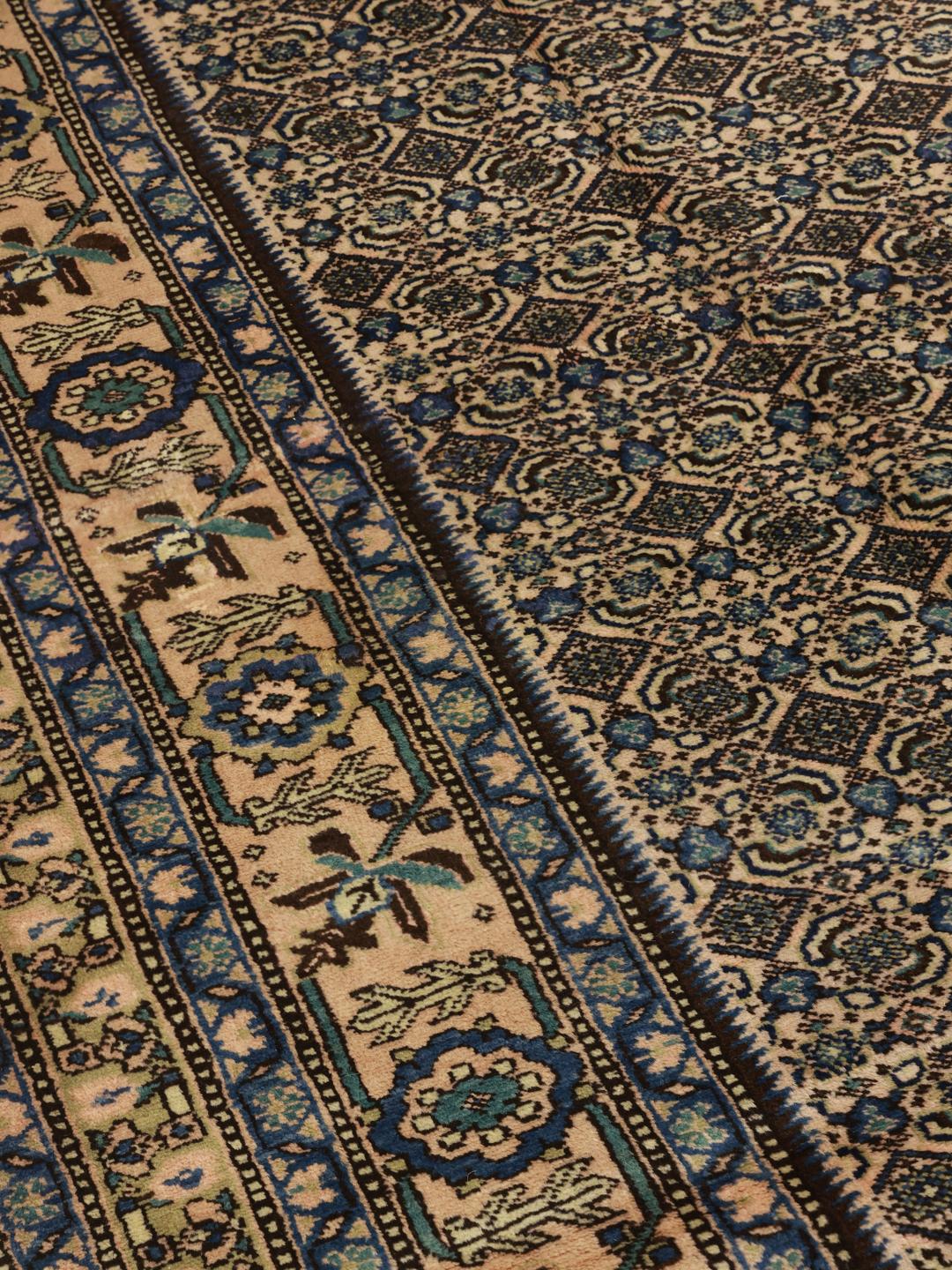
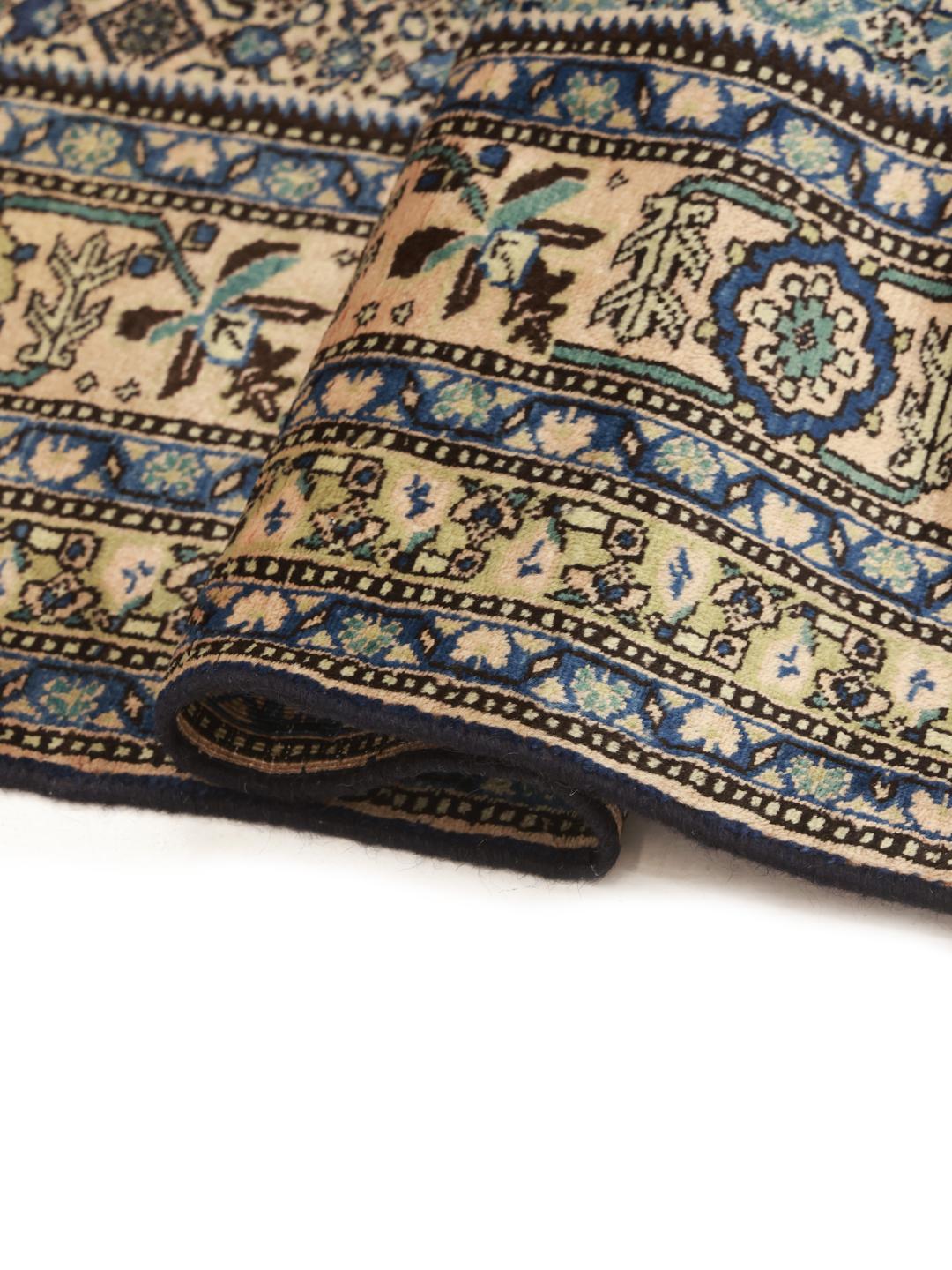
The craftsmanship behind an Ardebil rug is defined by a specific approach to knotting, which allows for the creation of intricate, curvilinear patterns. This technical precision is what gives these rugs their signature look, where fine lines and delicate blossoms appear to flow across the field. The quality of the wool pile is paramount, ensuring that these complex designs are not only beautiful but also durable enough to last for generations.
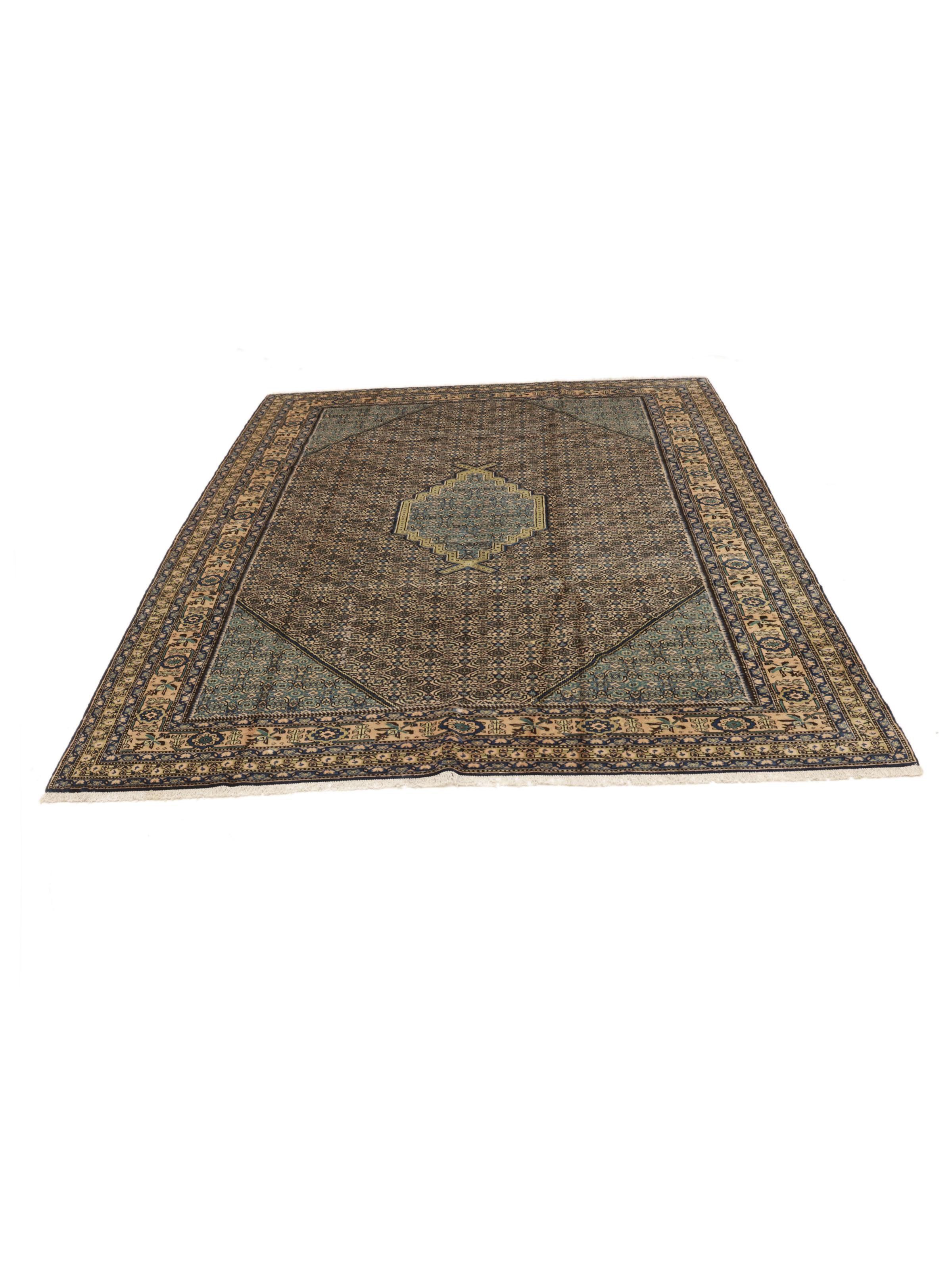
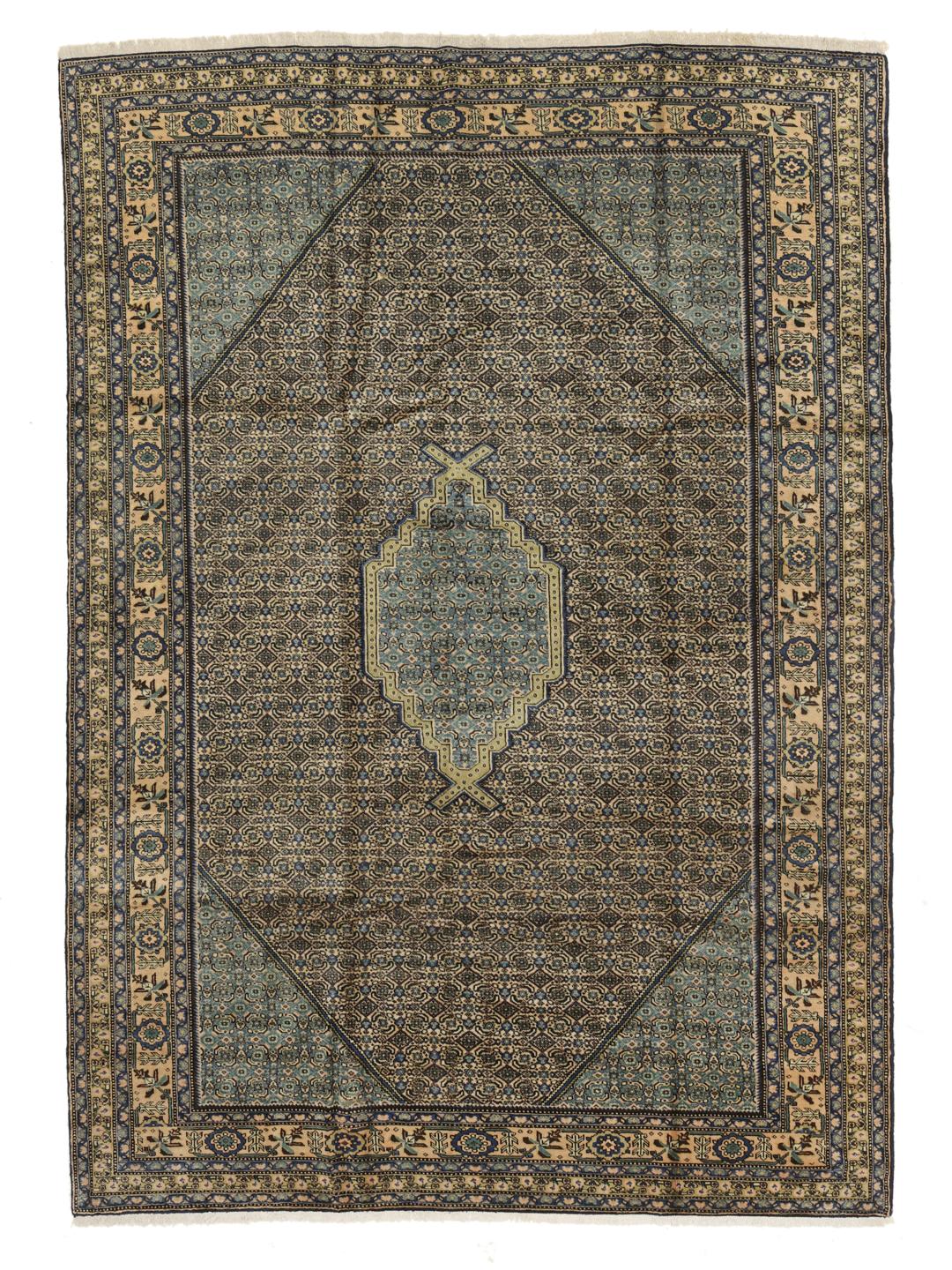
Visually, Ardebil rugs are famous for their balanced compositions, often featuring a central medallion that is mirrored by corner spandrels. The borders are typically adorned with repeating floral vines or cartouches that frame the central field perfectly. This specific rug carries forward these traditional design elements, presenting a classic aesthetic that remains relevant in contemporary homes.
Collectors value Ardebil rugs for their historical significance and the immense skill required to produce them. Owning a piece from this tradition is an investment in cultural heritage, representing a bridge between ancient craftsmanship and modern living. It serves as a reminder of the enduring beauty found in hand-wrought textiles that have been perfected over centuries.