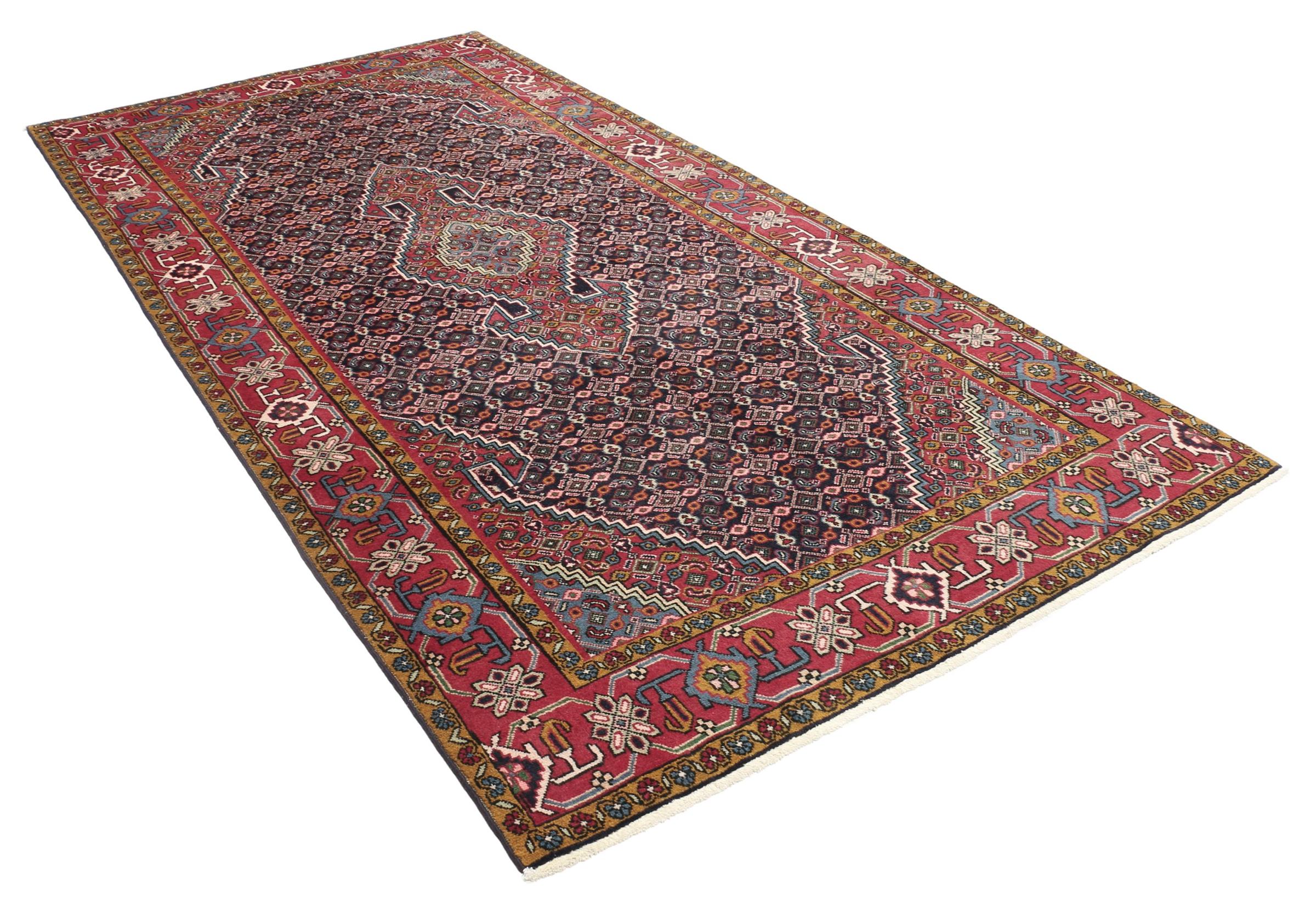
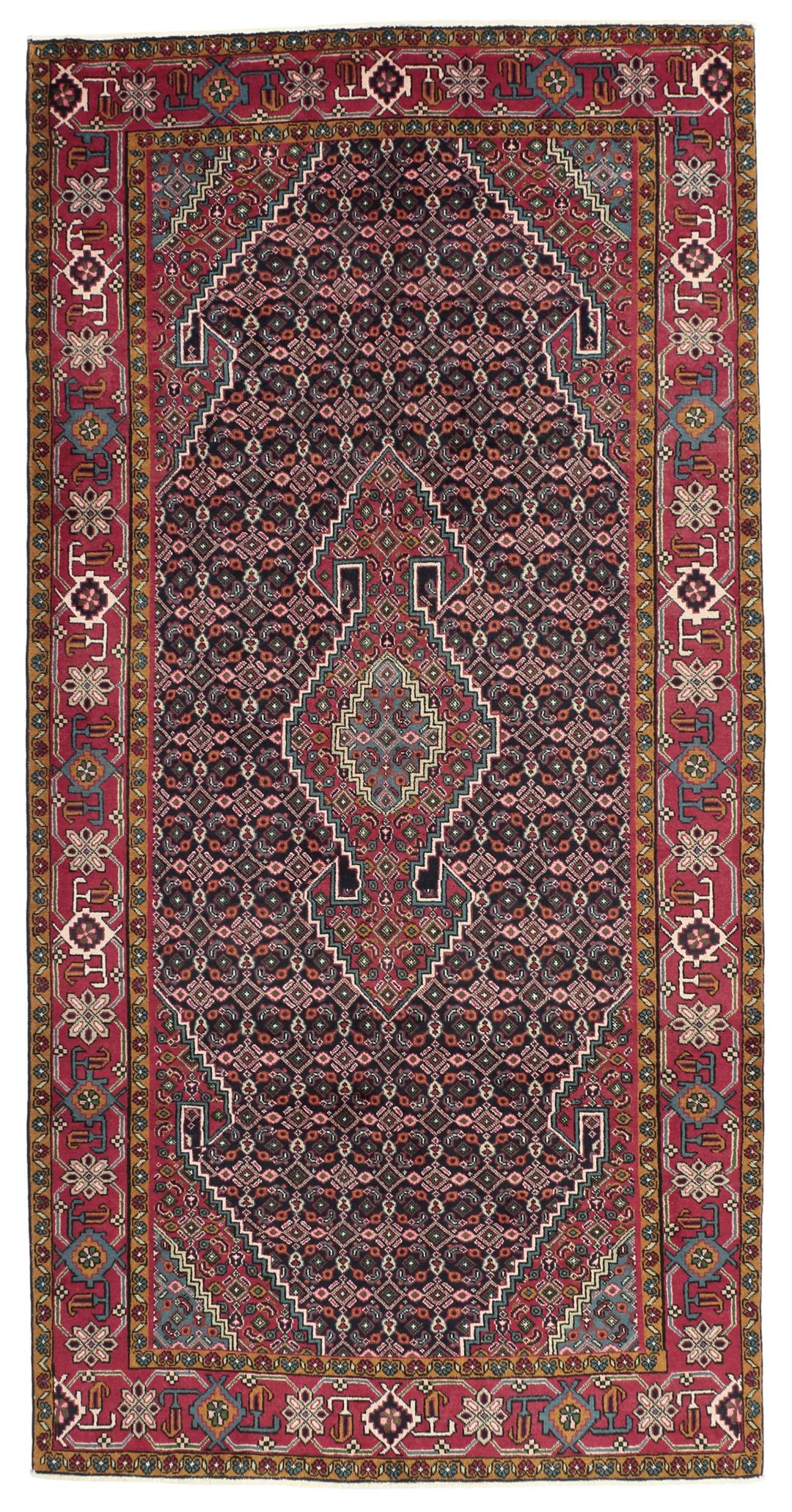
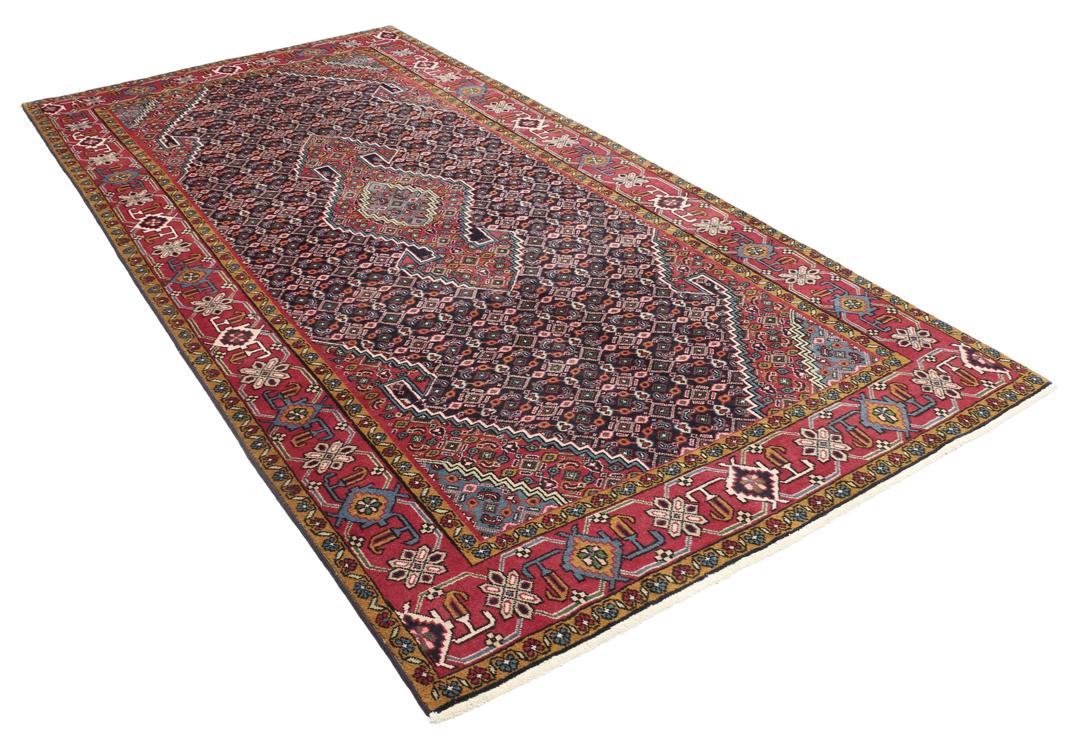
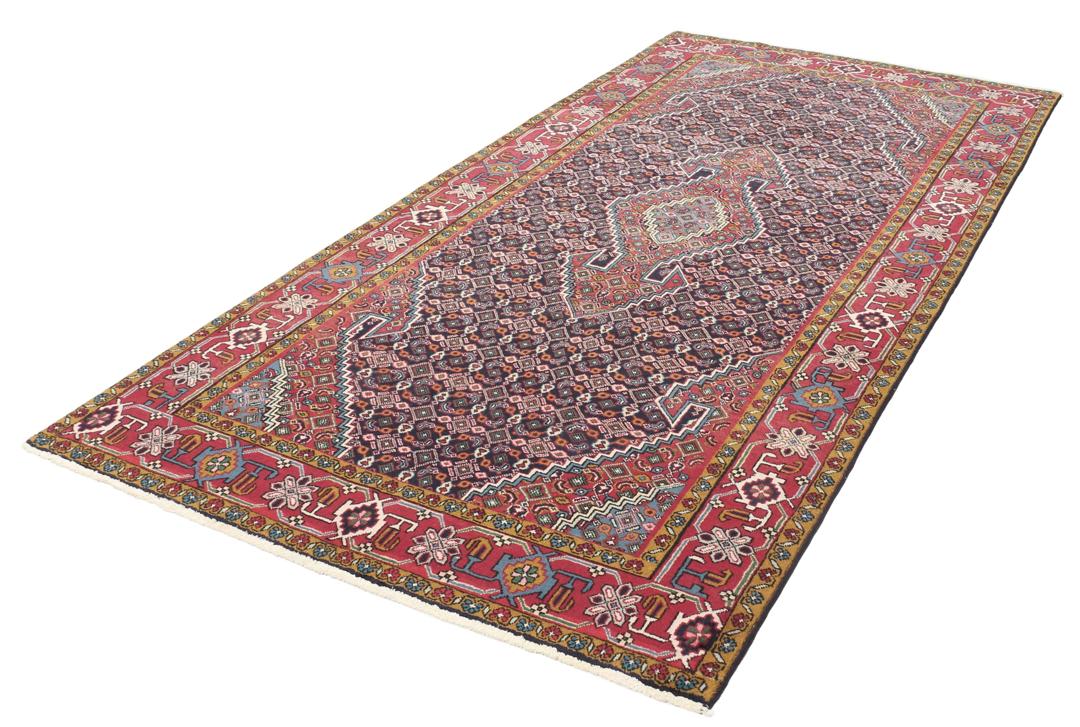
The Ardebil tradition finds its roots in the city of the same name, located in the northwestern reaches of the Middle East. Historically, this region has been a vibrant centre for carpet weaving, known for producing some of the most celebrated and technically sophisticated textiles in the world. The tradition is deeply intertwined with the cultural and artistic history of the area, reflecting centuries of refined craft techniques passed down through generations.
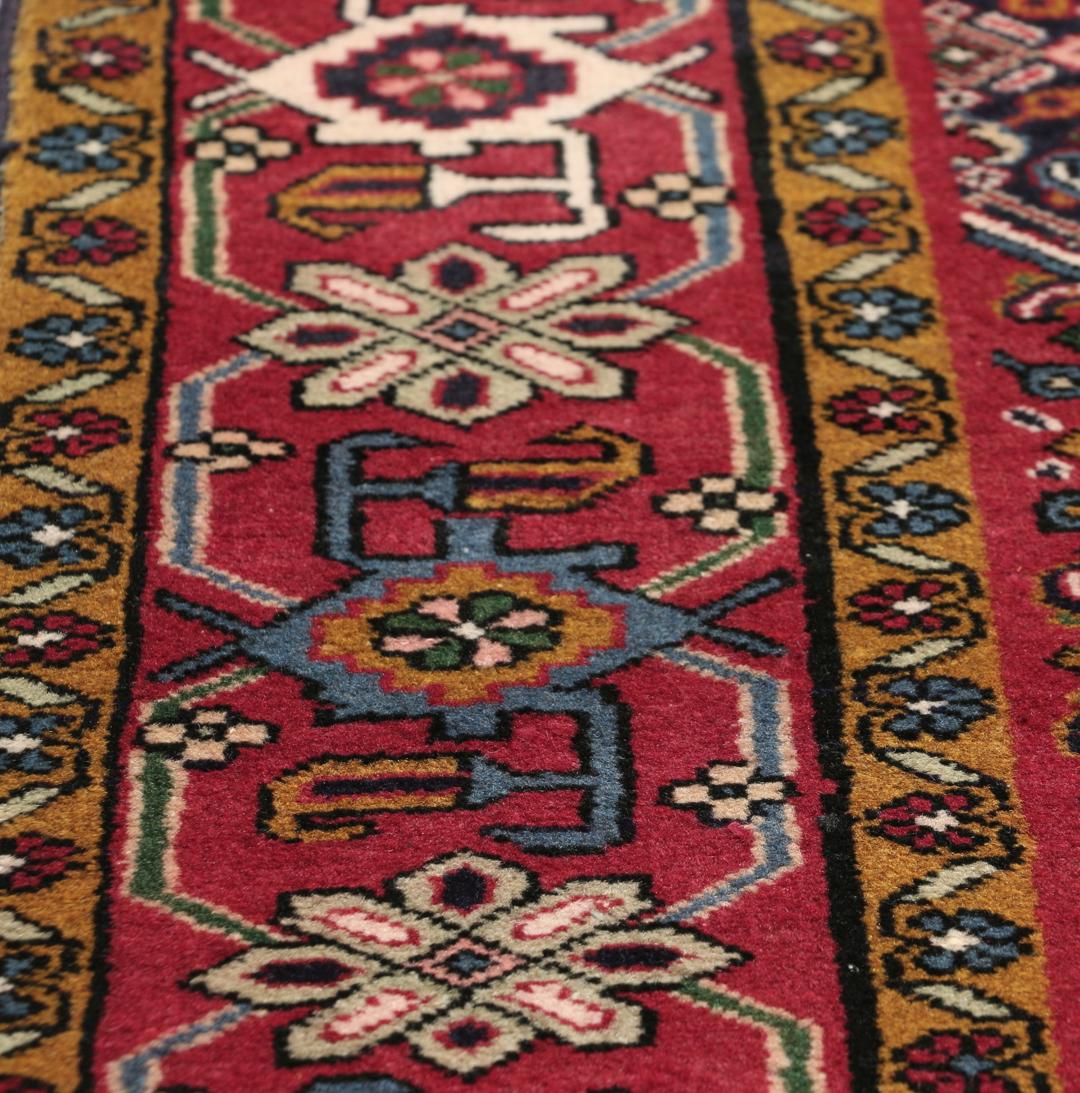
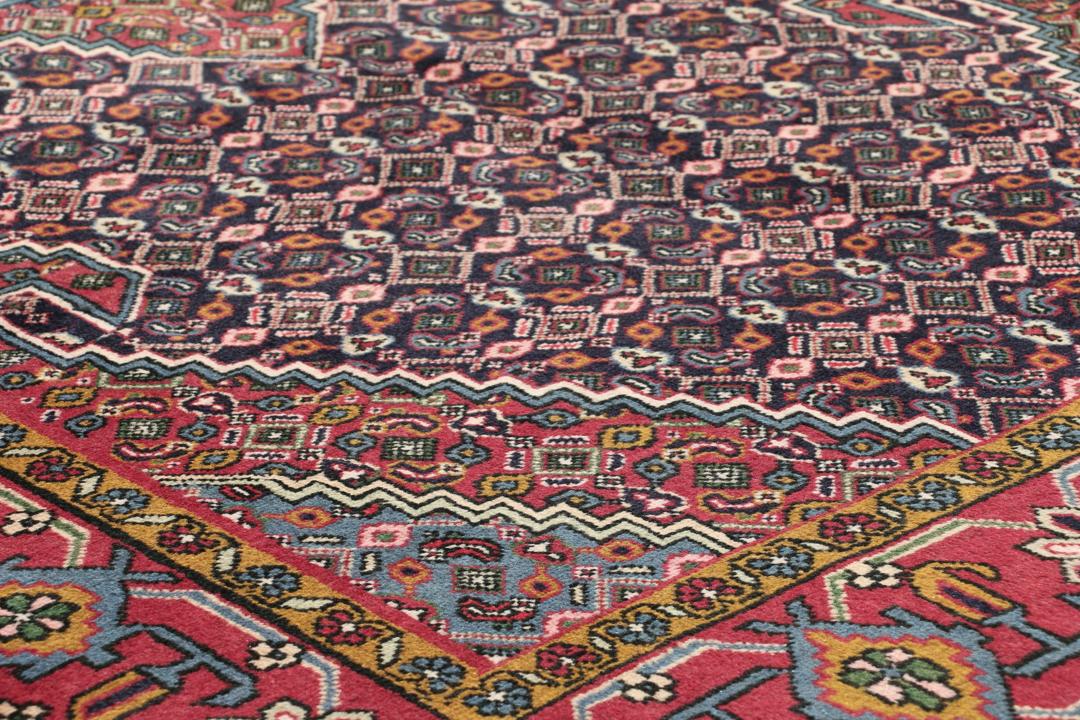
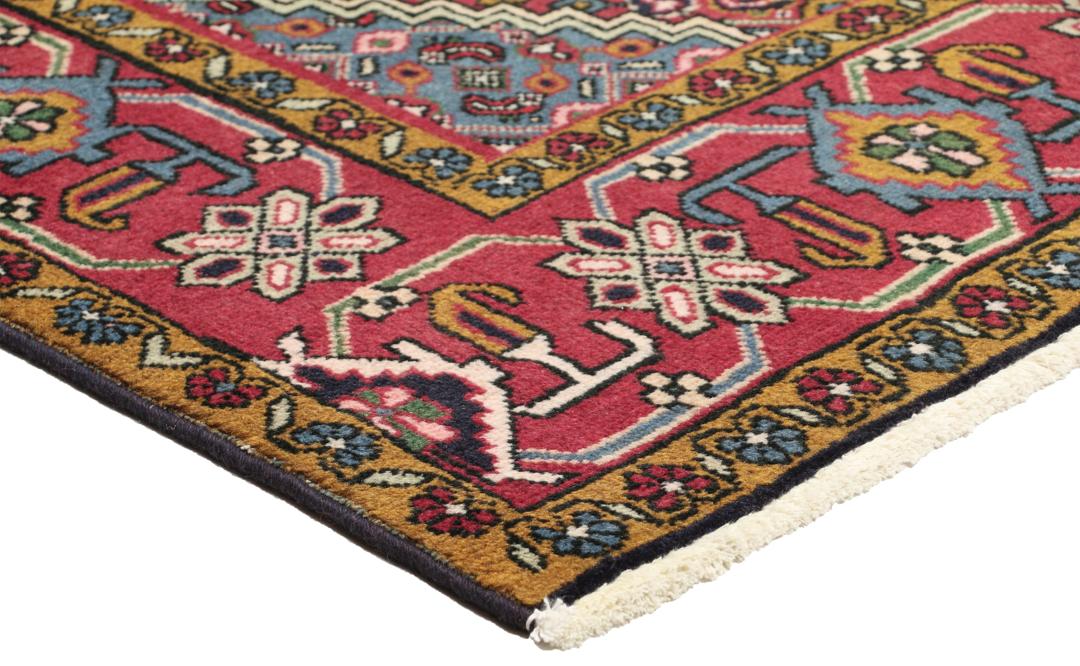
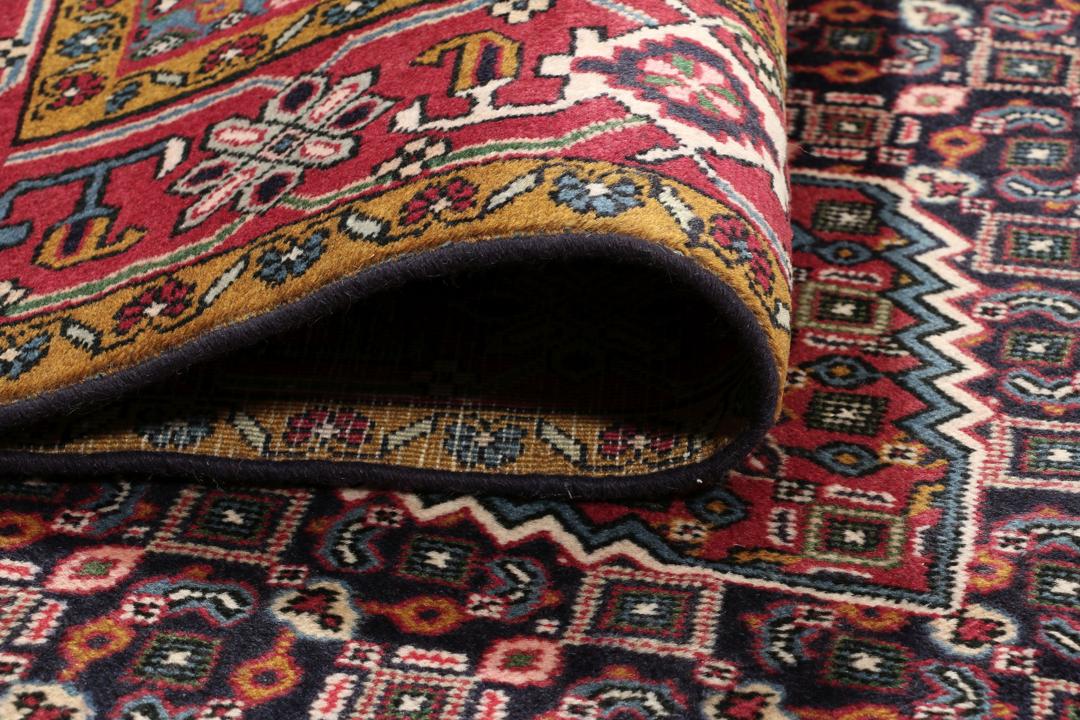
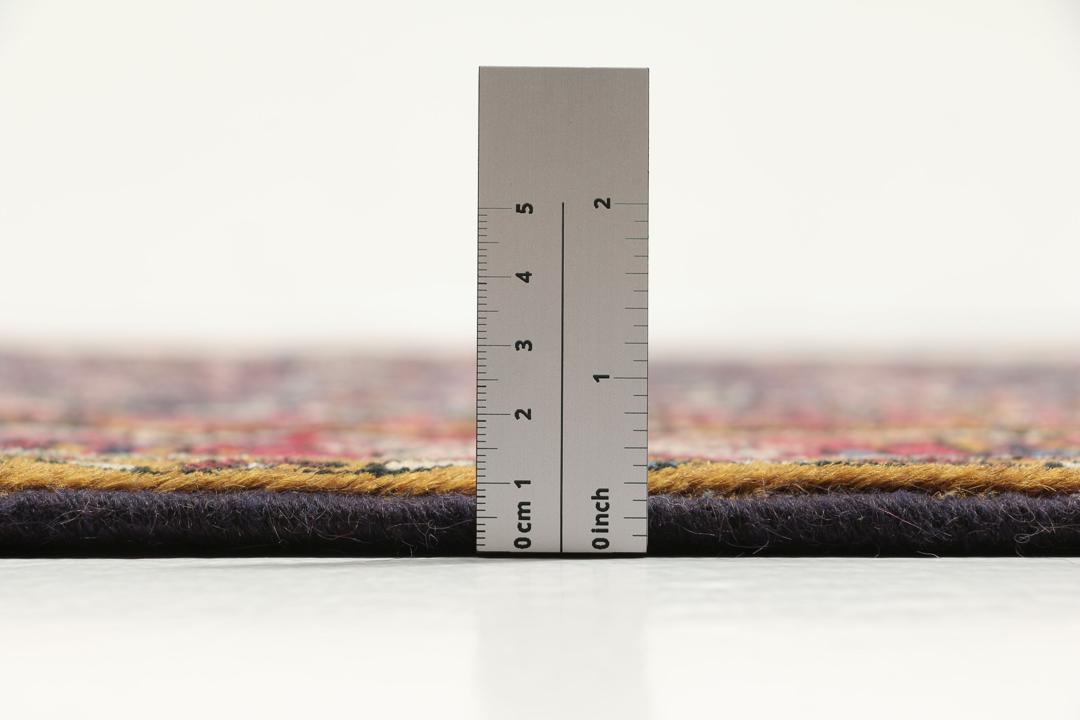
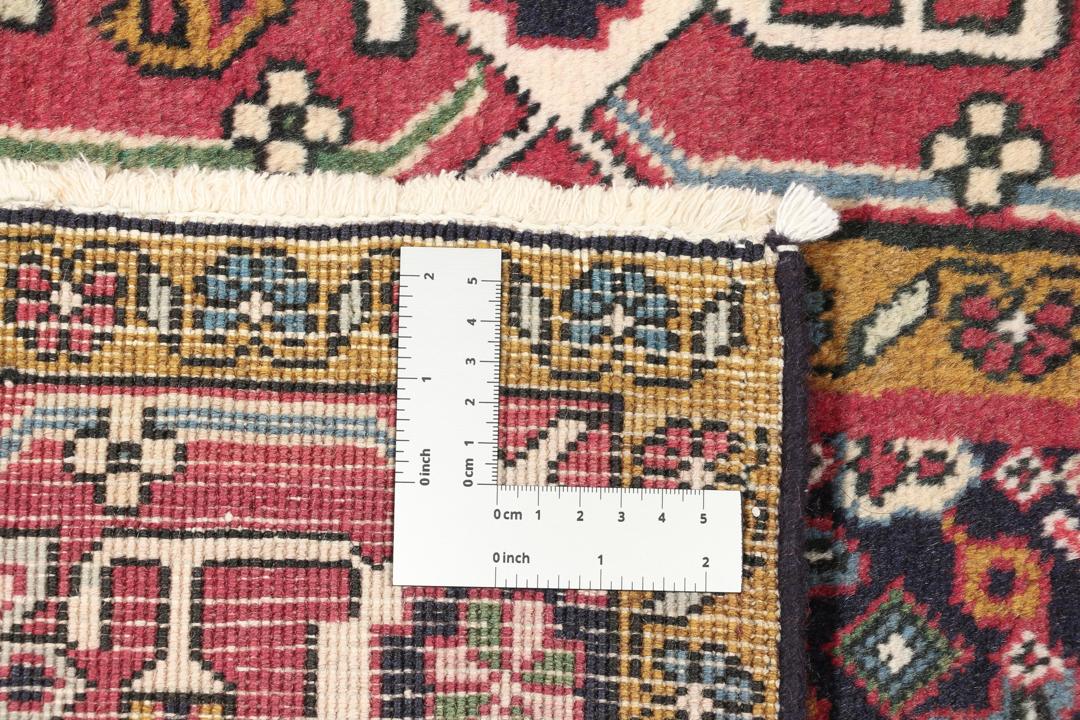
Technical excellence defines these rugs, often characterised by the use of high-quality wool for the pile and a sturdy foundation. The term Ardebil is synonymous with a specific regional aesthetic that balances intricate detail with structural integrity. This construction ensures that the rug remains a durable, lasting piece, with the pile density providing both a lustrous appearance and a tactile richness that is highly prized by collectors.
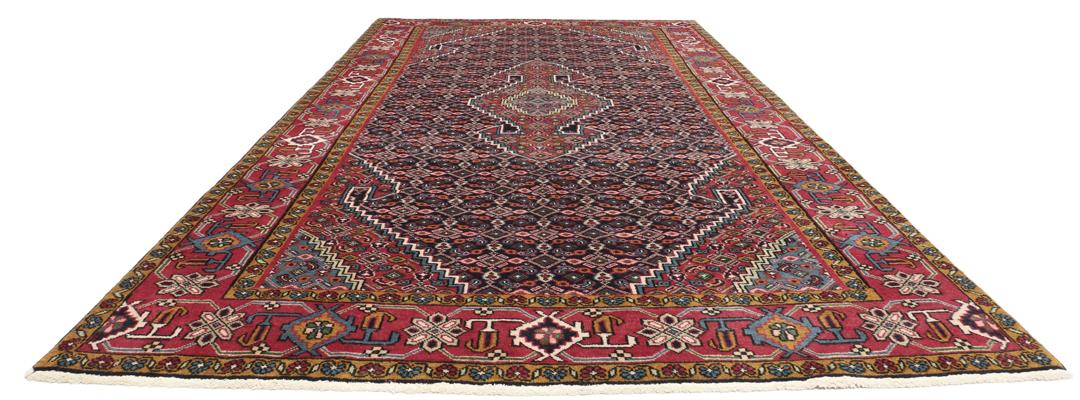
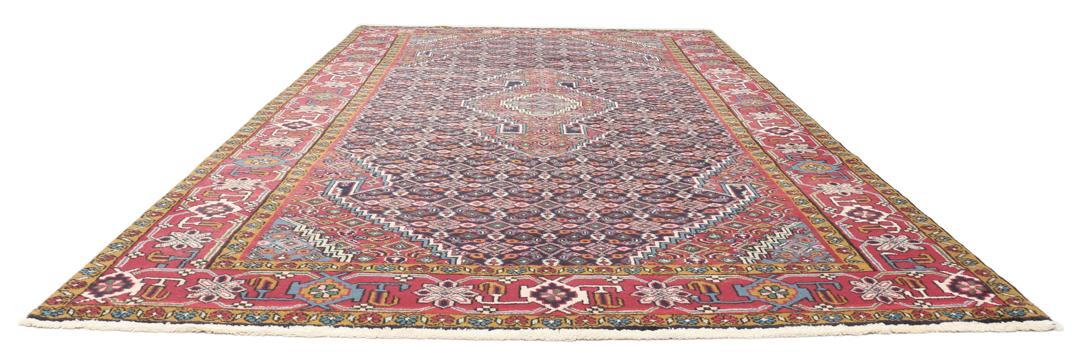
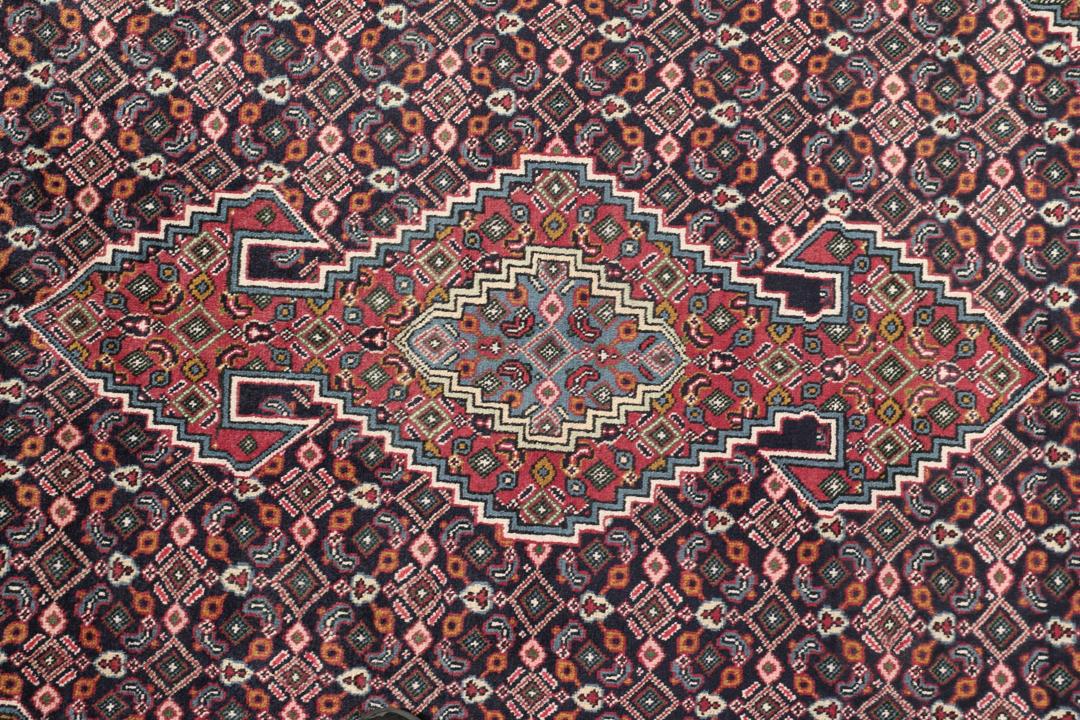
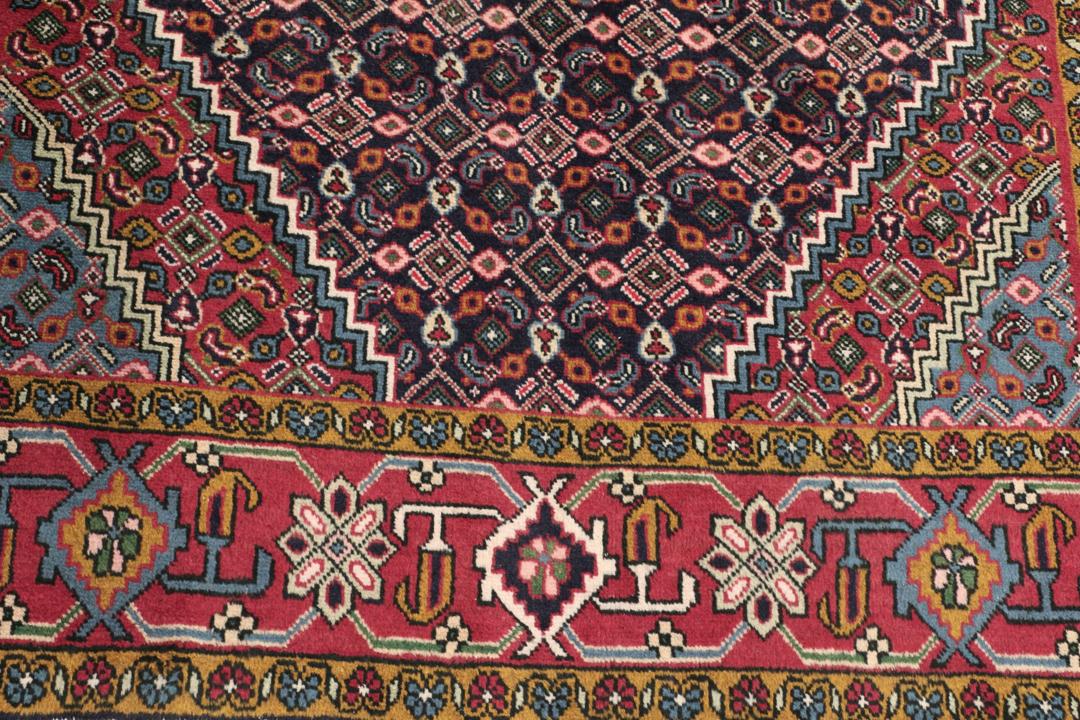
Visually, these rugs are often recognised for their grand, central medallion designs, which are frequently surrounded by elaborate floral or geometric patterns. The borders often feature balanced, repeating motifs that frame the field, creating a sense of order and depth. While specific designs can vary, the commitment to symmetry and the use of bold, earthy, or deep jewel tones remain hallmarks of the style.
Owning an Ardebil rug is more than just acquiring a floor covering; it is an investment in a storied craft tradition. These pieces are valued not only for their aesthetic beauty but also for the cultural weight they carry. Collectors and enthusiasts seek them out for their connection to a rich, historical lineage of weaving, viewing each rug as a piece of functional art that adds a sense of permanence and heritage to any interior.