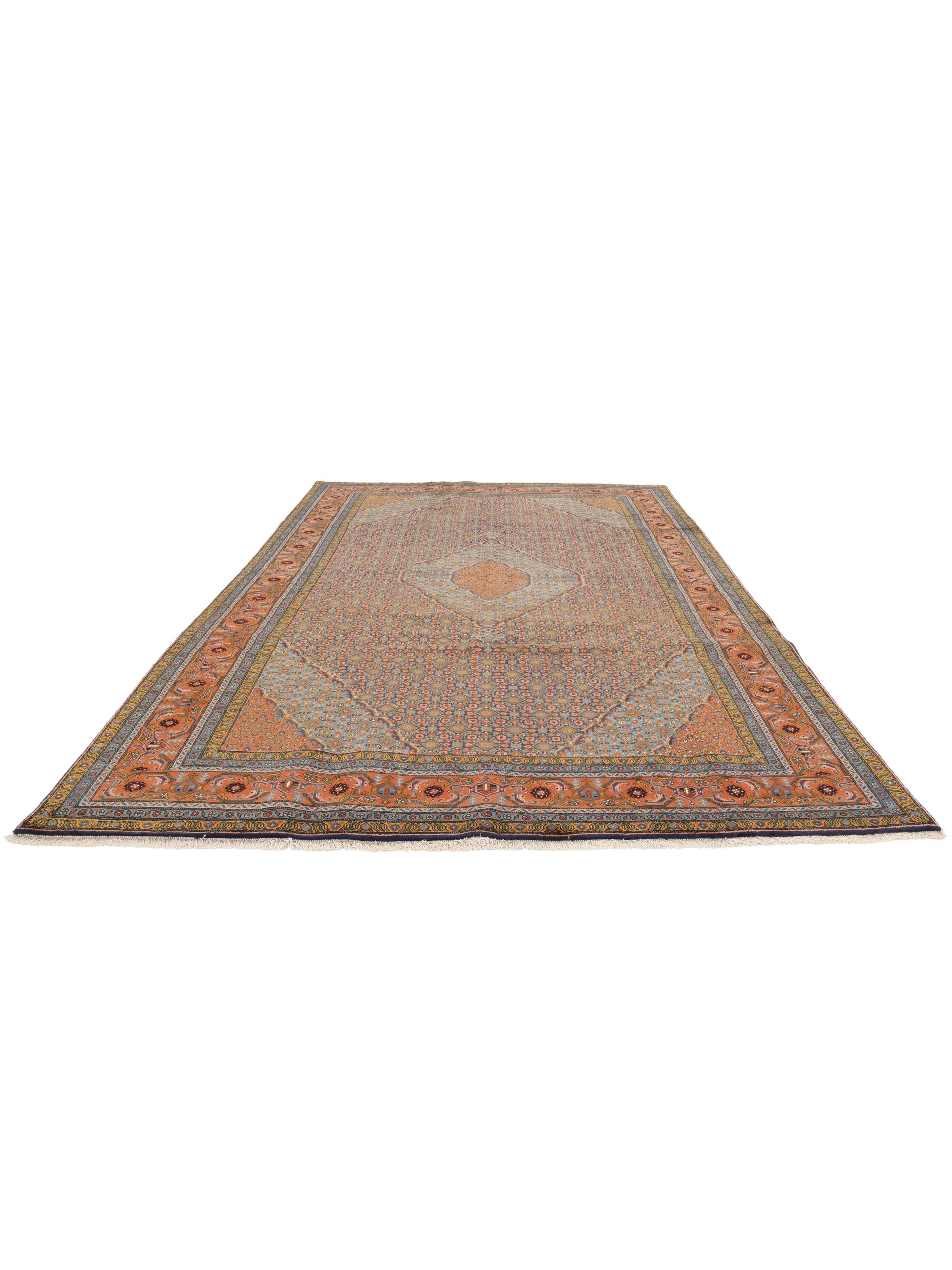
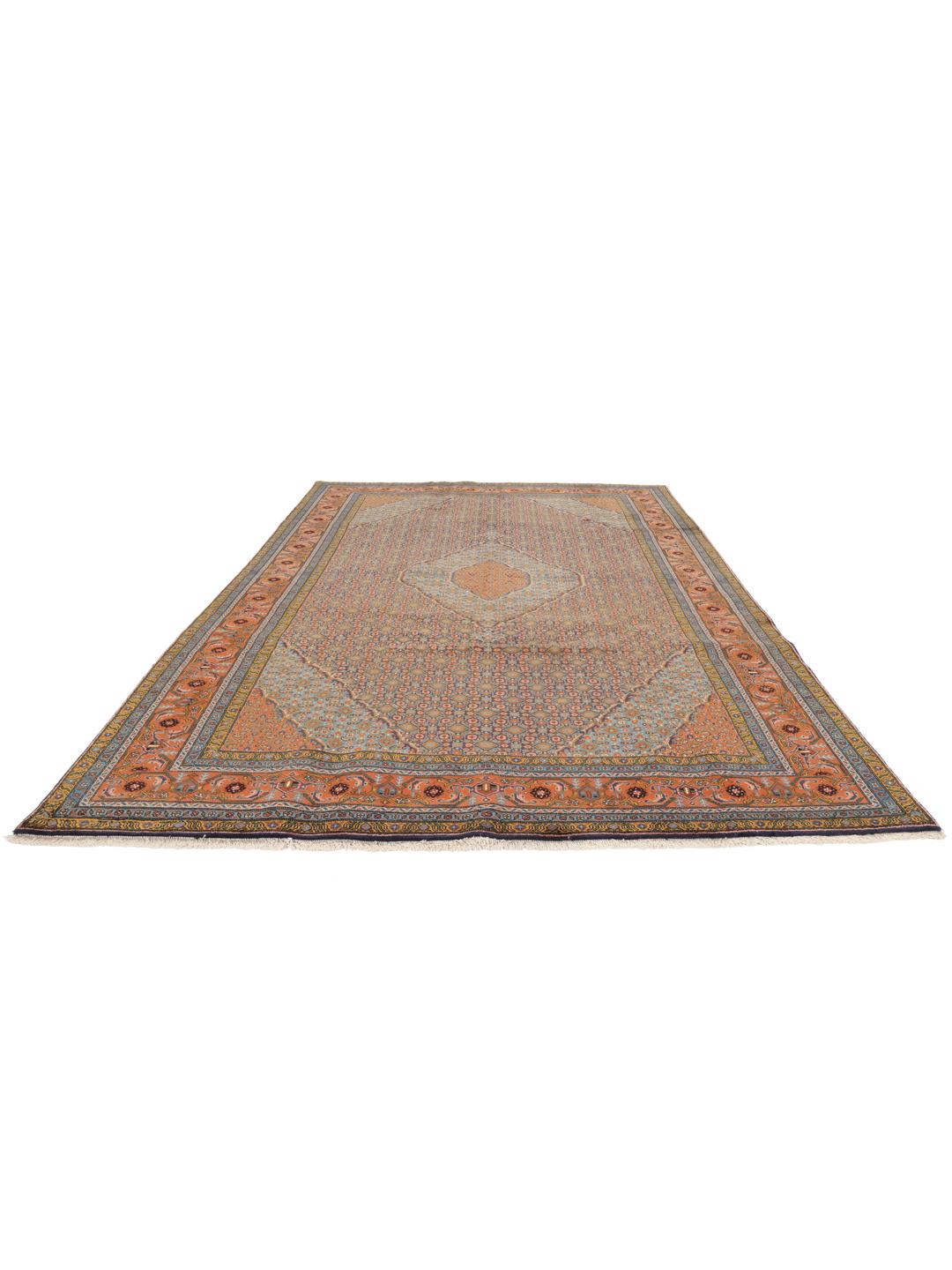
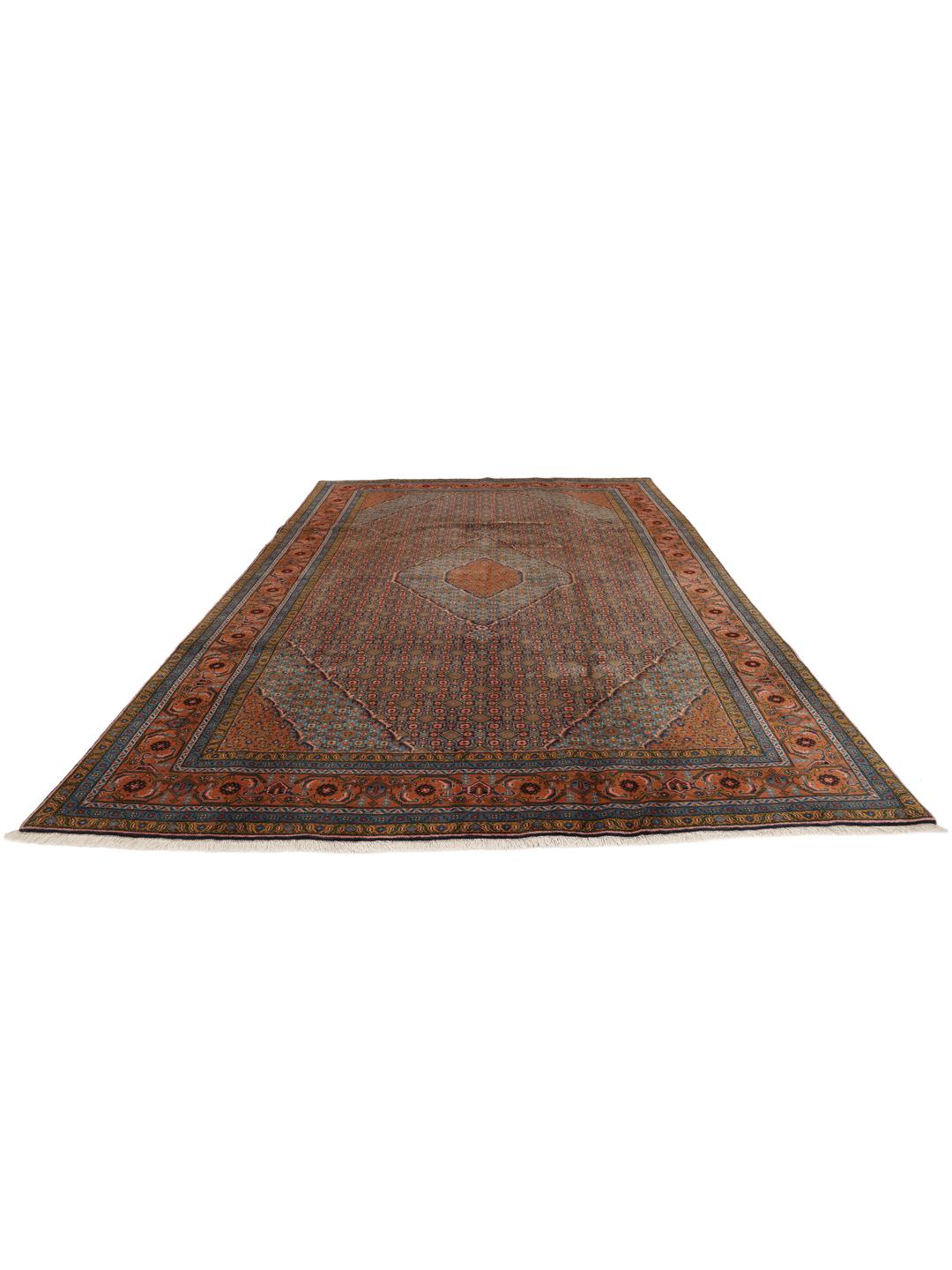
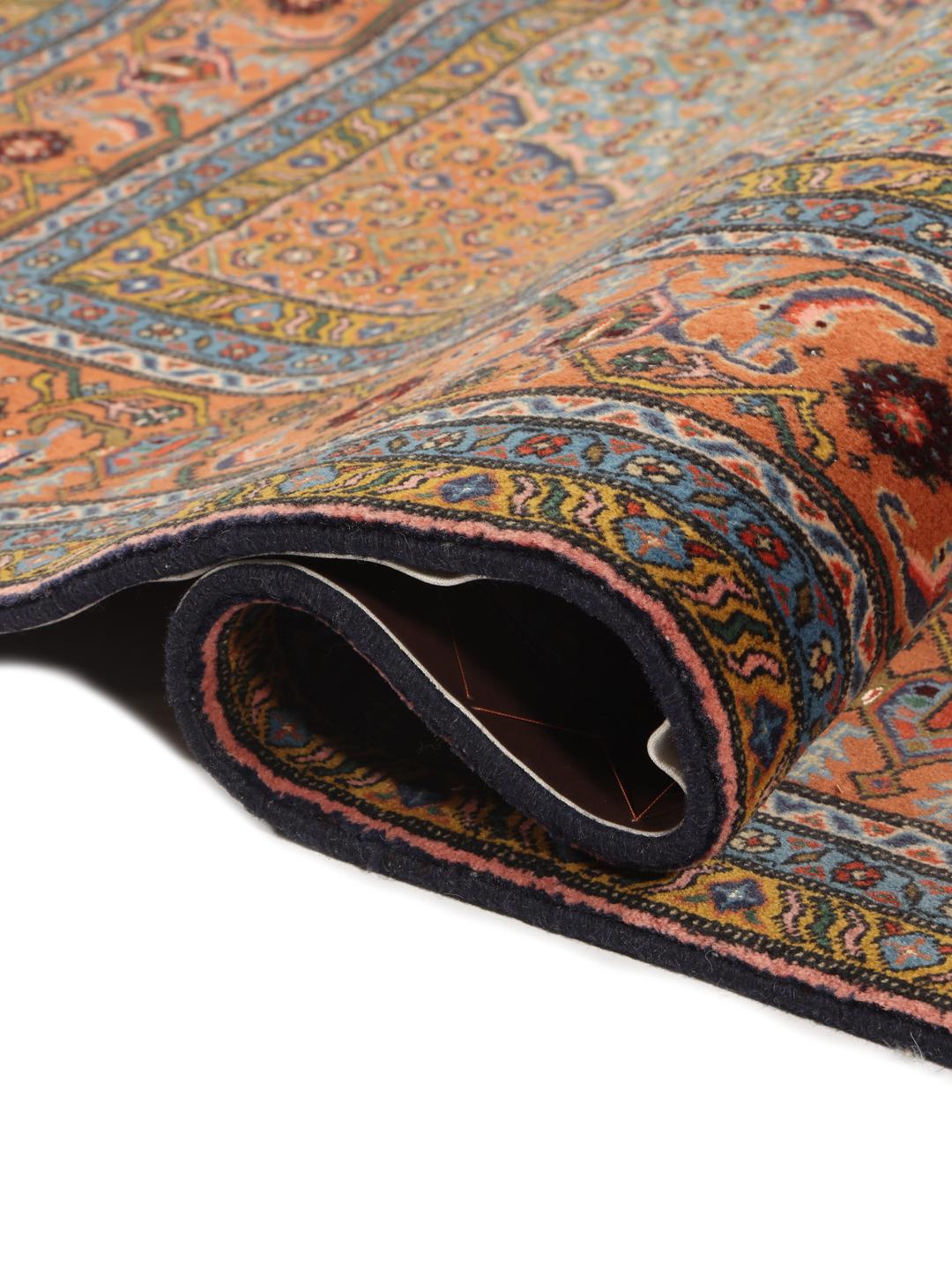
Ardebil rugs take their name from the historic city of Ardebil in the northwestern region of the Middle East, a location long celebrated for its contributions to the textile arts. This region has served as a vital crossroads for cultural exchange along ancient trade routes, allowing local weavers to synthesise diverse artistic influences into a distinct and recognisable style.
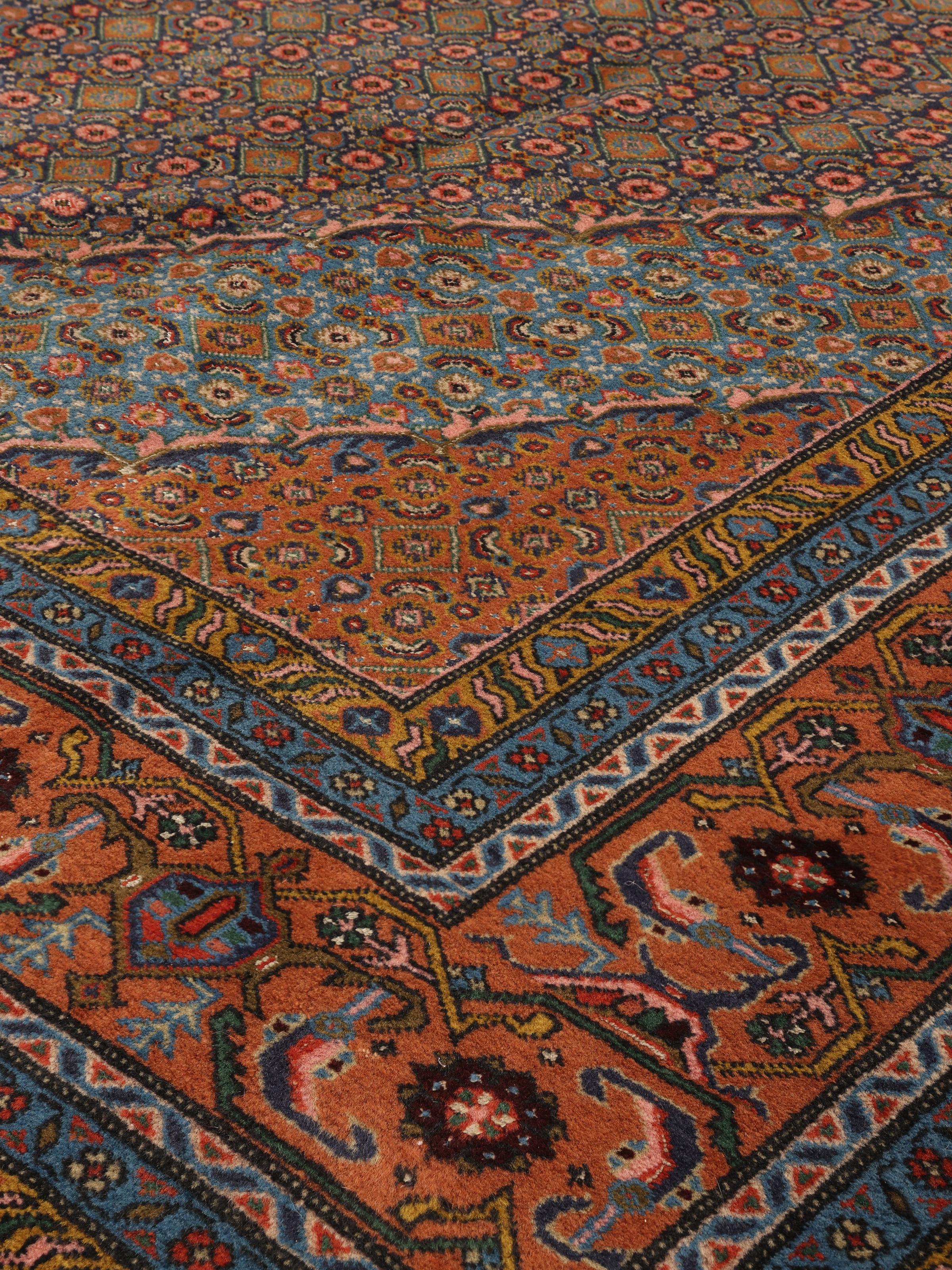
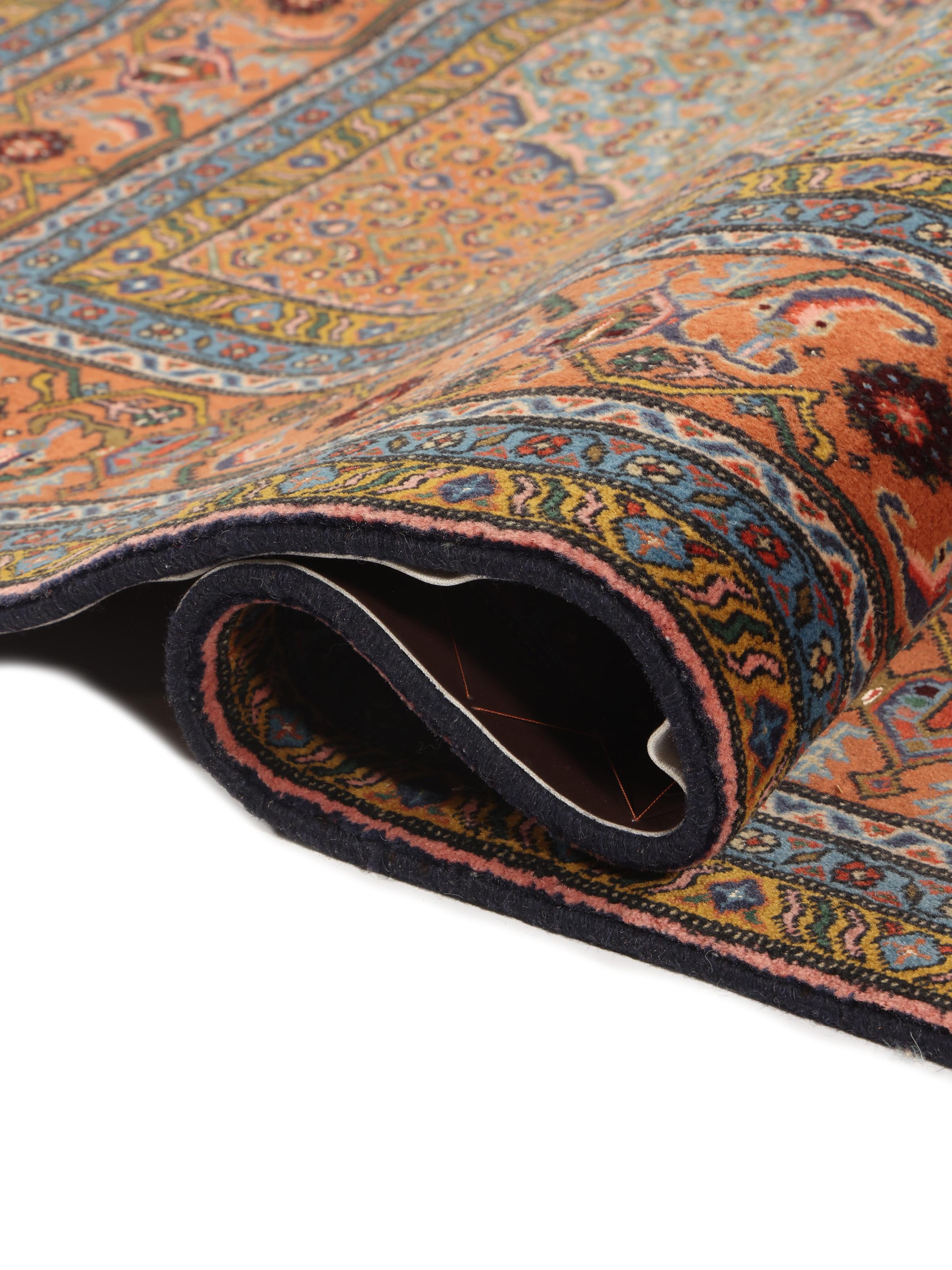
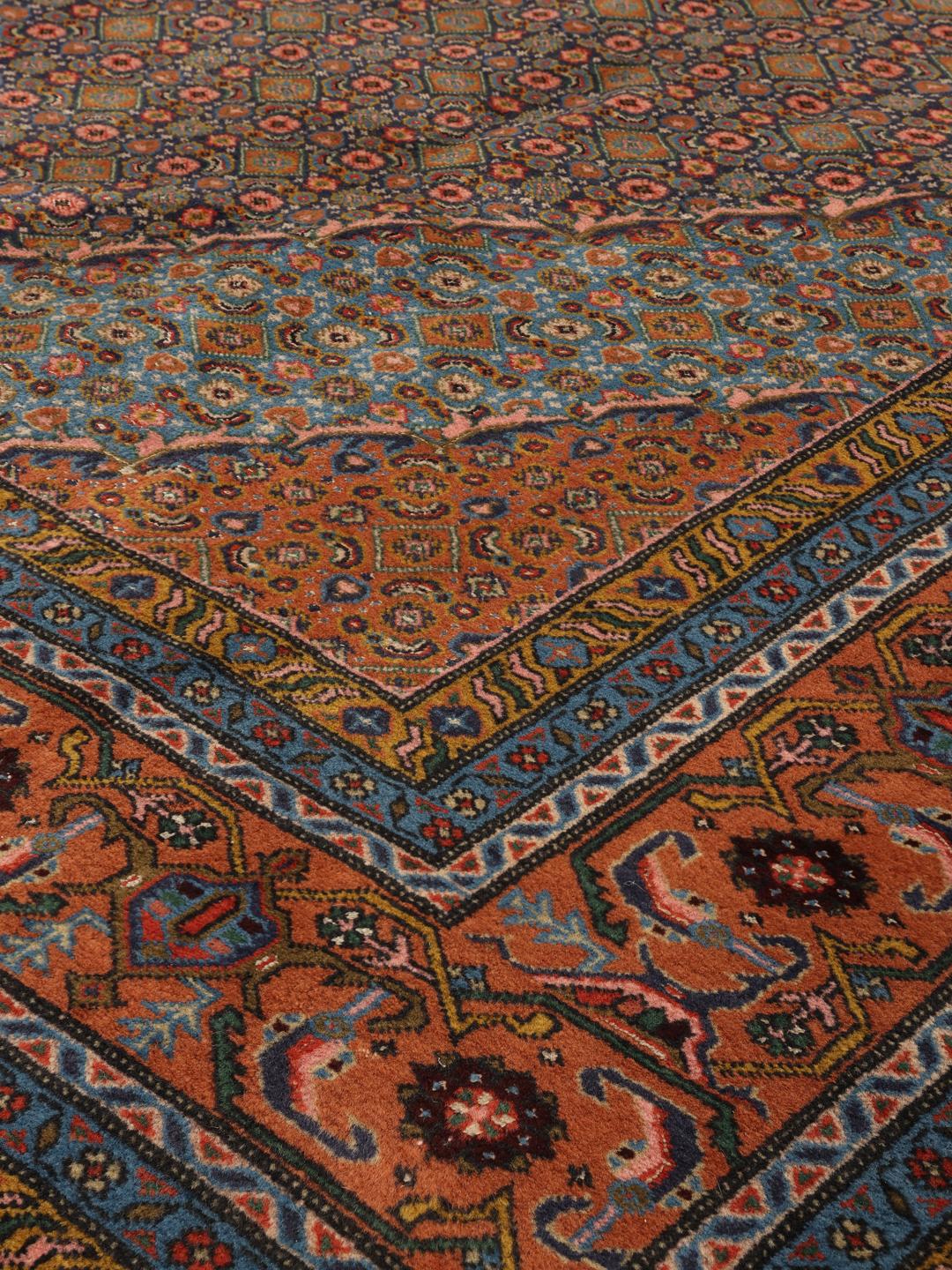
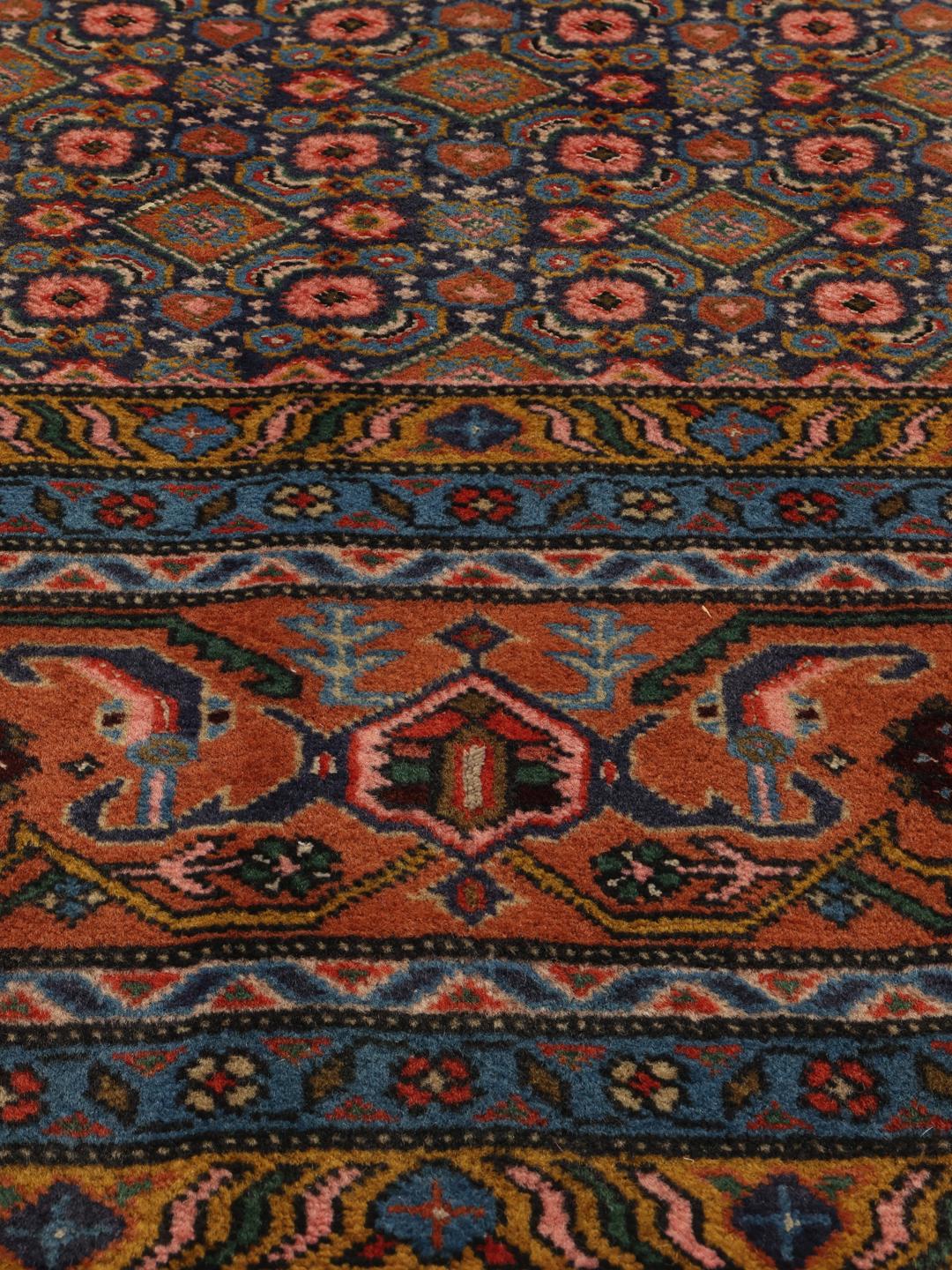
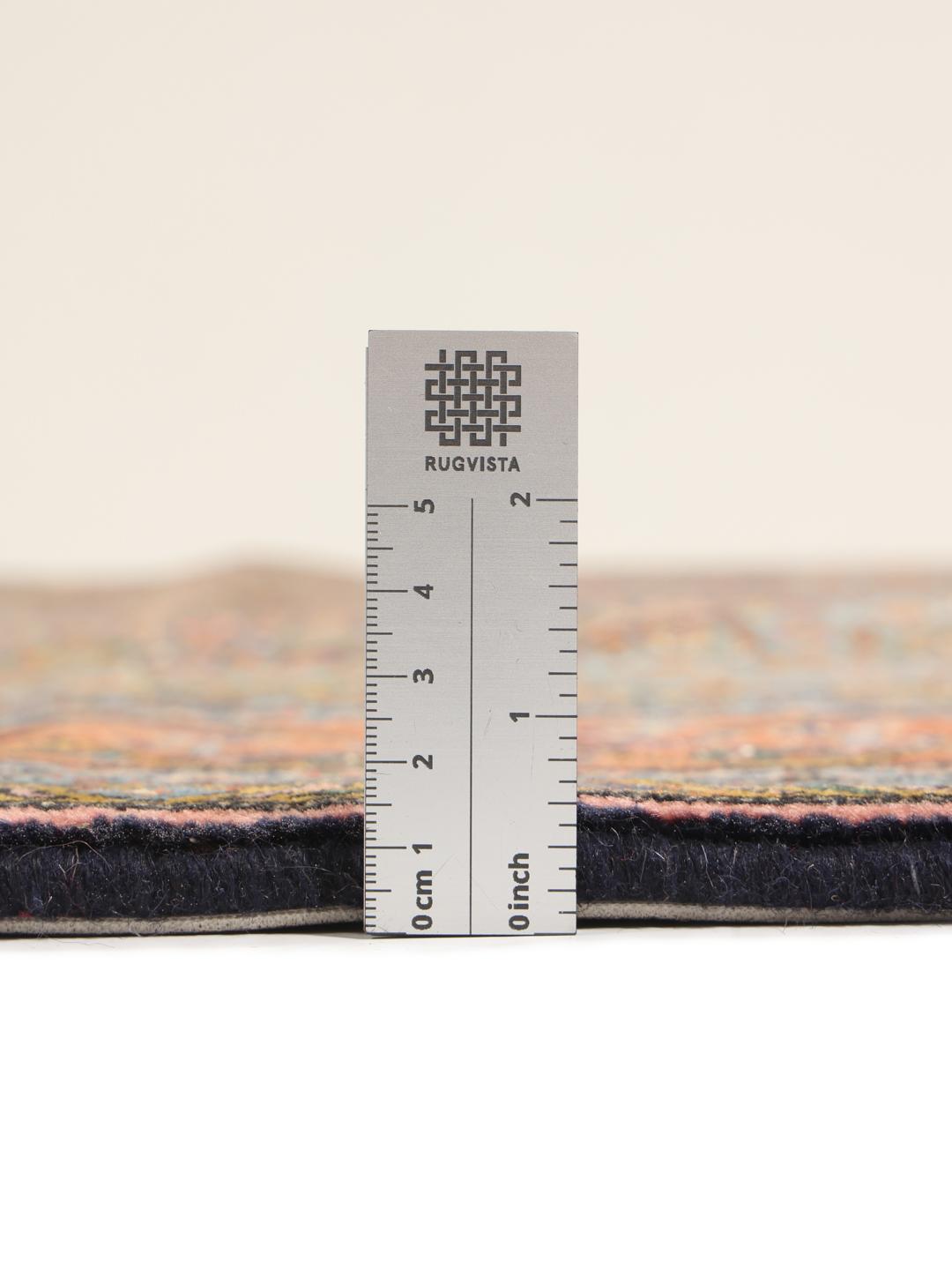
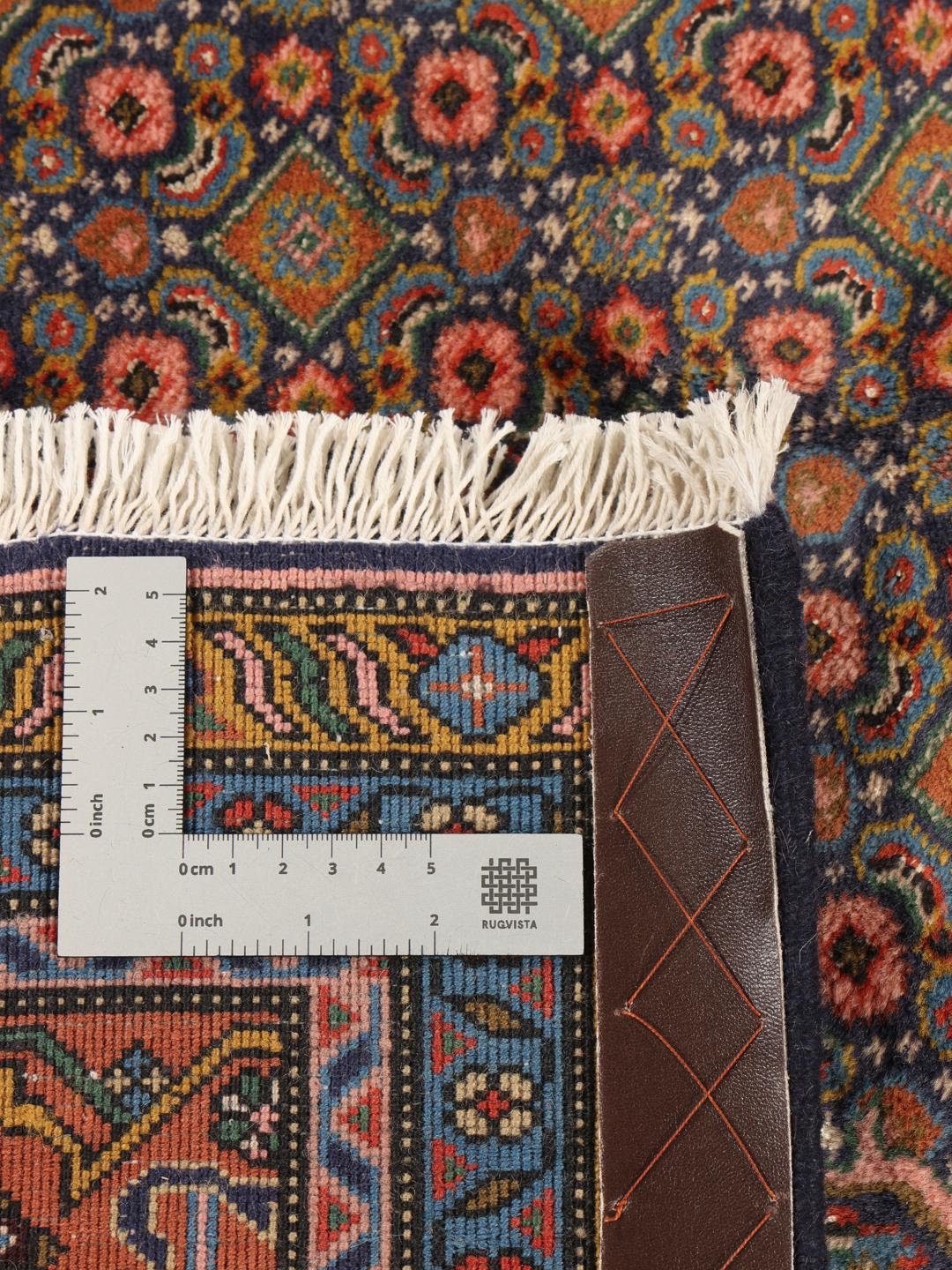
The craft of weaving in this tradition relies on the use of high-quality wool, which is prized for its natural resilience and ability to hold deep, vibrant dyes. When coupled with a traditional hand-knotting technique, this material choice results in a pile that is not only soft to the touch but also exceptionally durable, capable of maintaining its lustre and structural form through decades of enjoyment.
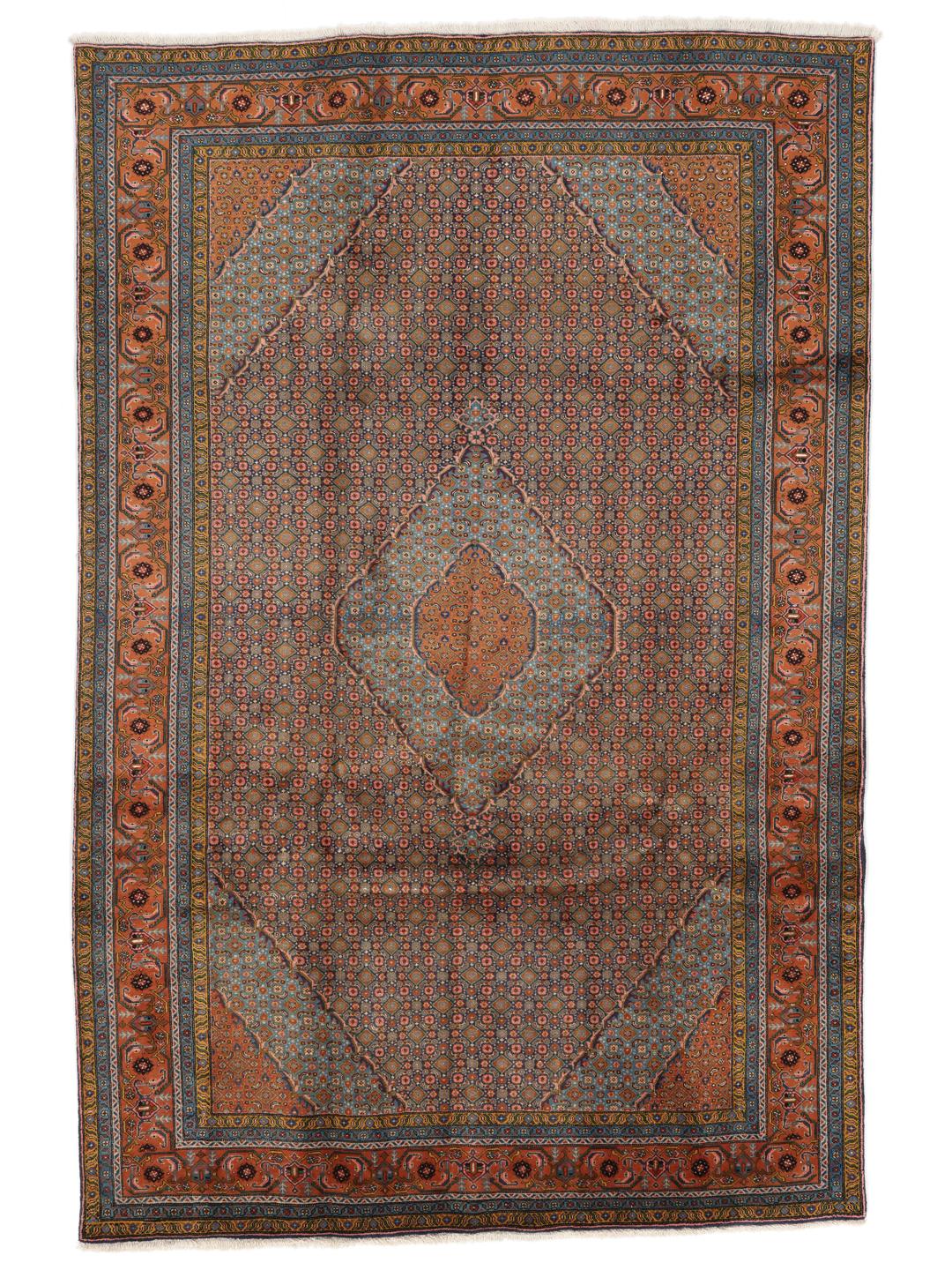
Visually, Ardebil rugs are famous for their sophisticated use of space and symmetry. They frequently feature a prominent central medallion, often echoing the architectural details of local shrines and mosques, set against a field filled with repeating floral or geometric patterns. These designs are enclosed by elaborate, multi-layered borders that frame the composition and provide a sense of visual balance.
Owning an Ardebil rug is an investment in a storied tradition of skill and patience. Collectors and homeowners value these pieces for their ability to bridge the gap between historical artistry and modern living. By choosing an authentic hand-knotted piece, you are preserving the legacy of the artisans who crafted it and adding a layer of depth and authenticity to your home that mass-produced items cannot replicate.