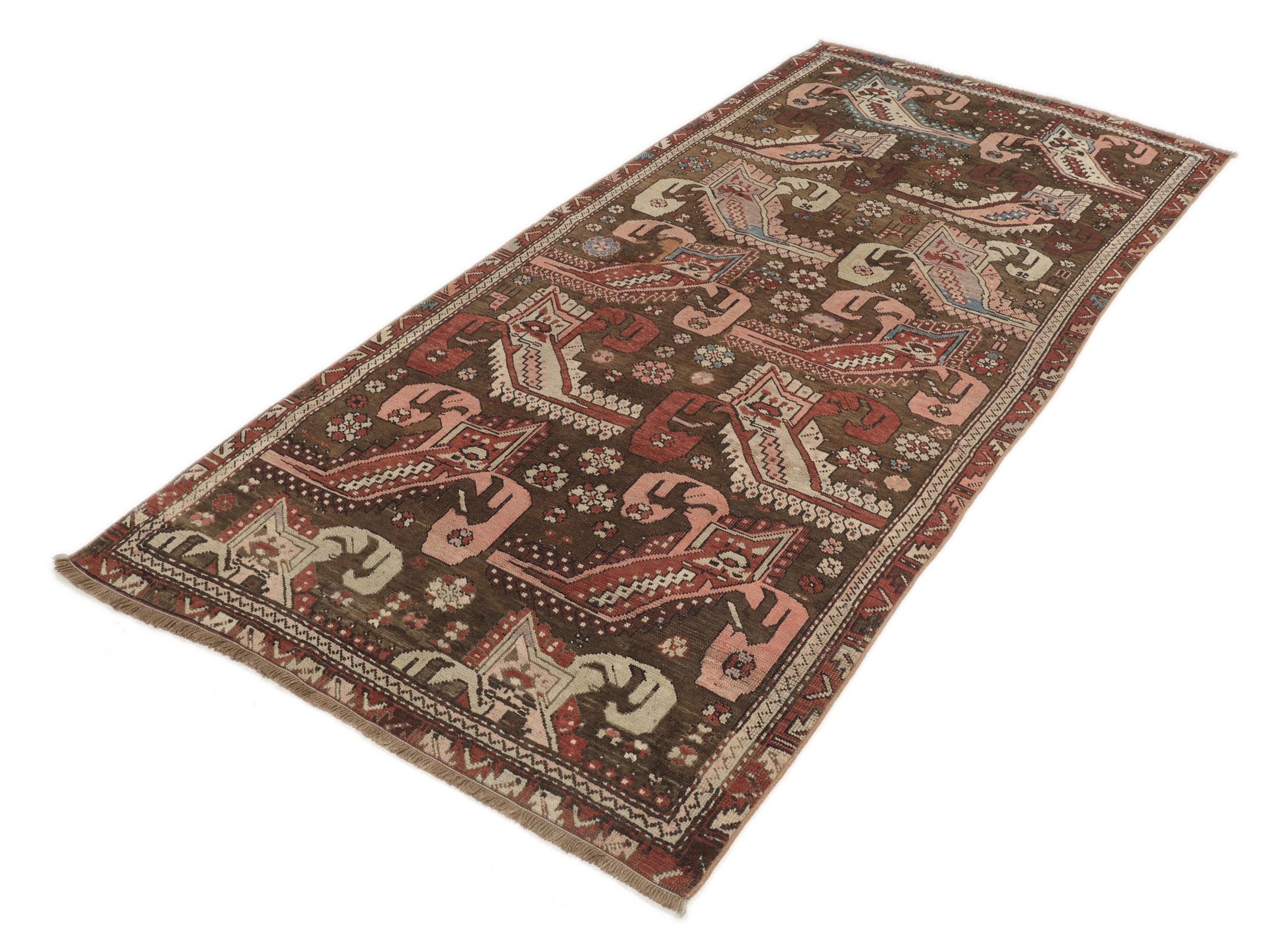
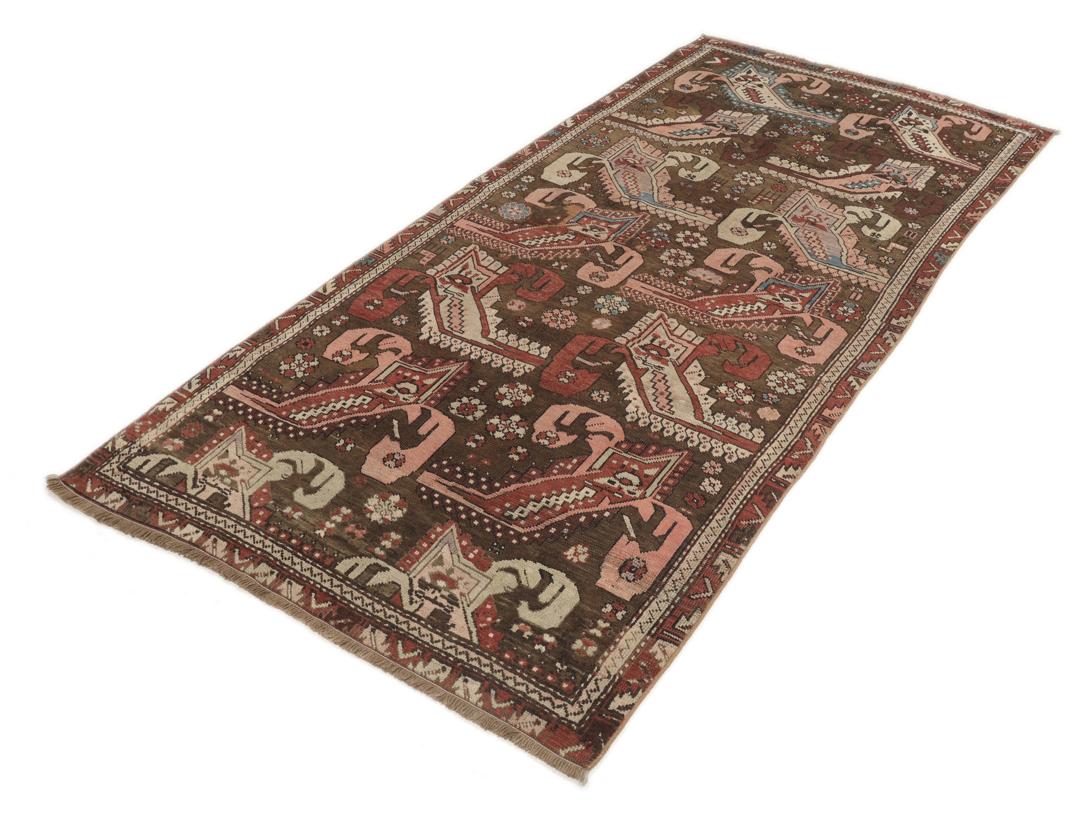
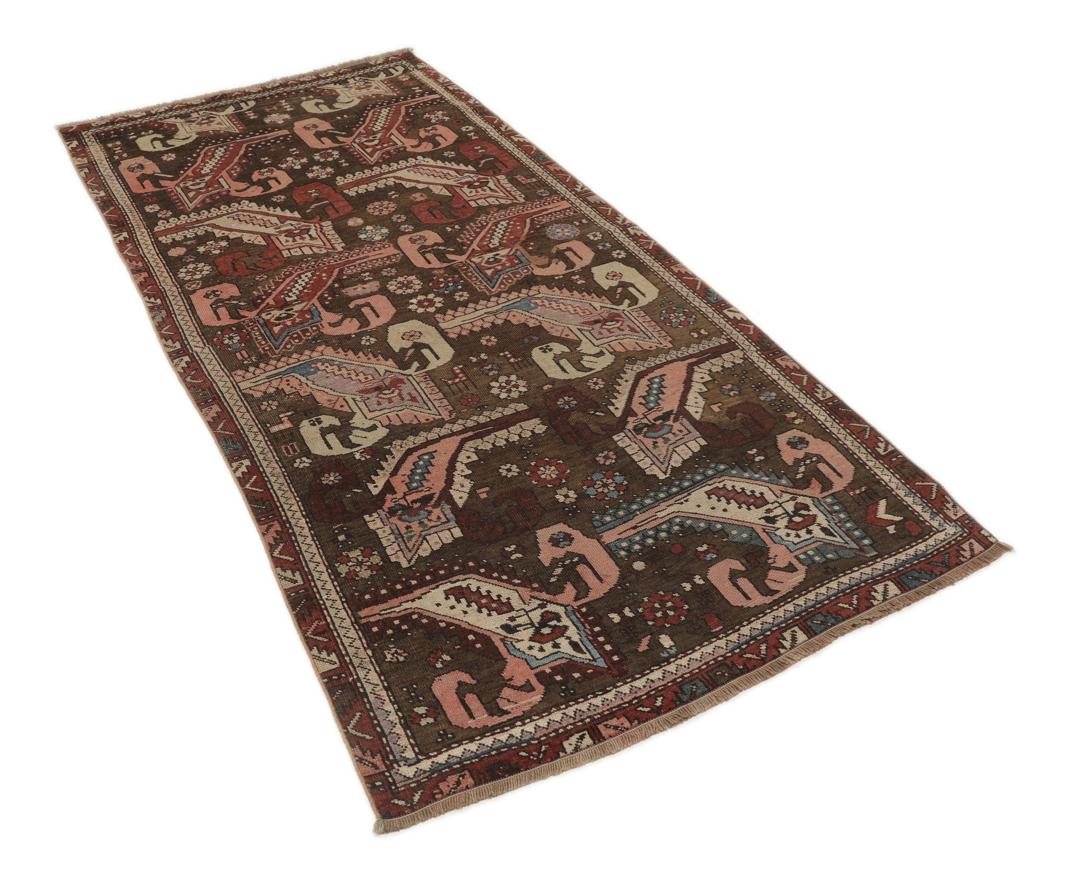
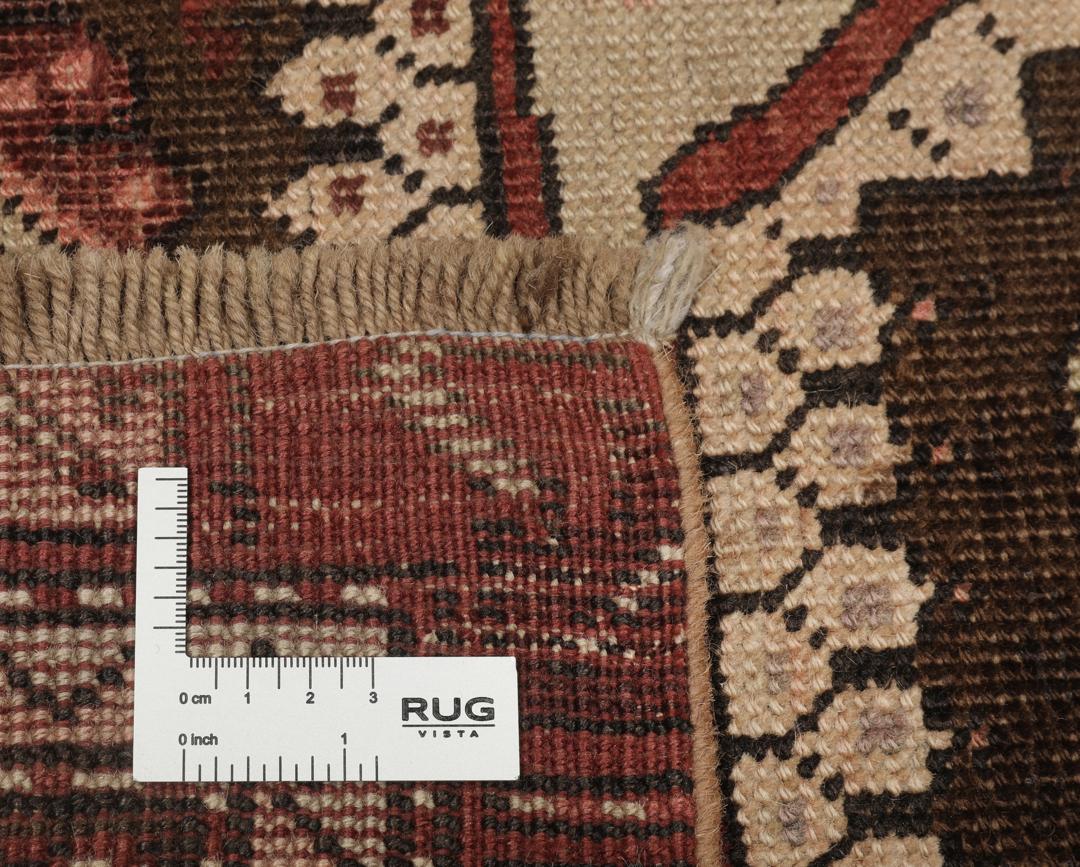
The Shirvan region, located in the eastern part of the Caucasus, has long been celebrated as one of the most important centres of rug production in the Middle East. Historically, the area benefited from its position along trade routes, allowing local weavers to exchange techniques and design influences with neighbouring cultures. Rugs originating from this region are highly regarded for their artistic freedom and the use of high-quality wool, which is known for its durability and natural lustre.
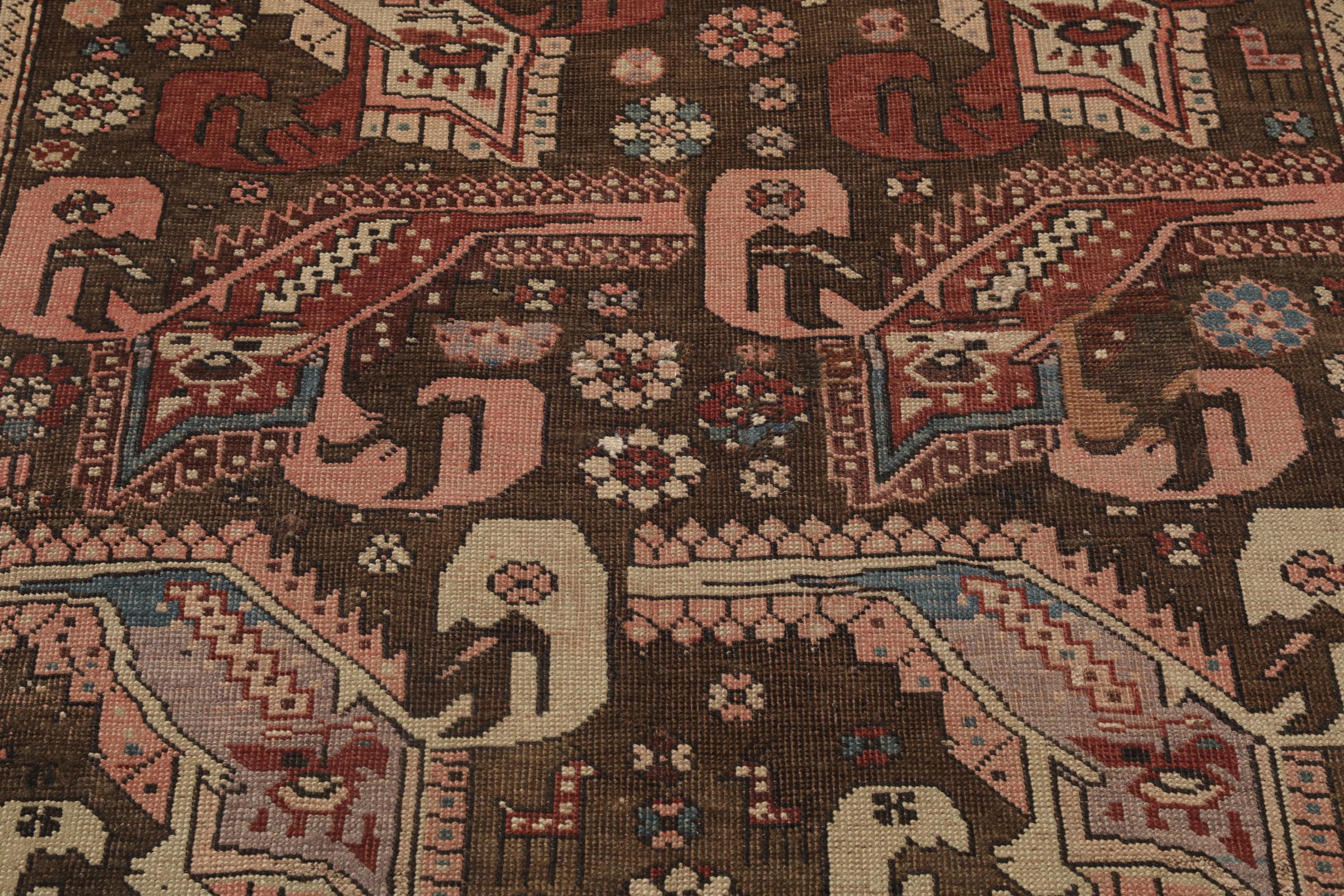
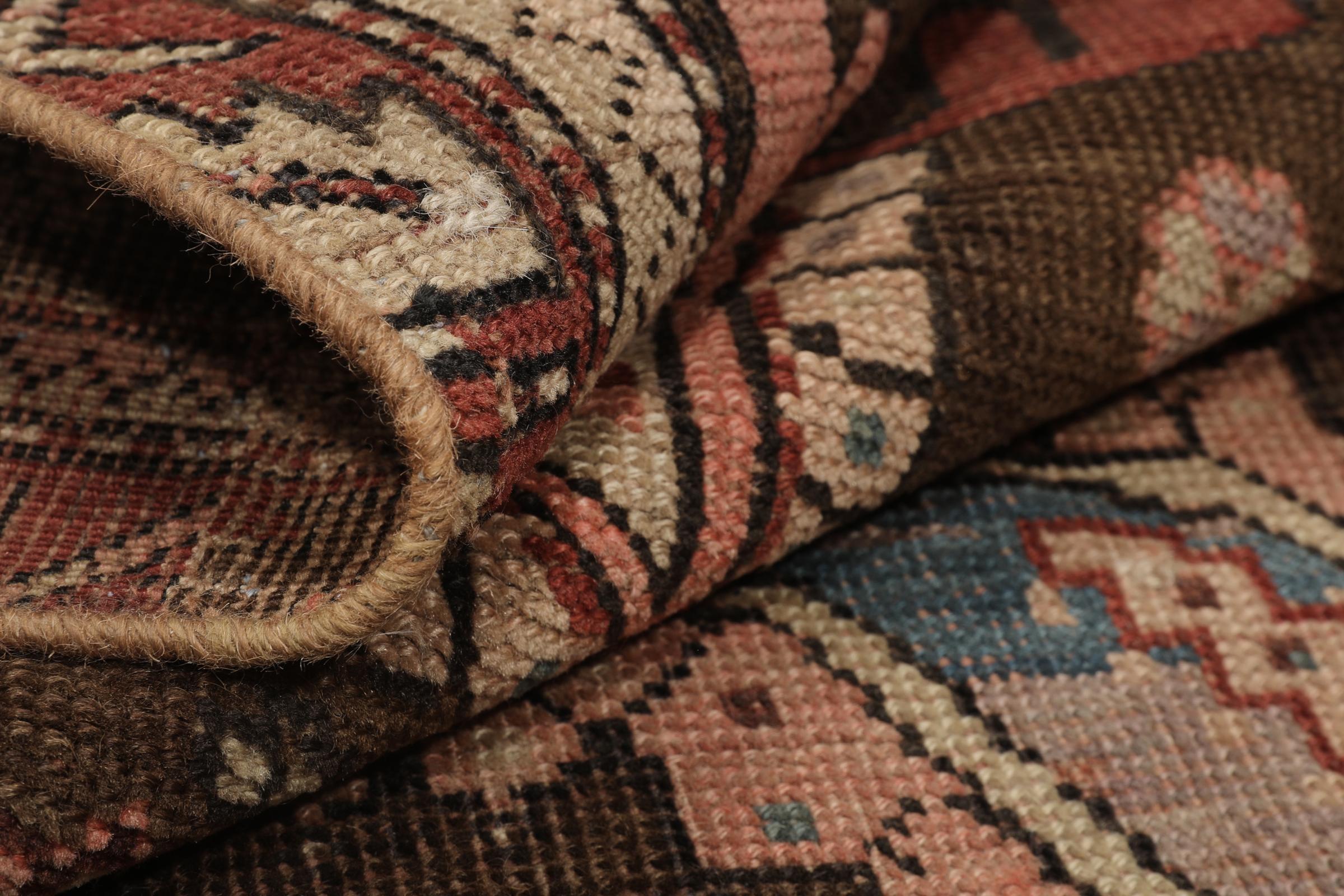
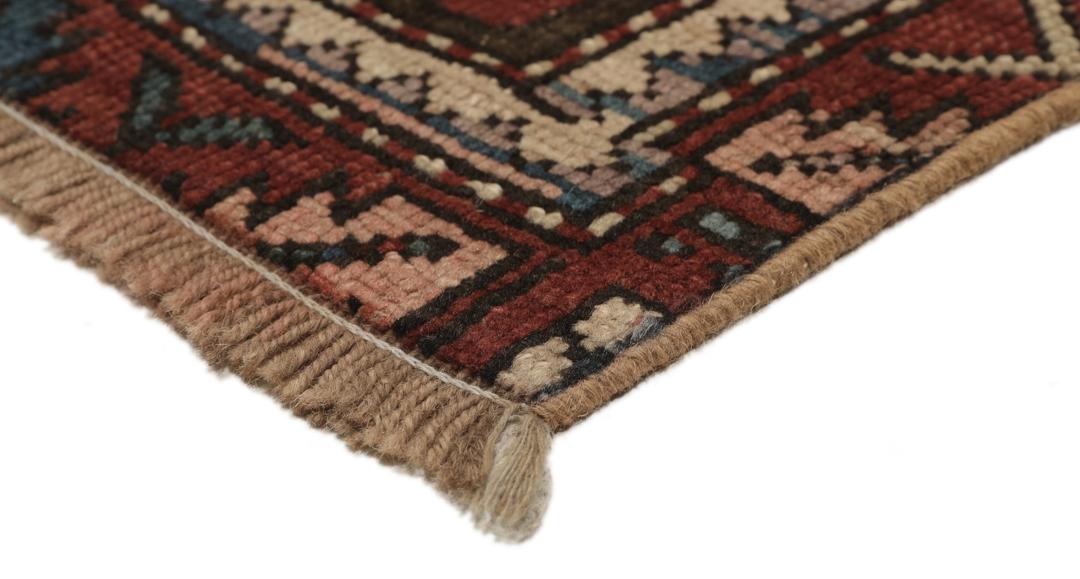
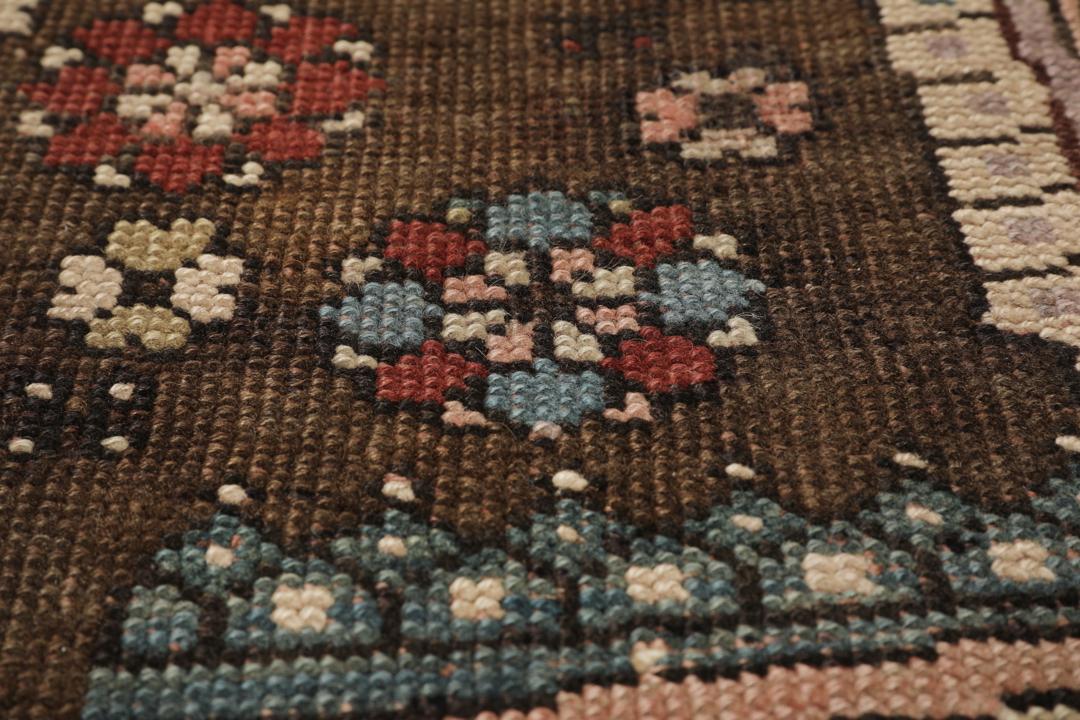
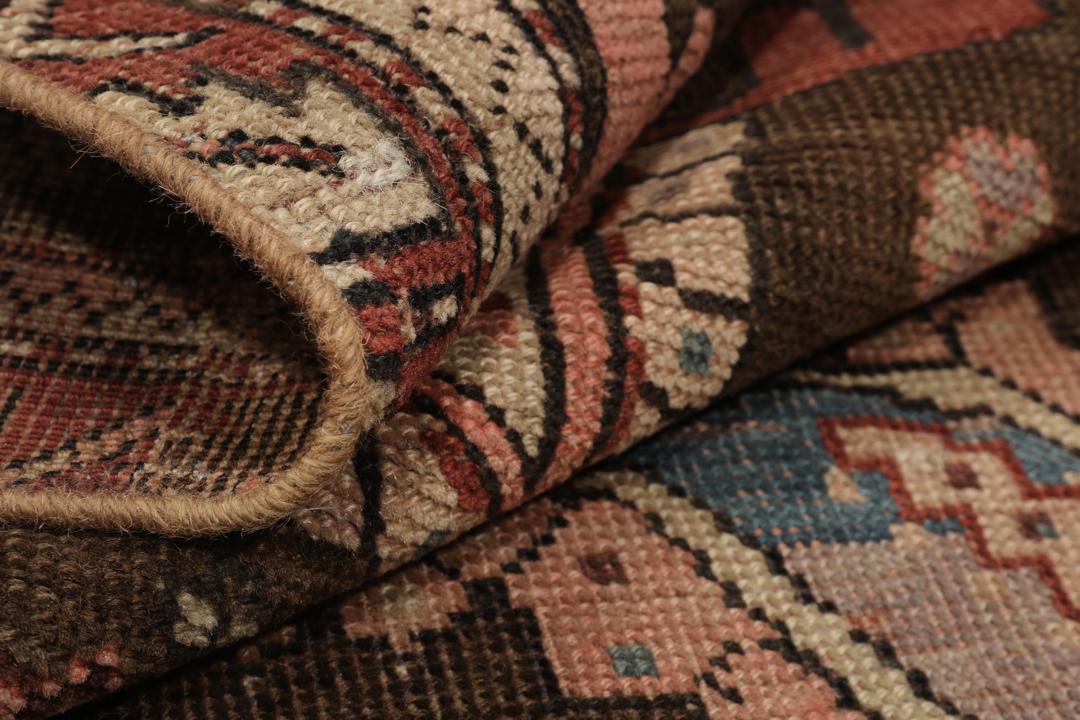
Technical excellence is a hallmark of the Shirvan tradition, where weavers have historically employed specific knotting methods to achieve intricate, clear designs. The term 'Shirvan' refers to a style characterised by a fine, firm weave that allows for geometric precision. This density is not merely for show; it is a structural necessity that ensures the rug remains flat and stable, protecting the integrity of the design even after decades of use.
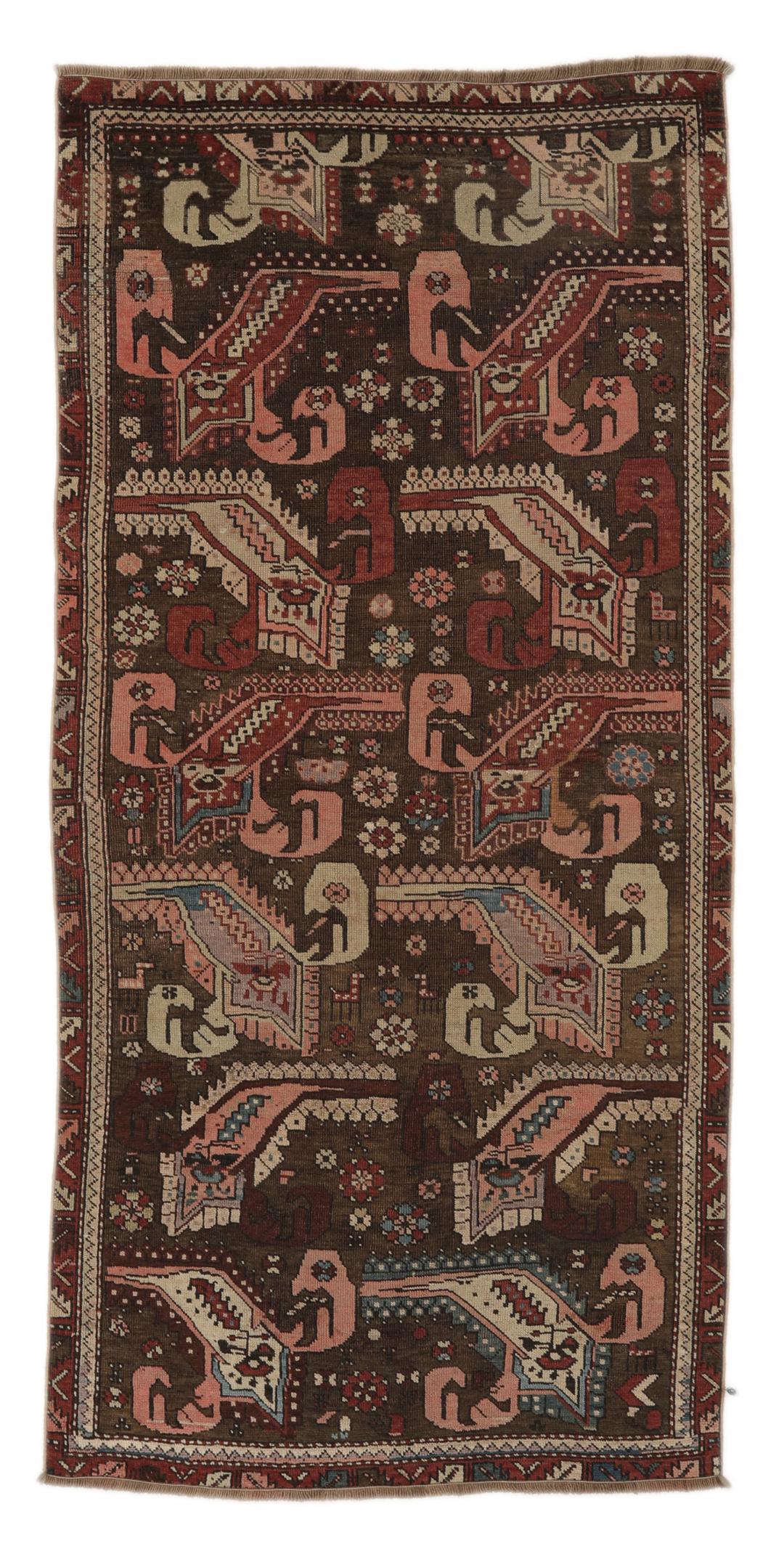
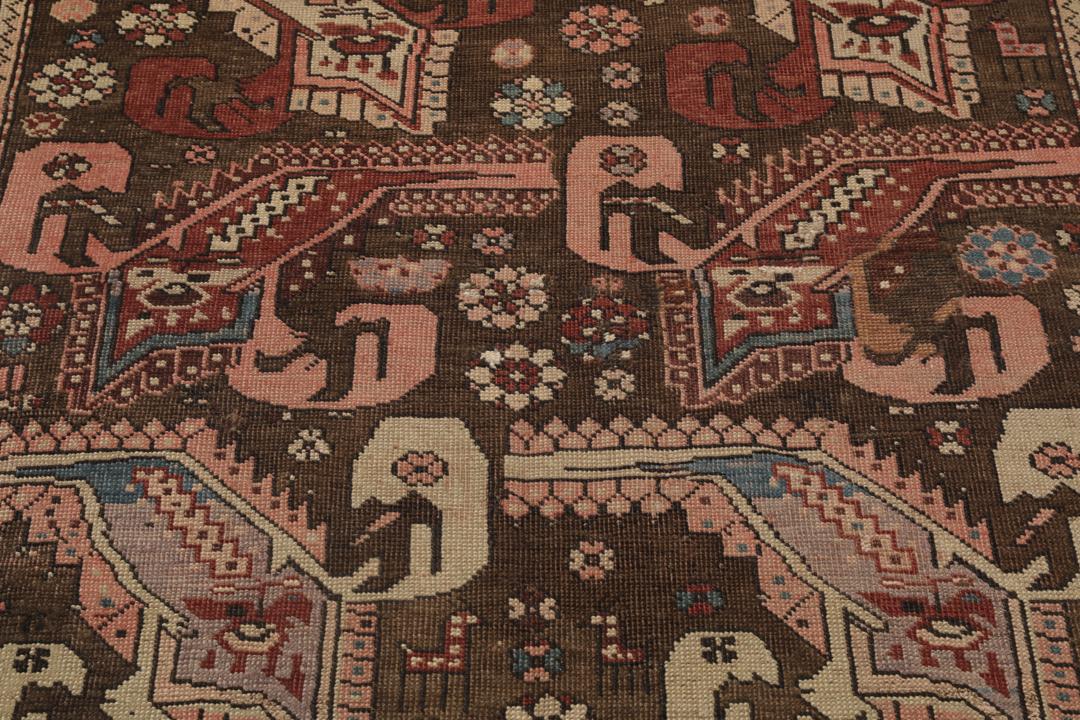
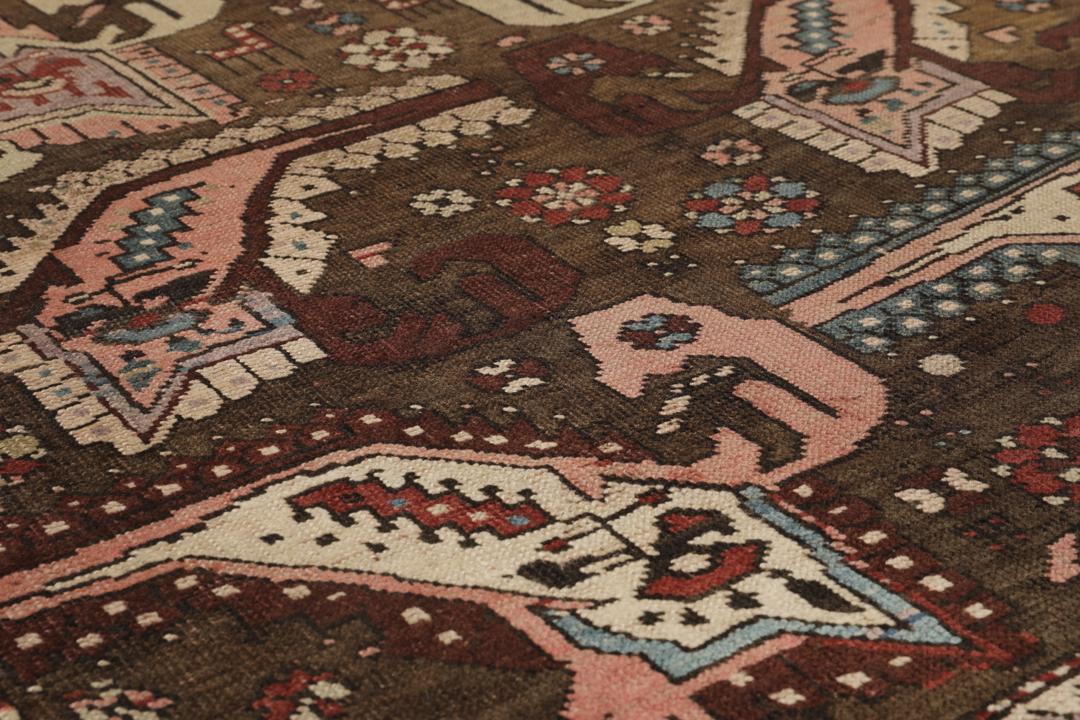
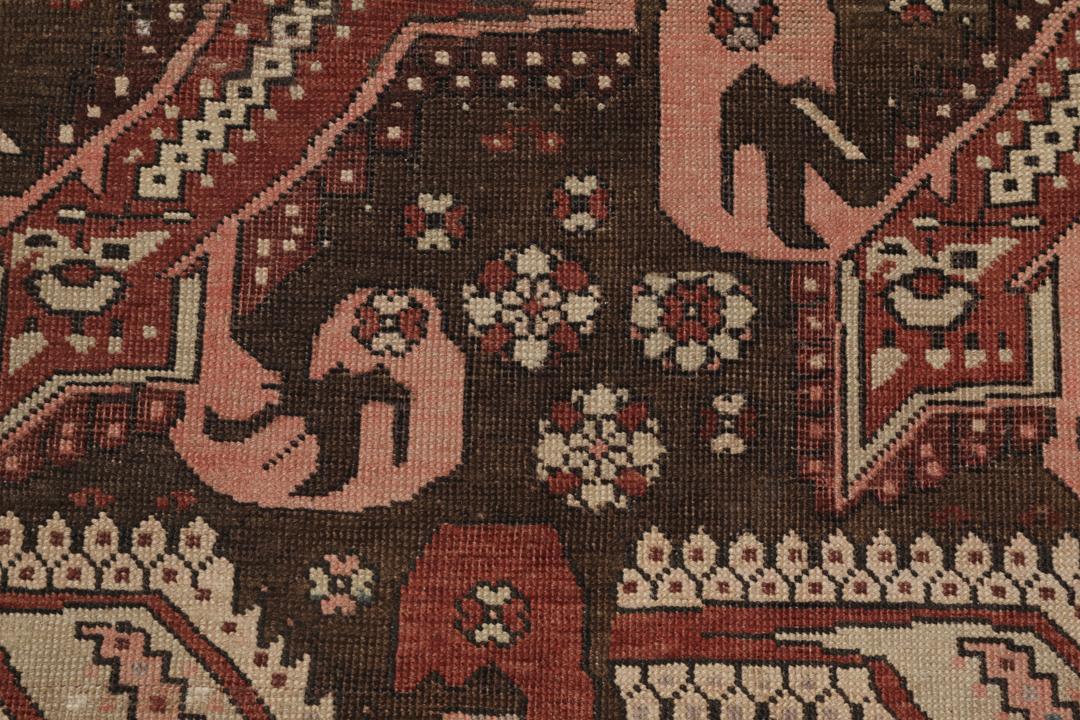
Visually, these rugs are known for their distinct geometric language. The field is often populated with stylised motifs, including tribal symbols, latch-hook forms, and occasionally pictorial elements that represent the weaver's environment. The borders are typically formal yet expressive, framing the central field with repeating patterns that draw the eye inward. This particular rug, with its rich, dark palette and complex arrangements, is a classic example of the aesthetic depth found in the Shirvan tradition.
Collectors value Shirvan rugs for their authenticity and the glimpse they offer into a fading way of life. Owning one is an investment in cultural heritage, representing a level of human skill that is increasingly rare in the modern age. These rugs are not just floor coverings but historical artefacts that carry the stories of their makers, making them prized possessions for anyone who appreciates the intersection of art, history, and functional design.