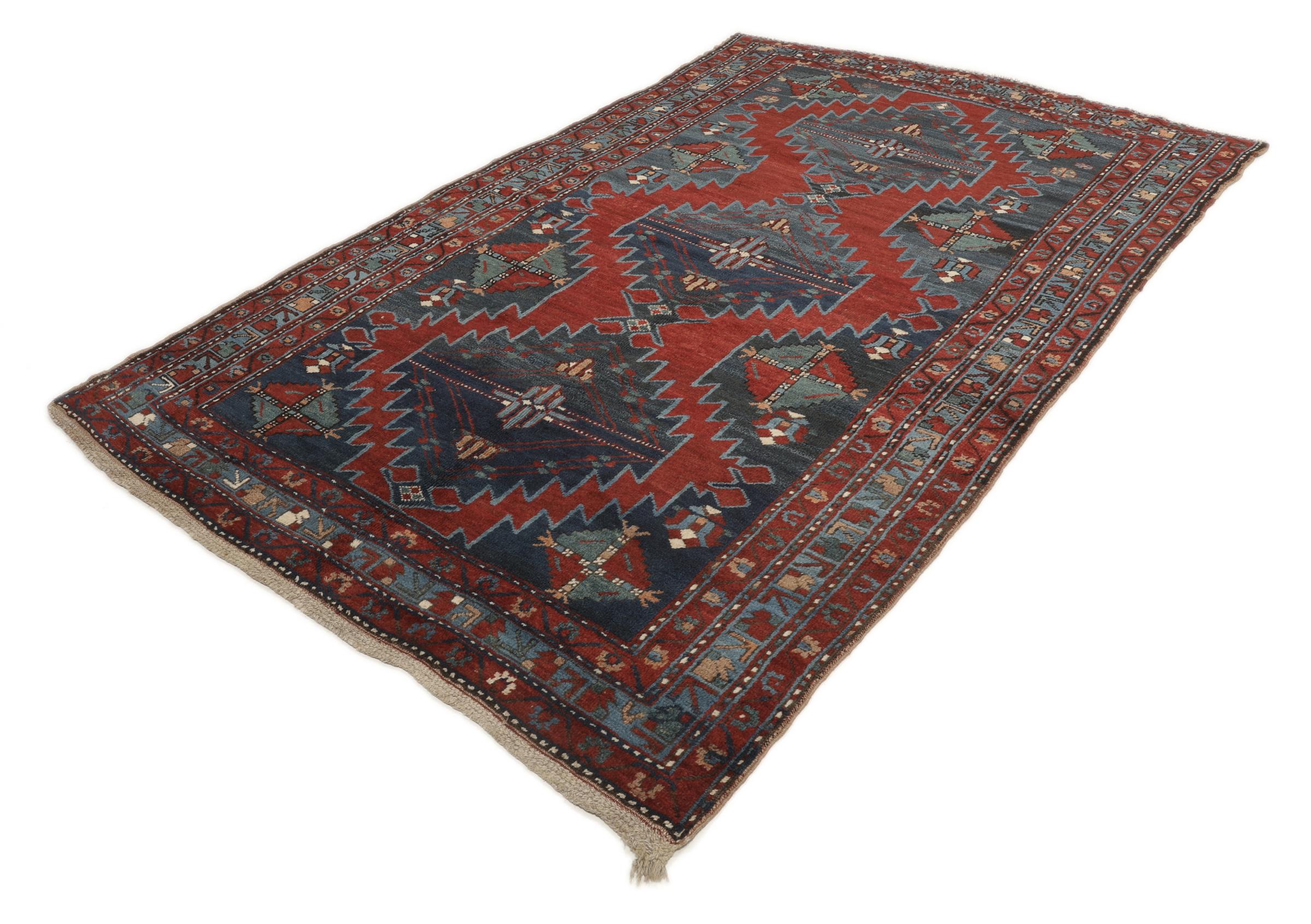
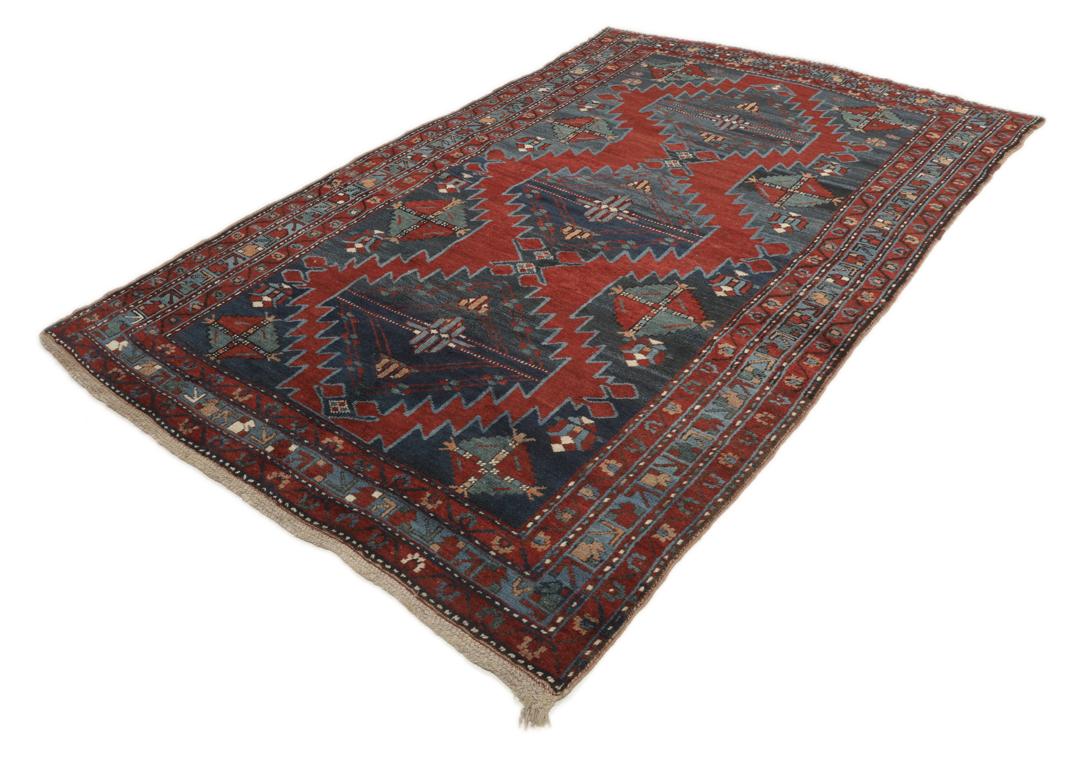
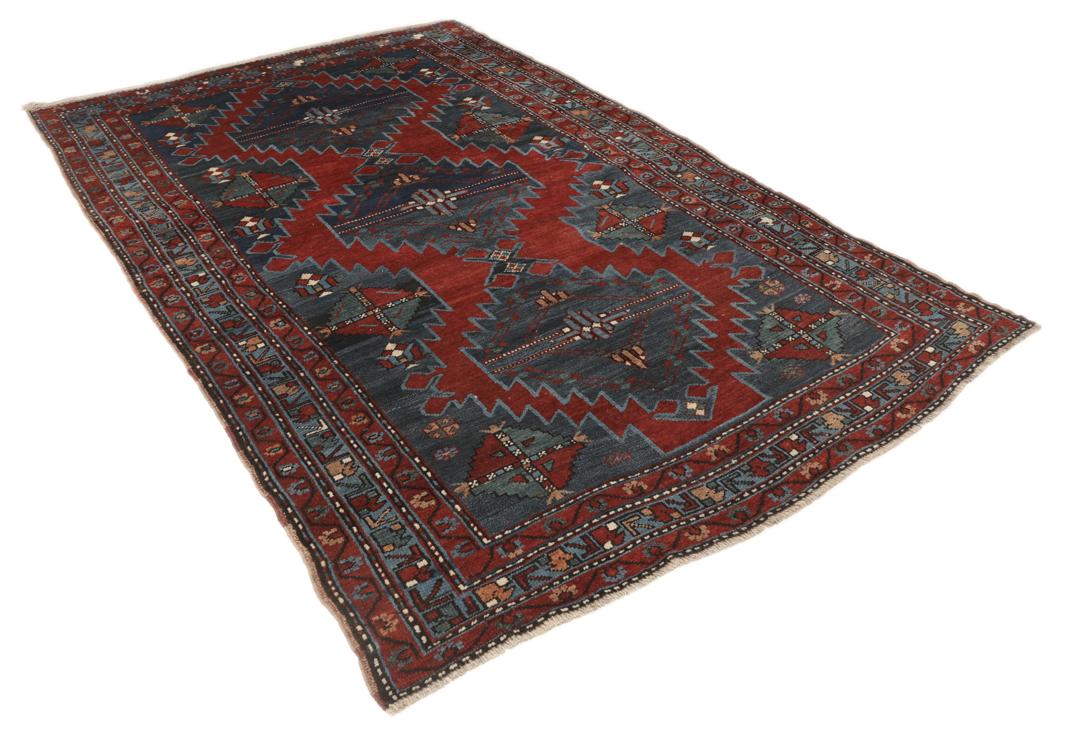
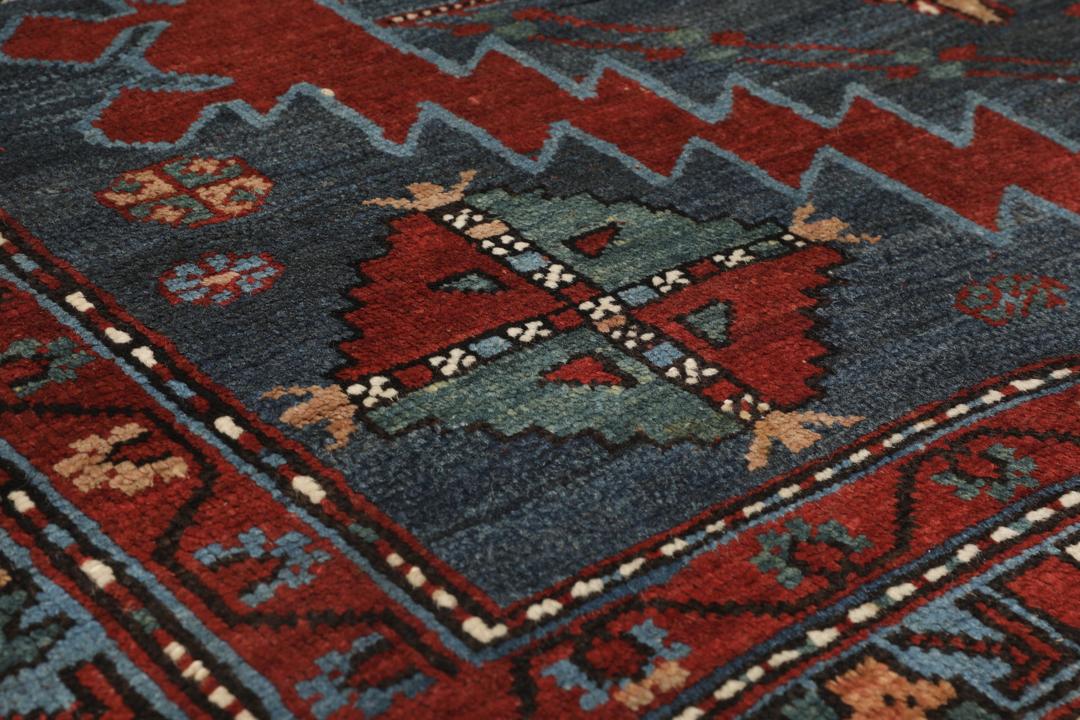
The Karabag region, situated in the Caucasus, has long been celebrated for its distinctive weaving traditions that blend influences from both Middle Eastern and nomadic cultures. These rugs are highly regarded for their bold, expressive use of colour and geometric patterns, which often differ significantly from the more formal, curvilinear designs found elsewhere. Historically, the area served as a crossroads for trade, allowing various artistic styles to converge and evolve into the unique Karabag identity we recognise today.
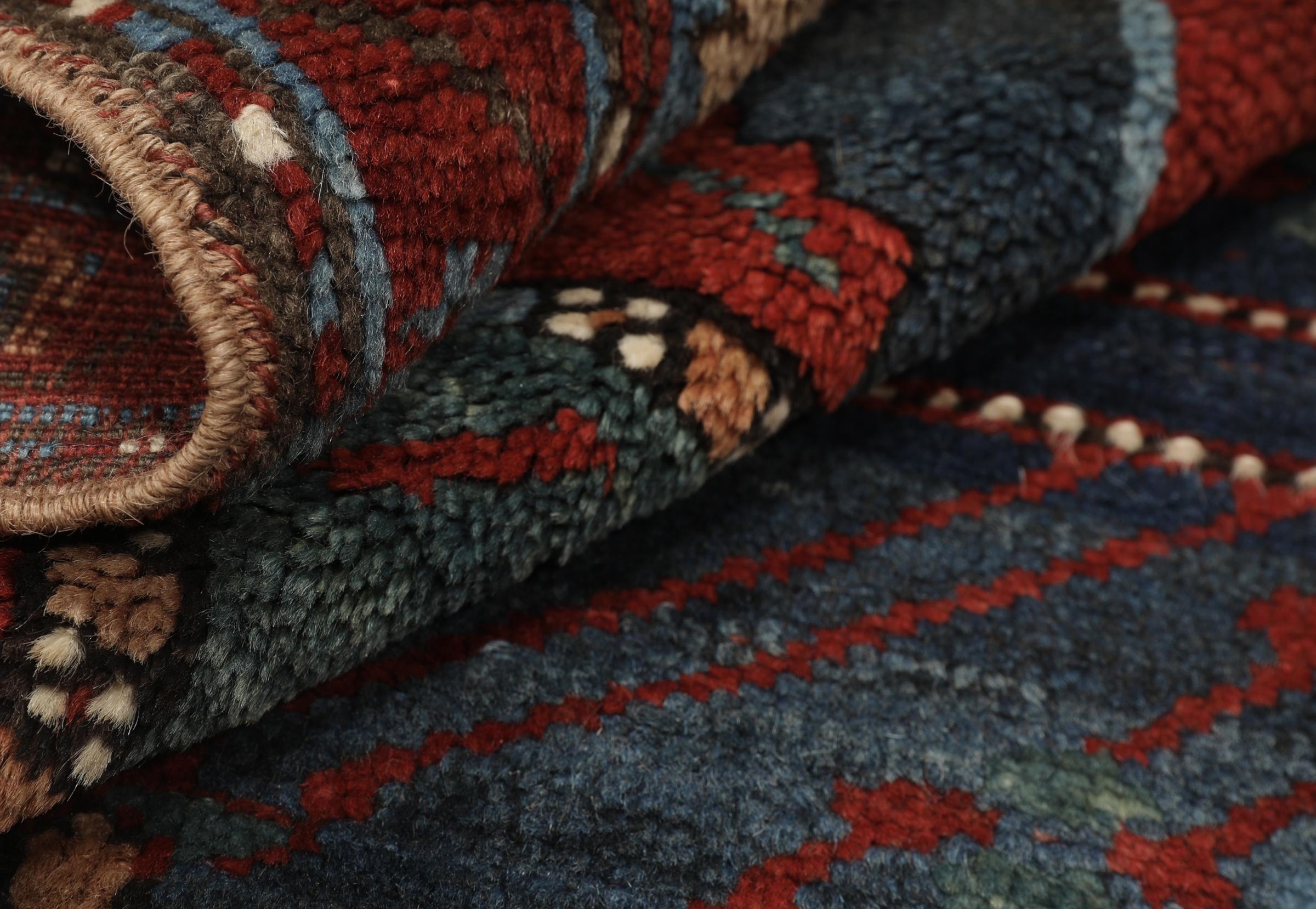
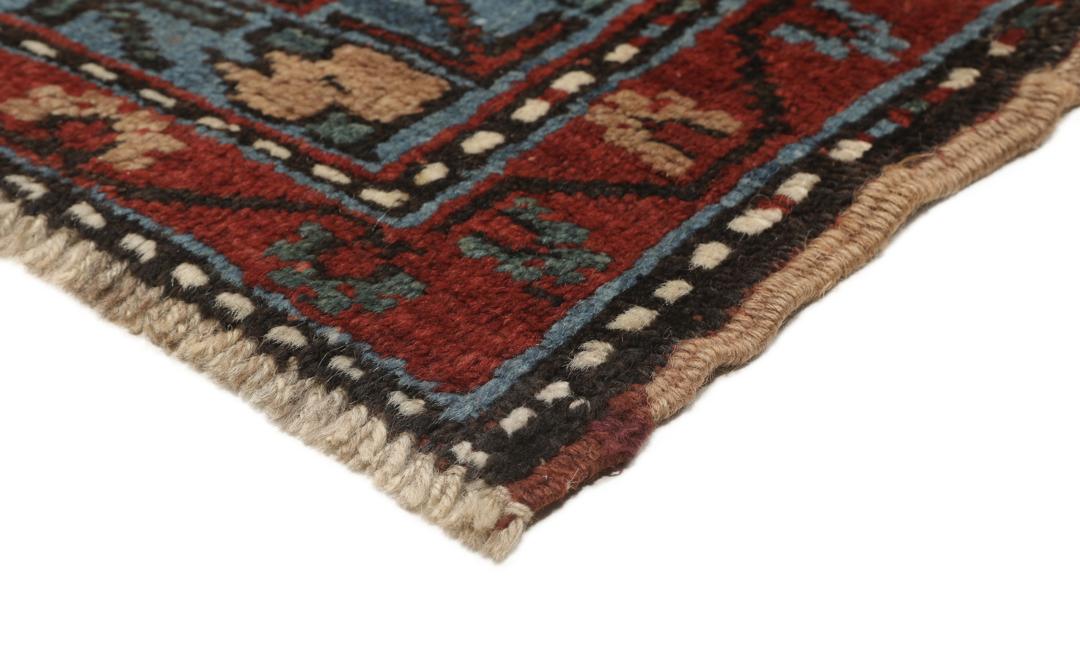
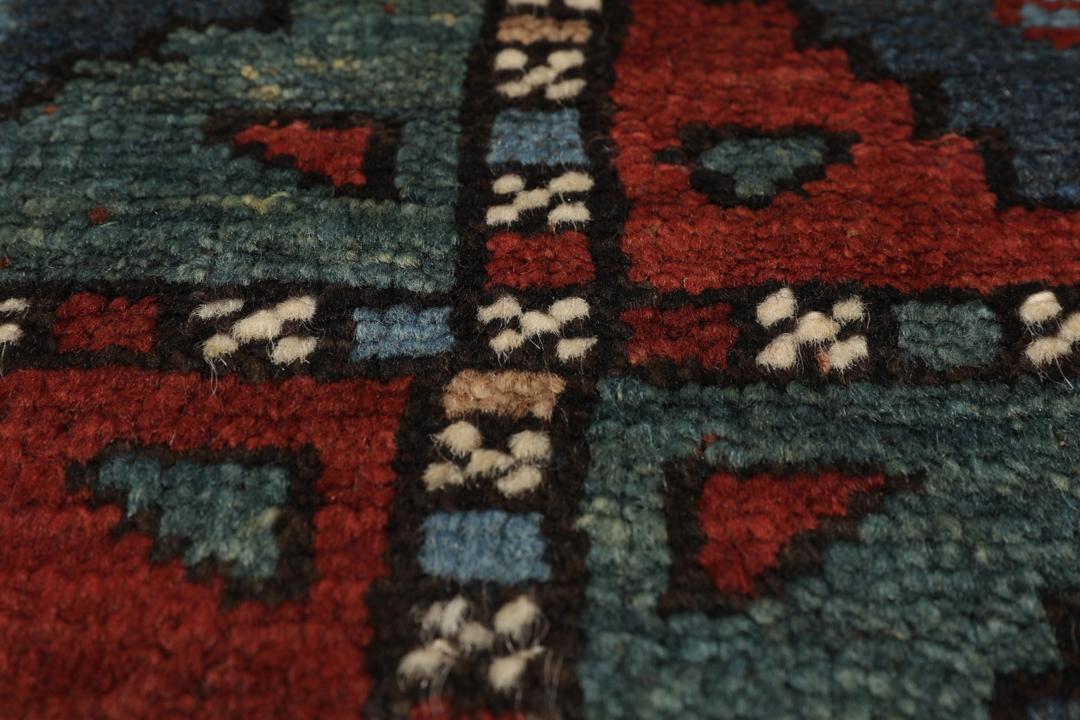
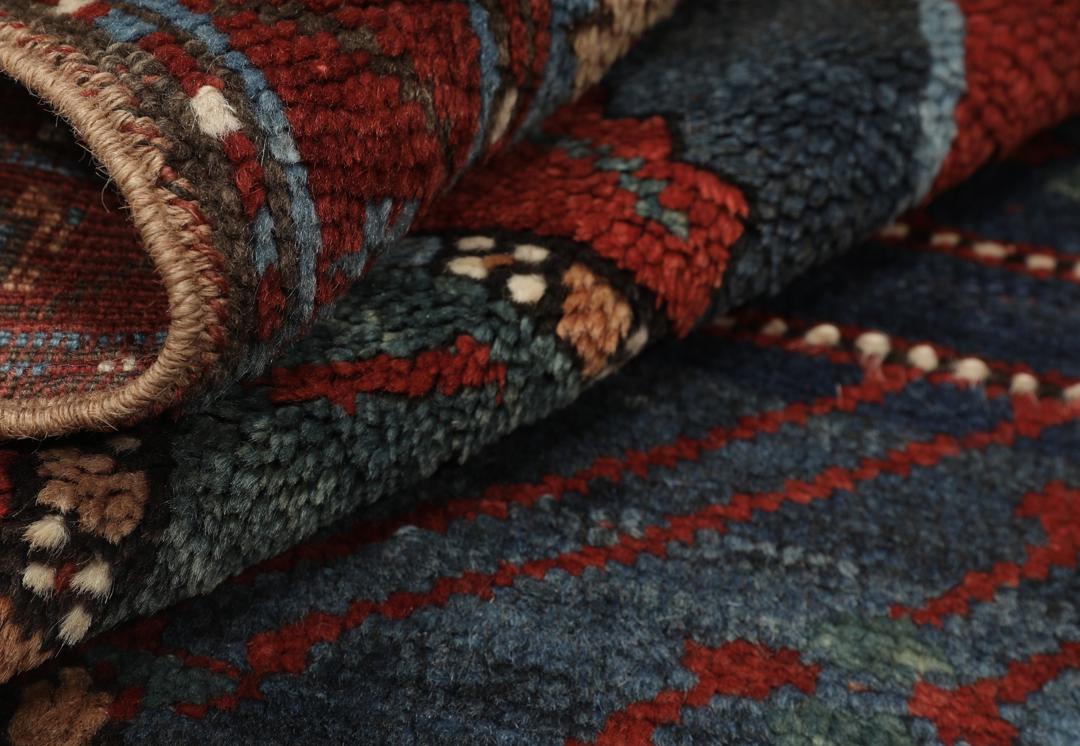
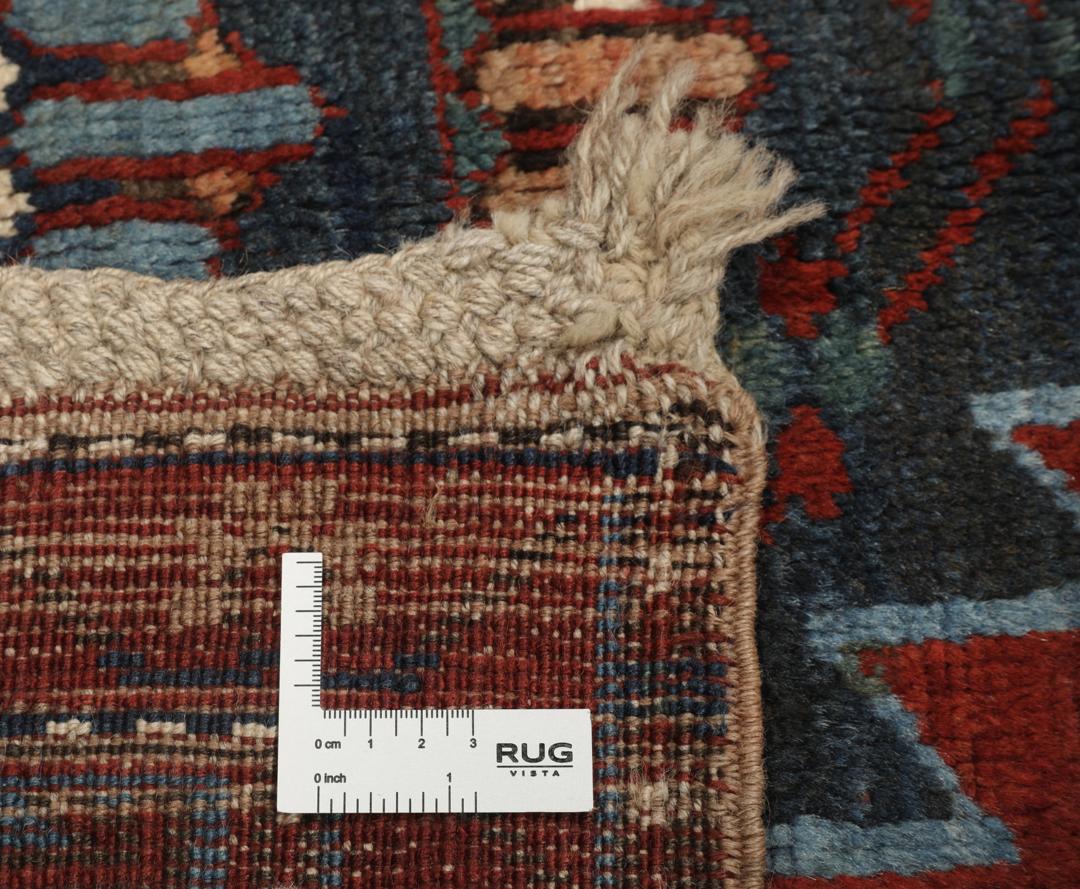
Understanding the craft of these rugs often involves looking at their foundation and pile. The term 'hand-knotted' refers to the painstaking technique where individual strands of wool are tied around the warp and weft threads. This creates a dense, durable, and lustrous pile that is designed to withstand the wear of time. For the collector, this level of craftsmanship is a primary indicator of quality, as it ensures the rug maintains its structure and beauty for generations.
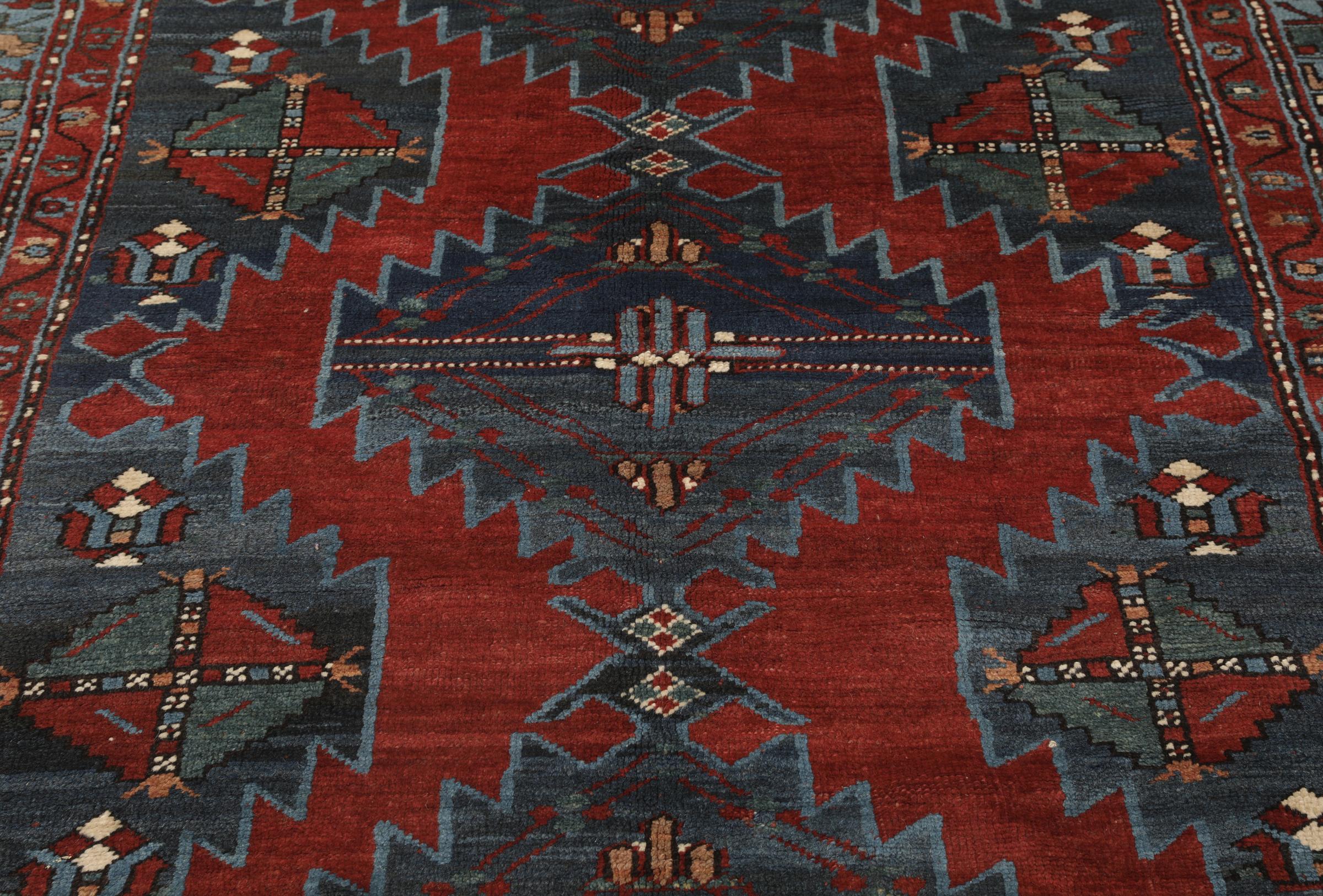
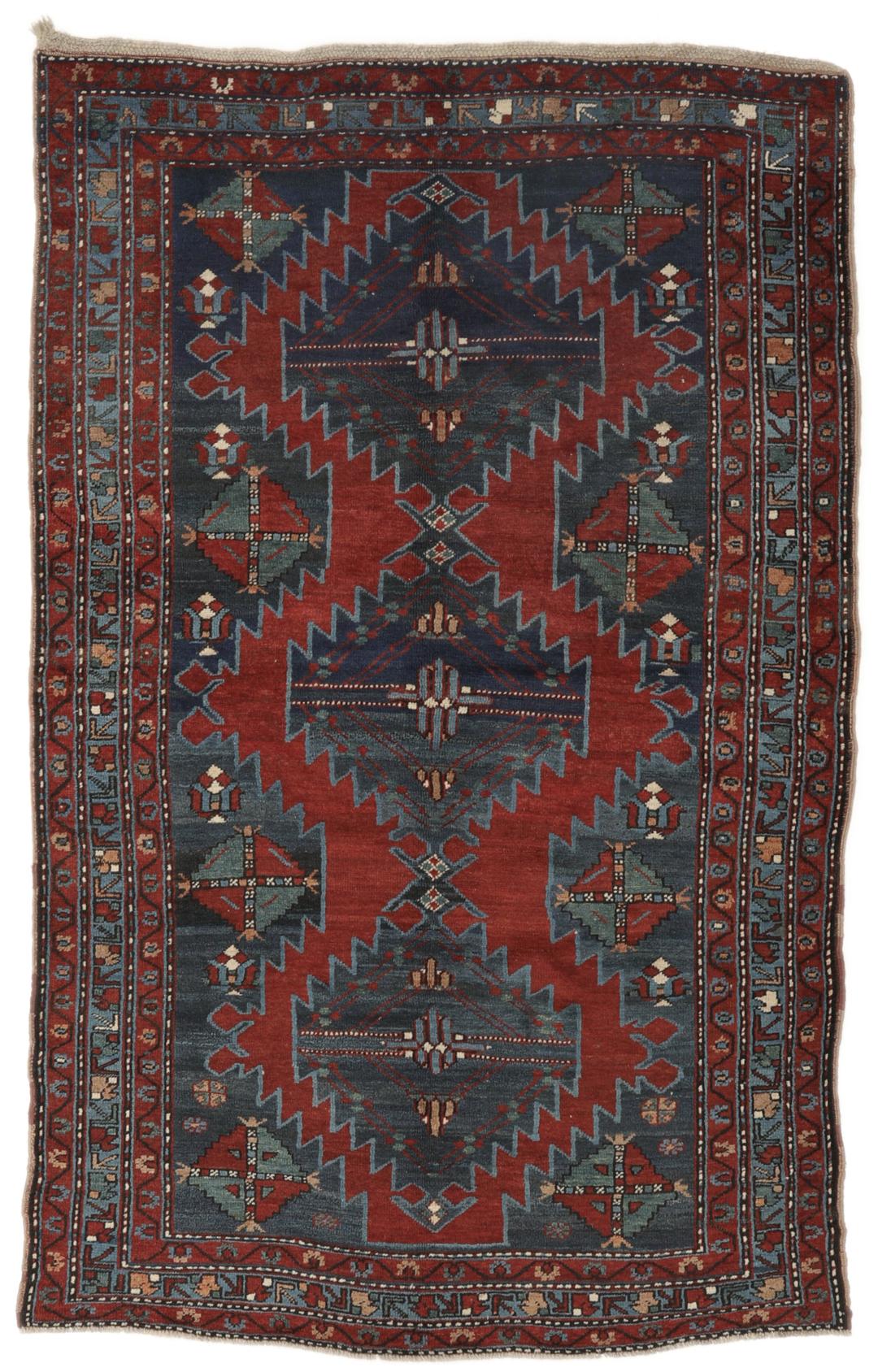
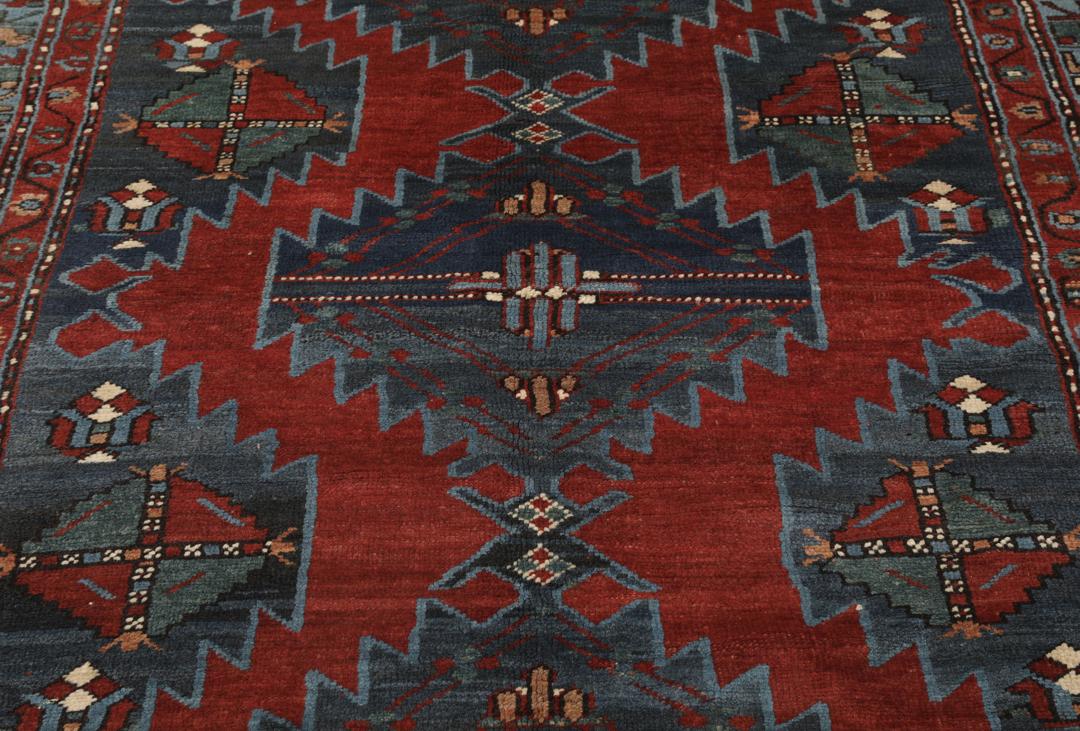
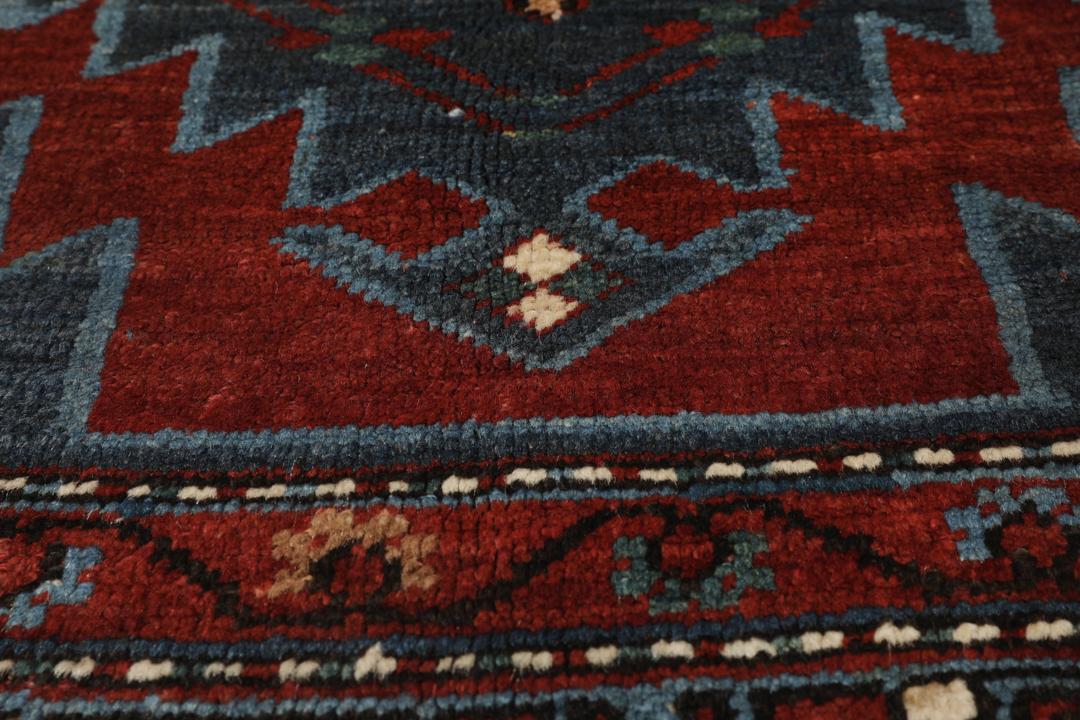
Signature design elements of Karabag rugs often include powerful geometric medallions, stylised floral motifs, and dramatic borders. While many rugs from the region are known for their vibrant palettes, this particular piece showcases a masterful use of deep red and blue, which are hallmark colours for the tradition. These motifs are not merely decorative; they often carry symbolic meanings rooted in the history and environment of the Caucasus, reflecting the lives and stories of the weavers who created them.
Owning an antique Karabag is an opportunity to preserve a piece of cultural heritage. These rugs are valued not just for their aesthetic appeal, but for the human skill and historical context they represent. As a one-of-a-kind piece from the 1940s, this rug stands as a testament to a time-honoured tradition of artistry. Collecting such a piece is an act of stewardship, ensuring that the legacy of these skilled weavers continues to be appreciated and honoured in the modern home.