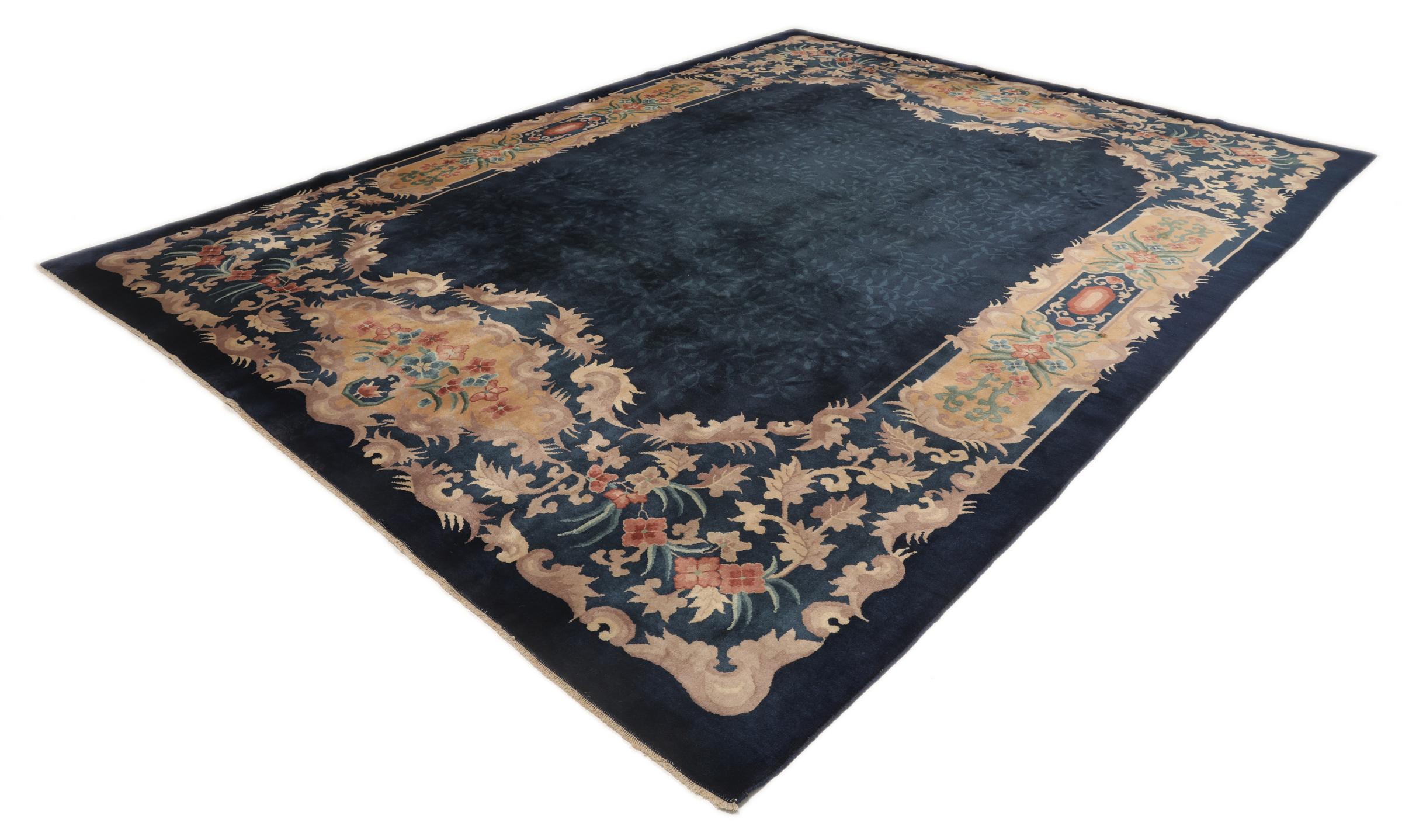
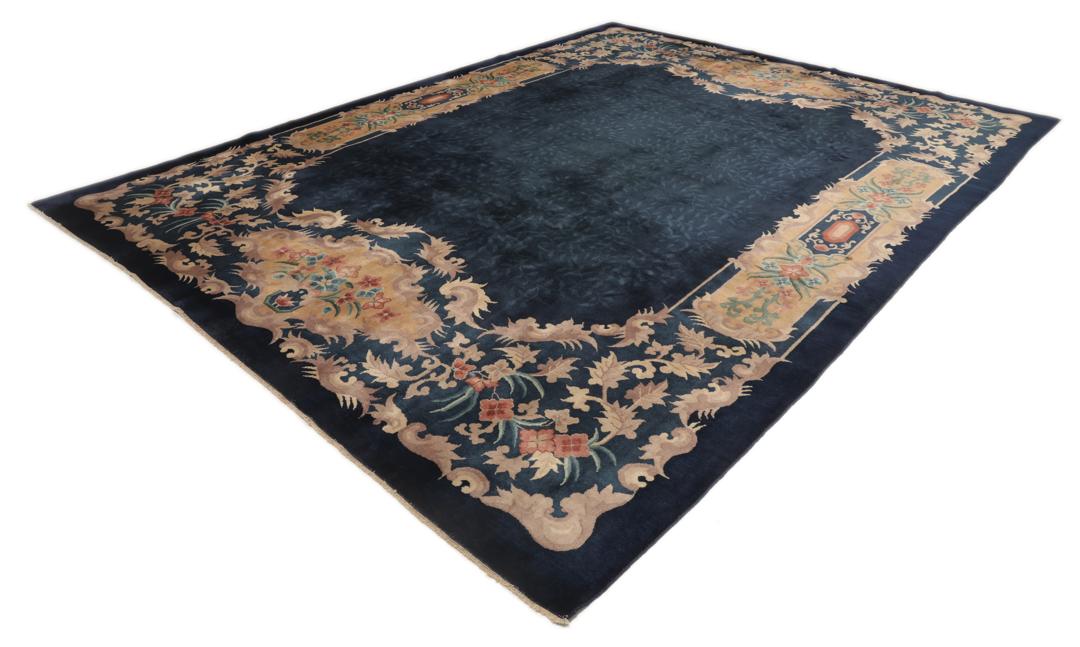
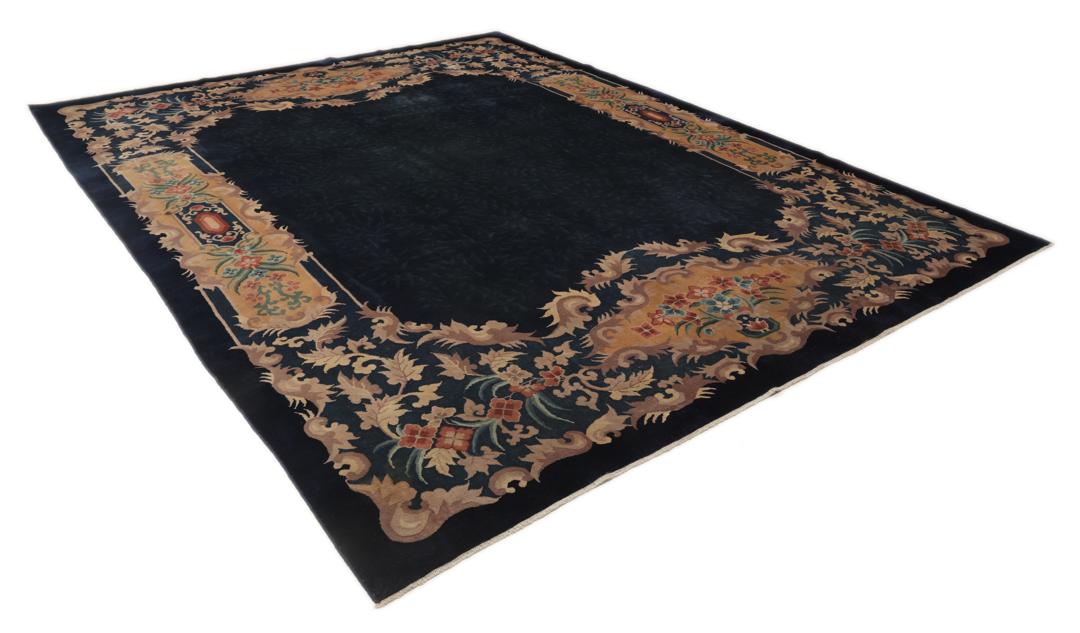
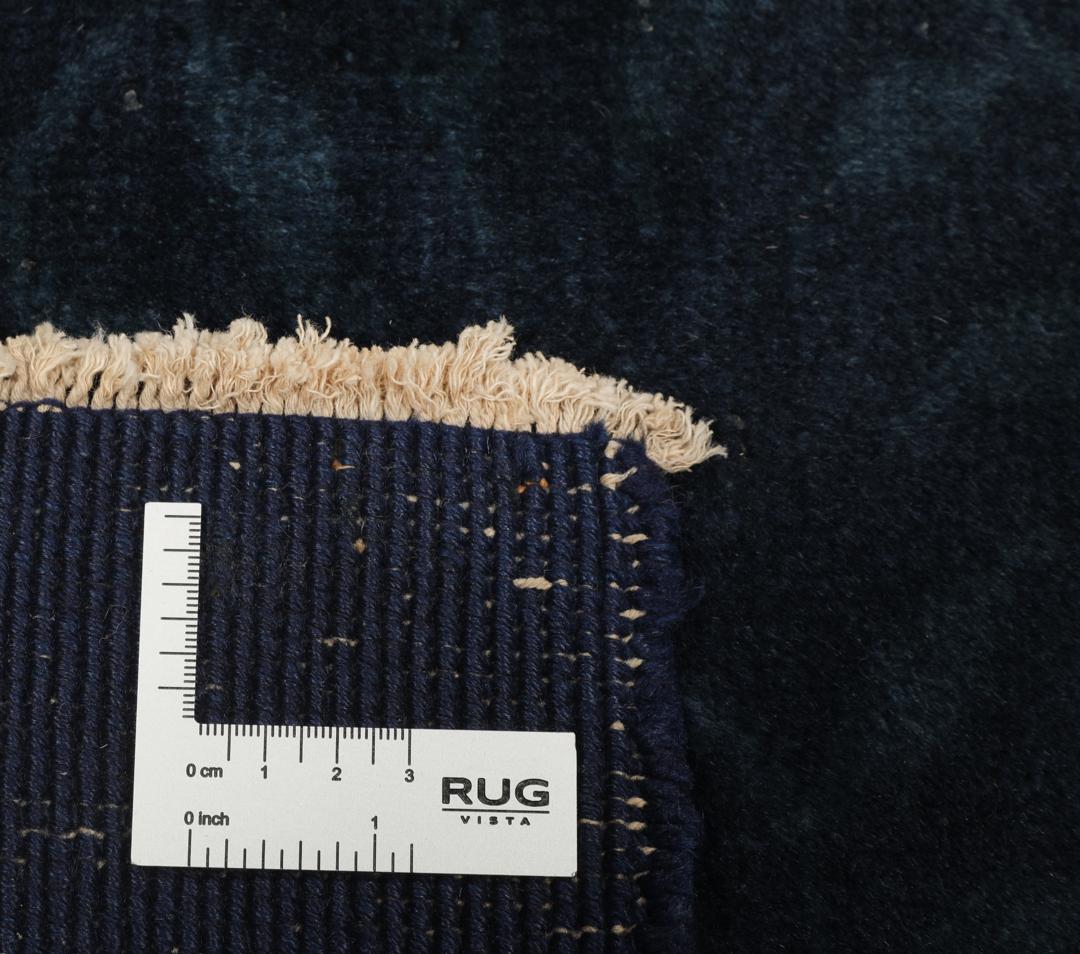
The Nichols rugs of China represent a fascinating chapter in the history of 20th-century textile design. Originating from the workshops of Walter Nichols, who established his business in Tientsin during the 1920s, these rugs were specifically designed to appeal to Western tastes while maintaining traditional Chinese artistic sensibilities. They became highly sought after for their innovative use of colour and distinctively lush, thick pile.
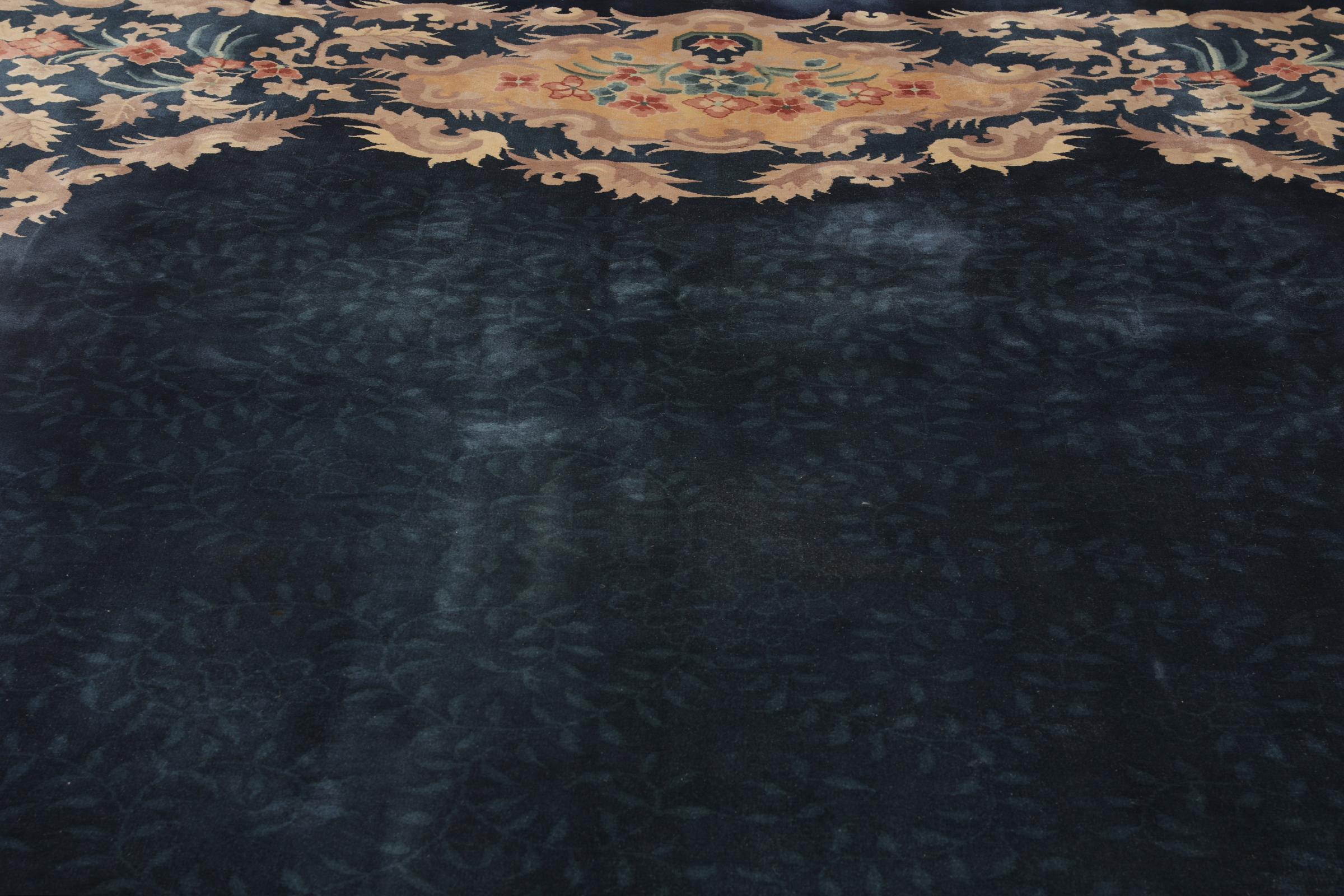
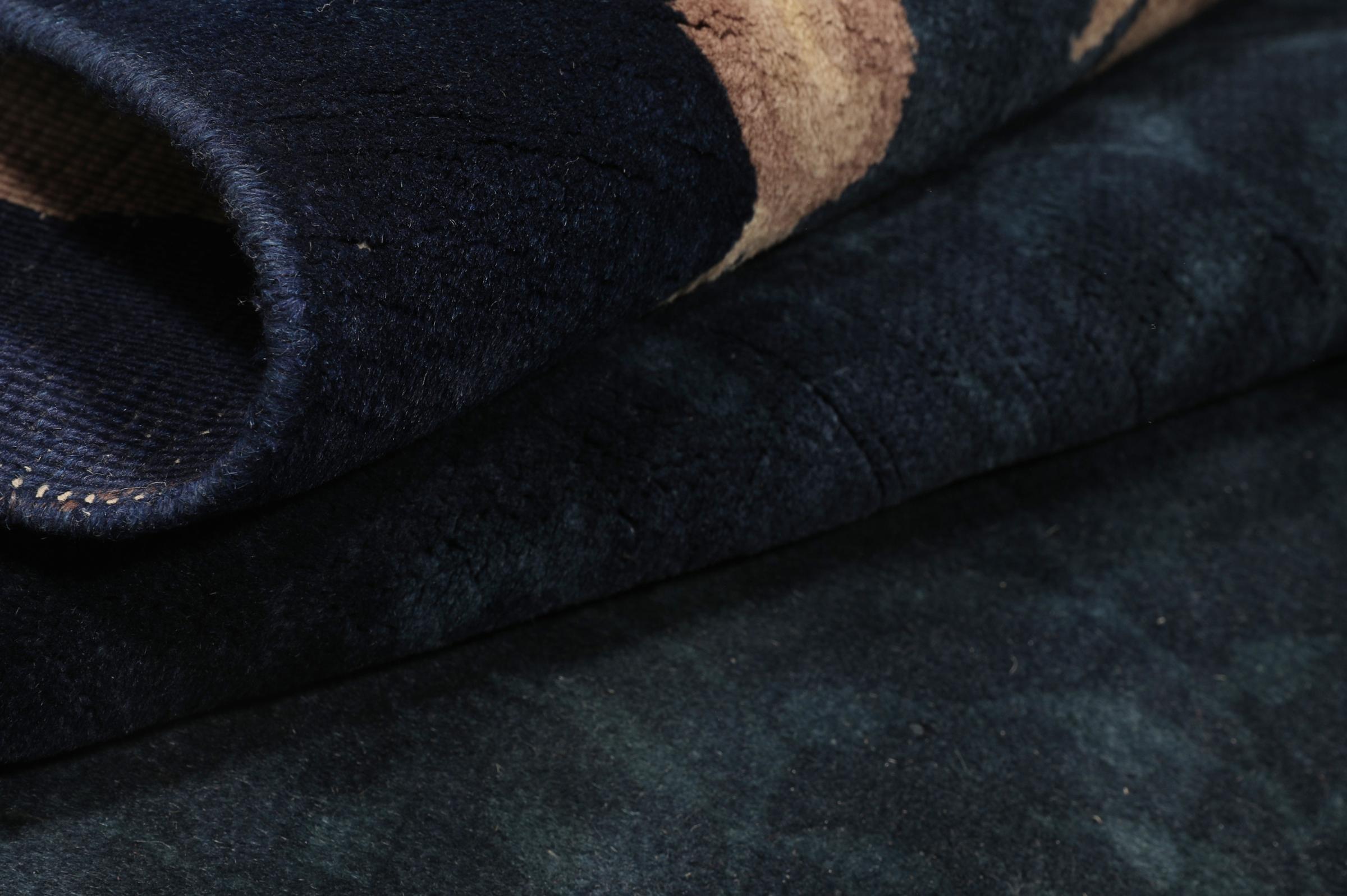
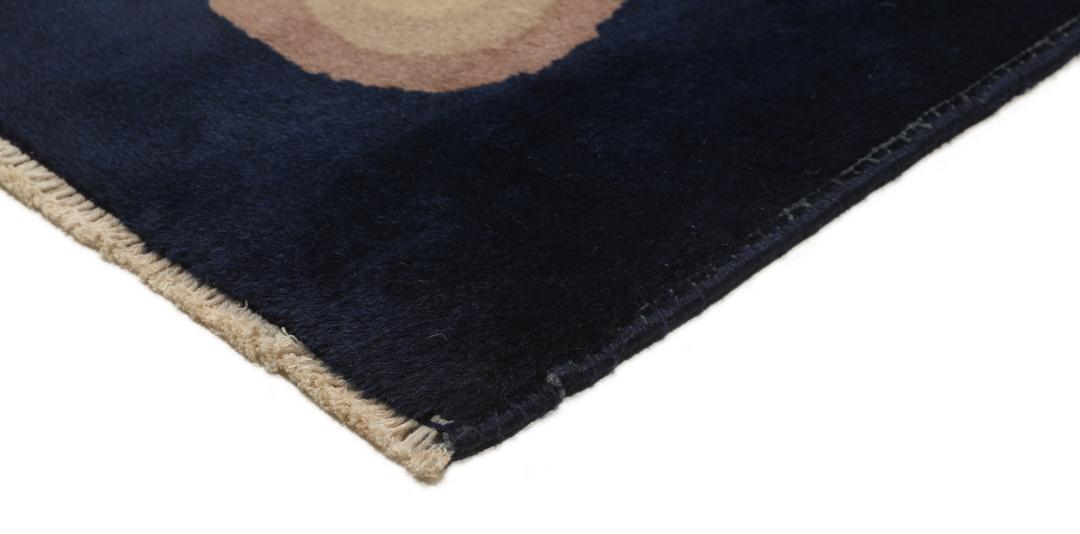
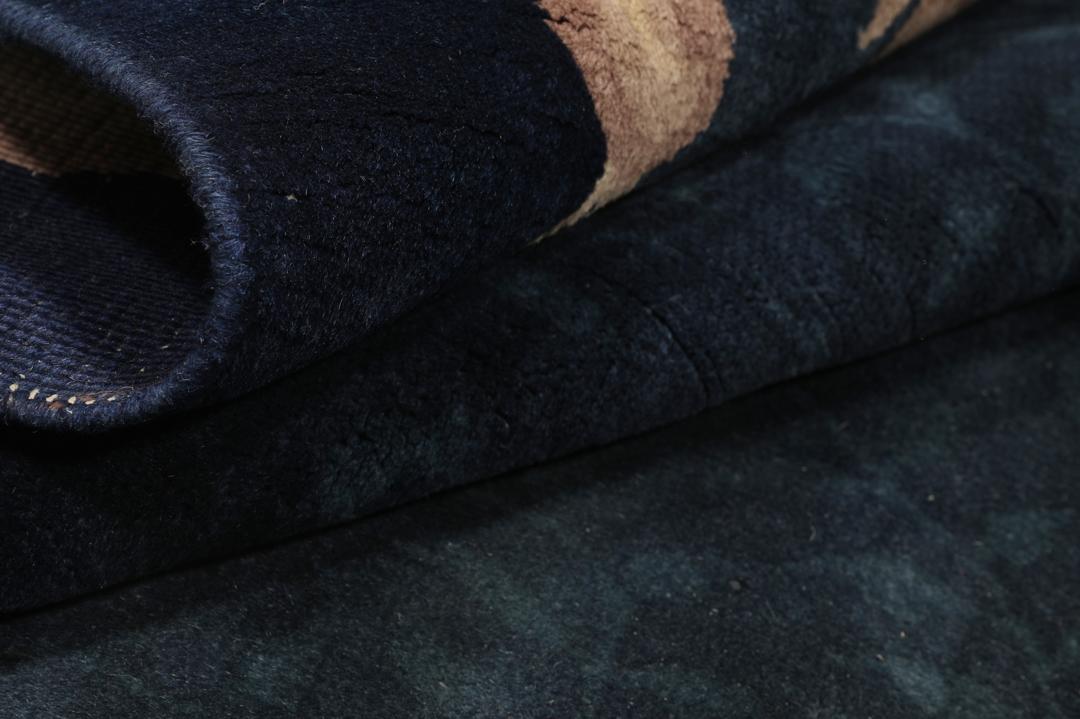
These rugs are celebrated for their technical quality, often featuring a hand-knotted construction that allows for a softer, more plush surface than many other oriental styles. The term Nichols has become synonymous with a specific era of Chinese rug production where artistic flair met rigorous craftsmanship. This style is characterised by the use of high-quality wool, which ensures that the rugs remain resilient and soft even after nearly a century of existence.
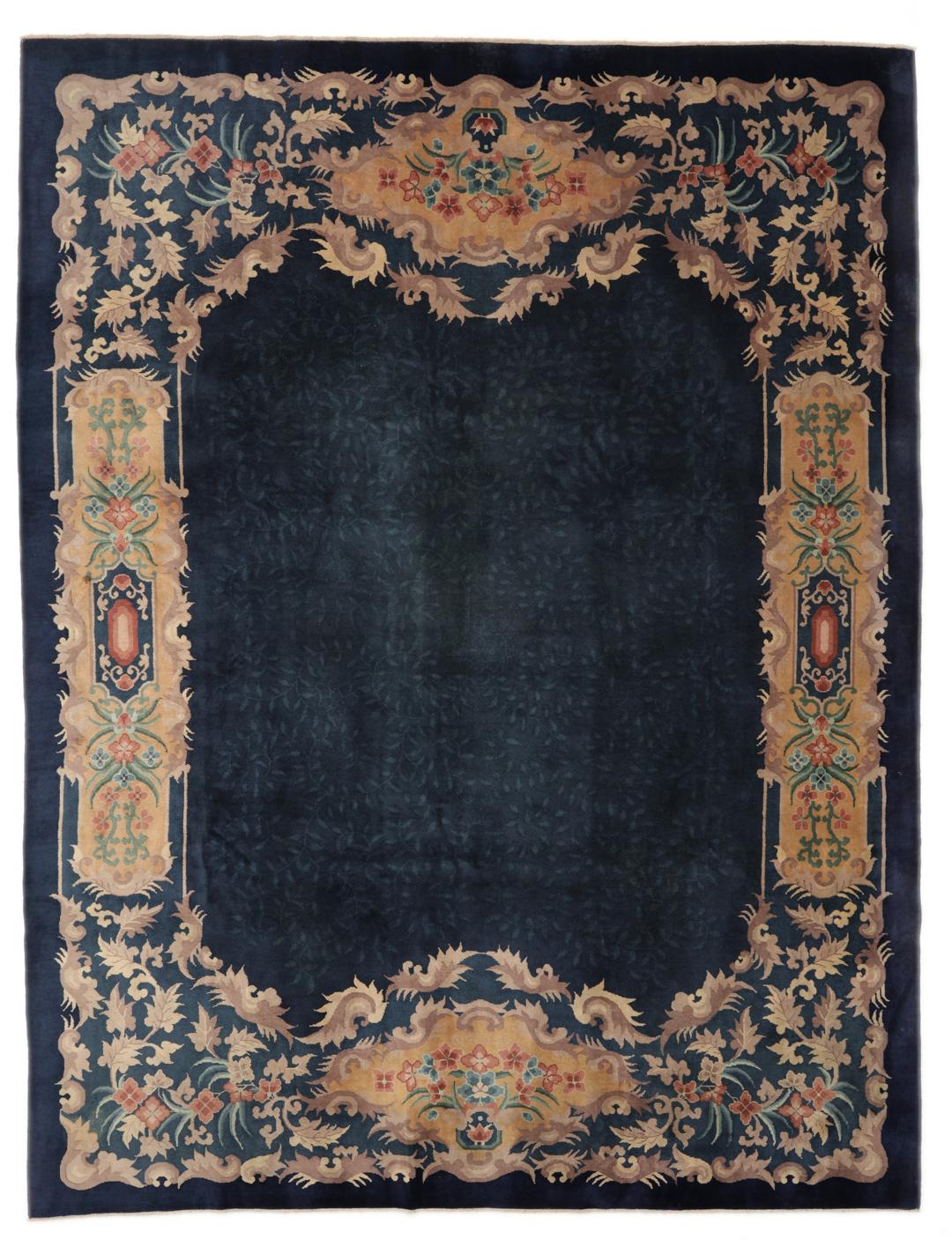
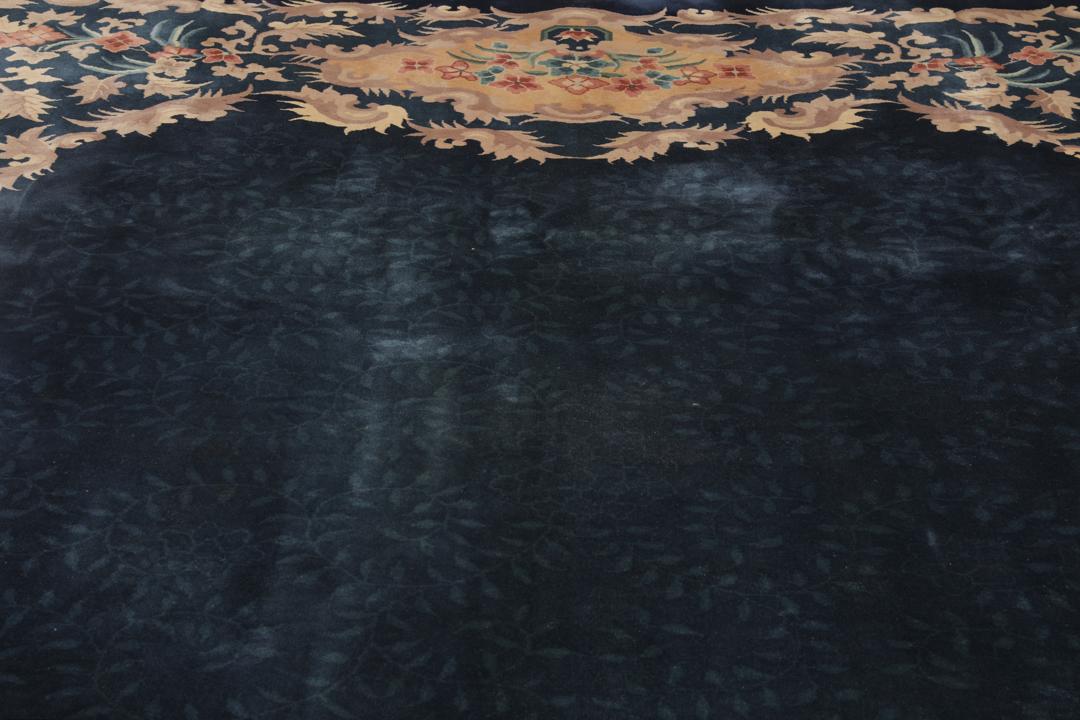
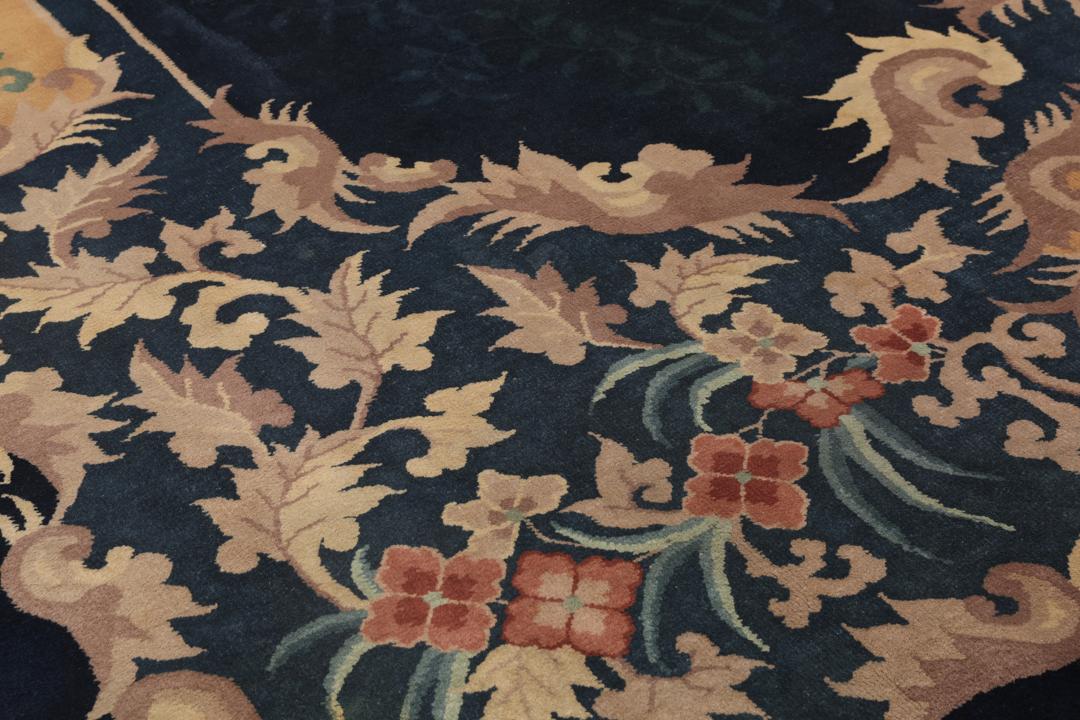
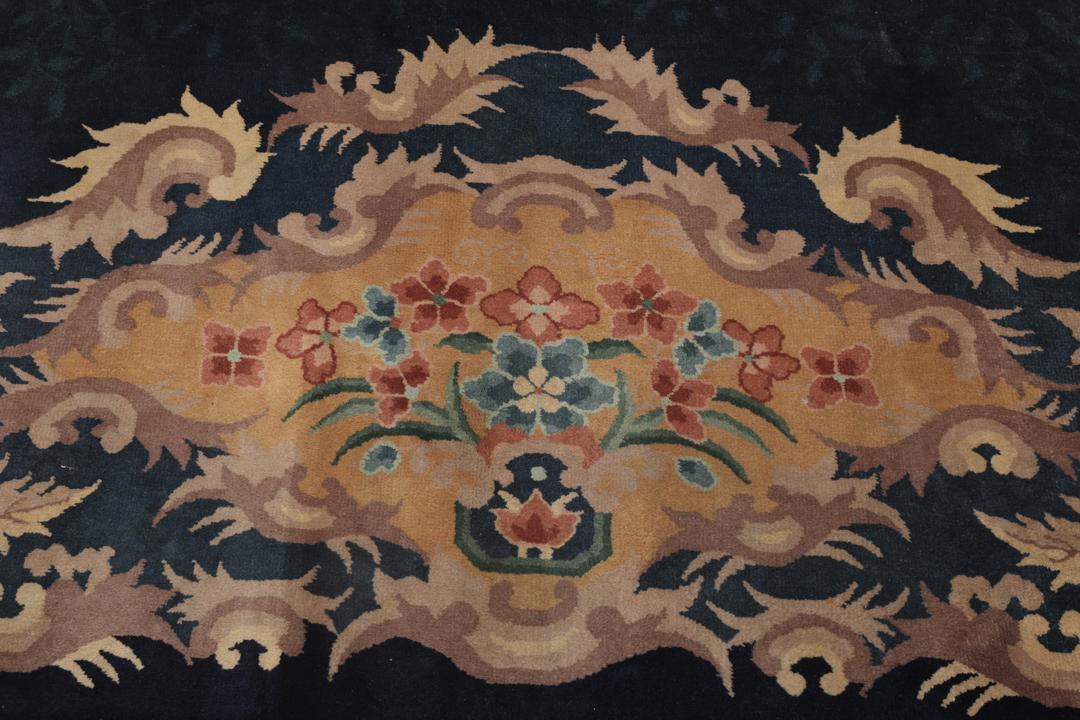
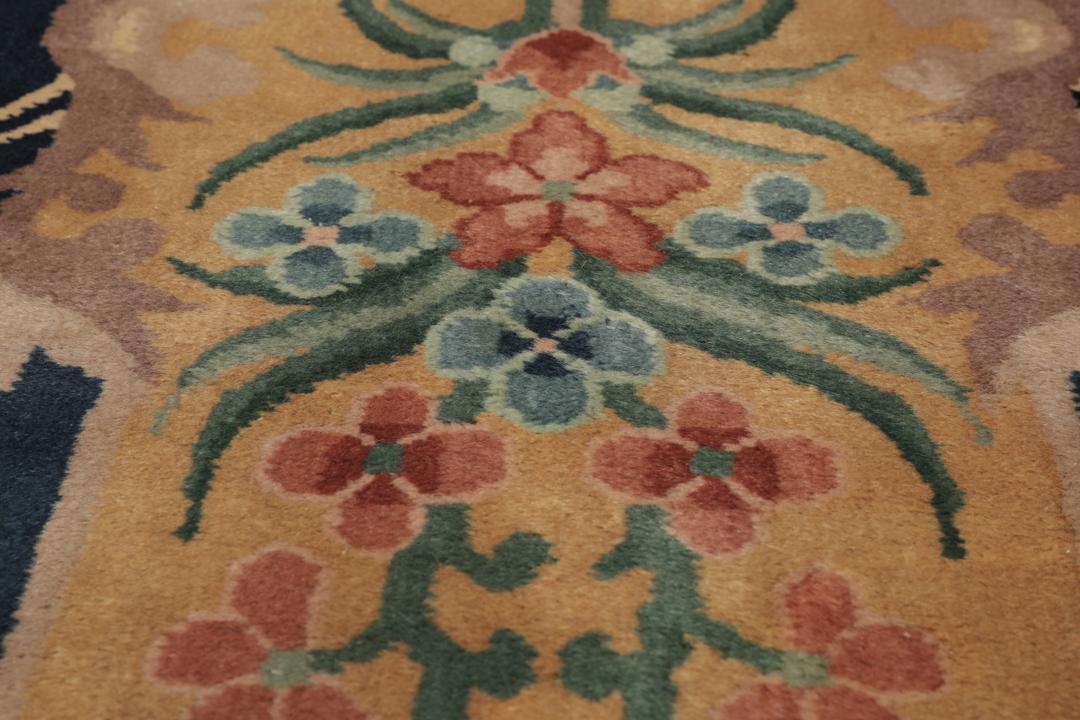
Visually, Nichols rugs are known for their sculptural, embossed-like designs. While many traditional rugs from the region utilise dense, all-over patterns, these pieces often feature open fields decorated with elegant floral motifs, birds, or cloud bands, usually framed by wide, ornate borders. The colour palette—often featuring deep blues, golds, and soft pastels—was carefully chosen to complement the decorative trends of the Art Deco period, making them versatile additions to both antique and contemporary settings.
Owning an antique Nichols rug is an investment in both art and culture. These pieces are valued by collectors for their rarity, their specific historical provenance, and the skill required to produce such fine, detailed work. To possess one is to own a bridge to a time when rug-making was undergoing a major creative evolution, blending ancient techniques with a new, globalised vision of luxury home decor.