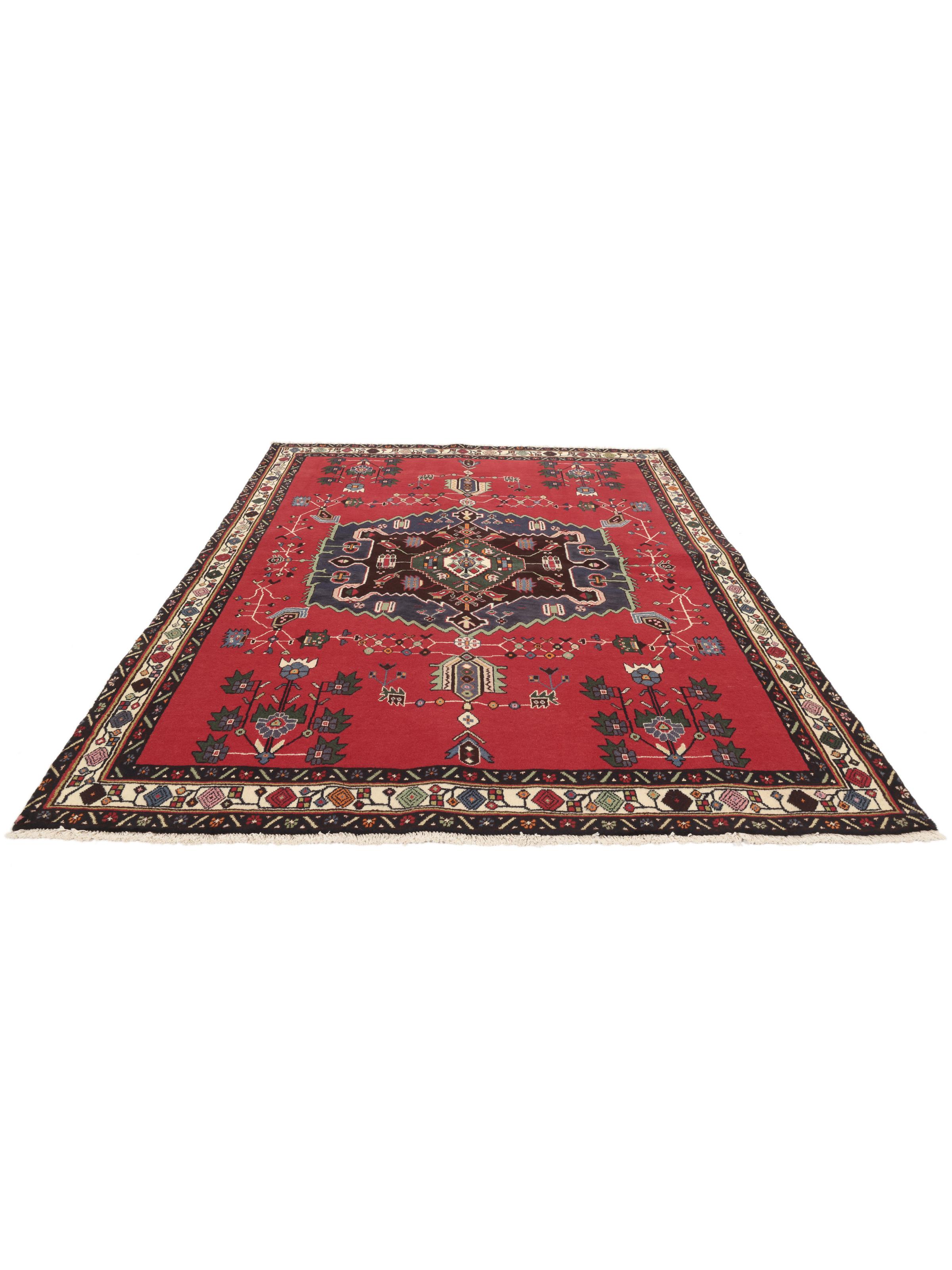
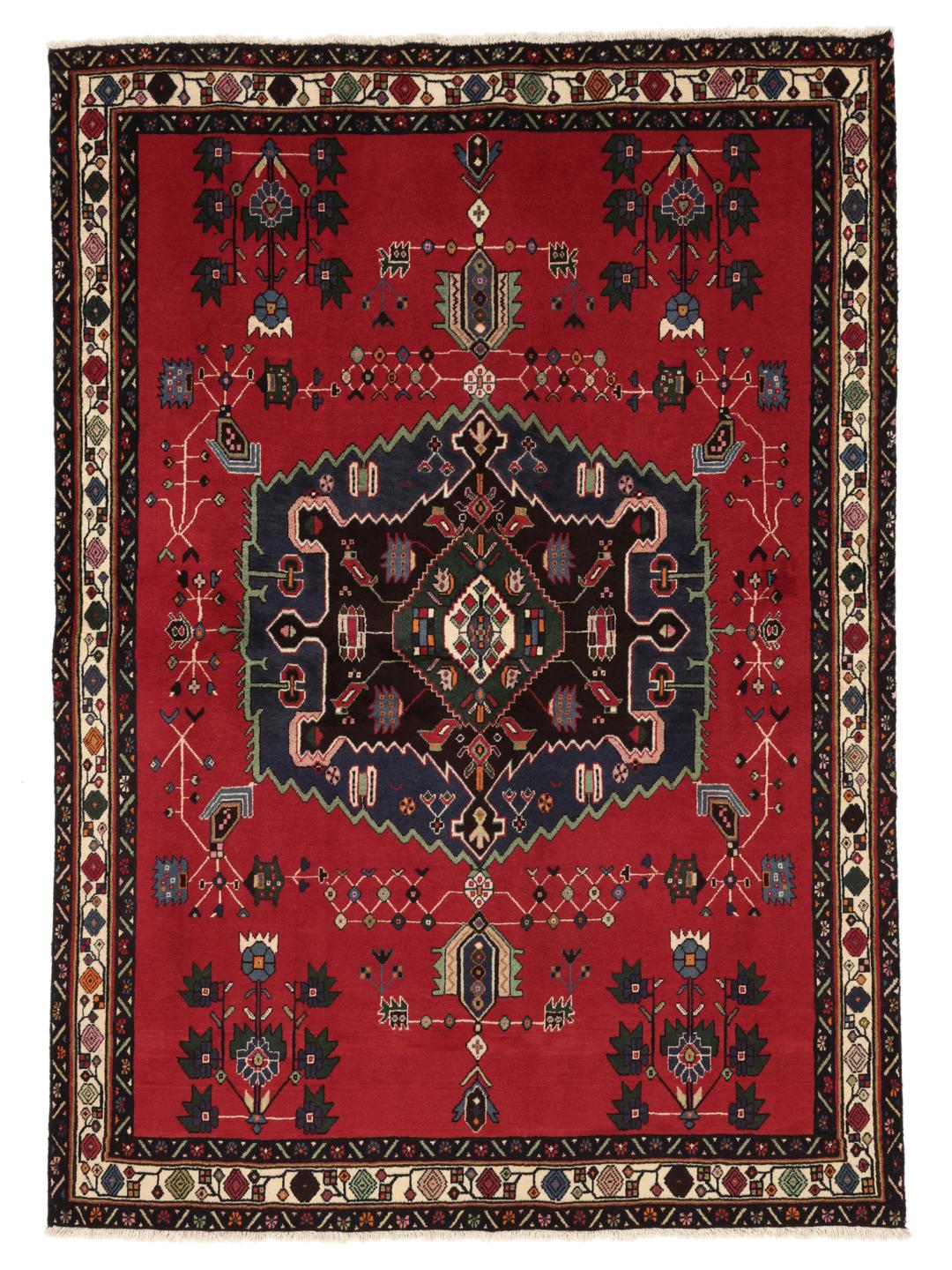
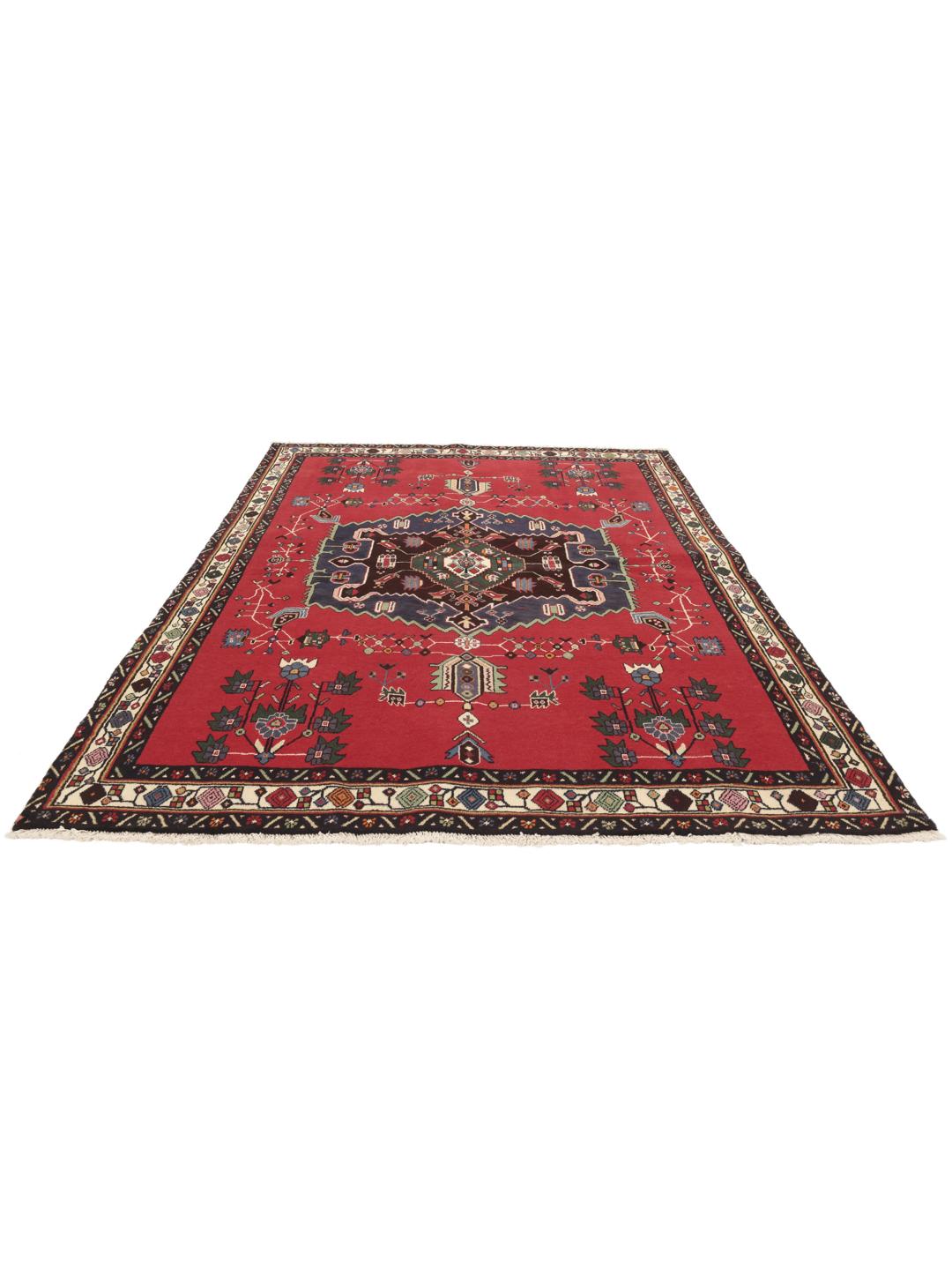
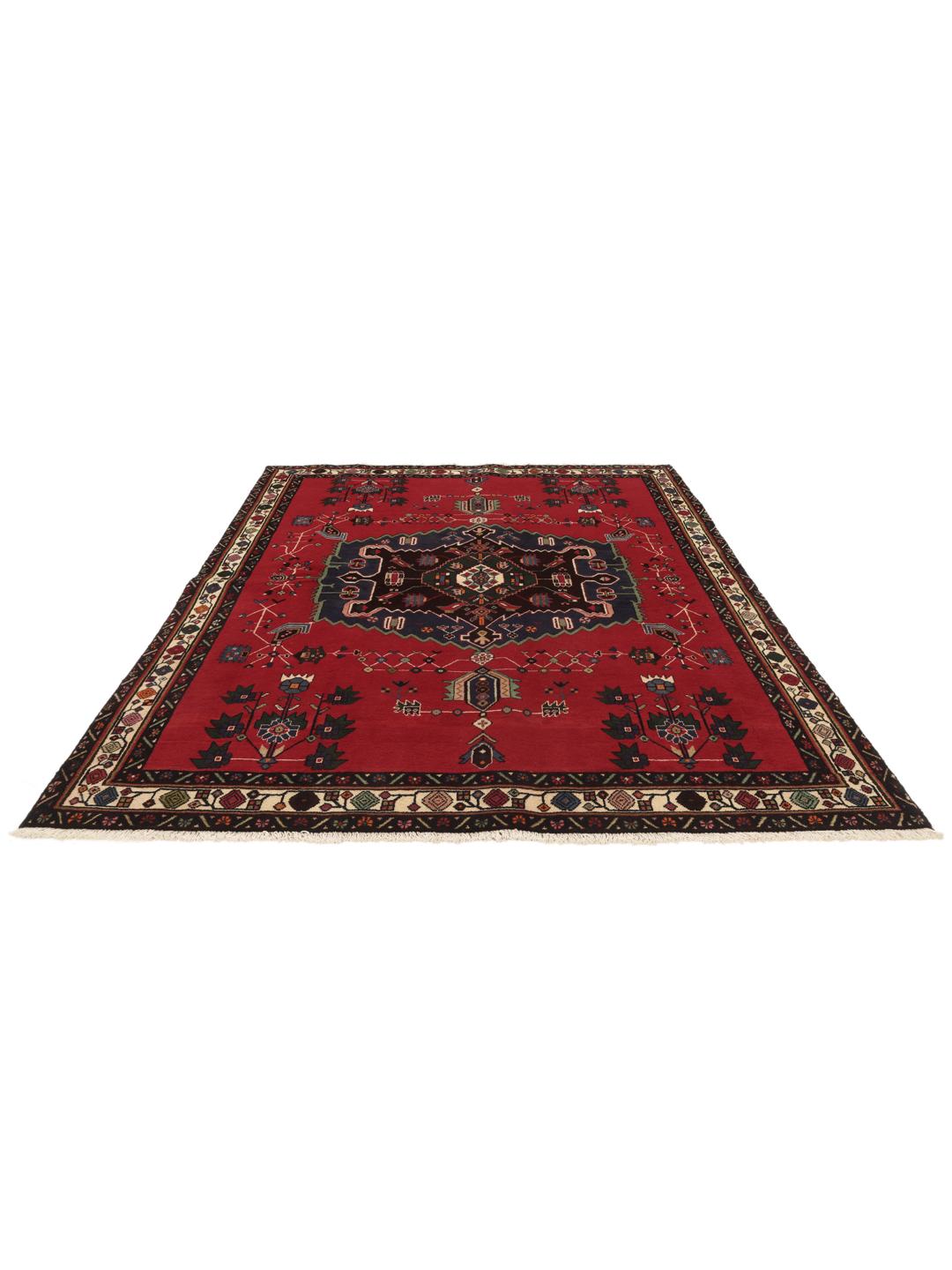
The Afshar rugs originate from the nomadic and semi-nomadic tribes of the Kerman province in the Middle East. Historically, these tribes moved across the landscape, carrying their weaving traditions with them, which allowed their designs to evolve and absorb influences from various neighbouring cultures while maintaining a distinct tribal identity.
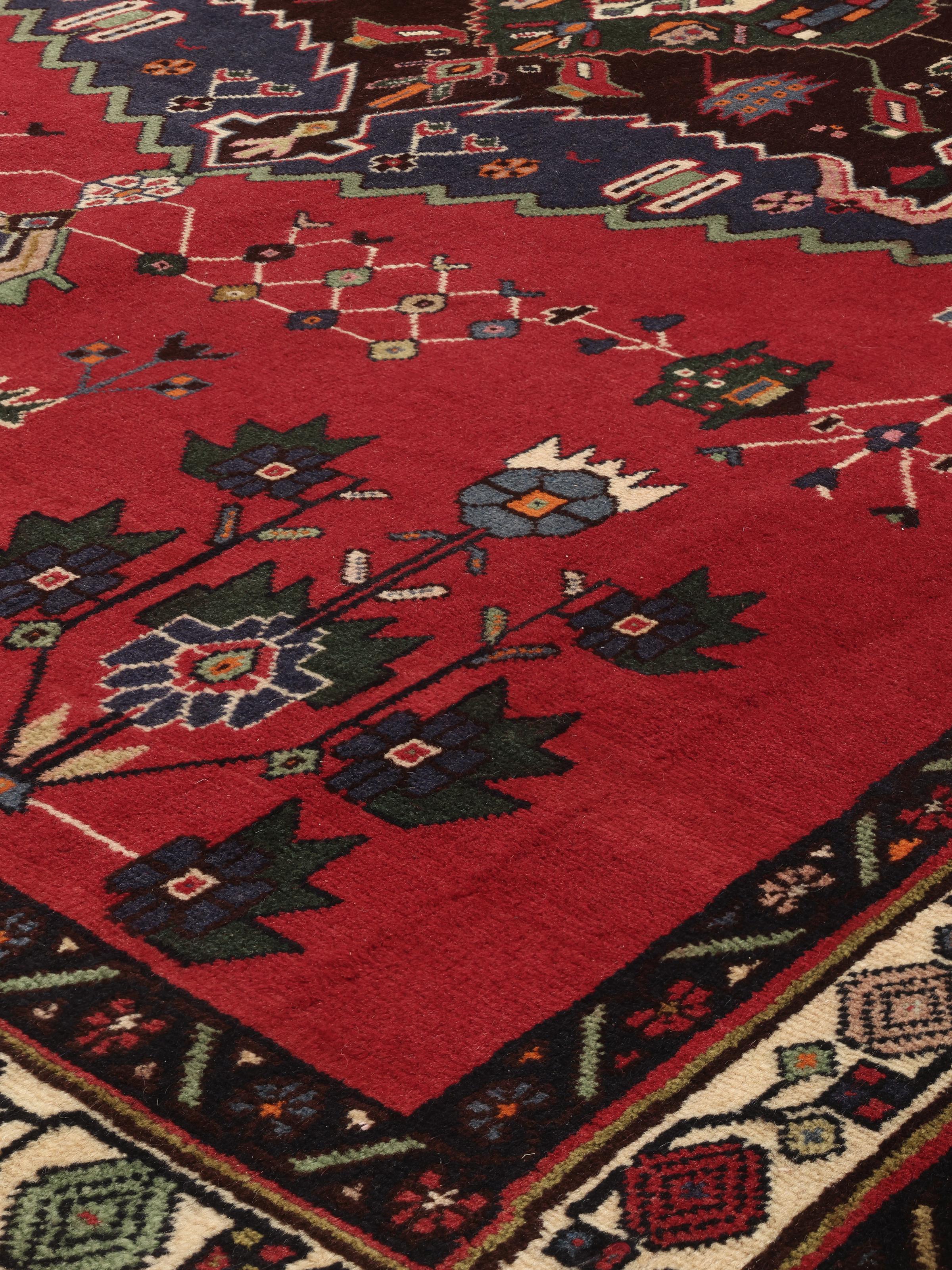
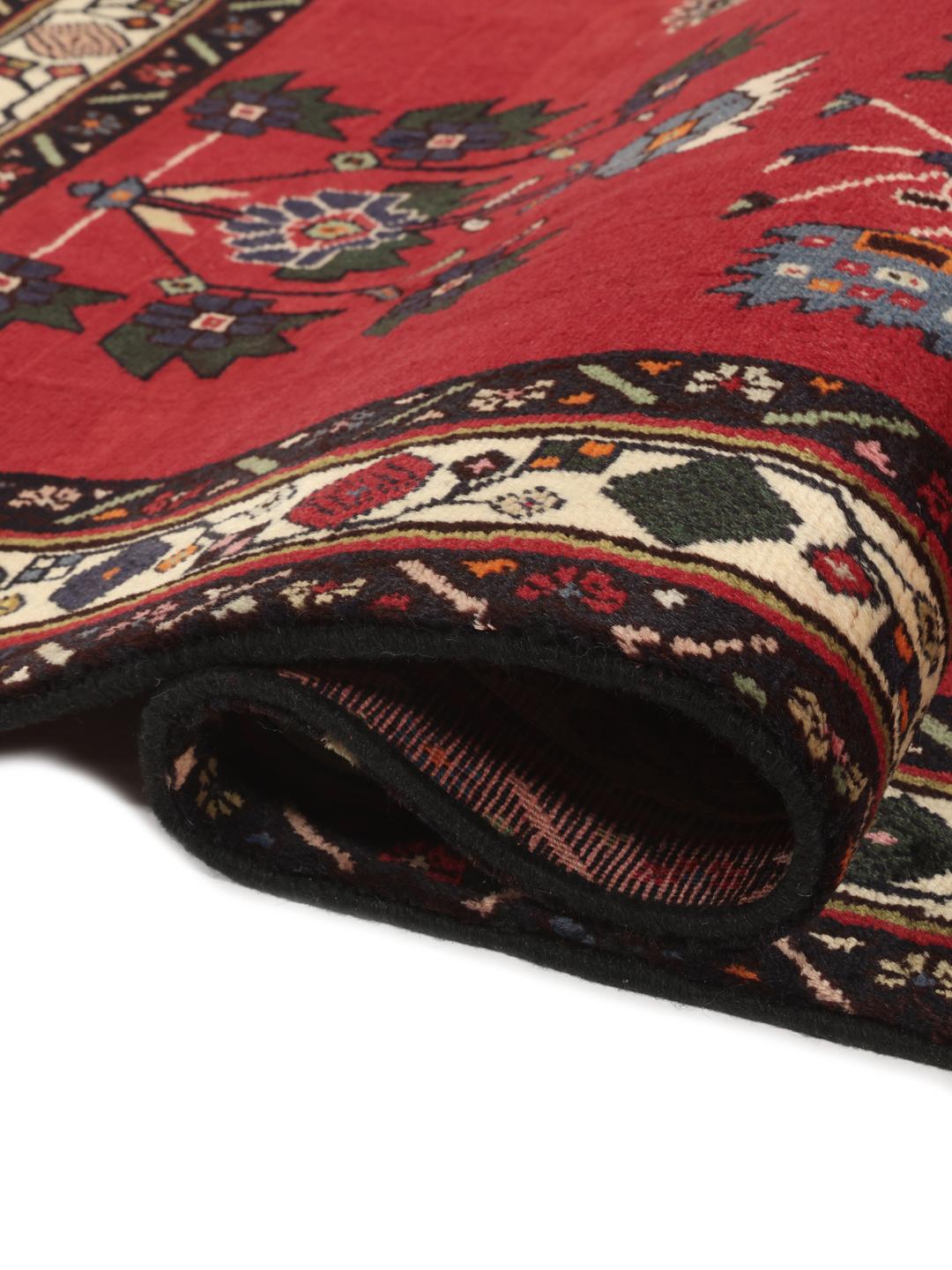
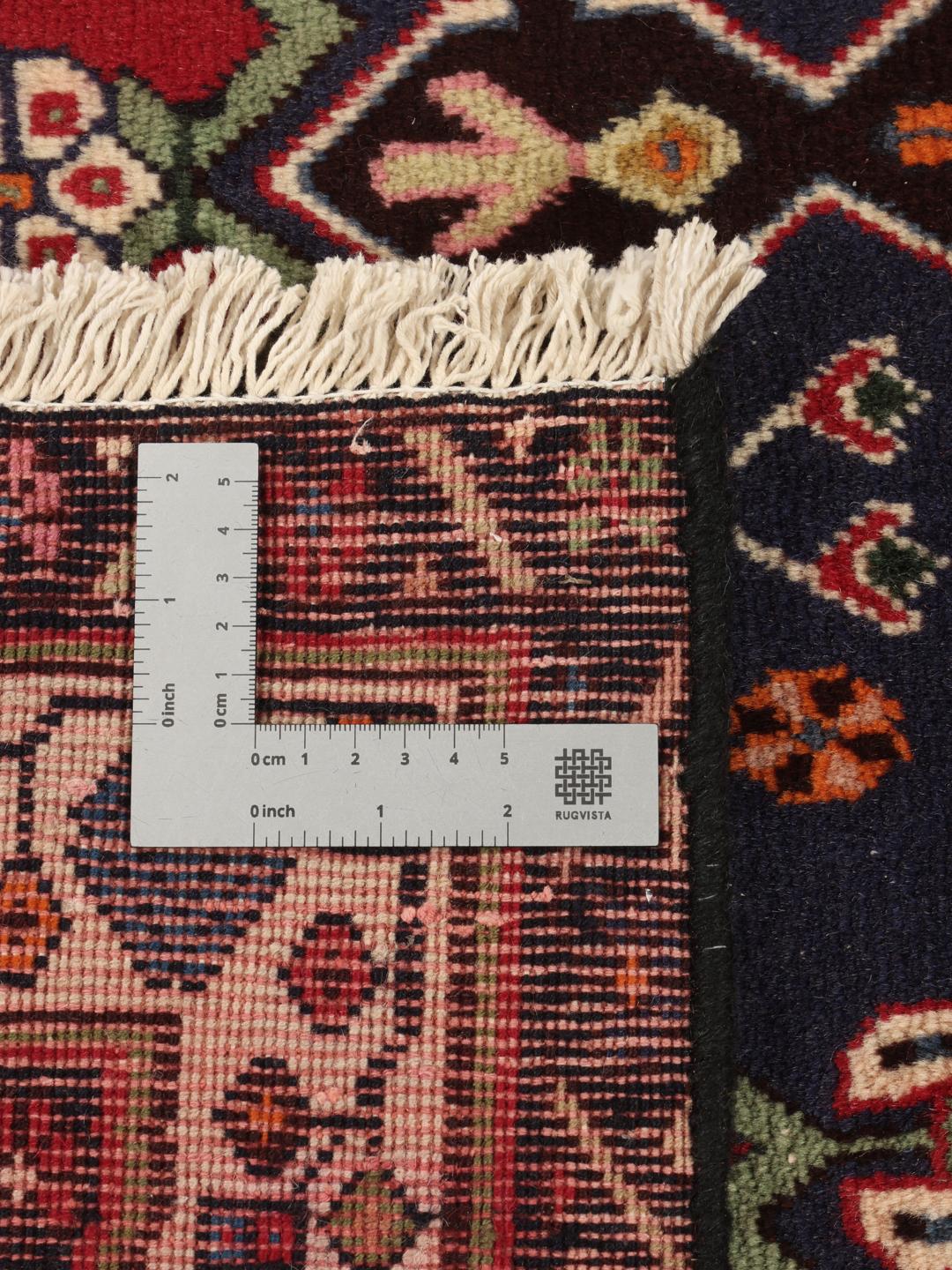
The craftsmanship behind these pieces is deeply rooted in the environment of the region. The use of Wool, often sourced from the tribes' own flocks, results in a rich, lustrous fibre that is highly durable. The term hand-knotted refers to the laborious process where each individual knot is tied by hand onto the warp, a technique that requires years of experience to master and is essential for the longevity of the rug.
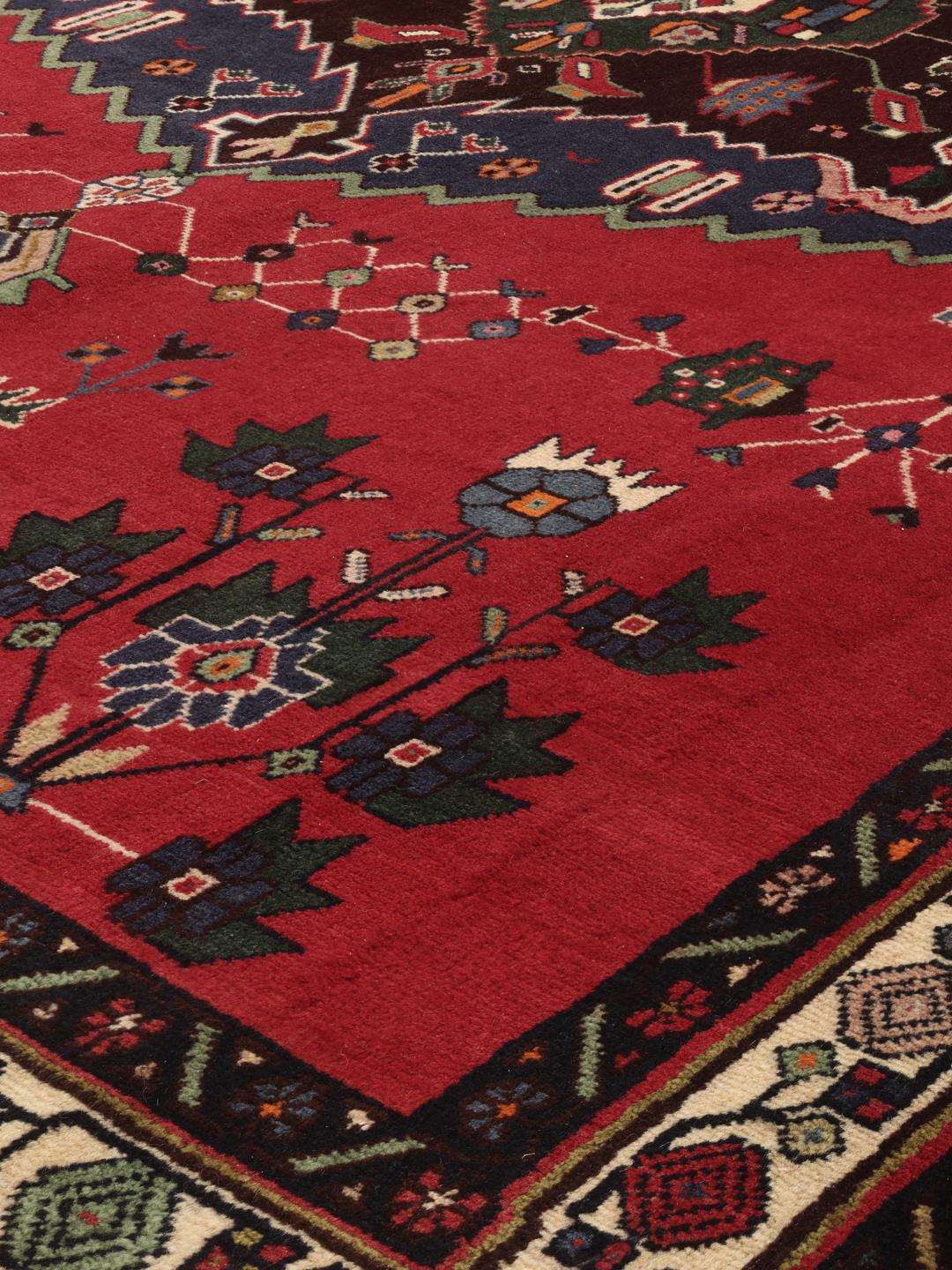
Signature Afshar design elements often feature bold, geometric medallions—frequently the central 'Boteh' or stylised floral shapes—set against a field of deep, vibrant colours. The borders are typically filled with intricate geometric patterns, providing a formal frame to the more expressive, organic arrangements within the central field.
Collecting an Afshar rug is an act of preserving a piece of cultural history. These rugs are highly valued not only for their aesthetic beauty but for the narrative they carry, representing the lives, beliefs, and artistic expressions of the tribal communities that created them. Owning one is an investment in human skill and a legacy of design that spans centuries.