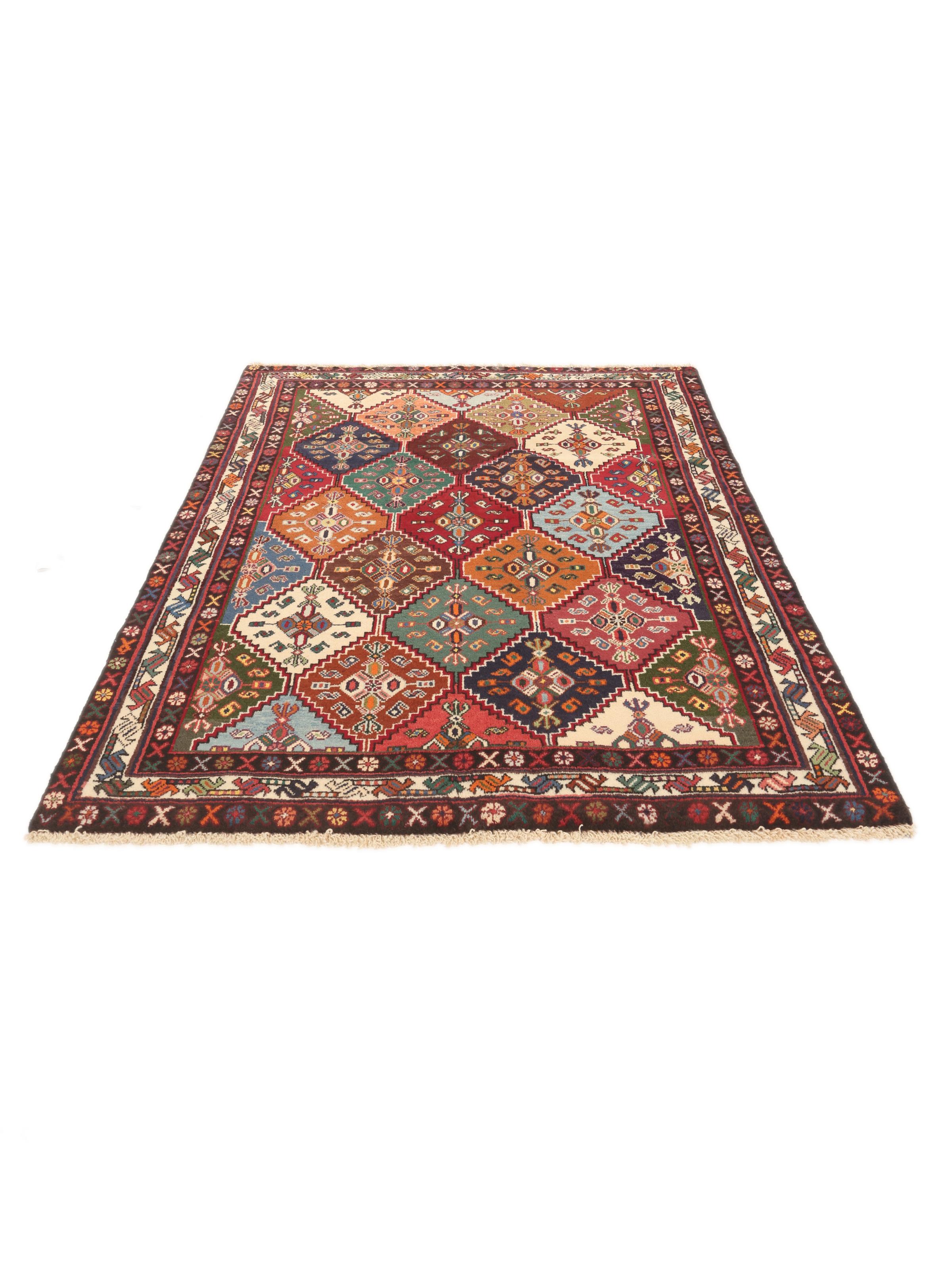
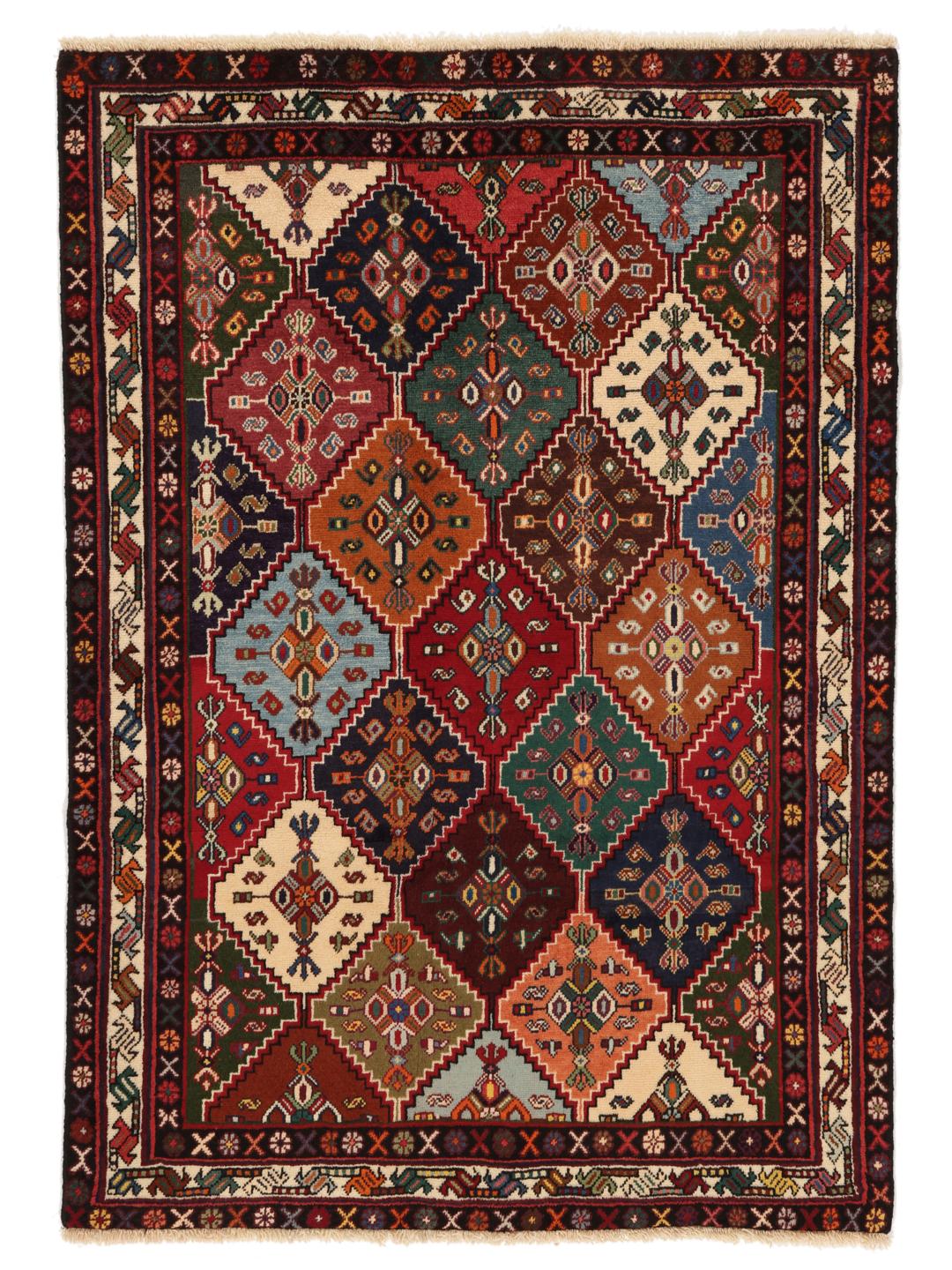
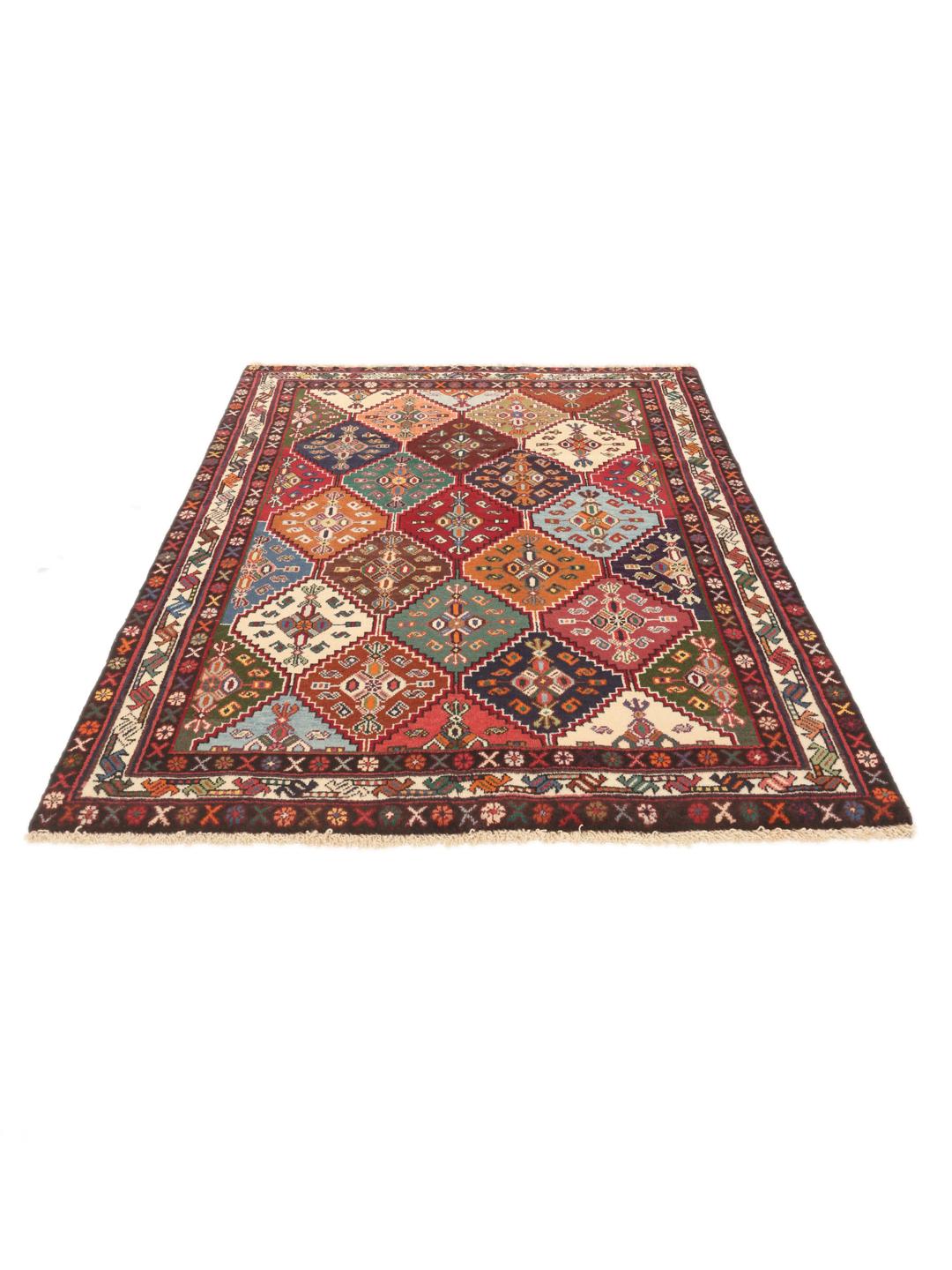
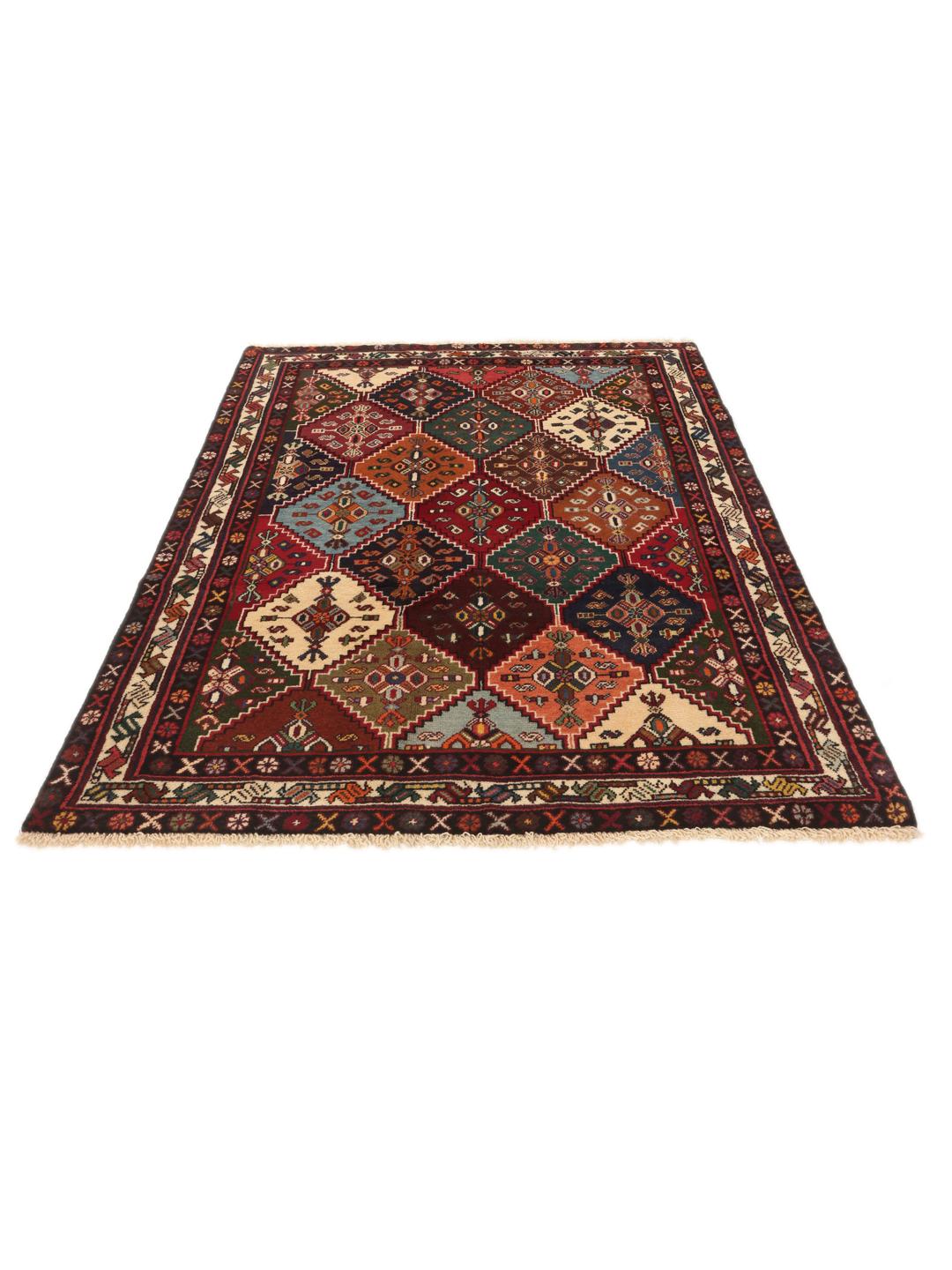
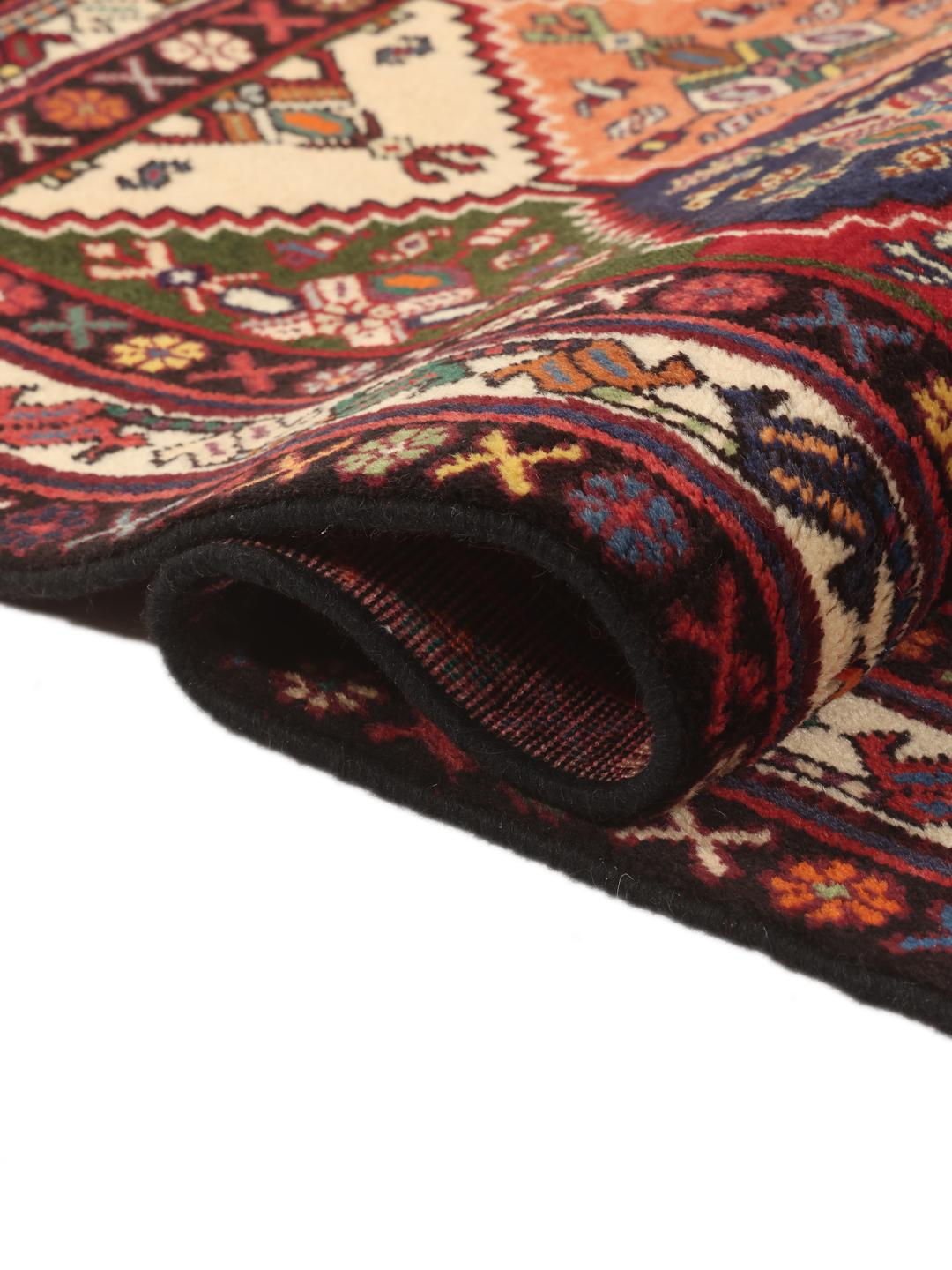
The Afshar rugs originate from the tribal traditions of the Middle East, specifically from the nomadic and semi-nomadic Afshar people. Historically, these groups travelled across the rugged landscapes, and their weaving traditions were deeply influenced by the environment and their cultural identity. Over time, these styles evolved into the distinct, highly prized designs we recognise today, often centred around regions like Sirjan.
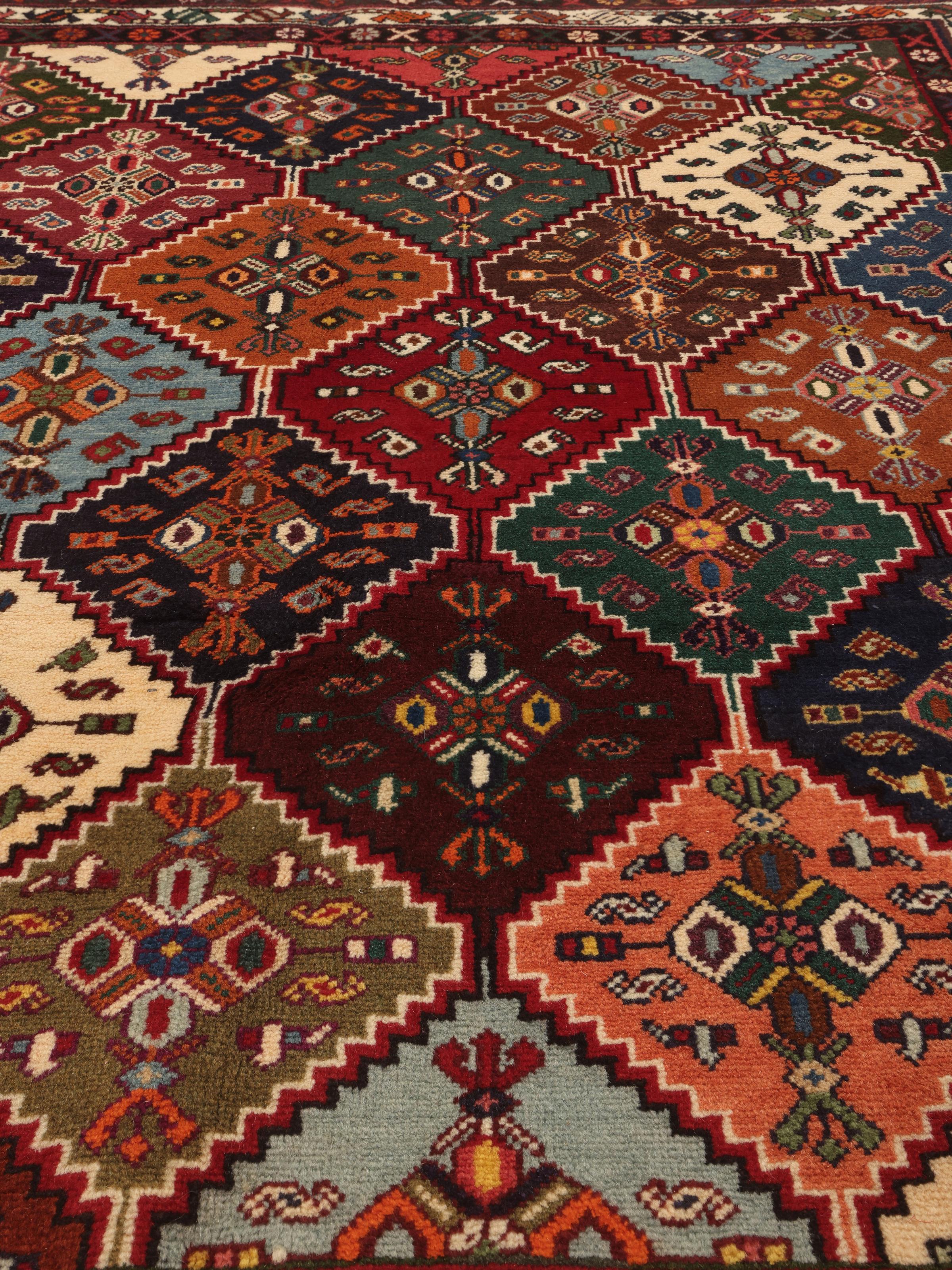
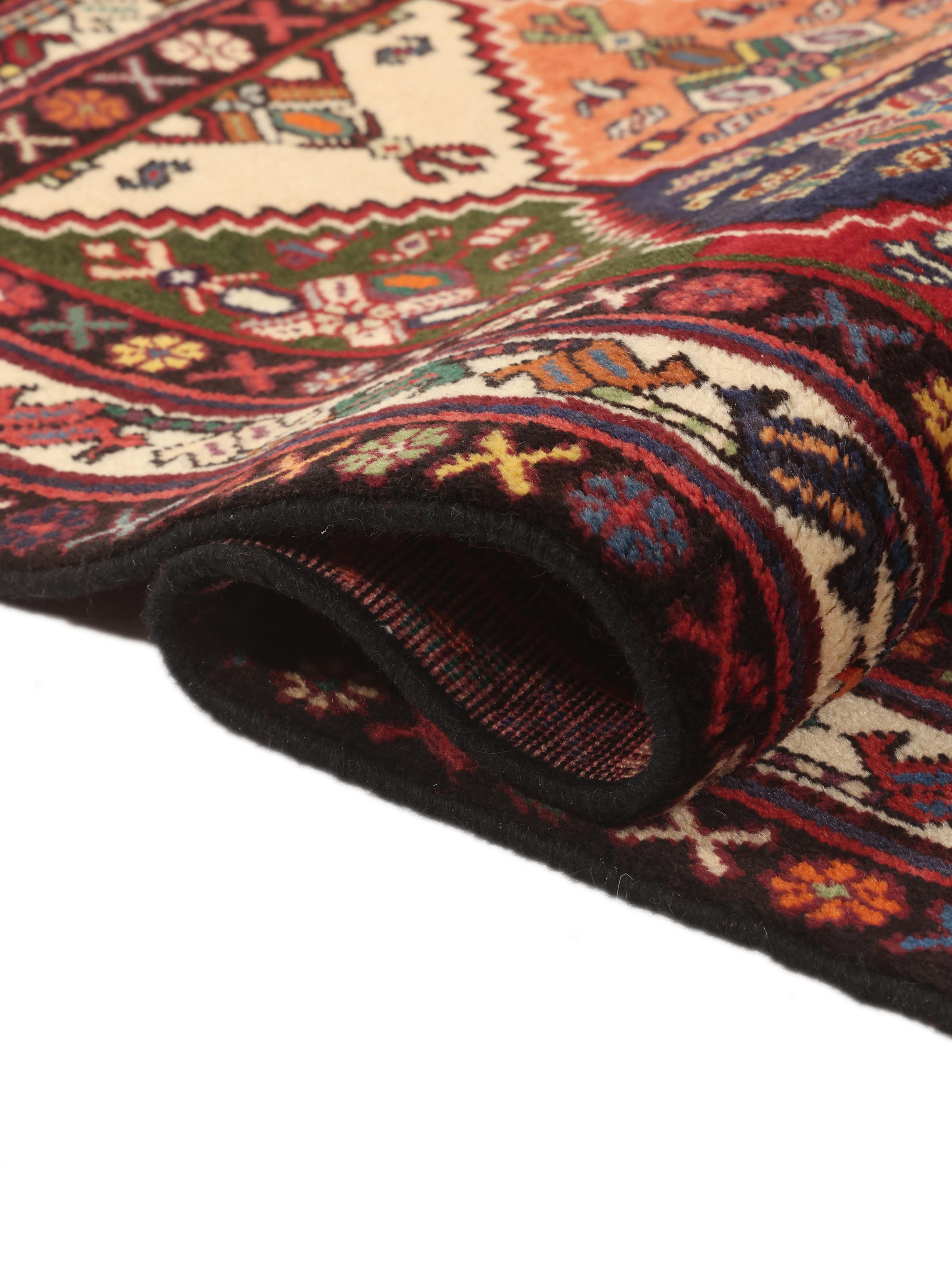
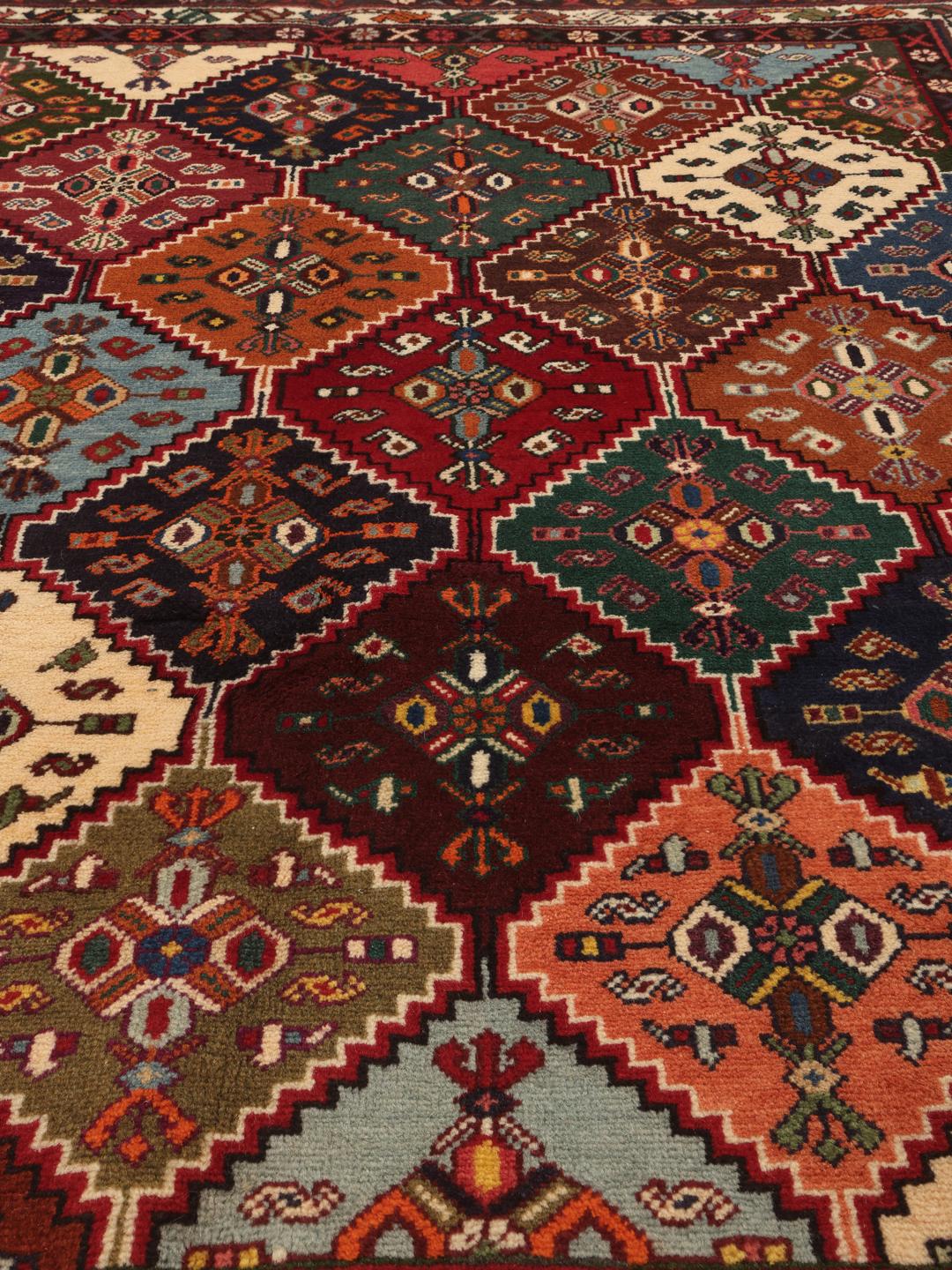
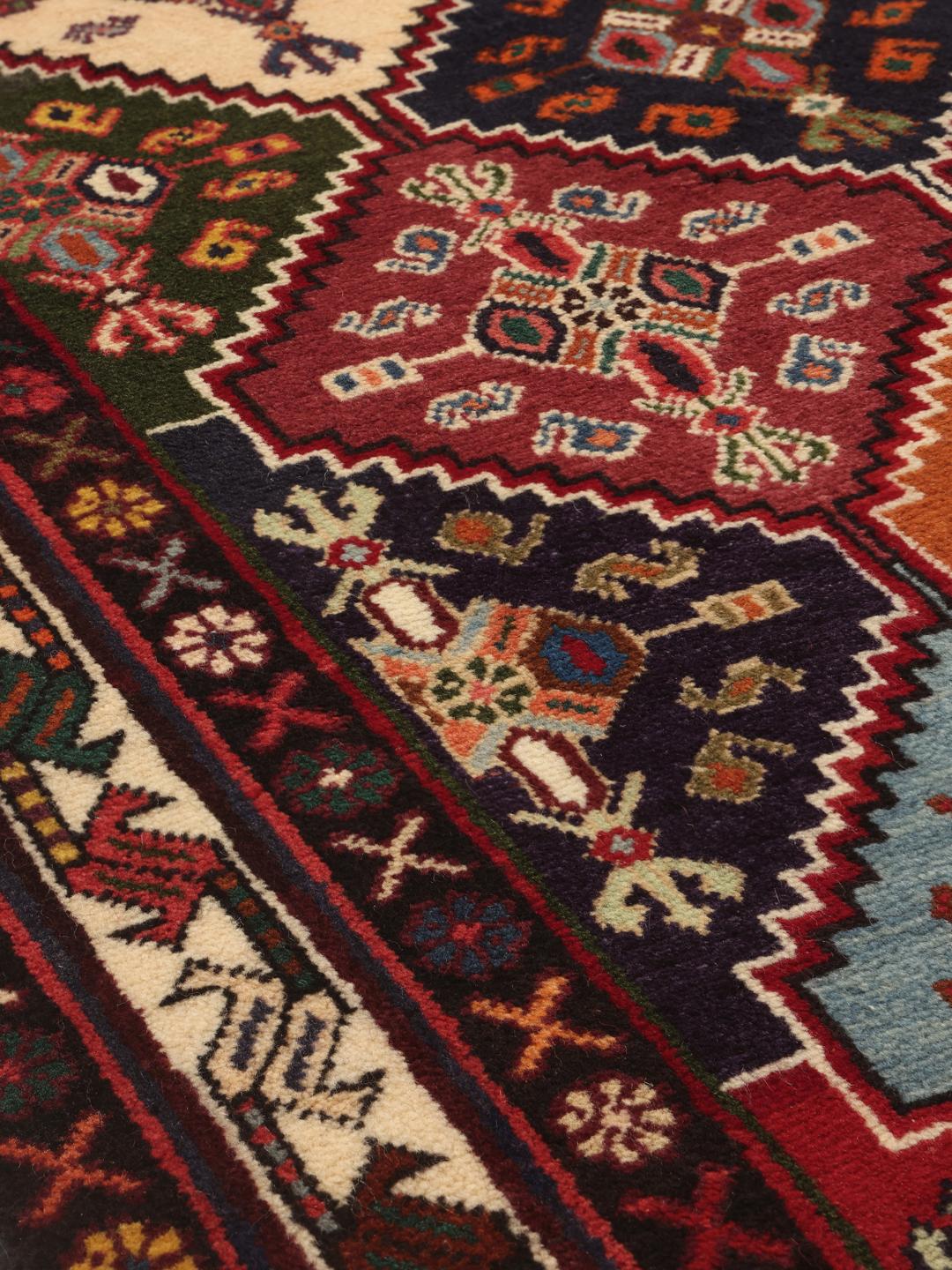
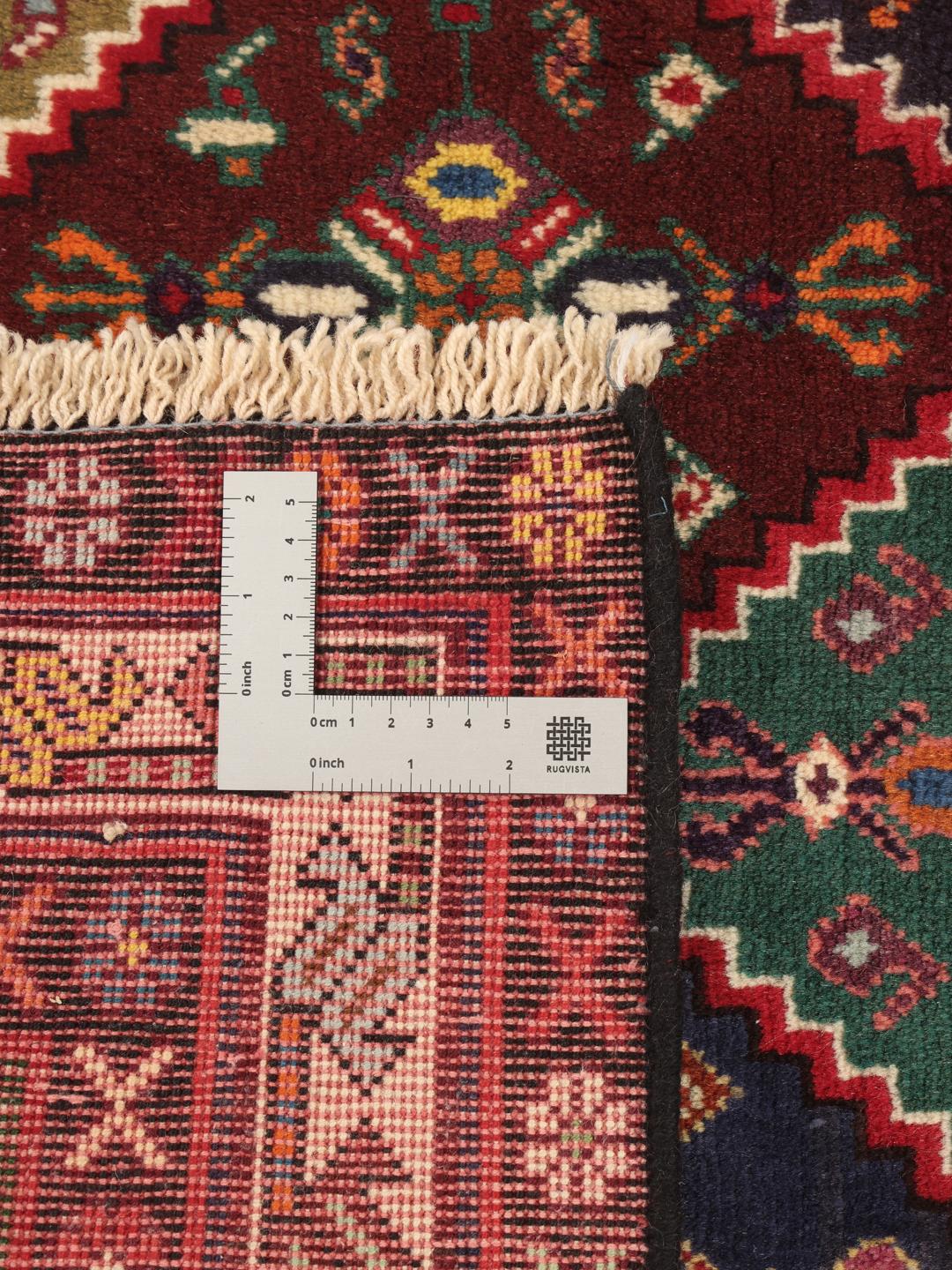
The technical quality of these rugs is defined by their dense, hand-knotted construction. The term 'hand-knotted' refers to the process of tying individual knots around the foundation threads, a technique that creates a robust and flexible pile. This method is essential for the longevity of the rug, as it allows the fibres to stand upright and resist wear, ensuring the intricate geometric patterns remain sharp and clear for generations.
Signature design elements of the Afshar tradition include the recurring use of the diamond or 'gul' motif, often arranged in rows or nested configurations. These patterns are not merely decorative but are deeply rooted in symbolic meaning, often representing the weaver's surroundings, tribal history, or protective charms. The use of a bold, contrasting colour palette is a hallmark of this tradition, allowing the geometric shapes to stand out with striking visual impact.
Collecting an Afshar rug is an investment in cultural preservation. These pieces are valued for their raw, honest expression of skill and their departure from standardised commercial designs. By acquiring such a piece, you are supporting a lineage of craft that has survived for centuries, keeping the artistry of Middle Eastern tribal traditions alive in the modern home.