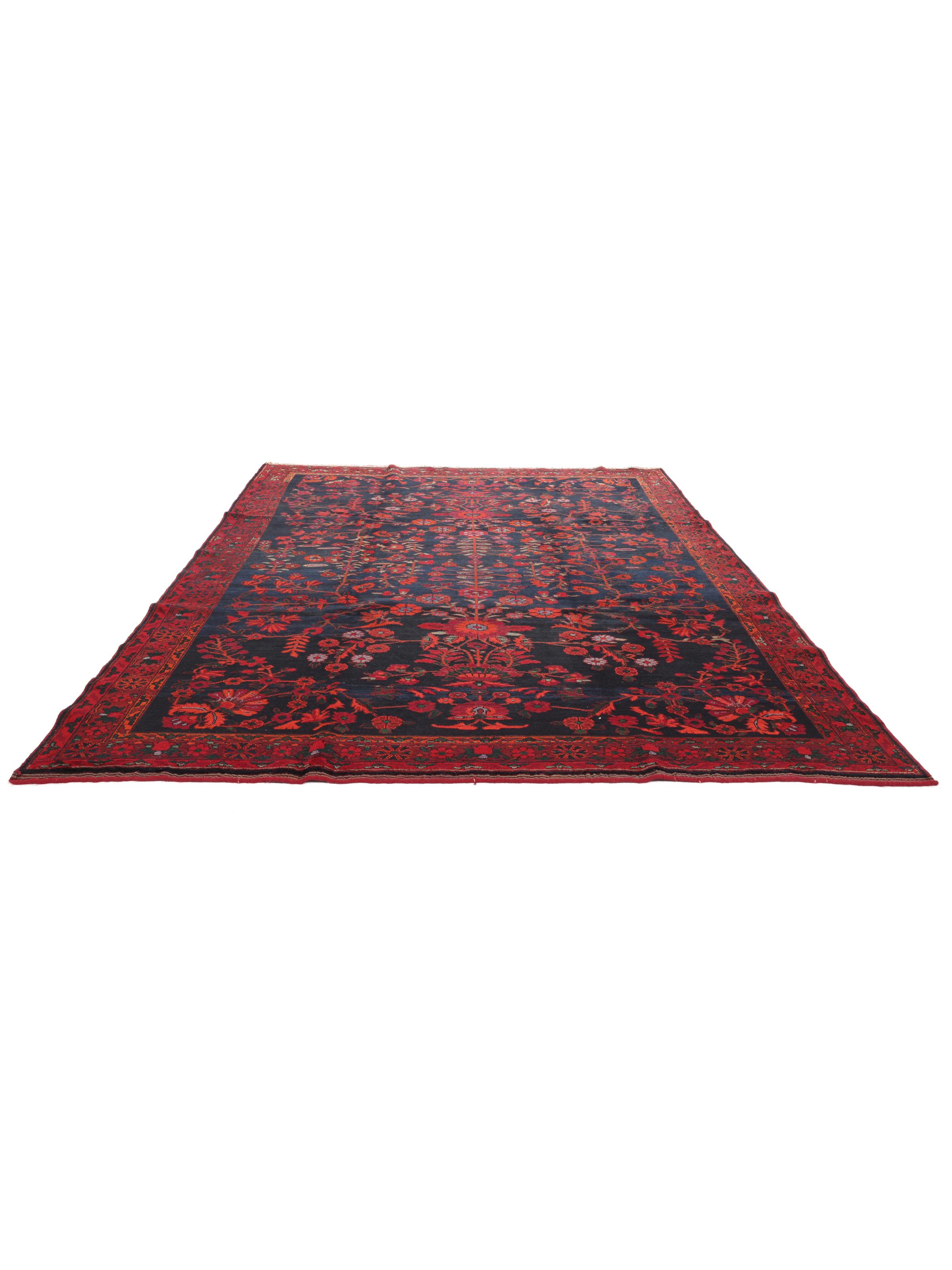
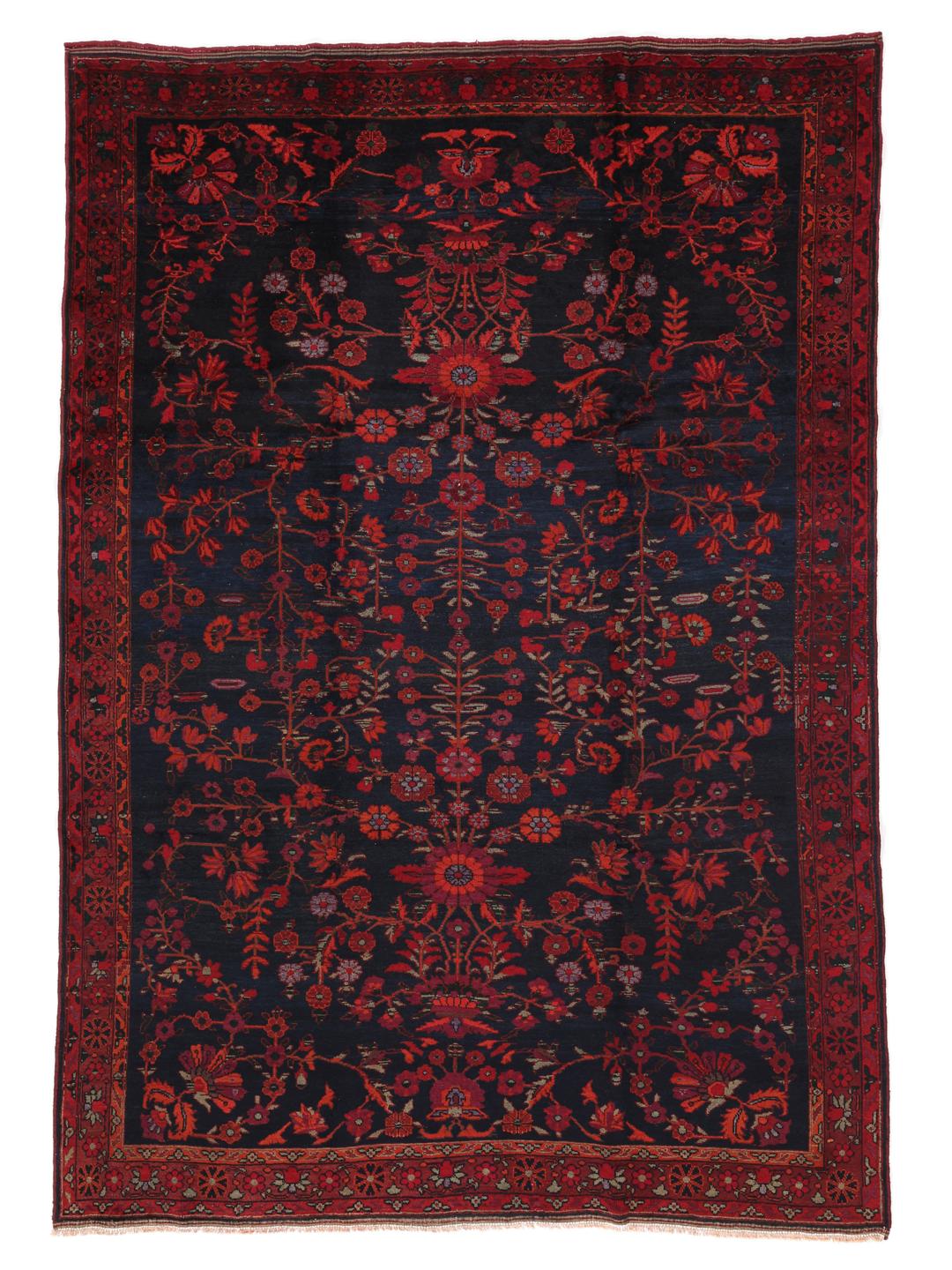
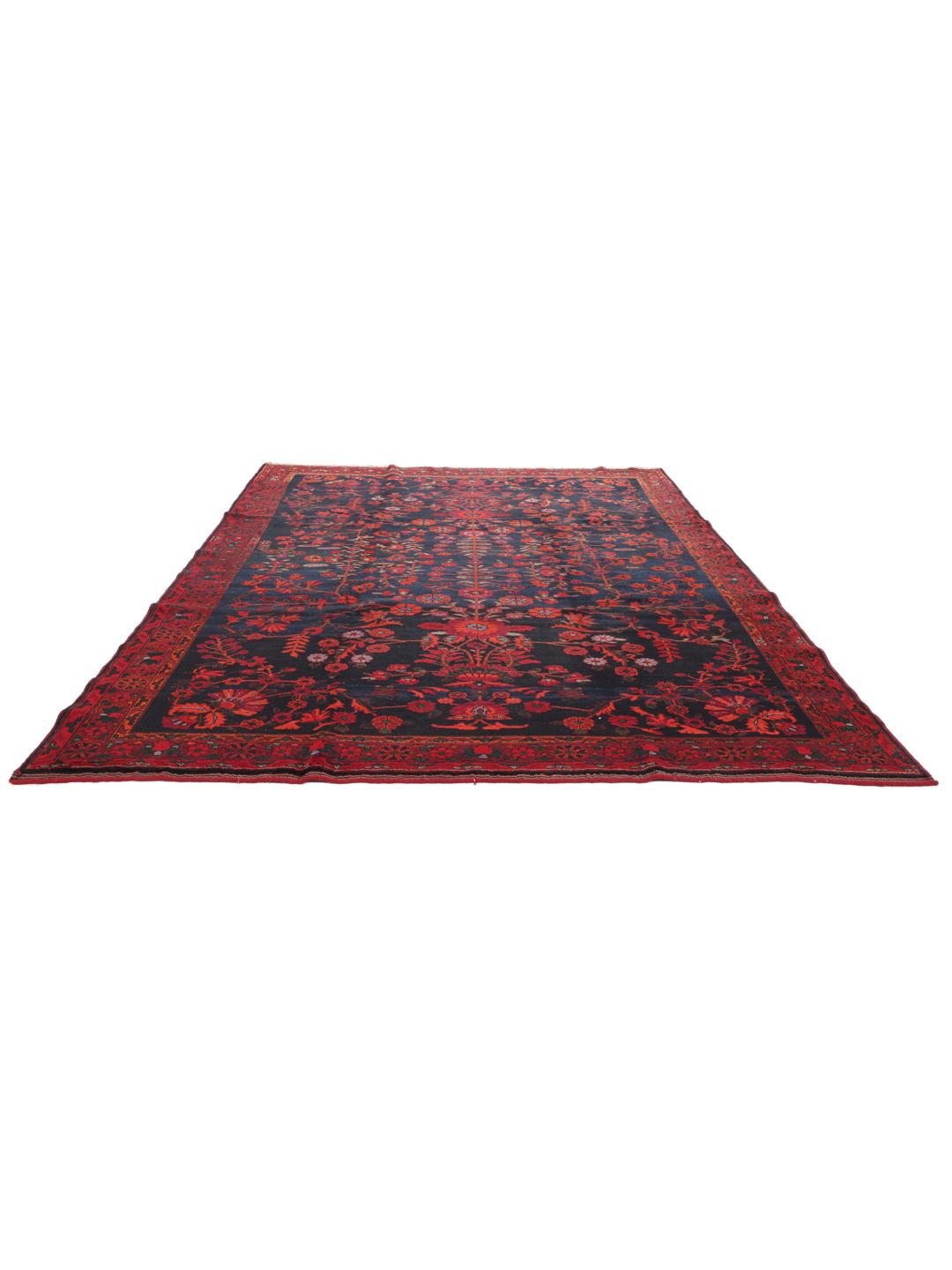
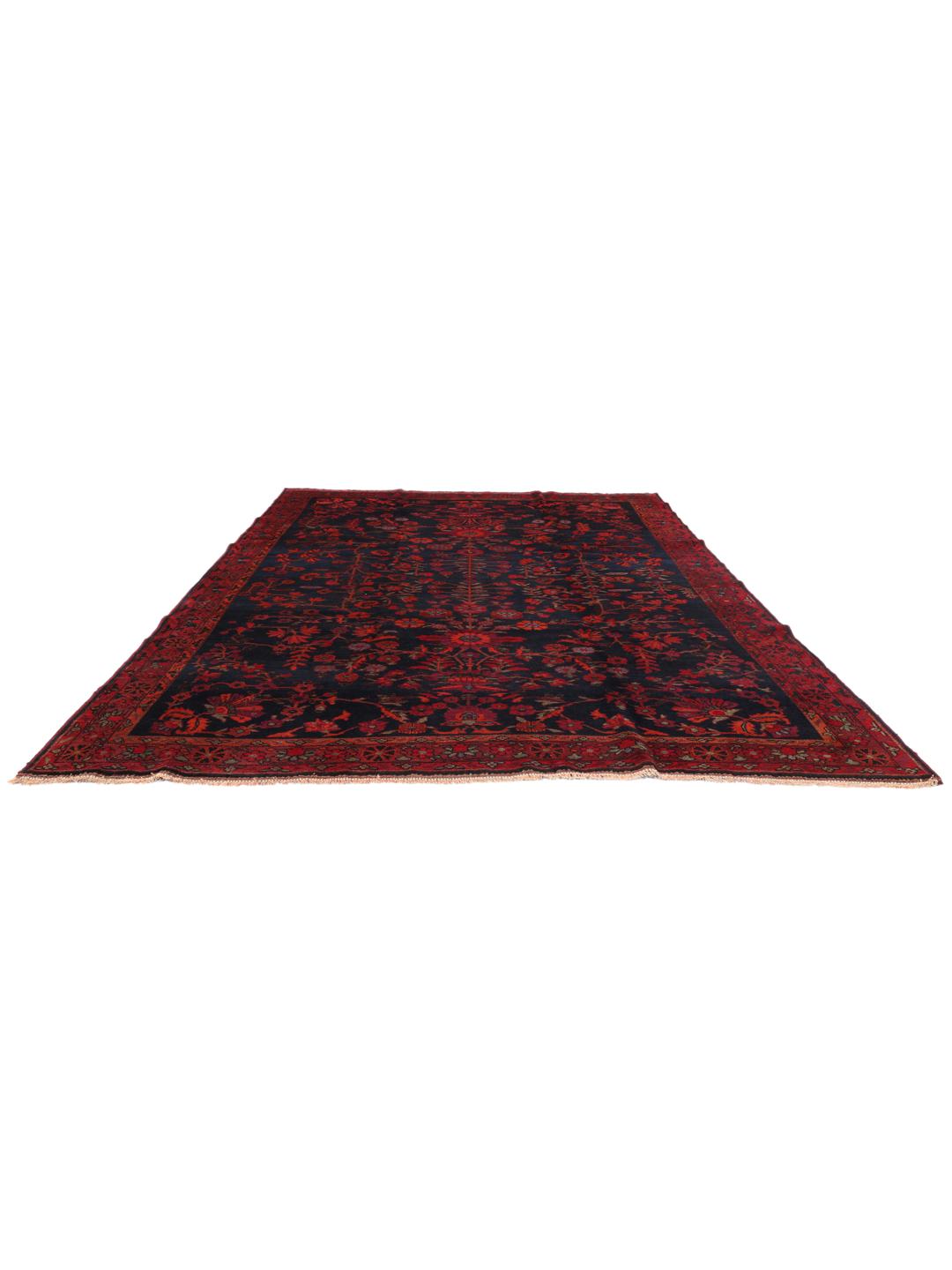
The Afshar rugs originate from the tribal groups of the Kerman province in the Middle East. These nomadic and semi-nomadic communities have a long, storied tradition of weaving that is deeply connected to their environment and culture. The Sirjan region, in particular, is renowned for producing some of the most distinctive and highly sought-after examples of this craft.
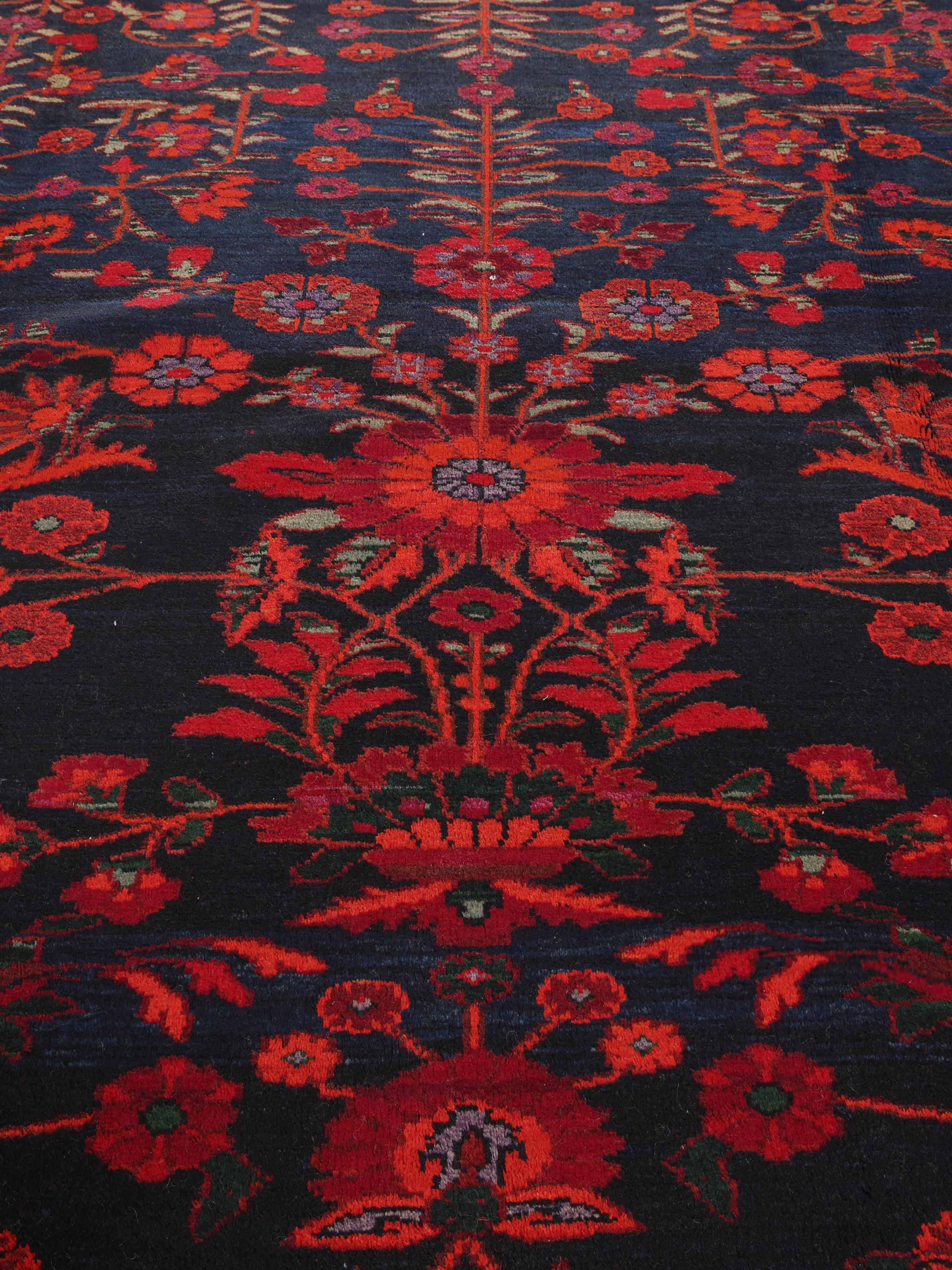
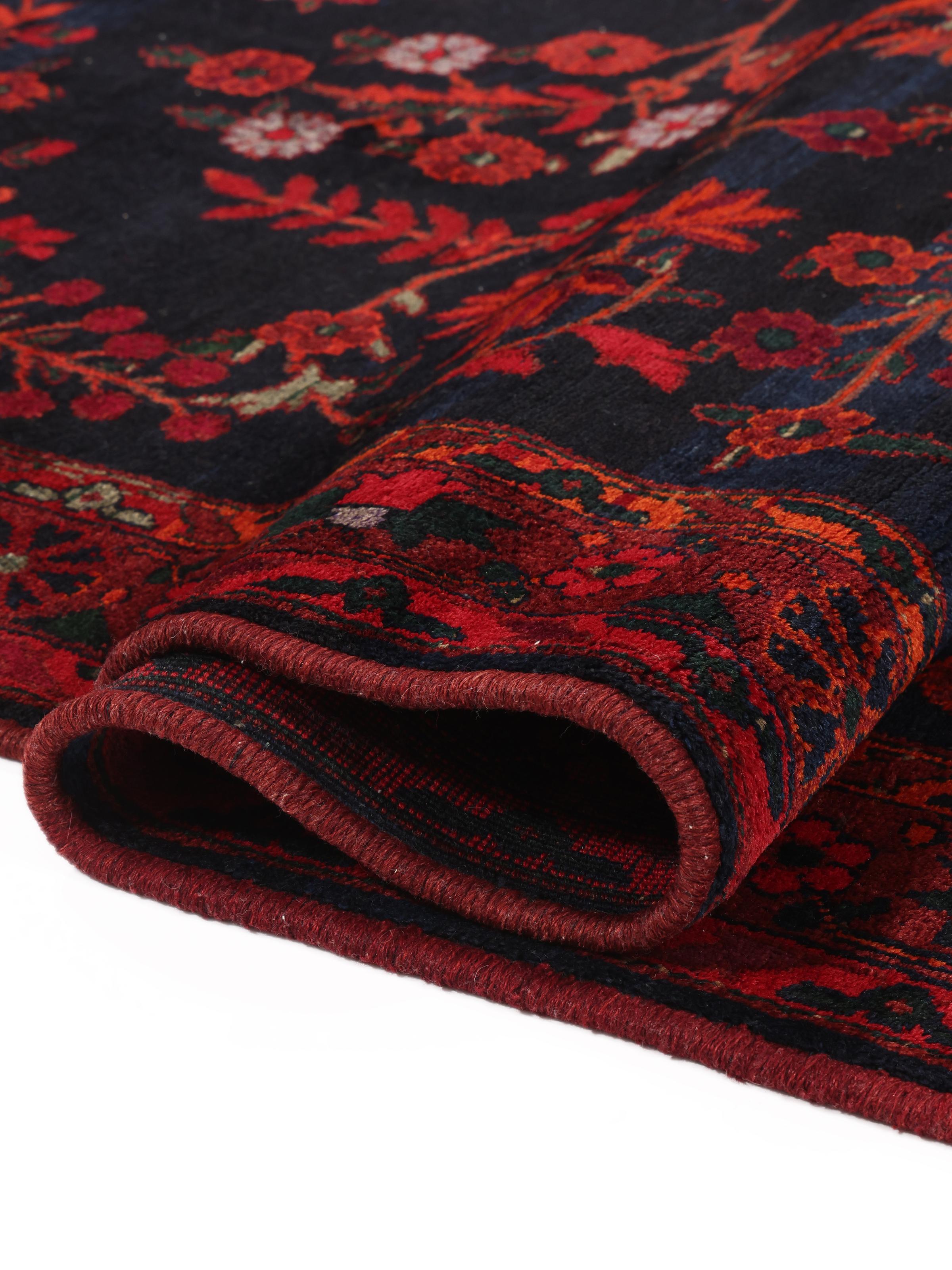
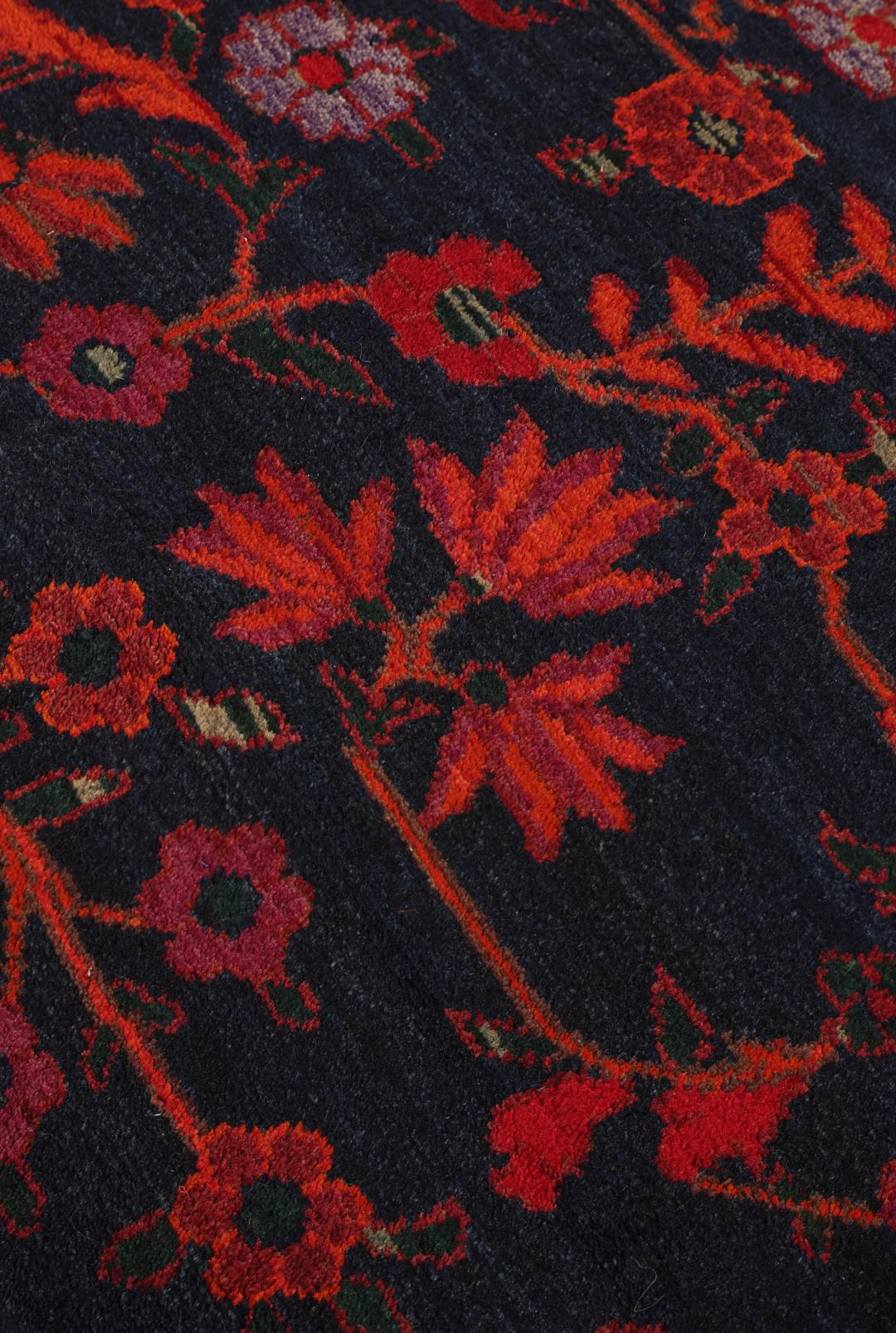
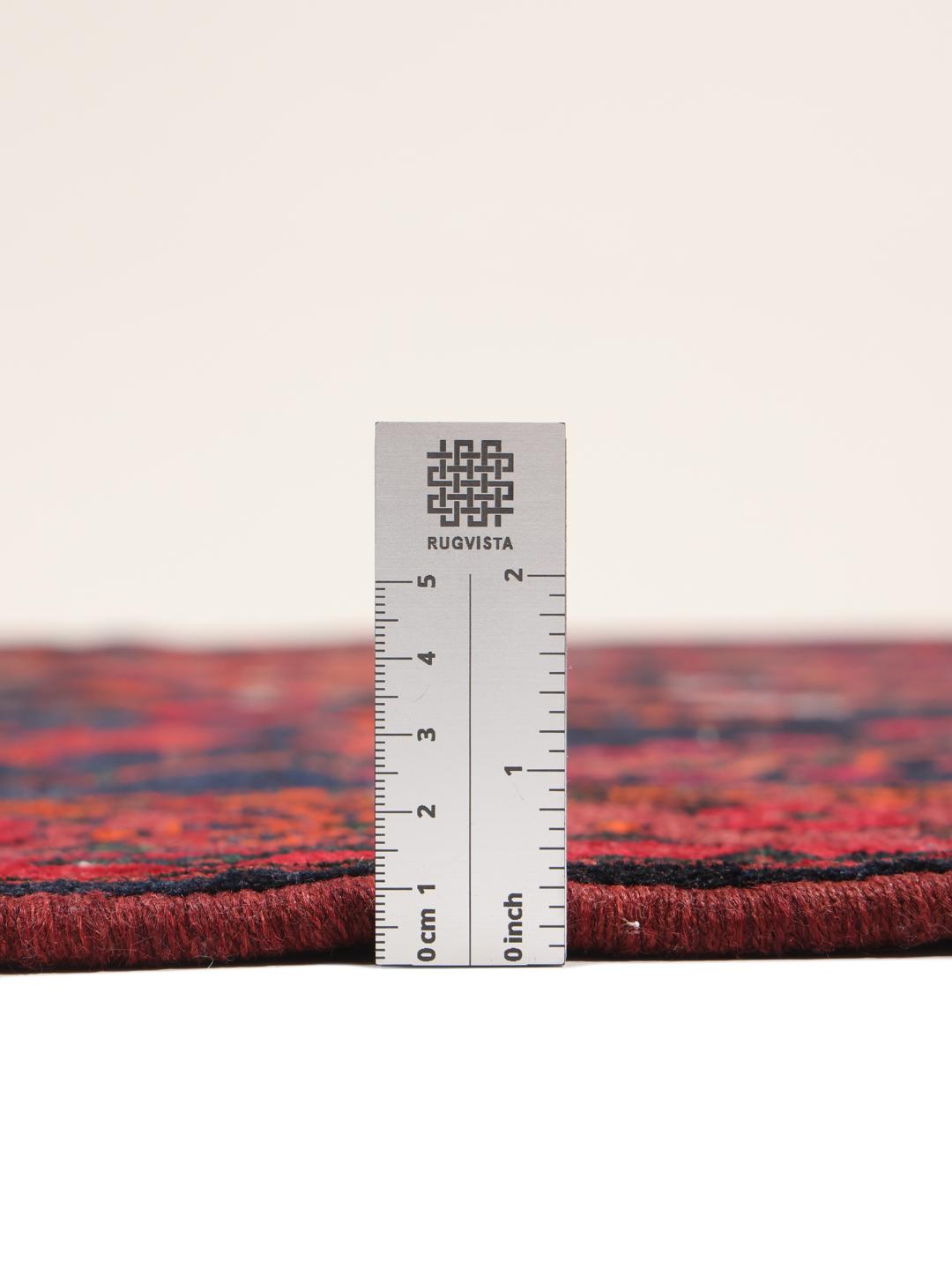
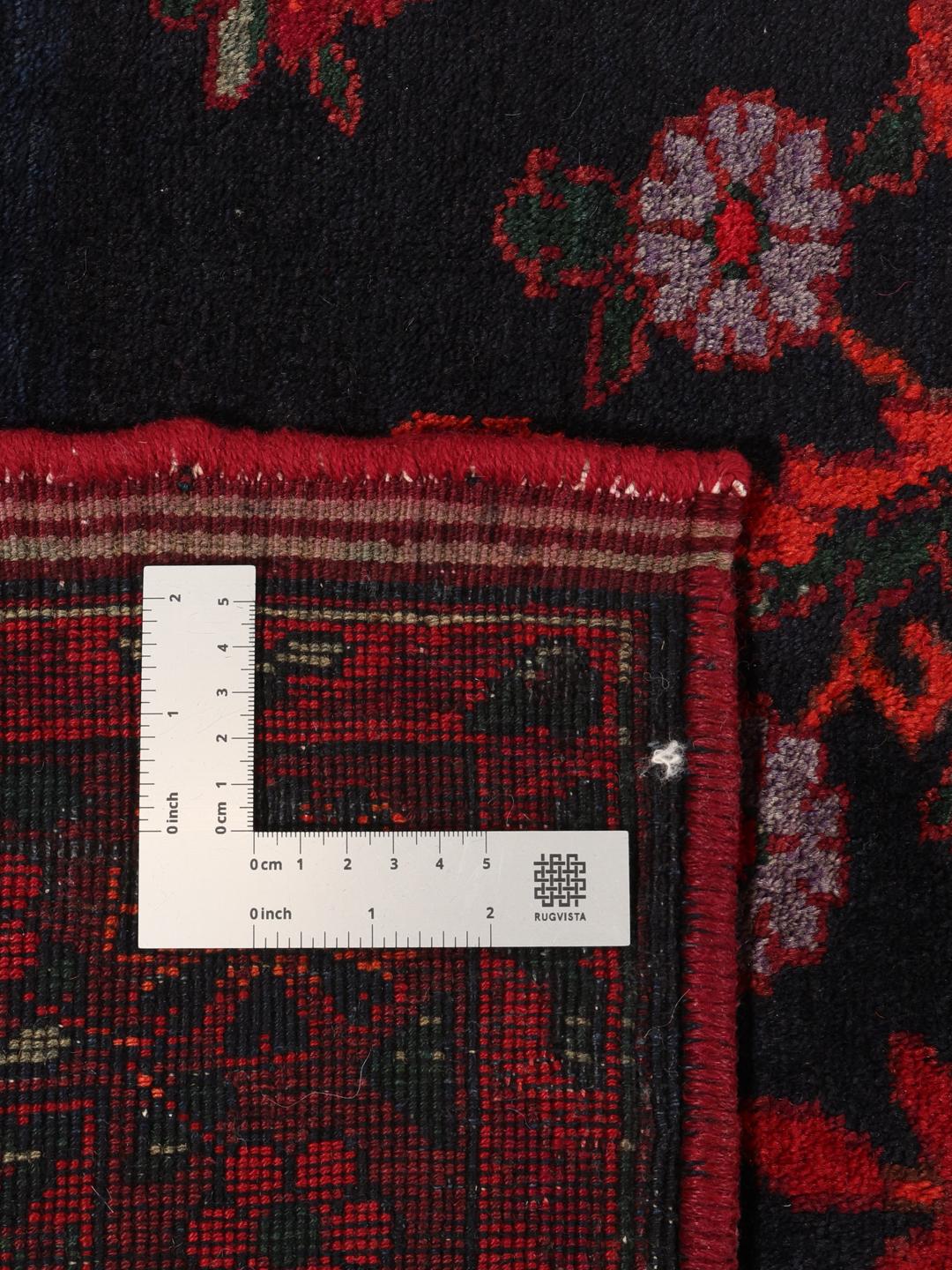
The technical quality of these rugs is defined by their sturdy construction and the use of natural dyes, which develop a beautiful patina as the rug ages. The term Afshar refers both to the tribal group and the specific weaving style, which is characterised by a firm, tight knotting that produces a durable and resilient floor covering capable of withstanding the rigours of nomadic life.
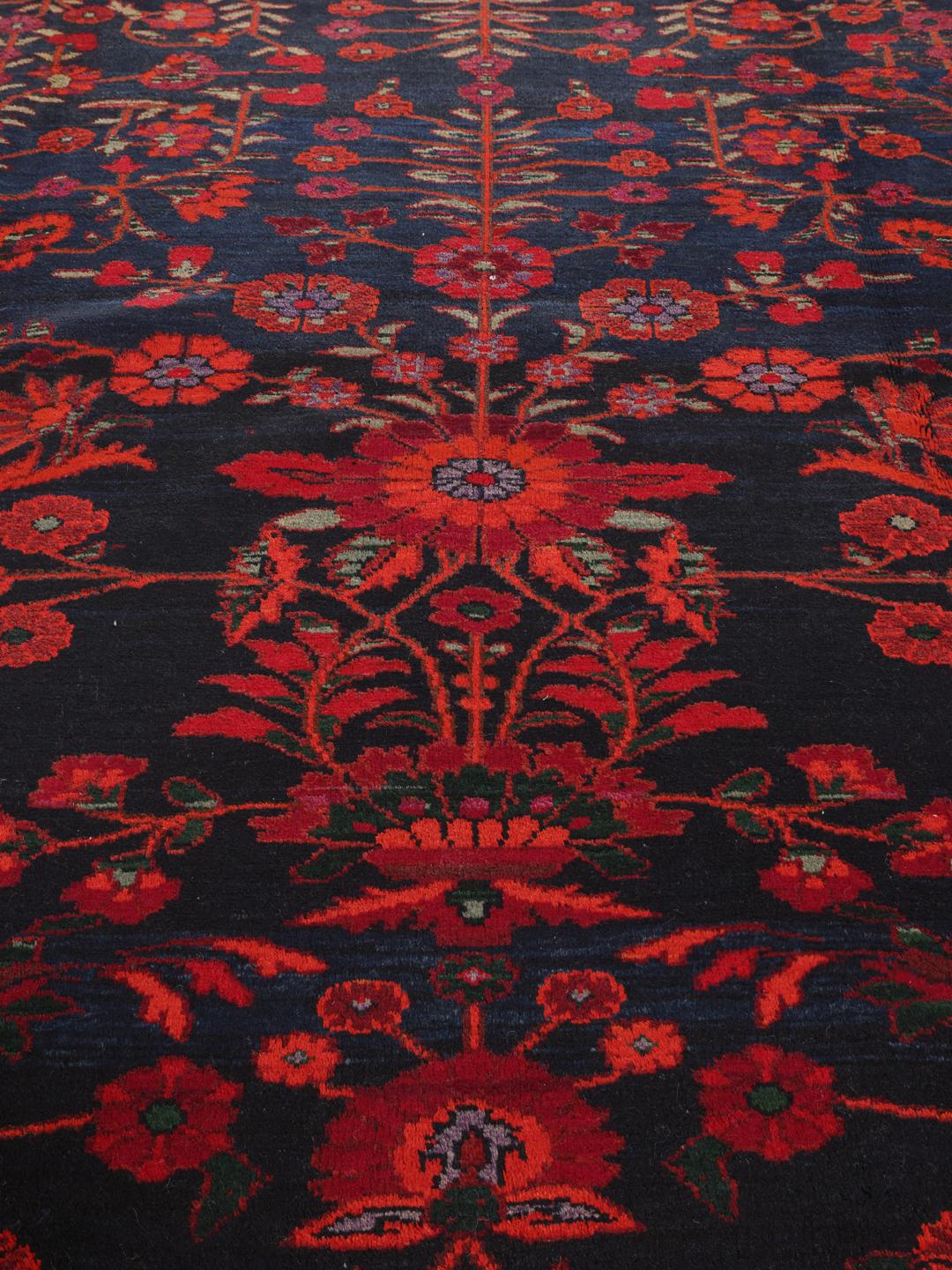
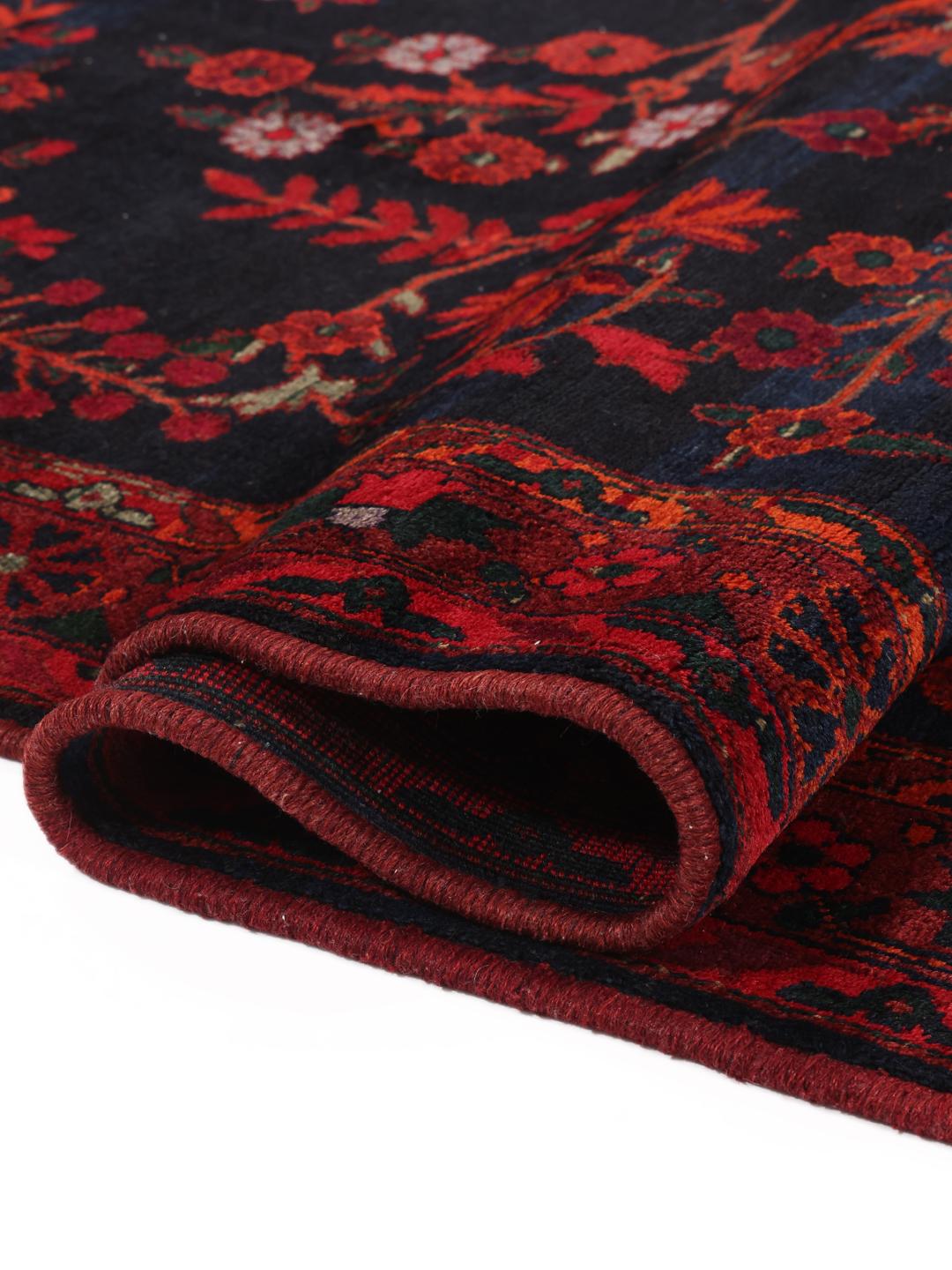
Signature design elements for this tradition often include a focus on geometric interpretations of floral motifs, such as the repeating blossoms and vines seen here. While many tribal rugs lean toward purely geometric patterns, the Afshar tradition is famous for its ability to blend formal, structured borders with more fluid, organic botanical elements, creating a look that is both balanced and dynamic.
Owning an antique piece from this tradition is a way to connect with a rich heritage of skill and artistic expression. These rugs are highly valued by collectors for their authenticity and the way they capture a specific moment in the history of Middle Eastern textile arts, representing a level of human dedication and cultural identity that remains relevant in modern homes.