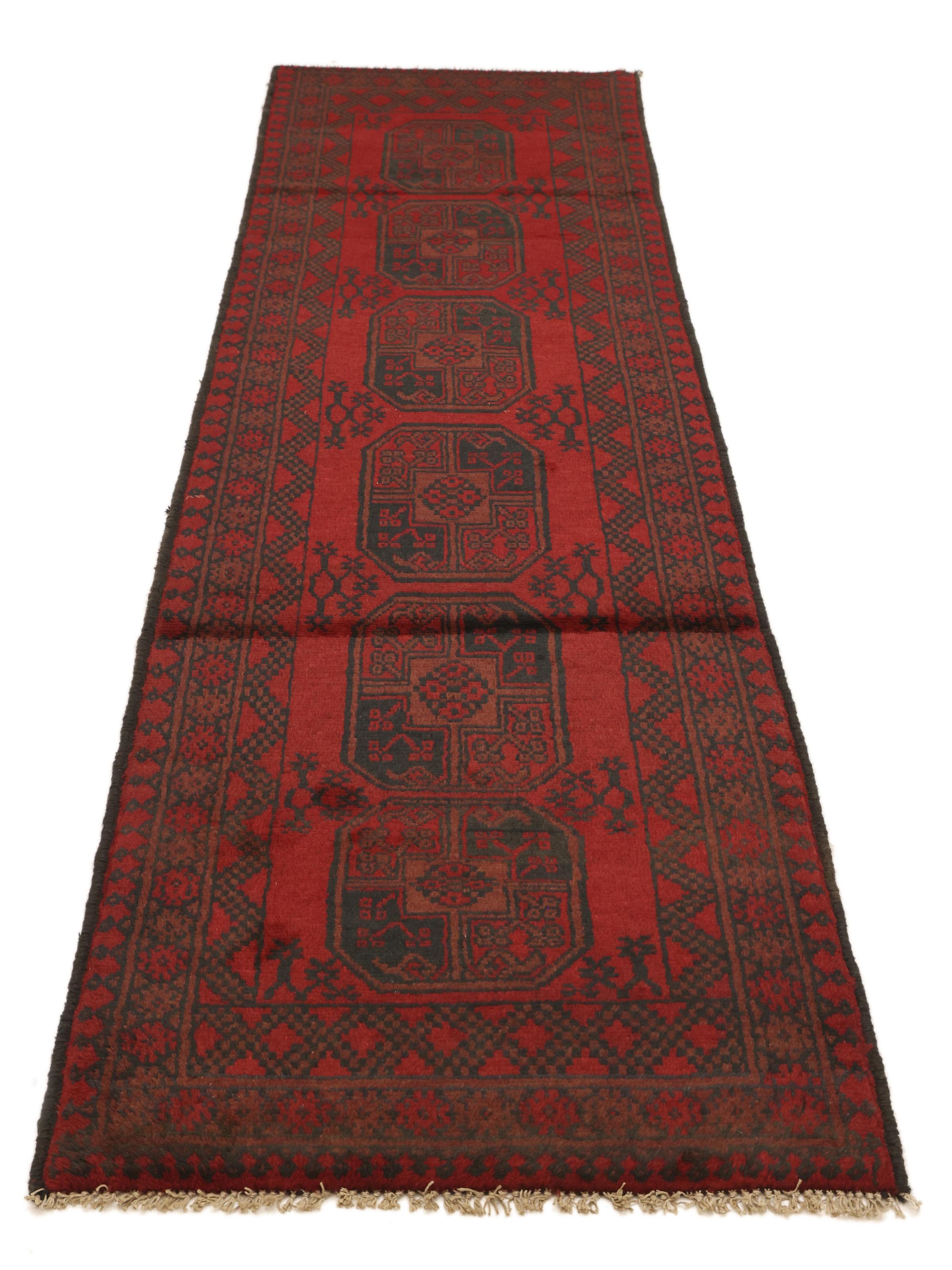
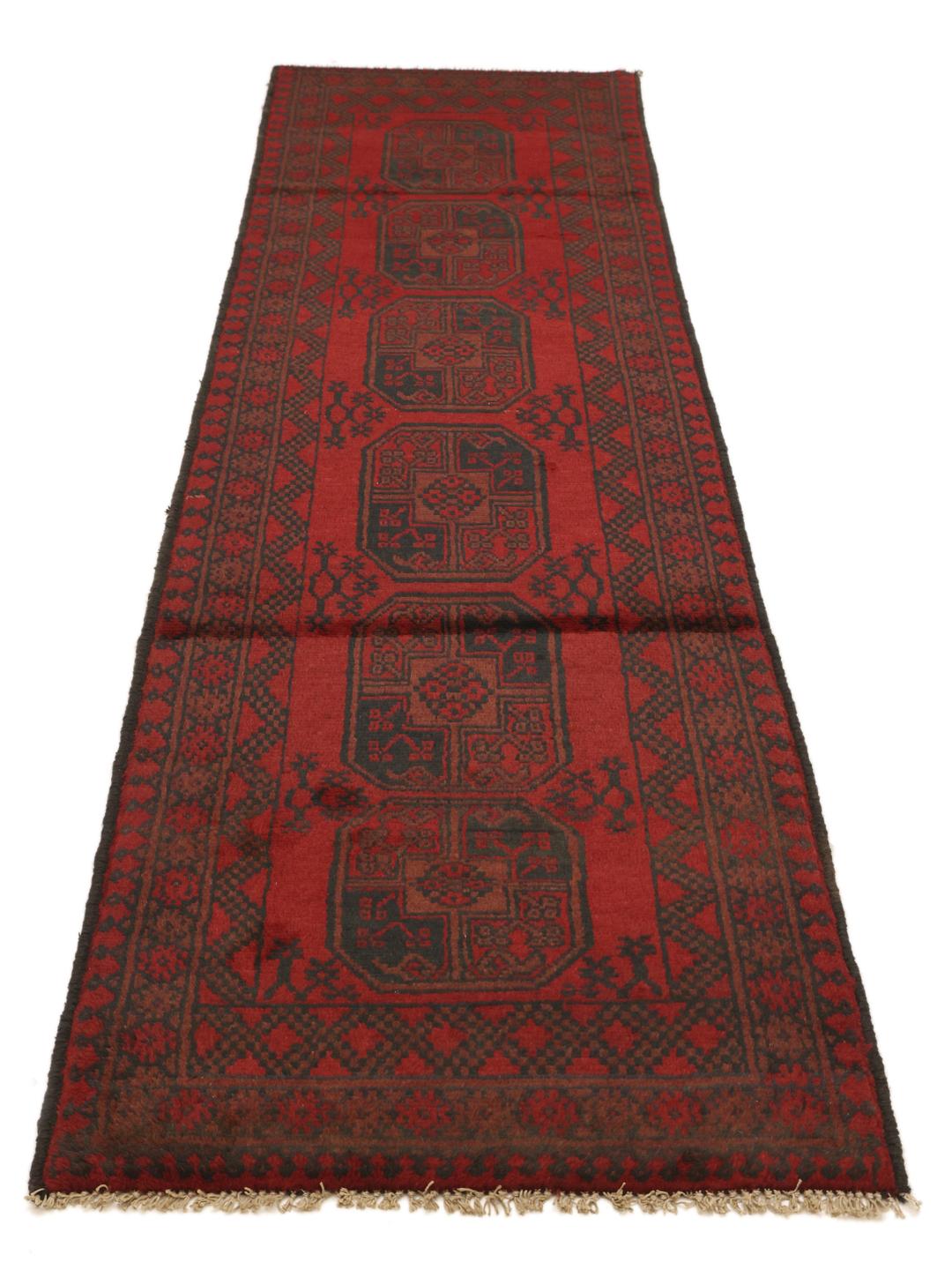
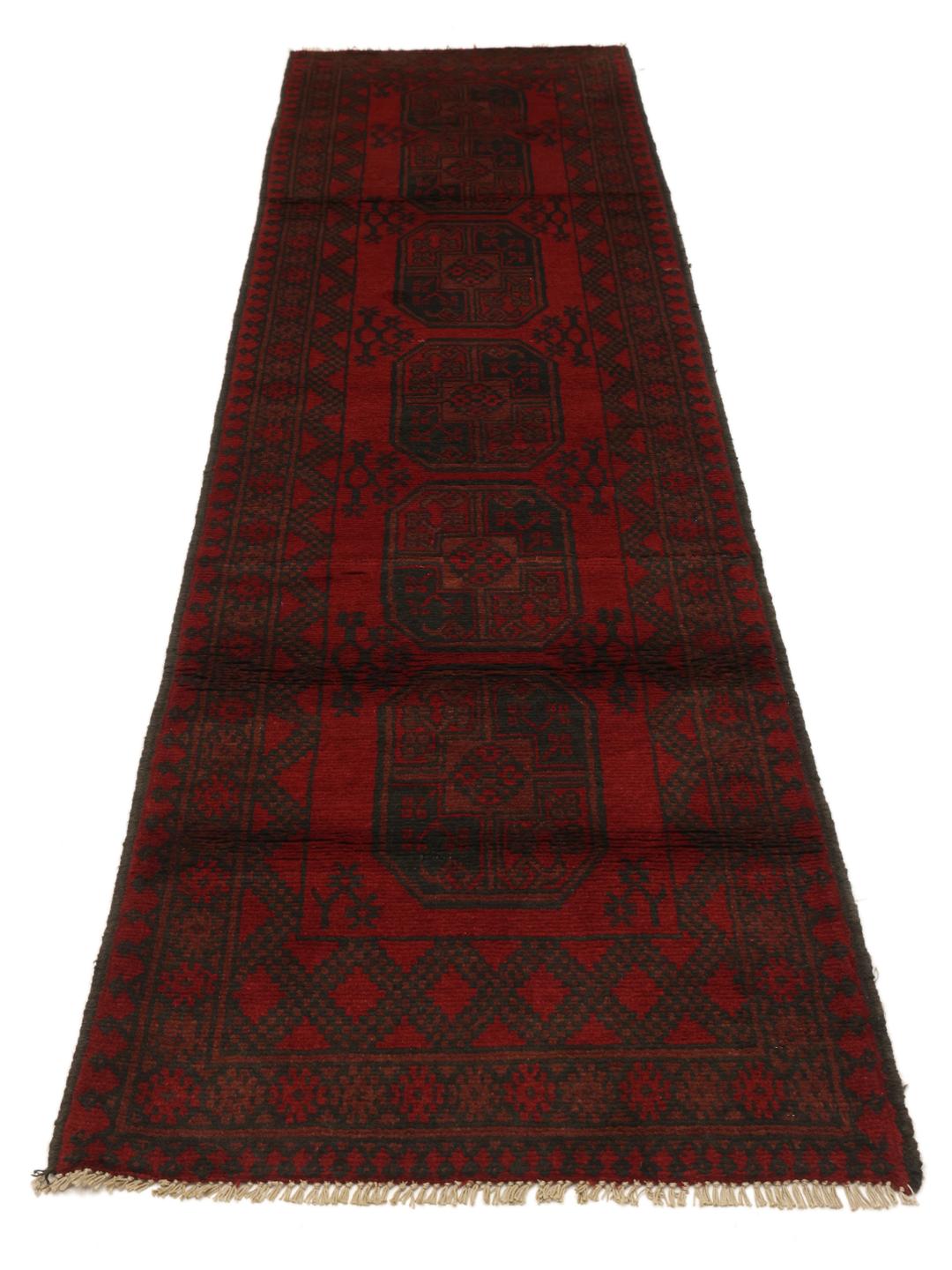
The Afghan Akhche rug tradition is deeply rooted in the northern regions of Afghanistan, where weaving has been a central part of nomadic and village life for centuries. Historically, these rugs were woven by Turkmen weavers who settled in the area, bringing with them their distinct design sensibilities and weaving techniques. Over generations, the style has evolved into a celebrated regional craft, known for its deep, warm tones and enduring structural integrity.
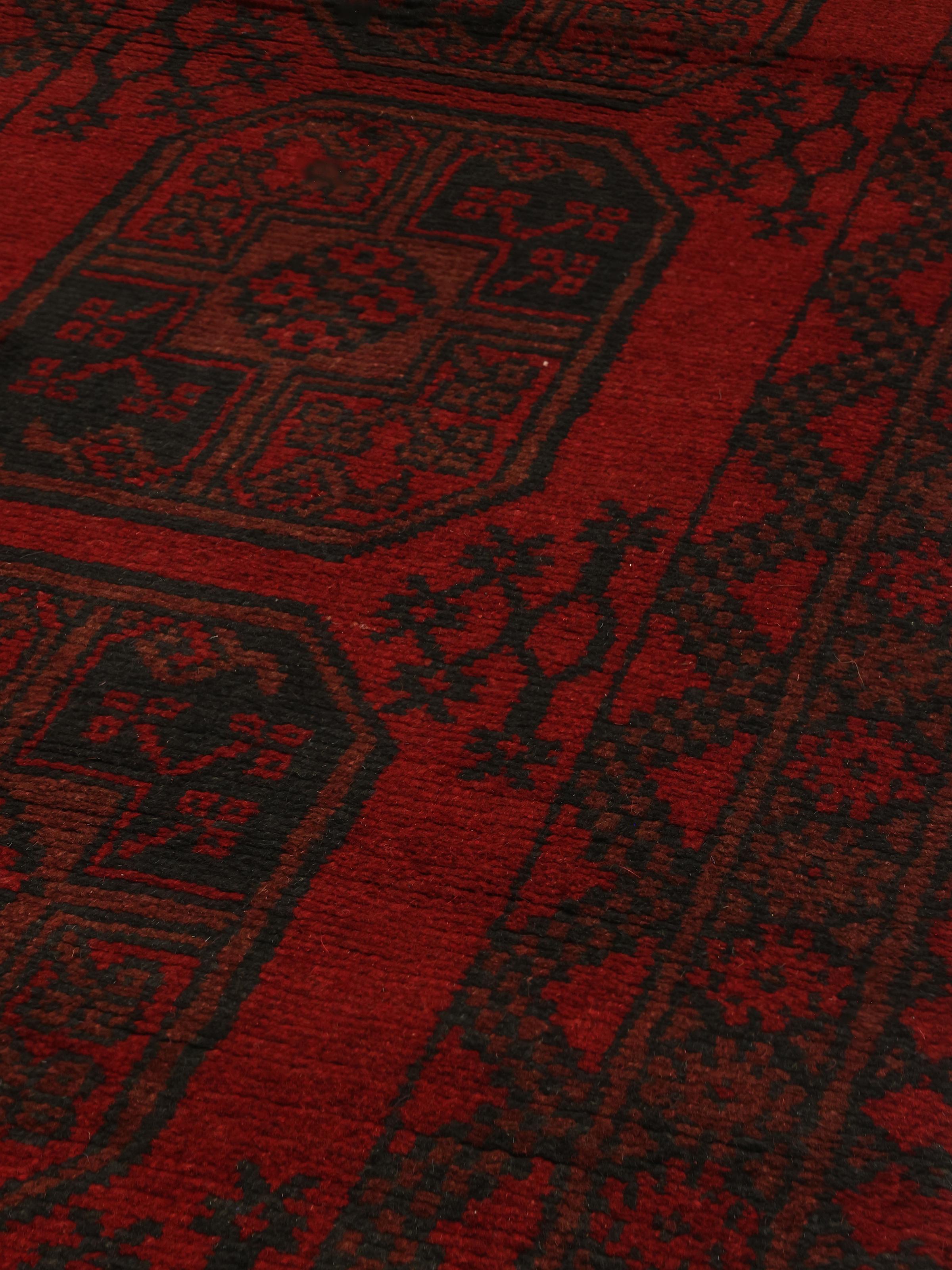
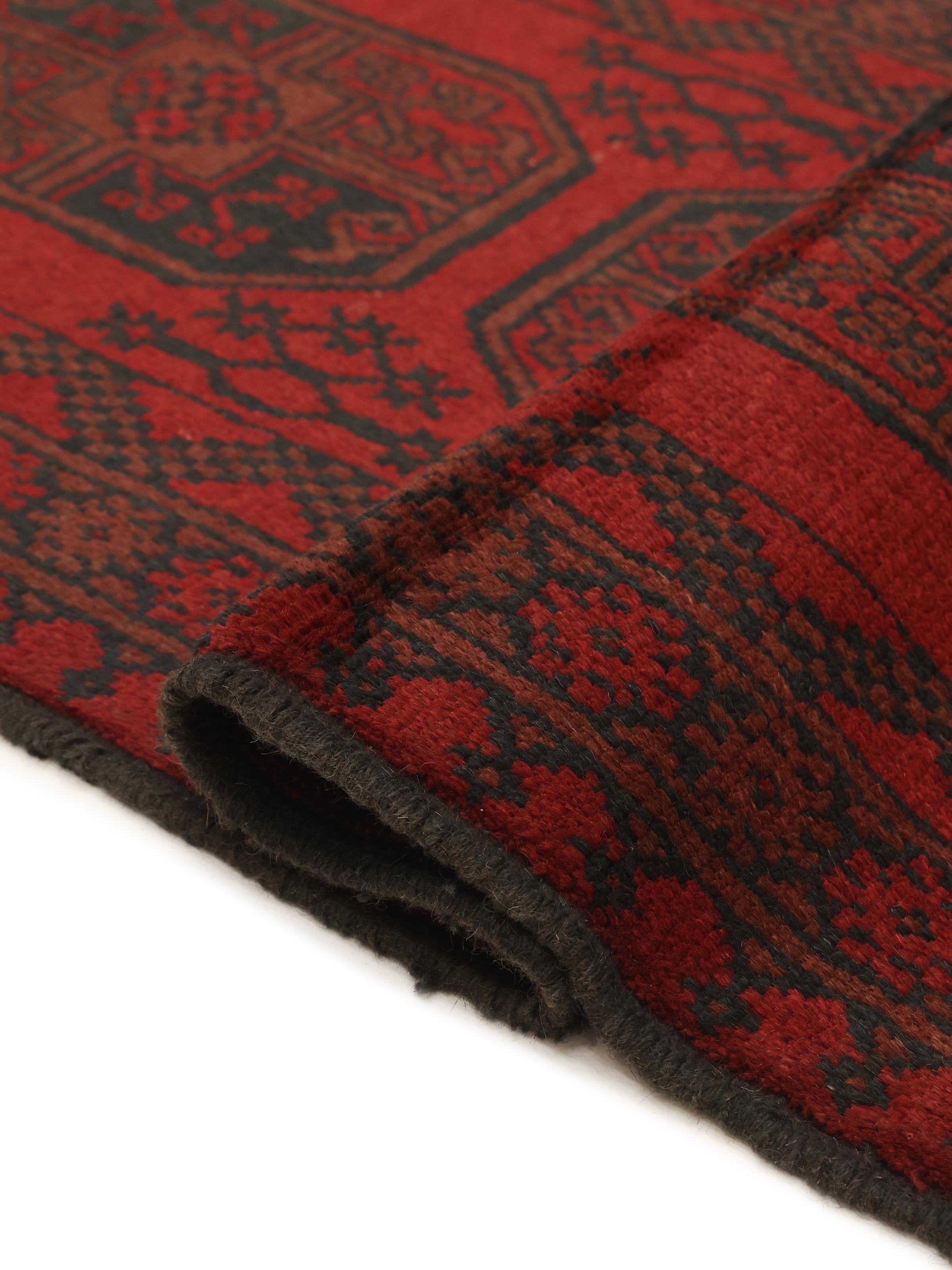
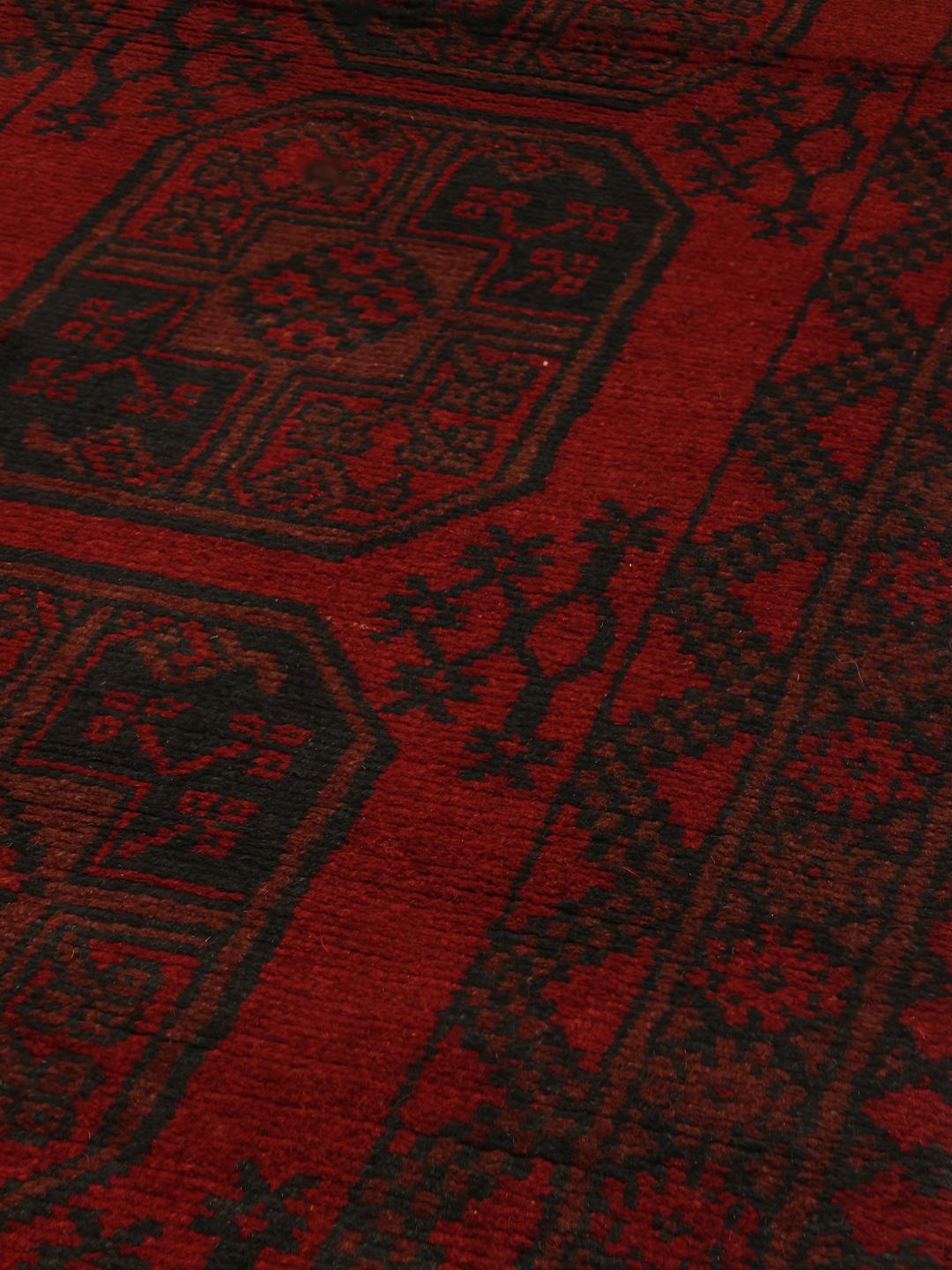
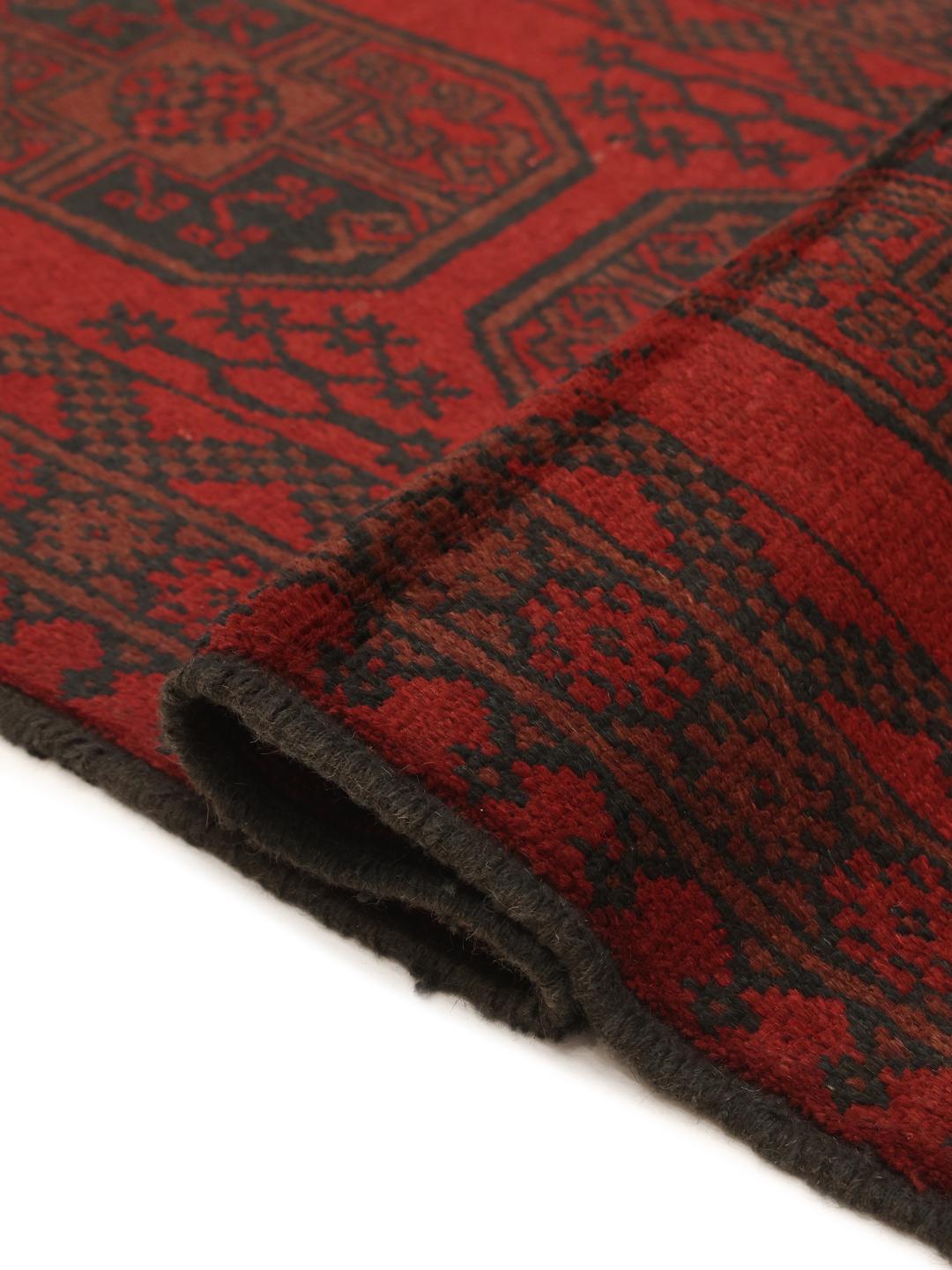
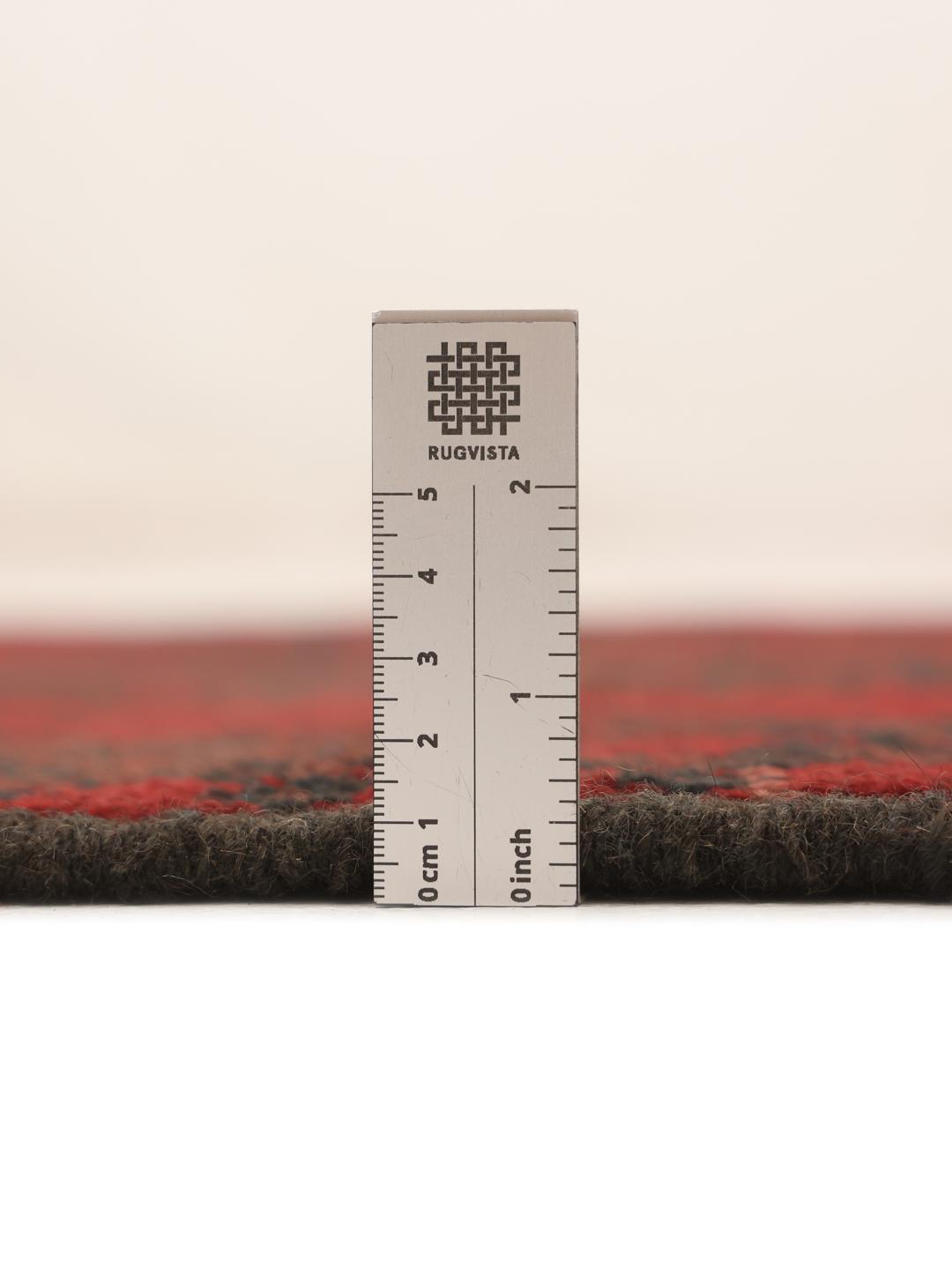
The term Akhche refers to both the specific region of origin and the traditional weaving style associated with it. Unlike finer city weaves, Akhche rugs are celebrated for their robust, honest construction and thick, comfortable pile. This traditional method of knotting produces a dense and highly durable surface that is perfectly suited to the demands of everyday living, offering a practical yet beautiful solution for busy spaces.
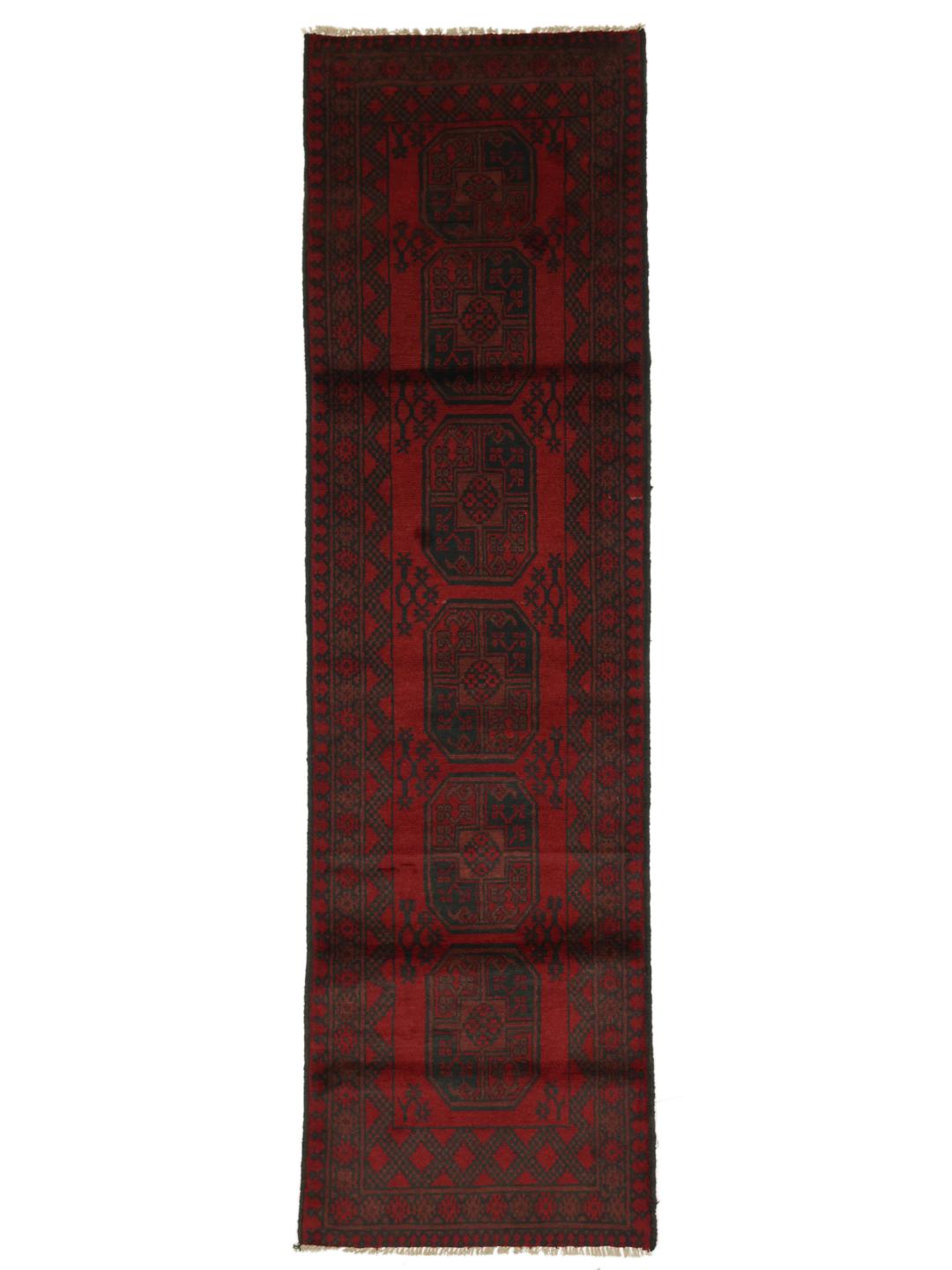
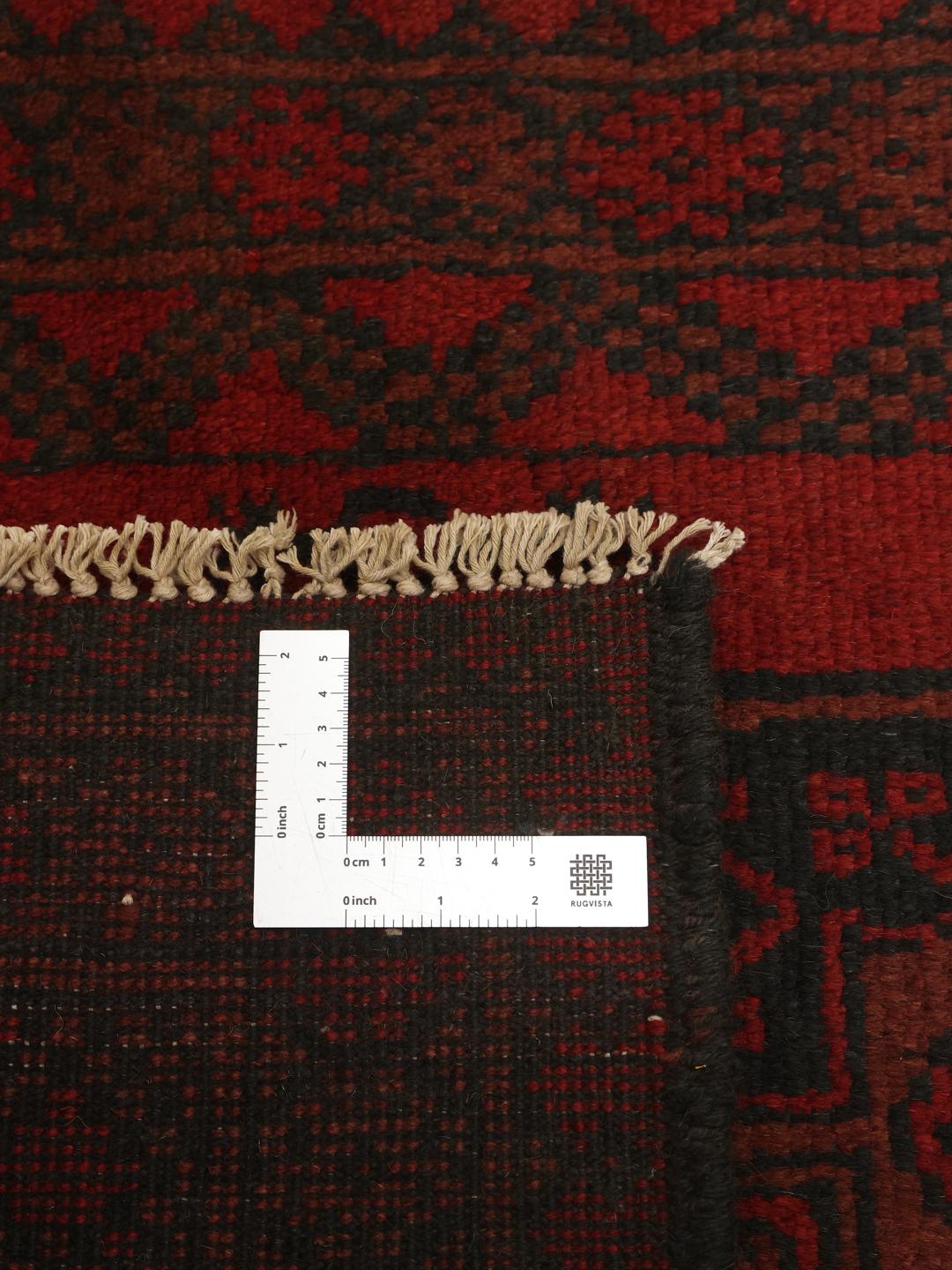
Visually, the Afghan Akhche tradition is defined by its iconic geometric medallions, often referred to as guls, which are repeated along the central field. These motifs are traditionally rendered in rich shades of dark red, terracotta, and deep blue or black, framed by intricate geometric borders. The structured, symmetrical layout of these patterns creates a sense of balance and order, making them highly versatile for both traditional and modern homes.
Owning an authentic Afghan hand-knotted runner is about more than just decorating a floor; it is about preserving a living heritage. Each piece represents hours of dedicated craftsmanship and a cultural legacy passed down through families. For collectors and homeowners alike, these rugs are valued for their rustic charm, incredible durability, and the human story woven into every single thread.