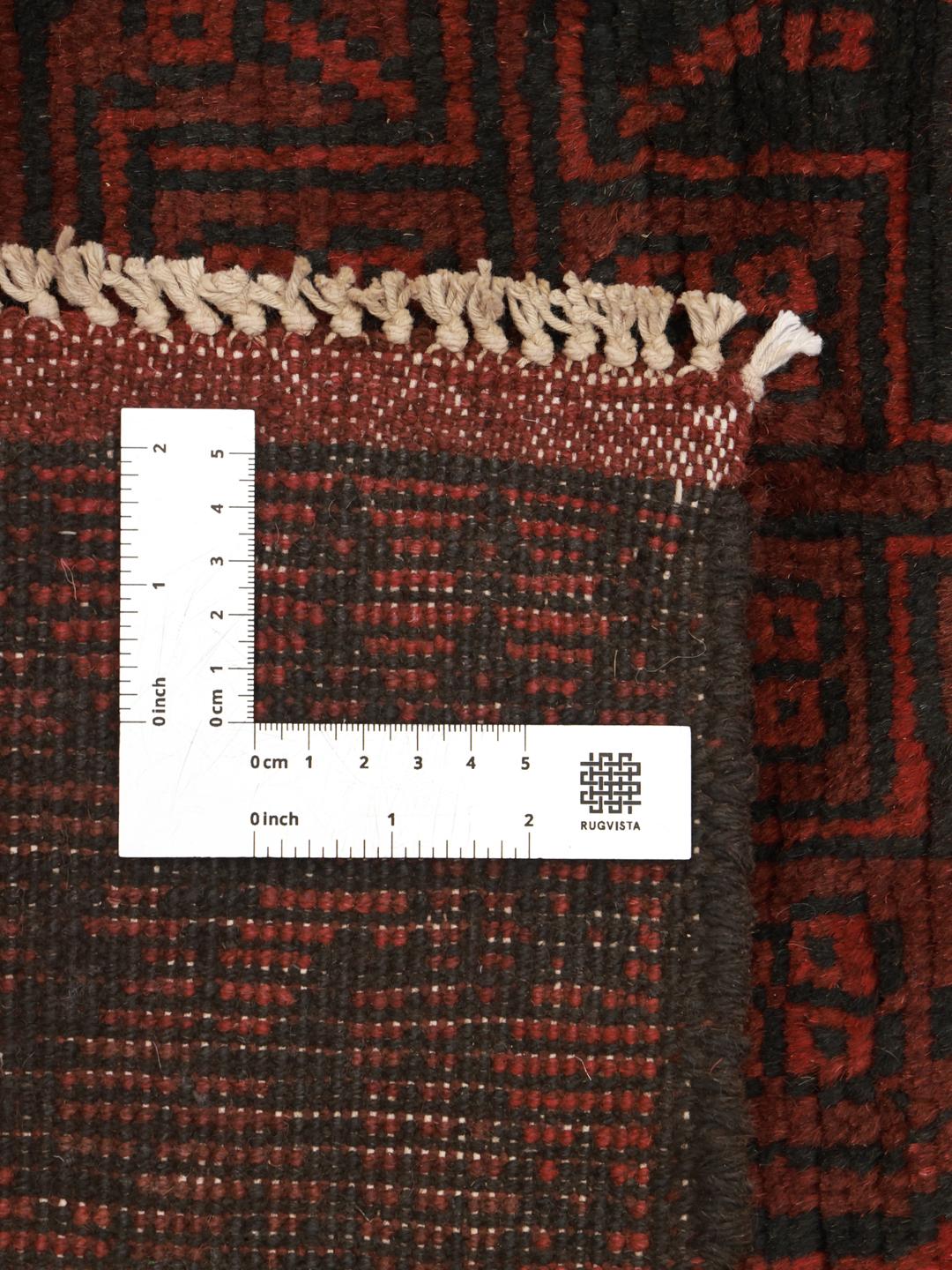
The Afghan Akhche rug tradition finds its roots in the nomadic and semi-nomadic weaving cultures of northern Afghanistan. These rugs are renowned for their strength and deep, earthy colour palettes, which are traditionally derived from natural dyes. Over centuries, these weaving techniques have been passed down through generations, evolving to meet the demands of changing markets while retaining their essential, rugged character.
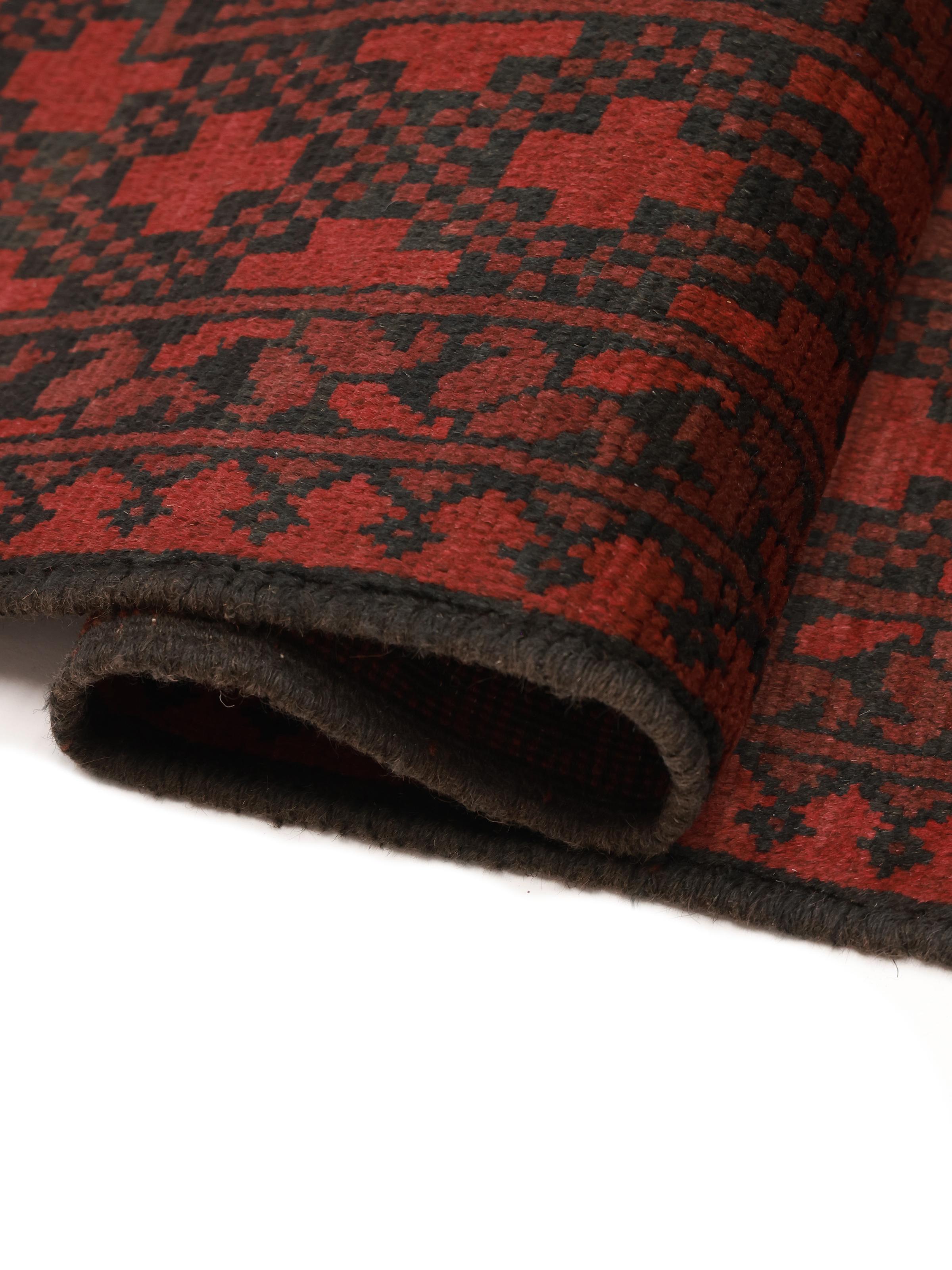
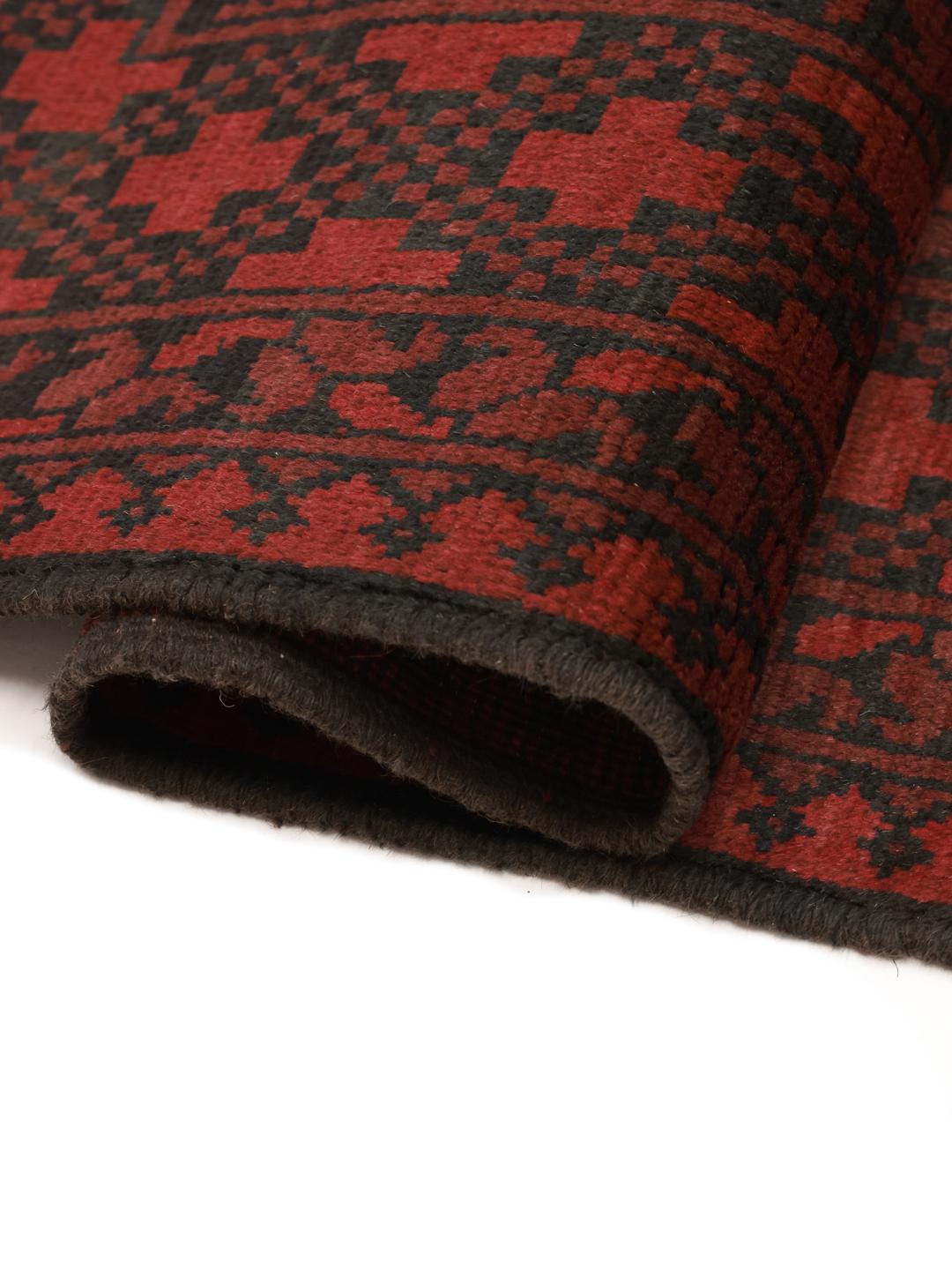
The term Akhche refers to a specific regional style characterised by its bold, geometric clarity and robust construction. The use of wool for the pile is central to this tradition, as it provides the necessary durability for life in a harsh climate. This material is chosen not only for its resilience but also for its ability to retain rich, deep colours, which are a hallmark of the finest examples from this region.
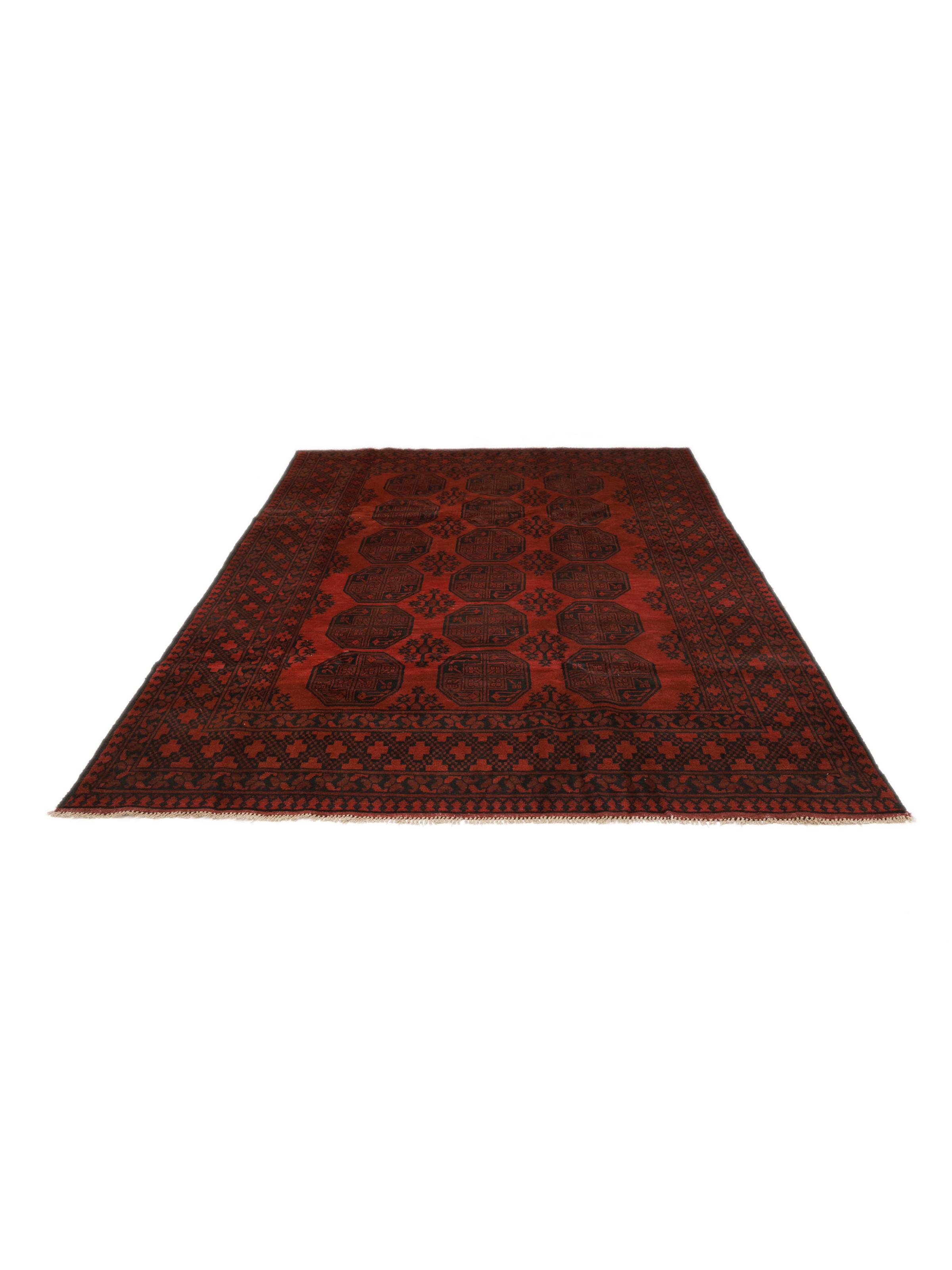
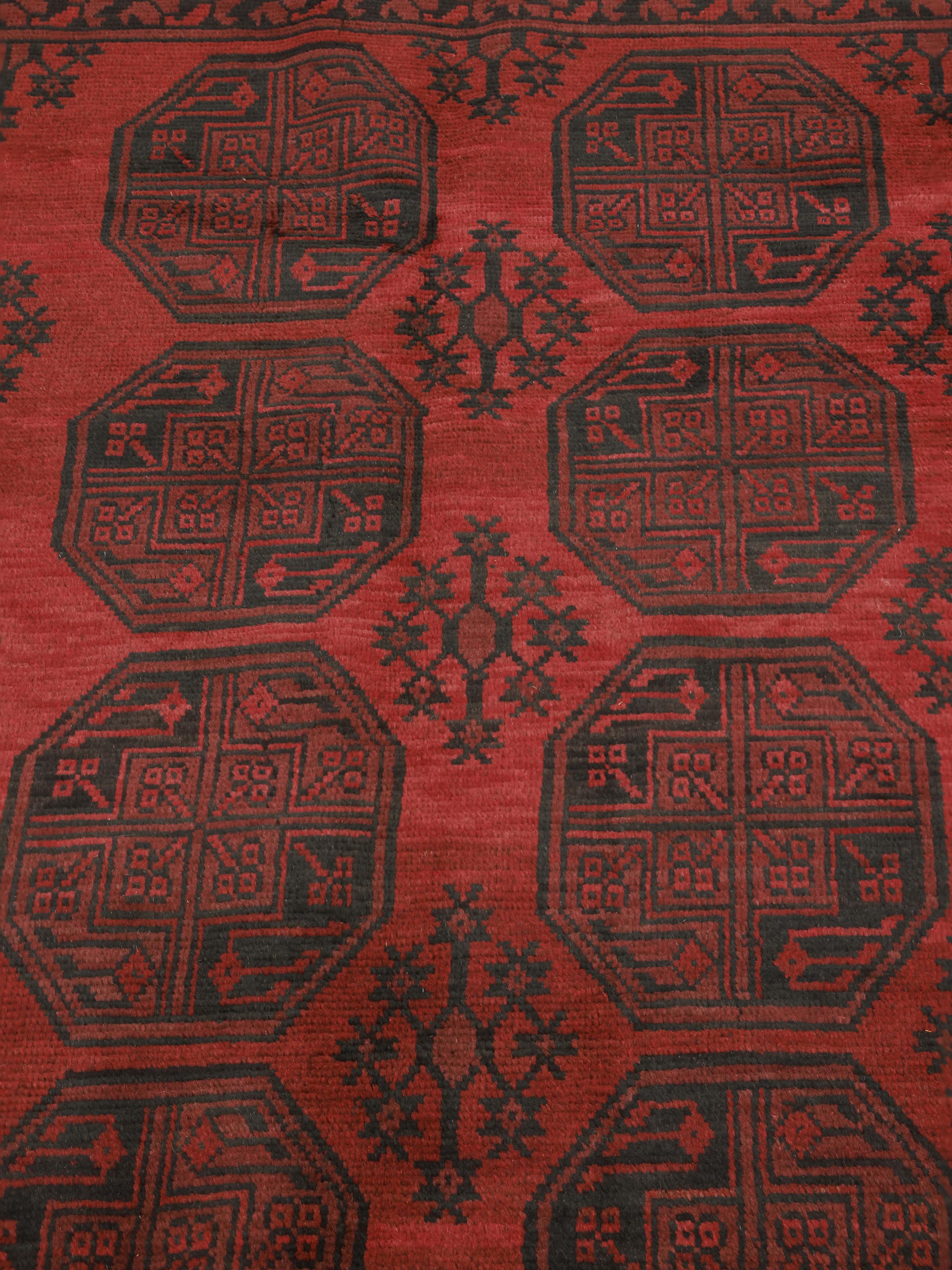
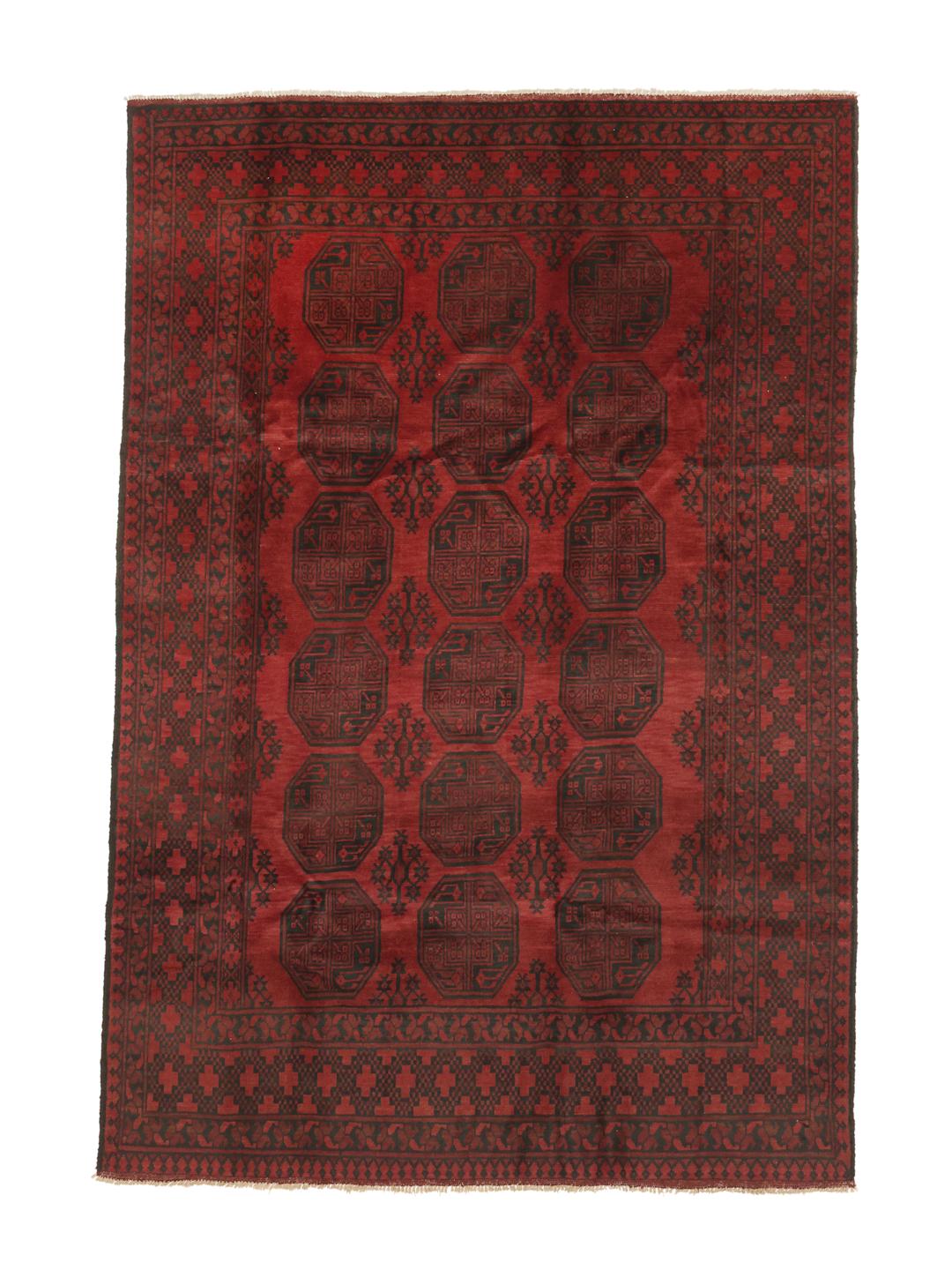
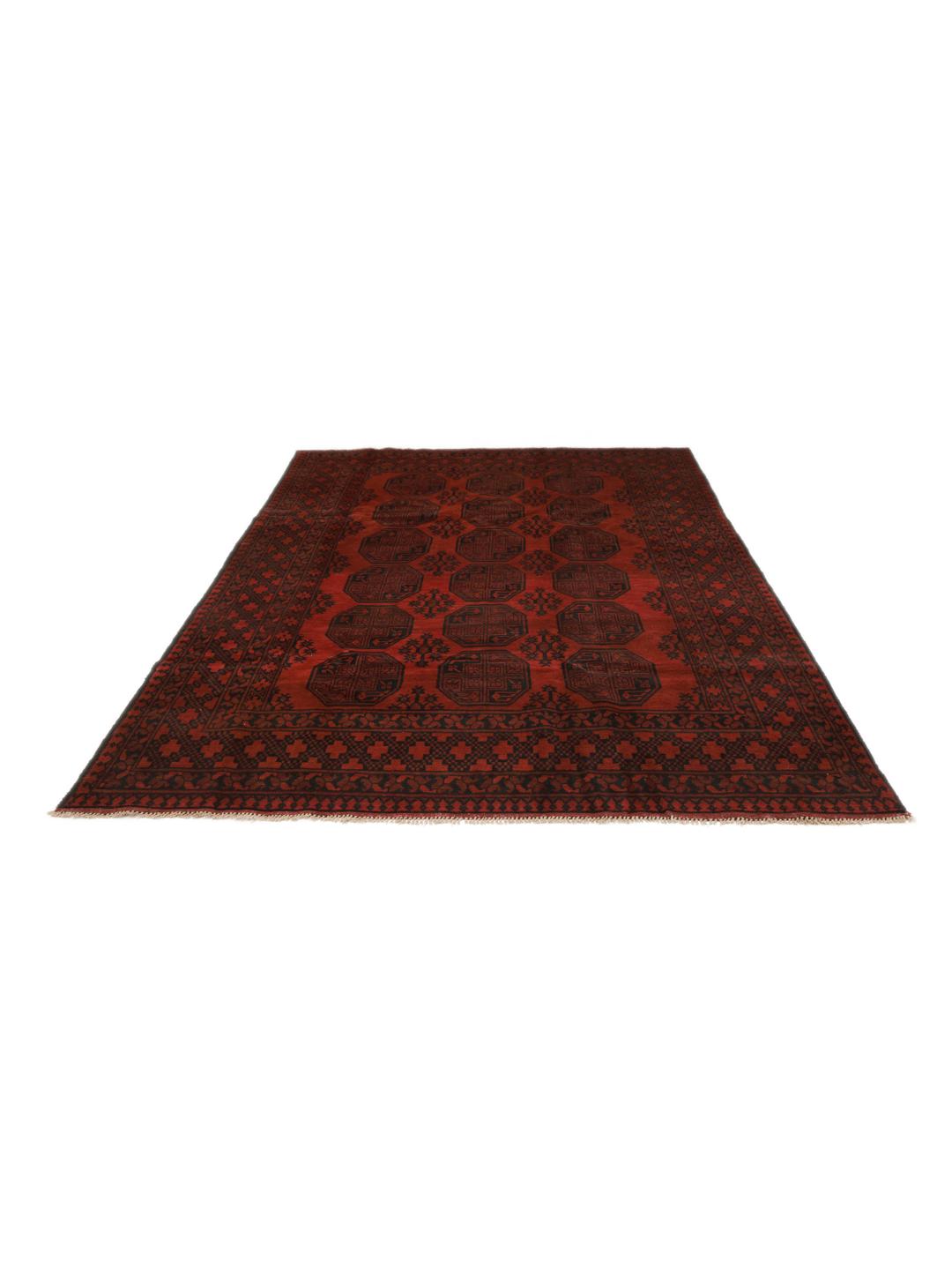
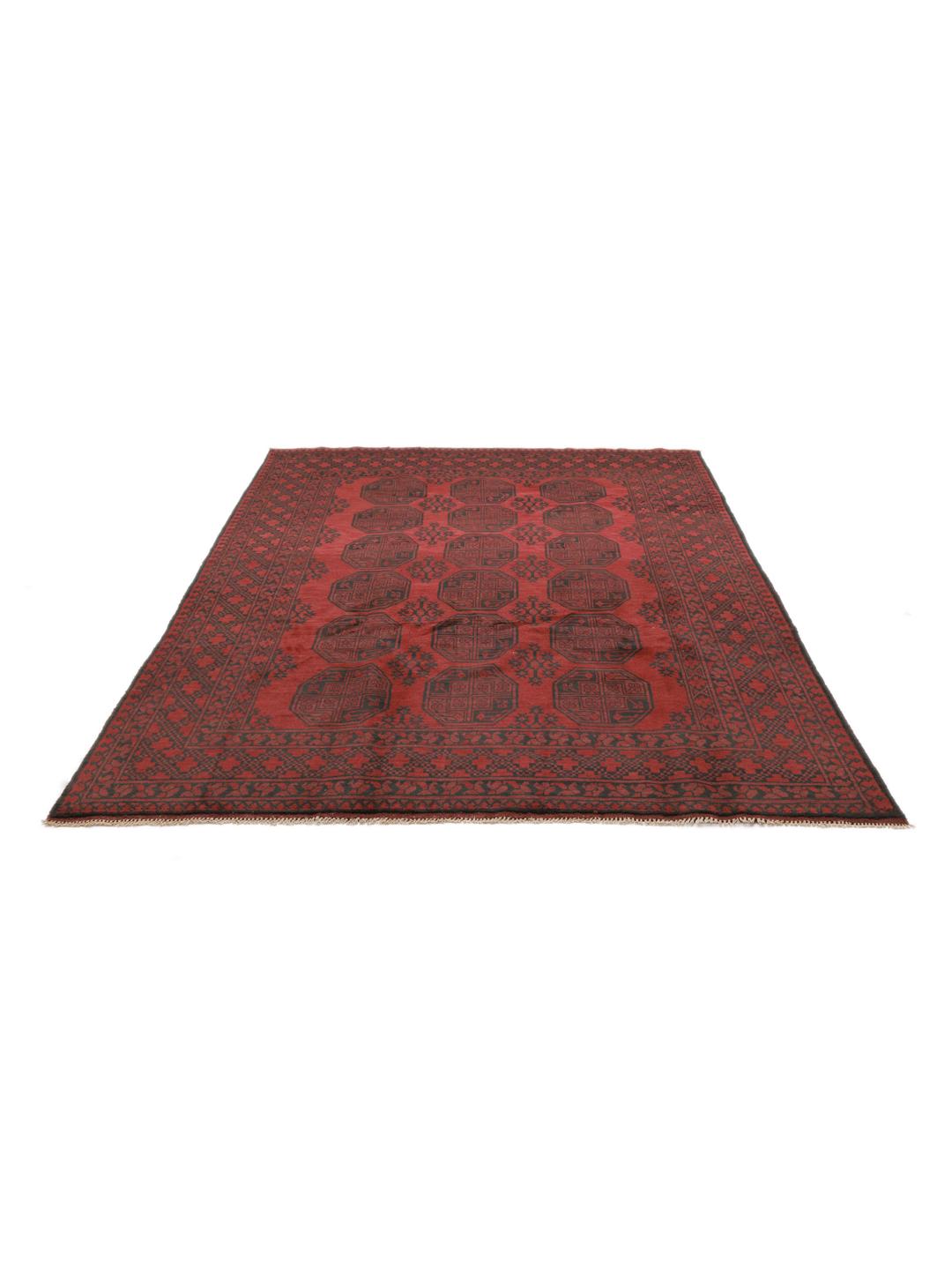
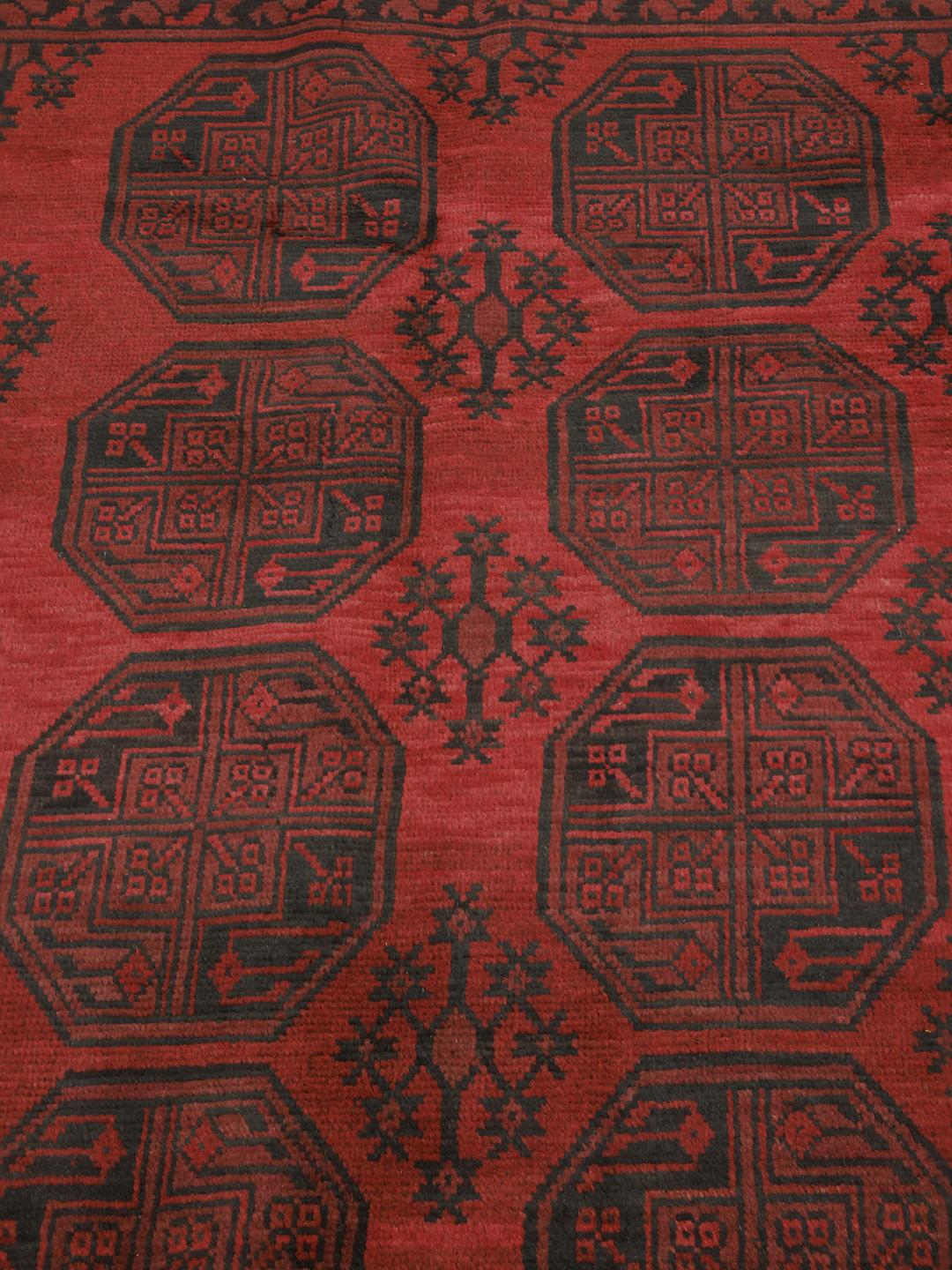
Signature design elements of these rugs include the prominent use of repeating geometric medallions, often referred to as guls, which are set against a field of deep, vibrant red. The borders are typically filled with intricate, repeating tribal motifs that frame the centre, creating a balanced and formal appearance. This specific rug showcases these traditional elements with a crispness that speaks to the skill of the weaver.
Collecting Afghan rugs is a way to honour the artistry and resilience of the people who create them. These pieces are valued for their authenticity and the human story behind each knot. Owning an Akhche rug is more than just a decor choice; it is an investment in a living tradition that celebrates the beauty of hand-crafted work and the enduring history of the Middle East.