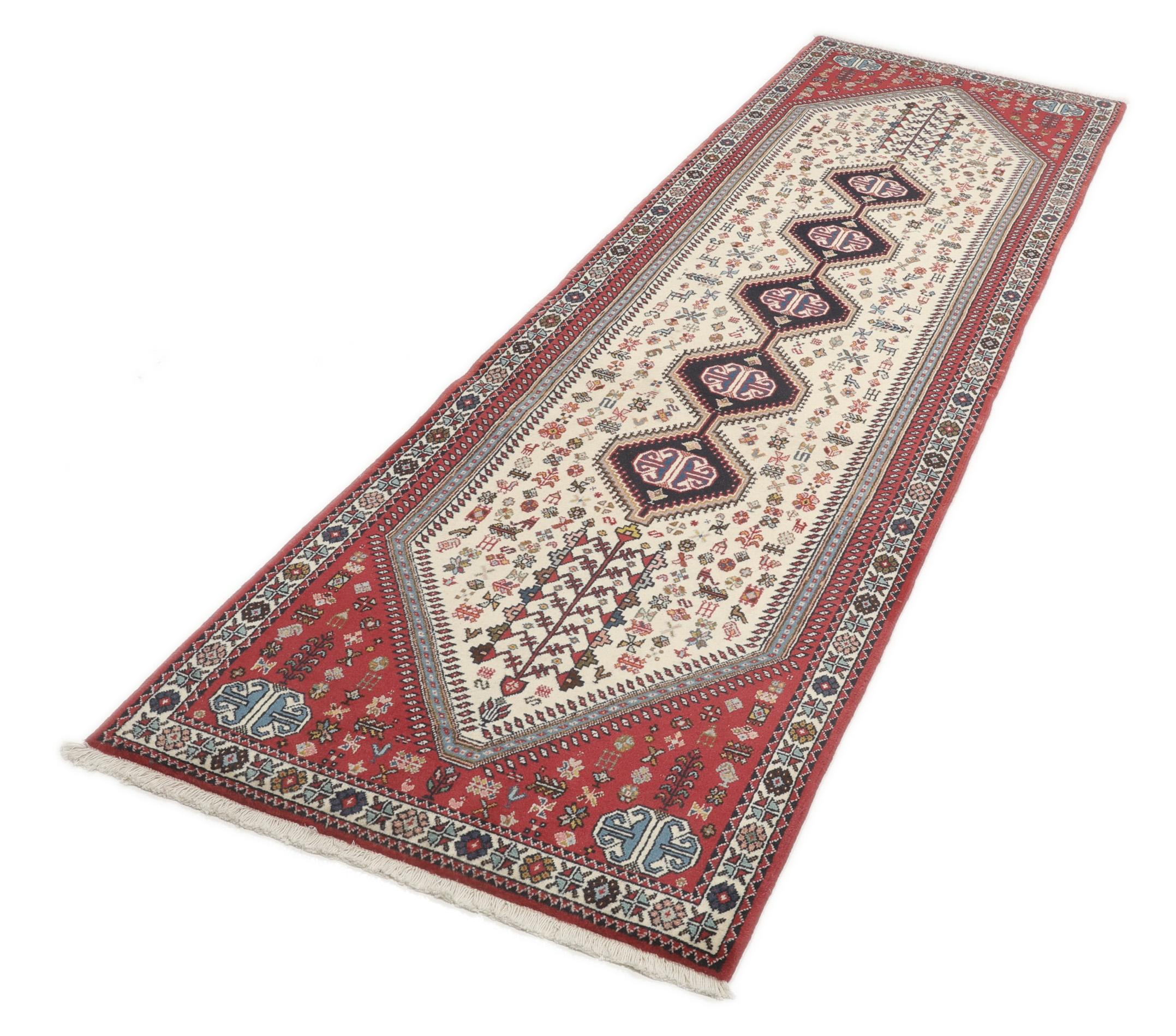
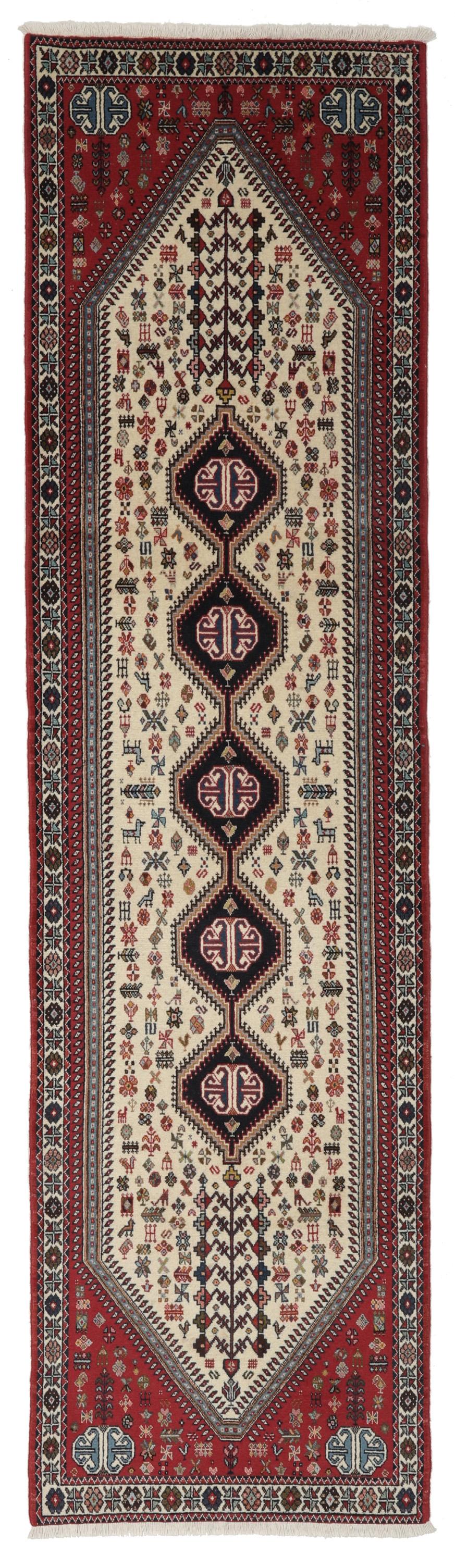
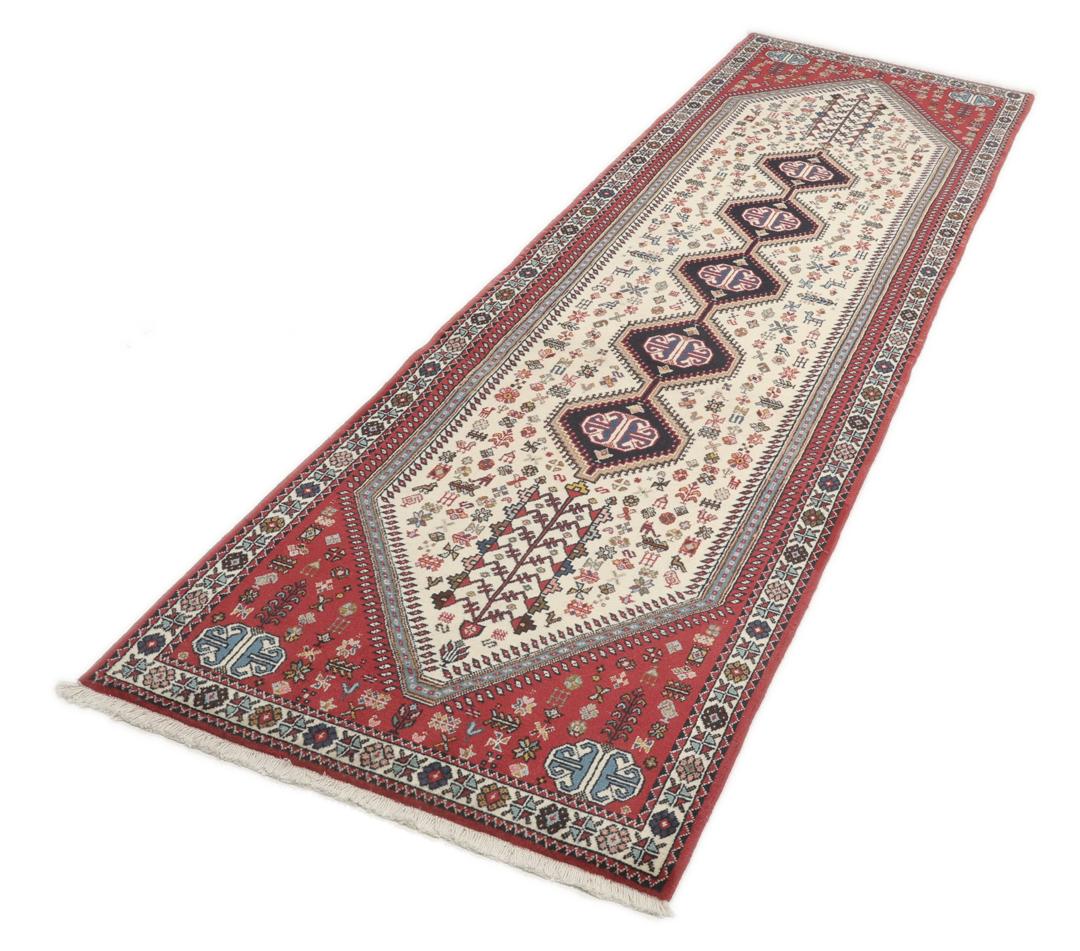
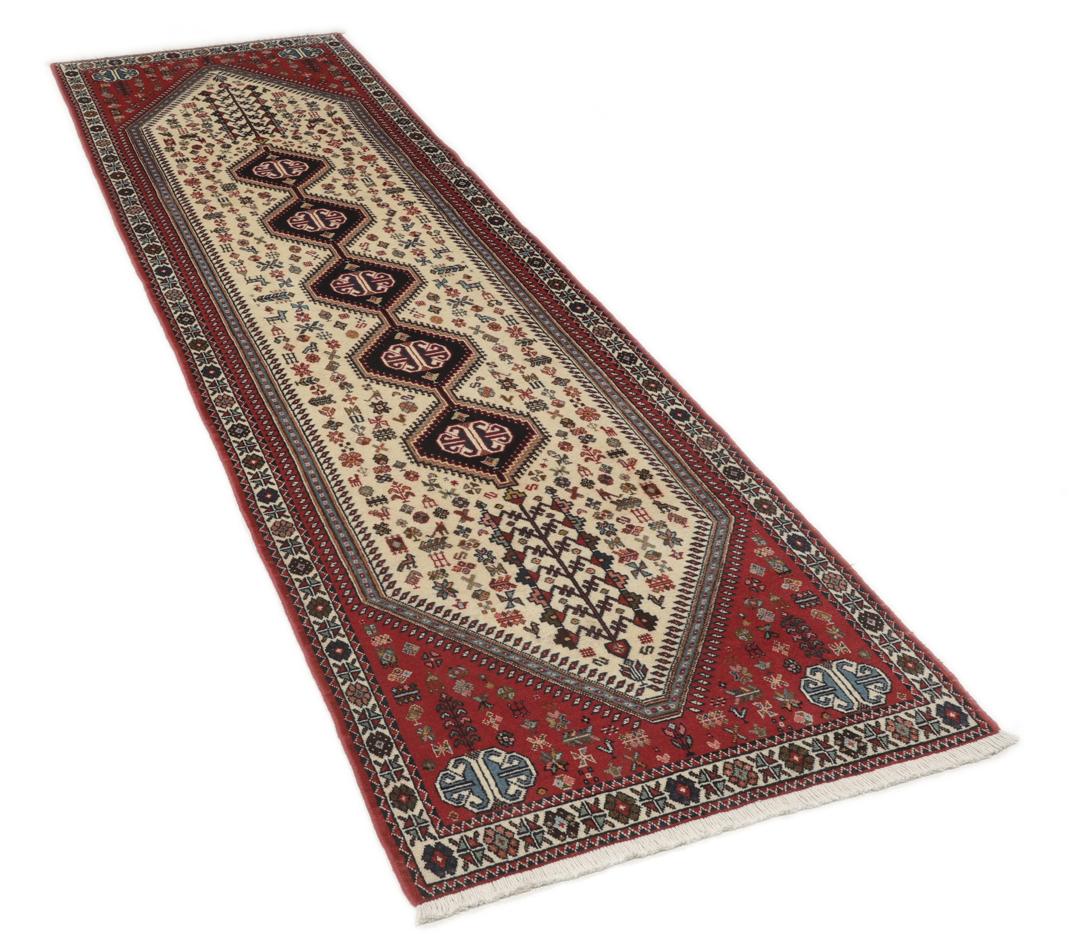
The Abadeh rug takes its name from the city of Abadeh, situated in the Fars province of the Middle East. Historically, this region has been a vibrant hub for tribal weaving traditions, where nomadic and semi-nomadic groups have long exchanged designs and techniques. These rugs are highly regarded for their ability to bridge the gap between refined city weaving and the raw, expressive energy of nomadic art.
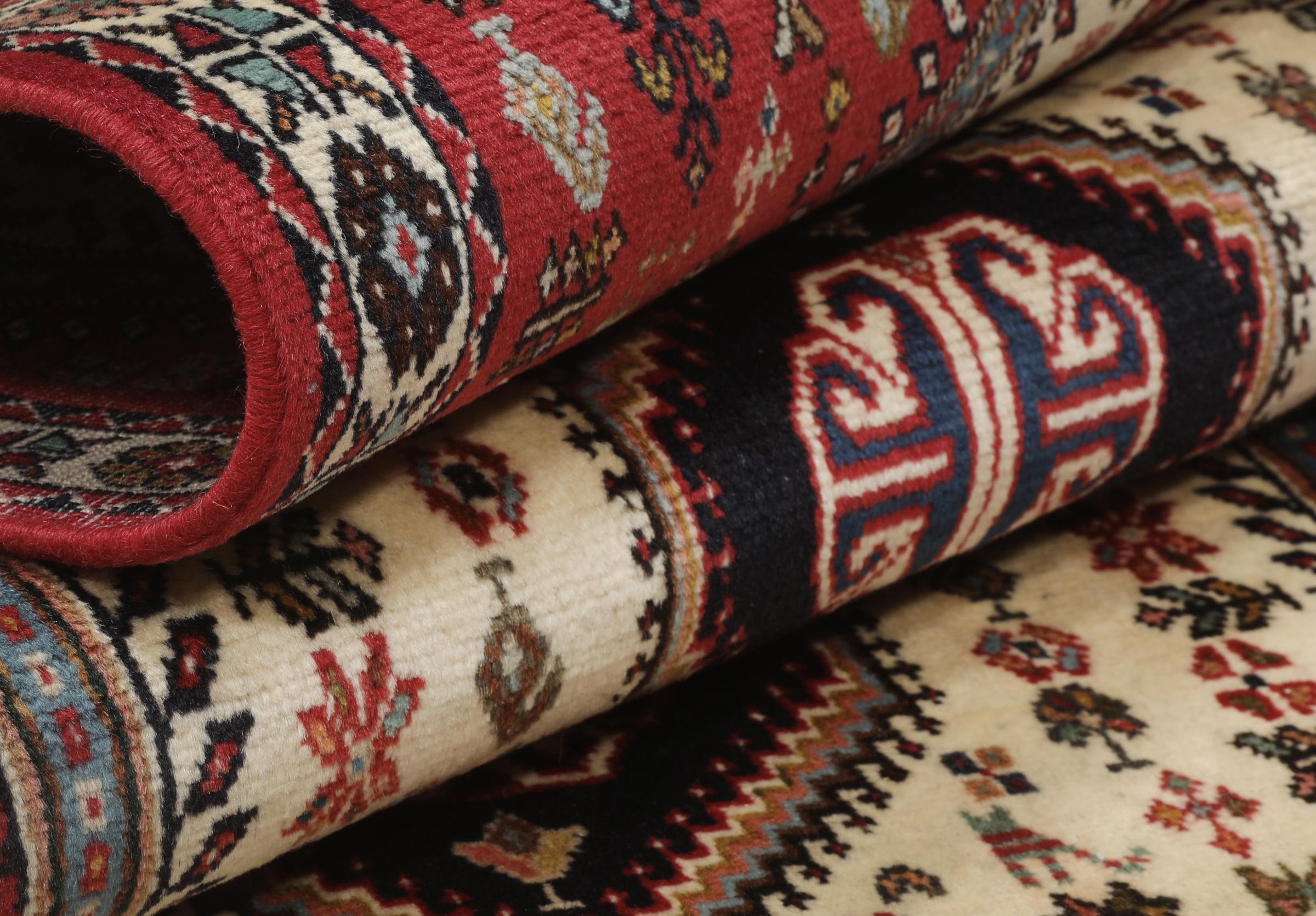
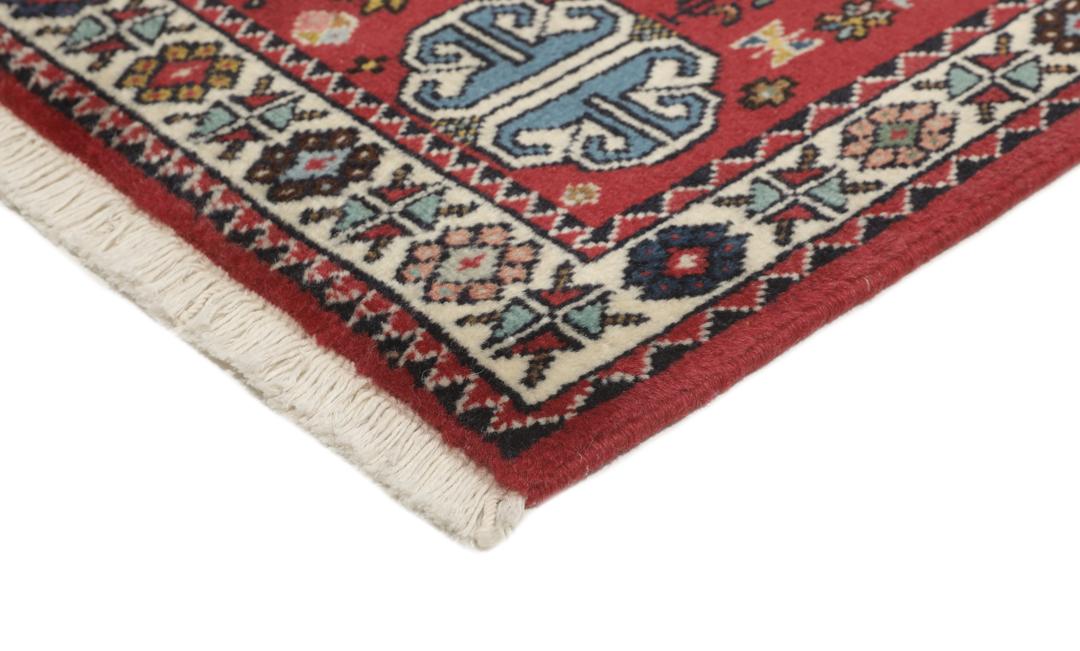
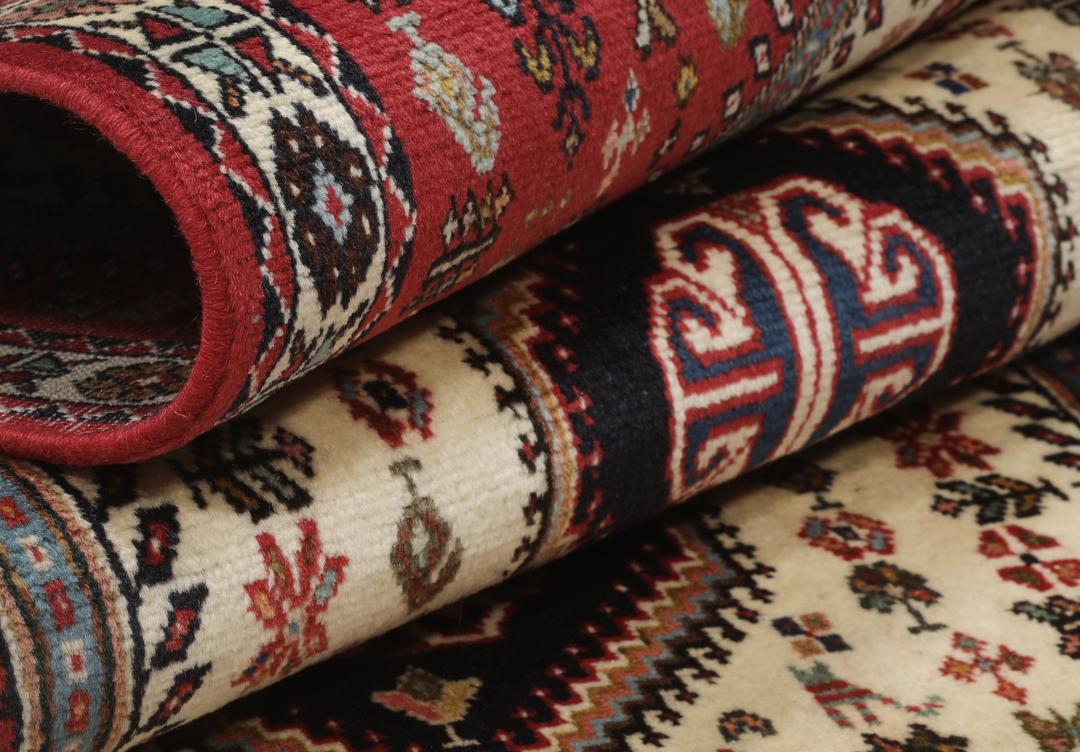
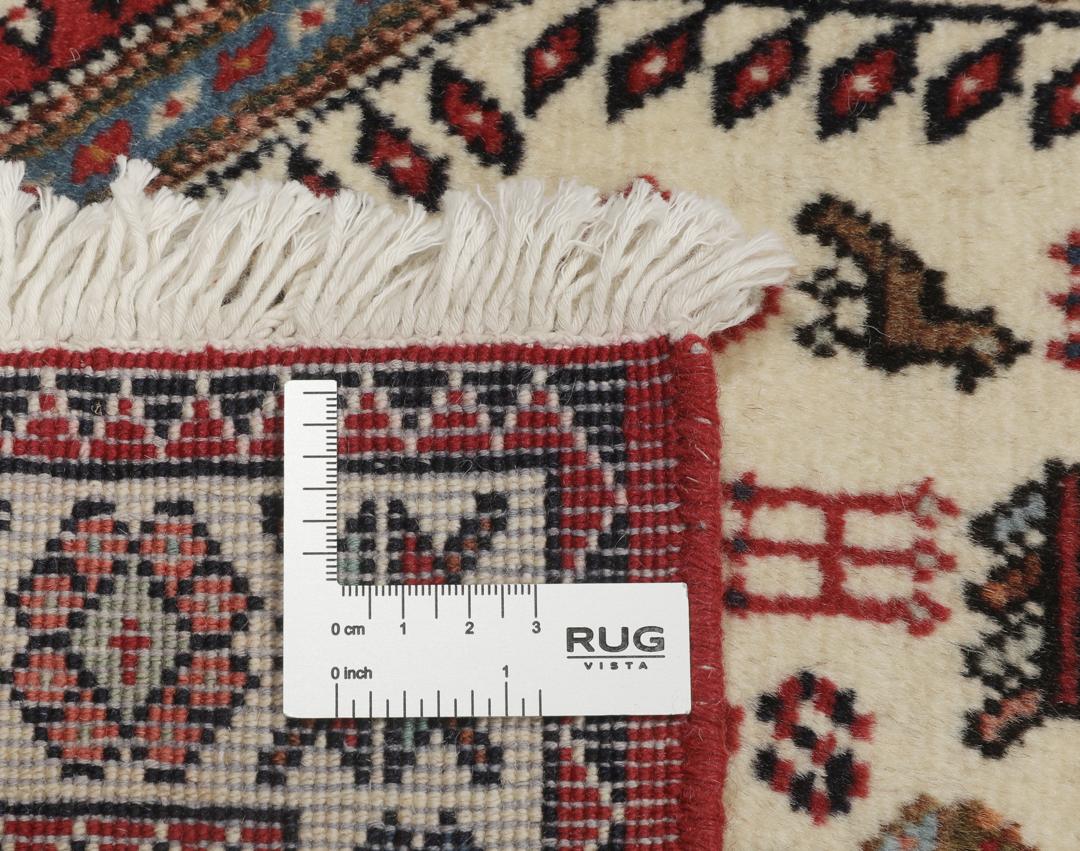
The term hand-knotted refers to the laborious method where each knot is tied individually onto the warp threads. This technique is the hallmark of quality in the region, creating a pile that is not only dense and lustrous but also incredibly resistant to wear. The use of a cotton foundation in these rugs provides the necessary stability to hold the intricate knotting in place, ensuring that the final product maintains its shape and structural integrity for generations.
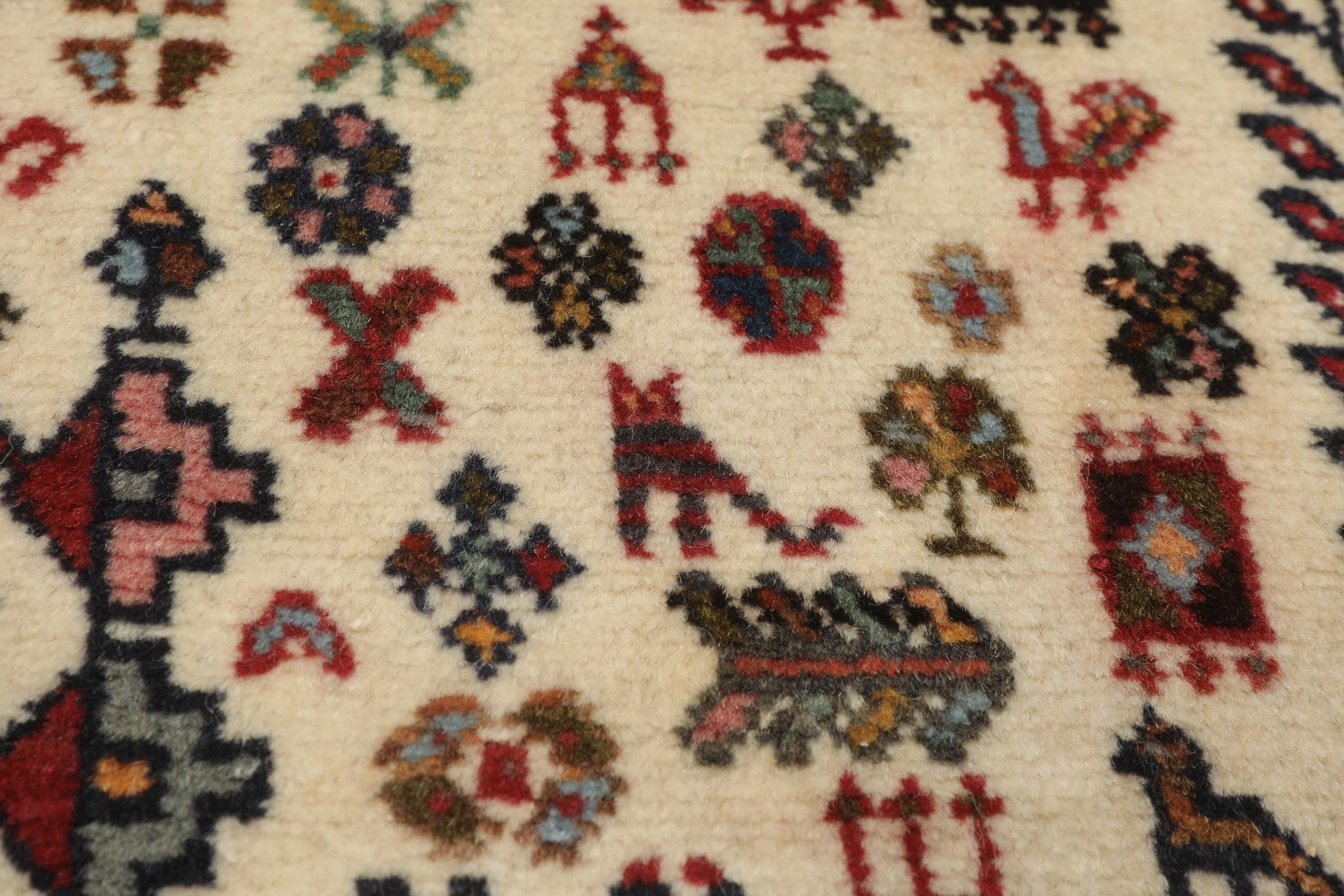
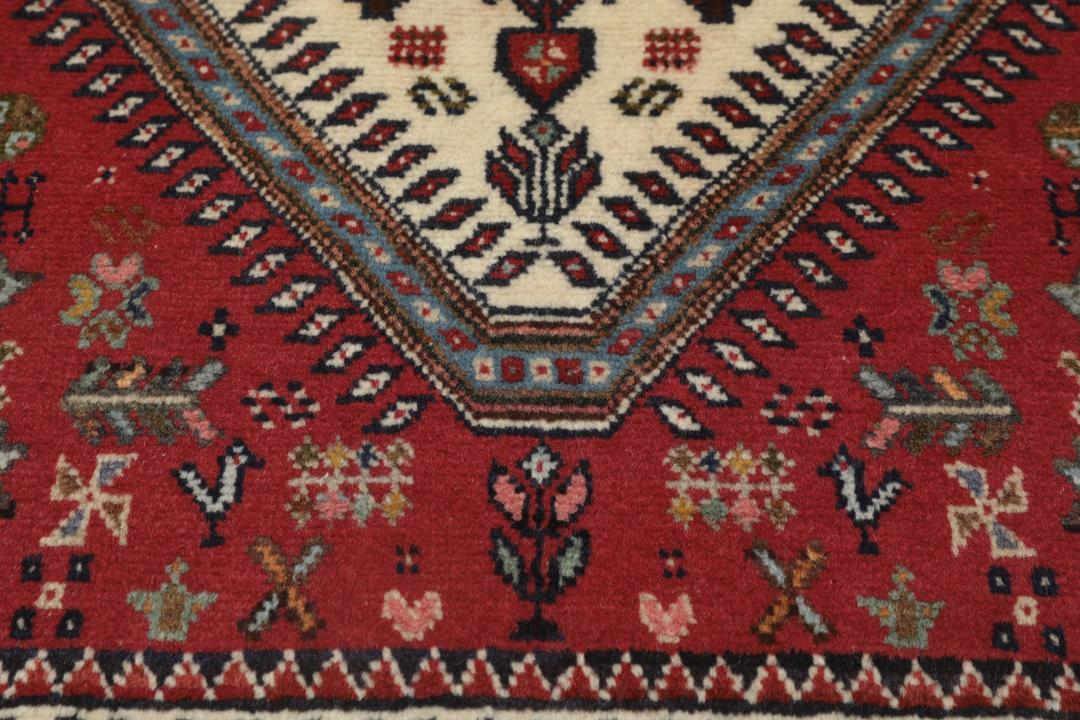
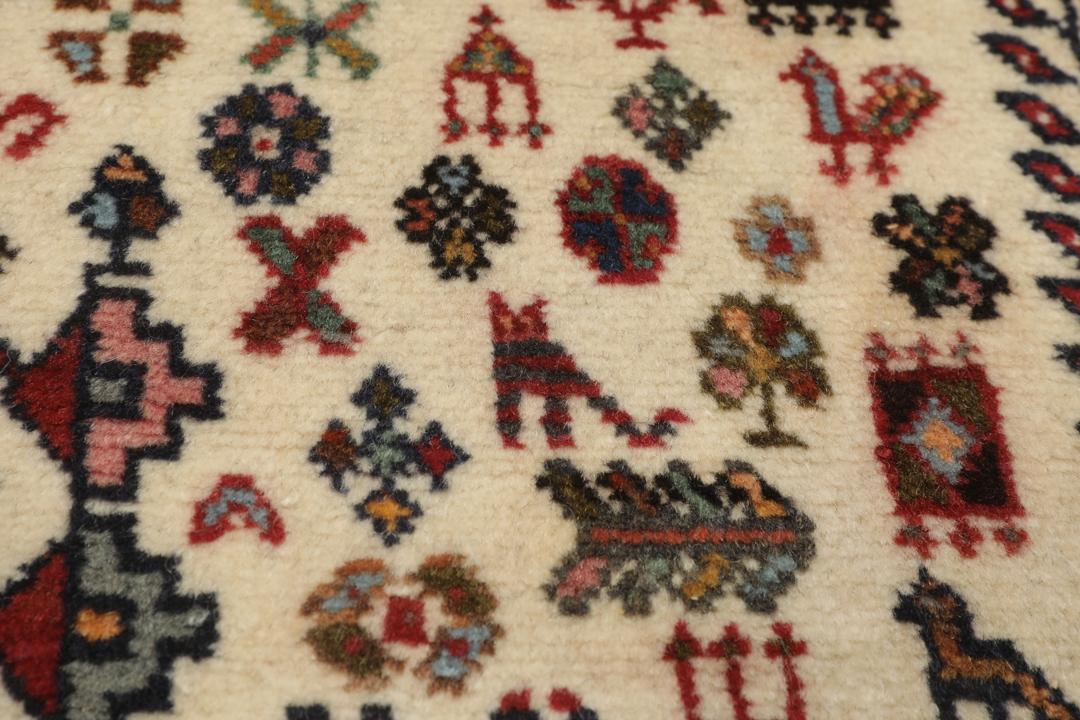
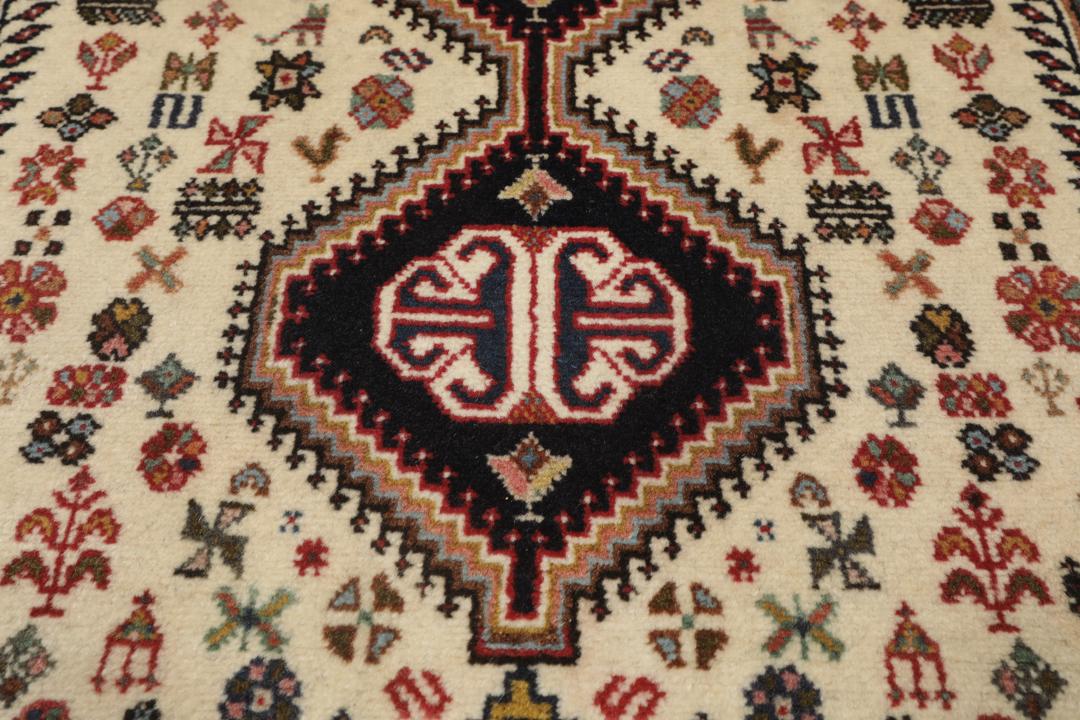
Abadeh rugs are easily identified by their signature design elements, often featuring a central medallion or a series of repeating geometric shapes surrounded by a field of finely detailed floral or animal motifs. The borders are typically formal and structured, providing a striking contrast to the more fluid, expressive nature of the central field. It is common to see small, stylized representations of everyday life, such as birds, trees, or household objects, woven directly into the pattern.
Collecting a rug from this tradition is an act of preserving a rich cultural heritage. These pieces are valued for their authenticity and the deep, centuries-old skill required to bring them into existence. Owning an Abadeh runner connects your home to a long-standing lineage of artistry, offering a sense of lasting value that transcends fleeting trends.